Travel South America

10 beautiful small towns in Brazil worth exploring beyond the major cities

James Porter
4.0
June 02, 2026

Brazil is often associated with Rio de Janeiro, São Paulo, the Amazon, and long stretches of coastline, but some of the country’s most rewarding travel experiences are found in smaller towns. These places move at a slower pace and often reveal a different side of Brazil through colonial streets, mountain scenery, local food, traditional festivals, and everyday community life. For travelers who enjoy history, architecture, nature, and regional culture, small towns in Brazil can feel more personal than major tourist centers.

Many of these towns are tied to Brazil’s colonial past, mining history, coastal trade, or rural traditions. Others are known for beaches, waterfalls, art, or food. What makes them special is not only what visitors can see, but how they can experience it. Walking through cobblestone streets, staying in family run inns, visiting local markets, or eating regional dishes can make a trip feel more grounded. These small towns are worth exploring for travelers who want beauty, culture, and a stronger sense of place.
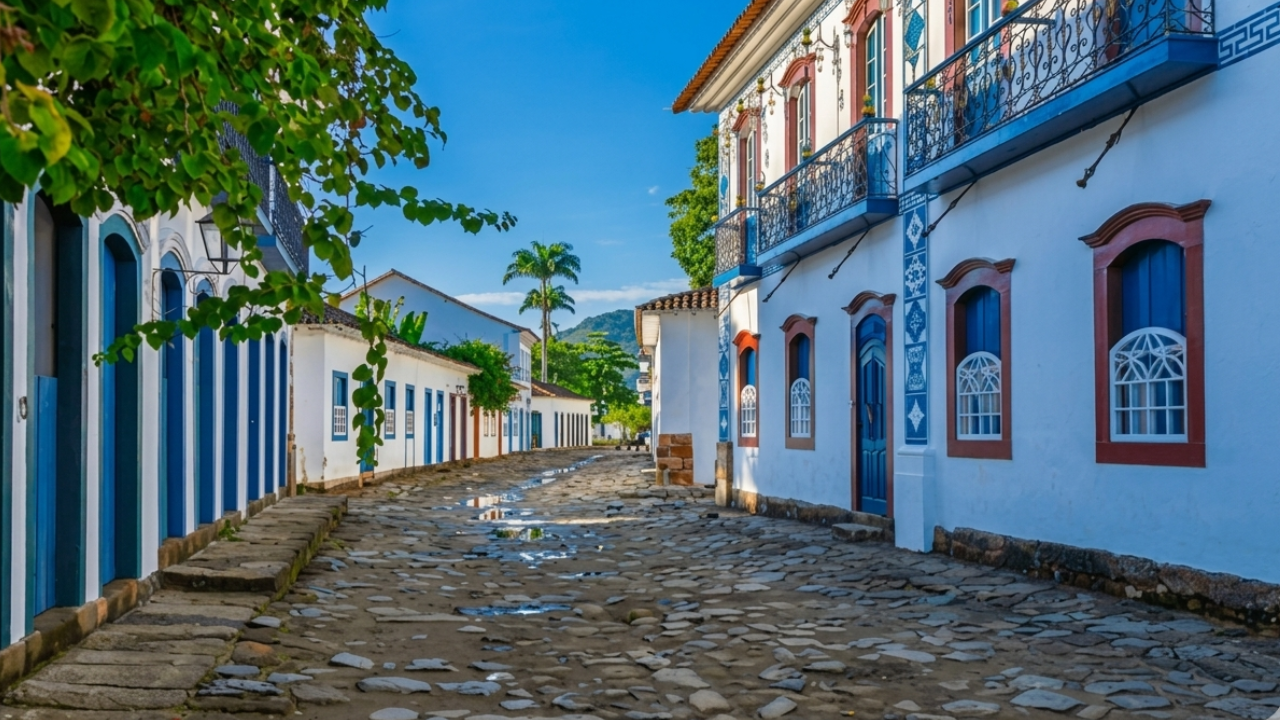
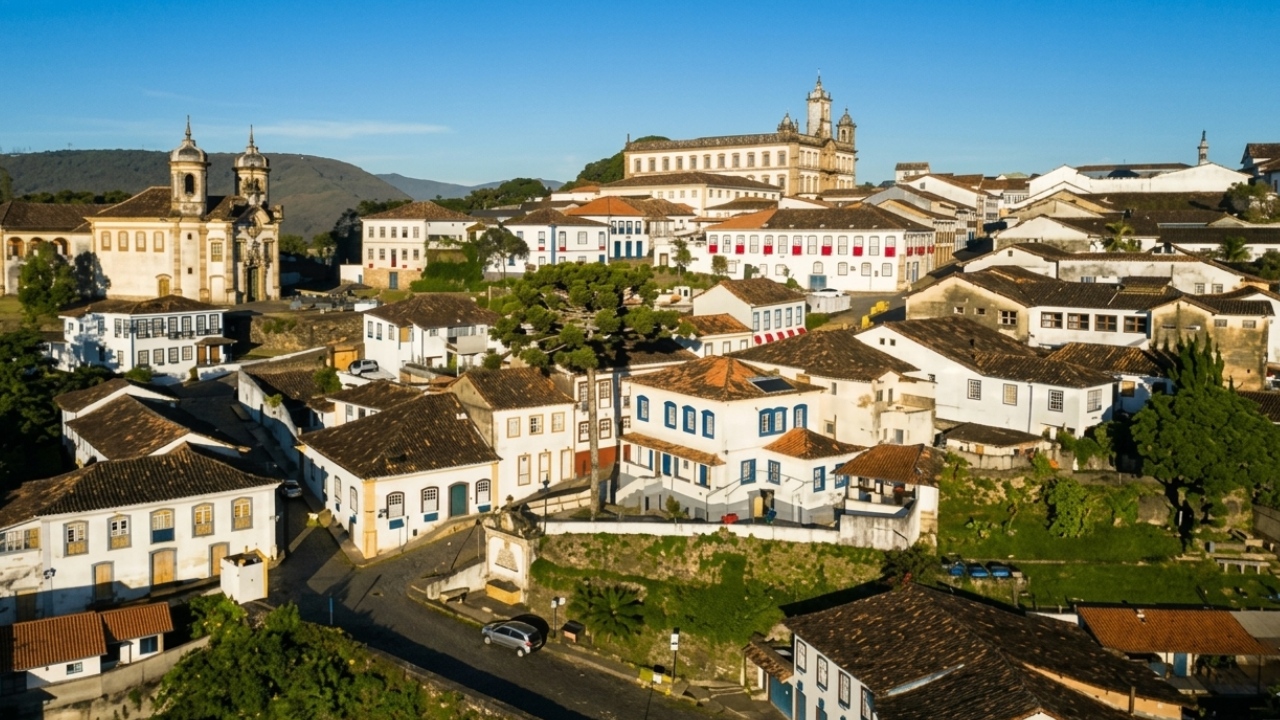
1. Paraty, Rio de Janeiro
© shutterstock / rocharibeiro

1. Paraty, Rio de Janeiro

Paraty is one of Brazil’s most atmospheric small towns, known for its colonial center, cobblestone streets, whitewashed buildings, and mountain backed coastline. Once an important port during the gold trade, the town now attracts travelers who enjoy history, boat trips, and creative local culture. The historic center is best explored on foot, with galleries, cafes, churches, and small shops tucked into preserved streets. Beyond town, visitors can take boat tours to nearby islands and beaches or explore waterfalls in the surrounding Atlantic Forest. Paraty works well for travelers who want a balanced mix of coastal beauty and cultural charm.

Best for: Colonial streets and island boat trips

Traveler tip: Wear comfortable shoes for uneven stone streets

2. Ouro Preto, Minas Gerais
© shutterstock / Donatas Dabravolskas

2. Ouro Preto, Minas Gerais

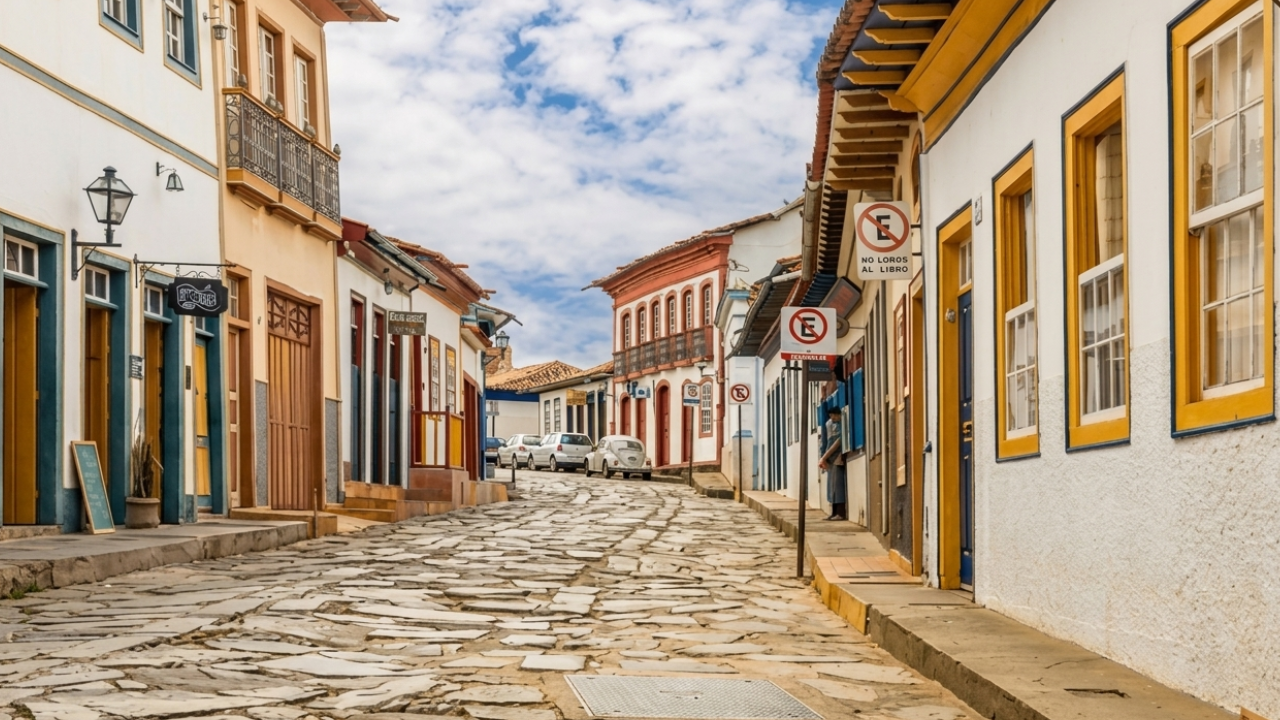
Ouro Preto is one of Brazil’s most important historic towns, with steep streets, baroque churches, museums, and views over the hills of Minas Gerais. Its name means “black gold,” reflecting its role in the gold mining era. The town’s architecture, religious art, and old mining sites make it especially appealing for travelers interested in Brazil’s colonial history. Walking through Ouro Preto can be physically demanding because of the slopes, but the views and preserved buildings make the effort worthwhile. Local food is another highlight, especially traditional Minas Gerais dishes served in relaxed restaurants.

Best for: Baroque churches and mining history

Traveler tip: Plan extra time for walking uphill

3. Tiradentes, Minas Gerais
© shutterstock / Luis War

3. Tiradentes, Minas Gerais

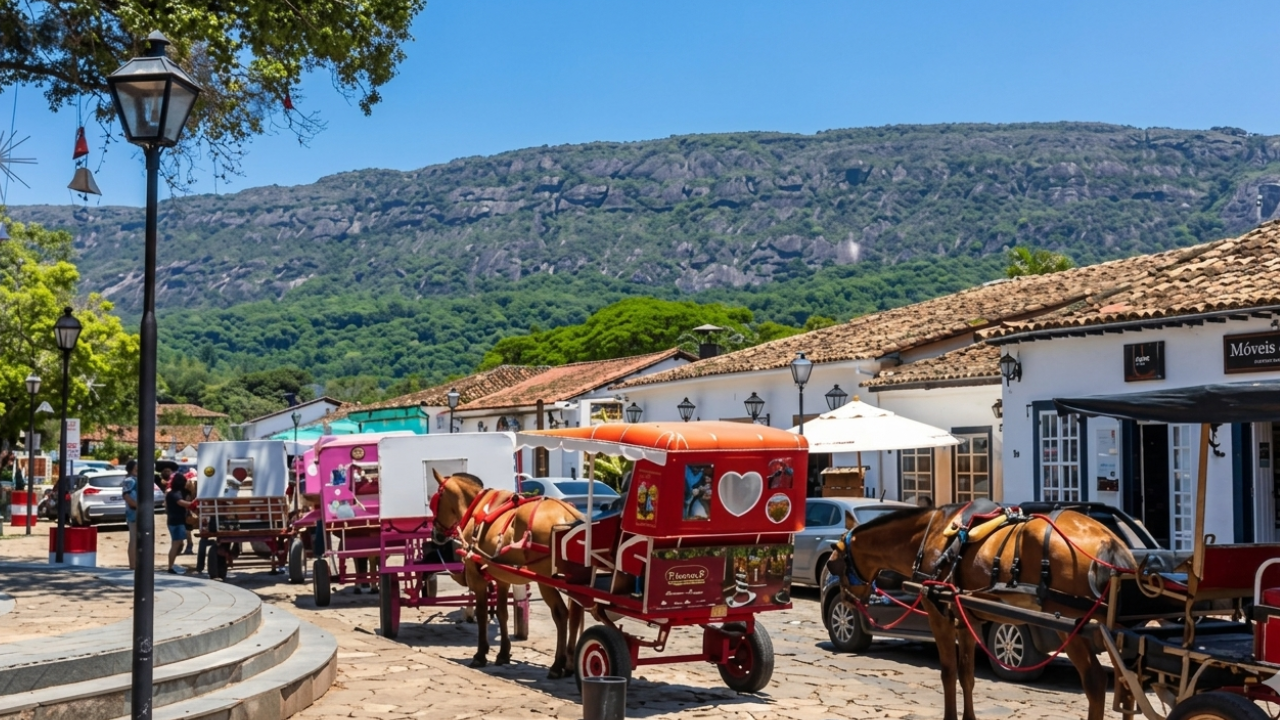
Tiradentes is smaller and quieter than Ouro Preto, but it offers a polished historic atmosphere with colorful houses, mountain views, and excellent regional food. The town is known for its preserved colonial streets, artisan shops, and relaxed weekend energy. Visitors can walk through the historic center, visit churches, browse craft studios, or take a scenic train ride to nearby São João del Rei. Tiradentes is also a strong choice for food focused travelers because local restaurants often highlight ingredients and recipes from Minas Gerais. It is ideal for a slower cultural escape rather than a packed sightseeing trip.

Best for: Food, crafts, and relaxed history

Traveler tip: Visit midweek for a quieter atmosphere

4. Diamantina, Minas Gerais
© shutterstock / Luis War

4. Diamantina, Minas Gerais

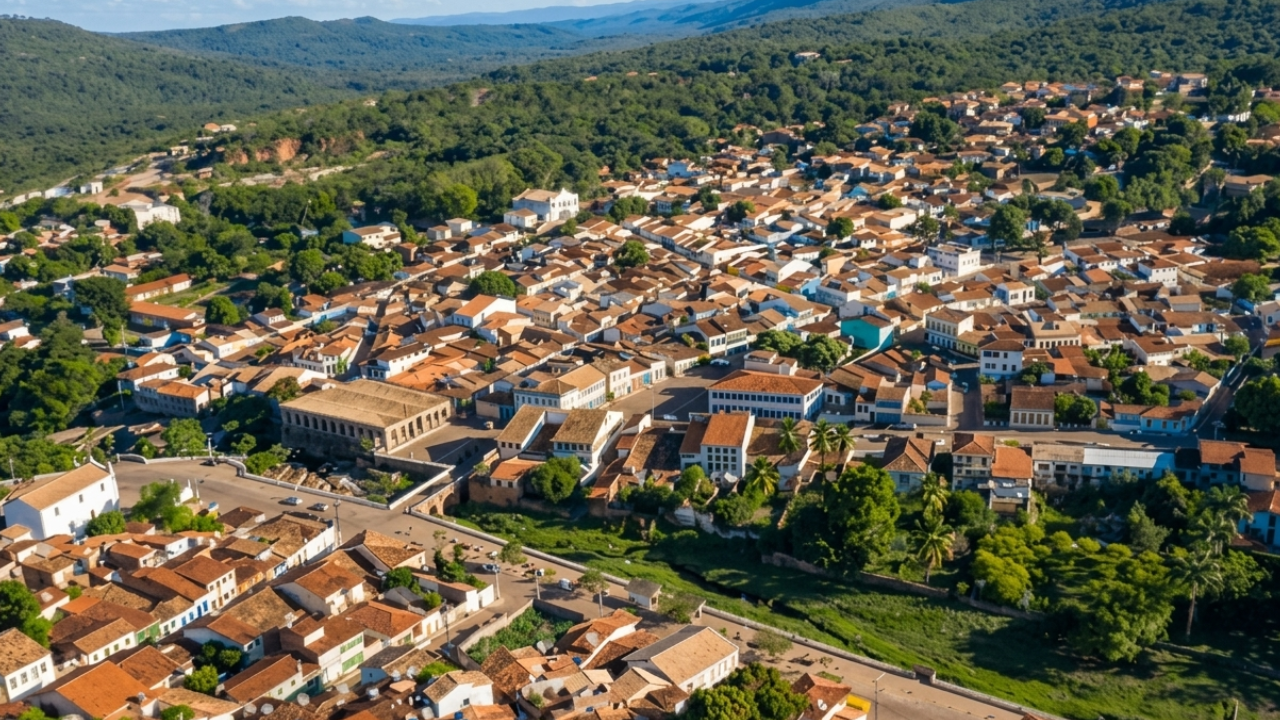
Diamantina sits in the mountains of Minas Gerais and has a rich history linked to diamond mining, music, and colonial architecture. The town’s old center has narrow streets, bright houses, churches, and scenic viewpoints that reflect its layered past. Compared with more visited historic towns, Diamantina can feel calmer and less commercial, making it appealing for travelers who enjoy wandering without a strict schedule. Music is part of the town’s identity, and traditional events often bring life to its streets and squares. The surrounding region also offers waterfalls and natural landscapes for travelers who want to combine culture with outdoor time.

Best for: Historic streets and mountain scenery

Traveler tip: Check local event dates before visiting

5. Pirenópolis, Goiás
© shutterstock / Jc Benato

5. Pirenópolis, Goiás

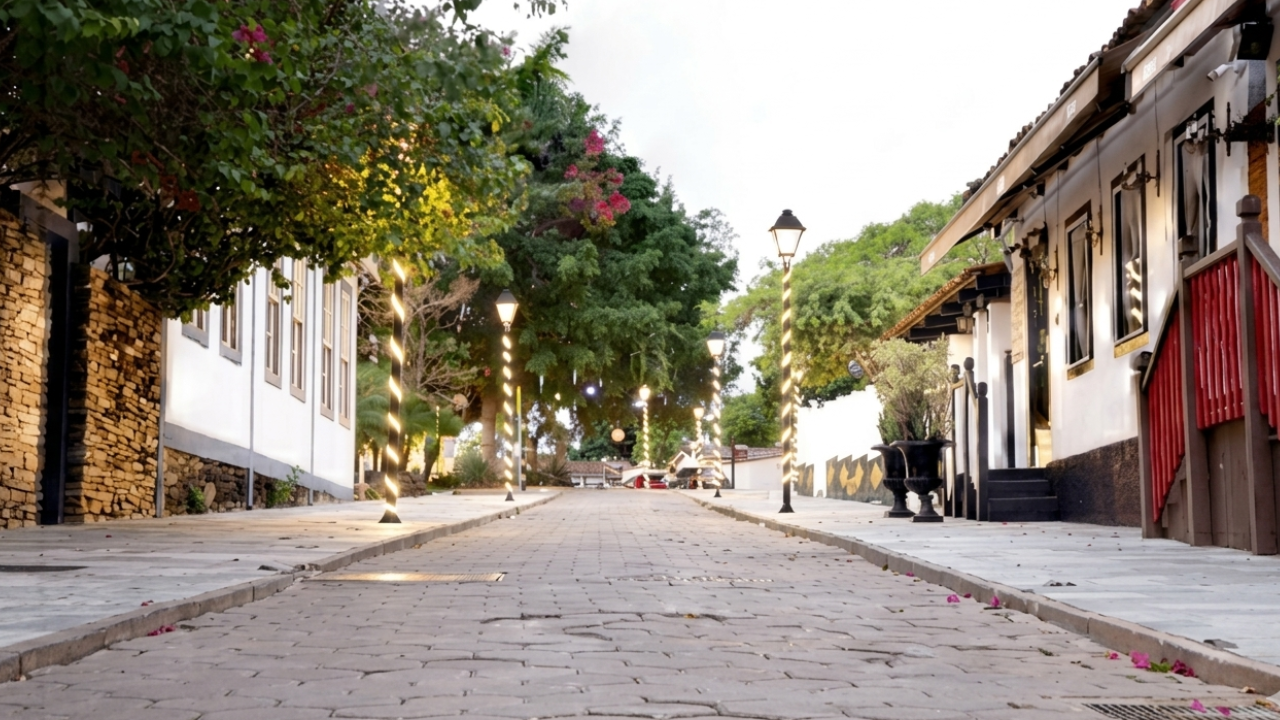
Pirenópolis is a charming town in central Brazil known for colonial architecture, waterfalls, festivals, and a relaxed countryside feel. Its historic center has stone streets, old churches, colorful houses, and small restaurants serving regional food. The surrounding area is one of its biggest draws, with waterfalls and nature reserves that make it popular for weekend trips. Visitors can spend mornings exploring trails and afternoons walking through town or enjoying local sweets and crafts. Pirenópolis is a good choice for travelers who want a mix of nature, culture, and easygoing small town life.

Best for: Waterfalls and colonial charm

Traveler tip: Bring water shoes for waterfall visits

6. Lençóis, Bahia
© shutterstock / Travelhock

6. Lençóis, Bahia

Lençóis is a small town that serves as a gateway to Chapada Diamantina National Park, one of Brazil’s most scenic inland regions. The town has colorful houses, cobblestone lanes, and a relaxed backpacker friendly atmosphere. Its main appeal is access to waterfalls, caves, rivers, canyons, and hiking routes. After a day outdoors, travelers return to town for casual restaurants, music, and guesthouses. Lençóis is especially worthwhile for visitors who want a nature based trip without losing the comfort of a lively small town. It is best enjoyed over several days because the surrounding landscapes are spread out.

Best for: Hiking and waterfall adventures

Traveler tip: Book guided trips for remote trails

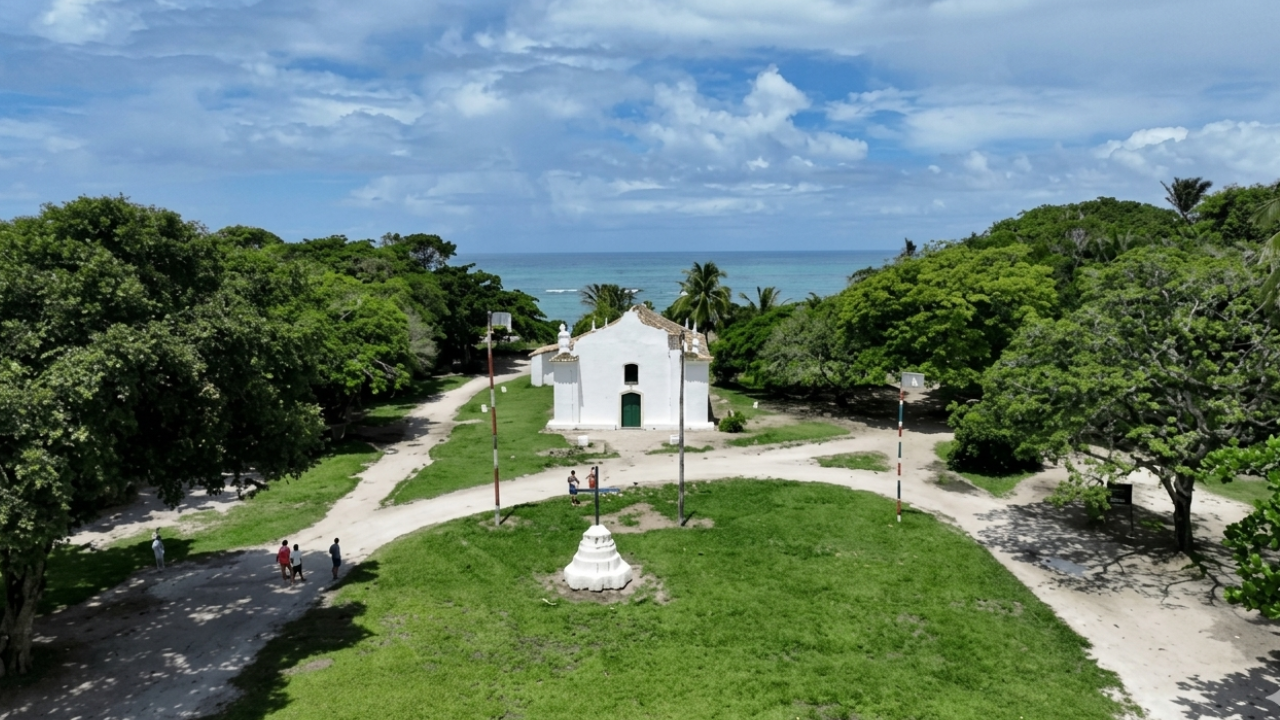
7. Trancoso, Bahia
© shutterstock / ByDroneVideos

7. Trancoso, Bahia

Trancoso is a coastal town in Bahia known for its historic Quadrado, colorful houses, relaxed beach culture, and scenic ocean views. The central grassy square is lined with small restaurants, shops, and guesthouses, while nearby beaches offer soft sand, cliffs, and warm water. Although Trancoso has become more stylish over time, it still preserves a laid back village feeling in many parts of town. Travelers come for beach days, seafood, sunsets, and the mix of rustic charm with boutique comfort. It suits visitors who want a quieter coastal stay than Brazil’s larger resort areas.

Best for: Beaches and relaxed coastal style

Traveler tip: Stay near the Quadrado for easy evenings

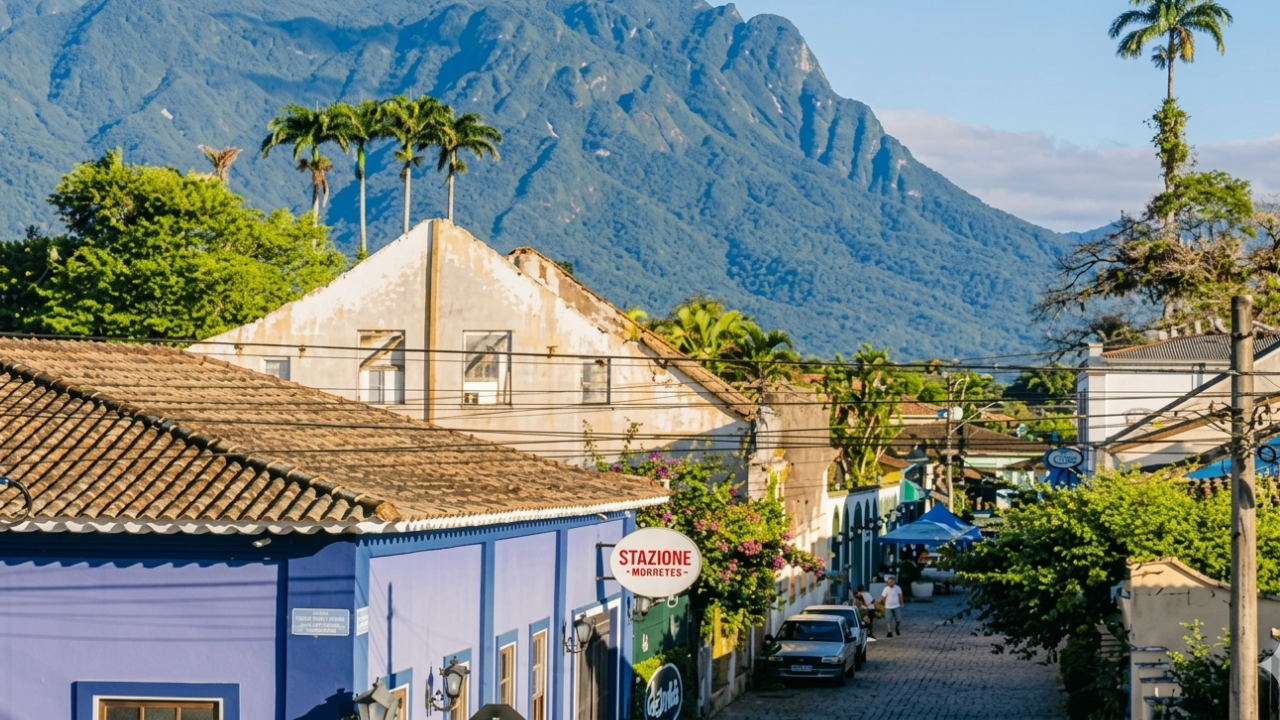
8. Morretes, Paraná
© shutterstock / vMathz

8. Morretes, Paraná

Morretes is a small riverside town in Paraná, set between mountains and the coast. It is best known for its colonial houses, peaceful streets, and barreado, a traditional slow cooked beef dish served with cassava flour and rice. Many visitors arrive by the scenic train route from Curitiba, which passes through forested mountains, bridges, and valleys. The town itself is easy to explore on foot, with riverside restaurants and local shops creating a calm atmosphere. Morretes is ideal for travelers who enjoy food, nature, and slower day trips with strong regional character.

Best for: Scenic train rides and regional food

Traveler tip: Try barreado at a traditional restaurant

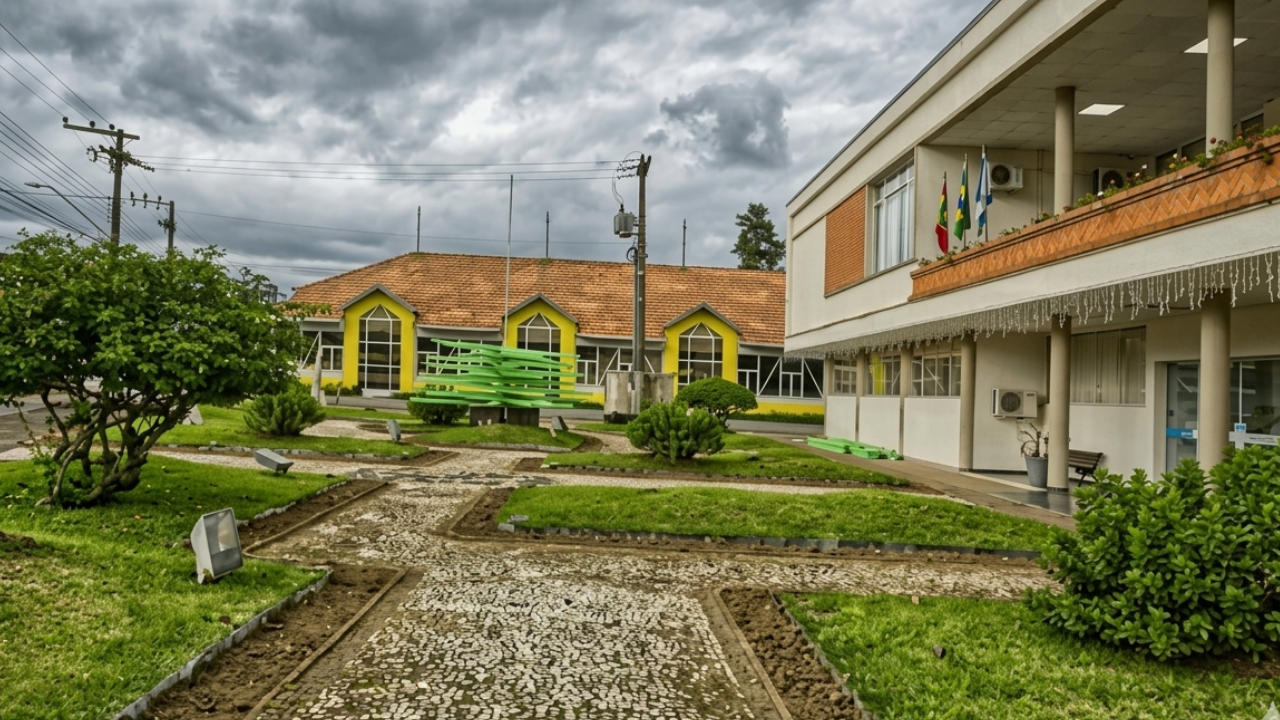
9. Pomerode, Santa Catarina
© shutterstock / felixramao

9. Pomerode, Santa Catarina

Pomerode is often associated with German Brazilian heritage, visible in its architecture, festivals, gardens, and local food. The town has a clean, orderly feel and is known for half timbered buildings, craft traditions, and family friendly attractions. Visitors can explore cultural museums, sample German influenced dishes, and walk through quiet streets lined with distinctive houses. Pomerode is especially interesting for travelers who want to understand Brazil’s immigrant communities beyond the country’s better known coastal and colonial narratives. Its calm pace makes it a comfortable stop in southern Brazil.

Best for: German Brazilian culture and architecture

Traveler tip: Visit during local festivals for more atmosphere

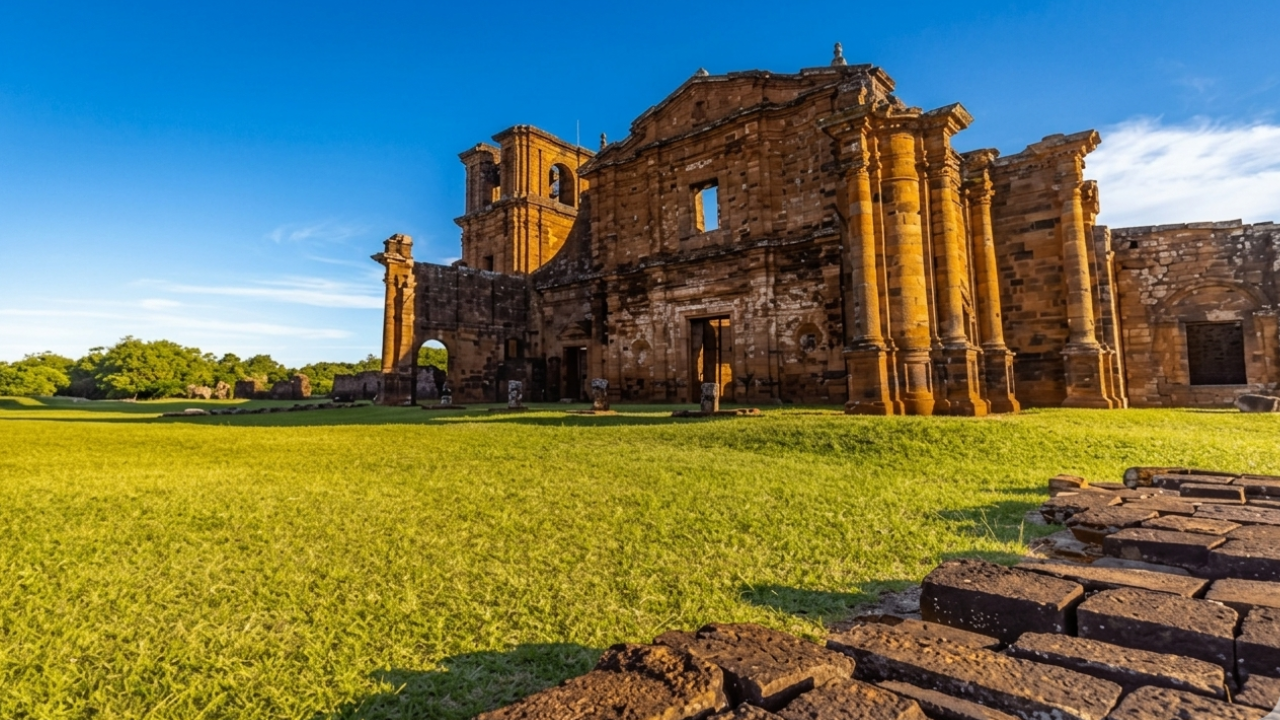
10. São Miguel das Missões, Rio Grande do Sul
© shutterstock / Ticiana Giehl

10. São Miguel das Missões, Rio Grande do Sul

São Miguel das Missões is a small town known for the ruins of São Miguel Arcanjo, one of the most important Jesuit mission sites in Brazil. The stone remains of the old mission church create a powerful historic setting, especially in the softer light of late afternoon. The town itself is quiet, but the site offers insight into a complex period involving Jesuit missions, Guarani communities, and colonial expansion. Visitors interested in history, archaeology, and cultural heritage will find it especially worthwhile. It is not a fast paced destination, but its atmosphere feels distinct and memorable.

Best for: Mission ruins and cultural history

Traveler tip: Visit near sunset for better light


Comments (0)

Leave a Reply

No comments yet. Be the first to share your thoughts!