Travel Asia

10 common travel mistakes visitors make while traveling in Asia

James Porter
3.6
May 19, 2026

Planning a vacation to Asia can be exciting and overwhelming all at once. With diverse cultures, climates, languages, and logistics spanning hundreds of thousands of miles, it’s easy for even experienced travelers to make planning errors that impact their trip enjoyment. From underestimating distances between destinations to overlooking local customs, common missteps can lead to stress, extra costs, and missed experiences.

Many first‑time visitors think of Asia as a single place rather than a continent with distinct regions, each with its own travel rhythms and practical realities. Whether you are heading to bustling cities, remote highlands, tropical beaches, or heritage sites, thoughtful planning matters. Understanding the most frequent travel mistakes — and how to avoid them — can help you build an itinerary that flows well, respects local culture, and maximizes your time and budget. This guide highlights ten planning pitfalls to avoid when organizing your Asia vacation, with clear explanations and practical insights before you book your flights.

1. Underestimating Travel Distances
© shutterstock / Markus Mainka

1. Underestimating Travel Distances

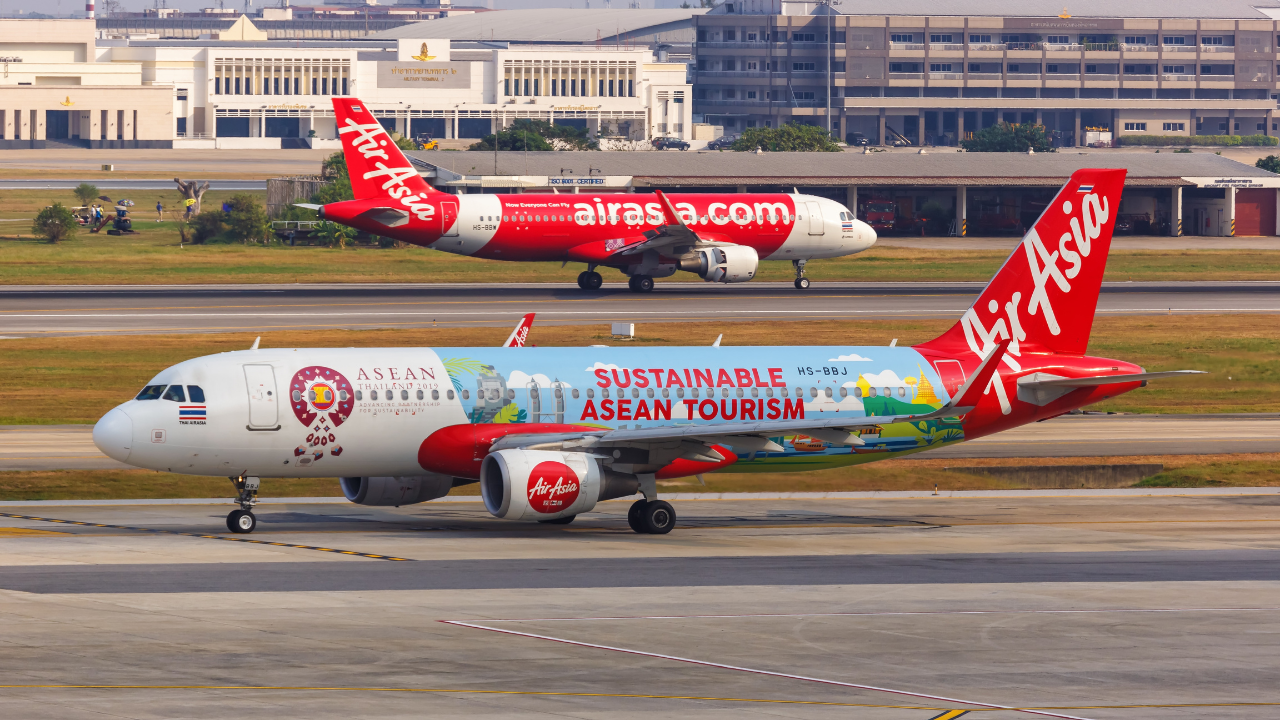
One of the most common mistakes travelers make is assuming that cities or countries are closer together than they really are. Asia is vast, and travel times can be long even over short straight‑line distances.

Many visitors forget that a short flight across a border might still involve lengthy airport procedures, inland transfers, or limited flight options. For example, traveling between major hubs and smaller towns often requires connecting flights, long bus rides, or overnight travel. Budgeting adequate time between destinations prevents rushed itineraries and reduces the risk of missed connections.

Time impact: Longer transit than expected

Planning tip: Check ground travel times too

Better pace: More nights in fewer places

2. Ignoring Local Weather Patterns
© shutterstock / 1000 Words

2. Ignoring Local Weather Patterns

Asia’s climate varies dramatically — monsoons, dry seasons, highland chills, and tropical humidity all play a role in timing your visit.

Travelers sometimes book trips without accounting for seasonal weather, ending up with rain‑soaked plans or excessive heat. For example, parts of Southeast Asia have heavy monsoons that affect beach plans, while high altitude regions can be chilly year‑round. Coastal regions and inland cities can also vary widely. Understanding seasonal patterns not only affects comfort, but also availability of activities and transportation.

Seasonal risk: Traveling during monsoon

Comfort tip: Check regional seasons

Activity note: Some parks close in rain

3. Overpacking the Itinerary
© shutterstock / Stock-Asso

3. Overpacking the Itinerary

Try to see everything on a continent as diverse as Asia in a single trip and you’ll likely burn out. A frequent mistake is building an itinerary packed with too many cities or countries in a short timeframe.

This happens when travelers overlook travel time, jet lag, and the need for rest. Long transit days can consume a surprising portion of your schedule, leaving little time to appreciate each destination. Instead of rushing from place to place, focus on fewer stops with deeper engagement and more manageable travel legs. Allow buffer days for rest or unexpected discoveries — and be realistic about what’s feasible in the time available.

Packing too much: Multiple cities per week

Better pace: 2–3 places per trip

Rest focus: Add downtime days

4. Skipping Visa and Entry Research
© shutterstock / AlpakaVideo

4. Skipping Visa and Entry Research

Visa rules in Asia vary widely by nationality, length of stay, and purpose of your visit. Assuming entry requirements are simple or will be resolved at the border is a mistake that can disrupt travel.

Some countries require visas in advance, others offer visa‑on‑arrival, while still others have electronic travel authorizations. In addition, proof of onward tickets, vaccination certificates, or hotel confirmations can be asked for at immigration checkpoints. Ignoring these details may result in denied entry, fines, or forced itinerary changes.

Entry complexity: Varies by country

Must‑check: Advance visa requirements

Documentation: Onward ticket or proof

5. Not Planning for Local Transport
© shutterstock / FOTO Eak

5. Not Planning for Local Transport

Asia is home to an extensive array of transport options — from high‑speed rail to tuk‑tuks — but travelers often don’t plan which mode suits their needs best.

Choosing the cheapest option isn’t always the most convenient. Regional trains can be slower than flights, while buses and ferries may lack reliability during peak travel seasons. Within cities, public transit, rideshare apps, or local taxis vary in cost and safety. Mapping transport ahead of time — including costs, seat reservations, schedules, and luggage considerations — helps you avoid confusion and unexpected delays once you arrive.

Transport mismatch: Wrong choice for distance

Cost note: Cheaper isn’t always smoother

Comfort tip: Reserve seats for long trips

6. Overlooking Cultural Norms and Etiquette
© shutterstock / MinhHue

6. Overlooking Cultural Norms and Etiquette

Asia’s cultural diversity is one of its greatest assets, but also a source of misunderstandings when norms are unforeseen. Simple gestures such as how you greet someone, take photographs, or dress in religious sites can vary dramatically from culture to culture.

Tourists sometimes inadvertently offend locals or get turned away from attractions by not adhering to dress codes or behavior expectations. Learning about respectful practices — including tipping norms, temple etiquette, and appropriate greetings — makes travel smoother and more rewarding. A little cultural research enhances interactions and avoids avoidable friction.

Etiquette miss: Dress codes at temples

Respect tip: Learn greetings and gestures

Interaction cue: Ask before taking photos

7. Neglecting Safety and Health Preparations
© shutterstock / Inna Dodor

7. Neglecting Safety and Health Preparations

Travelers often focus on attractions and forget essential safety and health planning. Asia has differing infrastructure standards, food safety norms, and disease risks depending on the region.

Failing to secure appropriate travel insurance, necessary vaccinations, or awareness of health risks can lead to medical issues that interrupt your trip. Basic precautions like safe food practices, potable water awareness, and knowledge of local medical facilities can make a significant difference. Additionally, keeping copies of important documents and having contingency plans for emergencies adds peace of mind.

Health prep: Vaccinations where needed

Safety check: Travel insurance coverage

Backup plan: Important document copies

8. Misjudging Budget and Currency Differences
© shutterstock / Ground Picture

8. Misjudging Budget and Currency Differences

Asia’s cost landscape is wide — some destinations are extremely affordable while others, especially major cities, can rival Western prices. Travelers sometimes plan based on general assumptions rather than specific cost research.

Underestimating daily expenses for meals, transport, and attractions can quickly stretch budgets. Overseas ATMs and currency exchange locations also vary in fees and rates. Planning a clear budget that includes accommodation tiers, planned activities, and emergency funds helps avoid monetary stress while traveling.

Budget trap: Assumes all cheap

Currency tip: Check exchange and ATM fees

Emergency funds: Always in itinerary

9. Failing to Book Accommodation Early
© shutterstock / Summit Art Creations

9. Failing to Book Accommodation Early

Popular destinations in Asia — especially islands, festivals, and historic cities — can fill up fast during peak seasons. Waiting until the last minute to book lodging often results in higher prices, limited choices, or inconvenient locations far from major sights.

Many travelers try to play it by ear, but this can backfire in places with limited inventory, like island resorts or boutique inns. Plan ahead to secure rooms that match your travel style — whether you prefer budget guesthouses or higher‑end hotels. Early booking also allows you to choose accommodations with better transport access, safety, and comfort features.

Timing risk: Late booking limits choices

Location note: Stay near transit

Budget tip: Lower prices with early deals

10. Forgetting Flexible Backup Plans
© shutterstock / Rawpixel

10. Forgetting Flexible Backup Plans

Flexible planning is a strength when traveling in Asia due to frequent changes in weather, transportation schedules, and local conditions. Travelers who lock every ticket, tour, and activity without room for adjustment may find themselves stuck if plans change.

Unexpected closures, strikes, or itinerary shifts due to weather are part of travel life. Allowing space for alternative activities, refundable options, and flexible timing helps keep your vacation enjoyable even when things shift. Backup plans — such as alternate routes, time buffers, or rain day ideas — reduce stress and preserve your overall experience.

Backup mindset: Allow itinerary flexibility

Refund option: Choose refundable tickets

Rain plan: Indoor alternatives ready


Comments (0)

Leave a Reply

No comments yet. Be the first to share your thoughts!