Travel Europe

10 of Lithuania's most scenic natural landmarks and places worth visiting

Leo Harper
4.3
June 01, 2026

Lithuania is often introduced through Vilnius, but some of the country’s most rewarding travel experiences sit beyond the capital. Away from the main city routes, visitors can find lake districts, quiet spa towns, Baltic coast villages, historic settlements, forests, dunes, and small communities where local life feels easier to observe. These places are not hidden in the sense of being unknown, but they are often overlooked by travelers who only plan a short city break.

For anyone looking for the best places to visit in Lithuania beyond Vilnius, the country offers a balanced mix of nature, culture, and slow travel. Its compact size makes it possible to combine several regions in one trip, from lakeside villages to coastal escapes. These scenic towns and landscapes are ideal for travelers who want meaningful things to do in Lithuania without relying only on the capital’s old town and museums.
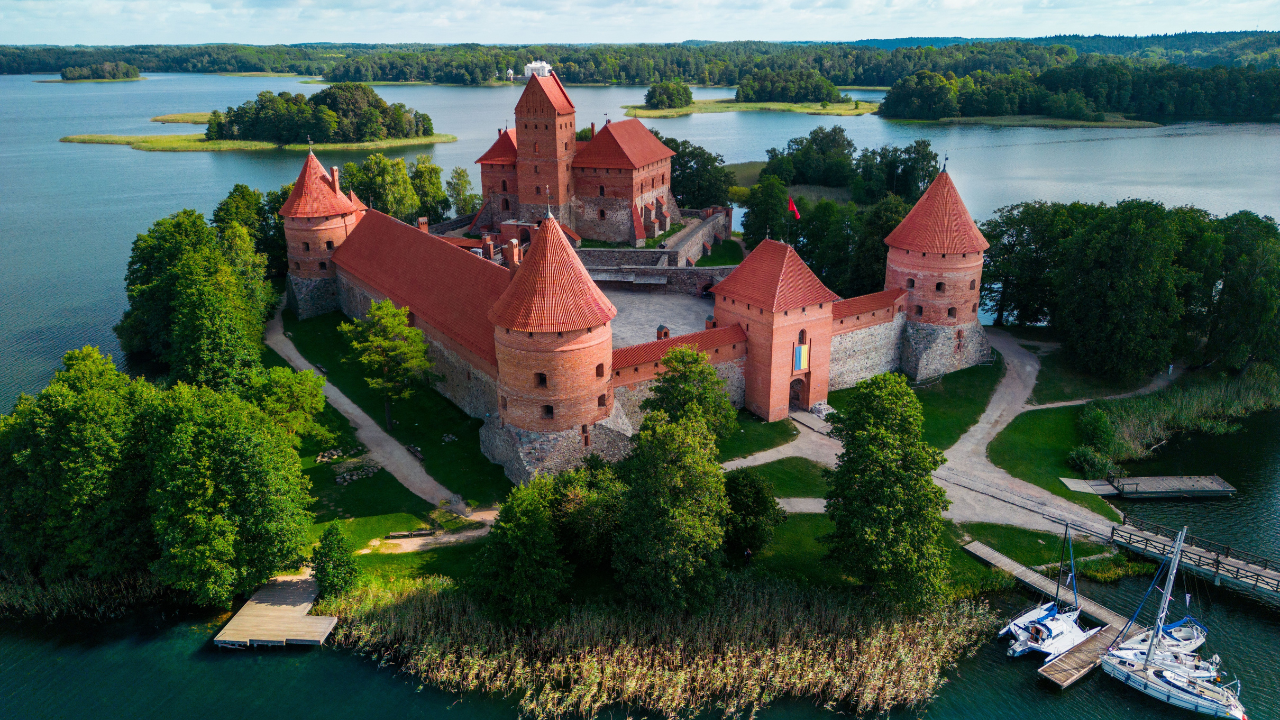
1. Trakai
© shutterstock / Wirestock Creators

1. Trakai

Trakai is one of Lithuania’s most scenic historic towns, set among lakes and known for its island castle. Although it is an easy day trip from Vilnius, staying longer gives visitors a calmer view of the area after the daytime crowds leave. The red brick castle, wooden houses, lakeside paths, and Karaim food traditions make Trakai feel distinct from the capital. Travelers can walk around Lake Galvė, rent a boat, or try kibinai, the savory pastry linked to the local Karaim community. It is a strong starting point for exploring Lithuania’s mix of history and lake scenery.

Best experience: Castle views, lake walks, and boat rides.

Traveler tip: Visit early morning or late afternoon for quieter paths.

2. Nida and the Curonian Spit
© shutterstock / Olezzo

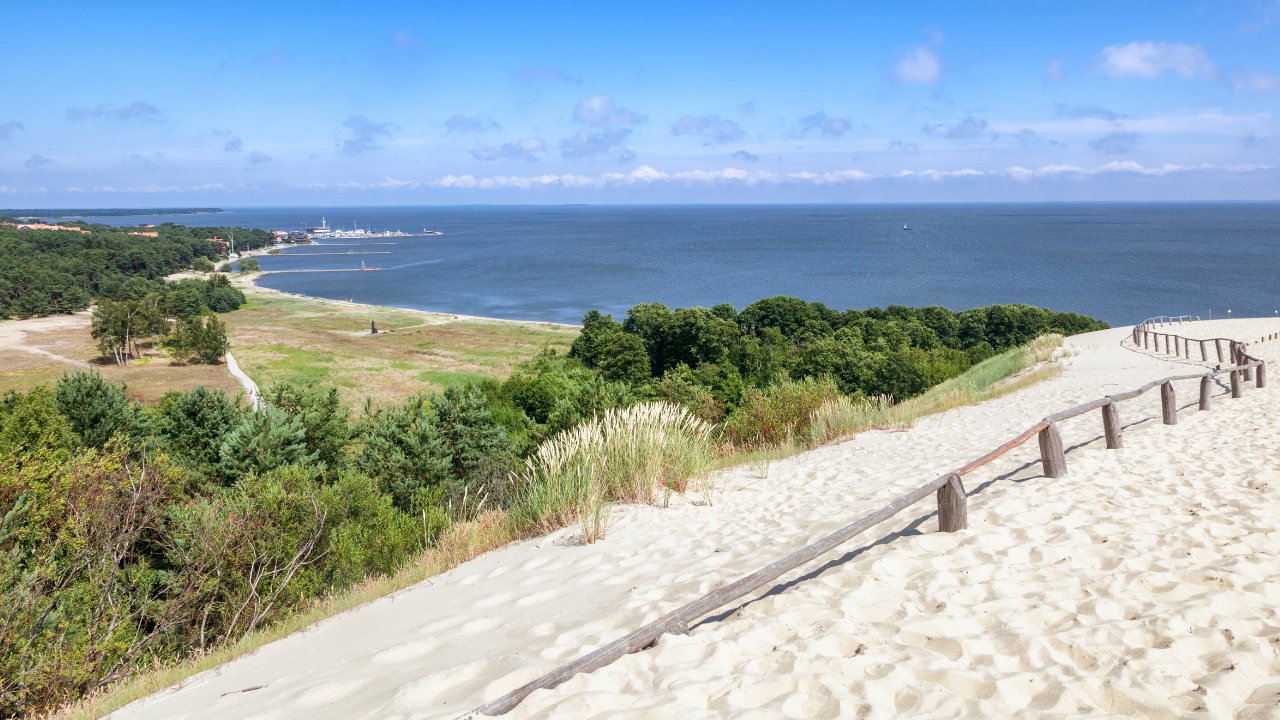
2. Nida and the Curonian Spit

Nida is one of Lithuania’s most memorable coastal escapes, located on the Curonian Spit, a narrow strip of land between the Baltic Sea and the Curonian Lagoon. The area is known for sand dunes, pine forests, fishermen’s houses, and peaceful cycling routes. The Parnidis Dune offers wide views over shifting sand, water, and forest, while the village itself has a relaxed seaside atmosphere. Nida works well for travelers who want the Baltic coast without a loud resort feel. It is also one of the top places to visit in Lithuania for nature, photography, and slow outdoor travel.

Best experience: Dune walks, cycling trails, and lagoon sunsets.

Traveler tip: Stay overnight to enjoy the village after day visitors leave.

3. Kaunas
© shutterstock / Mo Wu

3. Kaunas

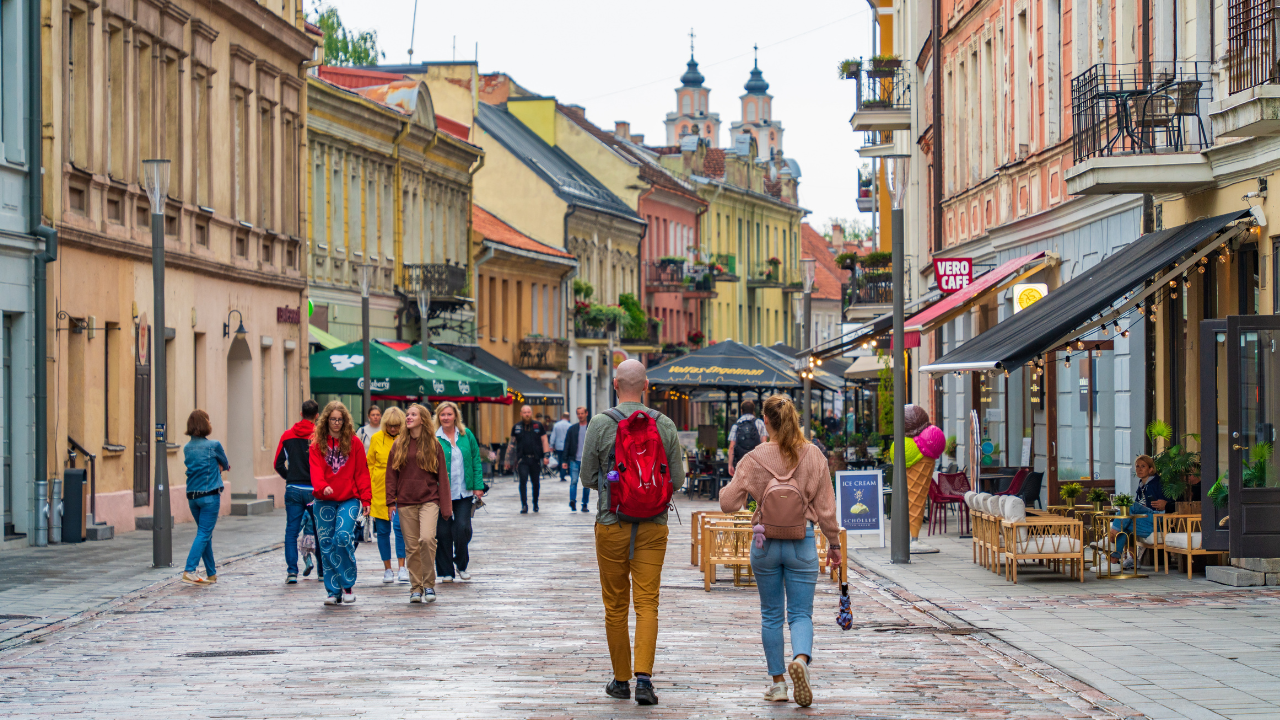
Kaunas is Lithuania’s second city, but it often feels more relaxed than a major urban destination. It has a walkable old town, interwar modernist architecture, riverside areas, museums, and a strong local cafe culture. The city is a good alternative for travelers who want history and design without staying in Vilnius. Highlights include Kaunas Castle, Laisvės Alėja, the Ninth Fort, and viewpoints above the city. Kaunas also has a creative energy, with galleries, street art, and cultural spaces that make it feel youthful while still deeply connected to Lithuanian history.

Best experience: Modernist architecture, museums, and riverside walks.

Traveler tip: Spend at least one night to see the city beyond a day trip.

4. Anykščiai
© shutterstock / Anna Lurye

4. Anykščiai

Anykščiai is a quiet town surrounded by forests, river scenery, and outdoor attractions. It is especially appealing for travelers who want gentle nature activities rather than busy sightseeing. The Treetop Walking Path is one of the area’s main draws, offering views over the forest canopy. Visitors can also explore the Šventoji River area, local museums, and nearby natural landmarks. Anykščiai has a calm, local feel and works well for families, couples, or solo travelers who want fresh air and easy walking routes. It is one of the best places to visit in Lithuania for a slower countryside break.

Best experience: Forest views, river walks, and nature trails.

Traveler tip: Pair the treetop path with a relaxed town walk.

5. Druskininkai
© shutterstock / Veja

5. Druskininkai

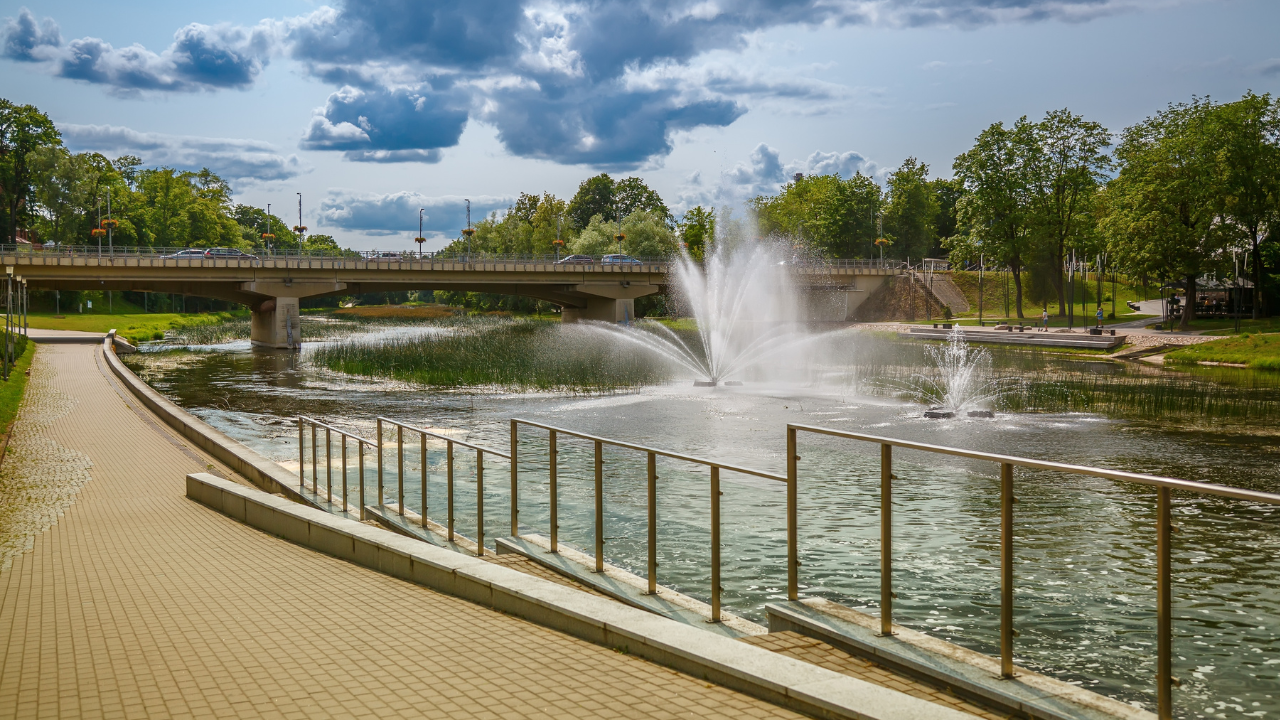
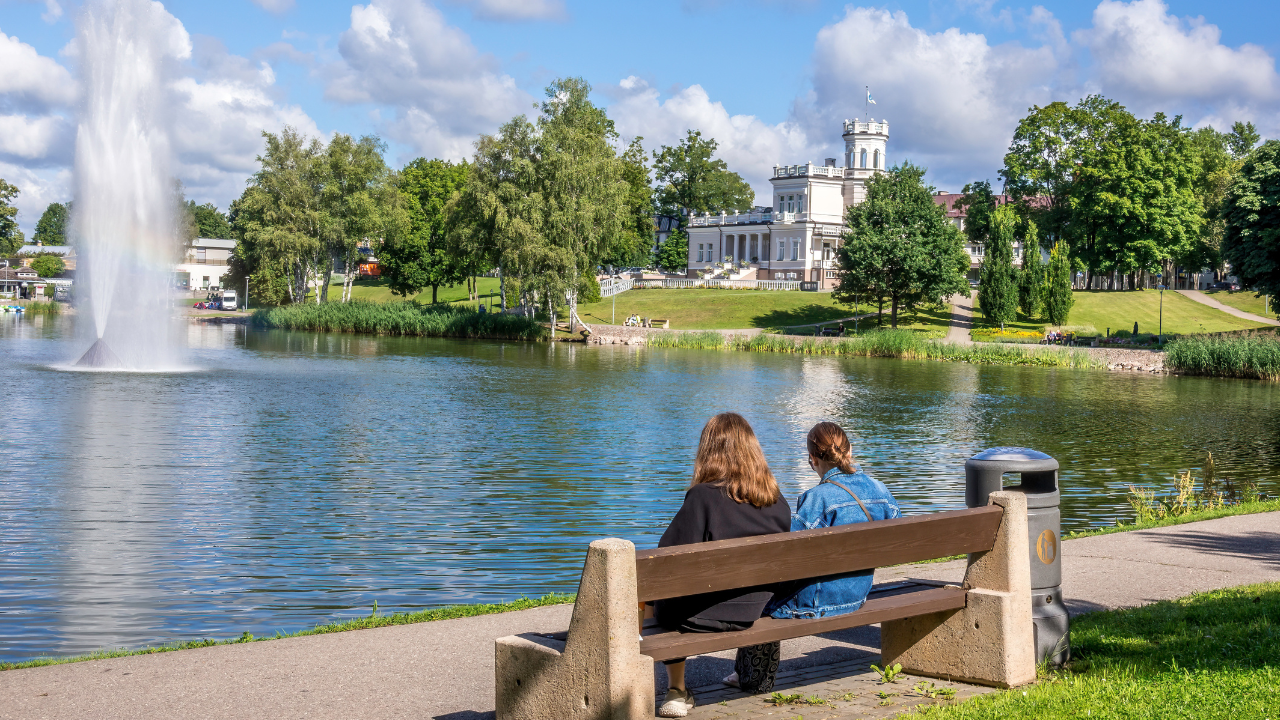
Druskininkai is a spa town in southern Lithuania, known for wellness, parks, mineral water traditions, and a peaceful resort atmosphere. It is a strong choice for travelers who want relaxation rather than a packed sightseeing schedule. The town has walking paths, wellness centers, lakeside areas, and easy access to nearby forests. Visitors can also explore the M. K. Čiurlionis memorial museum or take day trips to nearby cultural sites. Druskininkai feels especially valuable for travelers who want a calm break focused on rest, light activity, and local heritage.

Best experience: Spa treatments, park walks, and quiet wellness stays.

Traveler tip: Book accommodation near the center for easy walking access.

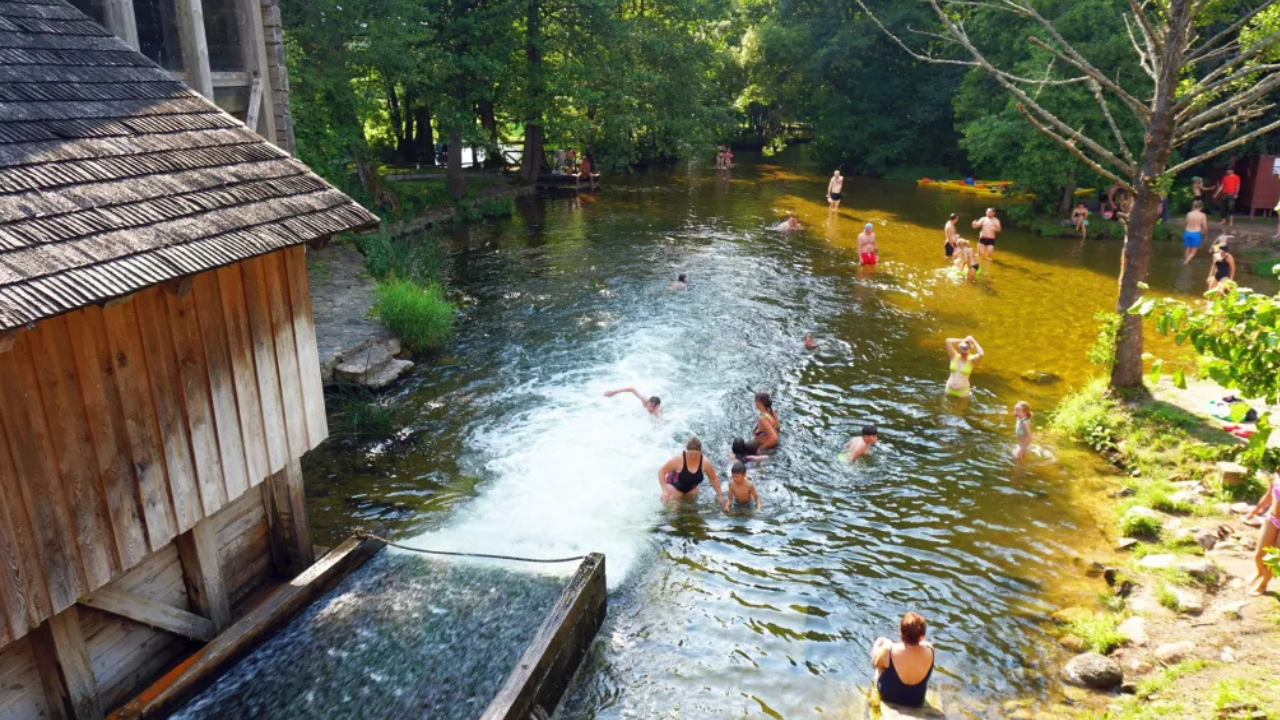
6. Plateliai and Žemaitija National Park
© zemaitijosnp / Giedrius Norvaišas

6. Plateliai and Žemaitija National Park

Plateliai is a small lakeside town in Žemaitija National Park, one of Lithuania’s most rewarding nature areas. Lake Plateliai is the main attraction, with clear water, forested shores, walking paths, and swimming spots in warmer months. The surrounding region has a strong Samogitian identity, giving visitors a sense of local culture as well as outdoor beauty. Travelers can visit small villages, cycle around the lake, or explore forest trails. It is a great choice for anyone looking for scenic lakes in Lithuania without the feel of a large resort.

Best experience: Lake swimming, cycling, and forest trails.

Traveler tip: Visit in summer for water activities and longer daylight.

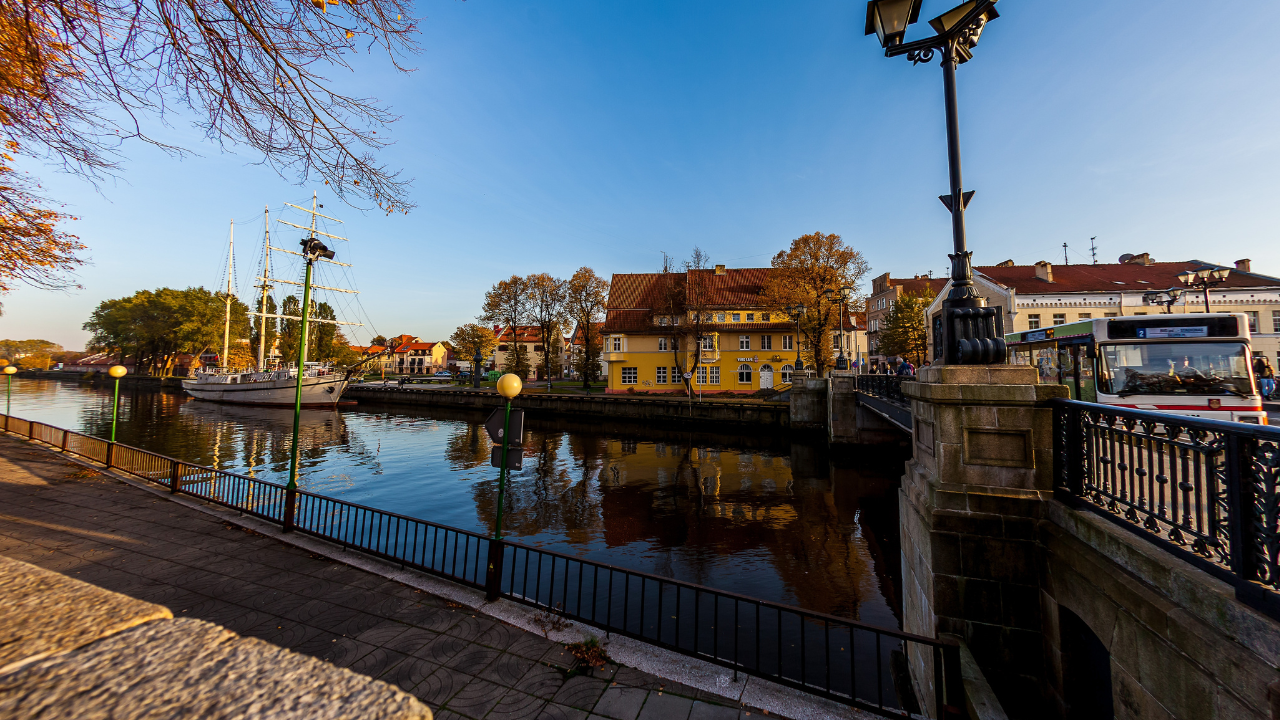
7. Klaipėda
© shutterstock / Wirestock Creators

7. Klaipėda

Klaipėda is Lithuania’s main port city and a practical gateway to the Curonian Spit, but it deserves time of its own. The city has a different feel from inland Lithuania, with German influenced architecture, a compact old town, harbor views, and a relaxed maritime mood. Visitors can walk along the Danė River, explore Theater Square, or use Klaipėda as a base for coast and lagoon trips. It is less polished than some resort towns, but that is part of its appeal. For travelers interested in Baltic coast escapes, Klaipėda offers culture, access, and local character.

Best experience: Old town streets, harbor walks, and ferry access.

Traveler tip: Use it as a base for day trips to Smiltynė or Nida.

8. Palūšė and Aukštaitija National Park
© Dave Mani

8. Palūšė and Aukštaitija National Park

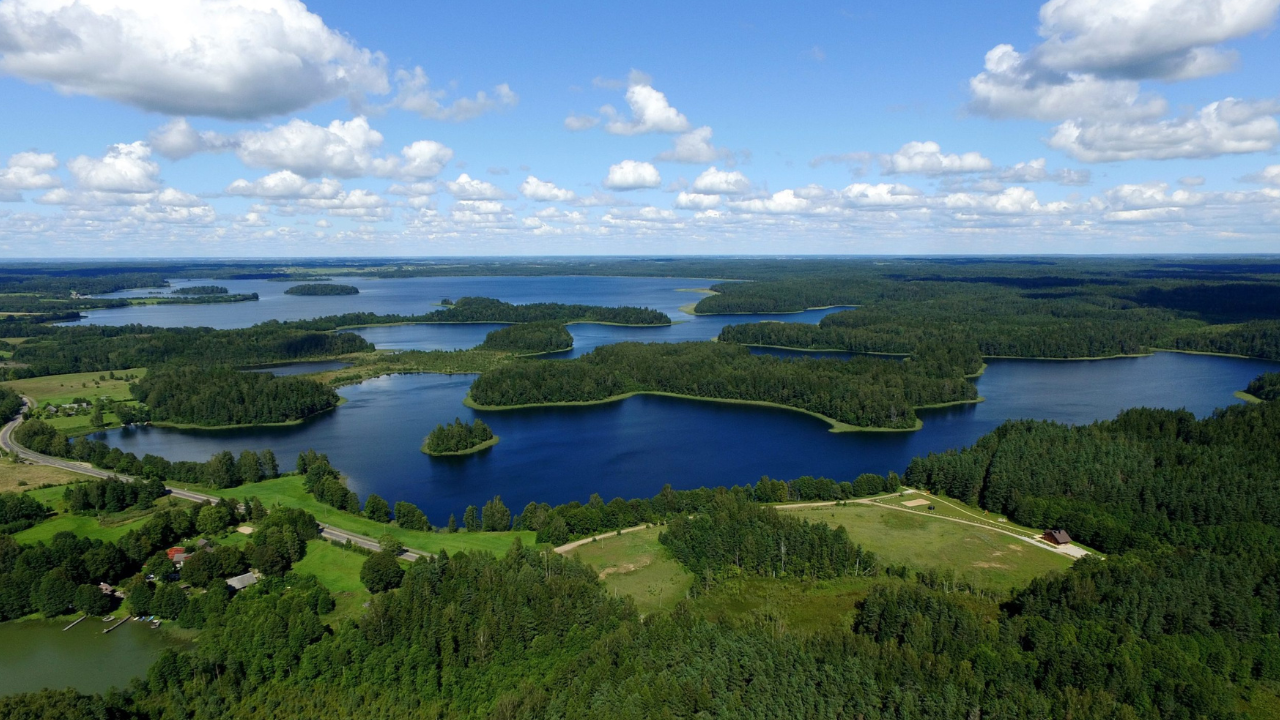
Palūšė is a peaceful village in Aukštaitija National Park, one of Lithuania’s best regions for lakes, forests, and traditional wooden architecture. It is a good destination for travelers who enjoy kayaking, quiet walking routes, and nature based stays. The village is known for its wooden church and access to nearby lakes, making it a scenic base for exploring the park. Unlike more developed resort areas, Palūšė feels simple and close to nature. It suits visitors who want calm days, fresh air, and a slower look at rural Lithuania.

Best experience: Kayaking, lake views, and wooden village charm.

Traveler tip: Rent a kayak to explore the lake network properly.

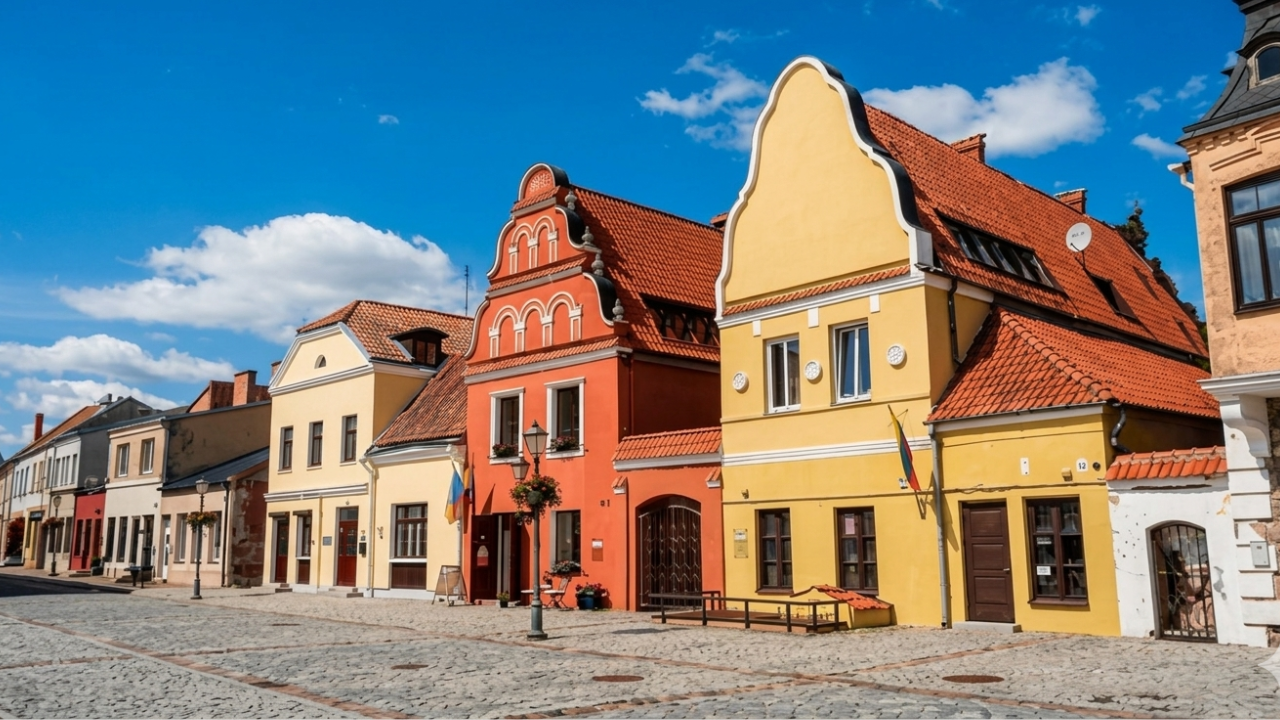
9. Kėdainiai
© shutterstock / mehdi33300

9. Kėdainiai

Kėdainiai is one of Lithuania’s underrated historic towns, with a well preserved old town, quiet streets, and multicultural heritage. Its central squares, churches, and old merchant houses reflect a layered past shaped by different communities. The town is not as famous as Trakai or Kaunas, which makes it pleasant for travelers who prefer low crowd destinations. Kėdainiai is easy to explore on foot and works well as a slow stop between larger cities. It offers history without the pressure of major attractions, making it a high value addition to a Lithuania itinerary.

Best experience: Old town walks, historic squares, and local architecture.

Traveler tip: Visit during the day when cafes and museums are open.

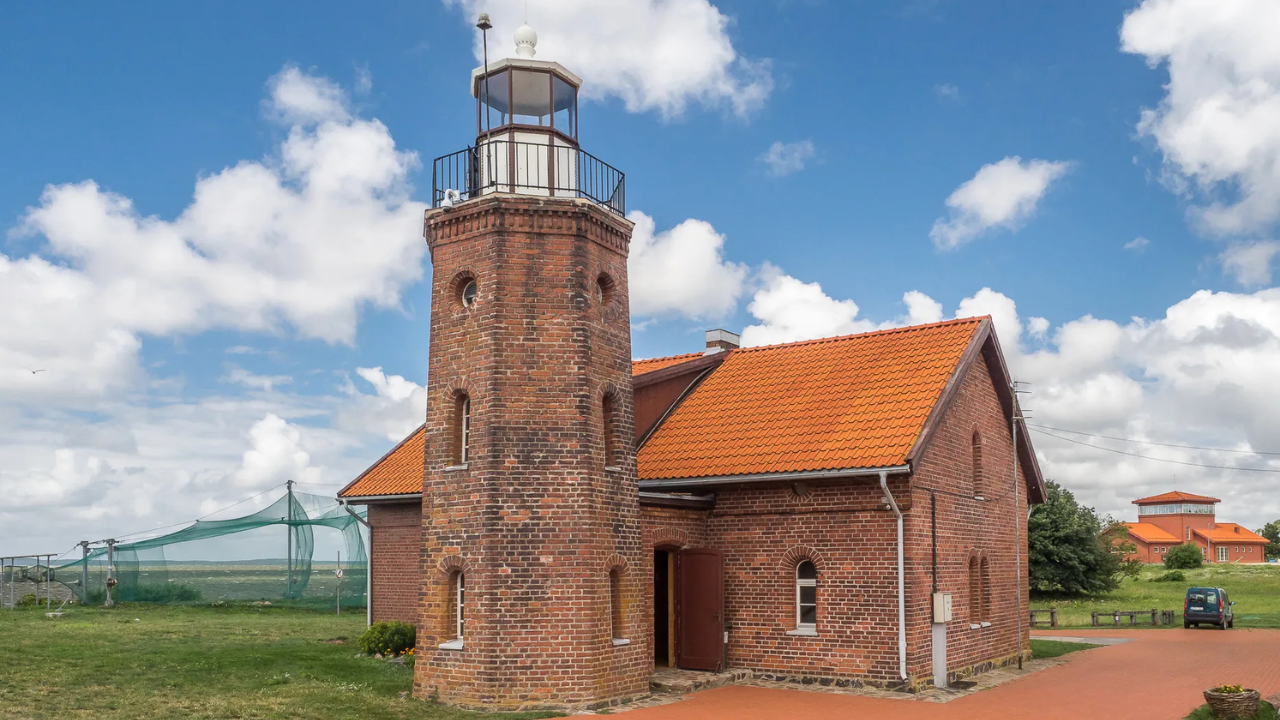
10. Ventė Cape and the Nemunas Delta
© Dave Mani

10. Ventė Cape and the Nemunas Delta

Ventė Cape is a quiet coastal nature area near the Curonian Lagoon, known for bird migration, open water views, and peaceful landscapes. It is especially interesting for travelers who enjoy wildlife, photography, and less crowded nature stops. The nearby Nemunas Delta adds wetlands, villages, and waterways that feel very different from Lithuania’s cities and forests. Visitors can combine Ventė Cape with Šilutė or Rusnė for a deeper look at western Lithuania’s river and lagoon culture. This area is not about fast sightseeing. Its value comes from stillness, open skies, and natural detail.

Best experience: Birdwatching, lagoon views, and wetland scenery.

Traveler tip: Bring binoculars during migration seasons.


Comments (0)

Leave a Reply

No comments yet. Be the first to share your thoughts!