Travel Middle East

12 futuristic cities taking shape across the Middle East

Adam Collins
3.8
June 02, 2026

The Middle East and Arab world have become major testing grounds for futuristic urban design, smart infrastructure, and large scale city planning. Across the Gulf, North Africa, and the wider region, governments are investing in cities that combine technology, sustainability, tourism, business districts, and new lifestyle models. Some are already active places with residents, offices, hotels, and cultural districts. Others remain ambitious projects that are still being built, refined, or developed in stages.

These cities are not futuristic only because of tall towers or unusual architecture. Their appeal also comes from cleaner mobility systems, mixed use neighborhoods, renewable energy goals, digital public services, cultural districts, and designs that try to respond to harsh desert climates. For travelers, architects, investors, and urban planning enthusiasts, these destinations offer a look at how the region is reshaping its identity beyond traditional oil based economies. The following list highlights 12 futuristic cities and urban districts across the Middle East and Arab world that stand out for innovation, design, and long term travel interest.
1. Dubai, United Arab Emirates
© shutterstock / PHOTOCREO Michal Bednarek

1. Dubai, United Arab Emirates

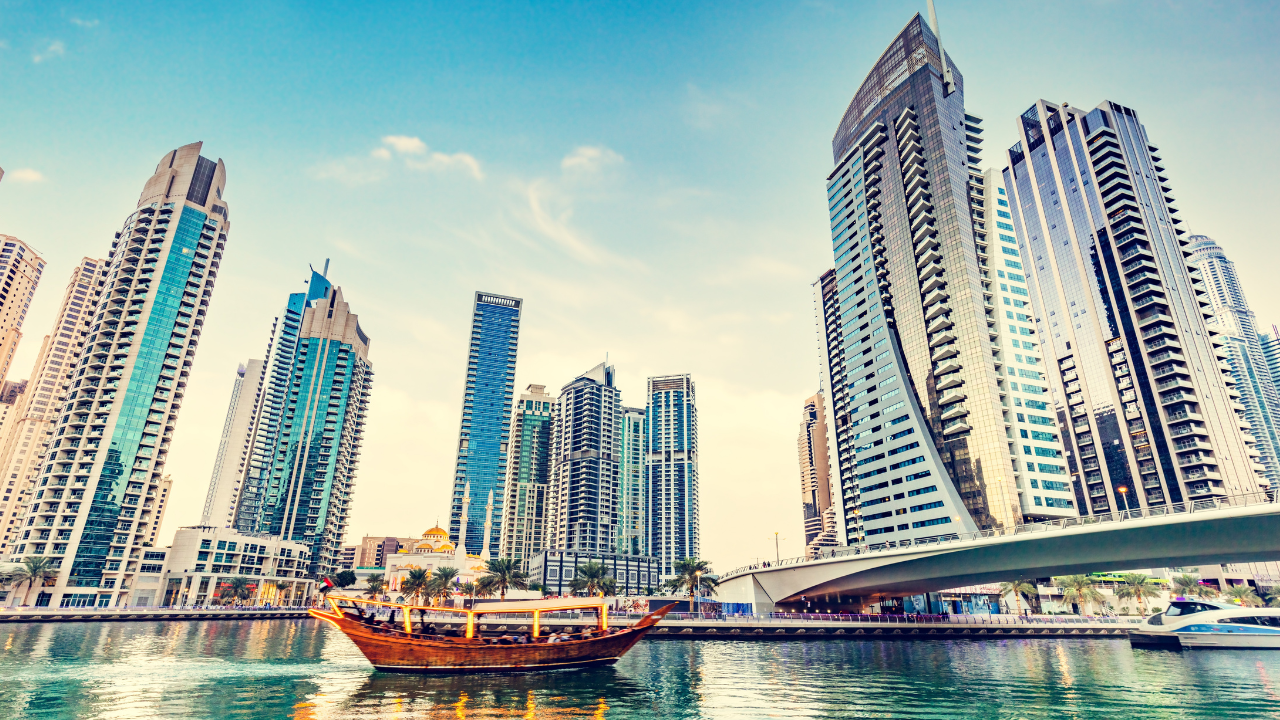
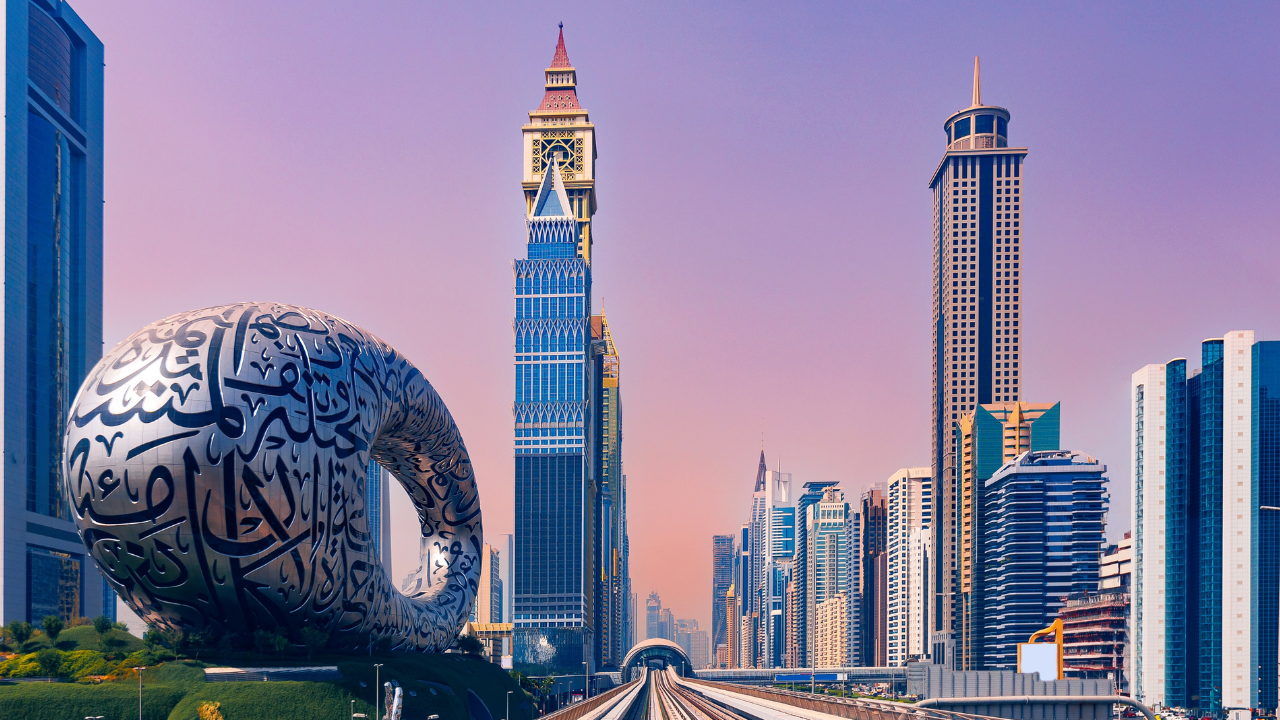
Dubai remains one of the most visible futuristic cities in the Middle East because it combines high rise architecture, digital government services, luxury tourism, and ambitious infrastructure. The city is known for landmarks such as Burj Khalifa, Museum of the Future, Dubai Marina, and Downtown Dubai, but its futuristic appeal goes beyond sightseeing. Driverless transport plans, smart police services, app based city systems, and large mixed use districts continue to shape the visitor experience. Dubai also uses events, business zones, and hospitality projects to present itself as a global city. For travelers, it offers a polished look at how technology, design, shopping, culture, and entertainment can be combined into one fast moving urban destination.

2. Masdar City, Abu Dhabi, United Arab Emirates
© shutterstock / Parilov

2. Masdar City, Abu Dhabi, United Arab Emirates

Masdar City is one of the region’s best known examples of sustainable urban planning. Located near Abu Dhabi, it was designed around lower carbon living, renewable energy, shaded walkways, and research focused development. The city includes offices, universities, residences, public spaces, and clean technology businesses. Its architecture responds to the desert climate through narrow streets, energy efficient buildings, and design choices that reduce heat exposure. While it is still developing, Masdar City remains important because it shows how future cities in the region may balance comfort with environmental responsibility. Visitors interested in green design, urban sustainability, and climate conscious architecture will find it one of the most relevant places to explore.

3. Lusail, Qatar
© shutterstock / frantic00

3. Lusail, Qatar

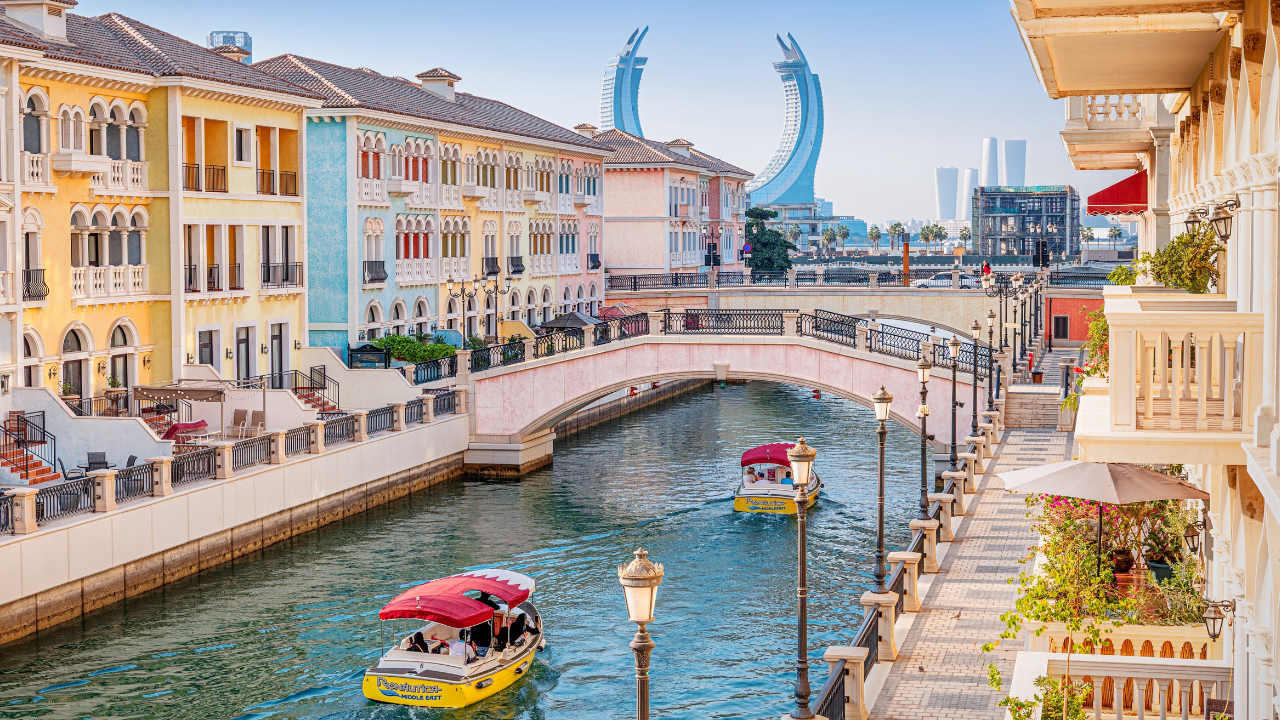
Lusail is a planned city north of Doha that has become one of Qatar’s most important urban development projects. It includes residential districts, waterfront areas, entertainment zones, business spaces, and transport links designed to support a modern lifestyle. The city gained international attention through major sporting infrastructure, but its broader purpose is to create a long term urban extension of Doha. Lusail’s wide boulevards, marina areas, smart systems, and mixed use neighborhoods give it a distinctly planned and contemporary character. For travelers, it offers a cleaner, newer contrast to older city districts while still staying close to Doha’s museums, markets, and cultural attractions.

4. Msheireb Downtown Doha, Qatar
© shutterstock / frantic00

4. Msheireb Downtown Doha, Qatar

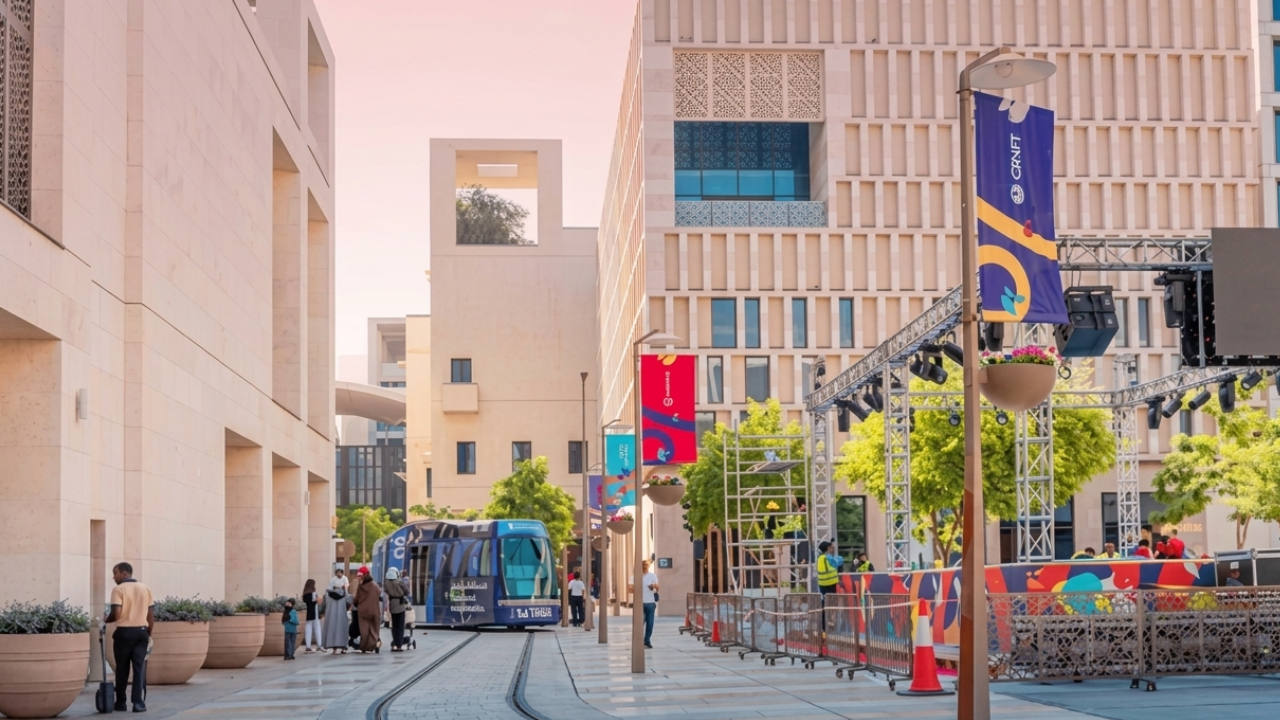
Msheireb Downtown Doha is a strong example of how a futuristic city district can respect local heritage instead of replacing it. Built in the heart of Doha, it combines smart infrastructure, walkable streets, shaded public spaces, modern buildings, museums, hotels, and cultural venues. The design draws inspiration from traditional Qatari architecture while using newer systems for energy, cooling, mobility, and district management. Its location near Souq Waqif makes it easy for visitors to compare old and new urban styles within a short walk. Msheireb is especially valuable because it shows that future city planning in the Arab world does not always need to mean glass towers. It can also mean thoughtful renewal of historic urban space.

5. NEOM, Saudi Arabia
© Dave Mani

5. NEOM, Saudi Arabia

NEOM is one of the most ambitious futuristic development zones in the world, located in northwestern Saudi Arabia. It includes several major concepts, such as The Line, Oxagon, Trojena, and Sindalah. The project has attracted global attention because of its scale, unusual design ideas, and focus on technology, tourism, logistics, renewable energy, and new urban models. At the same time, travelers should understand that many parts of NEOM are still under development, and timelines have changed over time. Its importance lies in its role as a symbol of Saudi Arabia’s Vision 2030 transformation. If completed in practical phases, NEOM could become a major destination for future focused tourism, business, and experimental urban living.

6. Riyadh, Saudi Arabia
© shutterstock / Shutterstock AI Generator

6. Riyadh, Saudi Arabia

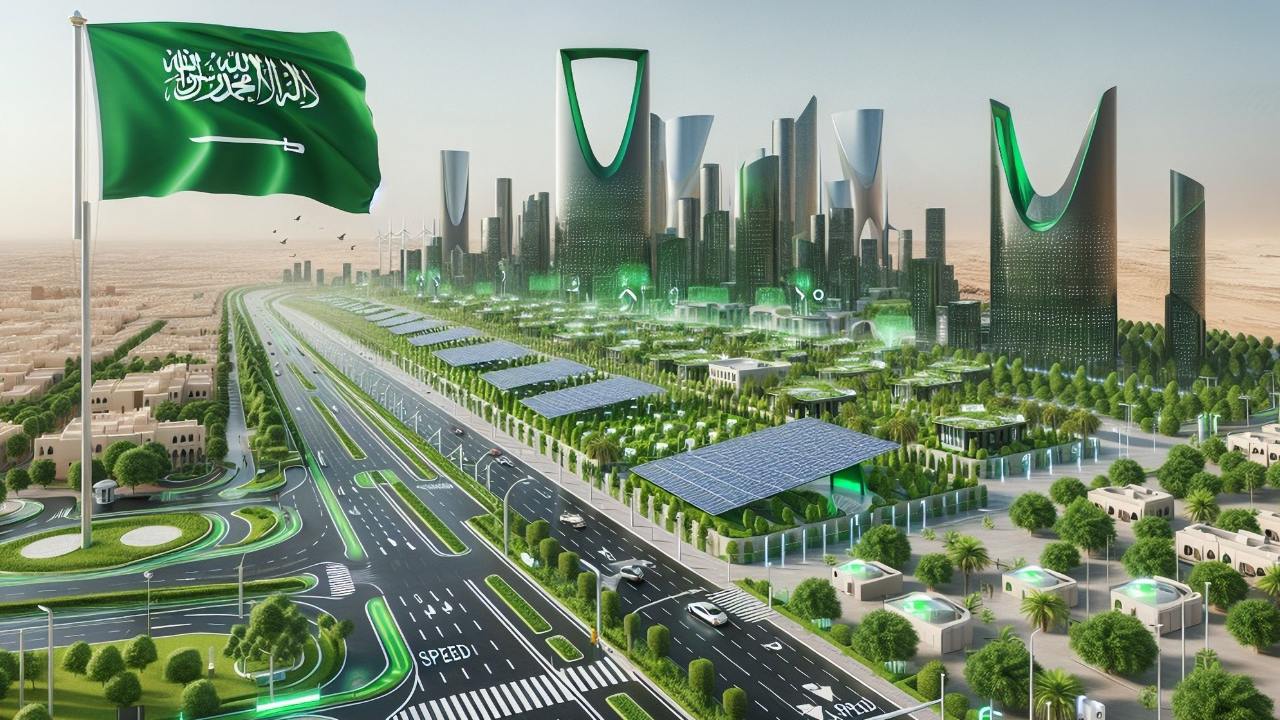
Riyadh is rapidly changing from a traditional capital into a much more future oriented metropolis. Large projects connected to public transport, entertainment, culture, parks, business districts, and tourism are reshaping the city. The Riyadh Metro, King Abdullah Financial District, Diriyah development, and new lifestyle zones are part of a wider effort to make the capital more connected and visitor friendly. Riyadh’s futuristic appeal is different from coastal cities because it is based on transforming an existing capital rather than building only from scratch. Travelers can see the contrast between historic areas, modern towers, new cultural venues, and large urban expansion projects. It is one of the region’s most important cities to watch.

7. The Line, Saudi Arabia
© shutterstock / choi yurim

7. The Line, Saudi Arabia

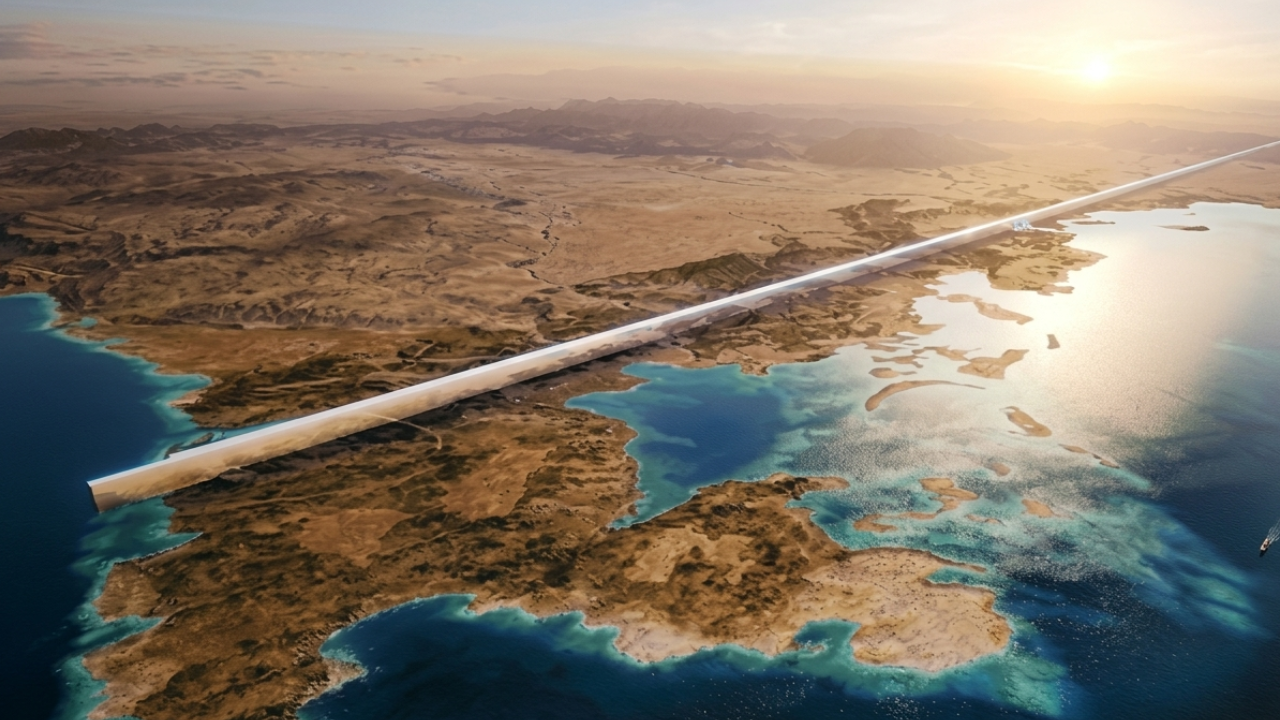
The Line is part of NEOM, but it deserves separate attention because of its unusual concept. It was introduced as a linear city designed around high density living, reduced car dependence, advanced technology, and a narrow urban footprint. The project has been widely discussed because of its mirrored architecture, proposed scale, and attempt to rethink how cities are organized. However, it is also important to describe it realistically. The Line is still under construction and has faced delays, revisions, and questions about cost and feasibility. For travelers and urban design enthusiasts, its value is currently more conceptual than practical. Still, it remains one of the most talked about city experiments in the Middle East.

8. Oxagon, Saudi Arabia
© Dave Mani

8. Oxagon, Saudi Arabia

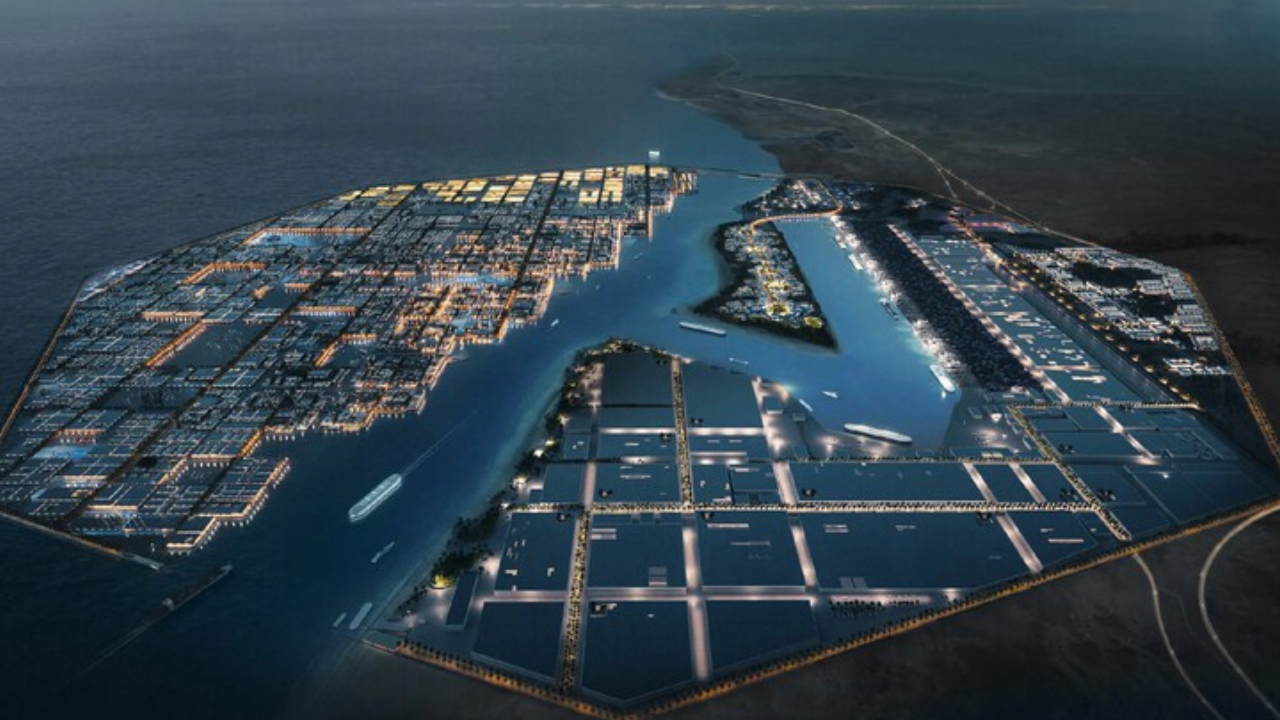
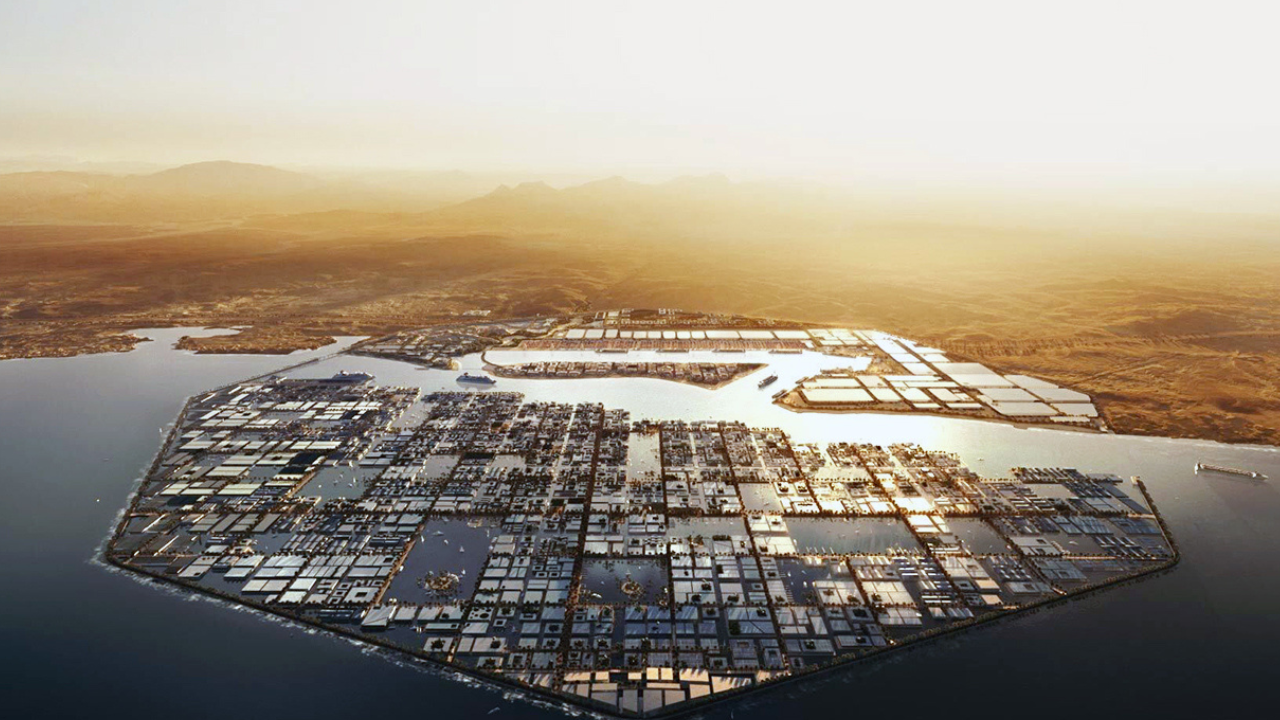
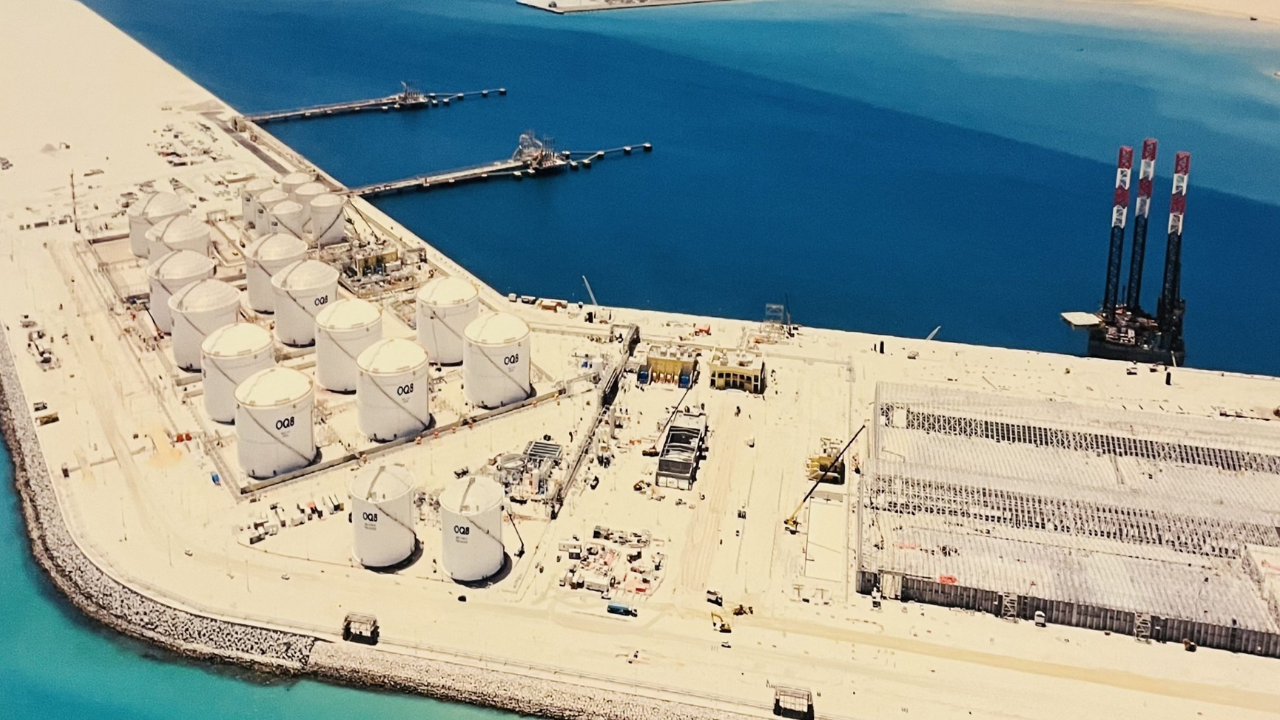
Oxagon is another major part of NEOM and focuses more on industry, ports, logistics, clean technology, and advanced manufacturing. Its proposed location on the Red Sea gives it strategic importance for shipping and trade, while its futuristic identity comes from combining industrial planning with digital systems and sustainability goals. Unlike some luxury focused developments, Oxagon is designed around economic infrastructure and future supply chains. This makes it relevant for people interested in how the region plans to connect smart cities with real production, ports, and technology driven industries. Although still developing, Oxagon shows that futuristic urban planning is not only about tourism or lifestyle. It can also be about how goods, energy, and innovation move.

9. New Administrative Capital, Egypt
© shutterstock / Katiekk

9. New Administrative Capital, Egypt

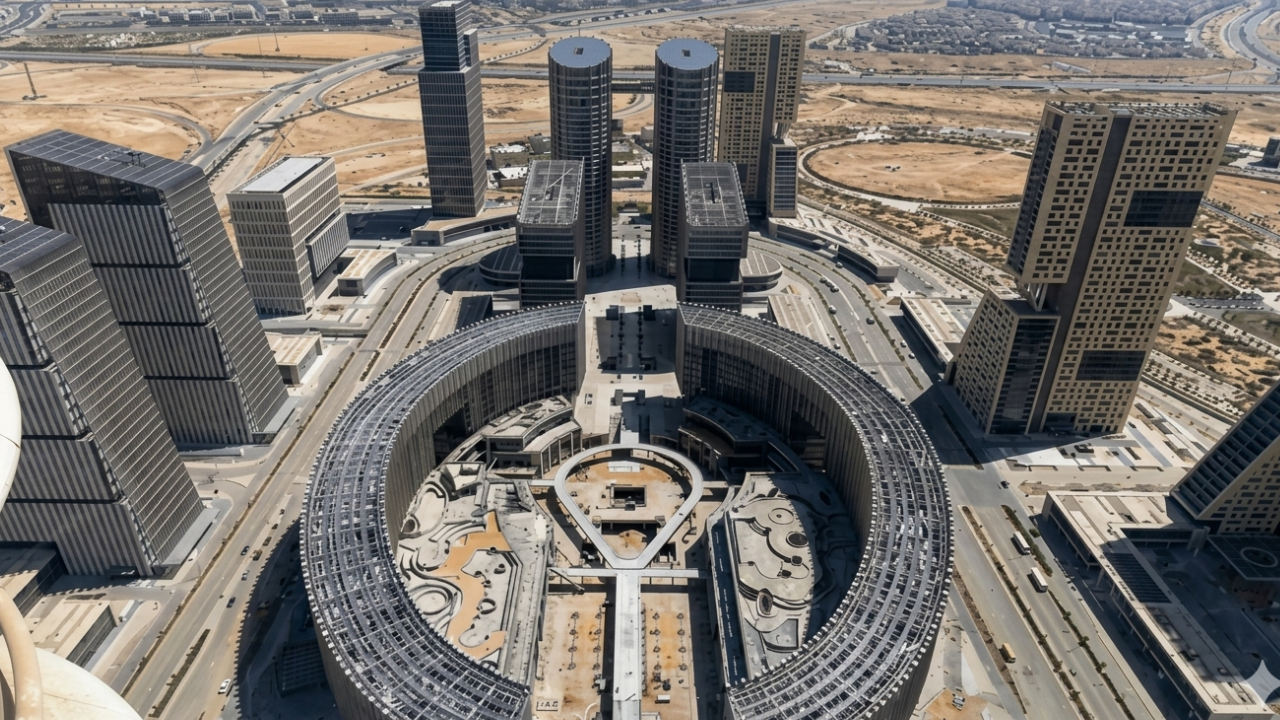
Egypt’s New Administrative Capital is one of the largest urban projects in the Arab world. Built east of Cairo, it is designed to reduce pressure on the older capital while creating new government, residential, business, and cultural districts. The city includes wide avenues, modern towers, large public buildings, green areas, and major infrastructure. It also reflects Egypt’s attempt to build a more organized administrative and economic center for the future. For travelers, the city may not yet have the same cultural depth as historic Cairo, but it offers a look at how North Africa is approaching large scale urban expansion. Its significance lies in the scale of planning and the ambition to shift national functions into a newly built environment.

10. Kuwait Silk City, Kuwait
© Dave Mani

10. Kuwait Silk City, Kuwait

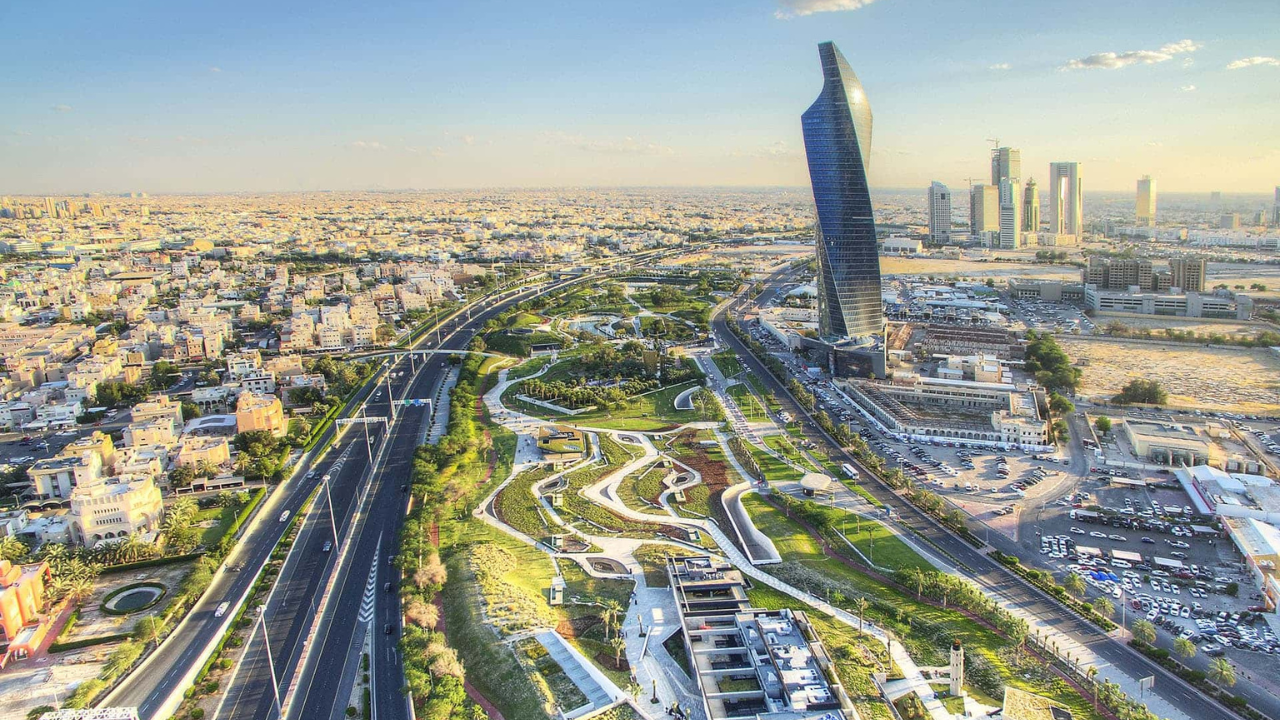
Silk City, also known as Madinat Al Hareer, is Kuwait’s long discussed futuristic city concept. Planned for northern Kuwait, it has been associated with major infrastructure, business districts, tourism facilities, residential areas, and potential links to regional trade routes. The project has faced changes and long timelines, so it should be viewed as an evolving vision rather than a fully formed destination. Its appeal comes from Kuwait’s ambition to create a new economic hub that connects urban growth with trade and investment. If developed in practical phases, Silk City could become an important future city in the Gulf. For now, it remains one of the region’s most notable planned urban ideas.

11. Duqm, Oman
© Dave Mani

11. Duqm, Oman

Duqm is different from the region’s more glamorous futuristic city projects because its growth is tied to ports, industry, logistics, and strategic coastal development. Located on Oman’s Arabian Sea coast, Duqm has been planned as a special economic zone with a port, dry dock, industrial land, tourism potential, and transport links. Its futuristic side is practical rather than flashy. It represents a model where a new city grows around trade, manufacturing, and long term economic diversification. For travelers, Duqm also offers access to quieter beaches, desert scenery, and a less crowded side of Oman. It is a useful reminder that future cities in the Arab world can be shaped by working infrastructure as much as by iconic architecture.

12. Bahrain Bay, Bahrain
© Dave Mani

12. Bahrain Bay, Bahrain

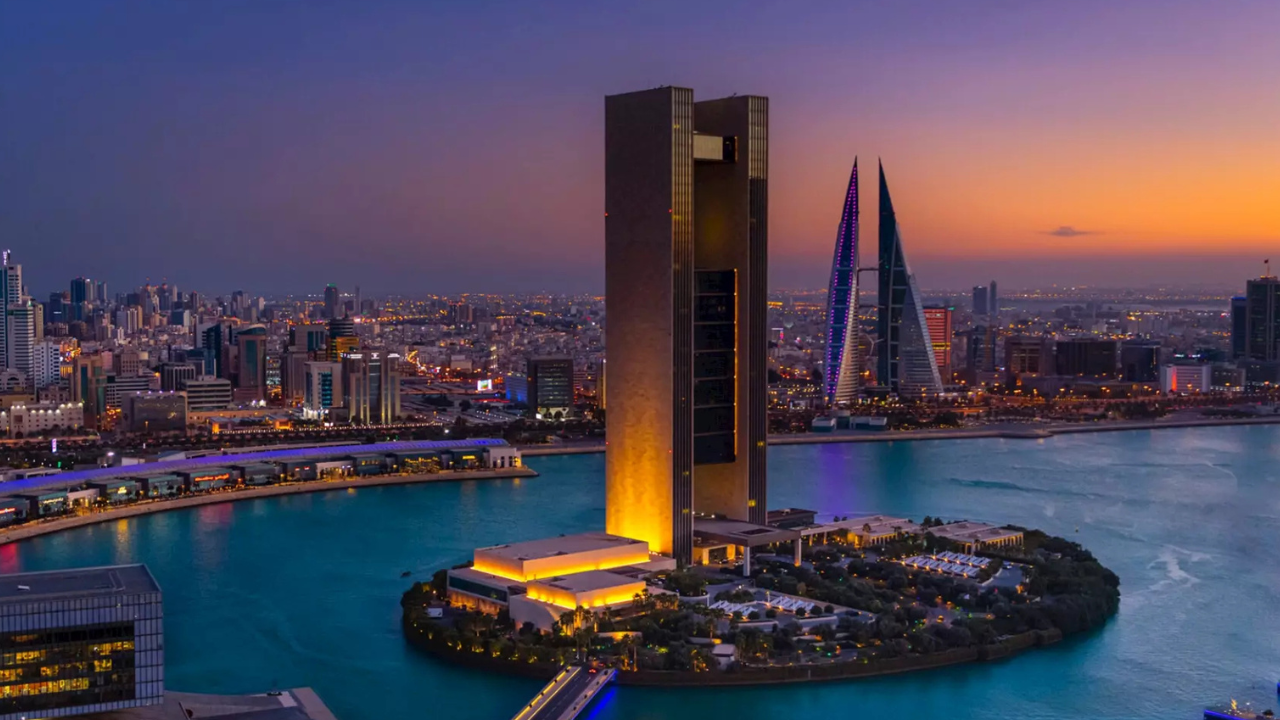
Bahrain Bay is a modern waterfront district in Manama that reflects Bahrain’s push toward contemporary urban design, finance, hospitality, and lifestyle development. Built around reclaimed land and waterfront planning, it includes luxury hotels, offices, residences, public spaces, and striking architecture. Compared with the enormous scale of projects in Saudi Arabia or the UAE, Bahrain Bay feels more compact and accessible. Its futuristic quality comes from its polished skyline, walkable waterfront zones, and role in reshaping Manama’s image as a regional business and leisure destination. Visitors can combine it with Bahrain’s older markets, museums, and cultural sites, making it a useful example of how modern districts can sit alongside deeper historic identity.


Comments (0)

Leave a Reply

No comments yet. Be the first to share your thoughts!