Travel Destination

12 travel destinations that remain relatively undisturbed by heavy tourist footfall

Leo Harper
4.4
May 14, 2026

Some destinations become popular because they are easy to reach, heavily promoted, and built around large visitor numbers. Others remain quieter because they are remote, seasonal, locally focused, or simply less visible on common travel routes. These beautiful places may not be completely unknown, but they still feel removed from the rhythm of mass tourism. They offer slower travel, natural scenery, traditional communities, and a sense of place that has not been fully reshaped around visitors.

For travelers who want meaningful experiences, these destinations can be rewarding when approached with patience and respect. Many require extra planning, local guidance, or flexible timing, but that is part of what keeps them distinctive. The best things to do in these places are often simple: walking through old villages, watching changing light over mountains, visiting local markets, hiking quiet trails, or staying long enough to understand daily life. This list highlights 12 beautiful places that still feel calm, authentic, and carefully connected to their surroundings.
1. Faroe Islands
© shutterstock / fokke baarssen

1. Faroe Islands

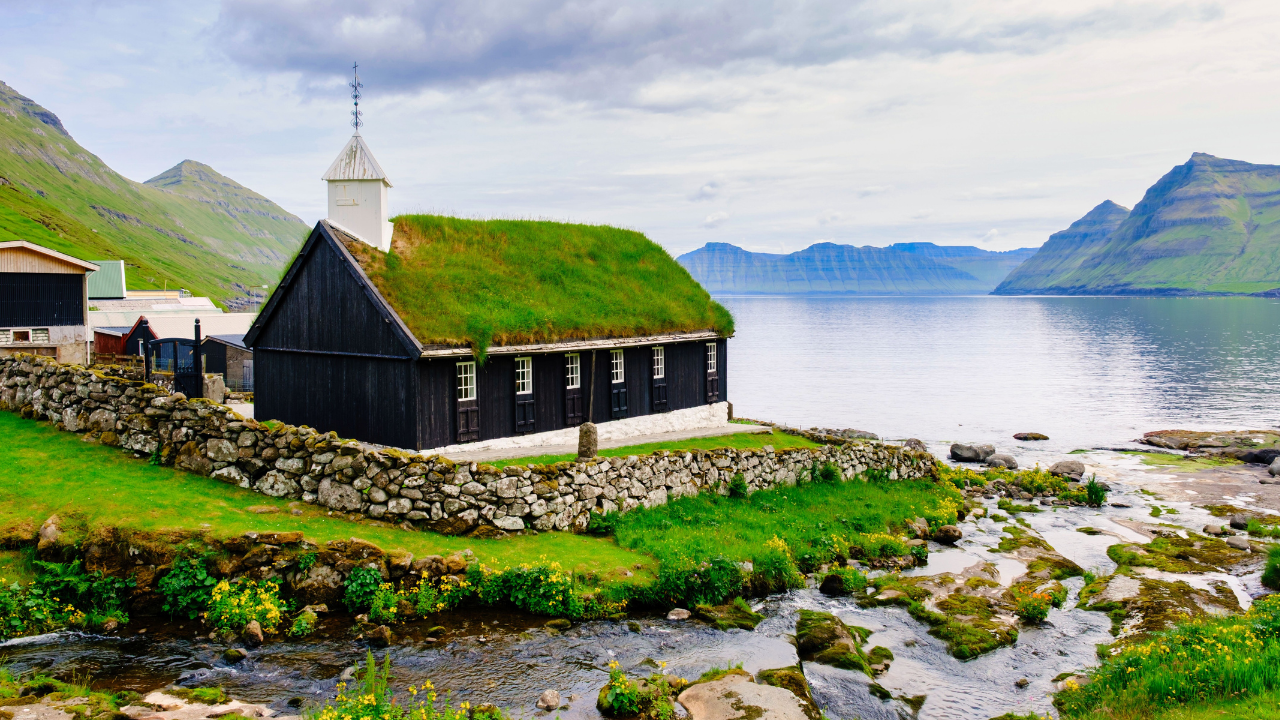
The Faroe Islands sit in the North Atlantic between Iceland and Norway, with steep cliffs, grass roofed houses, sea stacks, and small villages shaped by weather and tradition. The islands have become more visible to travelers, but they still feel quiet compared with many European destinations. Much of the appeal comes from open landscapes, walking routes, bird cliffs, and communities where daily life remains closely tied to fishing, sheep farming, and the sea. Visitors should expect changing weather, simple pleasures, and scenery that rewards slow movement rather than rushed sightseeing.

Best season: May to September

Ideal experience: Coastal walks and village views

Traveler tip: Rent a car for flexible exploring

2. Svaneti, Georgia
© shutterstock / Osman Temizel

2. Svaneti, Georgia

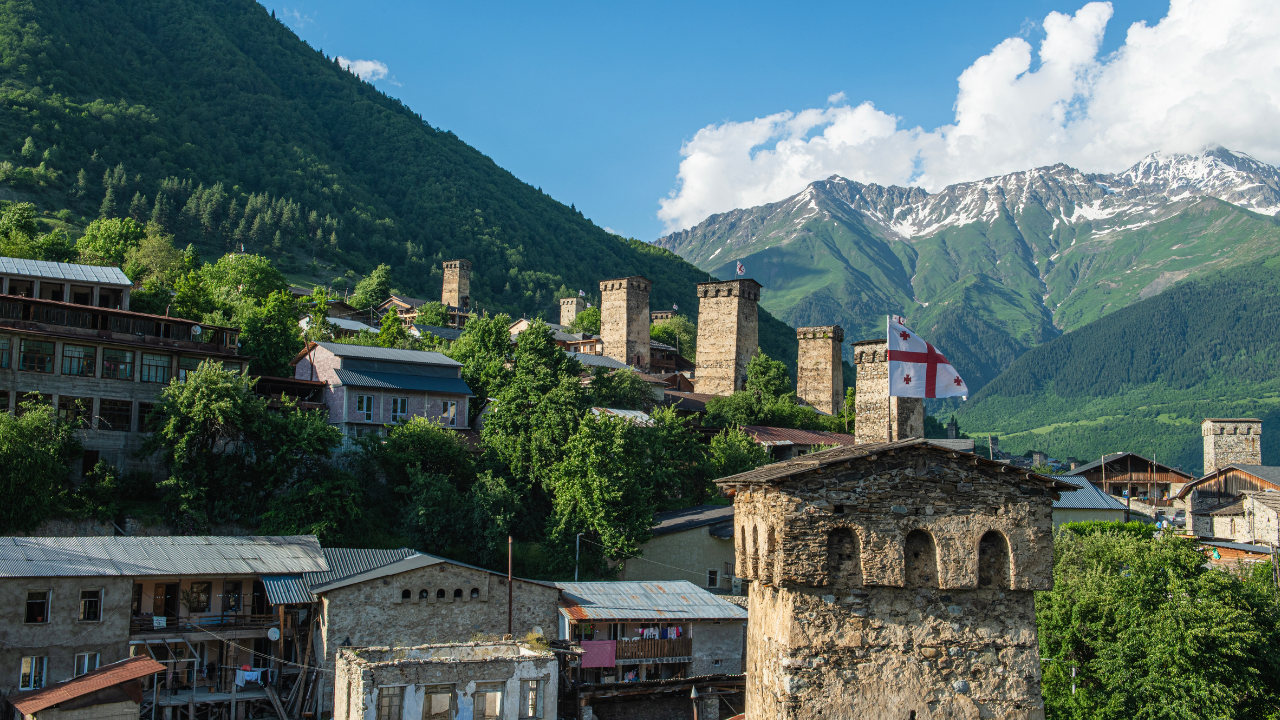
Svaneti is a mountain region in northwestern Georgia known for medieval stone towers, high valleys, and strong local identity. Villages such as Mestia and Ushguli feel far from typical European travel routes, especially outside the main summer trekking period. The region is valued for its cultural landscape, traditional architecture, and dramatic views of the Caucasus Mountains. Travelers come for hiking, village stays, and the feeling of being in a place where customs and landscape remain deeply connected. Roads and services have improved, but Svaneti still requires patience and respect for mountain conditions.

Best season: June to September

Ideal experience: Village walks and mountain trekking

Traveler tip: Check road conditions before traveling

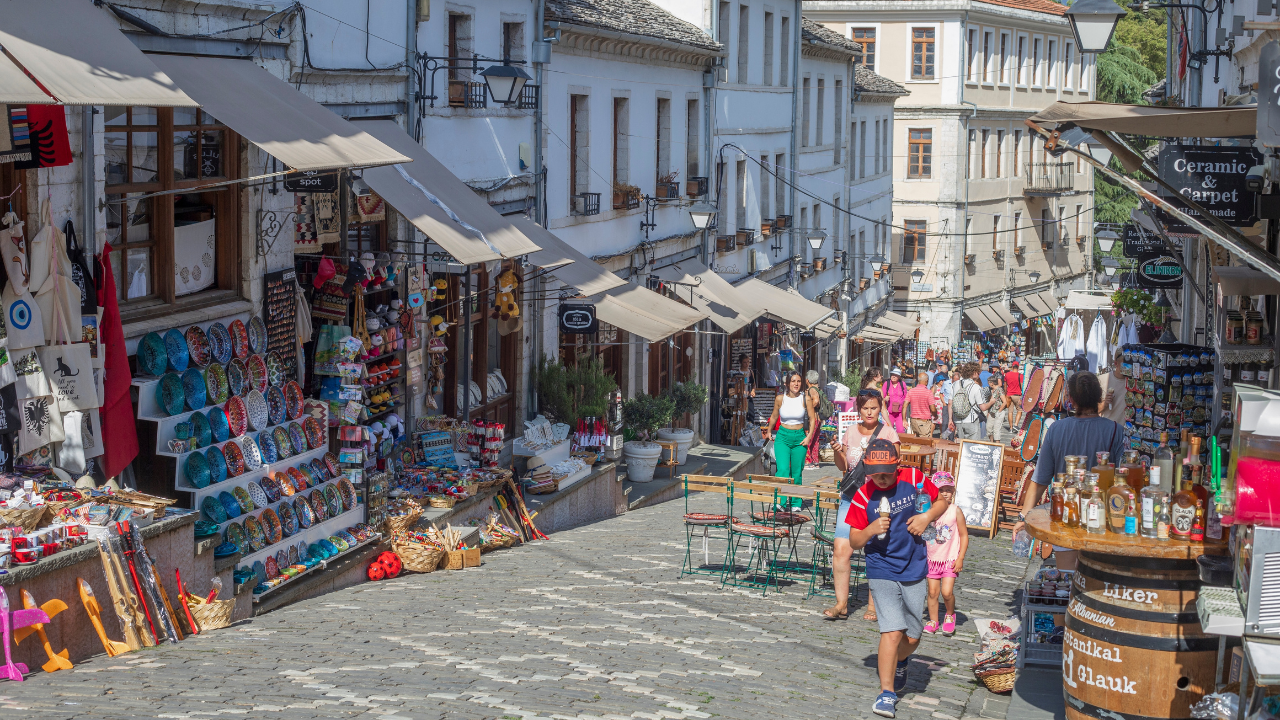
3. Gjirokaster, Albania
© shutterstock / Alekk Pires

3. Gjirokaster, Albania

Gjirokaster is a historic hill town in southern Albania, known for stone houses, steep lanes, and Ottoman era architecture. It has visitor interest, but it still feels more relaxed than many better known European heritage towns. The old town’s slate roofed homes, castle views, and small museums make it a strong choice for travelers who enjoy history without heavy crowds. Local cafes, family run guesthouses, and mountain scenery add to its slower atmosphere. It is one of the best tourist attractions in Albania for visitors who want culture, architecture, and practical walkable exploration.

Best season: April to June or September

Ideal experience: Castle views and old town walks

Traveler tip: Wear sturdy shoes on stone streets

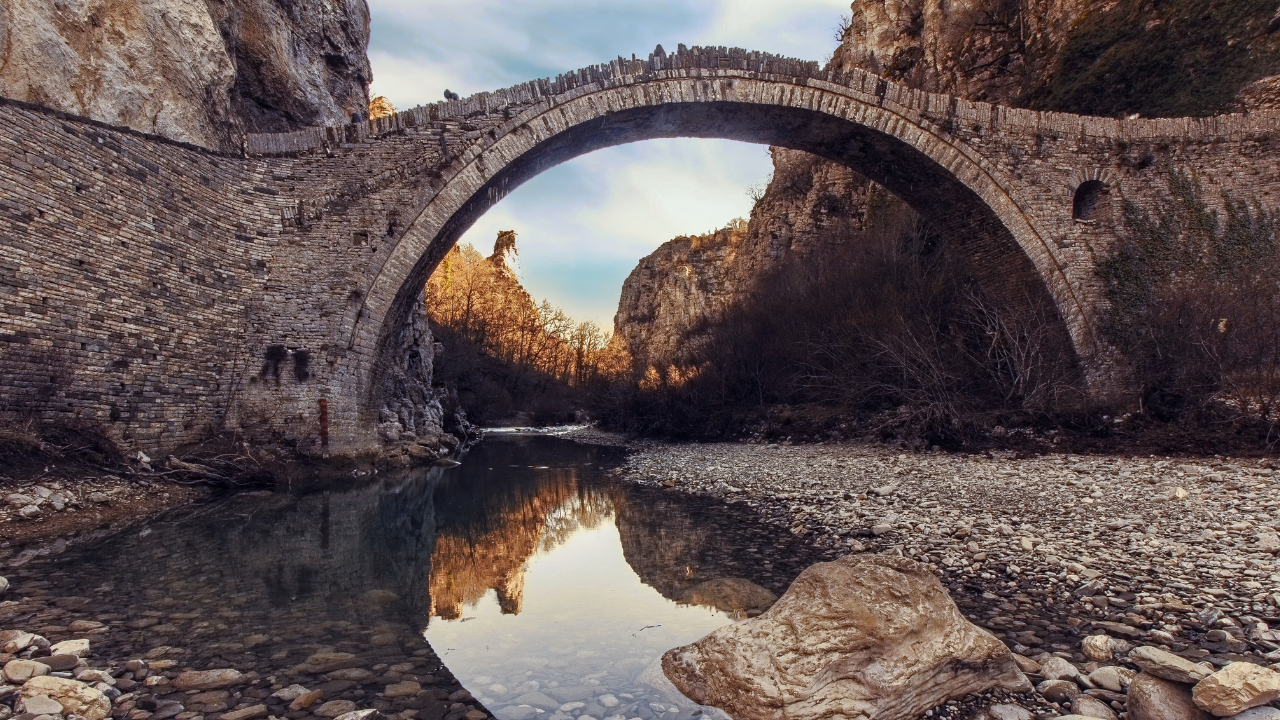
4. Zagori, Greece
© shutterstock / Wirestock Creators

4. Zagori, Greece

Zagori is a mountainous region in northwestern Greece with stone villages, arched bridges, forests, and deep gorges. Unlike Greece’s famous islands, Zagori offers a quieter inland experience built around hiking, village stays, and traditional architecture. The area is known for its stone built settlements, including the Zagorochoria villages, which sit across a rugged landscape in the Pindus Mountains. Visitors can explore viewpoints over Vikos Gorge, walk old paths, and enjoy local food in village tavernas. It feels especially rewarding for travelers who want natural beauty without resort style tourism.

Best season: May to October

Ideal experience: Gorge walks and stone villages

Traveler tip: Base yourself in one village

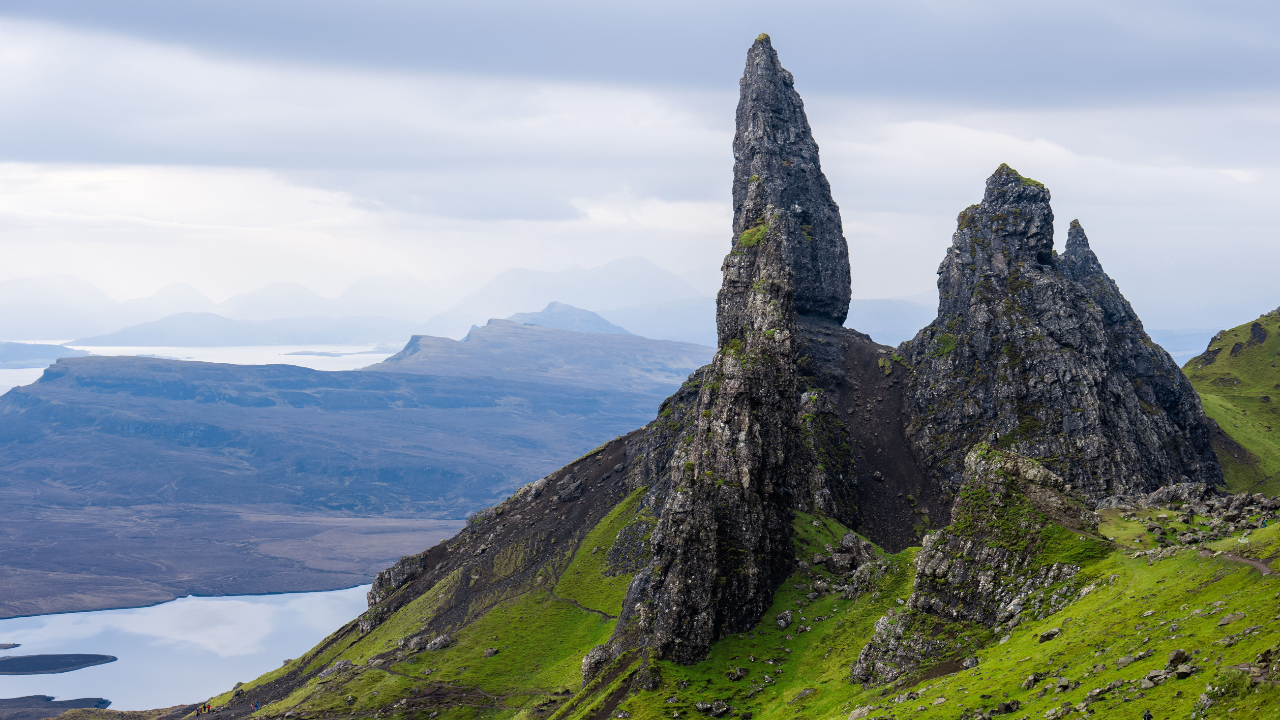
5. Isle of Eigg, Scotland
© shutterstock / Wirestock Creators

5. Isle of Eigg, Scotland

The Isle of Eigg is part of Scotland’s Small Isles and offers a peaceful alternative to the country’s busier island routes. It is known for dramatic coastal scenery, community ownership, wildlife, and views toward the neighboring islands. The island has limited infrastructure, which helps preserve its quiet rhythm. Visitors can walk to beaches, explore An Sgurr, watch seabirds, and enjoy a slower pace shaped by ferry schedules and weather. Eigg is best for travelers who appreciate simple accommodation, open landscapes, and low impact travel rather than packed itineraries.

Best season: May to September

Ideal experience: Coastal walks and wildlife watching

Traveler tip: Plan carefully around ferry times

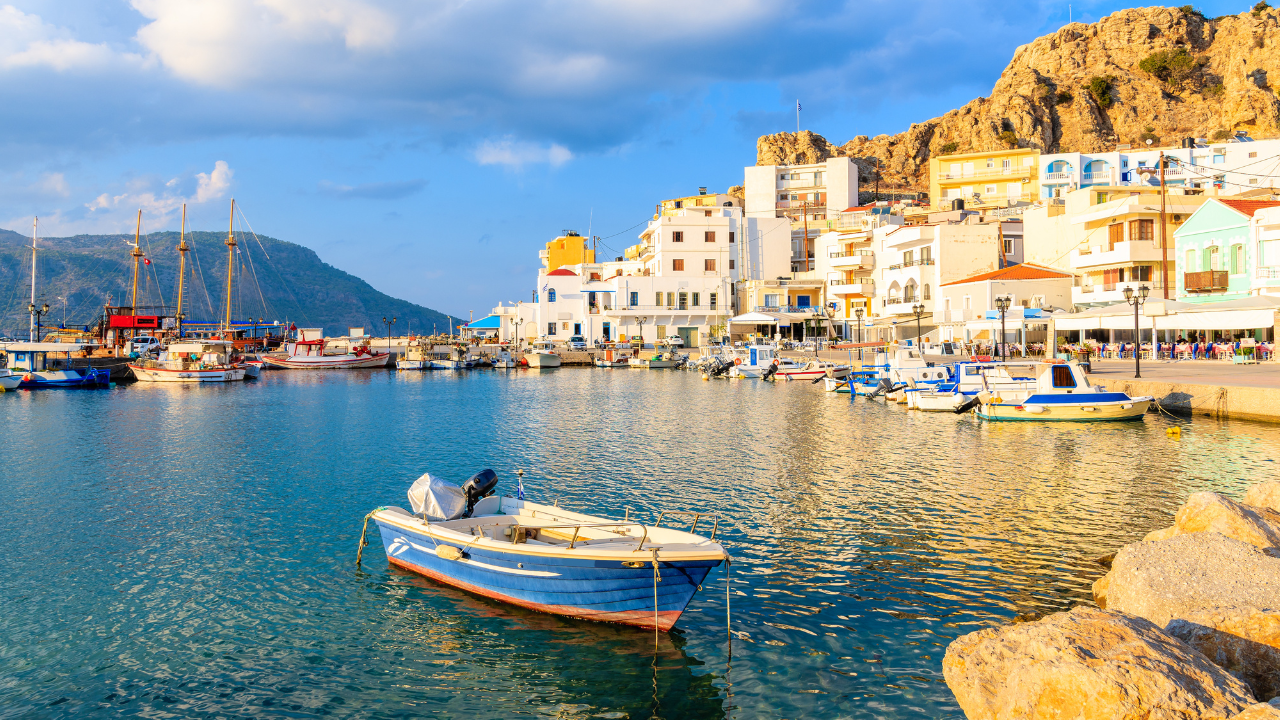
6. Karpathos, Greece
© shutterstock / Pawel Kazmierczak

6. Karpathos, Greece

Karpathos sits between Crete and Rhodes, but it has kept a more traditional character than many Greek island destinations. The island has beaches, mountain villages, and local customs that remain visible in daily life. Olympos, a hillside village in the north, is often visited for its architecture and cultural traditions, while the coastline offers clear water and quieter coves. Karpathos works well for travelers who want island beauty without the same level of crowds found in more famous Greek destinations. Renting a car helps connect beaches, villages, and viewpoints at a comfortable pace.

Best season: May to June or September

Ideal experience: Village visits and quiet beaches

Traveler tip: Explore beyond the main port

7. Alentejo, Portugal
© shutterstock / tolobalaguer

7. Alentejo, Portugal

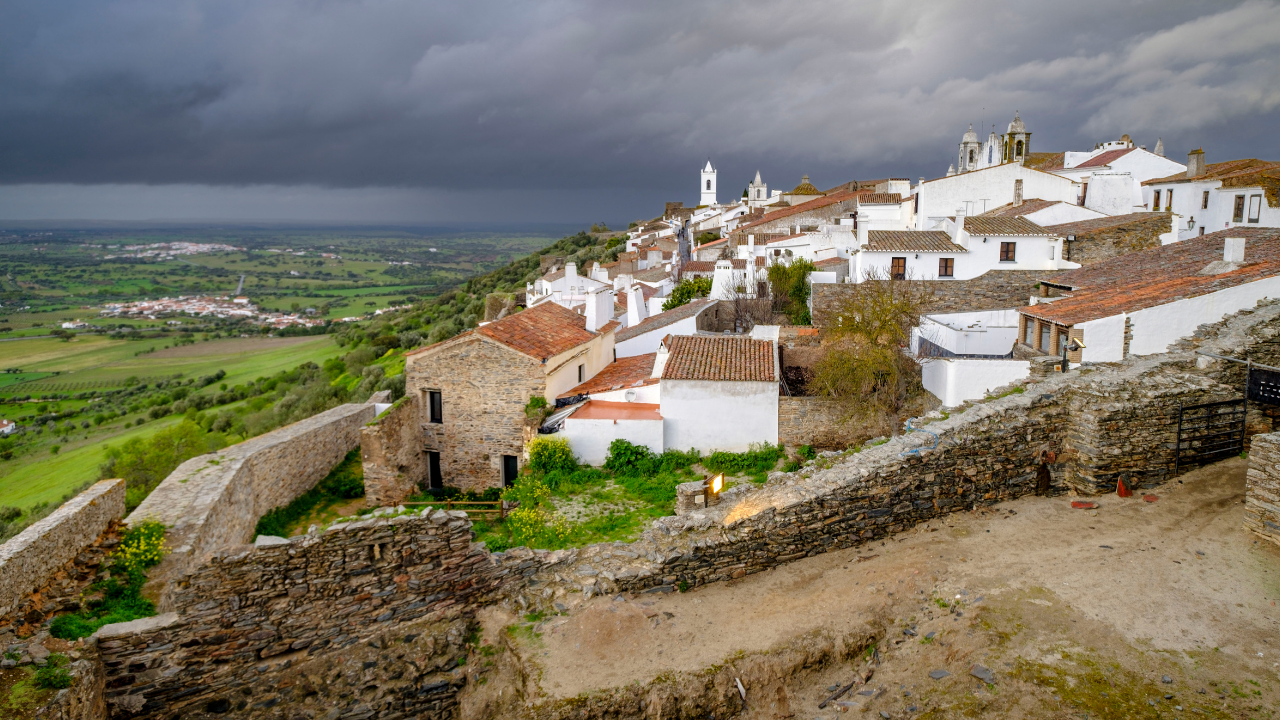
Alentejo is a large region of Portugal known for rolling plains, whitewashed towns, cork oak landscapes, and a calmer pace than Lisbon, Porto, or the Algarve. Its coastline includes wide beaches and fishing villages, while inland areas offer castles, vineyards, and historic towns. The region feels spacious and unhurried, making it a good choice for travelers who want local food, scenic drives, and cultural stops without constant crowds. Alentejo is one of the top places to visit in Portugal for a slower rural escape that still offers strong travel experiences.

Best season: April to June or September

Ideal experience: Scenic drives and village stays

Traveler tip: Allow time between towns

8. Pantelleria, Italy
© shutterstock / barmalini

8. Pantelleria, Italy

Pantelleria is an Italian island between Sicily and Tunisia, known for volcanic landscapes, stone dwellings, hot springs, and rugged coastal views. It feels different from Italy’s more polished island destinations because its charm is earthy, windswept, and practical. Travelers come for swimming spots, thermal waters, caper fields, and quiet evenings rather than large resorts or crowded promenades. The island is best explored slowly by car, with time for local food and simple coastal stops. Pantelleria suits visitors who want beauty with a raw, less commercial atmosphere.

Best season: May to October

Ideal experience: Thermal pools and coastal drives

Traveler tip: Book transport before arrival

9. Vis, Croatia
© shutterstock / Cortyn

9. Vis, Croatia

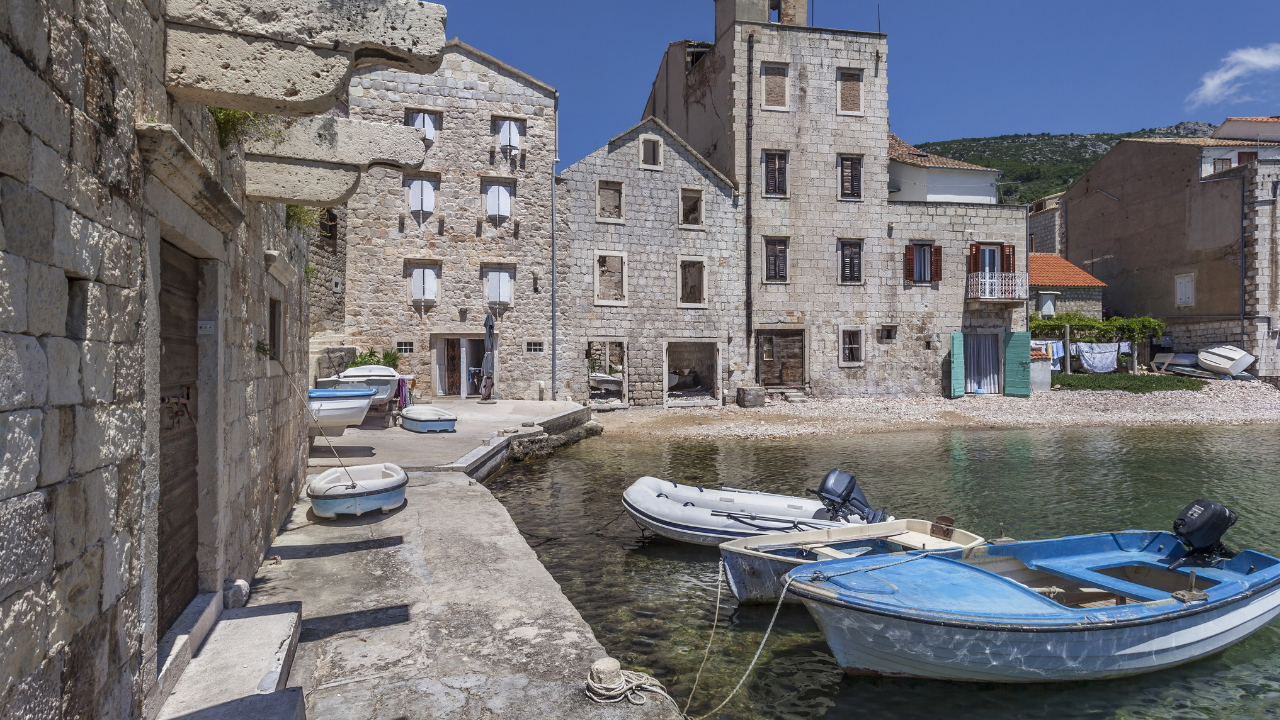
Vis is one of Croatia’s more distant inhabited islands, and that distance has helped it keep a quieter feel than some better known Adriatic destinations. The island offers stone villages, clear bays, vineyards, and old military history, along with a relaxed coastal rhythm. Visitors can spend time in Vis Town, Komiza, small beaches, and nearby coves. While it is not undiscovered, it still feels more restrained than heavily visited island hubs. Vis is best for travelers who want Adriatic scenery, seafood, and slow island movement without a tightly packed schedule.

Best season: May to June or September

Ideal experience: Harbor walks and quiet coves

Traveler tip: Stay overnight rather than day trip

10. Lamu Island, Kenya
© shutterstock / antony trivet photography

10. Lamu Island, Kenya

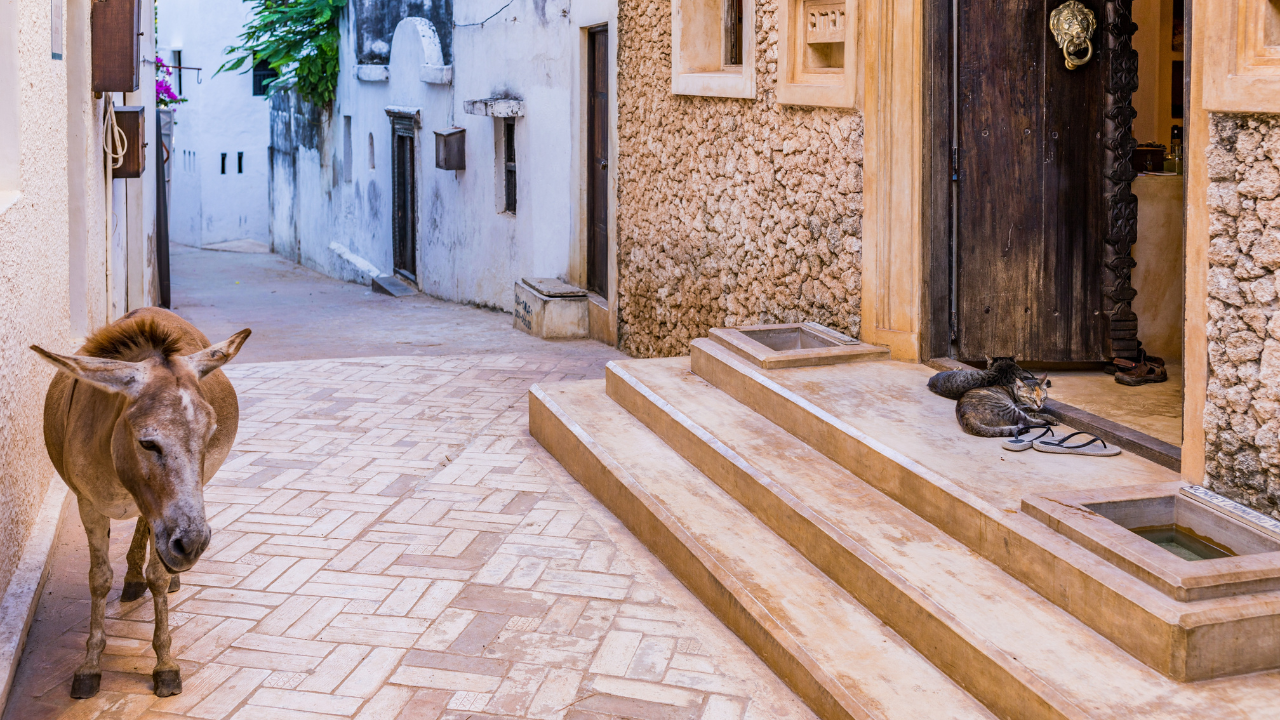
Lamu Island offers a distinct coastal experience shaped by Swahili culture, narrow lanes, carved doors, dhows, and a slower island pace. The old town has long been valued for its architecture and cultural history, while the wider island offers beaches, local food, and boat trips. Lamu is not a conventional resort destination, and that is part of its appeal. Travelers should plan carefully, choose reputable accommodation, and follow current travel advice, but those who visit thoughtfully can experience a place with strong local identity and beautiful coastal atmosphere.

Best season: July to March

Ideal experience: Old town walks and dhow trips

Traveler tip: Use trusted local guides

11. Kotor countryside, Montenegro
© shutterstock / nadtochiy

11. Kotor countryside, Montenegro

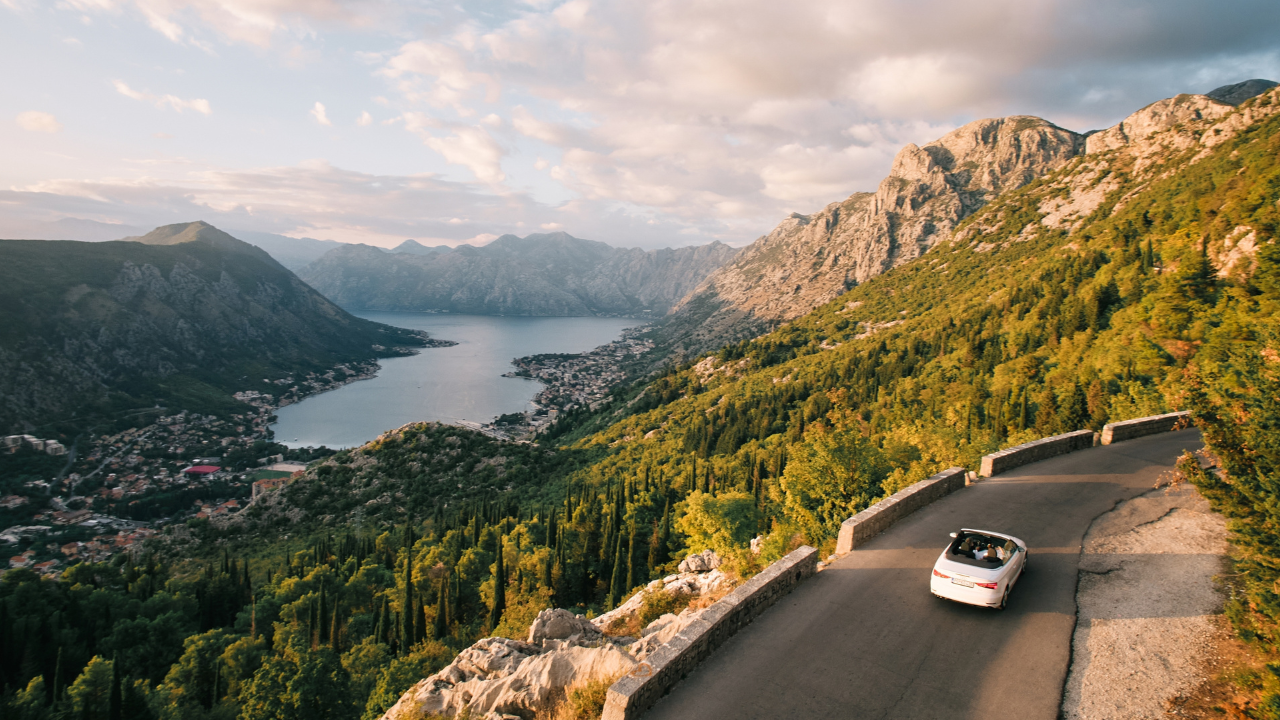
Kotor’s old town can be busy, especially when cruise ships arrive, but the surrounding countryside and nearby villages still offer a quieter side of Montenegro’s bay region. Travelers who move beyond the main gates find stone settlements, mountain roads, small churches, and calm water views. Staying outside peak cruise hours or using nearby villages as a base can change the experience significantly. The area works well for travelers who want dramatic scenery, historic architecture, and slow exploration without staying only in the most crowded spots.

Best season: April to June or September

Ideal experience: Bay views and village walks

Traveler tip: Visit old town early morning

12. Raja Ampat, Indonesia
© shutterstock / Dudarev Mikhail

12. Raja Ampat, Indonesia

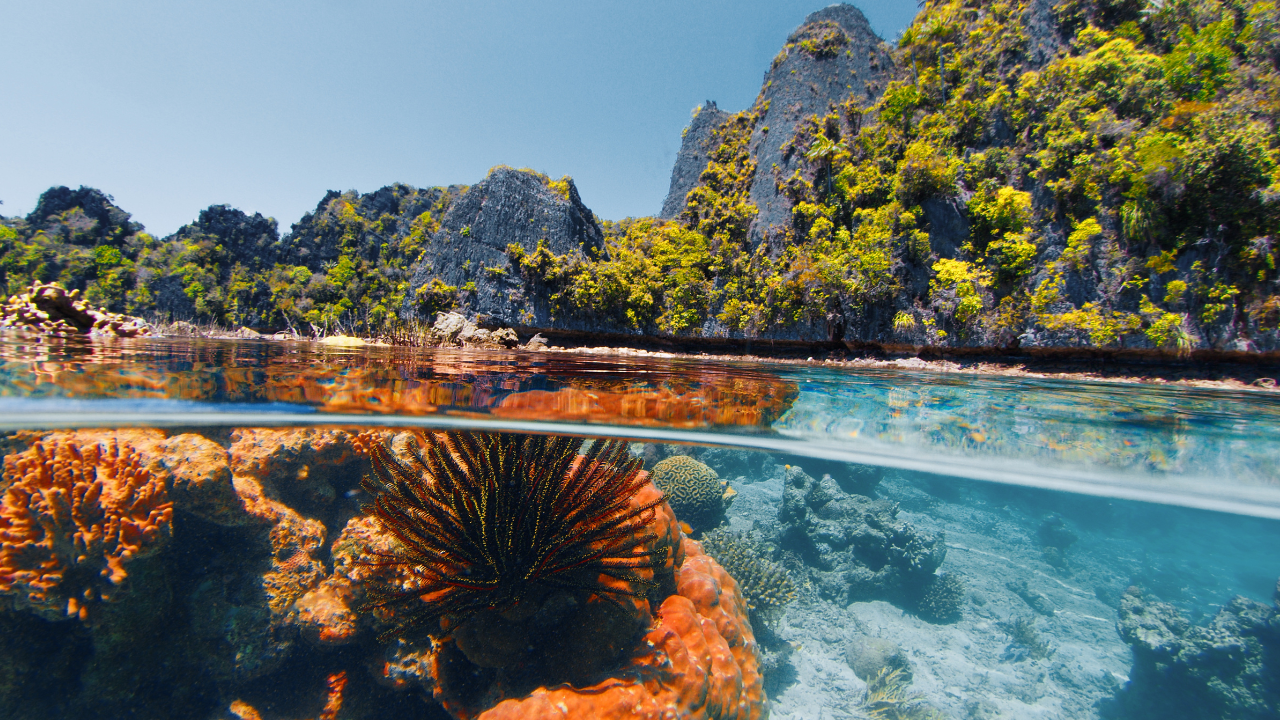
Raja Ampat is a remote island region in eastern Indonesia, known for coral reefs, limestone islands, clear water, and village based stays. Its beauty is widely recognized among divers, but the area’s distance and logistics keep it from feeling like a mass tourism destination. Travelers visit for snorkeling, diving, kayaking, and quiet time near the water. Local guesthouses and conservation focused travel can help keep tourism connected to communities and the environment. Raja Ampat is best for visitors who are comfortable with long transfers and want a nature focused trip.

Best season: October to April

Ideal experience: Snorkeling and island viewpoints

Traveler tip: Choose eco minded local stays


Comments (0)

Leave a Reply

No comments yet. Be the first to share your thoughts!