Budget travel

12 ways budget travelers can save money in South Korea

James Porter
4.1
May 21, 2026

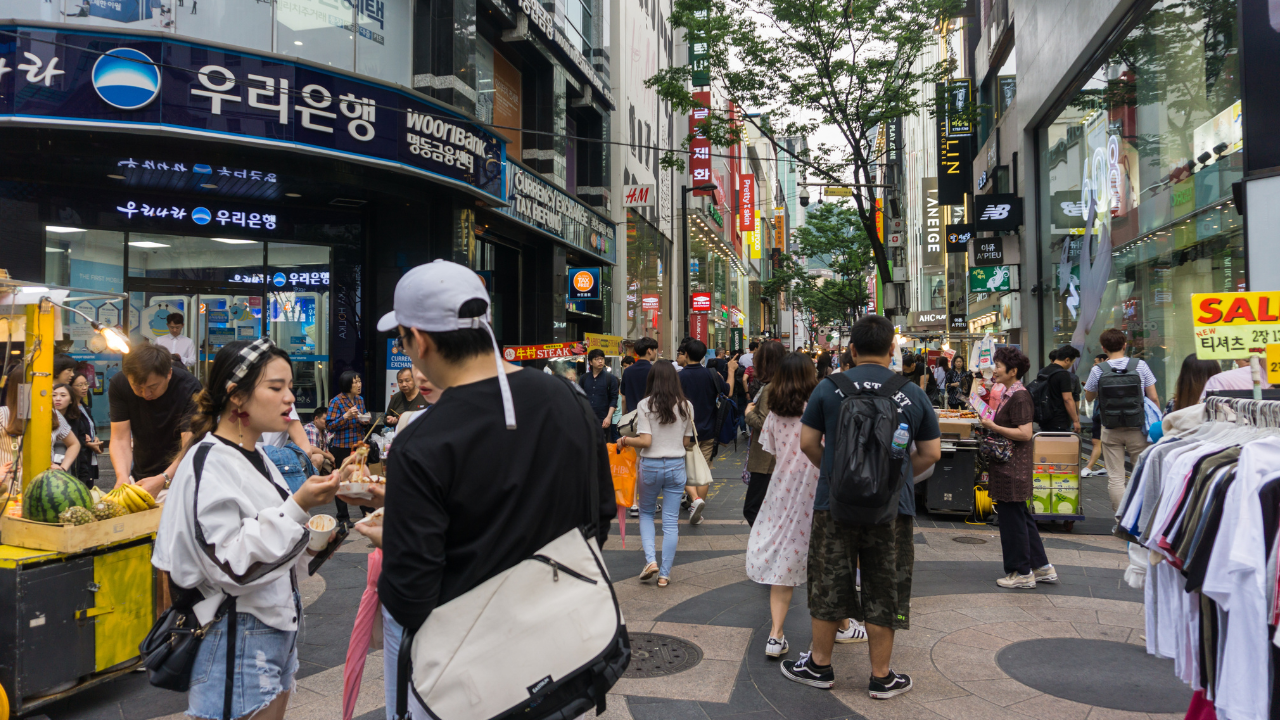
Traveling in South Korea doesn’t have to be expensive. With thoughtful planning and smart choices, you can experience vibrant cities, scenic landscapes, rich culture, and delicious food without overspending. From Seoul’s efficient subway to Busan’s beachside markets, this country has plenty of ways to stretch a travel budget while still enjoying memorable experiences. Many attractions, markets, scenic viewpoints, and local neighbourhoods don’t charge entry fees, and South Korean street food is both affordable and widely available, making day‑to‑day costs manageable for frugal travellers.

This article breaks down South Korea’s travel costs and practical strategies for saving money on accommodation, food, transport, and activities. Each section offers actionable tips you can use to plan a cost‑effective trip, whether you’re backpacking through Seoul and Busan, exploring historic cities, or hopping around temples and markets. With the right budget approach, even a short trip to Korea can feel full and rich without breaking the bank.
1. Street food and local eats for cheap meals
© shutterstock / Anirut Thailand

1. Street food and local eats for cheap meals

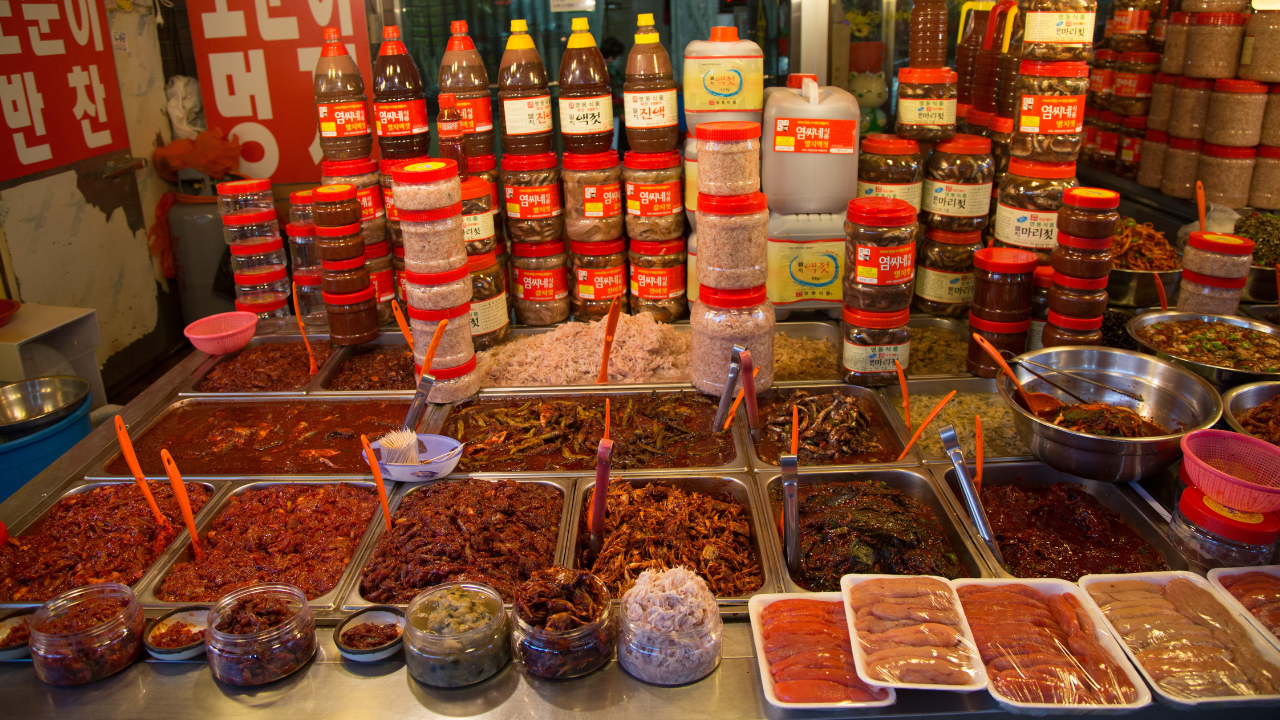
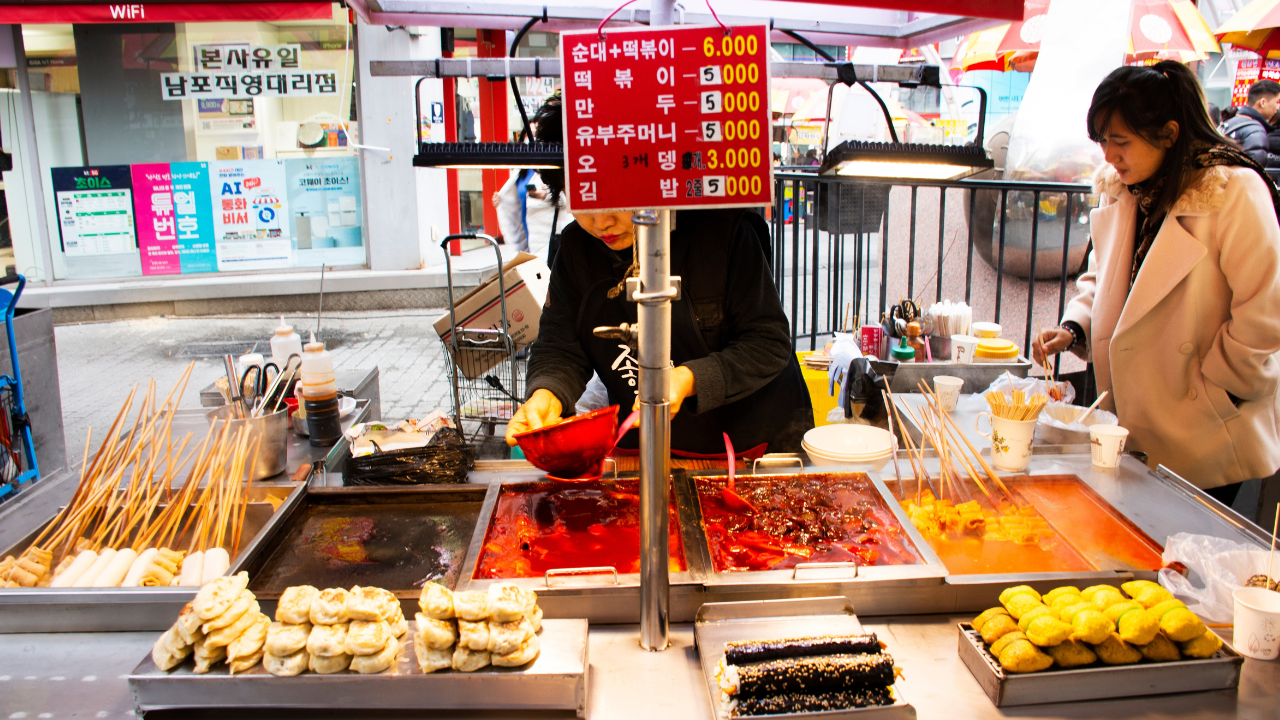
South Korea’s food scene is one of the best parts of budget travel. Street food stalls and local eateries serve filling, affordable meals that rarely cost more than a couple of dollars. Popular street items include spicy rice cakes (tteokbokki), sweet hotteok pancakes, fish cake skewers (odeng), kimbap rice rolls, and steamed dumplings — all typically under ₩5,000 per item. For breakfast or a quick lunch, convenience stores like CU, GS25, and 7‑Eleven offer triangle kimbap, dosirak lunch boxes, and cup noodles that are easy on the wallet and conveniently available across cities. Eating this way not only saves money but also gives you a taste of local daily life.

Local Korean restaurants with plastic chairs and laminated menus often serve set meals (baekban) with rice, soup, and side dishes for modest prices, especially at lunchtime. These meals are hearty, culturally authentic, and excellent value compared with more formal restaurants.

2. Hostels, guesthouses, and jjimjilbang stays
© shutterstock / Poungsaed-Studio

2. Hostels, guesthouses, and jjimjilbang stays

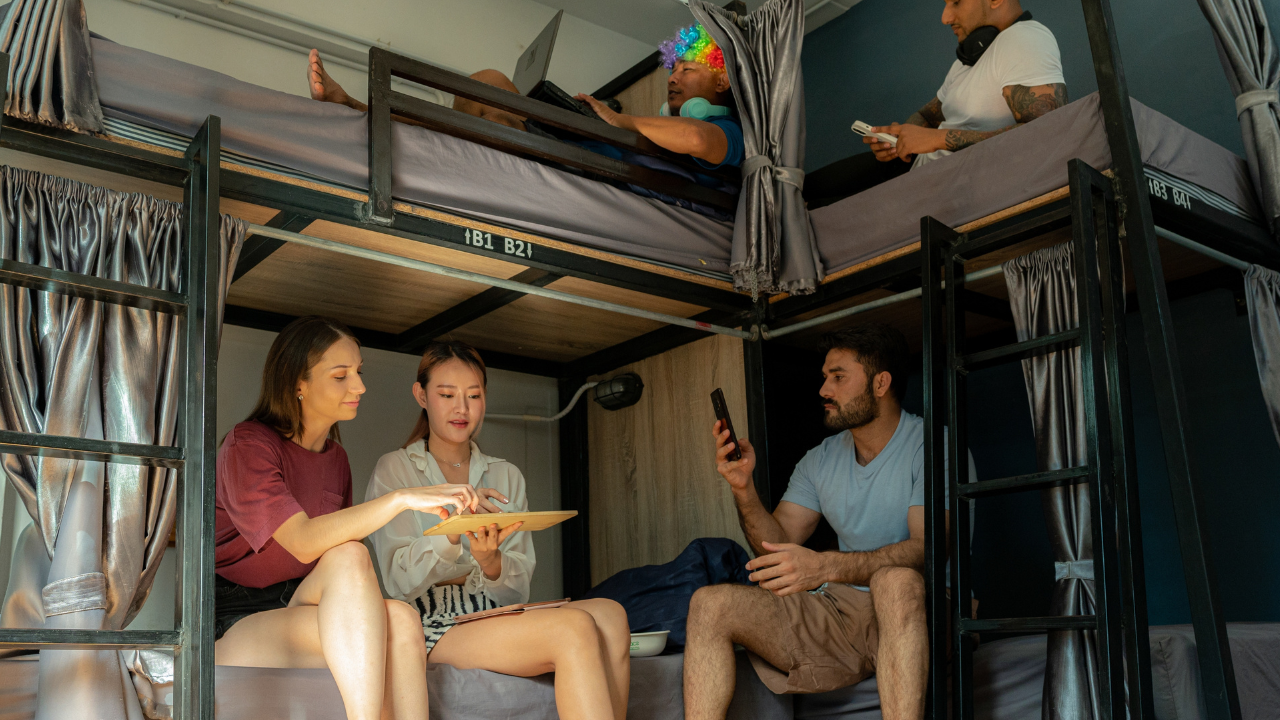
Accommodation is often a traveller’s biggest expense, but South Korea has many affordable options. Hostels with dorm beds typically start around ₩15,000–₩25,000 per night depending on location and season, and can be booked in Seoul, Busan, Jeju, and other cities. Private rooms in guesthouses or hostels are slightly more expensive but still budget‑friendly compared with hotels.

For a unique and ultra‑budget option, consider staying in a jjimjilbang — a Korean sauna/spa that allows overnight stays on heated floors or in communal sleeping areas for around ₩10,000–₩15,000. Although basic, these spots offer hot baths, saunas, and communal spaces where travellers often meet others. Some travellers also enjoy goshiwon rooms — tiny private units originally used by students — which often cost less than traditional hostels.

3. Use public transport instead of taxis
© shutterstock / 2p2play

3. Use public transport instead of taxis

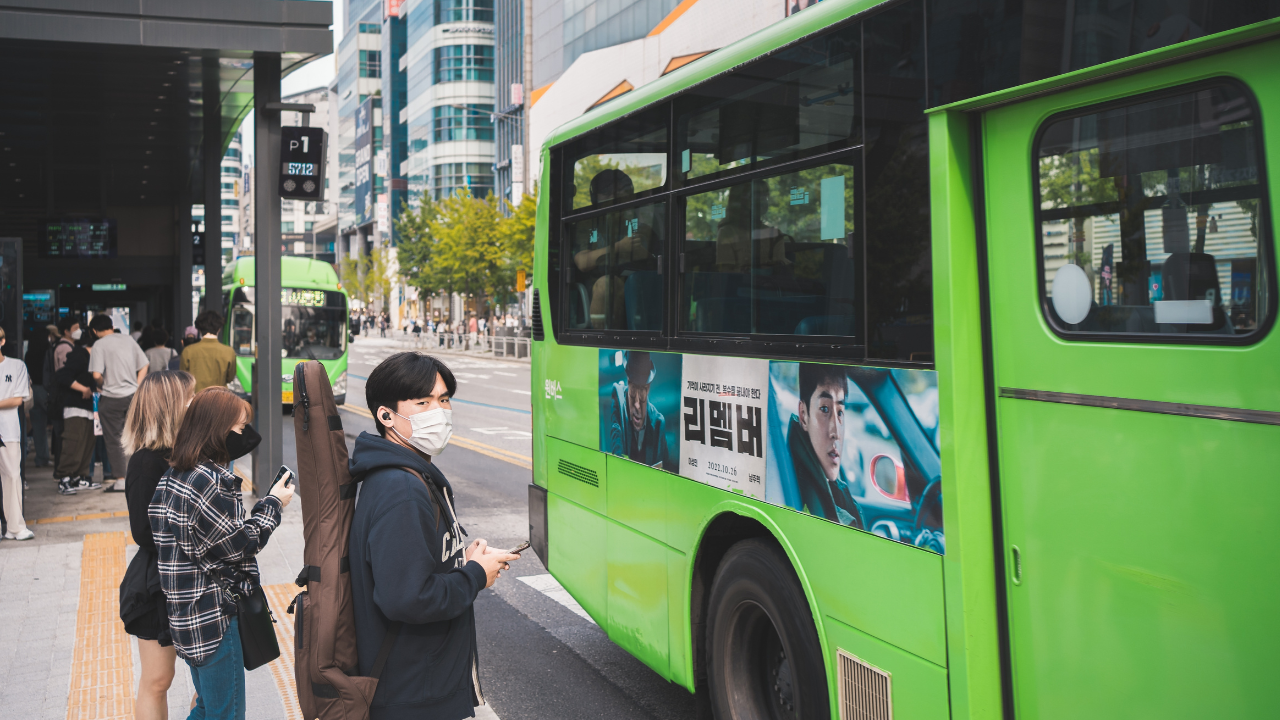
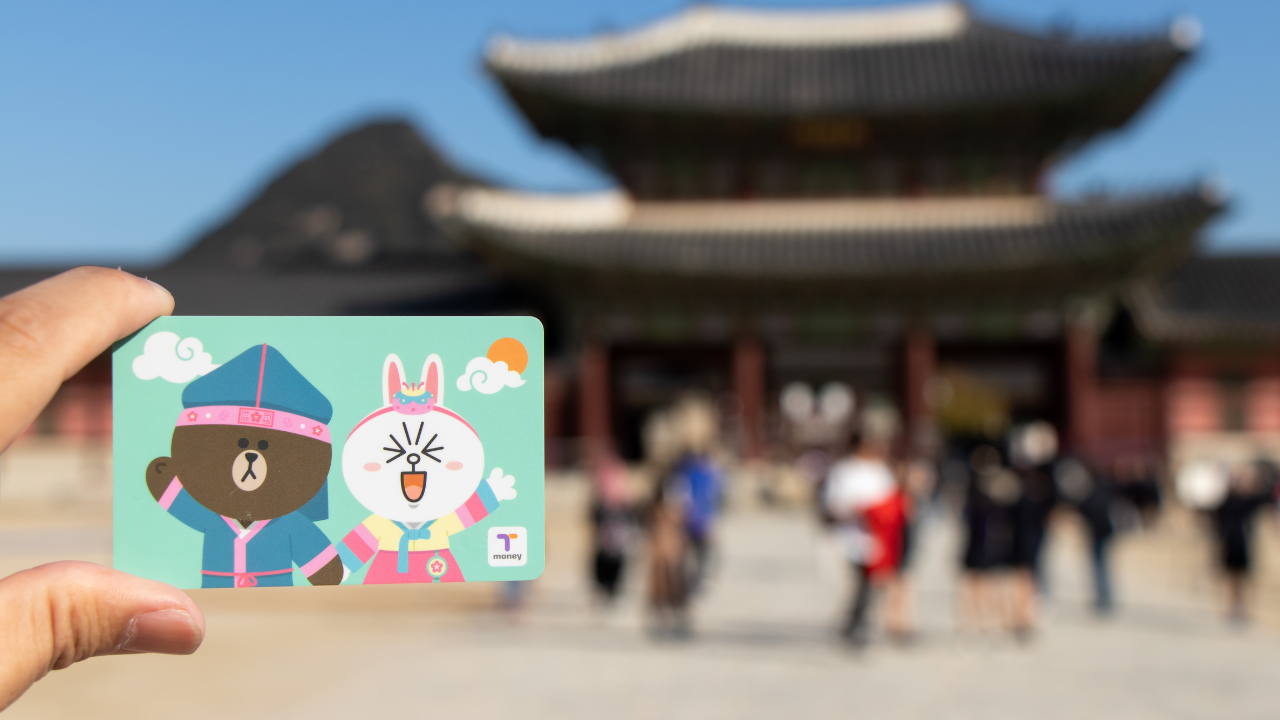
South Korea’s public transport system is one of the most budget‑friendly and efficient in the world. In cities like Seoul and Busan, a subway or city bus ride typically costs around ₩1,300–₩1,500 with a reloadable T‑money transit card. Transfers between subways and buses within a short period are often free, making it easy to get around for just a few dollars per day.

Longer distances between cities can also be affordable: intercity buses and slower local trains are cheaper than high‑speed options like the KTX, and they still provide comfortable travel. For example, a bus from Seoul to Busan can cost significantly less than the faster train option — ideal for budget travellers who don’t mind a bit of extra travel time.

4. Budget daily cost expectations
© shutterstock / Mehaniq

4. Budget daily cost expectations

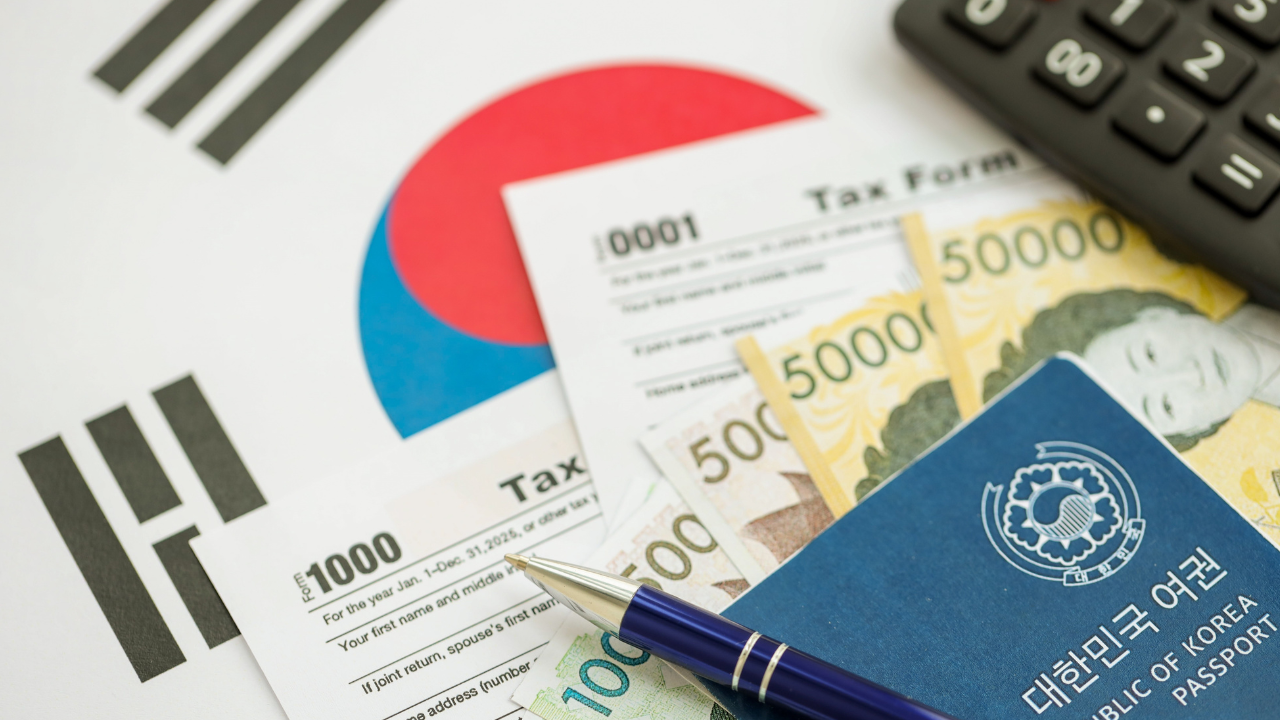
With careful spending, a very basic daily travel budget in South Korea can be as low as ₩35,000–₩60,000 (~$25–$45) if you stick to hostels or jjimjilbangs, street food and convenience meals, free attractions, and public transport. Many backpackers find ₩60,000–₩80,000 per day gives a more comfortable experience without feeling too restricted. If you add modest restaurant meals, entrance fees, and occasional paid tours, a mid‑range budget might run closer to ₩80,000–₩120,000 per day. Planning around realistic daily totals helps you avoid surprise spending and keeps travel sustainable.

Transport costs are a small part of the daily budget if you rely on buses and subways. A typical daily transport cost within a city can be under ₩10,000, and intercity travel can be planned ahead to take advantage of slower, cheaper routes.

5. Save on flights and travel timing
© shutterstock / Rawpixel

5. Save on flights and travel timing

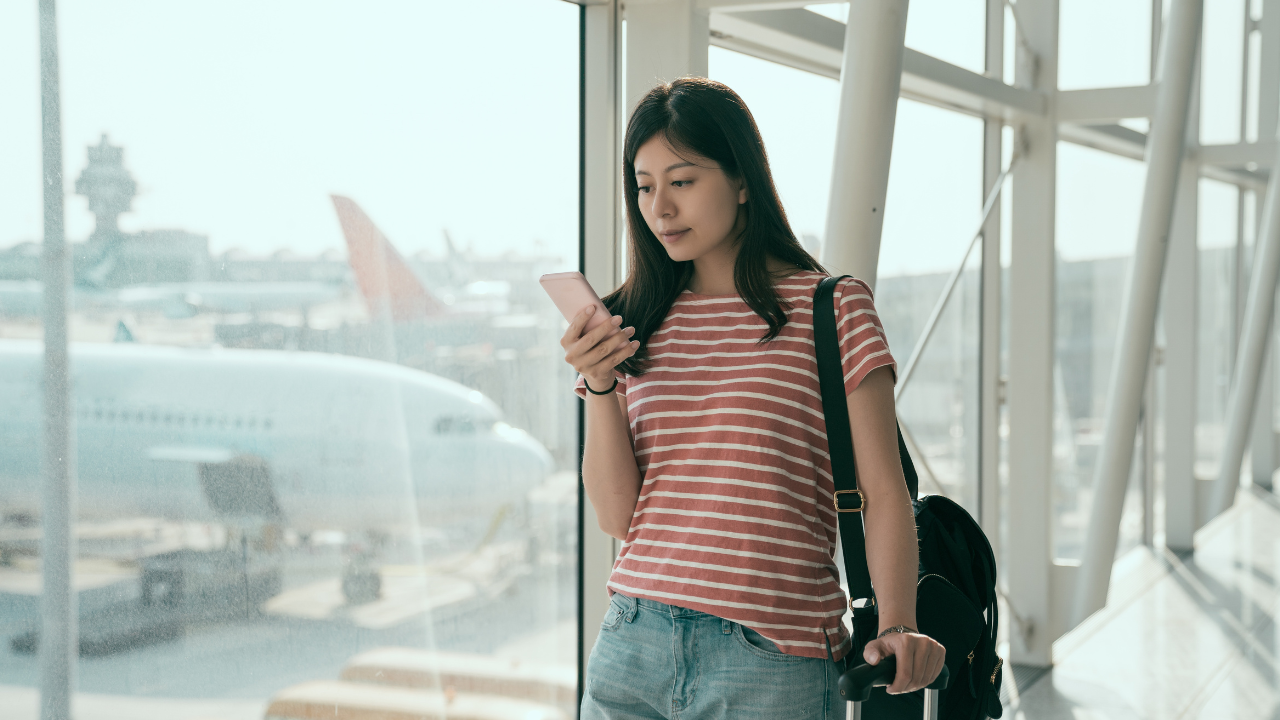
Booking flights early and choosing off‑peak travel dates can significantly reduce one of your biggest upfront costs. Travelling in shoulder seasons (spring and fall) often means cheaper airfare and more comfortable weather than summer or winter peak periods. Flexibility with travel dates — such as mid‑week departures — may also yield lower flight prices. Monitoring flight deals and using alerts from search engines can help you snag better fares without constant checking. Planning ahead lets you lock in cheaper options for both flights and accommodations.

6. Free and low‑cost attractions
© shutterstock / Elizaveta Galitckaia

6. Free and low‑cost attractions

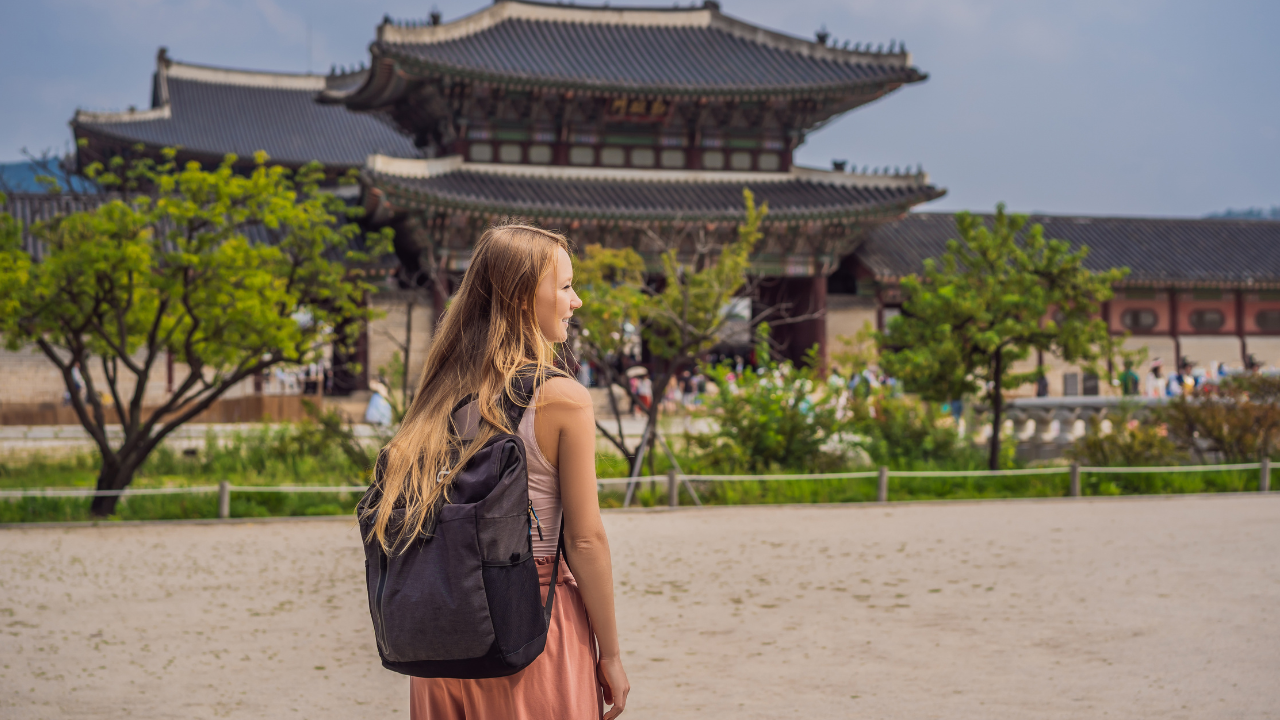
One of South Korea’s advantages for budget visitors is the number of free or low‑cost cultural experiences. Many historic palaces charge a small admission fee or have specific free days, and parks, riverside areas, traditional neighbourhoods, and markets are free to explore. Museums often have permanent exhibits that don’t cost anything, and cultural festivals and events may be free or low‑cost depending on the season. Prioritising these kinds of experiences reduces activity spending while still giving great insight into Korean culture and history.

Walking tours in many cities are often informal but rewarding: exploring neighbourhoods like Hongdae or Insadong on foot offers insight into local street art, cafes, and boutique shops without spending a fortune on guided tours.

7. Cook some meals yourself
© shutterstock / Wirestock Creators

7. Cook some meals yourself

If you’re staying in a guesthouse, hostel with a kitchen, or an Airbnb, shopping at Korean supermarkets like E‑Mart or Homeplus for prepared foods and simple ingredients lets you prepare some meals yourself. Prepared lunches, snacks, kimbap packs, salads, and drinks in these stores are often far cheaper than eating out for every meal. Even mixing one self‑prepared meal with two cheap local meals outside significantly cuts total food costs.

8. Choose budget‑friendly SIM or eSIM services
© shutterstock / PR Image Factory

8. Choose budget‑friendly SIM or eSIM services

Staying connected doesn’t need to be expensive. Many budget travellers use eSIM plans or prepaid Korean SIM cards that offer daily data at affordable rates. Compared with expensive international roaming, these local mobile plans can help you use navigation apps, translation apps, and transport maps without extra stress or cost. Mobile connectivity helps you find cheap food spots, transit options, and less crowded itineraries.

9. Take advantage of tourist discount cards
© shutterstock / Bankrx

9. Take advantage of tourist discount cards

Several cities in South Korea offer tourist passes that combine transport and attraction discounts, providing great value for budget-conscious travellers. For example, Seoul’s Sightseeing Pass covers subways, buses, and multiple museums at a fixed rate. These passes often include free or reduced entry to key landmarks, allowing you to see more without paying individually for each attraction. Using discount cards is an easy way to save money while enjoying a fuller experience of the city.

10. Explore beyond Seoul for value and diversity
© shutterstock / 2p2play

10. Explore beyond Seoul for value and diversity

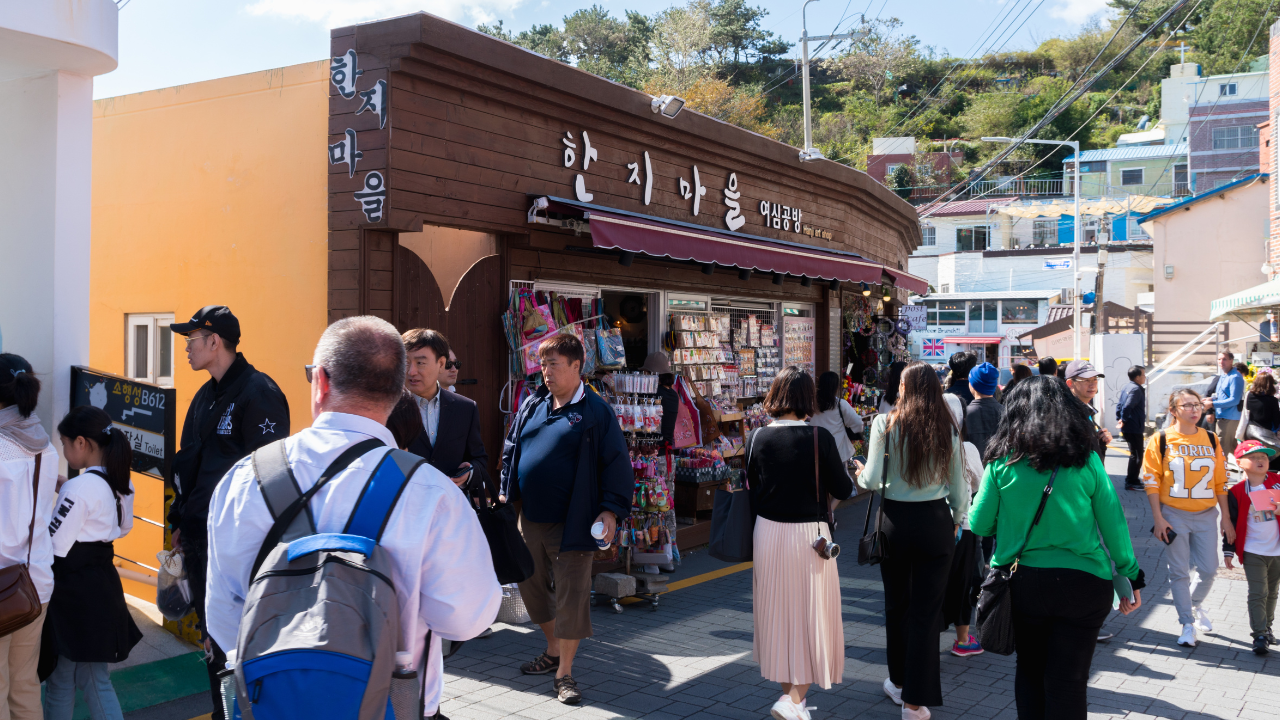
While Seoul is often the first stop for visitors, other cities like Busan, Gwangju, Jeonju, and Daegu offer distinct experiences that can be cheaper to explore and still full of culture, food, and history. Busan’s beaches, markets, and seafood spots have strong local character and competitive prices, while historic cities like Jeonju are known for traditional food districts and hanok villages that are rich in flavour and ambience. Exploring more regions spreads your travel spending without losing variety.

11. Go hiking and enjoy national parks for free
© shutterstock / Guitar photographer

11. Go hiking and enjoy national parks for free

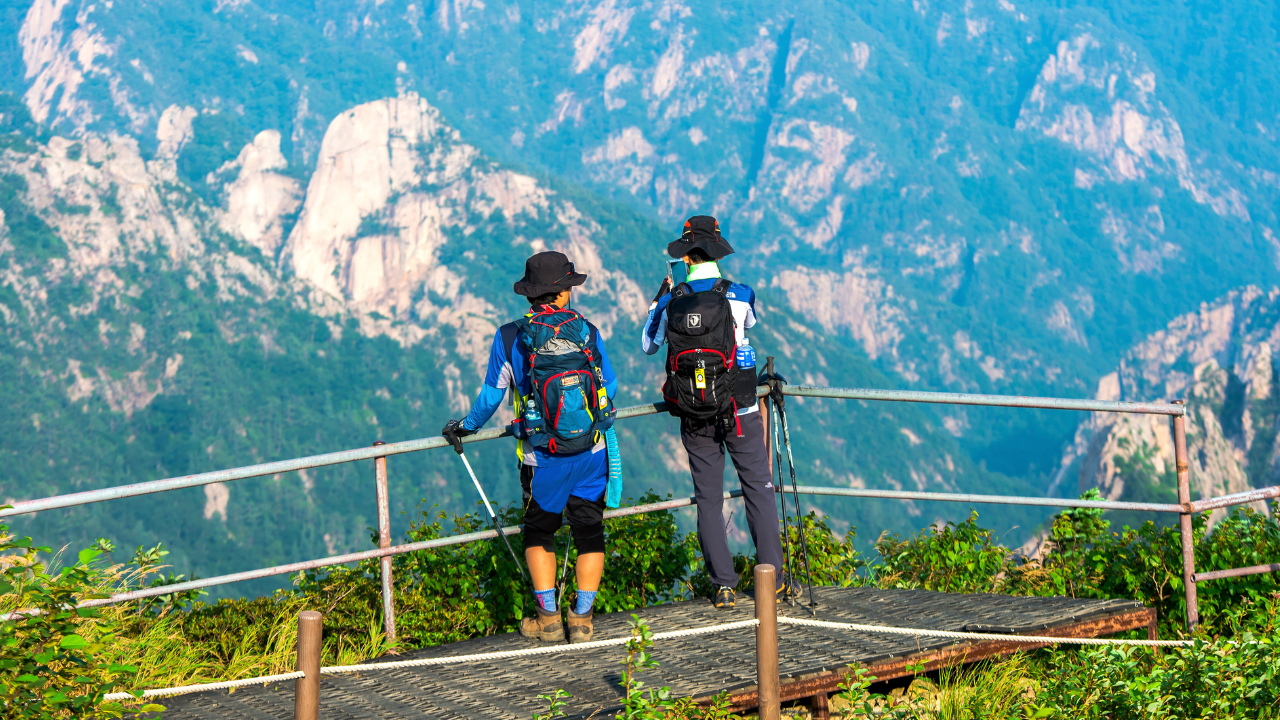
South Korea offers thousands of kilometers of well-maintained hiking trails with minimal or no entry fees. Popular spots like Bukhansan National Park near Seoul or Hallasan on Jeju Island provide scenic vistas, exercise, and outdoor recreation without spending money. Hiking is a practical alternative to paid tours, letting travellers experience nature, traditional temples, and small mountain villages along the way. Pack a few snacks and water, and you can spend an entire day immersed in landscapes and local culture. It’s also a flexible activity suitable for solo travellers or groups looking to save while staying active.

12. Skip unnecessary taxis and extras
© shutterstock / Alen thien

12. Skip unnecessary taxis and extras

Taxis in Korea are reliable but cost more than buses and subways. On a budget, save taxi rides for when public transport isn’t practical, like late at night or with luggage. Walking between nearby attractions not only adds to your savings but also gives a deeper feel for local neighbourhoods. Avoiding attractions with high entrance fees unless they’re priorities also helps keep your budget balanced.


Comments (0)

Leave a Reply

No comments yet. Be the first to share your thoughts!