Travel Asia

13 stunning cities and infrastructures in China that feel futuristic and unforgettable

Adam Collins
4.3
May 22, 2026

China is one of the most visually surprising destinations for travelers who enjoy bold architecture, advanced transport systems, dramatic skylines, and unusual urban design. Across the country, historic streets often sit beside glass towers, mountain cities rise in stacked layers, and transport hubs feel almost like architectural attractions. For visitors interested in places that feel modern, cinematic, and different from ordinary city breaks, China offers many unforgettable experiences.

This list focuses on cities, districts, and infrastructure landmarks that stand out for their scale, design, setting, or unusual travel appeal. Some are famous for skyline views, while others are known for bridges, airports, libraries, creative districts, high speed rail stations, or waterfront developments. Together, they show how China’s cities are becoming destinations not only for history and food, but also for urban exploration, photography, and modern design. These are some of the most unusual places and cities to visit in China for travelers who want a trip that feels visually fresh and high value. China’s major urban centers, including Shanghai, Shenzhen, Guangzhou, and Chongqing, are often highlighted for their modern skylines and fast changing infrastructure.
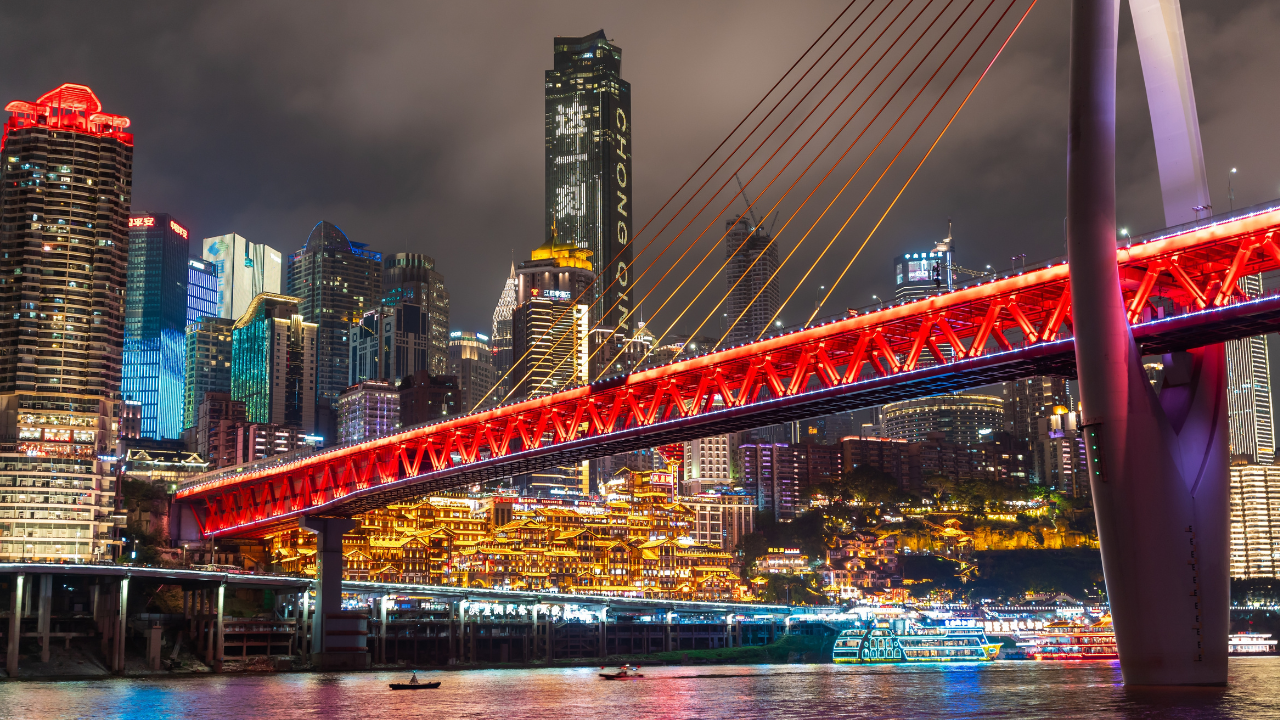
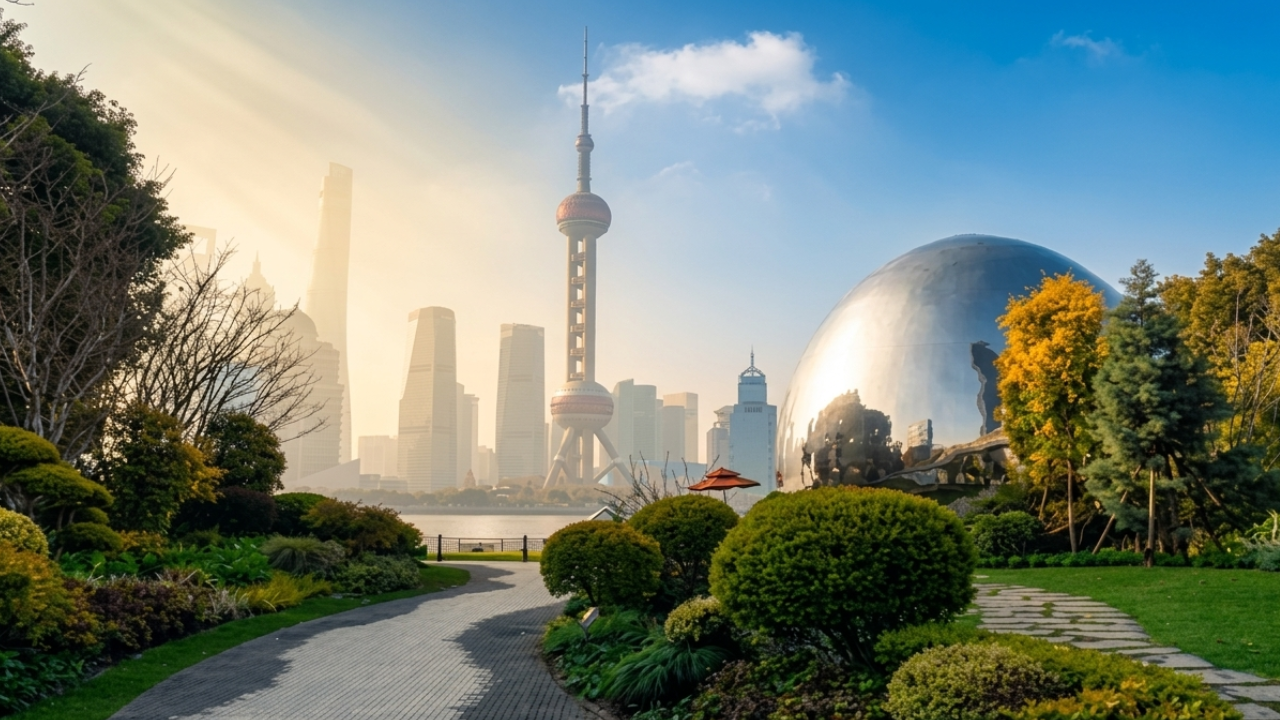
1. Chongqing
© shutterstock / kitzcorner

1. Chongqing

Chongqing is one of China’s most striking urban destinations because the city seems to rise in layers across mountains, rivers, bridges, tunnels, and elevated roads. Its steep geography creates unusual views where apartment towers, metro lines, and highways appear stacked above one another. At night, areas around Hongya Cave, Jiefangbei, and the meeting point of the Yangtze and Jialing rivers create a dense, neon filled cityscape. Raffles City Chongqing, with its curved towers and horizontal skybridge, adds to the city’s futuristic appearance. For travelers who enjoy dramatic infrastructure and city photography, Chongqing feels unlike almost anywhere else in China.

Best experience: Two Rivers night cruise

Photo spot: Hongya Cave from across the river

Traveler tip: Use the metro to understand the city’s layers

2. Shanghai Pudong skyline
© shutterstock / Mumemories

2. Shanghai Pudong skyline

Shanghai’s Pudong skyline is one of the most recognizable modern city views in Asia. The Oriental Pearl Tower, Shanghai Tower, Jin Mao Tower, and Shanghai World Financial Center create a cluster of high rise architecture that feels especially dramatic from the Bund. What makes Shanghai compelling is the contrast between the colonial era buildings along the Huangpu River and the futuristic towers across the water. By day, the skyline shows the city’s commercial scale, while at night it becomes a glowing urban panorama. Travelers who want a polished, high energy introduction to modern China often start here.

Best experience: Evening walk along the Bund

Photo spot: Pudong skyline after sunset

Traveler tip: Visit on a clear night for better views

3. Shenzhen
© shutterstock / sisi2017

3. Shenzhen

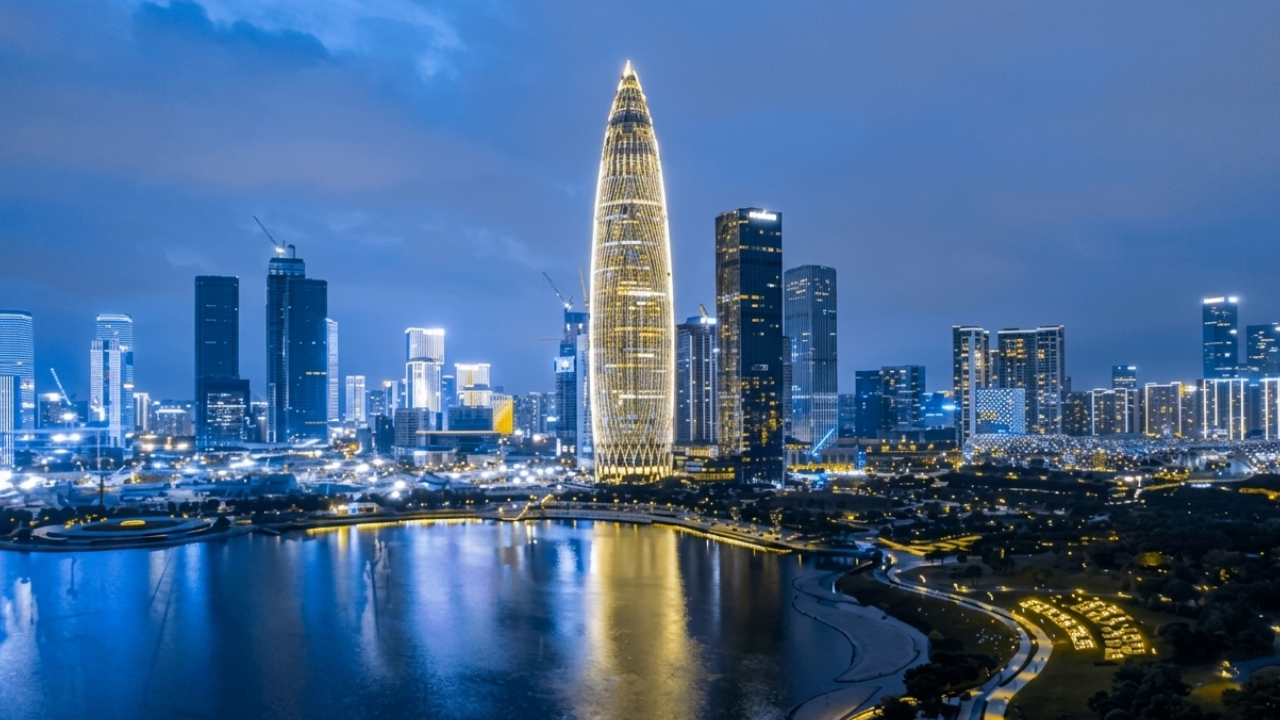
Shenzhen has grown from a small border city into one of China’s most forward looking urban centers. Its appeal comes from a mix of technology parks, modern architecture, creative districts, shopping complexes, and efficient public transport. The city is closely associated with innovation, and that energy is visible in places like Futian, Nanshan, and the waterfront around Shenzhen Bay. Unlike older cities with traditional historic cores, Shenzhen feels planned around movement, design, and modern life. Travelers interested in architecture, digital culture, and contemporary Chinese city living will find it especially rewarding.

Best experience: Explore Shenzhen Bay and Futian

Photo spot: Civic Center and skyline views

Traveler tip: Use metro routes for easy city access

4. Beijing Daxing International Airport
© shutterstock / terimma

4. Beijing Daxing International Airport

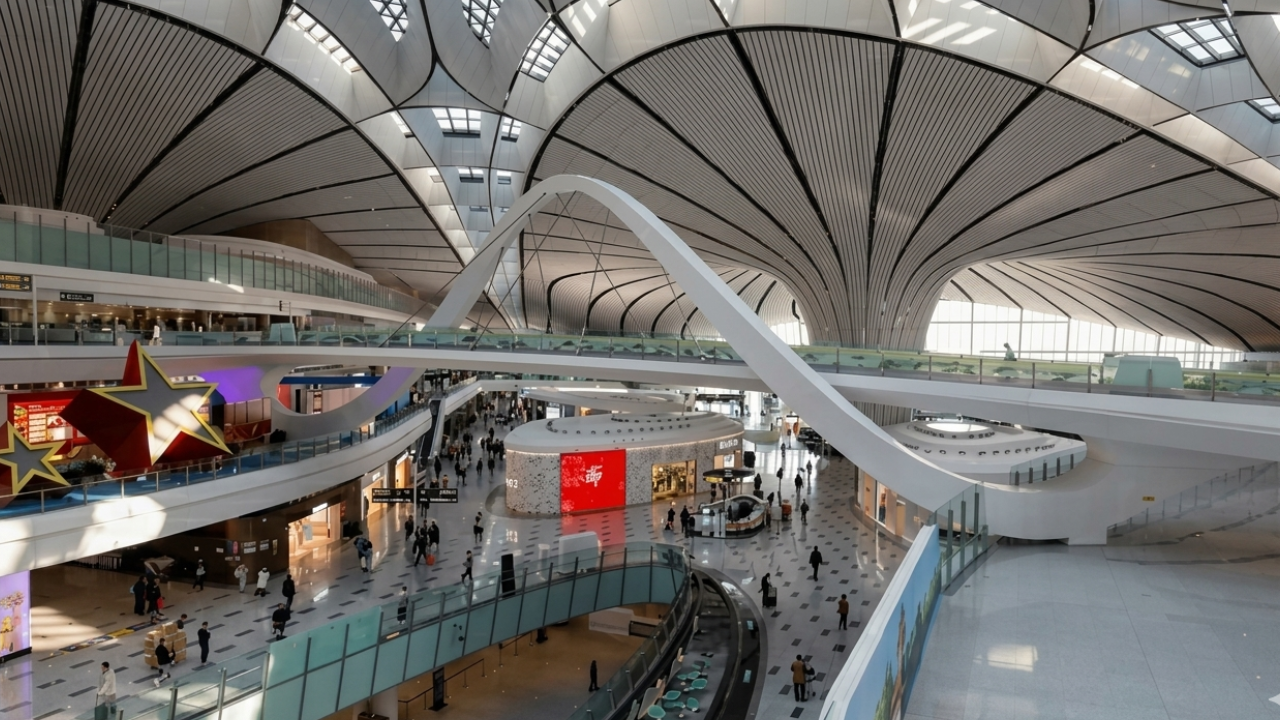
Beijing Daxing International Airport is more than a transport hub. Its star shaped terminal design, large open spaces, flowing rooflines, and efficient layout make it one of China’s most impressive modern infrastructure projects. For many travelers, arriving or departing through Daxing feels like stepping into a carefully designed urban gateway. The airport was created to handle large passenger volumes while reducing walking distance between key areas, which makes it visually striking and practical. Even if Beijing is usually visited for imperial history, Daxing shows the city’s modern architectural side.

Best experience: Walk through the central terminal hall

Photo spot: Interior roof and radial corridors

Traveler tip: Allow time to appreciate the design

5. Guangzhou Canton Tower and Zhujiang New Town
© shutterstock / gyn9037

5. Guangzhou Canton Tower and Zhujiang New Town

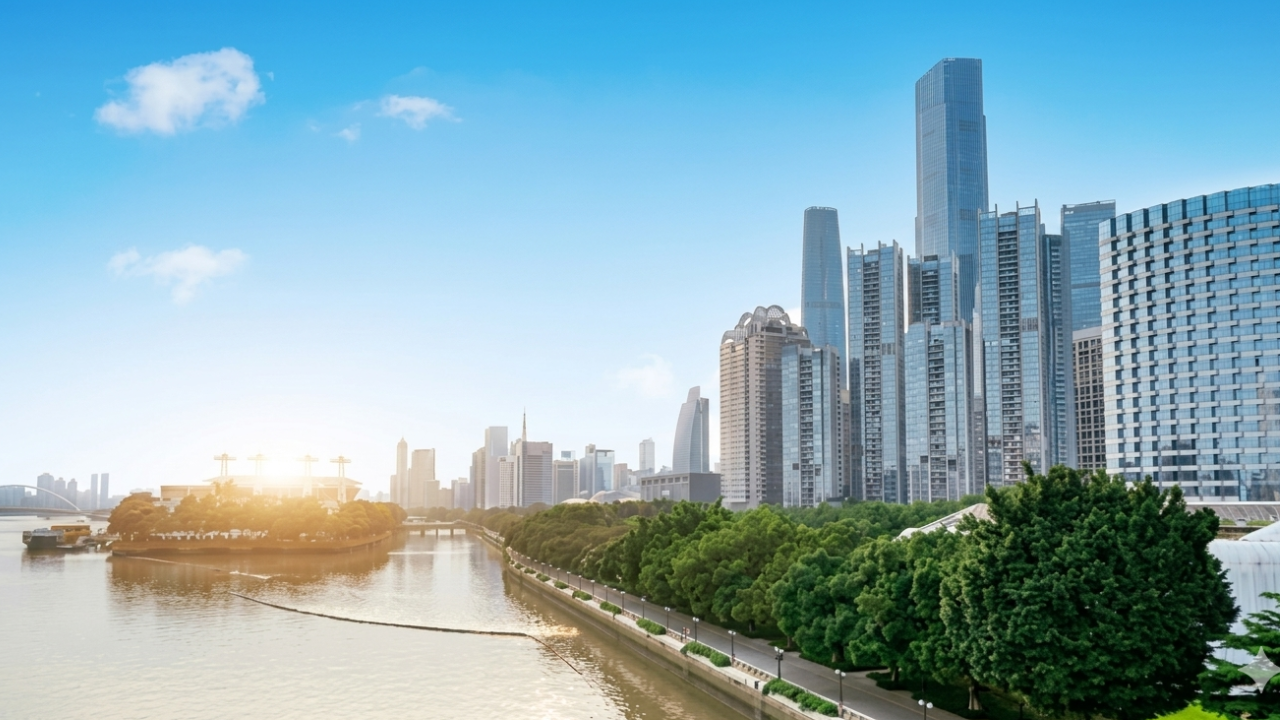
Guangzhou’s modern skyline is best experienced around Zhujiang New Town, where high rise towers, cultural venues, riverfront paths, and Canton Tower create a sleek urban setting. Canton Tower’s twisting form stands out as one of the city’s most recognizable landmarks, especially when illuminated at night. The surrounding district includes the Guangzhou Opera House, Guangdong Museum, and open plazas that give the area a polished civic feel. For travelers, the experience combines architecture, river views, nightlife, and easy transport, making Guangzhou a strong choice for a futuristic city stop.

Best experience: Pearl River night cruise

Photo spot: Canton Tower from the riverfront

Traveler tip: Visit after dark for the strongest skyline view

6. Hangzhou Olympic Sports Center
© shutterstock / ABCDstock

6. Hangzhou Olympic Sports Center

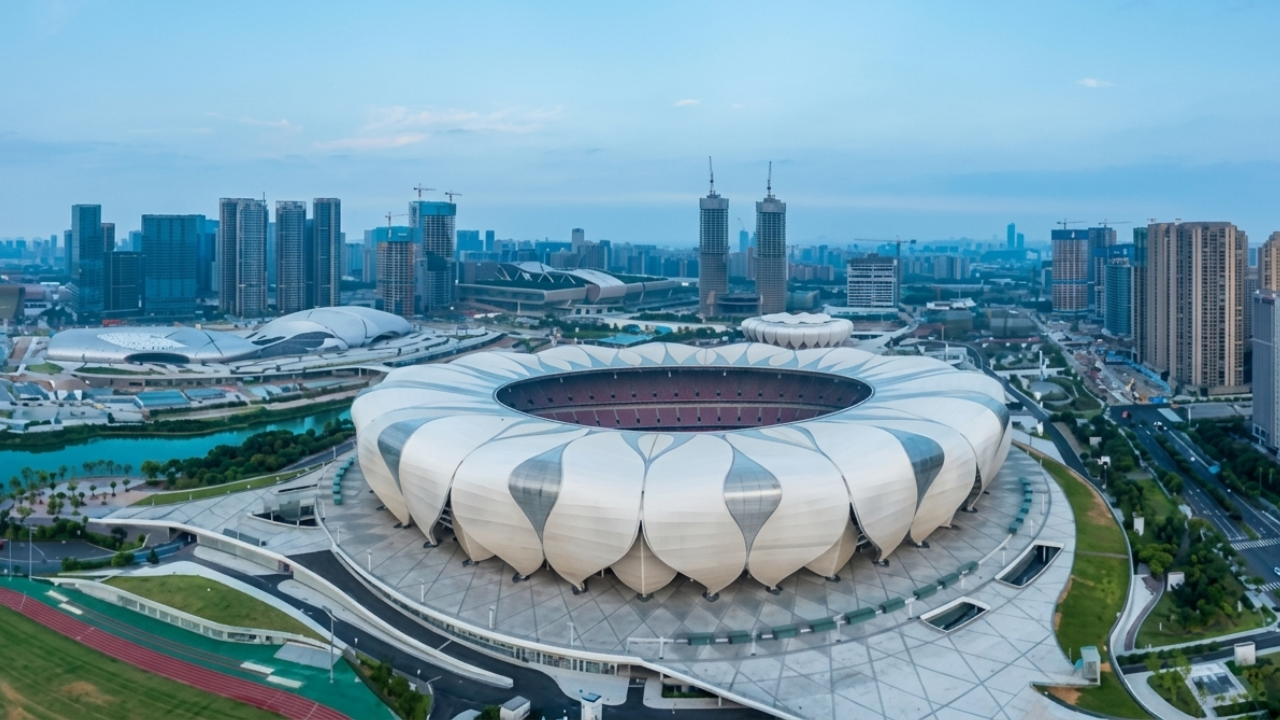
Hangzhou is often associated with West Lake, gardens, and classical scenery, but the city also has one of China’s most elegant modern sports districts. The Hangzhou Olympic Sports Center is known for its lotus inspired stadium design and wide, open urban layout. The surrounding Qianjiang New City area adds futuristic towers, riverfront promenades, and light filled evening views. This contrast between traditional Hangzhou and its new civic architecture makes the city especially interesting. Travelers can spend one day around West Lake and another exploring the modern riverfront.

Best experience: Evening walk in Qianjiang New City

Photo spot: Lotus shaped stadium exterior

Traveler tip: Pair modern sights with West Lake

7. Chengdu Tianfu Art Park and modern districts
© shutterstock / Foreverhappy

7. Chengdu Tianfu Art Park and modern districts

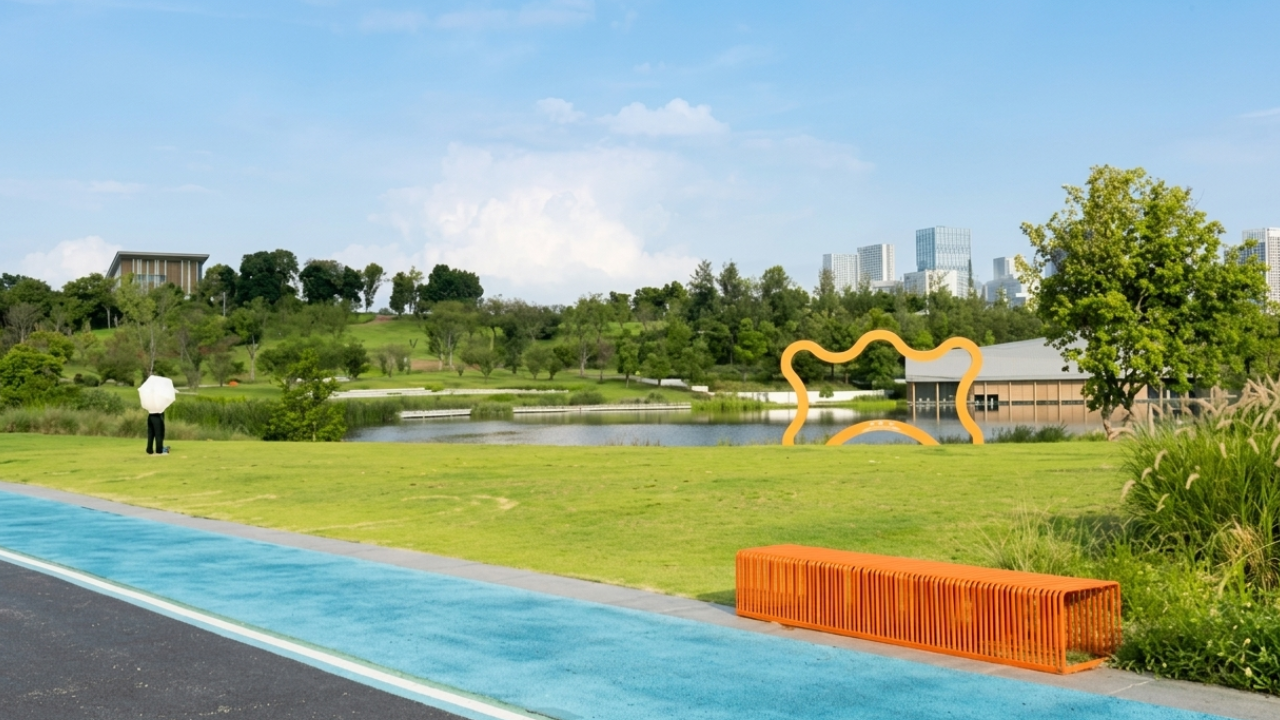
Chengdu is known for pandas, teahouses, and Sichuan food, but its modern cultural districts are also worth exploring. Tianfu Art Park, Taikoo Li, and East District Memory show a different side of the city, with contemporary design, galleries, public spaces, and converted industrial architecture. Chengdu’s pace is more relaxed than Shanghai or Shenzhen, which makes its modern areas feel inviting rather than overwhelming. Travelers interested in creative hobbies, urban cafés, local fashion, and contemporary Chinese culture will find Chengdu’s newer districts especially appealing.

Best experience: Browse art spaces and cafés

Photo spot: East District Memory industrial streets

Traveler tip: Balance modern areas with old teahouses

8. Nanjing Yangtze River bridges
© shutterstock / zhangyuqiu

8. Nanjing Yangtze River bridges

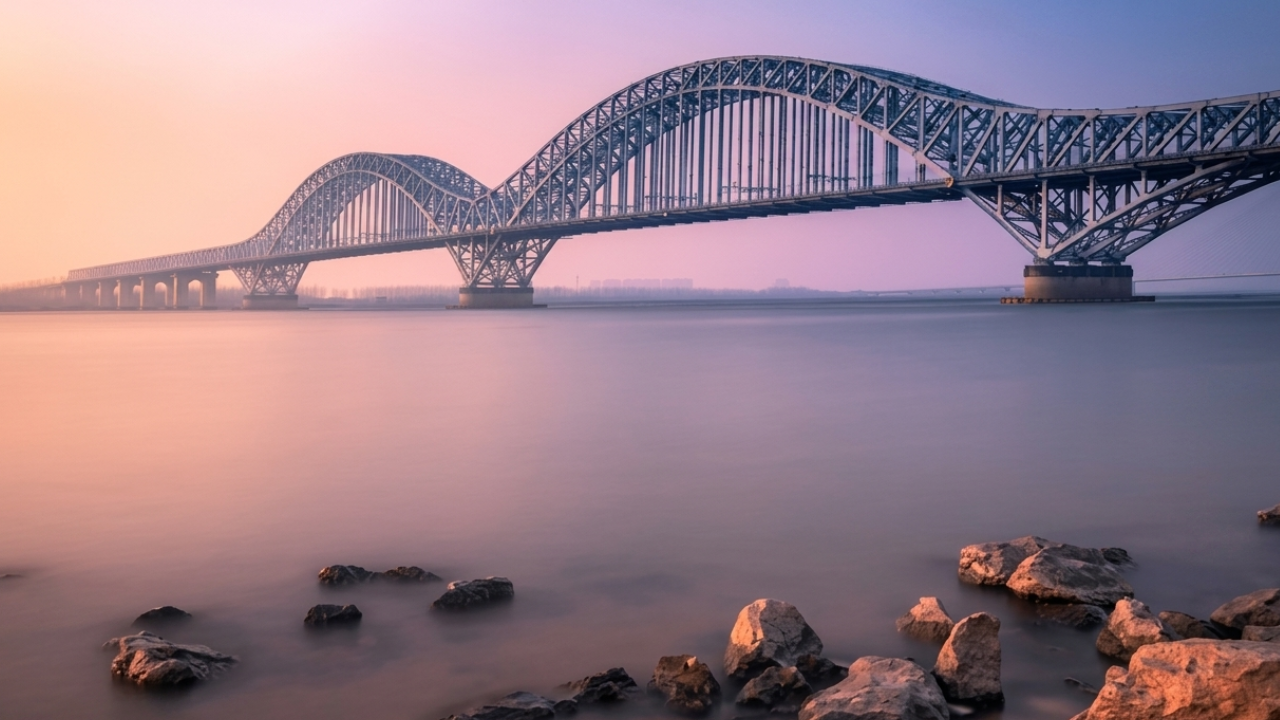
Nanjing’s location along the Yangtze River gives the city a strong infrastructure identity. Its bridges, riverfront developments, and skyline views create a powerful sense of scale. The Nanjing Yangtze River Bridge is historically important, while newer crossings and waterfront areas show the city’s continued growth. Nanjing also blends modern infrastructure with deep history, including city walls, museums, and old neighborhoods. For travelers who enjoy cities shaped by rivers, bridges, and layered history, Nanjing offers a more balanced experience than purely futuristic destinations.

Best experience: Riverfront walk near bridge viewpoints

Photo spot: Yangtze bridges at dusk

Traveler tip: Combine bridge views with city wall visits

9. Harbin Ice and Snow World
© shutterstock / kikujungboy CC

9. Harbin Ice and Snow World

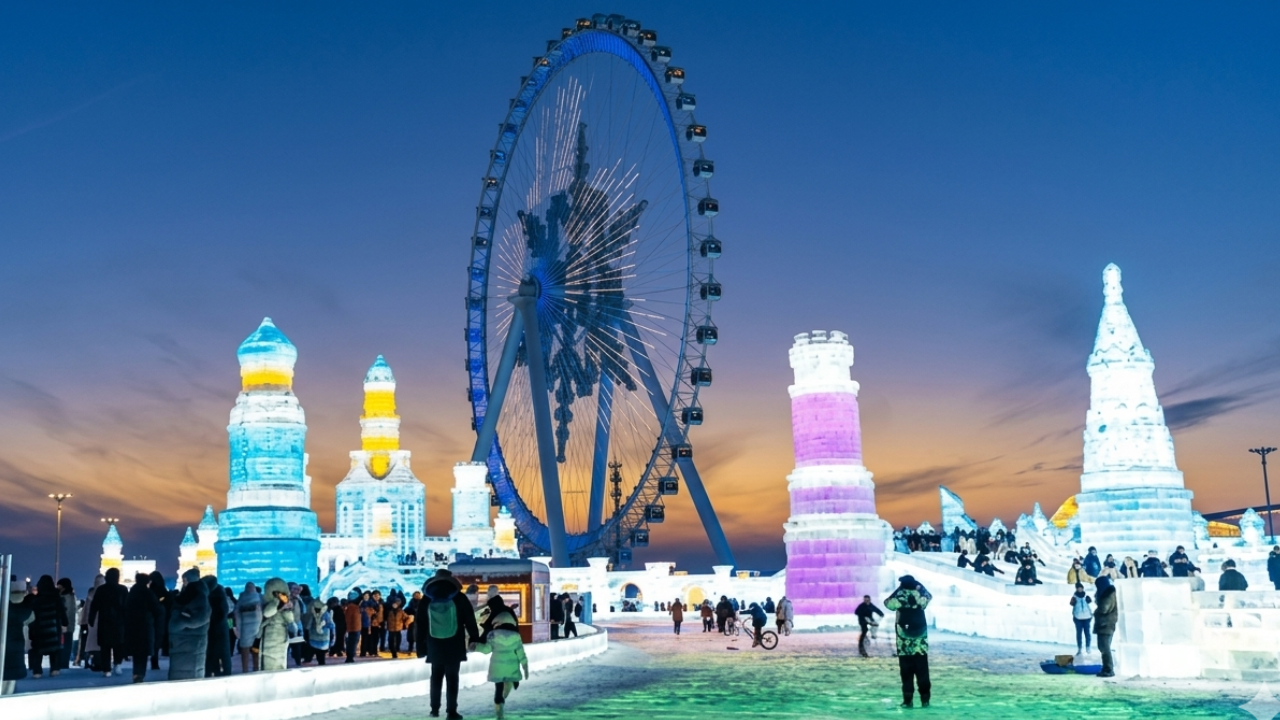
Harbin’s Ice and Snow World feels unusual because it turns winter itself into monumental architecture. Each year, large ice buildings, illuminated sculptures, towers, slides, and frozen installations transform the city into a temporary glowing landscape. The scale is what makes it unforgettable. Visitors walk through structures made from ice blocks, often lit in bright colors against the dark winter sky. Harbin also has Russian influenced architecture, winter food culture, and snowy streets that add to the atmosphere. It is one of China’s most distinctive seasonal travel experiences.

Best experience: Visit after sunset

Photo spot: Illuminated ice towers

Traveler tip: Wear serious winter clothing

10. Tianjin Binhai Library
© shutterstock / cowardlion

10. Tianjin Binhai Library

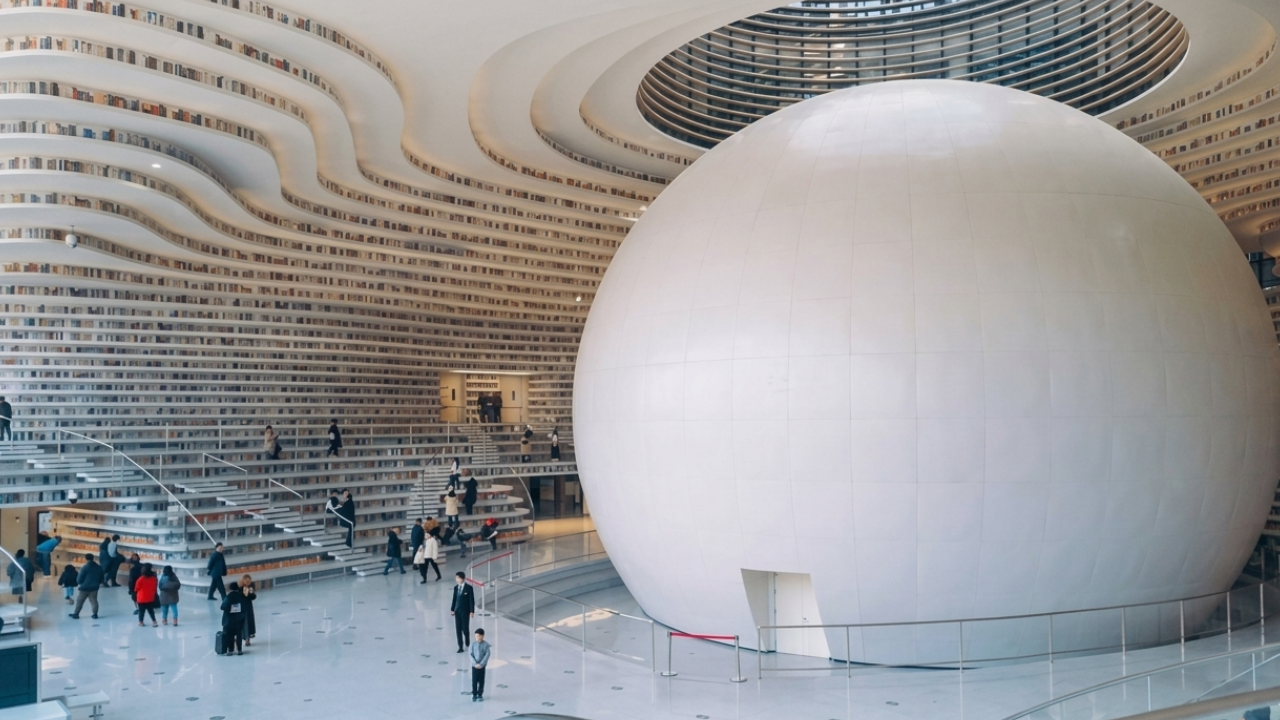
Tianjin Binhai Library became widely known for its wave like interior shelves, white terraced walls, and central glowing sphere. The design makes the building feel more like a futuristic public space than a standard library. While travelers should understand that some upper shelf effects are decorative rather than fully functional, the visual impact remains memorable. Tianjin itself is also worth exploring for its mix of European style architecture, riverside views, and modern districts. For visitors traveling from Beijing, this is an easy high speed rail side trip.

Best experience: Explore the main atrium

Photo spot: Central sphere and curved shelves

Traveler tip: Check opening hours before visiting

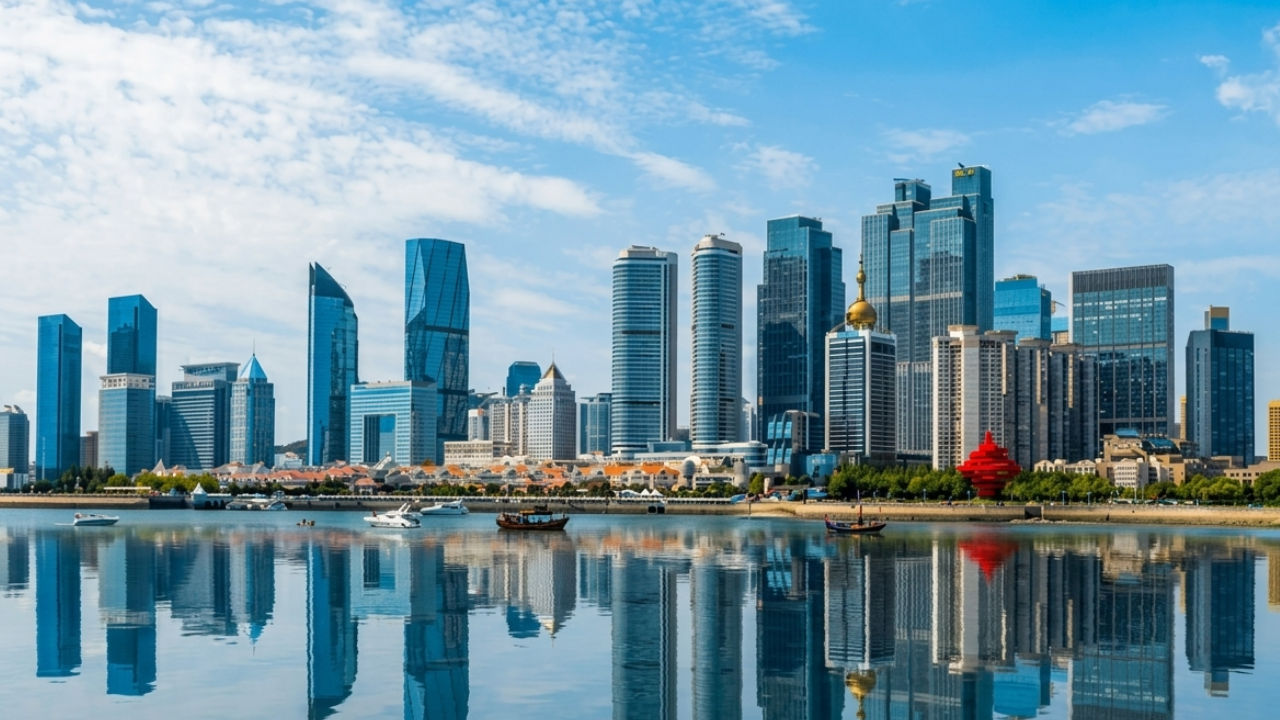
11. Qingdao Jiaozhou Bay Bridge and coastal cityscape
© shutterstock / 4045

11. Qingdao Jiaozhou Bay Bridge and coastal cityscape

Qingdao combines sea views, German influenced architecture, modern towers, and large scale infrastructure. The Jiaozhou Bay Bridge is one of the city’s most notable engineering landmarks, showing the scale of transport development along China’s coast. Beyond the bridge, Qingdao’s coastline offers beaches, marinas, seaside promenades, and modern high rises that feel different from inland megacities. It is a good destination for travelers who want futuristic infrastructure without losing access to relaxed coastal scenery and seafood culture.

Best experience: Coastal drive and waterfront walks

Photo spot: Skyline near May Fourth Square

Traveler tip: Visit in mild weather for sea views

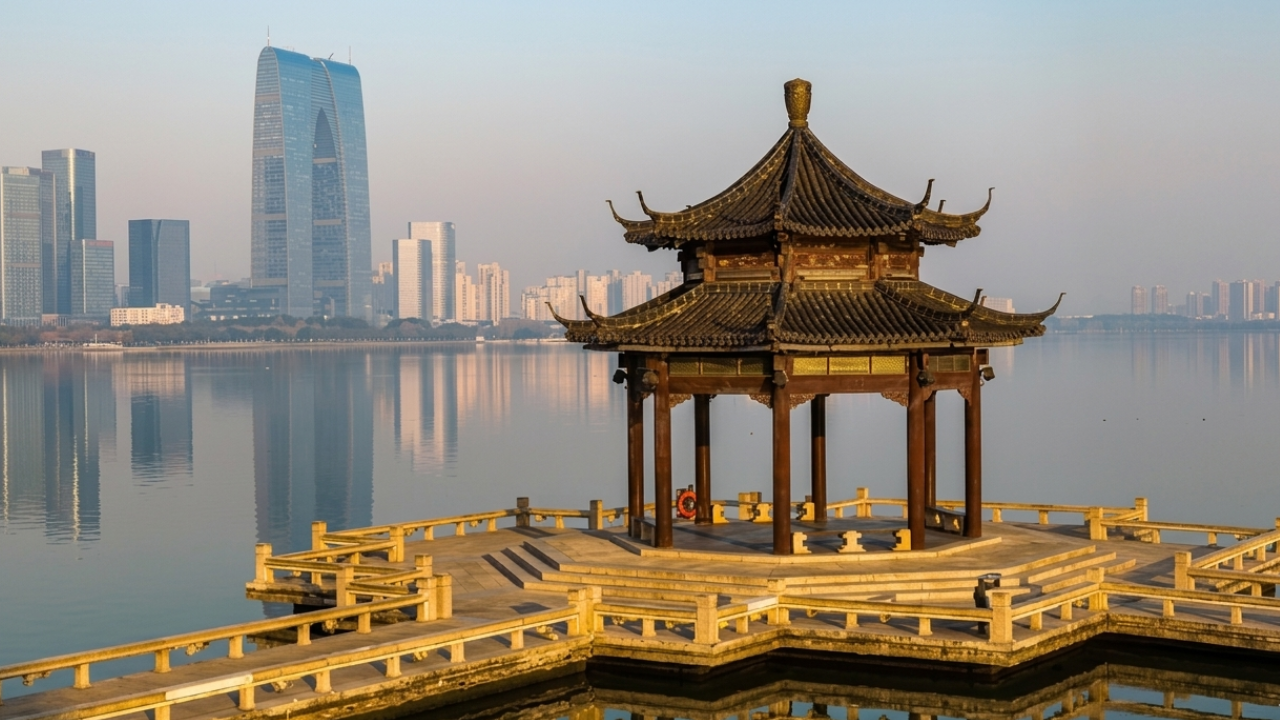
12. Suzhou Industrial Park and Jinji Lake
© shutterstock / ZCOOL HelloRF

12. Suzhou Industrial Park and Jinji Lake

Suzhou is famous for classical gardens and canals, but its Industrial Park and Jinji Lake area show a sharply modern side. Around the lake, visitors find sleek shopping areas, cultural venues, business towers, and waterfront promenades. The Suzhou Center Mall and surrounding skyline create a futuristic contrast with the city’s old garden districts. This makes Suzhou especially interesting for travelers who want to compare old and new China in one place. A day can move from traditional gardens to polished modern lakefront design with very little travel time.

Best experience: Jinji Lake evening walk

Photo spot: Suzhou Center and lake skyline

Traveler tip: Visit gardens first, lakefront later

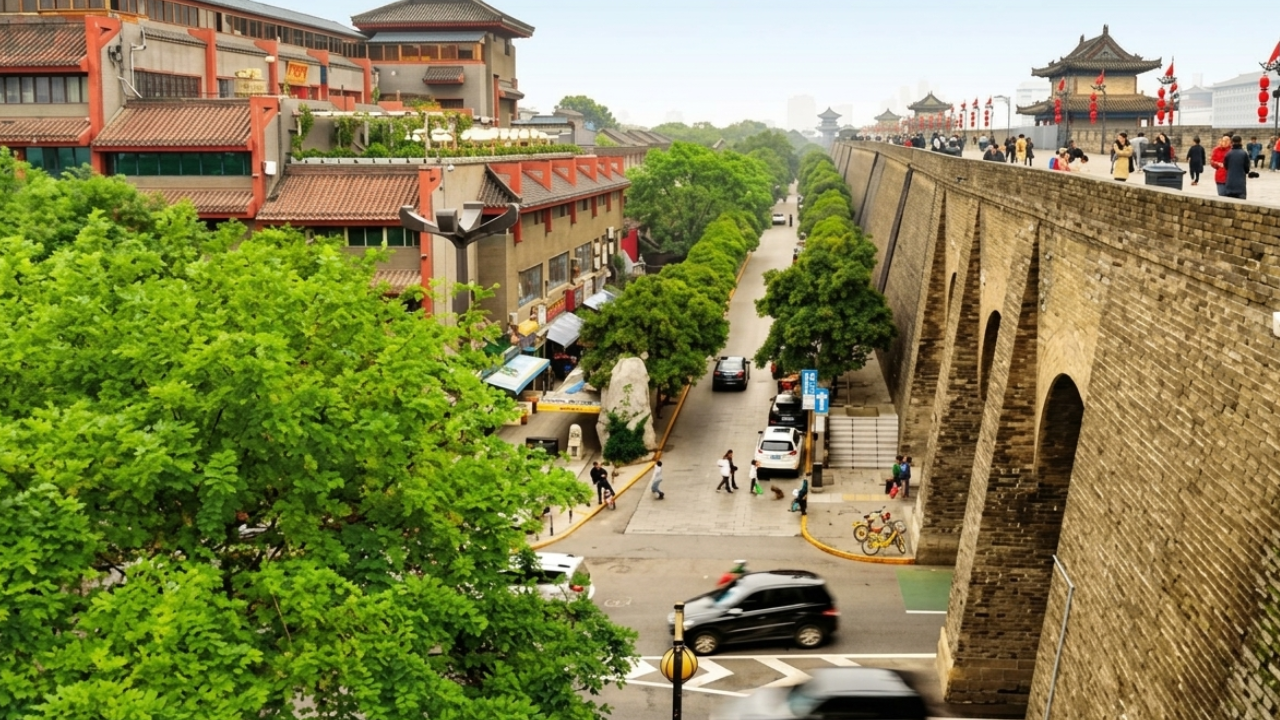
13. Xi’an high speed rail and modern city walls district
© shutterstock / gyn9037

13. Xi’an high speed rail and modern city walls district

Xi’an is best known for ancient history, but its modern transport hubs and renewed urban districts make it more than a heritage stop. The city’s high speed rail connections make it easy to reach from other major Chinese cities, while areas around the old city walls show how modern life surrounds historic structure. At night, the illuminated walls, broad roads, towers, and nearby commercial districts create a powerful blend of past and present. Travelers can visit the Terracotta Army by day, then return to a city that feels both ancient and highly connected.

Best experience: Evening walk near the city walls

Photo spot: Lit city gates and modern streets

Traveler tip: Use high speed rail for easy regional travel


Comments (0)

Leave a Reply

No comments yet. Be the first to share your thoughts!