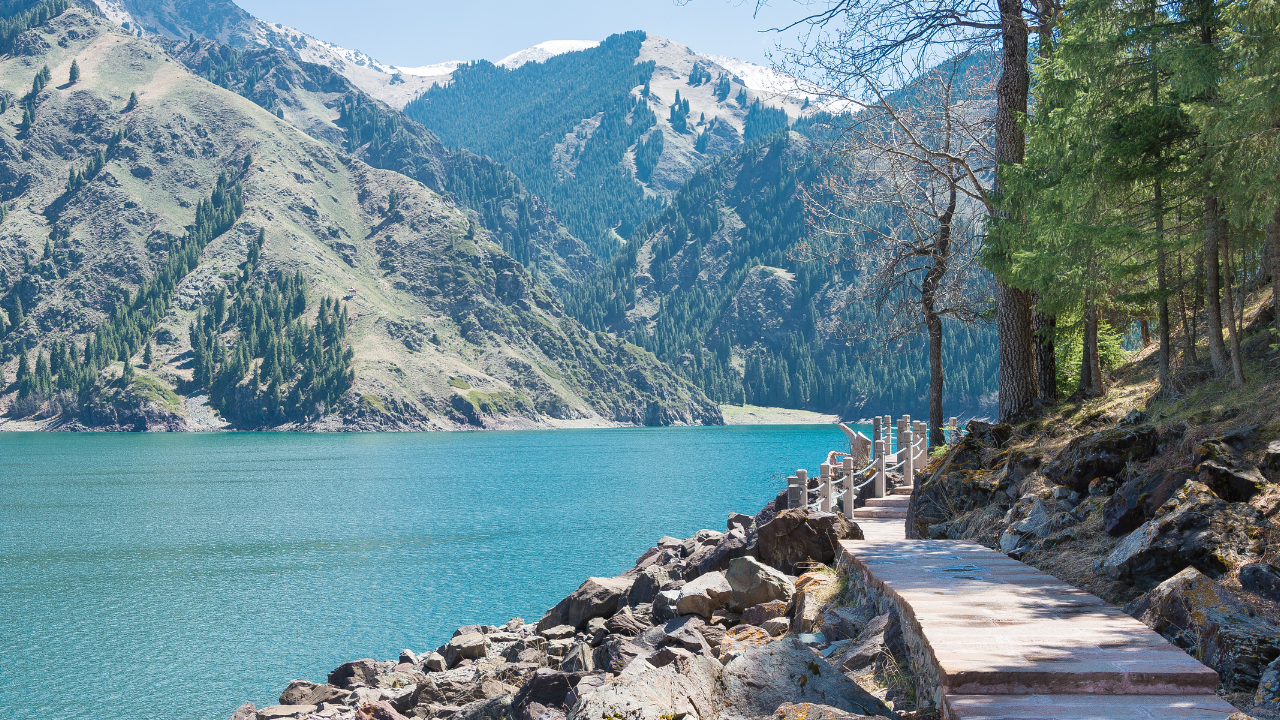
Travel Asia

15 landscapes in China that stand out for their dramatic natural character

Leo Harper
4.9
May 22, 2026

China’s landscapes are unusually varied, stretching from desert basins and rainbow colored rock formations to mist-covered mountains, limestone peaks, alpine lakes, and high plateaus. For travelers who want something beyond standard city sightseeing, the country offers many places that feel almost unreal while still being rooted in deep natural, cultural, and geological history. Some are protected scenic areas with established walking routes, while others require longer transfers and careful planning because of altitude, weather, or distance.

This guide highlights surreal landmarks in China that are especially rewarding for dramatic scenery. These destinations include famous national parks, UNESCO recognized landscapes, remote valleys, and distinctive landforms shaped by water, wind, limestone, sandstone, snow, and time. Together, they show why China remains one of the most visually diverse countries for nature focused travel. The best approach is to choose a few regions rather than rush across the country, allowing time for weather changes, transport, and slower exploration.
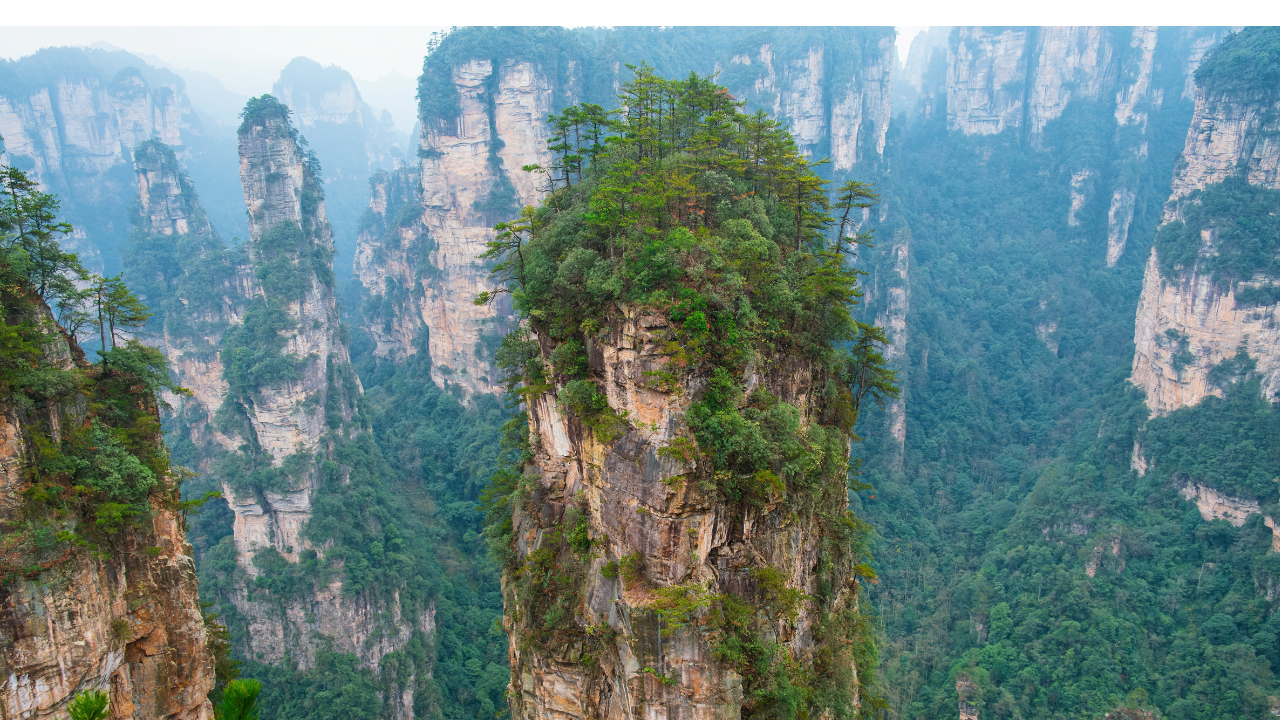
1. Zhangjiajie National Forest Park, Hunan
© shutterstock / artem evdokimov

1. Zhangjiajie National Forest Park, Hunan

Zhangjiajie is one of China’s most recognizable dramatic landscapes, known for its towering quartz sandstone pillars, misty valleys, and forested cliffs. The wider Wulingyuan Scenic Area covers more than 26,000 hectares and includes over 3,000 narrow sandstone pillars and peaks, many rising more than 200 meters. The scenery often looks suspended between earth and sky, especially when low clouds move through the valleys. Visitors can explore viewing platforms, forest paths, cable cars, and glass bridges, but the best experience comes from allowing enough time to move beyond the busiest viewpoints.

Landscape style: Sandstone pillars and deep ravines

Best time to visit: April to June or September to October

Traveler tip: Start early for quieter viewpoints

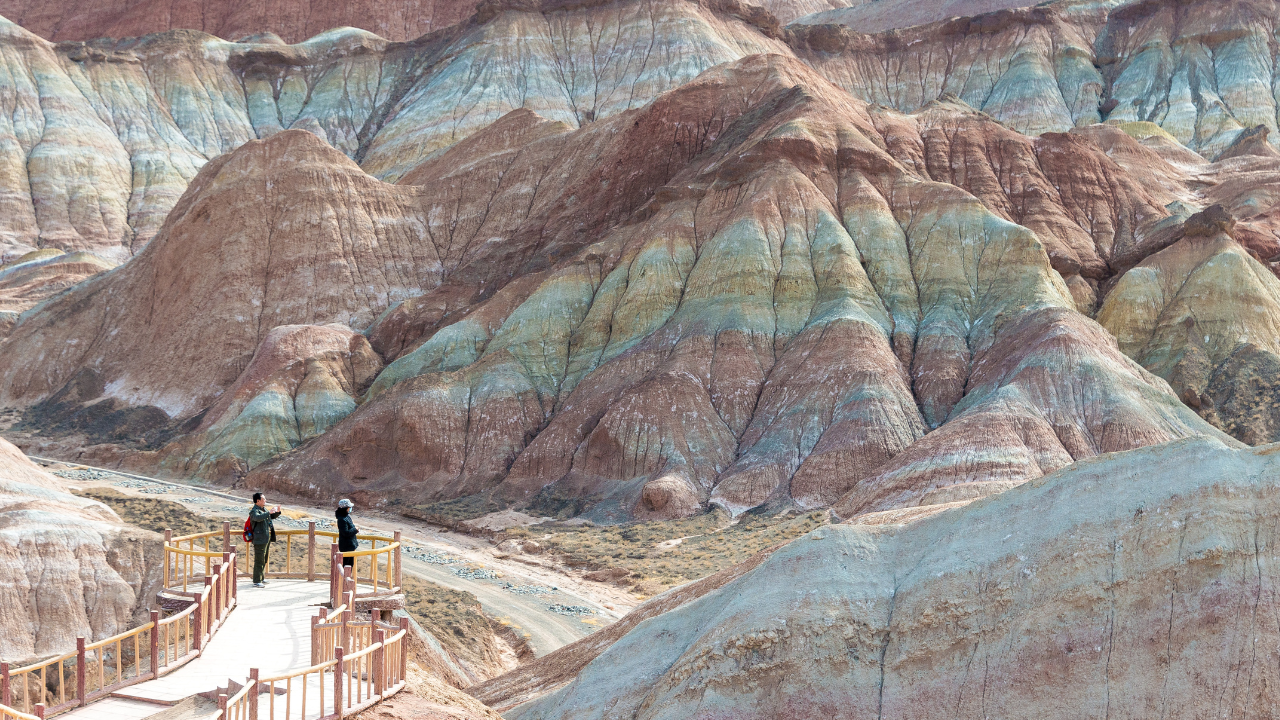
2. Zhangye Danxia National Geopark, Gansu
© shutterstock / beibaoke

2. Zhangye Danxia National Geopark, Gansu

Zhangye Danxia is famous for its layered hills in shades of red, orange, yellow, and earthy green. The colors come from mineral rich sedimentary layers shaped over time by uplift, wind, and erosion. Viewing platforms make the park easy to explore, and the most vivid colors often appear after rain or during softer morning and evening light. The landscape is especially striking because it looks painted, yet it is entirely natural. It is best suited to travelers interested in geology, photography, and Silk Road routes through western China.

Landscape style: Rainbow colored Danxia hills

Best time to visit: May to October

Traveler tip: Visit near sunset for softer light

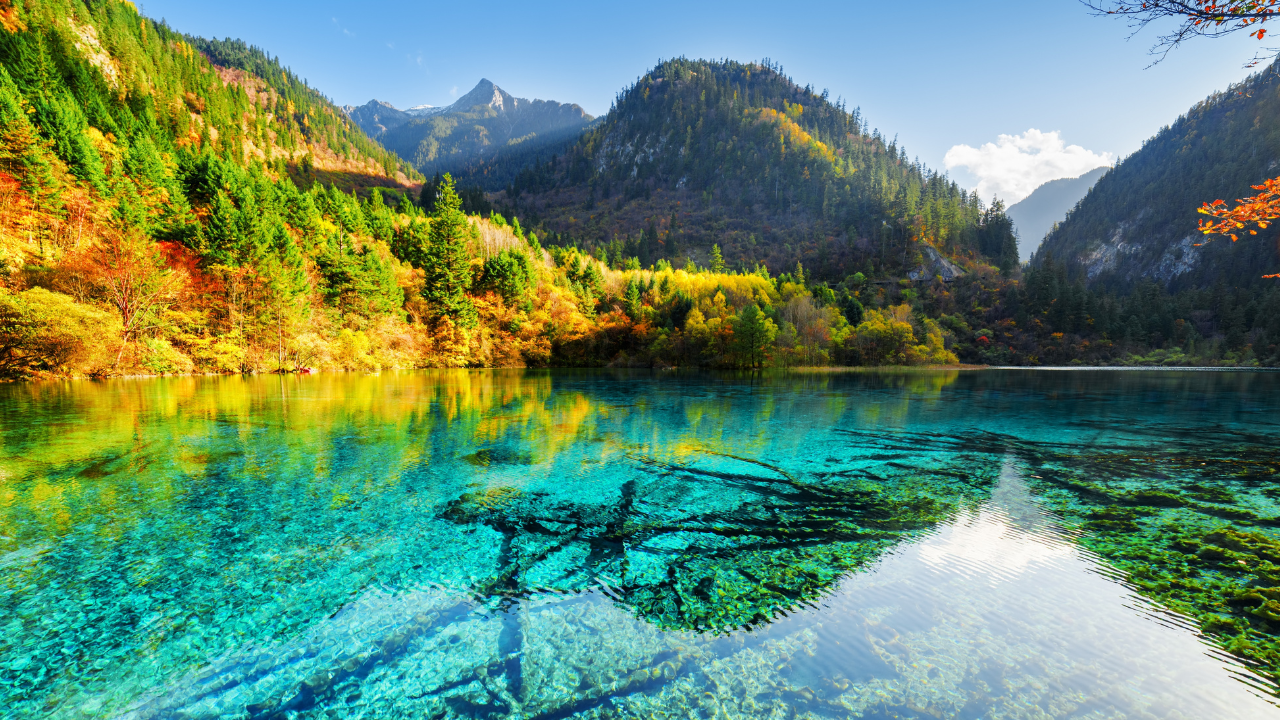
3. Jiuzhaigou Valley, Sichuan
© shutterstock / Efired

3. Jiuzhaigou Valley, Sichuan

Jiuzhaigou Valley is known for alpine forests, tiered waterfalls, and lakes in vivid blue, green, and turquoise tones. UNESCO describes the area as a reserve of exceptional natural beauty, with jagged mountains, clear colored pools, limestone terraces, caves, and waterfalls. The scenery changes by season, from fresh spring greens to bright autumn forests and winter snow. Boardwalks and shuttle buses help visitors move through the valley, making it more accessible than many mountain landscapes. The area still requires careful planning because visitor numbers, weather, and local rules can affect access.

Landscape style: Colored lakes and alpine waterfalls

Best time to visit: September to October

Traveler tip: Book permits and entry details ahead

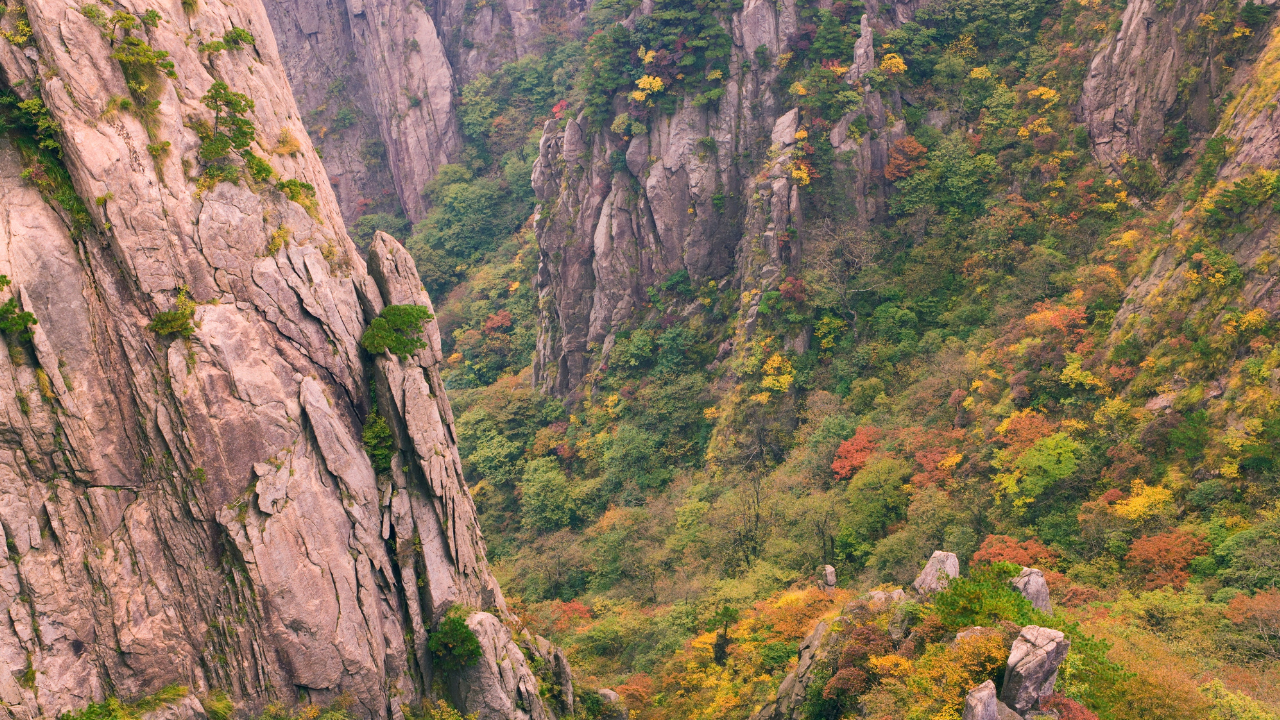
4. Huangshan, Anhui
© shutterstock / Robert Harding Video

4. Huangshan, Anhui

Huangshan, or the Yellow Mountains, is one of China’s classic mountain landscapes, known for granite peaks, twisted pine trees, stone steps, and seas of clouds. The scenery has inspired painters and poets for centuries because the peaks often appear and disappear through mist. Sunrise is a major highlight, but the mountain can be beautiful at any hour when fog moves across the ridges. Travelers should be ready for steep stairways and changing weather. Staying overnight near the summit allows more time for early morning views without rushing from the base.

Landscape style: Granite peaks and cloud seas

Best time to visit: Spring and autumn

Traveler tip: Pack layers for sudden weather shifts

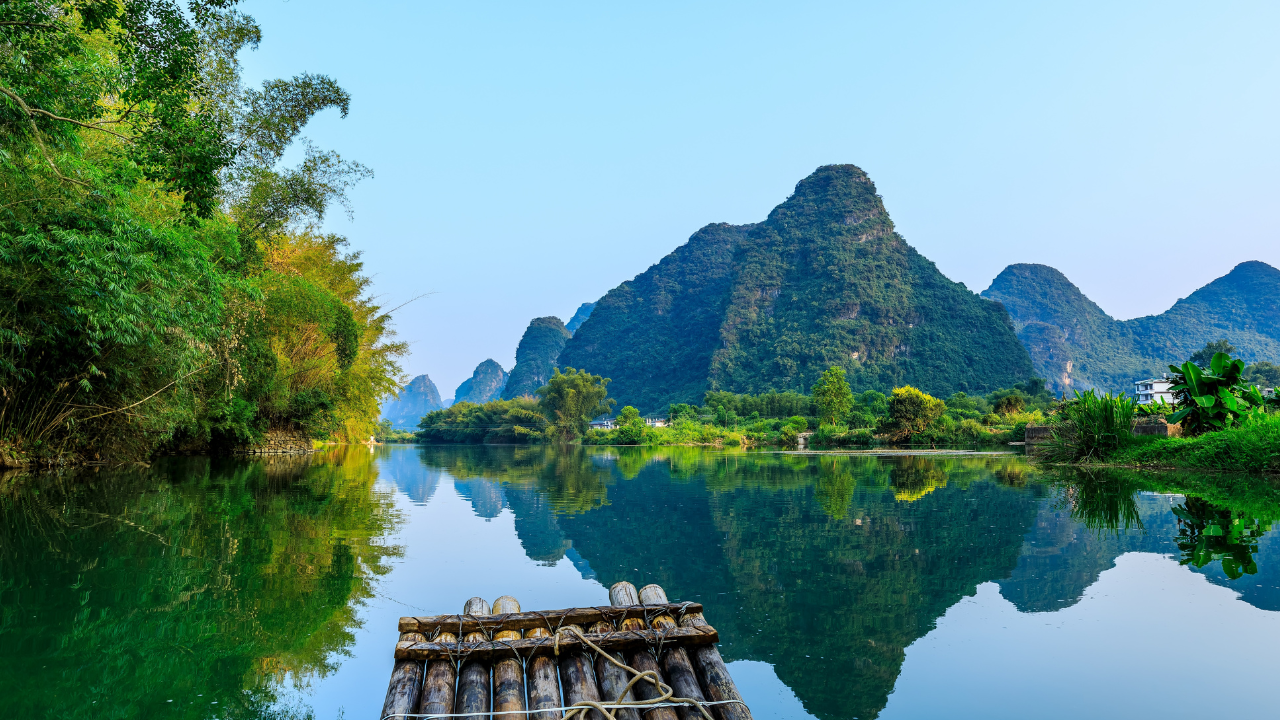
5. Guilin and Yangshuo, Guangxi
© shutterstock / ABCDstock

5. Guilin and Yangshuo, Guangxi

Guilin and nearby Yangshuo are known for limestone karst peaks rising from rivers, farms, and villages. The Li River cruise between Guilin and Yangshuo is one of the most scenic ways to experience the region, with sharp green hills reflected in calm water. Beyond the river, travelers can cycle through countryside paths, visit caves, and explore smaller villages. The landscape feels soft and dreamlike rather than harsh, making it suitable for travelers who want dramatic scenery with a slower rural pace. Guilin’s karst is part of the broader South China Karst landscape recognized for its remarkable limestone formations.

Landscape style: Limestone peaks and river scenery

Best time to visit: April to October

Traveler tip: Stay in Yangshuo for countryside access

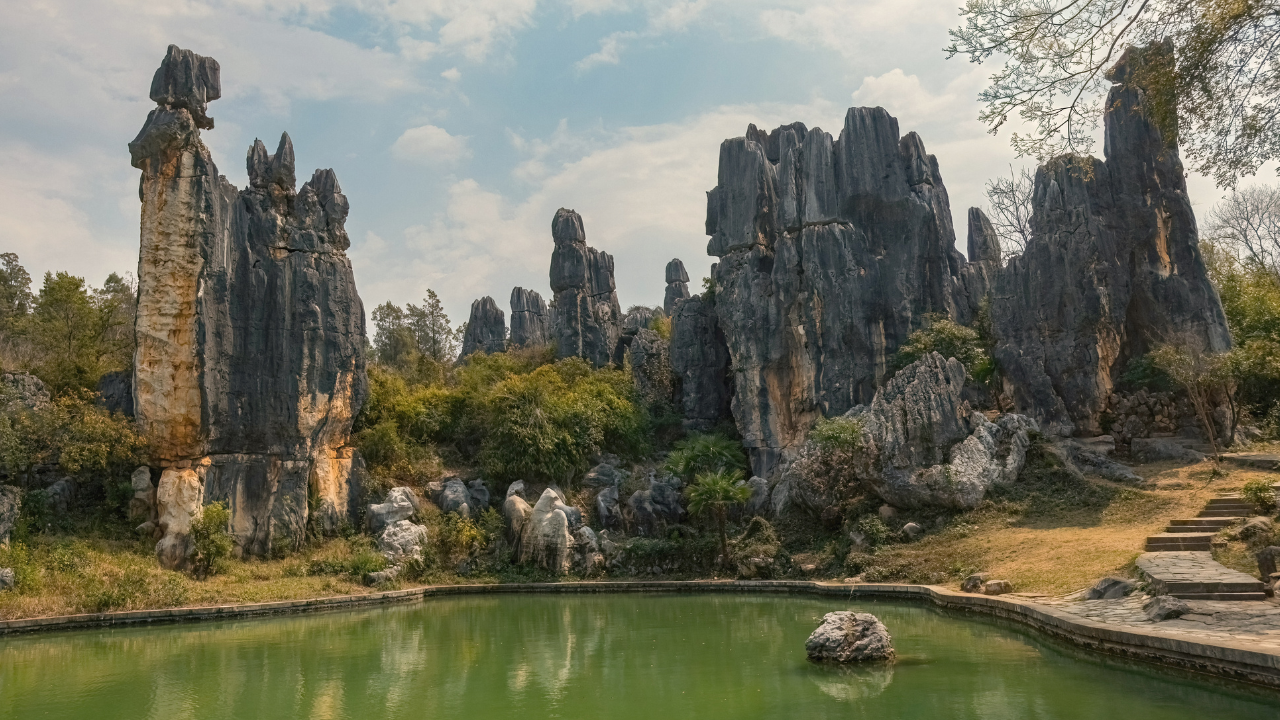
6. Shilin Stone Forest, Yunnan
© shutterstock / Sun_Shine

6. Shilin Stone Forest, Yunnan

Shilin, often called the Stone Forest, is one of China’s most unusual karst landscapes. Tall limestone formations rise from the ground like blades, towers, and maze-like corridors. Walking through the paths can feel like entering a natural sculpture garden shaped over millions of years. The site is also culturally important to the local Sani people, a branch of the Yi ethnic group. It is easy to visit from Kunming, making it a practical choice for travelers who want a surreal landscape without a remote journey.

Landscape style: Limestone towers and narrow paths

Best time to visit: March to November

Traveler tip: Go early to avoid tour groups

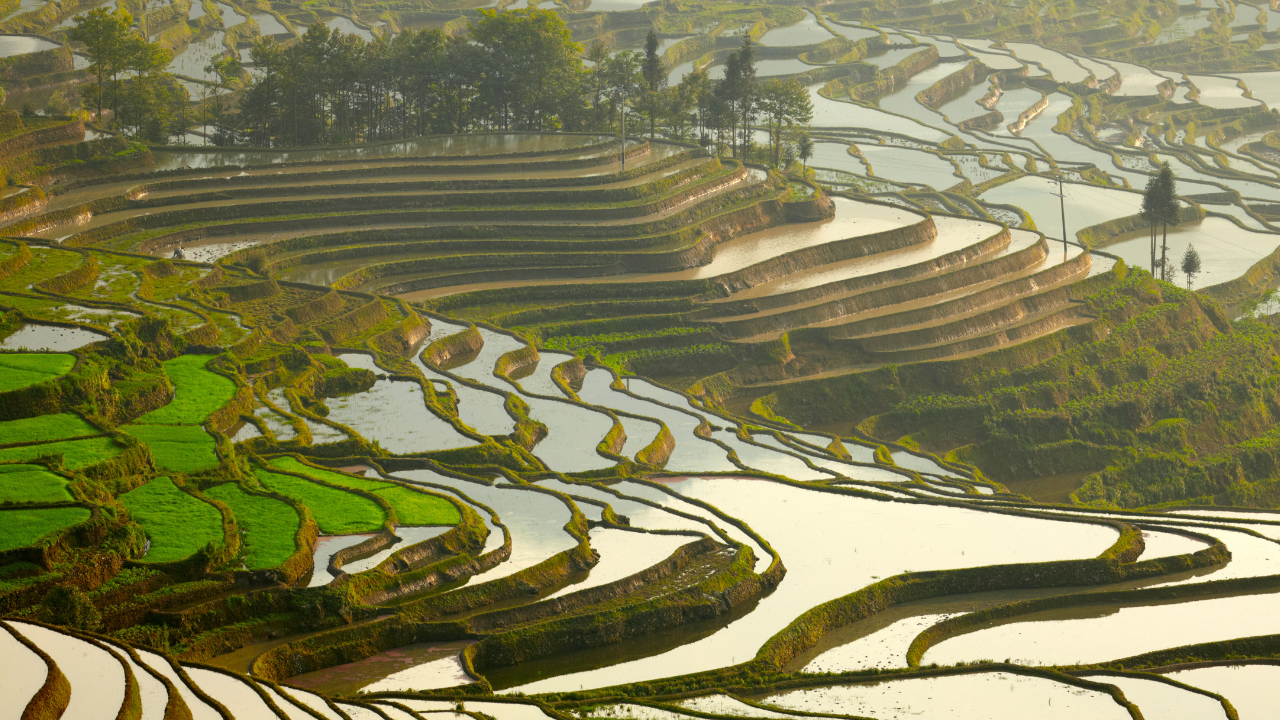
7. Yuanyang Rice Terraces, Yunnan
© shutterstock / SJ Travel Photo and Video

7. Yuanyang Rice Terraces, Yunnan

Yuanyang’s rice terraces spread across mountain slopes in layered curves that shift color with the seasons. In winter and early spring, water filled terraces reflect the sky, creating mirrored patterns that feel almost abstract. Later in the year, the fields turn green and then golden as crops mature. The terraces are shaped by the agricultural traditions of the Hani people, making the landscape both scenic and cultural. Sunrise and sunset viewpoints are especially popular, but mist can change visibility quickly, so spending more than one night improves the chance of clear views.

Landscape style: Layered rice terraces and reflections

Best time to visit: January to March

Traveler tip: Allow extra time for misty weather

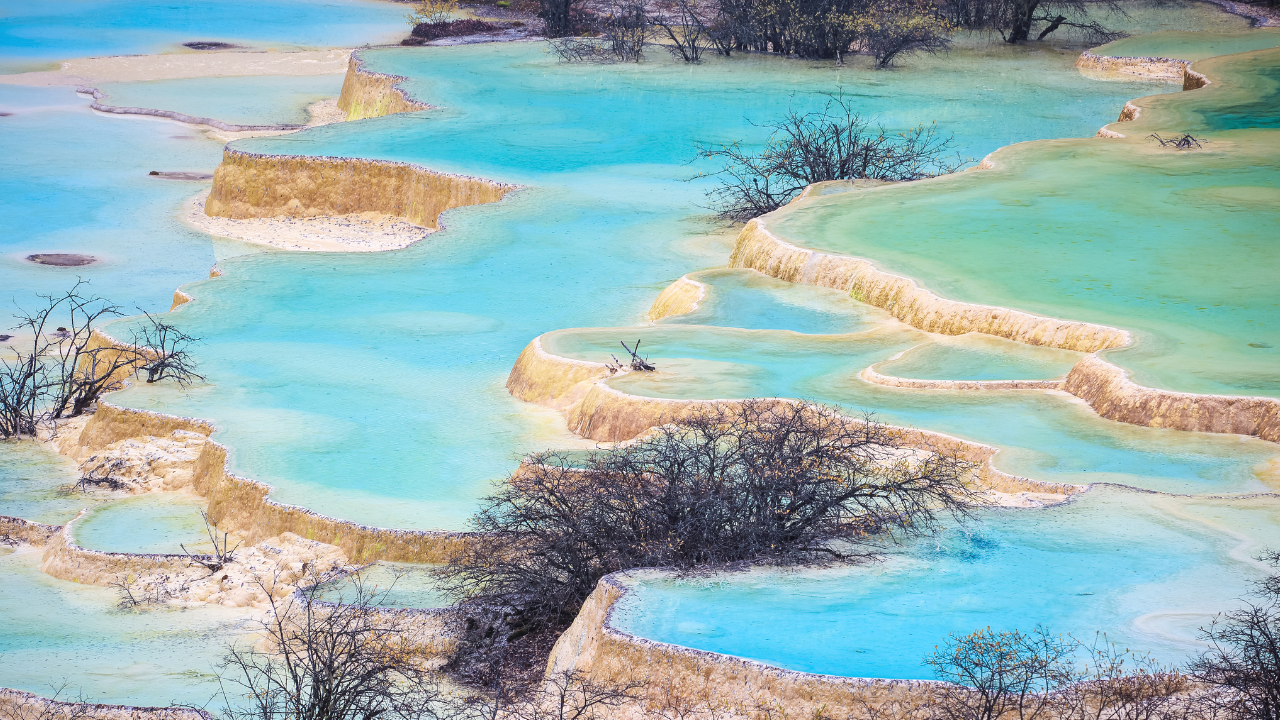
8. Huanglong Scenic Area, Sichuan
© shutterstock / chuyuss

8. Huanglong Scenic Area, Sichuan

Huanglong is known for its colorful travertine pools, snow capped mountain backdrop, forests, and small waterfalls. The pools form natural terraces, often glowing blue, yellow, and green depending on minerals, light, and water depth. The main walking route climbs gradually, but the altitude can make the visit tiring for some travelers. Huanglong is often paired with Jiuzhaigou, though it has a distinct look and atmosphere. The landscape feels delicate, so visitors should stay on marked paths to protect the fragile formations.

Landscape style: Terraced mineral pools

Best time to visit: May to October

Traveler tip: Walk slowly because of altitude

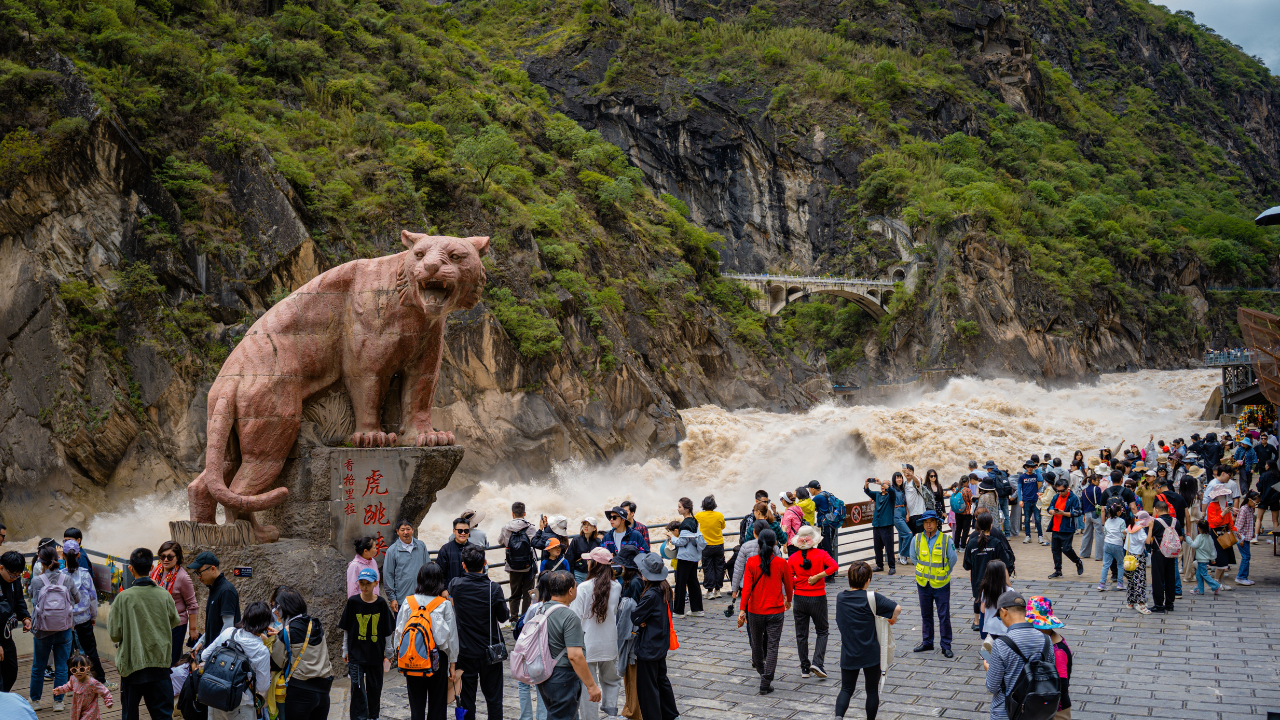
9. Tiger Leaping Gorge, Yunnan
© shutterstock / aporlo

9. Tiger Leaping Gorge, Yunnan

Tiger Leaping Gorge is one of the deepest and most dramatic river canyons in China. The Jinsha River cuts between steep mountain walls, while snow covered peaks rise above the trail. Hikers often choose the high trail for sweeping views, village guesthouses, and changing perspectives of the gorge. It is a more active destination than a simple viewpoint stop, so travelers should be prepared for uneven trails and basic facilities. The reward is a landscape that feels raw, vertical, and powerful, especially when the river is running strong.

Landscape style: Deep canyon and mountain trails

Best time to visit: April to May or October

Traveler tip: Check trail conditions before hiking

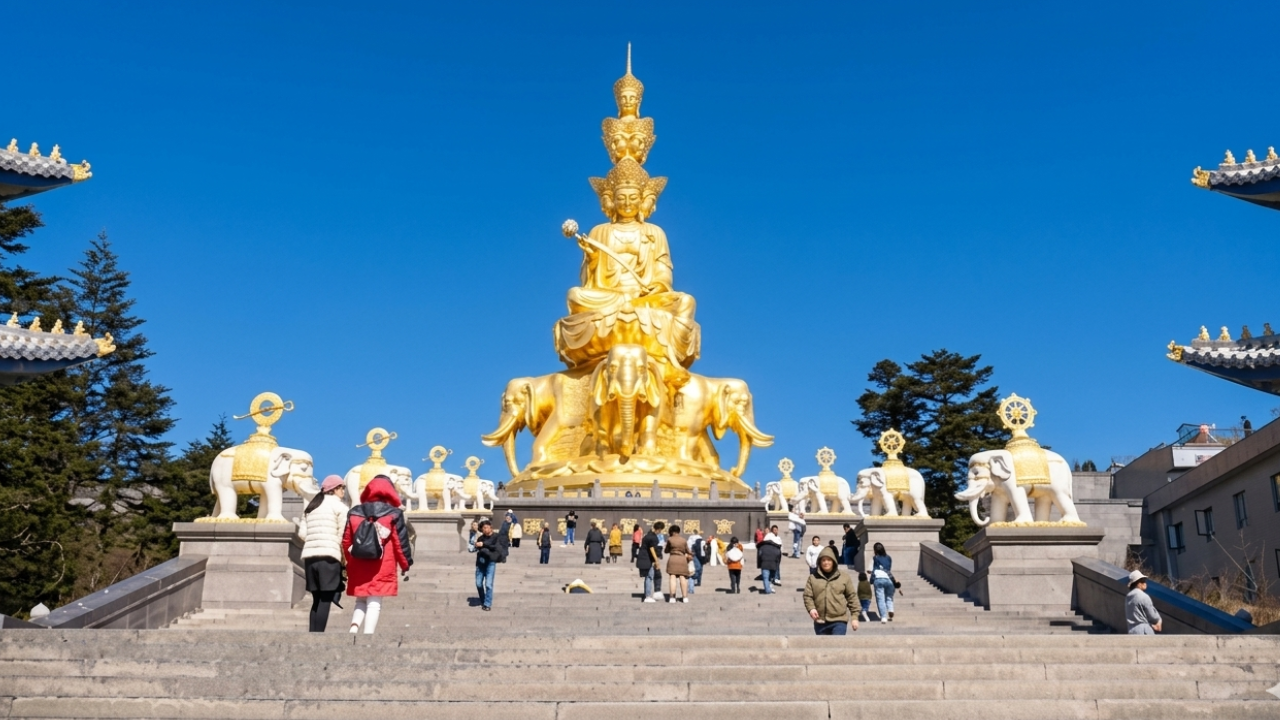
10. Mount Emei, Sichuan
© shutterstock / RFJstock

10. Mount Emei, Sichuan

Mount Emei combines dramatic natural scenery with Buddhist heritage. Forested paths, steep stairways, temples, monkeys, and high viewpoints make the mountain feel layered and atmospheric. The summit area is known for sunrise views and cloud seas when weather conditions are right. As one of China’s sacred Buddhist mountains, Emei is not only a scenic destination but also a pilgrimage landscape. Travelers can choose cable cars, buses, or multi day hiking routes depending on fitness level and time. The experience is strongest when visitors balance temple stops with forest walks.

Landscape style: Sacred mountain and cloud views

Best time to visit: Spring or autumn

Traveler tip: Protect food from curious monkeys

11. Yading Nature Reserve, Sichuan
© shutterstock / Mumemories

11. Yading Nature Reserve, Sichuan

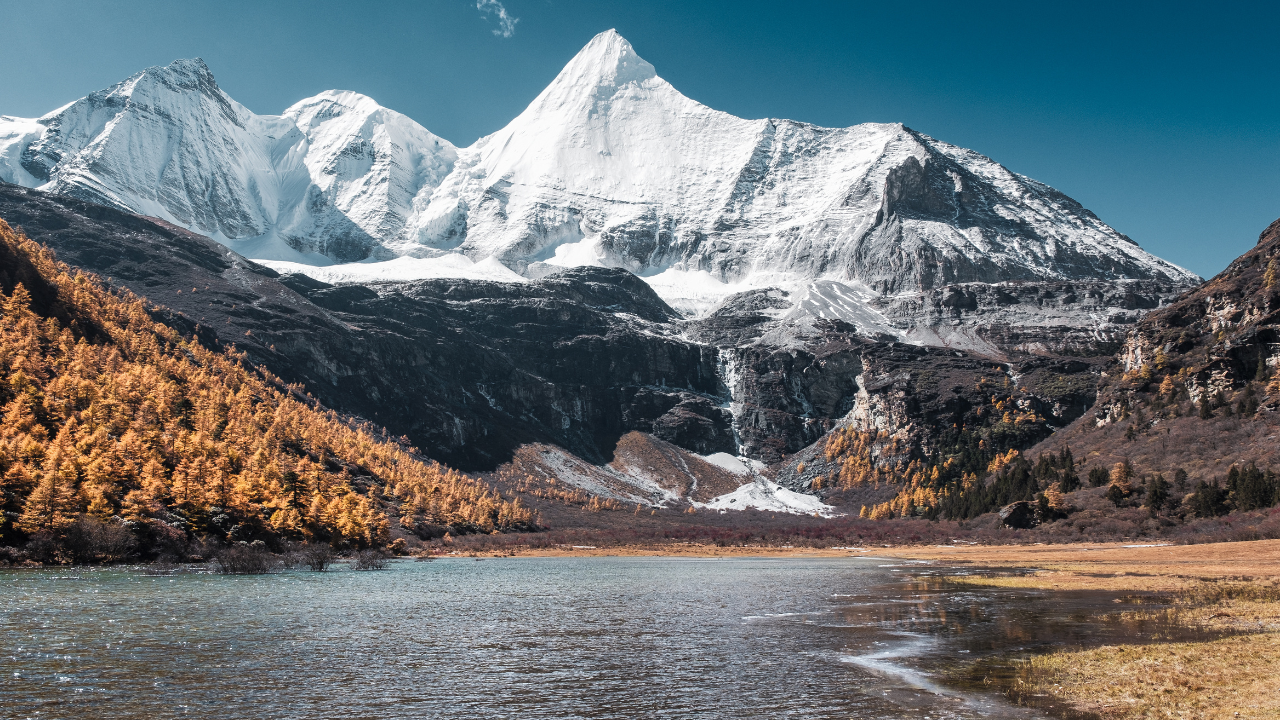
Yading Nature Reserve is often described as one of western Sichuan’s most striking alpine regions. Its scenery includes snow covered sacred peaks, glacial lakes, grasslands, forests, and high altitude walking routes. The area is remote and requires more effort to reach than many popular Chinese landmarks, but that remoteness is part of its appeal. Milk Lake and Five Color Lake are among the most photographed spots, though the hikes can be demanding because of altitude. Travelers should plan carefully, acclimatize where possible, and avoid rushing the visit.

Landscape style: Snow peaks and alpine lakes

Best time to visit: September to October

Traveler tip: Prepare for high altitude walking

12. Dunhuang and Mingsha Sand Dunes, Gansu
© shutterstock / aporlo

12. Dunhuang and Mingsha Sand Dunes, Gansu

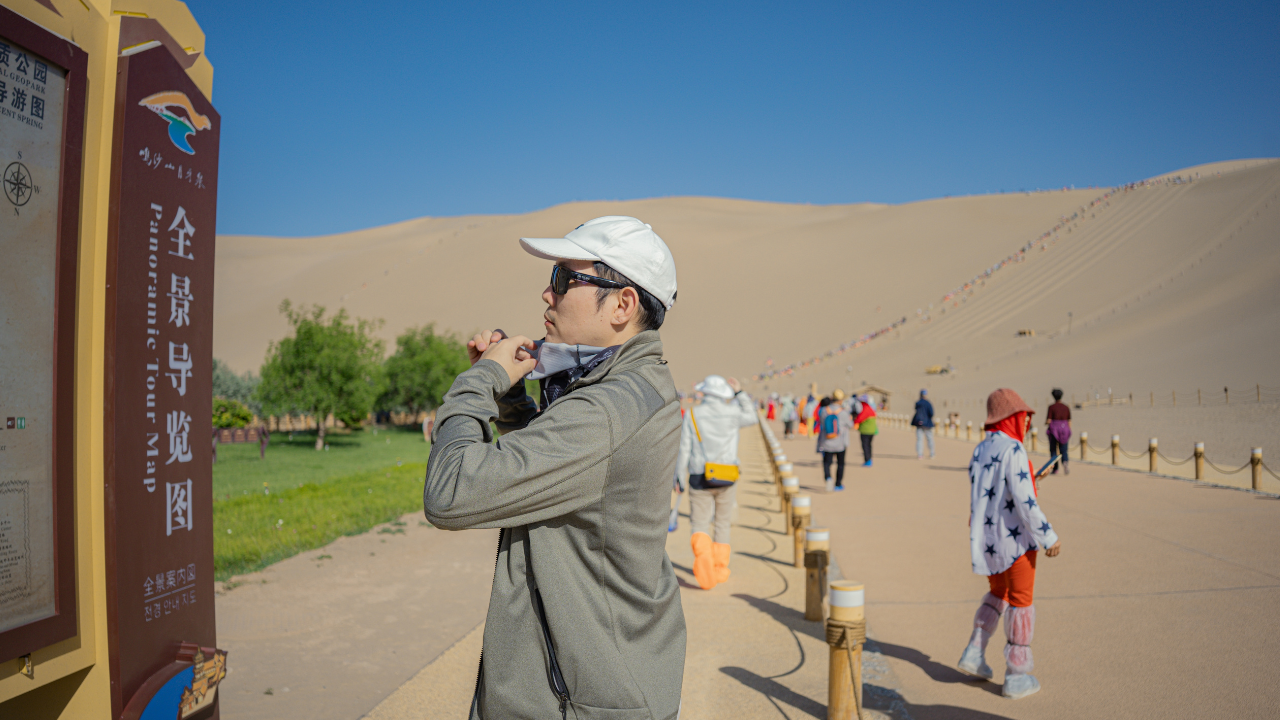
Dunhuang sits near the edge of the Gobi Desert and is known for the Mingsha Sand Dunes and Crescent Moon Spring. The contrast between golden dunes and a small spring oasis creates one of the most surreal desert scenes in China. Travelers can walk the dunes, watch sunset, or visit nearby cultural sites connected to Silk Road history. The area can be hot, dry, and windy, so timing matters. Early morning and late afternoon are more comfortable and provide better light for photography.

Landscape style: Desert dunes and oasis views

Best time to visit: May to June or September to October

Traveler tip: Avoid midday heat in summer

13. Libo Karst, Guizhou
© shutterstock / Lanhang Ye

13. Libo Karst, Guizhou

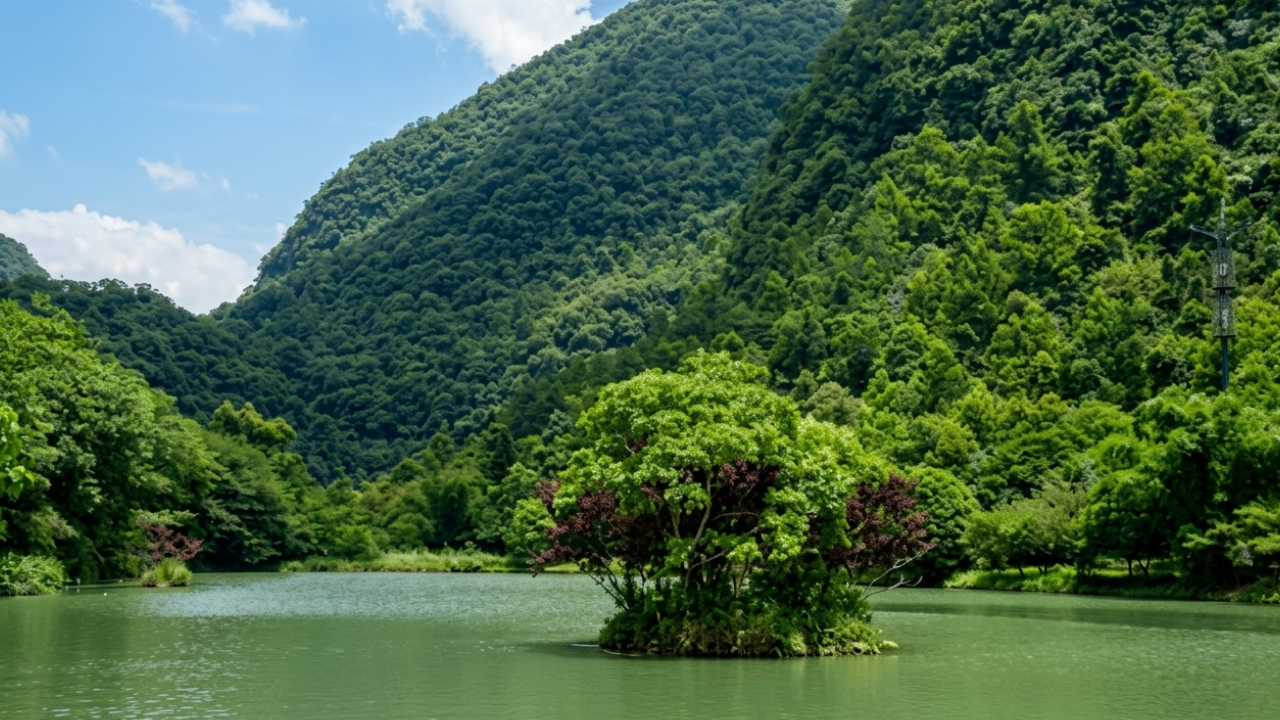
Libo Karst is part of the South China Karst and offers a greener, water rich version of limestone scenery. The area includes forests, rivers, waterfalls, natural bridges, and clear pools surrounded by karst hills. Xiaoqikong Scenic Area is especially known for its stone bridge, turquoise water, and layered waterfalls. Compared with more famous sites, Libo often feels less overwhelming while still delivering a strong visual impact. It is a good choice for travelers who enjoy walking paths, forest scenery, and water based landscapes.

Landscape style: Forested karst and turquoise rivers

Best time to visit: April to October

Traveler tip: Wear shoes suitable for wet paths

14. Kanas Lake, Xinjiang
© shutterstock / jamesteohart

14. Kanas Lake, Xinjiang

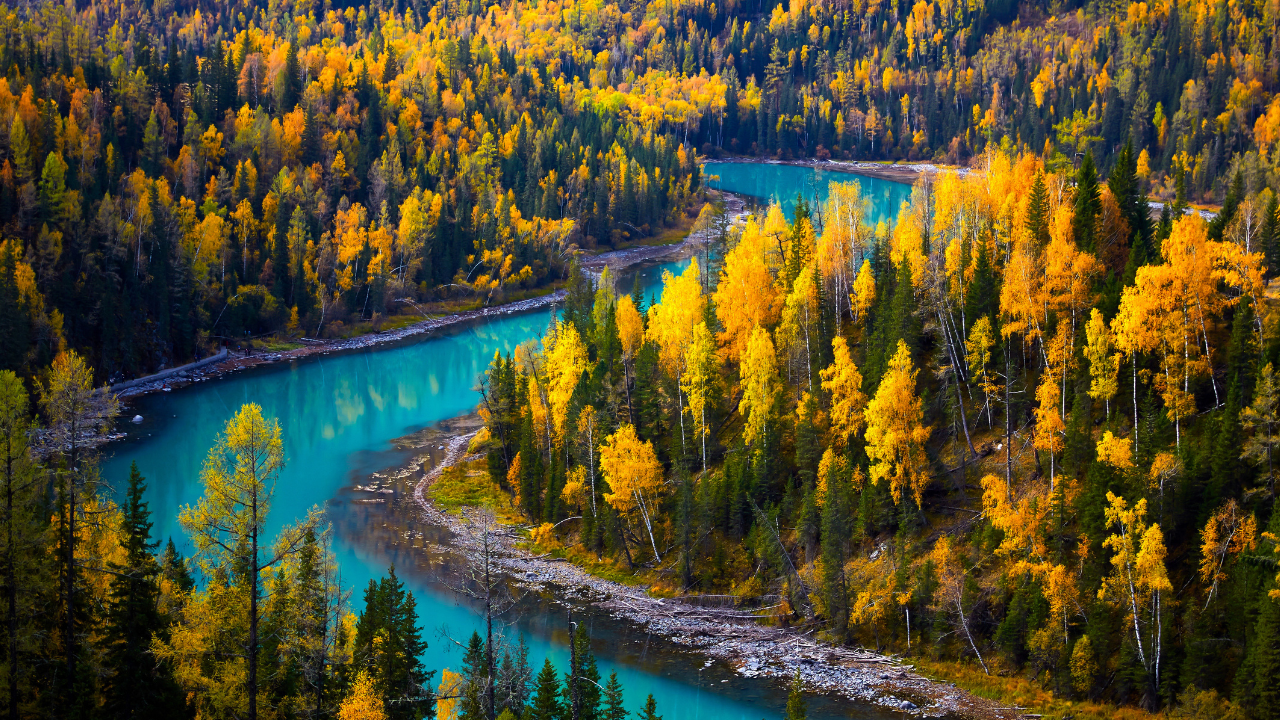
Kanas Lake lies in northern Xinjiang near forested mountains, grasslands, and villages with strong Central Asian influences. The lake changes color depending on season and light, ranging from deep blue to green. Autumn is especially scenic when the surrounding forests turn yellow and orange. The wider region feels different from much of eastern China, with broad valleys, wooden houses, and cool mountain air. Because Xinjiang is vast, travelers should plan transport carefully and allow more time than expected for distances.

Landscape style: Alpine lake and autumn forests

Best time to visit: September

Traveler tip: Plan transfers well in advance

15. Changbai Mountain and Heaven Lake, Jilin
© shutterstock / beibaoke

15. Changbai Mountain and Heaven Lake, Jilin

Changbai Mountain sits near China’s border with North Korea and is known for Heaven Lake, a crater lake set within volcanic peaks. On clear days, the lake appears still and intensely blue, framed by rugged slopes and often lingering snow. Weather can change quickly, and clouds may block the view, so patience is important. The surrounding region also has waterfalls, hot springs, and forested routes. Changbai is a strong choice for travelers who want a northern landscape that feels remote, volcanic, and visually distinct from China’s southern and western scenery.

Landscape style: Volcanic crater lake

Best time to visit: July to September

Traveler tip: Check weather before heading up the mountain


Comments (0)

Leave a Reply

No comments yet. Be the first to share your thoughts!