Travel United States

15 Most Popular Activities in Los Angeles for First-Time Visitors

Adam Collins
4.6
April 21, 2026

Los Angeles can be a difficult city to do well on a first trip because it is not a single dense downtown with everything clustered together. It is a patchwork of beach neighborhoods, movie landmarks, museums, scenic hills, food halls, studio attractions, and historic districts spread across a very large area. That is exactly why first-time visitors do best when they focus on a smart mix of classic icons and a few neighborhoods that show how varied the city really is, instead of trying to “see all of LA” in one rushed sweep. The official tourism board consistently frames LA through those big themes: beaches, entertainment, art, hiking, and culturally distinct neighborhoods.

For website reach, the strongest LA list is not the most obscure one. It is the one that blends high-interest search staples like the Hollywood Sign, Santa Monica Pier, Griffith Observatory, and Universal Studios with a few places that make a first trip feel fuller, such as Grand Central Market, The Broad, Rodeo Drive, and Olvera Street. The list below is built that way: heavily recognizable, genuinely useful for first-timers, and balanced across classic sightseeing, food, beaches, culture, and views.
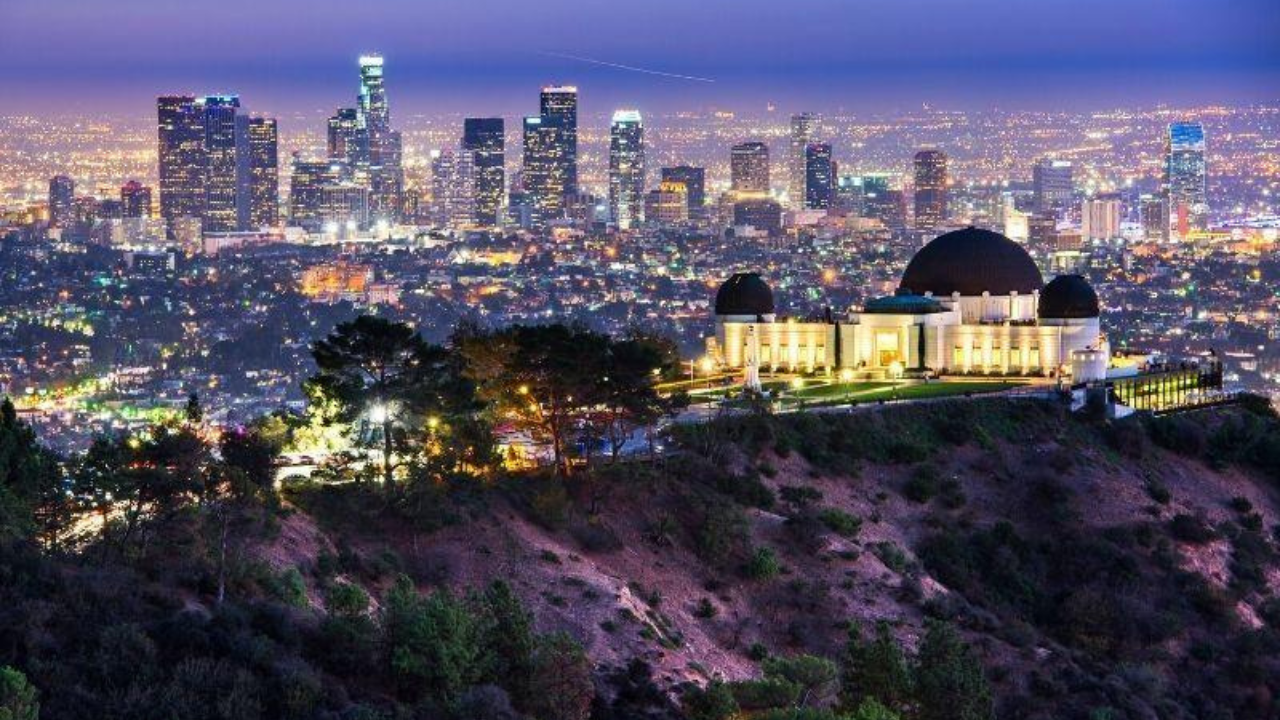
1. Start with Griffith Observatory for the classic LA overview
© Dave Mani

1. Start with Griffith Observatory for the classic LA overview

If there is one place that helps first-time visitors understand Los Angeles immediately, it is Griffith Observatory. You get the broad city view, the Hollywood Sign in the distance, and a setting that feels unmistakably cinematic before you even step inside. The Observatory’s official site highlights exactly why it works so well for a first visit: exhibits, public telescopes, planetarium shows, and some of the best panoramic views in the city. In practical terms, it is one of the rare LA attractions that delivers both substance and symbolism. You are not just checking off a famous landmark. You are getting your bearings in a city that can otherwise feel huge and hard to read. Coming here early in a trip makes the rest of Los Angeles easier to picture, whether you are heading toward Hollywood, Downtown, or the coast afterward.

What makes Griffith especially strong for first-timers is that it works for almost every travel style. If you are a museum person, the exhibits and live programming give you more than a quick photo stop. If you are more scenic than academic, the terraces alone are worth the visit. If you are traveling on a budget, the views make it one of the highest-value stops in the city. And if you only have a short trip, this is one of the fastest ways to get that “I’m really in Los Angeles” feeling without committing an entire day. It is also one of the few places where tourists and locals overlap naturally, which helps the experience feel less staged than some of the more commercial LA stops.

Best time to go: Late afternoon into sunset is the most rewarding for light and skyline views.

How long to spend: 1.5 to 3 hours.

First-time tip: Pair it with nearby Hollywood or Los Feliz rather than trying to combine it with the beach on the same half-day.

Must-know: Griffith Observatory is closed on Mondays, and its current official hours are noon to 10 p.m. Tuesday through Friday and 10 a.m. to 10 p.m. on weekends.

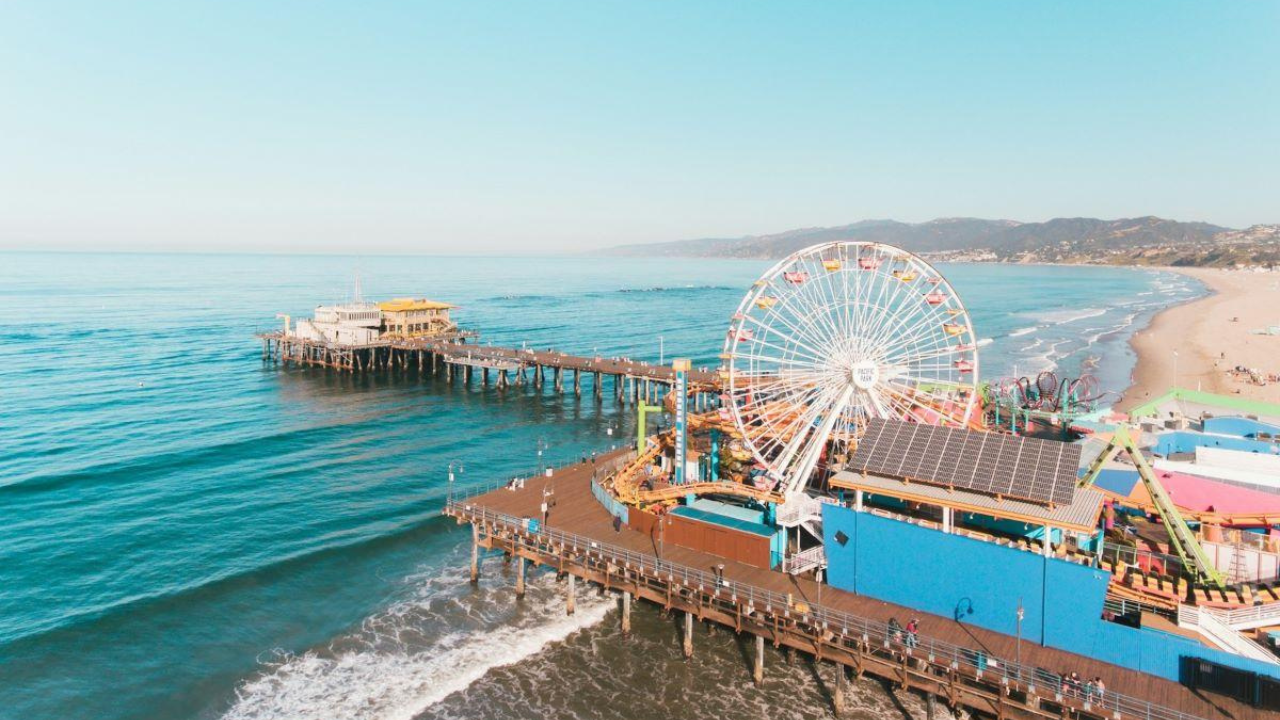
2. Do Santa Monica Pier and the beach even if you usually skip “touristy” places
© Dave Mani

2. Do Santa Monica Pier and the beach even if you usually skip “touristy” places

A lot of experienced travelers try to avoid places that feel too obvious, but Santa Monica Pier is one of those tourist-heavy stops that still makes sense on a first LA trip. It is iconic for a reason. The pier gives you the postcard version of coastal Los Angeles: open Pacific views, beach paths, classic boardwalk energy, and Pacific Park’s rides at the end of the pier. Pacific Park’s official site notes that the Santa Monica Pier is open and accessible year-round, and the Pacific Wheel remains one of the defining visual markers of the coastline. For first-time visitors, that combination matters. You are not only visiting a famous place. You are stepping into one of the most recognizable images of Southern California.

The better way to do Santa Monica is not to rush in, snap the sign, and leave. Walk the pier, then walk the sand. Watch the bike path. Let the scale of the beach sink in. First-timers often underestimate how useful Santa Monica is as a mood-setter because it shows LA’s outdoor lifestyle more clearly than most inland neighborhoods do. It also gives you flexibility. You can keep it simple and scenic, turn it into a food stop, or use it as a base for exploring westside neighborhoods. And if your idea of Los Angeles includes palm trees, ocean air, and a casual sunset crowd, this is one of the easiest places to get all of that without much planning. It is touristy, yes, but it is also genuinely enjoyable when you give it room.

Best time to go: Late afternoon through sunset.

How long to spend: 2 to 4 hours.

First-time tip: Walk beyond the pier itself so the stop does not feel limited to rides and souvenir shops.

Must-know: Pacific Park features 12 rides, including the Pacific Wheel, described by the park as the world’s only solar-powered Ferris wheel.

3. See Venice Beach and the Venice Canals for two completely different sides of the same neighborhood
© Vencie, Italy. Gilles Rivest / Shutterstock

3. See Venice Beach and the Venice Canals for two completely different sides of the same neighborhood

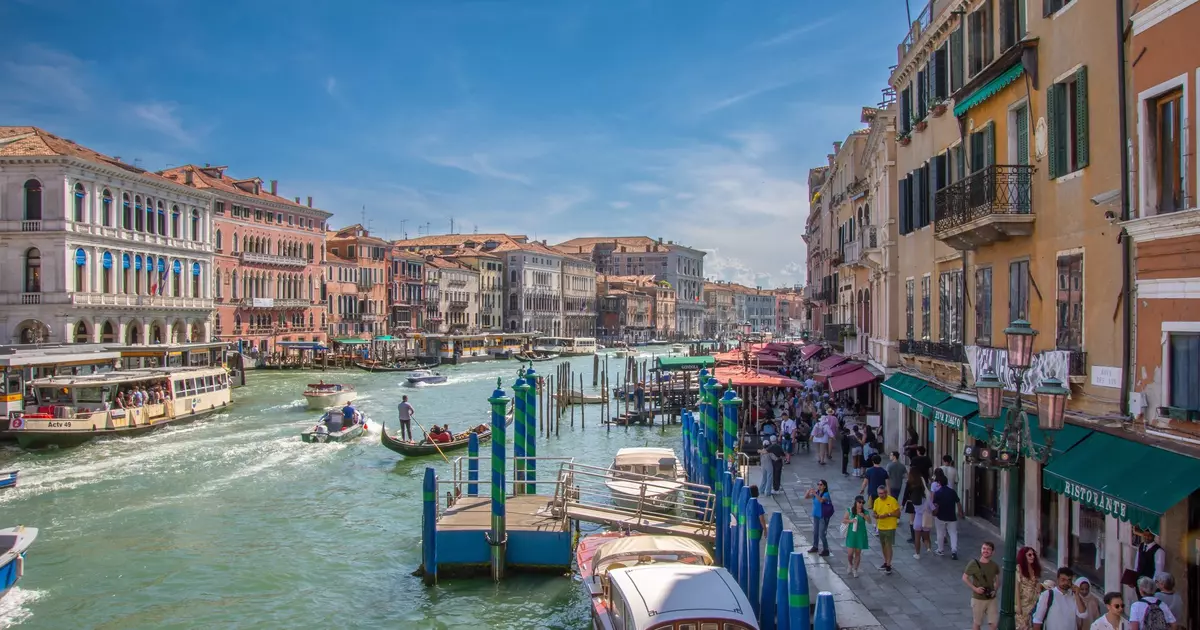
Venice is one of the best first-time LA stops because it gives you contrast in a very short distance. On one side, you have the energy of Venice Beach and Ocean Front Walk, with street performers, skate culture, shops, beach courts, and nonstop people-watching. Discover Los Angeles describes Venice Beach as including the beach, the promenade, Muscle Beach, courts, bike trail, and businesses along Ocean Front Walk. On the other side, you have the Venice Canals, which the same official tourism source describes as man-made canals designed to recreate the appearance of Venice, Italy. That split is exactly what makes Venice so memorable on a first trip. It captures the city’s ability to be loud and quiet, eccentric and residential, all at once.

For website reach, Venice is essential because it satisfies several search intents at once. It works as a beach stop, a neighborhood walk, a photography location, and a lifestyle experience. More importantly, it feels distinct from Santa Monica even though the two are close together. Santa Monica tends to read as polished and classic. Venice feels more improvised, more expressive, and more unpredictable. First-time visitors who only do one side of Venice usually miss the point. The boardwalk gives you motion and character. The canals give you calm and a more local rhythm. Seen together, they make Venice feel complete rather than one-note. That fuller version is what most first-timers should aim for.

Best time to go: Morning for the Canals, late morning or afternoon for the boardwalk.

How long to spend: 2 to 3.5 hours.

First-time tip: Do the Canals first, then head toward the beach so the neighborhood gradually gets busier instead of the reverse.

Must-know: Venice Beach is broad in scope, but the Venice Canals are a separate, quieter stop that many first-time visitors overlook.

4. Walk Hollywood Boulevard, but do it with the right expectations
© Malia Wooten

4. Walk Hollywood Boulevard, but do it with the right expectations

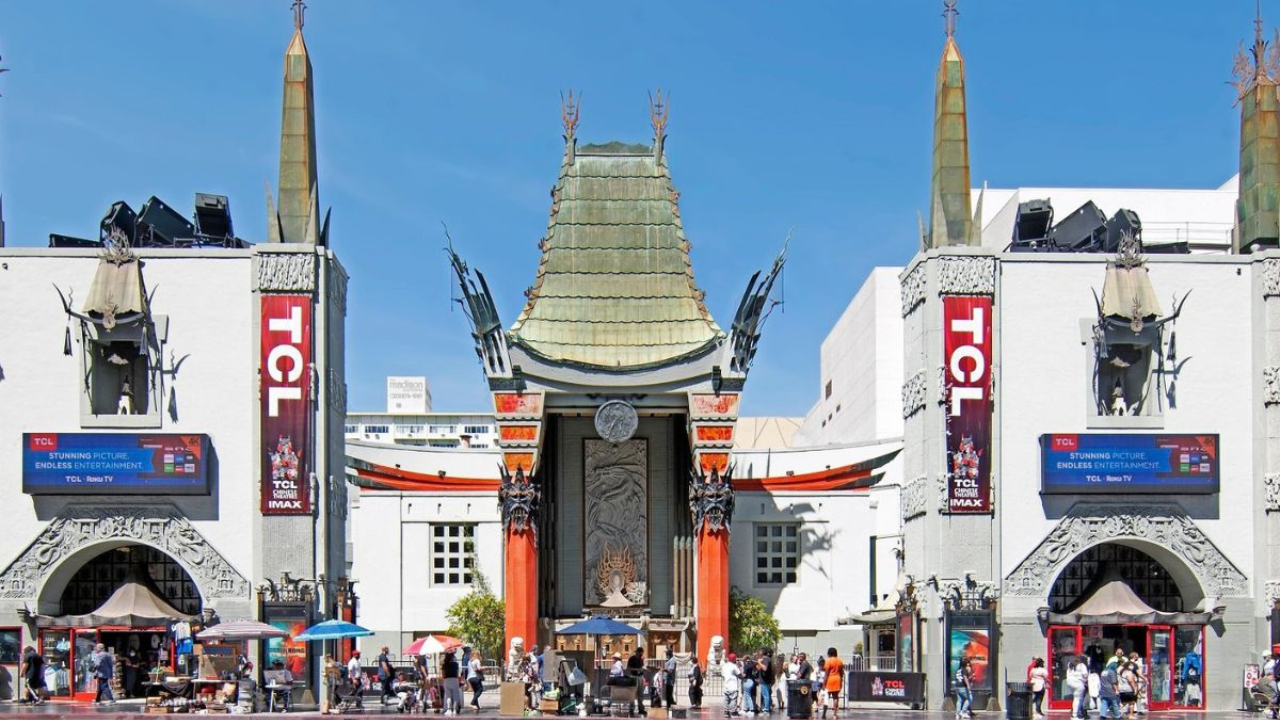
Hollywood Boulevard belongs on a first-time Los Angeles itinerary, but only if you approach it correctly. Too many visitors arrive expecting glamour and leave disappointed because they were actually standing in one of the busiest, most commercialized tourist zones in the city. The better mindset is to treat it as a pop-culture landmark, not a polished fantasy. The Hollywood Chamber of Commerce’s official site describes the Walk of Fame as the official database of stars on Hollywood’s sidewalks and the location for ongoing star ceremonies. That tells you what the area really is: a public monument to entertainment history, embedded in an active urban corridor. If you see it that way, the visit lands much better.

For first-timers, the value of Hollywood Boulevard is less about lingering for half a day and more about experiencing the density of entertainment symbolism in one stretch. You can scan for famous names, see the TCL Chinese Theatre area, and absorb the sheer volume of people chasing some version of movie history. It is chaotic, but it is also part of understanding LA’s myth-making machine. The trick is to keep the stop focused. Come for the atmosphere, the stars, the theater facades, and the sense of place. Do not expect it to be the prettiest or most relaxing part of your trip. Expect it to be a cultural landmark that makes more sense as a concentrated experience than as an all-day destination. That is how pros handle it, and that is how first-time visitors should too.

Best time to go: Morning for easier movement and cleaner photos.

How long to spend: 1 to 2 hours.

First-time tip: Pair it with Griffith Observatory or a Hollywood Sign viewpoint rather than trying to make Hollywood Boulevard your full LA day.

Must-know: The official Walk of Fame site is the best tool if you want to look up specific stars before you go.

5. Make time for a proper Hollywood Sign view instead of just spotting it from the car
© TripSavvy _ Christian Hundley

5. Make time for a proper Hollywood Sign view instead of just spotting it from the car

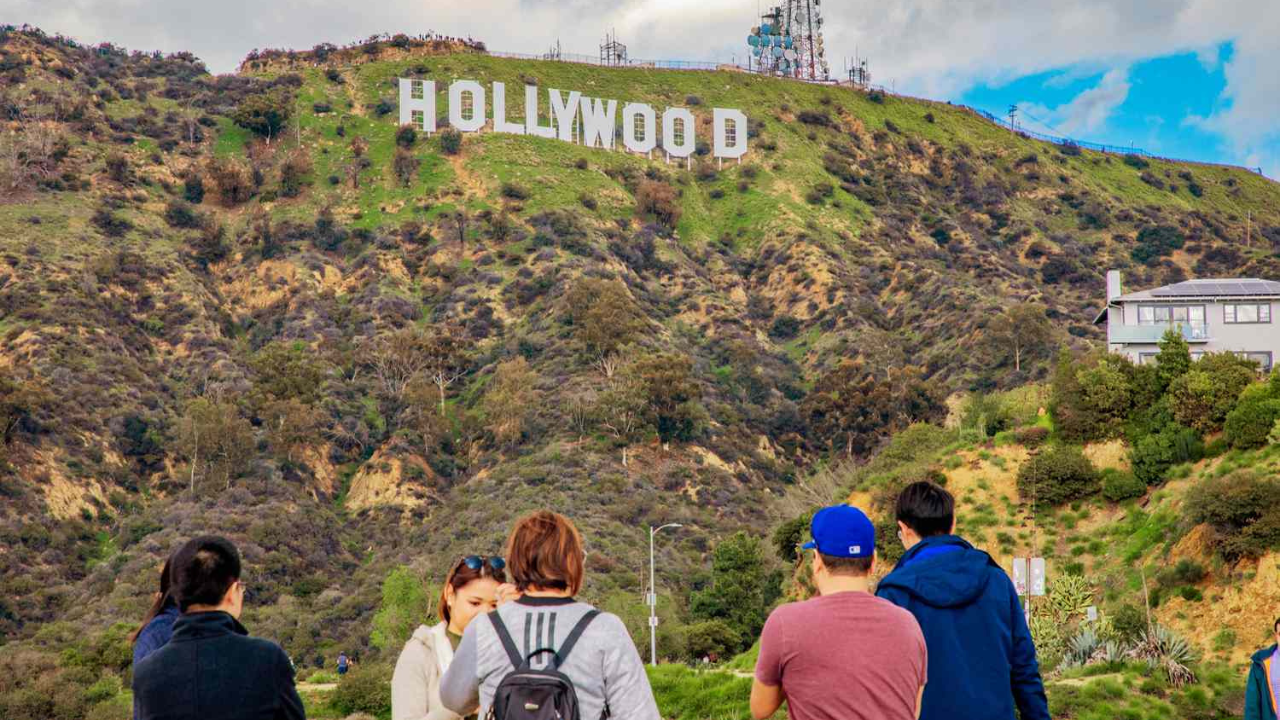
The Hollywood Sign matters to first-time visitors because it is one of the few LA icons that still delivers even when you know it is iconic. But seeing it well takes a little intention. The official Hollywood Sign site emphasizes both authorized hiking trails and designated viewpoints, while also making clear that trespassing near the sign is prohibited and the restricted area is monitored. That matters because many first-timers assume they can simply drive up to it or get right in front of it. You cannot. The better experience is choosing either a legit viewpoint or a hike that makes the sign feel earned rather than rushed.

For most visitors, the question is not whether to see the sign, but how active they want the stop to be. If you want the easiest version, do a viewpoint and keep moving. If you want one of the most satisfying outdoor experiences in central LA, build in a trail. The Hollywood Sign site provides official guidance on routes and difficulty, which is especially useful for travelers trying to avoid random internet directions that lead into restricted neighborhoods. What makes this stop work so well for first-timers is that it combines symbolic value with a genuinely scenic payoff. You are not just photographing a landmark. You are taking in hills, neighborhoods, and that sprawling LA geography that looks so different from above. Done right, this becomes more than a checkbox. It becomes one of the city’s best perspective shifts.

Best time to go: Early morning or golden hour, especially in warmer months.

How long to spend: 1 hour for a viewpoint, 2 to 4 hours for a hike.

First-time tip: Choose an official viewpoint or authorized hike rather than relying on social media directions.

Must-know: The closest legal experience is behind and above the sign, not directly beside it.

6. Choose Universal Studios Hollywood if you want one major theme-park day that still feels very LA
© Dave Mani

6. Choose Universal Studios Hollywood if you want one major theme-park day that still feels very LA

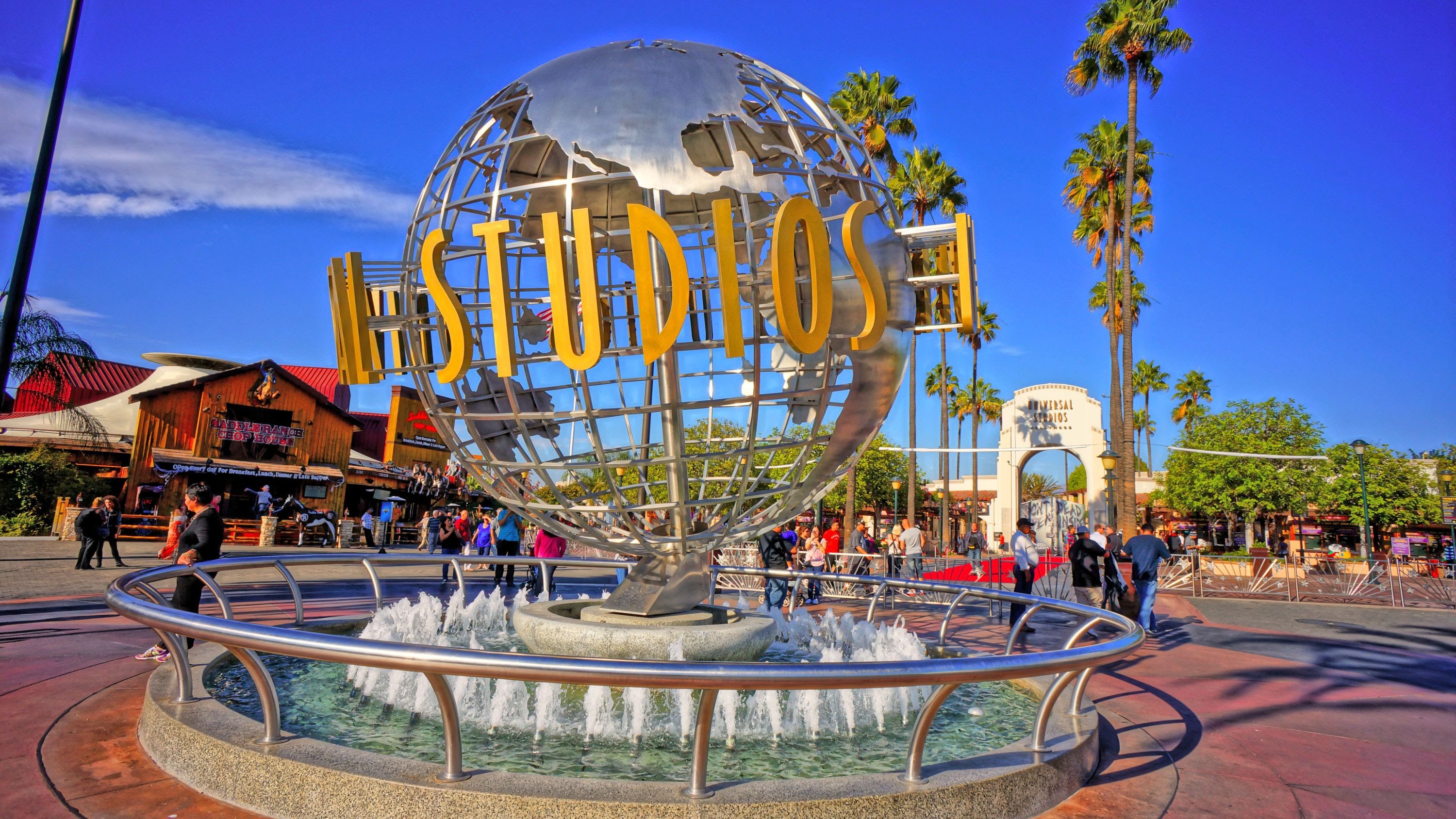
For first-time visitors trying to decide whether a theme park belongs on their LA itinerary, Universal Studios Hollywood is the strongest choice because it doubles as a city-specific entertainment experience. The official Universal site promotes it as the “Best Day in L.A.” and highlights the world-famous Studio Tour as one of its signature attractions. That second part is what makes it especially strong for a first visit. You are not only getting rides and big franchise appeal. You are getting a version of Los Angeles that is tied directly to the film and television industry the city is known for.

This is also one of the most website-friendly inclusions for a first-timer list because it captures multiple high-volume interests: theme parks, movie culture, family travel, and headline attractions like SUPER NINTENDO WORLD. Universal’s official pages position SUPER NINTENDO WORLD as a major immersive draw, while Visit California points out that the park also anchors bigger signature offerings like the Studio Tour and other blockbuster lands. For a first-time visitor, that range matters. Not everyone wants a museum-heavy LA itinerary, and not everyone wants to spend a whole day driving from one short stop to another. Universal solves that by giving you a concentrated day with clear entertainment value and very recognizable appeal. If you only plan one large-ticket attraction in Los Angeles, this is one of the most efficient picks.

Best time to go: Weekdays outside major holiday periods are usually easier.

How long to spend: Most of a full day.

First-time tip: If Universal is a must, protect the day rather than squeezing it into a larger multi-stop itinerary.

Must-know: The Studio Tour remains one of the park’s signature experiences, so do not treat the visit as only a thrill-ride stop.

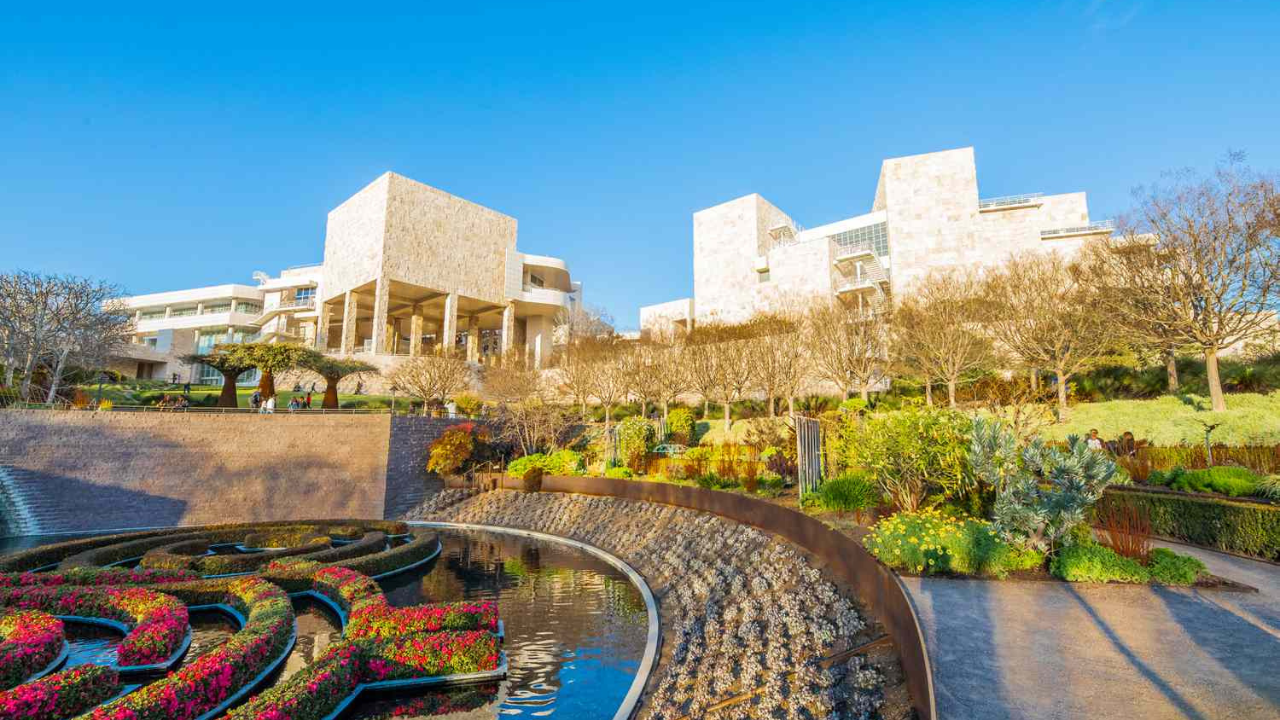
7. Go to the Getty Center when you want LA’s best combination of art, architecture, gardens, and views
© TripSavvy_Christian Hundley

7. Go to the Getty Center when you want LA’s best combination of art, architecture, gardens, and views

The Getty Center is one of the best first-time LA stops because it appeals even to travelers who do not normally build museum-heavy itineraries. Getty’s official visitor pages describe the experience in terms of European art, special exhibitions, modern architecture, gardens, and tram access, which is exactly why it works so well. It is not just a museum. It is a hilltop campus that feels like a visual reset from the city below. You get art, but also air, space, landscaping, and broad views that make the visit feel restorative rather than dense.

For first-time visitors, the Getty is valuable because it balances LA’s faster, louder attractions. After Hollywood or Santa Monica, the Getty feels measured and intentional. The architecture itself is part of the draw, and the gardens help keep the experience from feeling overly formal. That is a big reason the stop performs so well with mixed-interest groups. One person can focus on the galleries, another can focus on photography, another can treat the whole visit as a slow scenic afternoon. It is also one of the easiest ways to show that Los Angeles is more than celebrity culture and beaches. The city’s cultural side can be easy to underestimate on a first trip, and the Getty is one of the cleanest ways to correct that.

Best time to go: Mid-morning or late afternoon.

How long to spend: 2.5 to 4 hours.

First-time tip: Do not rush straight into the galleries. Take the tram, terraces, and garden seriously as part of the experience.

Must-know: Getty highlights its tram ride, architecture, and gardens as core parts of a visit, not just add-ons around the museum.

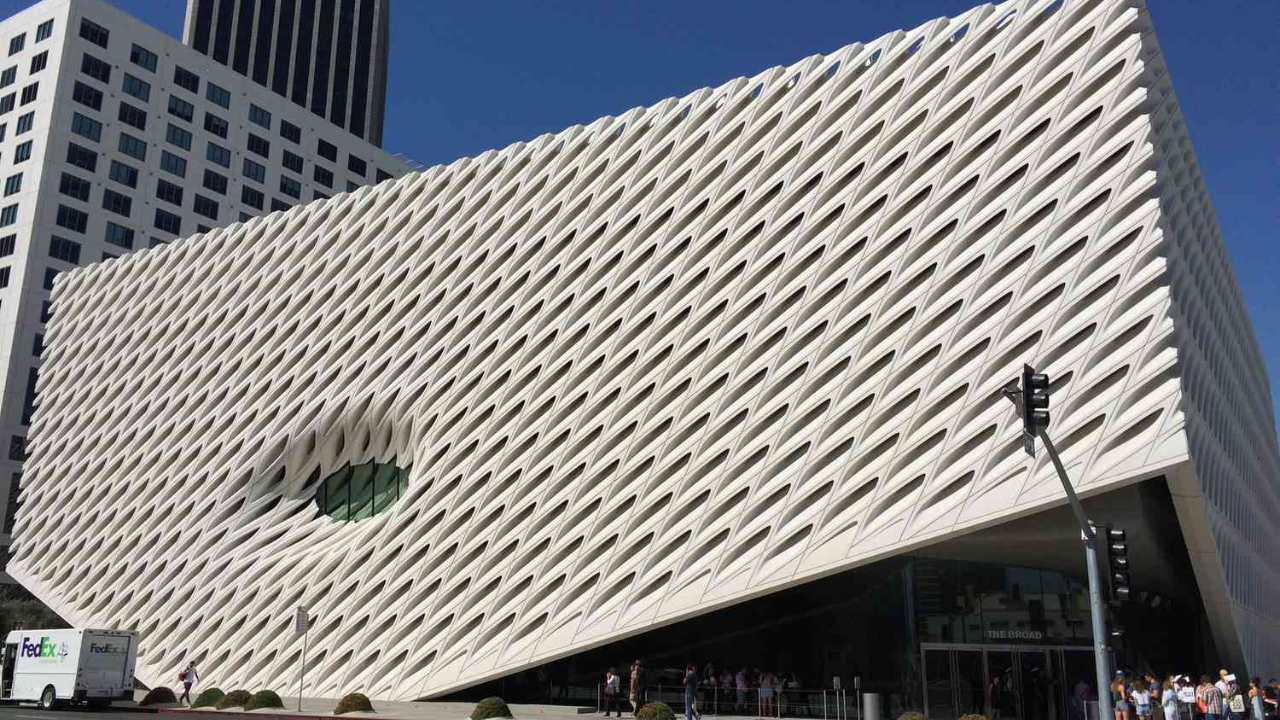
8. Put The Broad and Grand Avenue on your list if you want a high-impact downtown arts stop
© Sharon VanderKaay / Flickr

8. Put The Broad and Grand Avenue on your list if you want a high-impact downtown arts stop

The Broad is one of the easiest major museum wins in Los Angeles because general admission is always free, and the collection is built around big-name contemporary art that even casual museum-goers often recognize. The museum’s official site states that general admission is free and encourages timed entry reservations to bypass the standby line. For first-time visitors, that makes The Broad especially attractive. You get a serious cultural stop without a heavy financial barrier, and you can pair it with nearby Downtown landmarks without needing a full museum day.

The smarter way to do The Broad is as part of a broader Grand Avenue stretch rather than as an isolated stop. This area lets first-timers see a more design-forward, modern side of Los Angeles that contrasts sharply with Hollywood and the beach neighborhoods. It also photographs extremely well, which matters for reach-driven travel content without making the visit feel empty. The Broad works because it is contemporary, central, and efficient. You can go in for the galleries, step back out into Downtown, and keep moving toward food, architecture, or other nearby attractions. That flexibility is rare in LA, where many top spots require dedicated travel time. For a first trip, it is one of the best ways to make Downtown feel approachable.

Best time to go: Late morning on a weekday is ideal.

How long to spend: 1.5 to 3 hours.

First-time tip: Reserve a timed entry if available so your Downtown schedule stays predictable.

Must-know: The Broad’s general admission is free, but some special exhibitions and experiences can be separately ticketed.

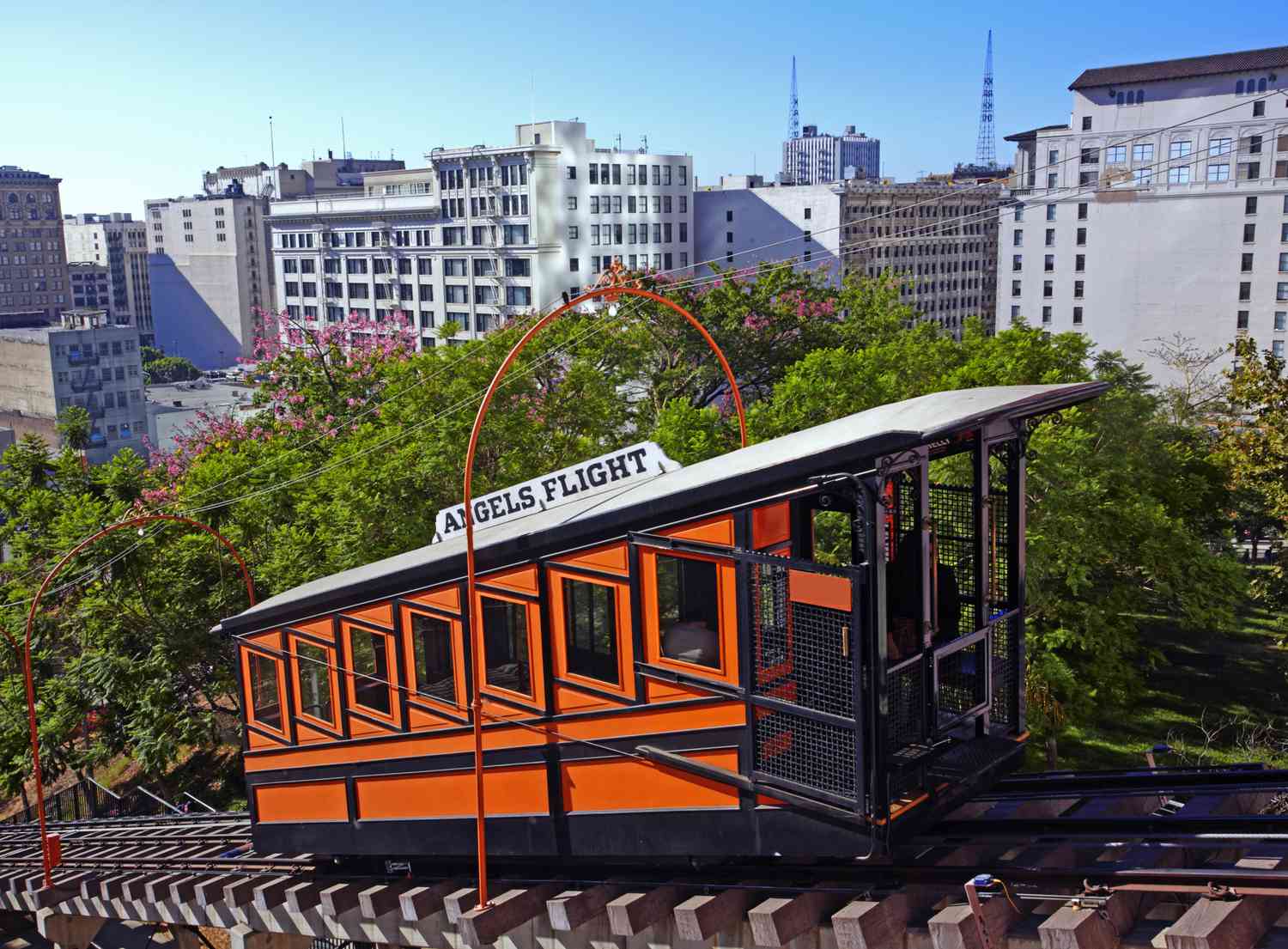
9. Eat your way through Grand Central Market and ride Angels Flight while you are downtown
© Dave Mani

9. Eat your way through Grand Central Market and ride Angels Flight while you are downtown

For first-time visitors who want an LA stop that feels local, historic, and easy to enjoy without a huge time commitment, Grand Central Market is one of the best picks in the city. Discover Los Angeles describes it as one of the city’s best-known historic landmarks, opened in 1917 and home to more than 40 vendors reflecting the cuisines and cultures of Los Angeles. That description is exactly why it works so well on a first trip. The market is not one cuisine, one style, or one crowd. It is a fast, practical introduction to LA’s diversity through food.

The move that makes this stop even stronger is pairing it with Angels Flight. Discover Los Angeles notes that the funicular runs just 298 feet and links the area around Grand Central Market to Grand Avenue and Bunker Hill. On paper, that sounds tiny. In person, it adds just enough old-LA charm to turn a food stop into an actual first-time visitor experience. This pairing works because it feels efficient and memorable at the same time. You can snack, browse, ride, take photos, and continue into the rest of Downtown without burning an entire day. For many first-time visitors, that kind of density is exactly what they need in LA, where simple logistics can otherwise eat into sightseeing time.

Best time to go: Late morning or lunch.

How long to spend: 1.5 to 2.5 hours.

First-time tip: Come hungry and treat the market as a tasting stop, not a single-order meal.

Must-know: Grand Central Market is open daily, while vendor hours vary, and Angels Flight currently runs daily with posted fares on Discover LA.

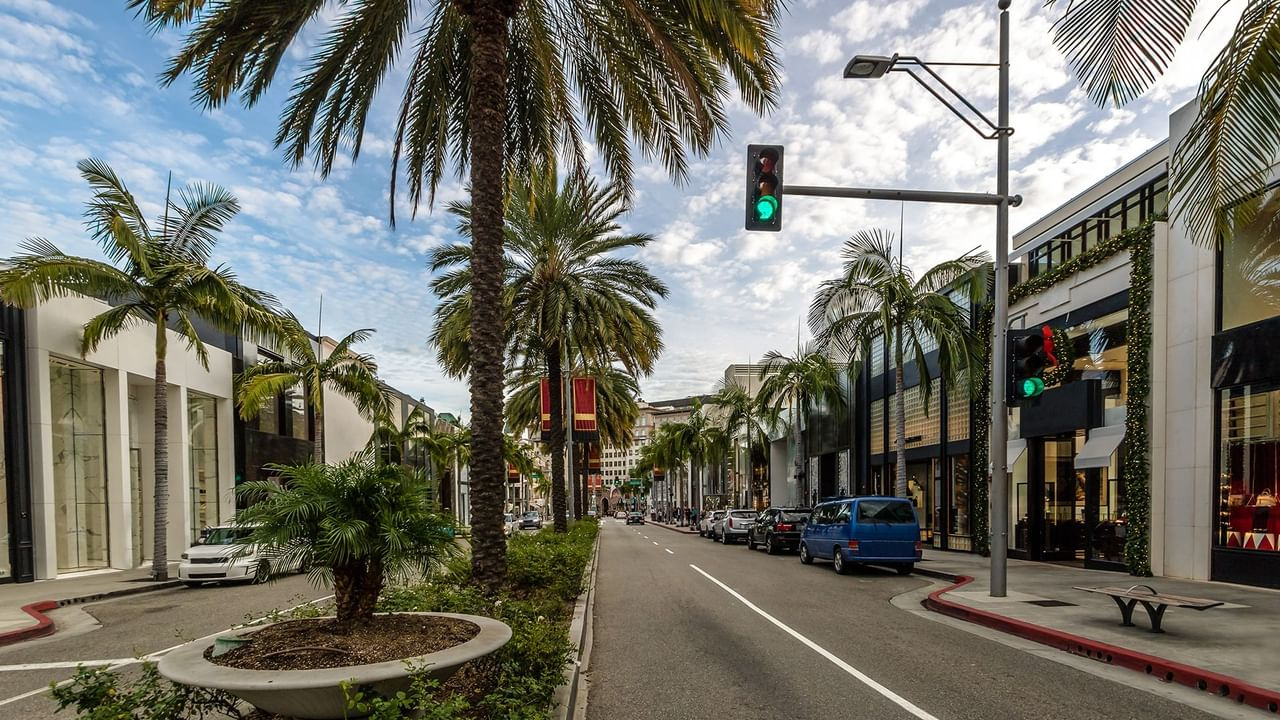
10. Walk Rodeo Drive and Beverly Hills for the fantasy version of polished Los Angeles
© coasthotels

10. Walk Rodeo Drive and Beverly Hills for the fantasy version of polished Los Angeles

Even travelers who do not care much about shopping usually want at least one glimpse of Beverly Hills on a first LA trip. Rodeo Drive is the cleanest way to do that. Discover Los Angeles describes its three blocks as the epicenter of luxury, fashion, and lifestyle in Beverly Hills, home to celebrated brands like Gucci, Valentino, and Chanel. That official framing is useful because it sets the right expectation. You are not coming here for gritty local discovery. You are coming to see one of the world’s most recognizable luxury streets and the version of Los Angeles that still lives strongly in the global imagination.

What makes Rodeo worthwhile for first-timers is not necessarily buying anything. It is the walk itself. The landscaping, storefronts, polished sidewalks, and steady stream of image-conscious foot traffic make the area feel like LA performing itself at a very high level. For travel content, it is hugely searchable and instantly legible. For actual visitors, it is a quick and visually rewarding stop that contrasts well with Hollywood Boulevard’s chaos and Venice’s improvisational feel. Beverly Hills also works as a short, controlled stop on a larger westside day because it is simple to understand: stroll, look, maybe get coffee, and move on. That clarity is surprisingly helpful on a first visit to a city as sprawling as Los Angeles.

Best time to go: Late morning or early evening.

How long to spend: 1 to 2 hours.

First-time tip: Treat Rodeo Drive as a walk-and-look stop, not an all-day shopping mission unless that is your main priority.

Must-know: The best-known portion is the three-block stretch usually associated with the luxury core of Rodeo Drive.

11. Add LACMA and Urban Light if you want one of the city’s most recognizable art-and-photo stops
© Dave Mani

11. Add LACMA and Urban Light if you want one of the city’s most recognizable art-and-photo stops

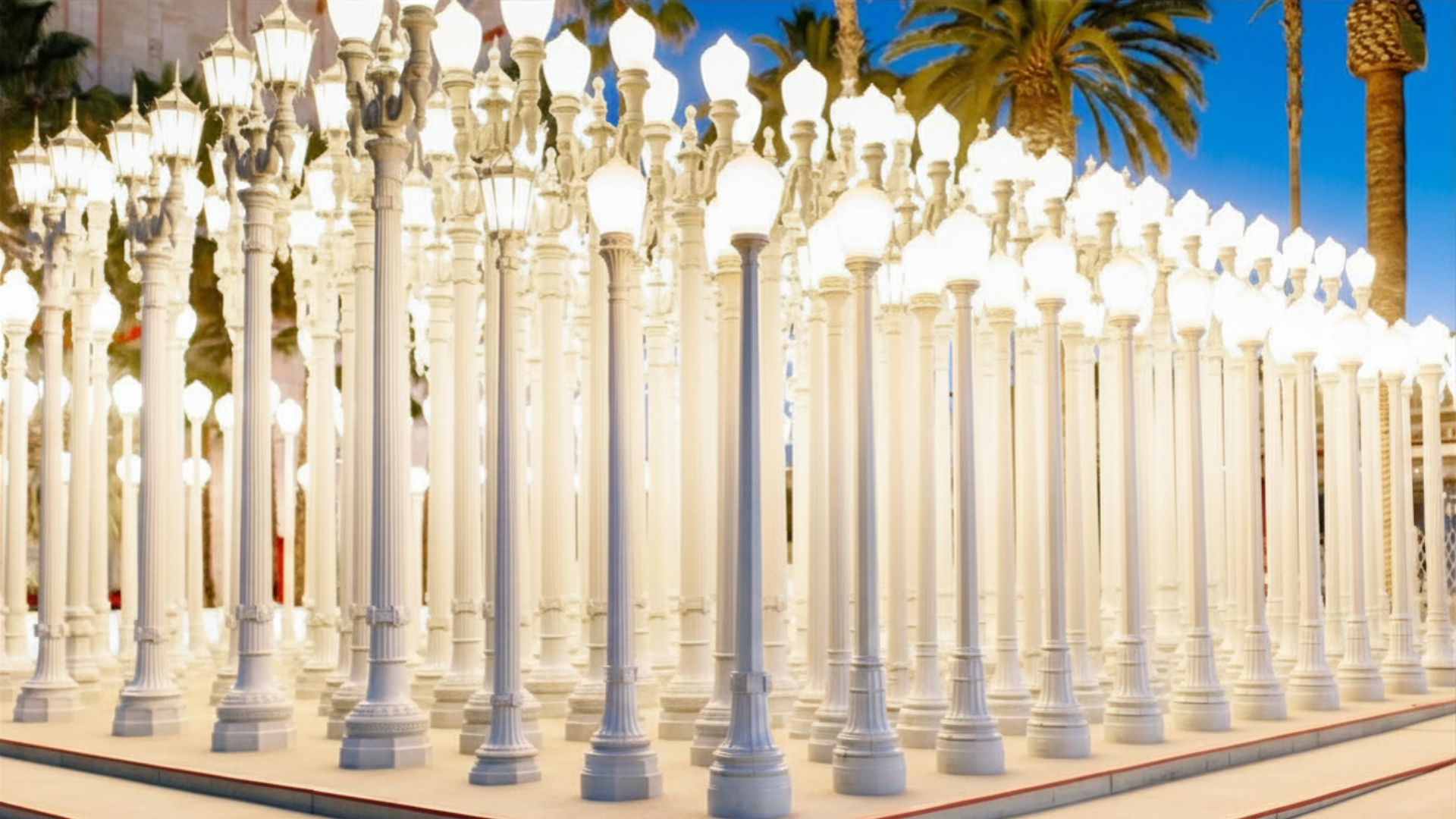
LACMA earns a place on a first-time itinerary because it delivers two different kinds of appeal at once. First, the museum itself is a major cultural institution. Its official site describes it as the largest art museum in the West, connecting visitors with cultures from ancient times to the present. Second, it has one of LA’s most photographed public artworks in Urban Light. LACMA’s guide to the installation explains that Chris Burden’s piece is made from 202 cast-iron street lamps once used around Los Angeles. That combination of serious museum credentials and instantly recognizable public art makes this one of the strongest culture picks for broad audience appeal.

For first-time visitors, Urban Light is often the gateway, but it should not be the whole stop. The better version is to use the installation as the visual hook, then decide whether your trip needs the museum itself, the surrounding Museum Row area, or simply a shorter cultural pause. This is also one of the few LA attractions that works almost equally well during the day and at dusk, which gives you flexibility when the rest of your itinerary gets messy. And because LACMA is such a recognizable name, it performs well for search reach without feeling like filler. If your first LA trip needs a cultural landmark that still feels easy to explain and easy to enjoy, this is one of the safest strong picks on the list.

Best time to go: Late afternoon into evening if you want Urban Light to glow after dark.

How long to spend: 1 hour for Urban Light only, 2.5 to 4 hours with museum time.

First-time tip: Even if you are short on time, Urban Light is worth a stop because it is one of LA’s most recognizable visuals.

Must-know: Urban Light is composed of 202 restored cast-iron street lamps from Los Angeles.

12. Visit the Academy Museum if movies are part of why you came to Los Angeles at all
© Tod Seelie

12. Visit the Academy Museum if movies are part of why you came to Los Angeles at all

If your version of Los Angeles is tied to cinema, the Academy Museum deserves a spot on your first itinerary. Its official exhibitions page says the museum celebrates the art and science of movies, past, present, and future, and aims to illuminate the creative and collaborative process of filmmaking. That makes it more than a fan stop. It is a city-specific museum that directly reflects one of LA’s defining industries. For first-time visitors, that relevance matters. Plenty of cities have art museums. Very few have a museum that can so directly connect place and industry.

The Academy Museum also works particularly well for travelers who want Hollywood context without spending their whole day in the more commercial parts of Hollywood itself. Instead of stars in the sidewalk and souvenir shops, you get design, curation, and a more thoughtful approach to how movies are made and remembered. It is also easy to pair with nearby LACMA if you want a culture-heavy stretch that still feels strongly tied to Los Angeles. For website reach, it is a strong inclusion because film travel searches are naturally high-interest, and the museum adds legitimacy to that angle. For real-world itineraries, it is one of the smartest “interest-based” choices a first-time visitor can make, especially if movies are part of why LA is on the bucket list in the first place.

Best time to go: Midday, especially if you want an indoor culture block.

How long to spend: 2 to 3 hours.

First-time tip: Do this if you care about film as a craft, not only celebrity culture.

Must-know: The museum’s exhibitions are designed to explore both the history of film and the creative process behind it.

13. Hike Runyon Canyon if you want the most stereotypically “LA” active experience
© Dave Mani

13. Hike Runyon Canyon if you want the most stereotypically “LA” active experience

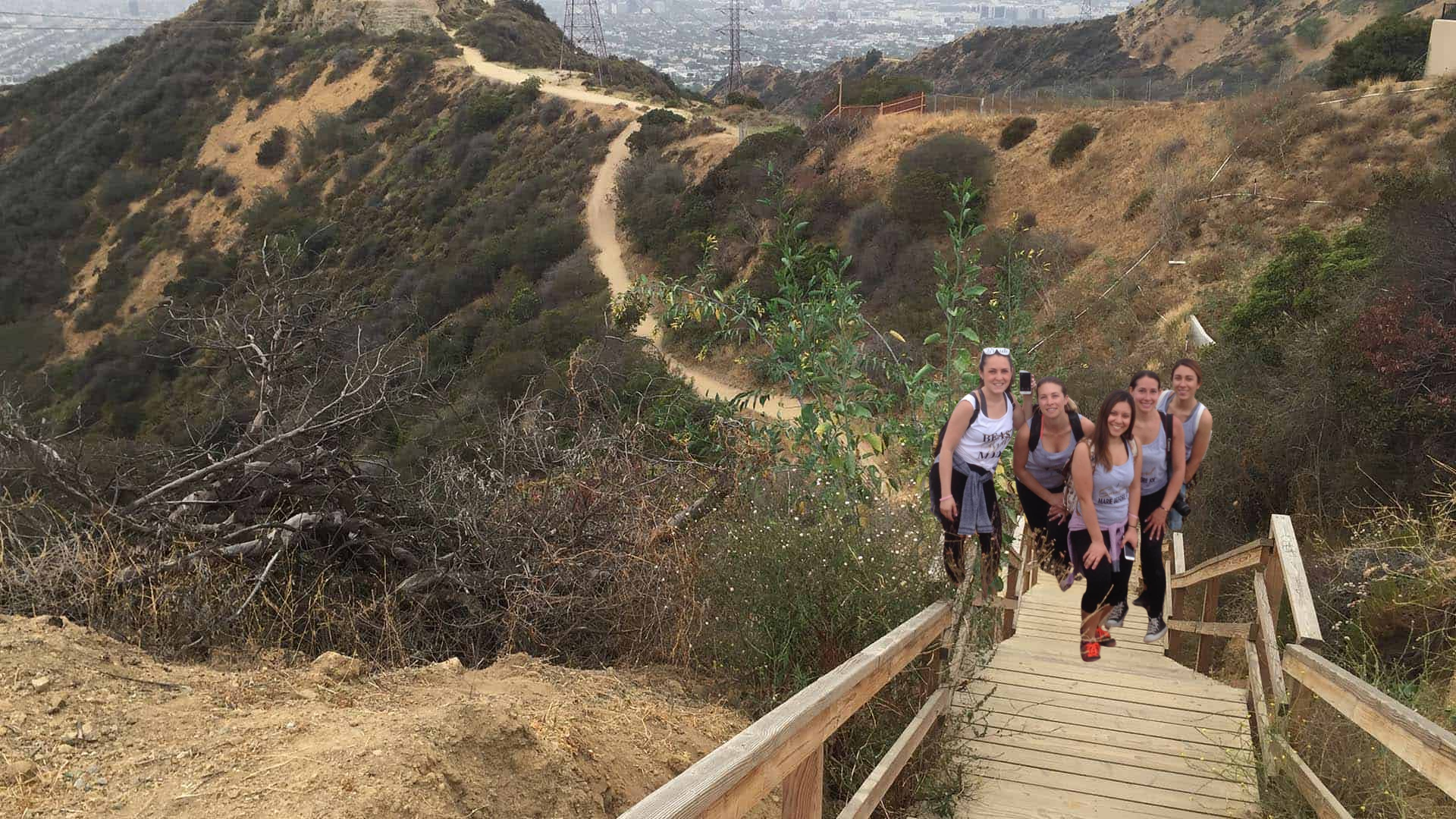
There are better pure hikes around Southern California, but Runyon Canyon earns its first-timer status because it gives you something very specific: an urban LA hike with broad views and a strong sense of the city’s fitness culture. Discover Los Angeles describes Runyon Canyon as a 160-acre park on the eastern end of the Santa Monica Mountains, with three routes of varying difficulty and views of the Hollywood Sign, Sunset Strip, and LA Basin. That is exactly what most first-time visitors are looking for when they say they want an “LA hike.” They do not necessarily mean wilderness. They mean hills, views, and the feeling that they are participating in local lifestyle rather than just touring around it.

Runyon is also useful because it is a good counterweight to the city’s more photo-only stops. Instead of getting out of the car for ten minutes and moving on, you are earning a viewpoint through motion. It gives your itinerary variation, which first-time LA trips badly need. If every stop is a boulevard, museum, or beach promenade, the city can start to blur together. Runyon changes the pace. It also has strong website reach because it intersects with searches around hiking, Hollywood views, wellness, and celebrity-adjacent LA culture. For first-time visitors who want one outdoorsy activity without leaving the city core, this is a very strong choice. Just come prepared for sun, elevation, and a more exposed trail environment than the casual social-media clips often make it seem.

Best time to go: Early morning is best for cooler temperatures and clearer light.

How long to spend: 1.5 to 2.5 hours.

First-time tip: Pick the route based on your actual fitness level, not just the shortest-looking map line.

Must-know: Discover LA lists three main route options, from easy to difficult, with wide views over central LA.

14. Take one Malibu side trip if you want to understand why coastal Los Angeles feels so mythic
© Dave Mani

14. Take one Malibu side trip if you want to understand why coastal Los Angeles feels so mythic

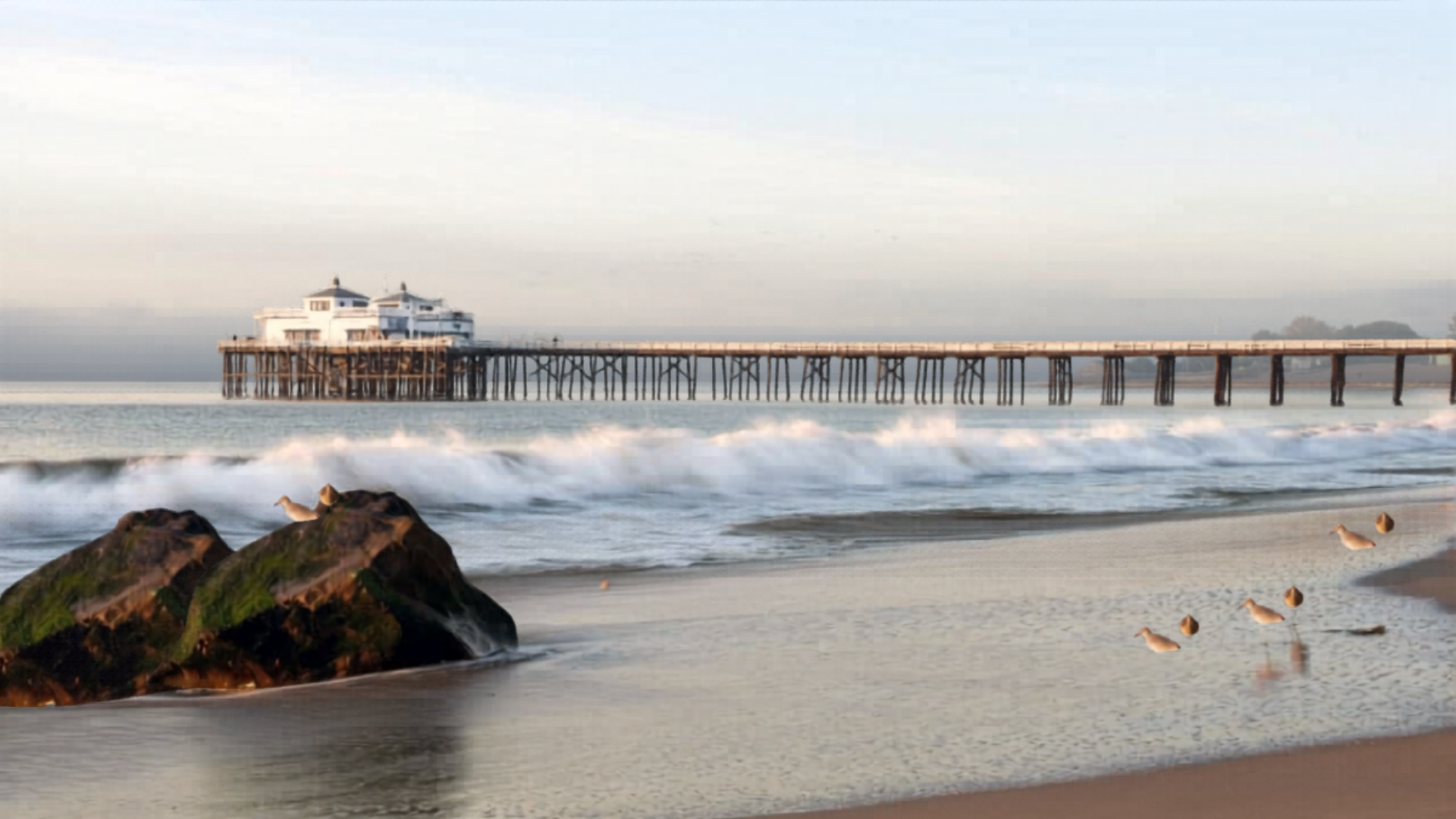
Malibu is worth including on a first-time list because it delivers a more cinematic and spacious version of the coast than Santa Monica or Venice. Visit California frames Malibu around scenic canyon and coastal experiences, while California State Parks’ Malibu Pier page highlights the restored pier as a working visitor stop with dining, fishing-related services, and ocean views. In practical terms, Malibu gives first-time visitors the kind of Pacific scenery they often imagine when they picture Southern California before they arrive. Less urban edge, more open coastline. Less boardwalk energy, more horizon.

What makes Malibu especially useful for a first trip is that it helps round out the city. Los Angeles can feel intensely built-up and fragmented if you only stick to Hollywood, Downtown, and the busiest beach zones. Malibu restores a sense of landscape. You do not need an elaborate all-day itinerary to enjoy it either. A drive, a scenic stop, a pier visit, and a meal can be enough. For broad audience reach, Malibu is also a high-performing keyword because it carries both luxury and scenery associations. For actual travel value, it works because it slows the trip down and gives you a version of coastal California that feels more spacious, more photogenic, and more emotionally aligned with the idea many first-time visitors have in mind.

Best time to go: Clear mornings or sunset hours.

How long to spend: Half a day is ideal.

First-time tip: Do Malibu on a separate day from Hollywood or Downtown unless you love long drives and compressed itineraries.

Must-know: Malibu Pier is a restored historic pier managed within the California State Parks system and is more relaxed than the big entertainment piers closer to central LA.

15. End with Olvera Street and El Pueblo if you want the historic foundation most first-time visitors miss
© Dave Mani

15. End with Olvera Street and El Pueblo if you want the historic foundation most first-time visitors miss

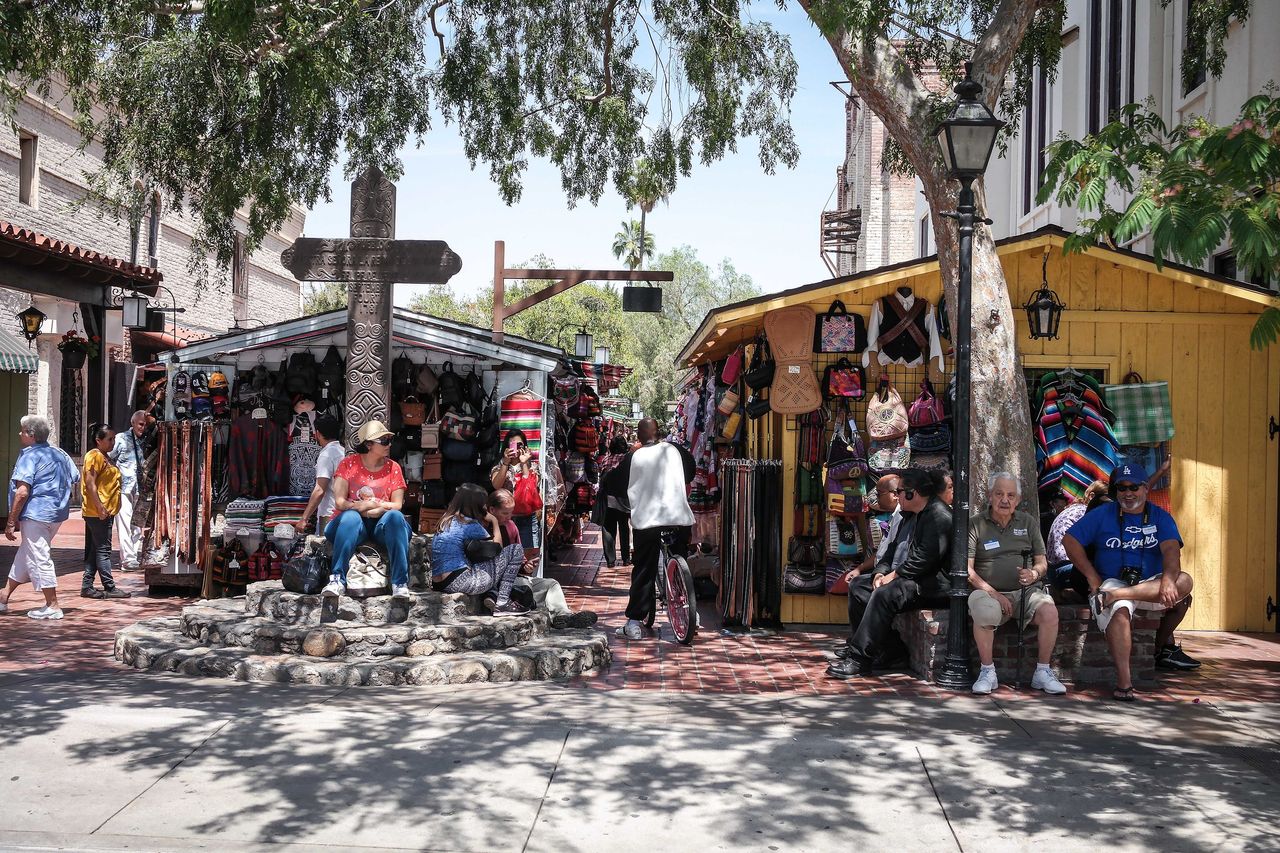
A lot of first-time Los Angeles itineraries skip the city’s oldest core entirely, which is a mistake. El Pueblo de Los Angeles Historical Monument is the birthplace of Los Angeles, and the city’s official El Pueblo site describes it as a historic district with free museums, exhibits, and the world-famous Olvera Street marketplace. That matters because LA’s most marketable images are often modern or coastal, but the city’s historical foundation is here. If you want your first trip to feel more rounded and less dependent on contemporary pop culture, Olvera Street is one of the best corrective stops you can make.

What makes this stop particularly strong is that it adds age, texture, and cultural continuity to a first-time itinerary that might otherwise lean heavily on views, beaches, and entertainment landmarks. It is also accessible in a way many first-time visitors appreciate. You can wander, snack, browse, and absorb the setting without committing to a formal tour. For website reach, it may not be as instantly clickable as Hollywood or Santa Monica, but it strengthens the article by making the list feel complete and better informed. And for actual travelers, it often becomes one of those unexpectedly memorable stops because it provides something Los Angeles does not always offer at first glance: a clear sense of origin.

Best time to go: Late morning or early afternoon.

How long to spend: 1.5 to 2.5 hours.

First-time tip: Come here if you want your LA trip to include history, not just icons.

Must-know: El Pueblo highlights free museums and exhibits along with Olvera Street’s shops and food, so it works well for budget-conscious first-timers too.


Comments (0)

Leave a Reply

No comments yet. Be the first to share your thoughts!