Travel Asia

15 South Korean foods that are worth trying during your visit

James Porter
3.9
May 20, 2026

South Korea’s cuisine is a vibrant mix of bold flavours, shared meals, and seasonal ingredients. From traditional comfort foods served in homes and restaurants to sizzling street food snacks that fuel days of exploring, Korea’s food culture reflects centuries of agricultural heritage, community eating practices, and regional specialties. Whether you’re sampling steaming bowls of soup in Seoul, tasting seafood by coastal markets, or grabbing a quick bite at a night market, Korean food offers variety, texture, and memorable tastes at every turn.

Korean meals often centre on balance — spicy, salty, sour, and sweet harmonising on the palate — and eating is often communal, with side dishes meant for sharing. Understanding local dining customs, such as how to enjoy barbecue with lettuce wraps or order noodles with broth and toppings, helps visitors engage with every meal more confidently. Below are 15 foods and food experiences that every traveller to South Korea should know, from beloved classics to lively street bites.
1. Kimchi
© instagram / papayariga

1. Kimchi

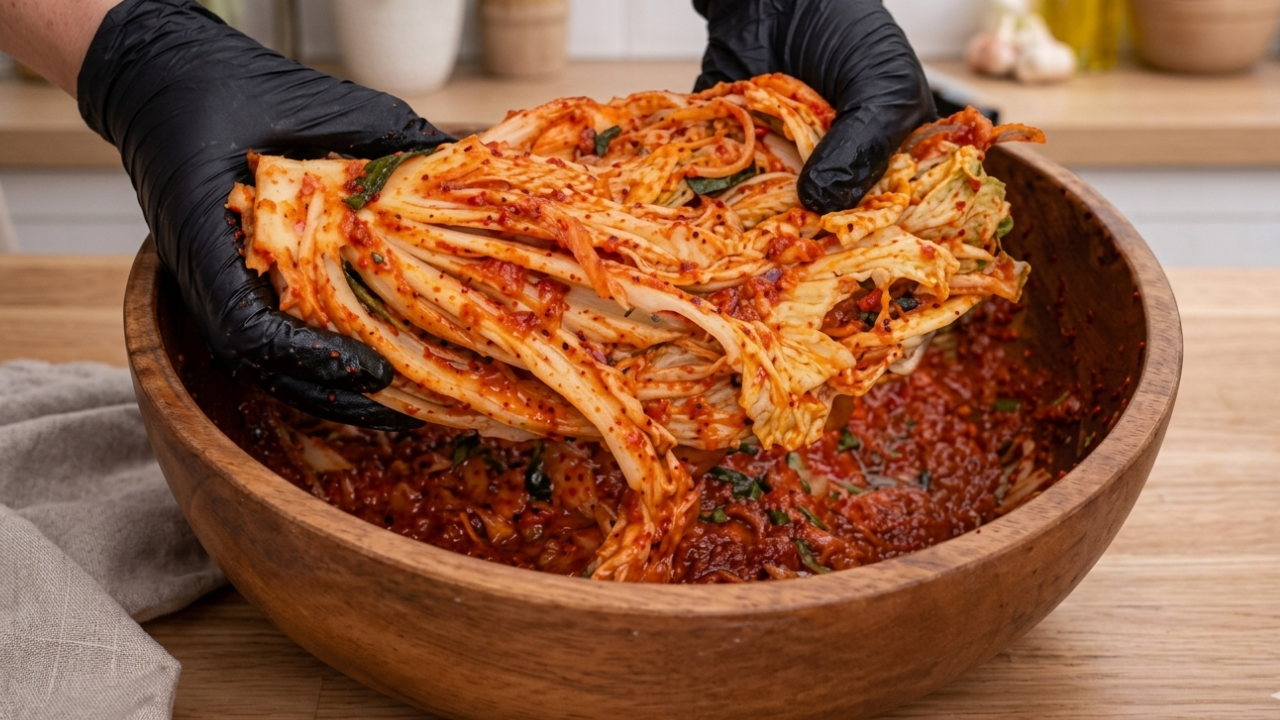
Kimchi is the foundational side dish in Korean cuisine, served with almost every meal. It’s most commonly made from napa cabbage fermented with chili, garlic, ginger, and salt, creating a tangy, spicy flavour that enhances rice and soups alike. Beyond the classic cabbage version, regional and seasonal kimchis may include radish, cucumber, or even flower blossoms, each bringing a slightly different taste. Kimchi isn’t just a side — it’s a cultural staple that showcases Korean fermentation traditions.

In restaurants and homes, kimchi accompanies grilled meats, stews, and rice dishes. The fermentation process gives it a depth of flavour that can vary from mildly tangy to robustly pungent depending on age and preparation. Many Koreans make kimchi ahead of time and store it in large earthenware jars to ferment, especially for winter months when fresh produce is less available.

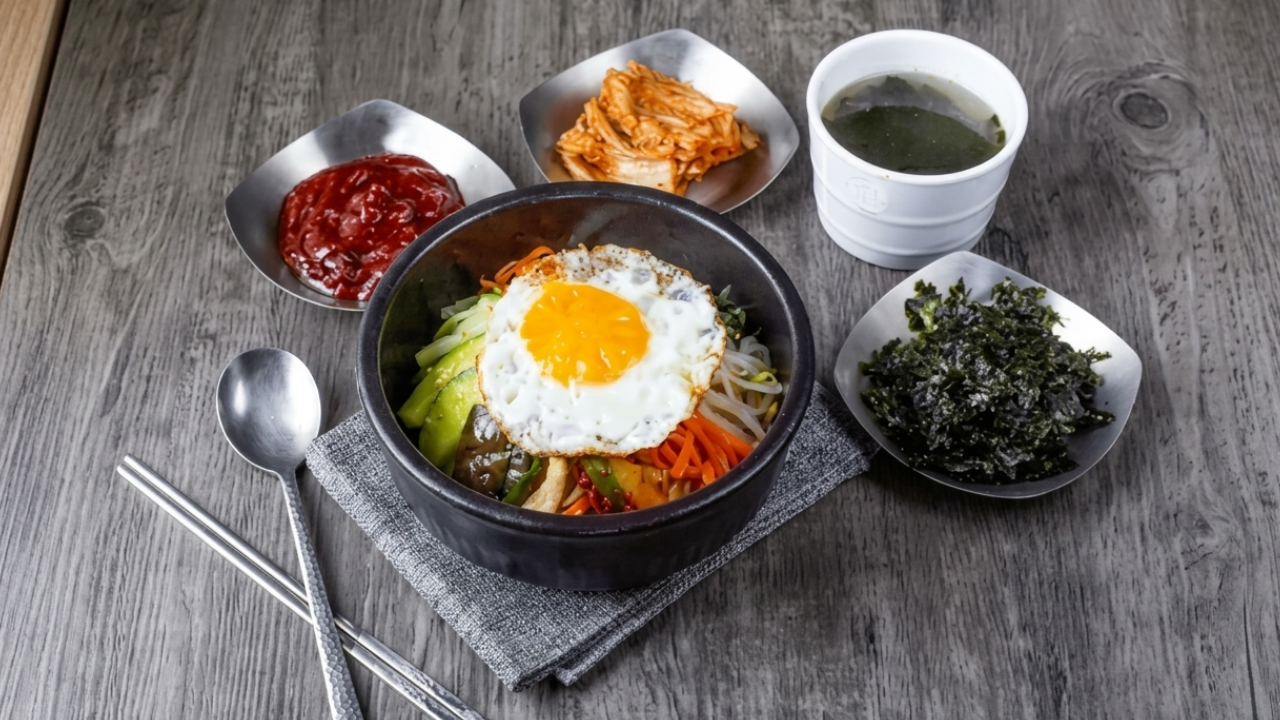
2. Bibimbap
© shutterstock / Anchalee Wiangkao

2. Bibimbap

Bibimbap is a colourful, balanced dish of warm rice topped with assorted vegetables, gochujang (spicy red pepper paste), and usually a fried egg. It may also include marinated beef (bulgogi) or tofu for protein. The core appeal of bibimbap lies in its mix of textures and flavours — crisp greens, soft rice, and spicy or sweet sauce — all stirred together before eating.

Different regions of Korea have their own versions, such as dolsot bibimbap served in a hot stone bowl that crisps the rice on the edges. It’s a satisfying choice for travellers who want a mix of fresh, cooked, and umami‑rich ingredients in a single bowl, and is often served with several small side dishes (banchan) on the side.

3. Bulgogi
© shutterstock / Danica Chang

3. Bulgogi

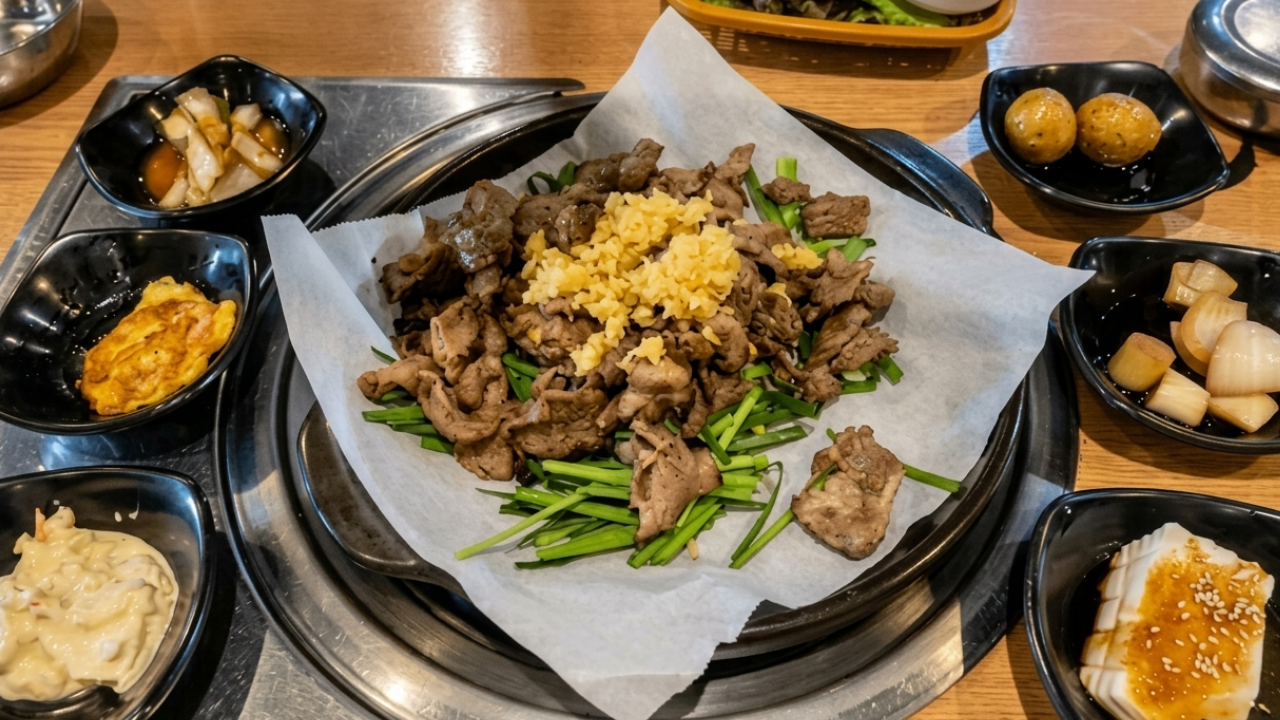
Bulgogi is marinated, thinly sliced beef (or sometimes pork) grilled or stir‑fried to tender perfection. The marinade — typically a blend of soy sauce, sugar, sesame oil, garlic, and pear juice — gives the meat a slightly sweet, smoky flavour that pairs beautifully with rice or lettuce wraps. It’s one of the most beloved Korean meat dishes and easily enjoyed in sit‑down restaurants throughout the country.

At traditional barbecue restaurants, diners often cook the bulgogi themselves at a tabletop grill, creating an interactive dining experience. Served with grilled garlic, mushrooms, and fresh lettuce leaves for wrapping, bulgogi embodies the communal spirit of Korean dining.

4. Samgyeopsal (Korean barbecue)
© shutterstock / Utoimage

4. Samgyeopsal (Korean barbecue)

Samgyeopsal is thick slices of pork belly grilled at the table — a social meal that’s as much about interaction as it is about food. Diners grill the meat together and wrap it in lettuce or perilla leaves with garlic, sliced chilies, ssamjang (a savoury dipping paste), and rice. The smoky, juicy pork contrasts with crisp greens and spicy condiments for a deeply satisfying bite.

Korean barbecue restaurants often provide multiple side dishes, including kimchi, namul (seasoned vegetables), and pickles, which balance the richness of the meat. Eating samgyeopsal in a group makes it a memorable, feast‑like experience for visitors.

5. Tteokbokki
© shutterstock / Savvapanf Photo

5. Tteokbokki

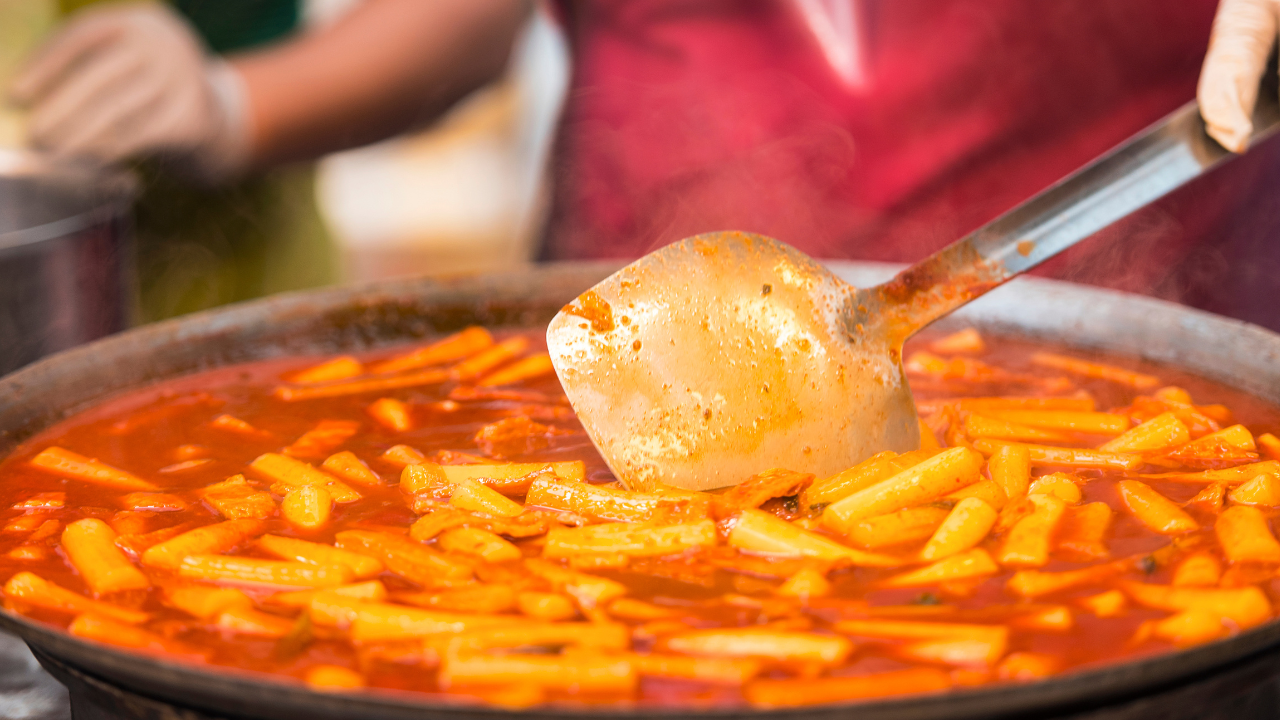
Tteokbokki is one of Korea’s most iconic street foods — chewy rice cakes simmered in a sweet and spicy red chili sauce. Often sold from street carts or market stalls, this comfort snack may include fish cakes, boiled eggs, and scallions for extra flavour and texture. The spicy sauce has a kick that’s balanced by a slight sweetness, making it addictive for first‑time tasters.

It’s a go‑to choice for travellers exploring night markets or urban food alleys, offering an affordable way to sample a classic Korean flavour profile.

6. Korean fried chicken
© shutterstock / Tsuguliev

6. Korean fried chicken

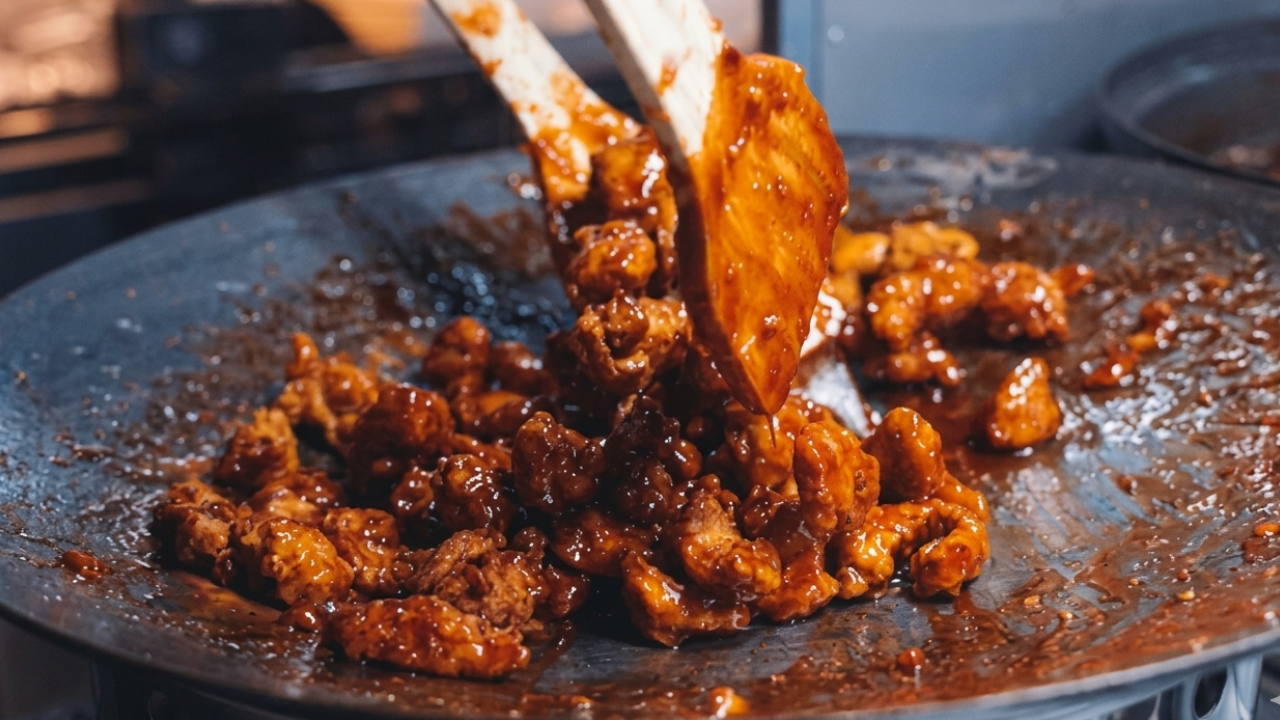
Korean fried chicken stands out from its Western counterparts with a lighter, crunchier coating and bold sauces. You might find it glazed in a sticky sweet‑spicy sauce, dusted with garlic and parmesan seasoning, or simply salted for dipping. Often paired with beer (a combination locals call chimaek), fried chicken is a weekend favourite and a perfect casual meal after a day of sightseeing.

Fried chicken restaurants in Korea specialize in crisp texture and creative flavours, and many serve it with pickled radishes that cut through the richness.

7. Japchae
© shutterstock / Jinroo

7. Japchae

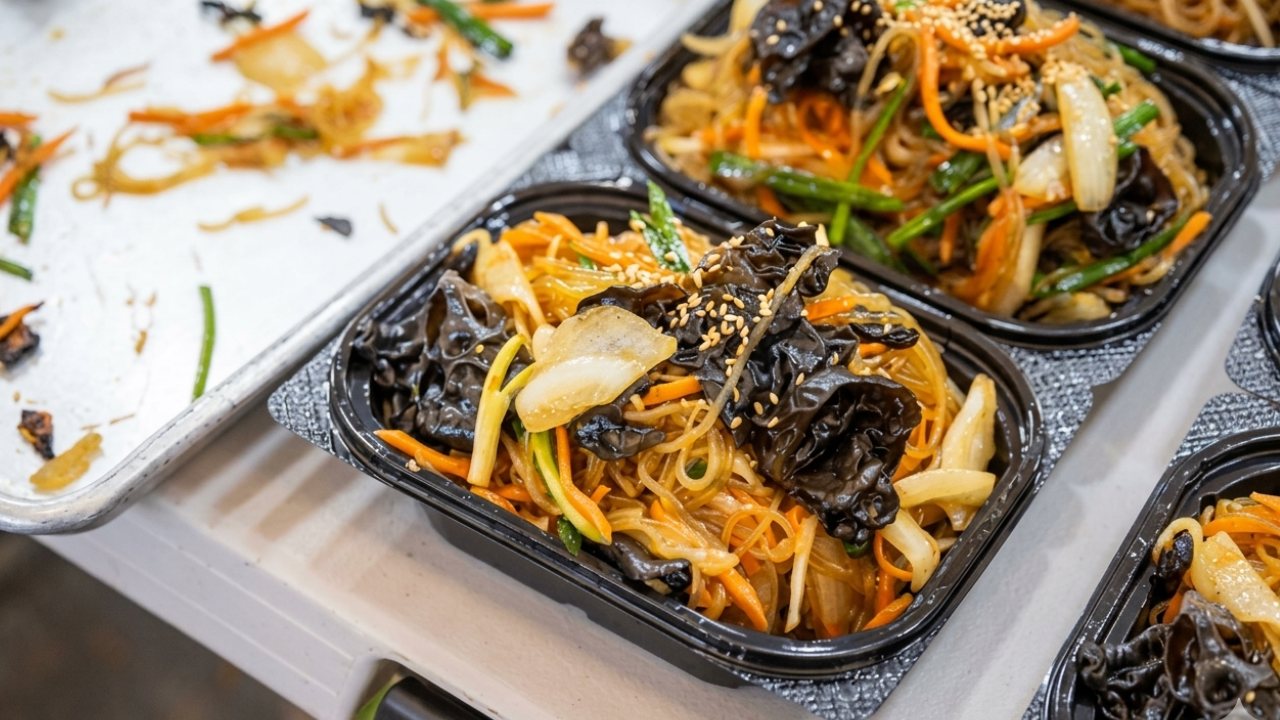
Japchae is a versatile dish of stir‑fried glass noodles made from sweet potato starch, mixed with vegetables and sometimes beef. Seasoned with soy sauce and sesame oil, japchae delivers a slightly sweet, aromatic flavour and slippery, satisfying texture. It’s commonly served at celebrations and gatherings, but also as a regular menu item in many eateries. The dish’s vibrant colours — from spinach and carrots to mushrooms and onions — make it as visually appealing as it is enjoyable to eat.

8. Jjajangmyeon
© shutterstock / Jo Theera

8. Jjajangmyeon

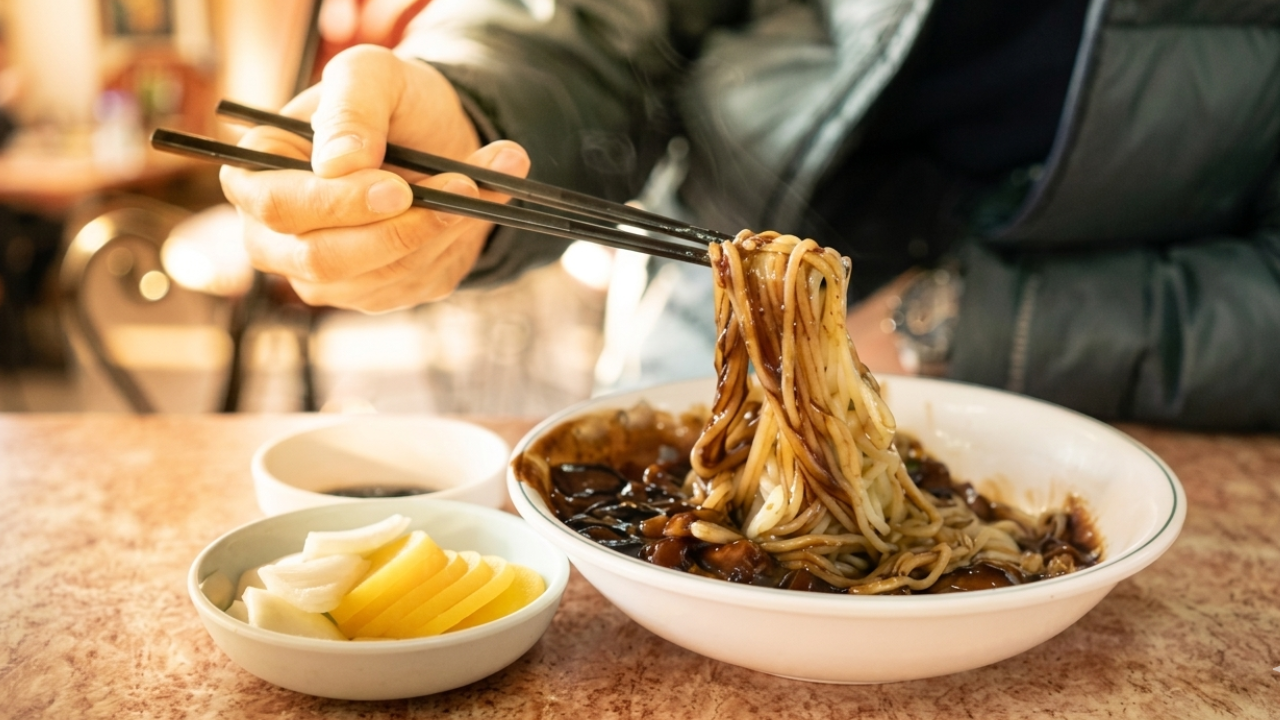
Jjajangmyeon is a Korean‑Chinese noodle dish featuring thick wheat noodles slathered in a rich black bean sauce with diced pork and vegetables. Comforting and hearty, it’s a popular choice for lunch or casual dinner, especially in urban districts where noodle houses abound. The sauce’s deep savoury sweetness pairs well with crisp onions and mild greens. It’s an accessible dish for travellers who enjoy noodle bowls with a rich flavour base.

9. Haemul Pajeon
© Dave Mani

9. Haemul Pajeon

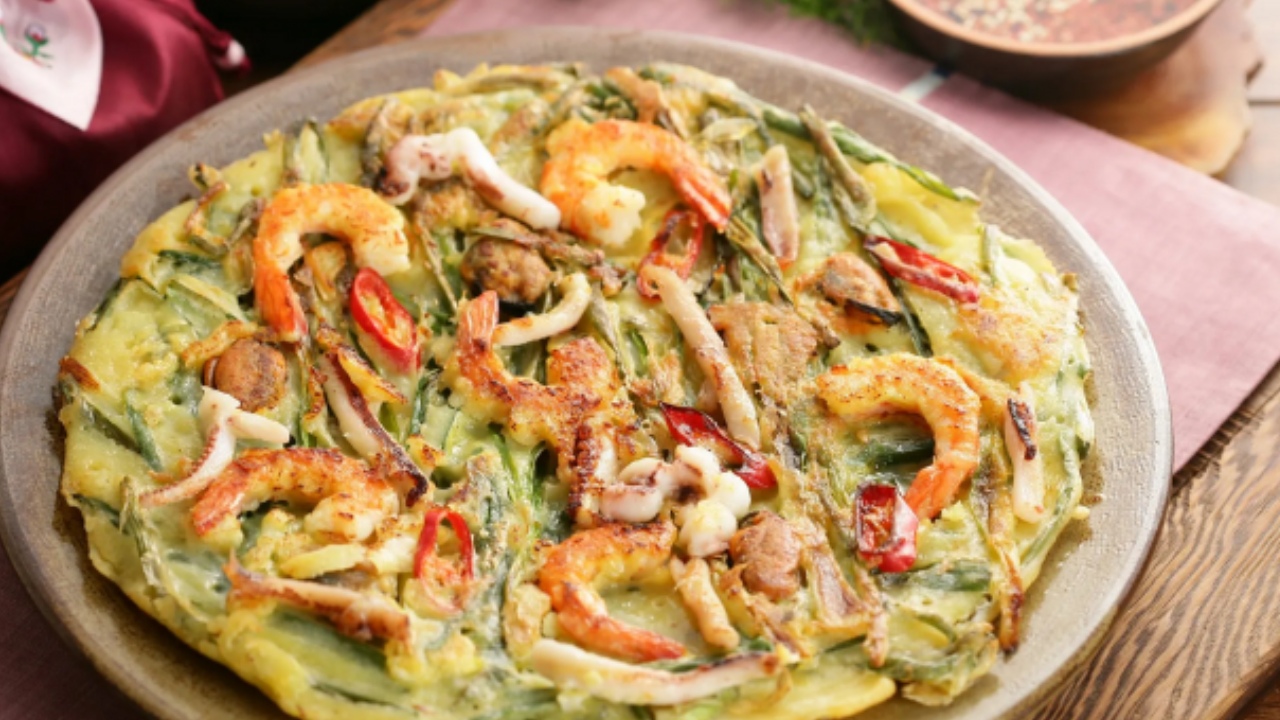
Haemul pajeon is a savoury pancake filled with scallions and a mix of seafood such as squid, shrimp, and clams. Crispy at the edges and soft inside, it’s often served with a soy‑vinegar dipping sauce that brightens the flavour. Many locals enjoy haemul pajeon with makgeolli (a milky rice wine), making it a great choice for travellers interested in pairing food with traditional drinks. This dish reflects Korea’s coastal influences and is popular year‑round.

10. Sundubu‑jjigae
© shutterstock / Fotema

10. Sundubu‑jjigae

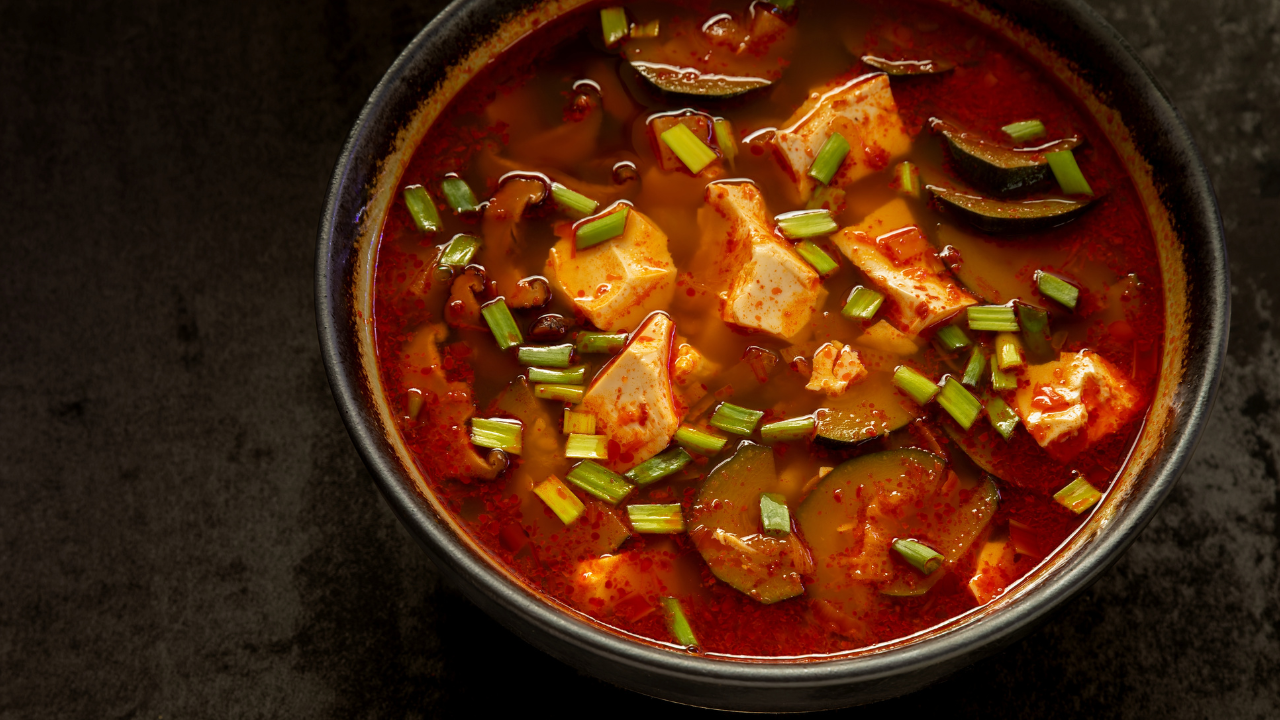
Sundubu‑jjigae is a hearty stew made with soft tofu, vegetables, and often seafood or pork, all simmered in a spicy broth. Delivered bubbling hot in a stone pot, this stew warms up chilly days and showcases a balance of spice and umami. Diners often crack an egg into the pot just before eating, adding richness to the broth. It’s a go‑to for visitors seeking comfort food with depth and spice.

11. Gimbap
© shutterstock / hiroamano

11. Gimbap

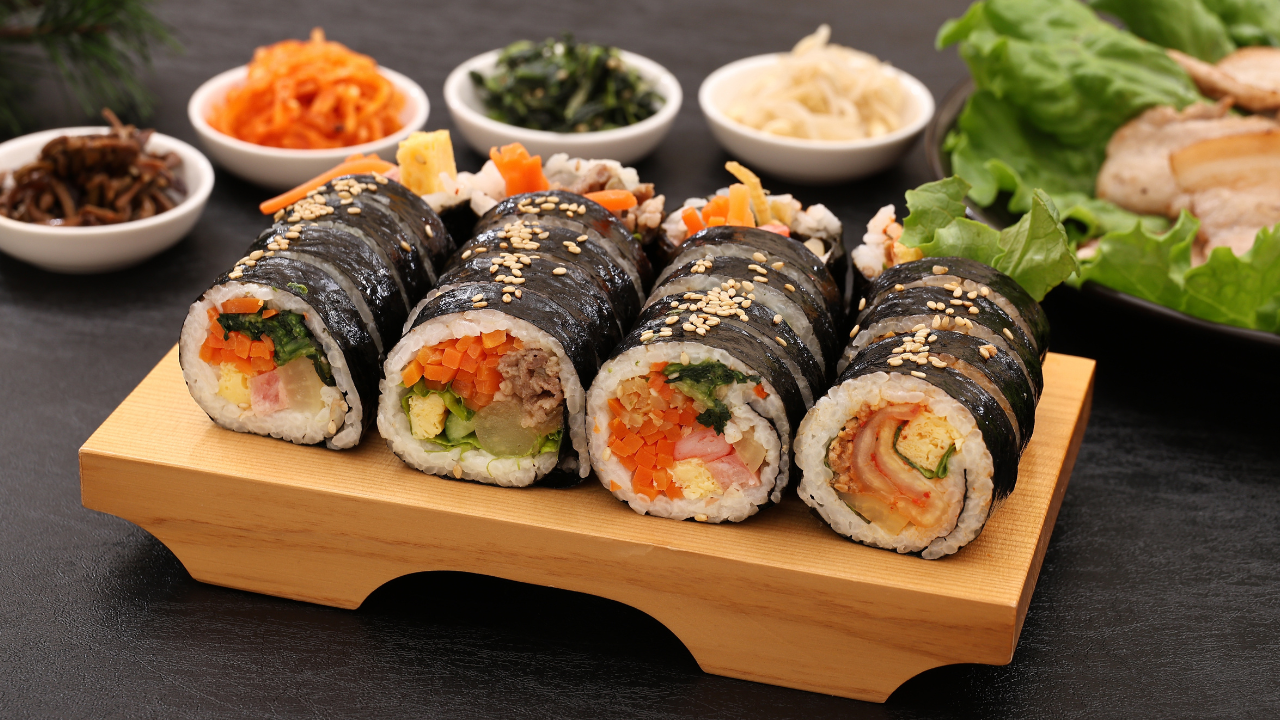
Gimbap, Korea’s take on rolled rice snacks, is made with rice and fillings such as pickled radish, spinach, egg, and bulgogi rolled in dried seaweed. It makes for a perfect on‑the‑go meal — filling, portable, and varied in flavour. Sold at convenience stores and food shops alike, gimbap is a favourite lunch item for students and commuters, and an easy choice for travellers exploring parks, markets, or ferries. Gimbap reflects the practical side of Korean cuisine without skimping on taste.

12. Mandu
© shutterstock / 4kclips

12. Mandu

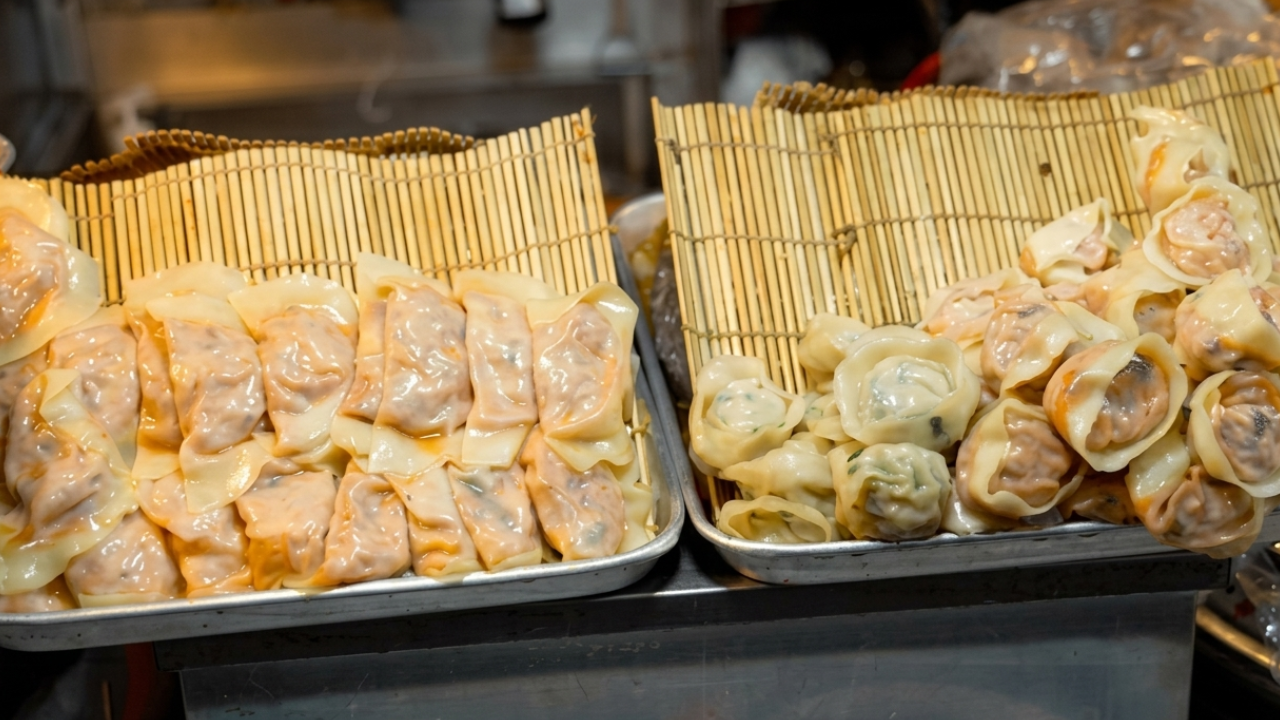
Mandu are Korean dumplings that may be steamed, pan‑fried, or added to soups. Filled with pork, beef, tofu, or vegetables, mandu offer juicy flavour and a satisfying texture in every bite. Street vendors often sell quick fried versions, while restaurants may pair them with noodle soups or rice dishes. They’re an inviting choice for travellers who enjoy snackable portions with rich fillings.

13. Bingsu
© shutterstock / S3M Limited

13. Bingsu

Bingsu is a shaved‑ice dessert that’s especially popular in summer. Often topped with sweetened red beans, fruit, condensed milk, or even ice cream, bingsu is cool, refreshing, and visually appealing. Café versions are crafted with elaborate toppings such as mango cubes, roasted soybean powder, or matcha, making it a crowd‑pleasing treat after a spicy meal. Bingsu’s texture — light and snowy — makes it especially satisfying in warm weather.

14. Hotteok
© shutterstock / hiroamano

14. Hotteok

Hotteok are sweet filled pancakes commonly found at street stalls, especially in cooler months. Dough pockets are filled with a syrupy mix of brown sugar, cinnamon, and nuts before being pressed flat and cooked until warm, sweet, and barely caramelized. The result is a warm, gooey snack that delights visitors of all ages. Hotteok reveals Korea’s knack for transforming simple ingredients into comfort bites.

15. Makgeolli and Soju
© shutterstock / Nitiphonphat

15. Makgeolli and Soju

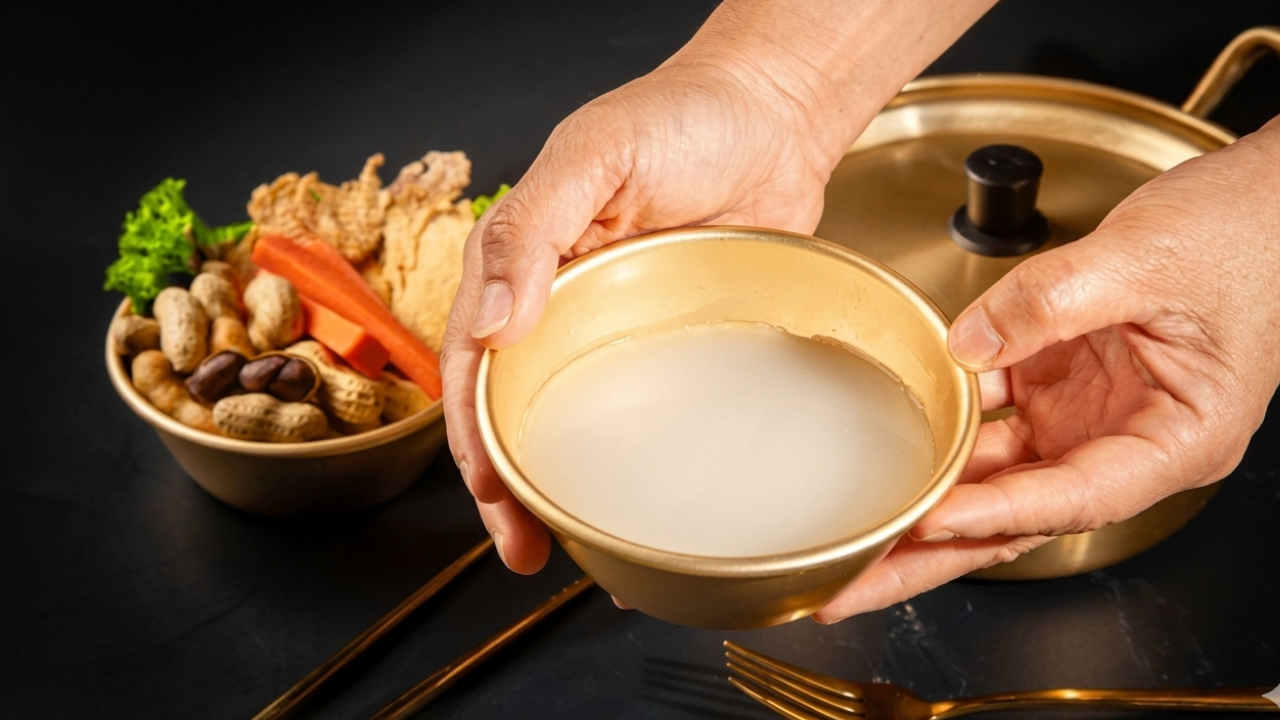
No food list in Korea is complete without its traditional drinks. Makgeolli is a milky, slightly sweet rice wine often enjoyed with savoury pancakes and stews. Lighter in alcohol than many spirits, it pairs well with communal meals. Soju, a clear spirit, is Korea’s most‑consumed alcoholic beverage and comes in a surprising range of flavours today. Drinking in Korea often involves toasting and pouring for one another, a custom that reflects respect and shared enjoyment. These drinks exemplify Korea’s social dining culture and add richness to mealtime experiences.


Comments (0)

Leave a Reply

No comments yet. Be the first to share your thoughts!