Travel United States

30 Oldest American Roadside Attractions That Have Stood the Test of Time

Adam Collins
4.2
April 10, 2026

Long before massive theme parks and digital navigation, America’s highways were defined by curiosity-driven stops designed to pull travelers off the road. Many of these roadside attractions date back to the early 1900s, especially the golden age of road trips in the 1920s through 1950s. (Kate Knows) These places were built to surprise, entertain, or simply give people a reason to stop, and decades later, many are still standing.

What makes these stops special is not just their age, but their persistence. They represent a version of travel where the journey mattered just as much as the destination. (History Collection) From giant statues to quirky museums and historic curiosities, these attractions continue to define the spirit of American road trips.
1. Lucy the Elephant – New Jersey
© Lucy the Elephant_Facebook

1. Lucy the Elephant – New Jersey

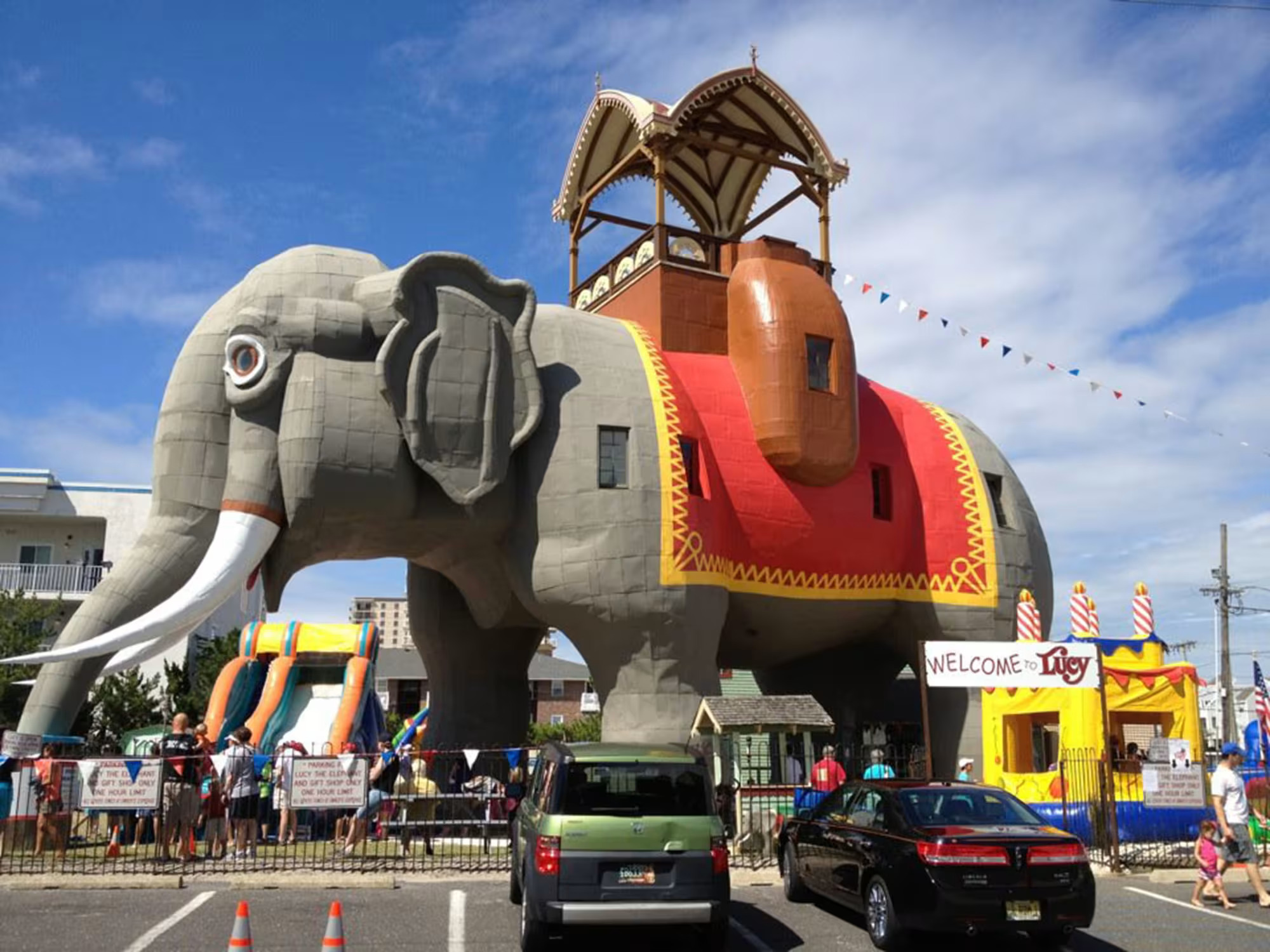
Built in 1881, Lucy the Elephant is one of the oldest surviving roadside attractions in the United States and remains a true example of early novelty architecture. Originally created as a marketing tool to attract real estate buyers, the six-story elephant structure quickly became a landmark on the Jersey Shore. Over time, it has served multiple purposes, including a hotel and tavern, before being restored and preserved. Today, visitors can walk inside, climb to the top, and view the surrounding coastline. Its survival over more than a century highlights how early roadside attractions were designed not just for attention, but for lasting impact. (HistorySnob)

2. Rock City – Georgia
© Rock City

2. Rock City – Georgia

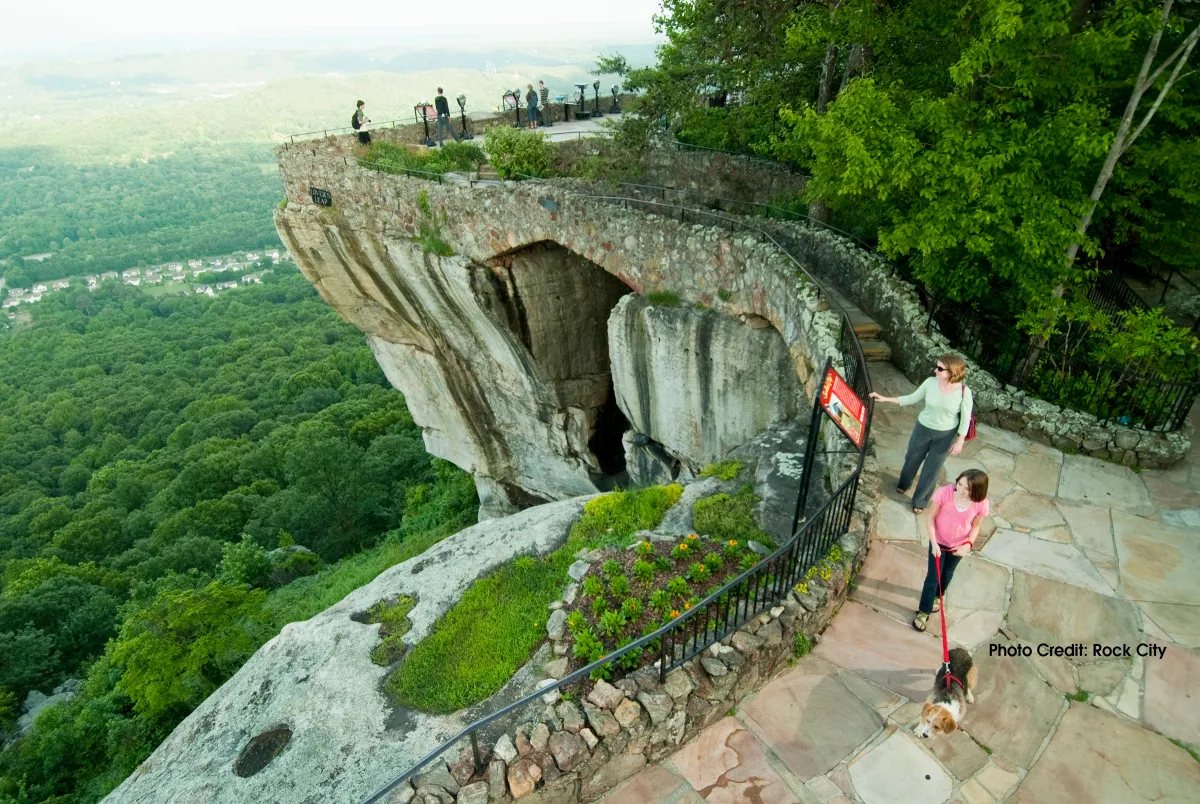
Opened to visitors in the early 1930s, Rock City became famous for its “See Seven States” viewpoint, which was heavily advertised across the country. Painted barns along highways helped make it one of the earliest widely marketed roadside attractions. The site itself features walking trails through rock formations, gardens, and scenic overlooks. Unlike many roadside stops that rely purely on novelty, Rock City blends natural landscape with creative design. Its continued popularity shows how effective early roadside advertising and scenic experiences were in drawing travelers off long highway drives. (countryadventures.net)

3. Meramec Caverns – Missouri
© Dave Mani

3. Meramec Caverns – Missouri

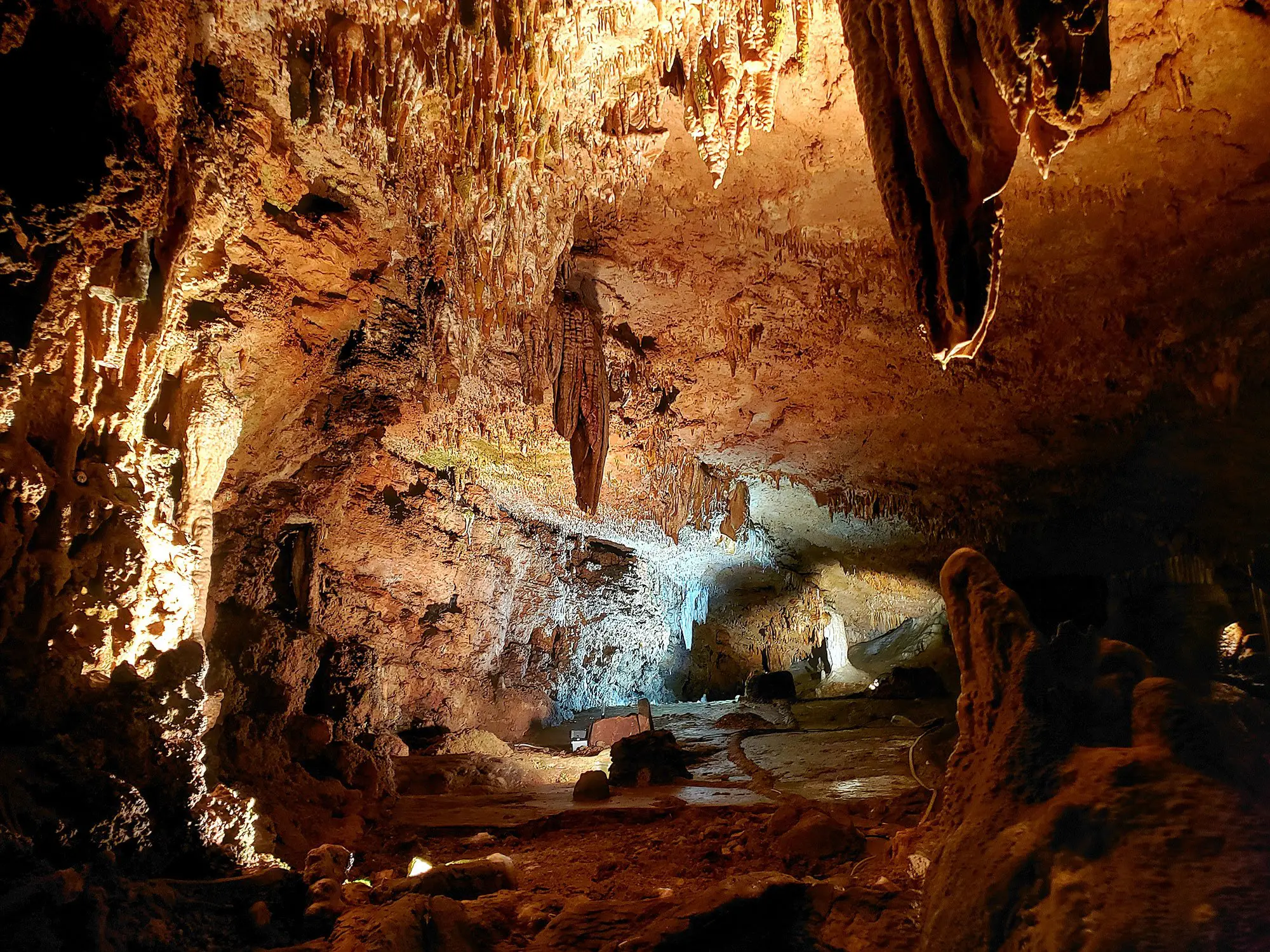
Although the caves existed for centuries, Meramec Caverns became a roadside attraction in the 1930s when organized tours began. The owner promoted it aggressively with painted signs along highways, making it one of the earliest examples of long-distance roadside advertising. Visitors were drawn not only by the cave formations but also by stories linking the caverns to outlaw Jesse James. This mix of natural wonder and storytelling helped establish its lasting appeal. Today, guided tours still run, making it one of the longest-operating attractions of its kind. (countryadventures.net)

4. Wall Drug – South Dakota
© Pierre Jean Durieu_Dreamstime

4. Wall Drug – South Dakota

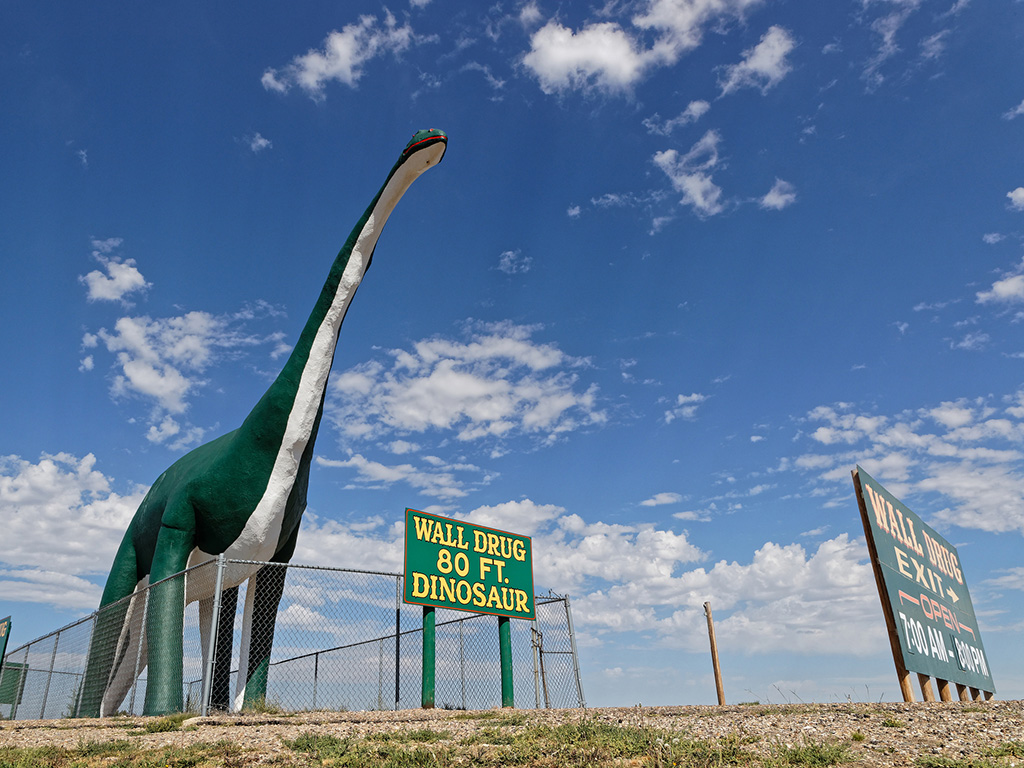
Wall Drug began as a small pharmacy in 1931 but became a national roadside attraction through clever marketing. Offering free ice water to passing travelers proved to be a simple but effective idea that turned a struggling business into a major destination. Over time, it expanded into a massive complex with shops, restaurants, and themed displays. Its billboards, which appear hundreds of miles away, are now part of American road trip culture. Wall Drug remains a classic example of how roadside attractions were built on creativity and persistence rather than location alone. (countryadventures.net)

5. The Wigwam Motels – Arizona & California
© Fotoluminate_Dreasmtime

5. The Wigwam Motels – Arizona & California

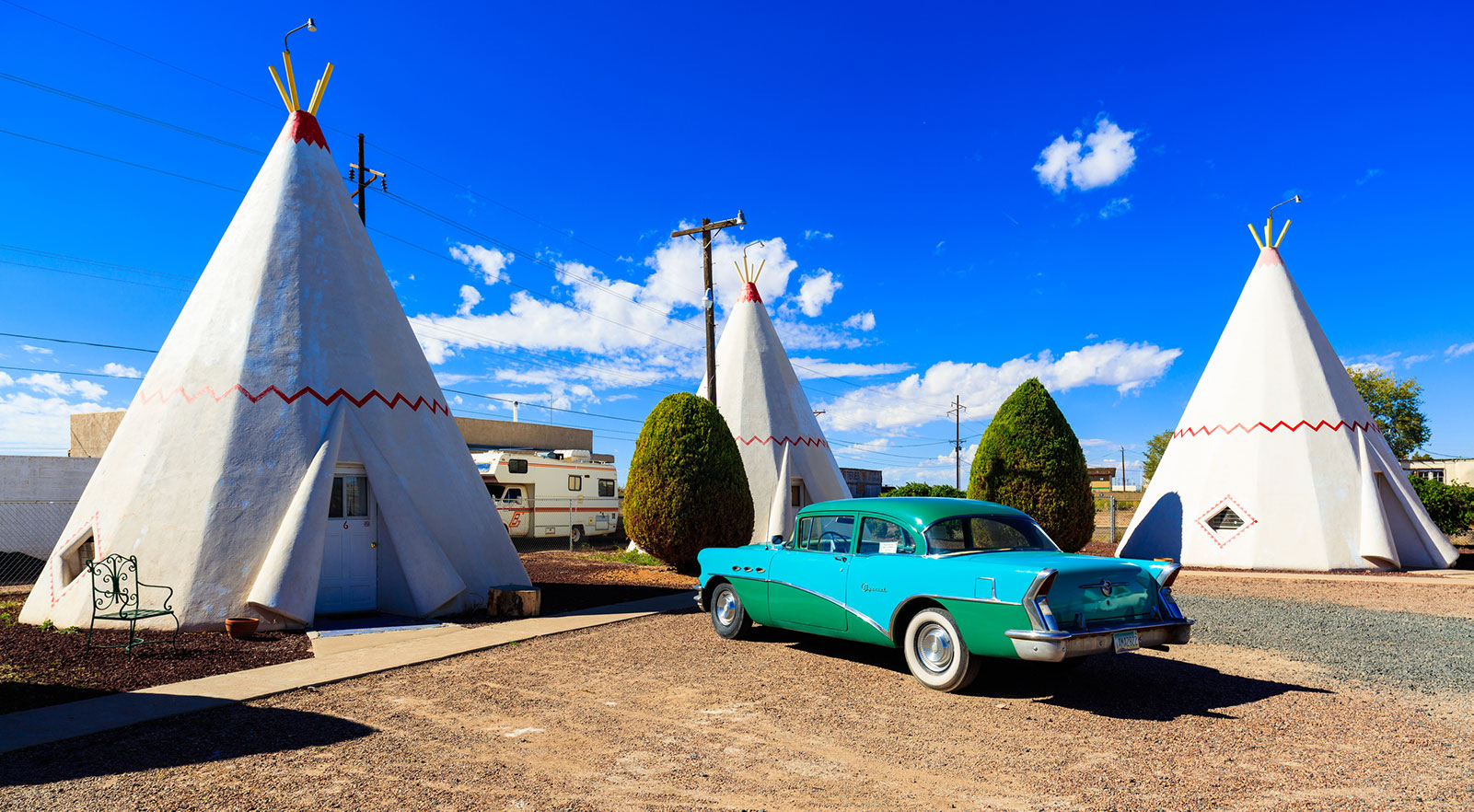
Dating back to the 1930s and 1940s, the Wigwam Motels are among the most recognizable examples of themed roadside lodging. Designed to resemble Native American-style teepees, these structures offered travelers both accommodation and novelty. Built during the height of Route 66 travel, they reflect an era when motels competed through unique design rather than standardization. Today, a few original Wigwam Villages still operate, allowing guests to stay overnight in a preserved piece of roadside history. (countryadventures.net)

6. The Mystery Spot – California
© mysteryspot

6. The Mystery Spot – California

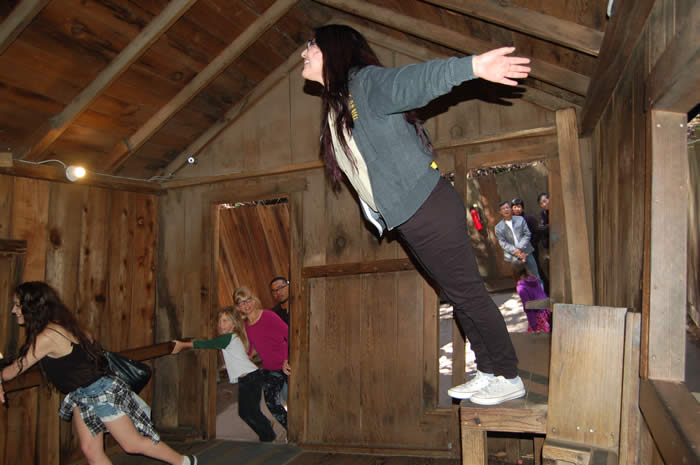
Discovered in the late 1930s and opened to visitors in 1940, the Mystery Spot quickly became one of the most famous “gravity-defying” roadside attractions. Visitors experience optical illusions where objects appear to roll uphill and people seem to lean at impossible angles. While the effect is explained by tilted structures and perspective tricks, the experience still fascinates guests decades later. Its longevity shows how mystery and curiosity were powerful tools in early roadside tourism. (countryadventures.net)

7. Casa de Fruta – California
© nicoleelysetravel

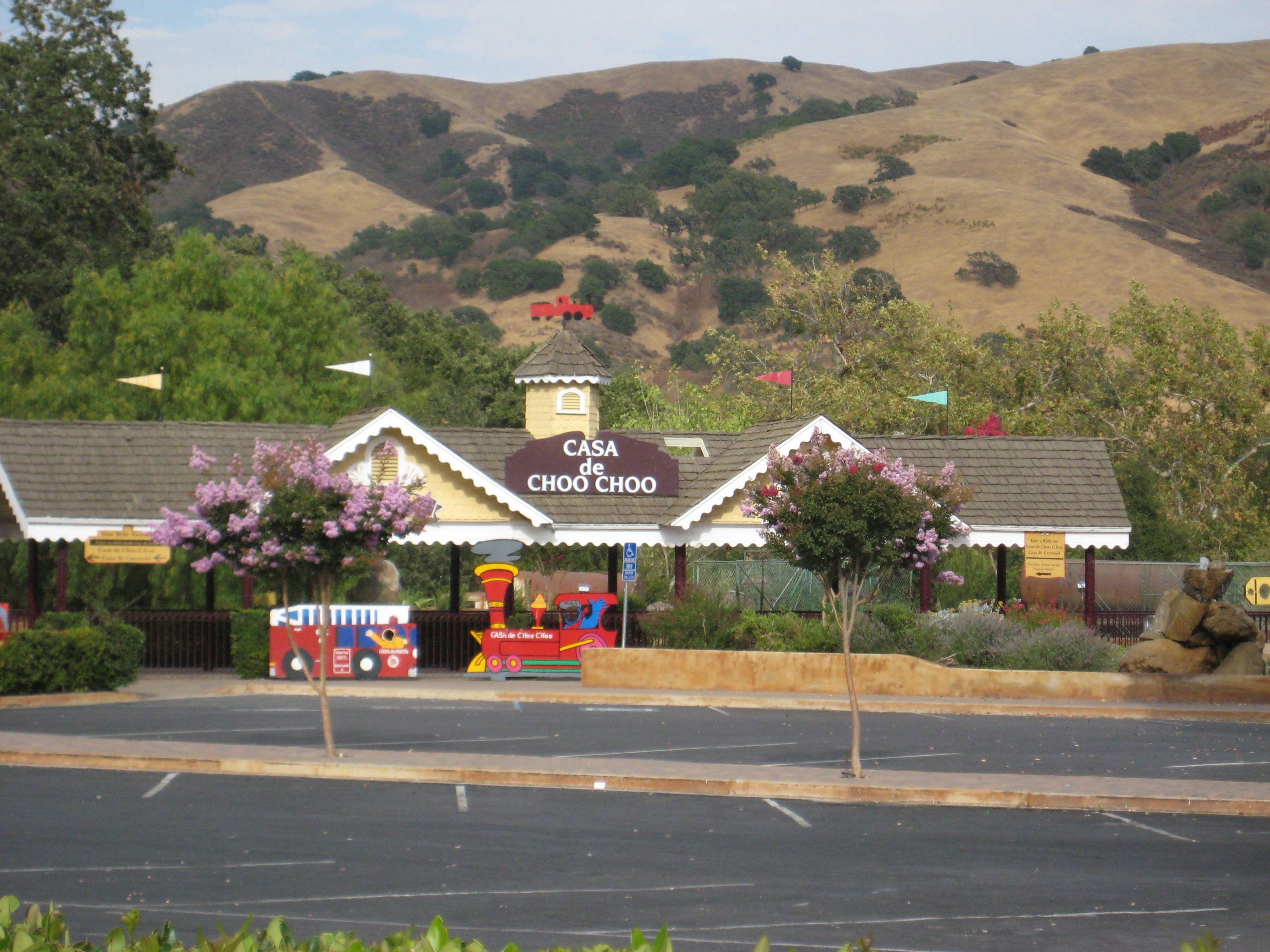
7. Casa de Fruta – California

Originally a small fruit stand established in 1908, Casa de Fruta evolved into a full roadside complex serving travelers crossing California. Over time, it expanded to include a market, restaurant, wine shop, and even small attractions like a carousel and train ride. Its growth reflects how roadside businesses adapted to increasing car travel by offering more than just a quick stop. Today, it remains family-owned and continues to serve as both a rest stop and destination. (countryadventures.net)

8. Paul Bunyan and Babe the Blue Ox – Minnesota
© Visit Bemidji_Today

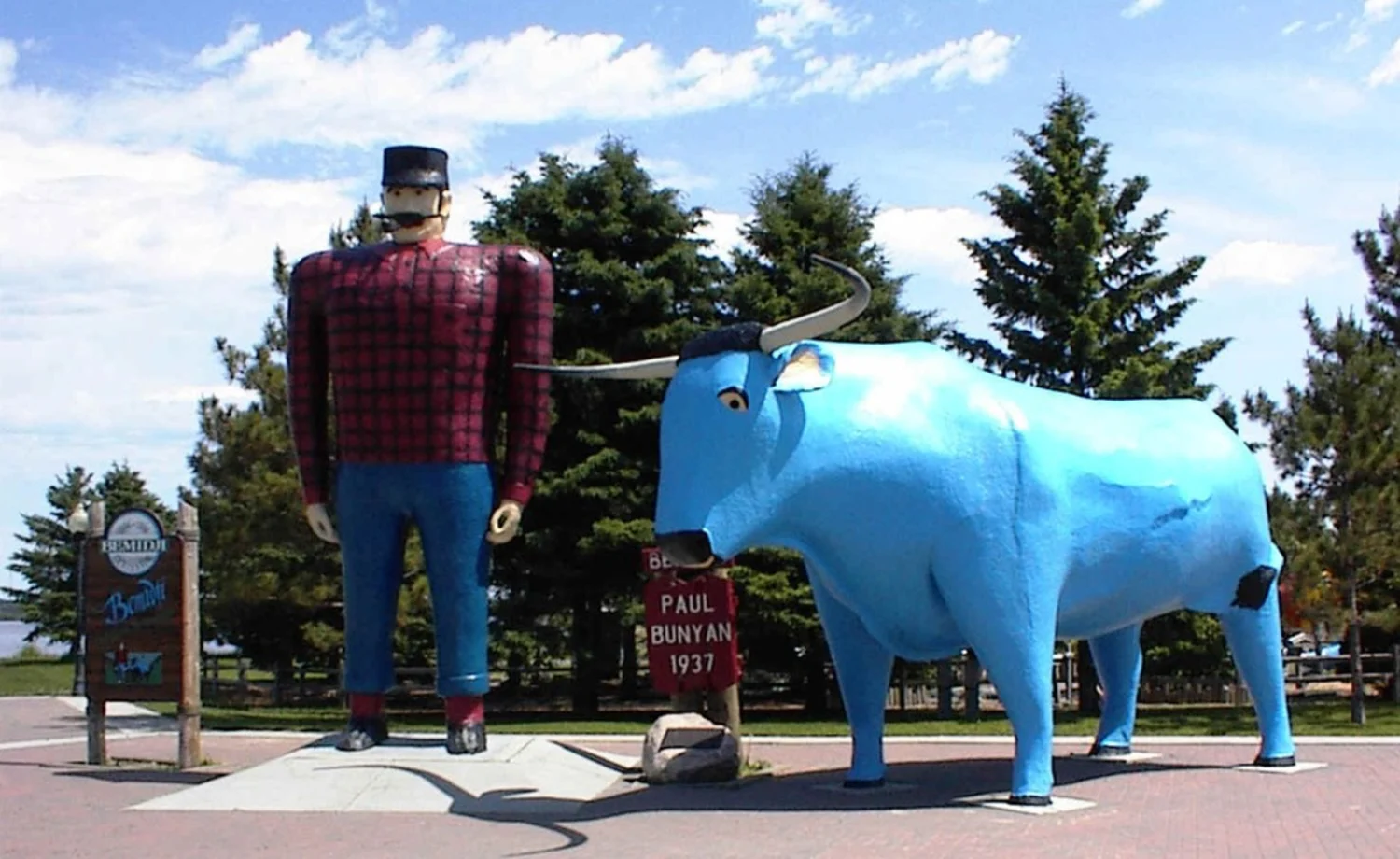
8. Paul Bunyan and Babe the Blue Ox – Minnesota

This towering statue of the legendary lumberjack and his blue ox dates back to the mid-20th century and became a defining roadside icon. Built to celebrate local folklore and attract travelers, it stands as one of the earliest large-scale roadside sculptures. Visitors often stop for photos, making it a symbol of the exaggerated, larger-than-life style that defines many classic roadside attractions. Its continued popularity shows how folklore and visual spectacle worked together to capture attention. (Endless Travel Joy)

9. South of the Border – South Carolina
© theassemblync

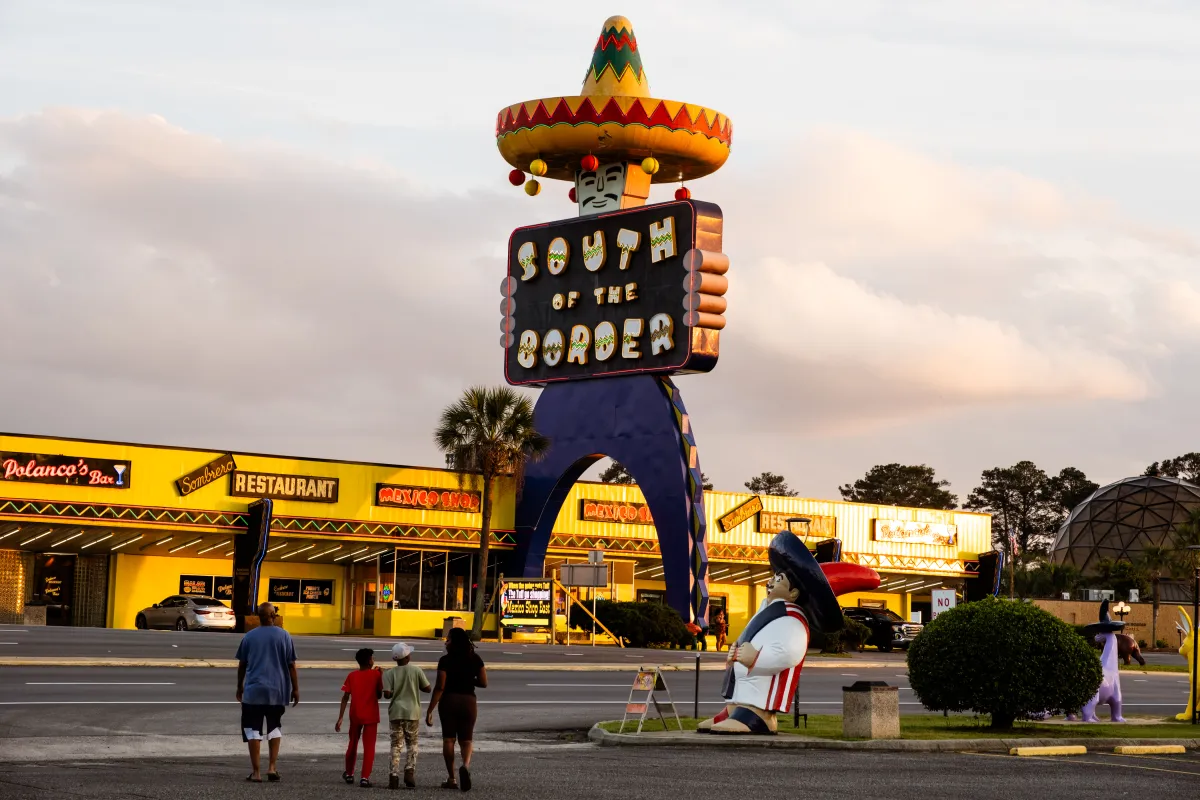
9. South of the Border – South Carolina

Opened in 1950, South of the Border began as a simple roadside stop but quickly expanded into a colorful complex of restaurants, shops, and attractions. Its location just across a state line made it a strategic stop for travelers, and its bold signage helped build recognition. Over time, it developed into a full roadside destination known for its quirky architecture and large observation tower. It remains a well-known example of mid-century roadside marketing. (countryadventures.net)

10. Cabazon Dinosaurs – California
© exploratography

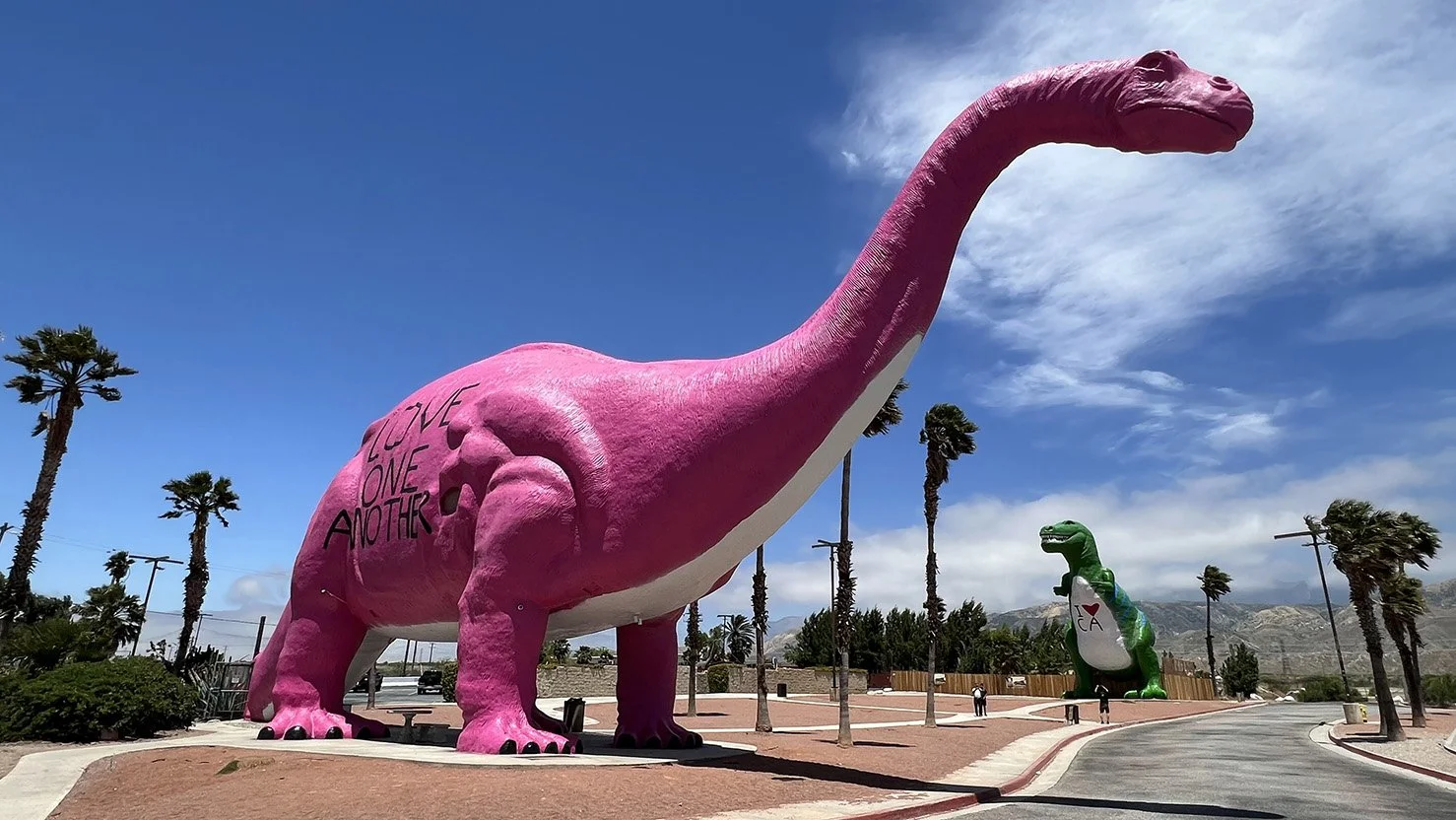
10. Cabazon Dinosaurs – California

Constructed starting in the 1960s, these massive concrete dinosaur sculptures were originally built to attract visitors to a nearby restaurant. Their scale and visibility made them an instant roadside landmark. Over time, they became part of pop culture and remain a popular stop for travelers along Interstate 10. Visitors can even explore inside one of the dinosaurs, adding an interactive element to the experience. (countryadventures.net)

11. House on the Rock – Wisconsin
© wikipedia

11. House on the Rock – Wisconsin

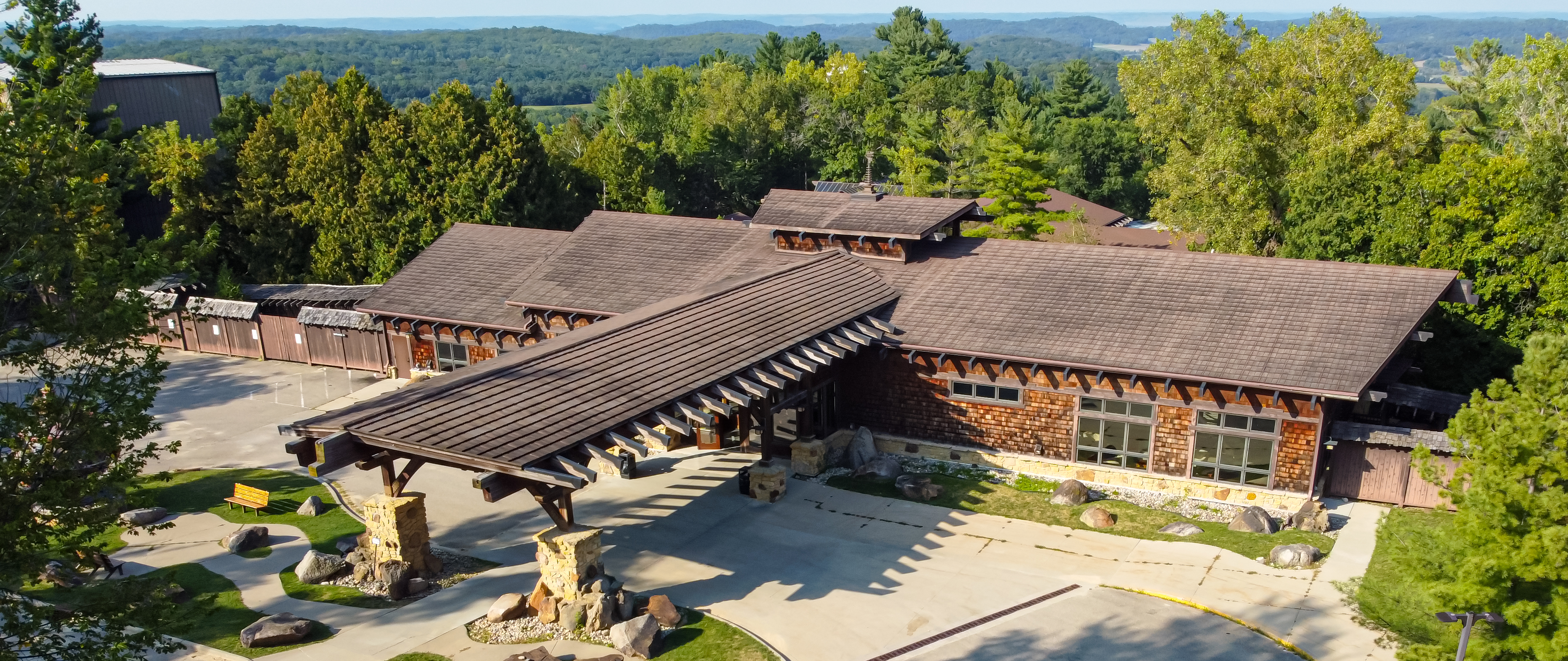
Opened in the 1940s, House on the Rock is known for its unusual architecture and extensive collections. Built atop a rock formation, it combines scenic views with a maze-like interior filled with displays ranging from antiques to mechanical exhibits. Its design reflects a time when roadside attractions aimed to create immersive environments rather than simple stops.

12. Carhenge – Nebraska
© roadtrippers

12. Carhenge – Nebraska

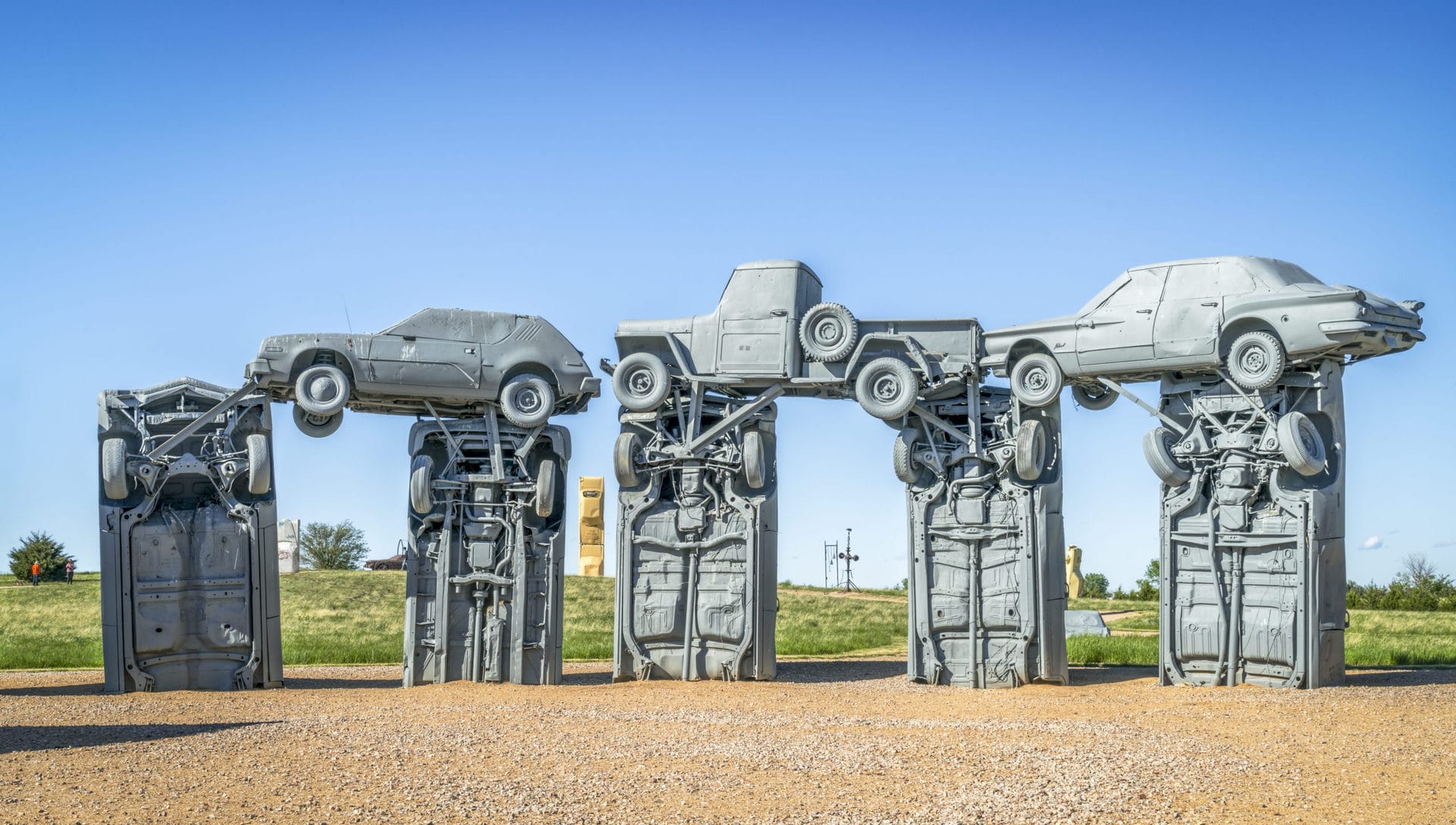
Inspired by England’s Stonehenge, Carhenge was created using vintage cars arranged in a similar formation. Built in the late 20th century but rooted in earlier roadside traditions, it reflects the ongoing evolution of roadside art. Visitors are drawn by its unusual concept and open setting, which makes it a memorable stop along otherwise quiet roads.

13. Cadillac Ranch – Texas
© Michael S. Williamson_Getty Images

13. Cadillac Ranch – Texas

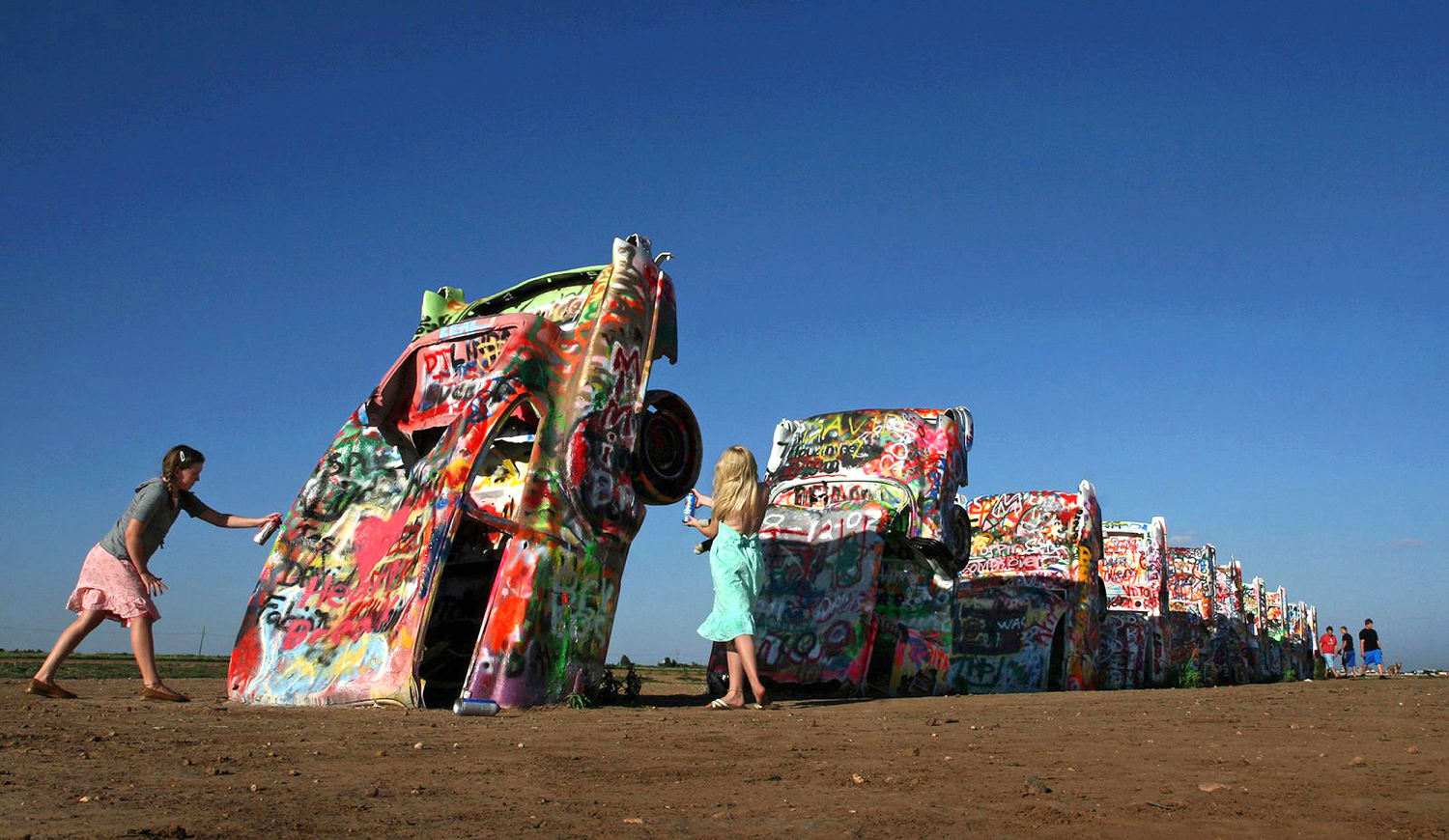
Installed in 1974, Cadillac Ranch features a row of classic cars buried nose-first in the ground. It represents a shift from traditional roadside attractions to interactive public art. Visitors are encouraged to spray-paint the cars, creating an ever-changing display. Its location along historic Route 66 adds to its cultural significance. (countryadventures.net)

14. World’s Largest Ball of Twine – Kansas
© atlasobscura

14. World’s Largest Ball of Twine – Kansas

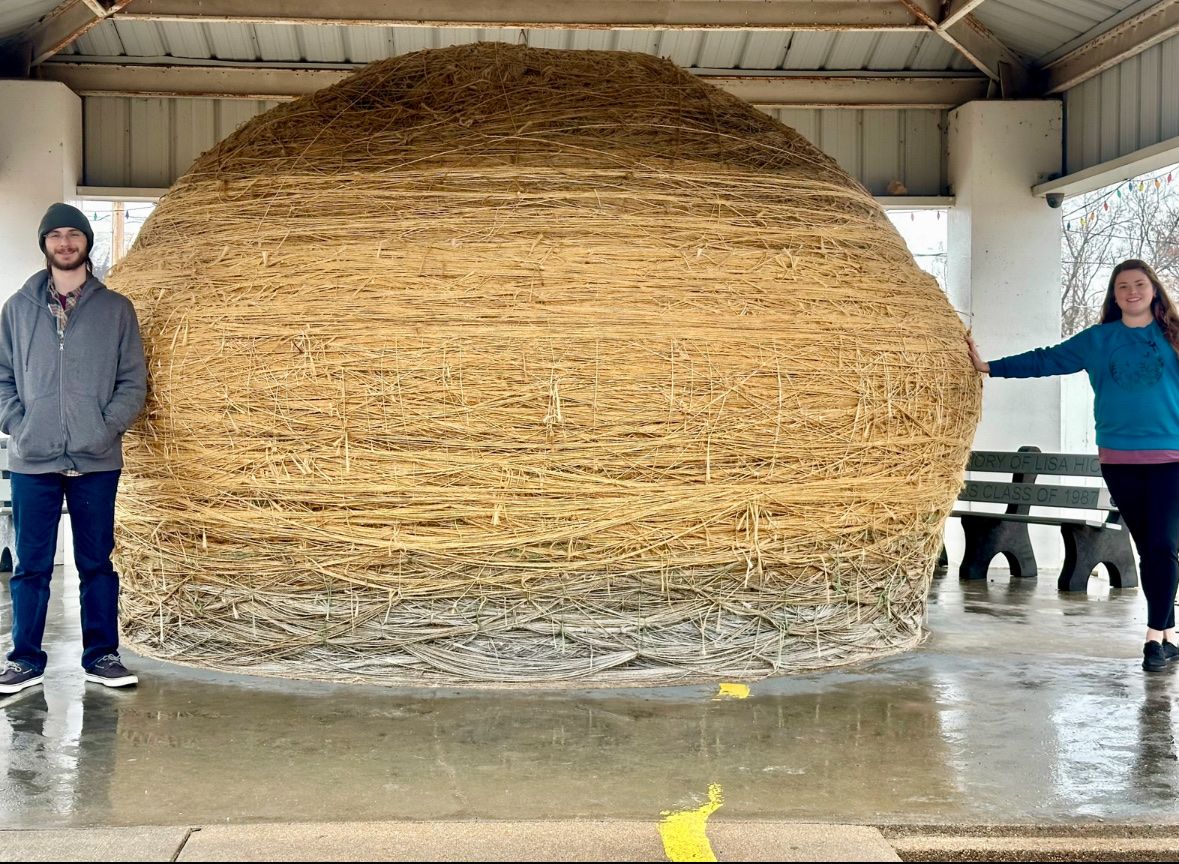
Started in 1953, this attraction began as a personal project and later became a community effort. The ball has grown over time as visitors contribute to it, turning it into a collaborative roadside landmark. It represents the quirky and often humorous nature of classic roadside attractions. (countryadventures.net)

15. Corn Palace – South Dakota
© visitmitchell

15. Corn Palace – South Dakota

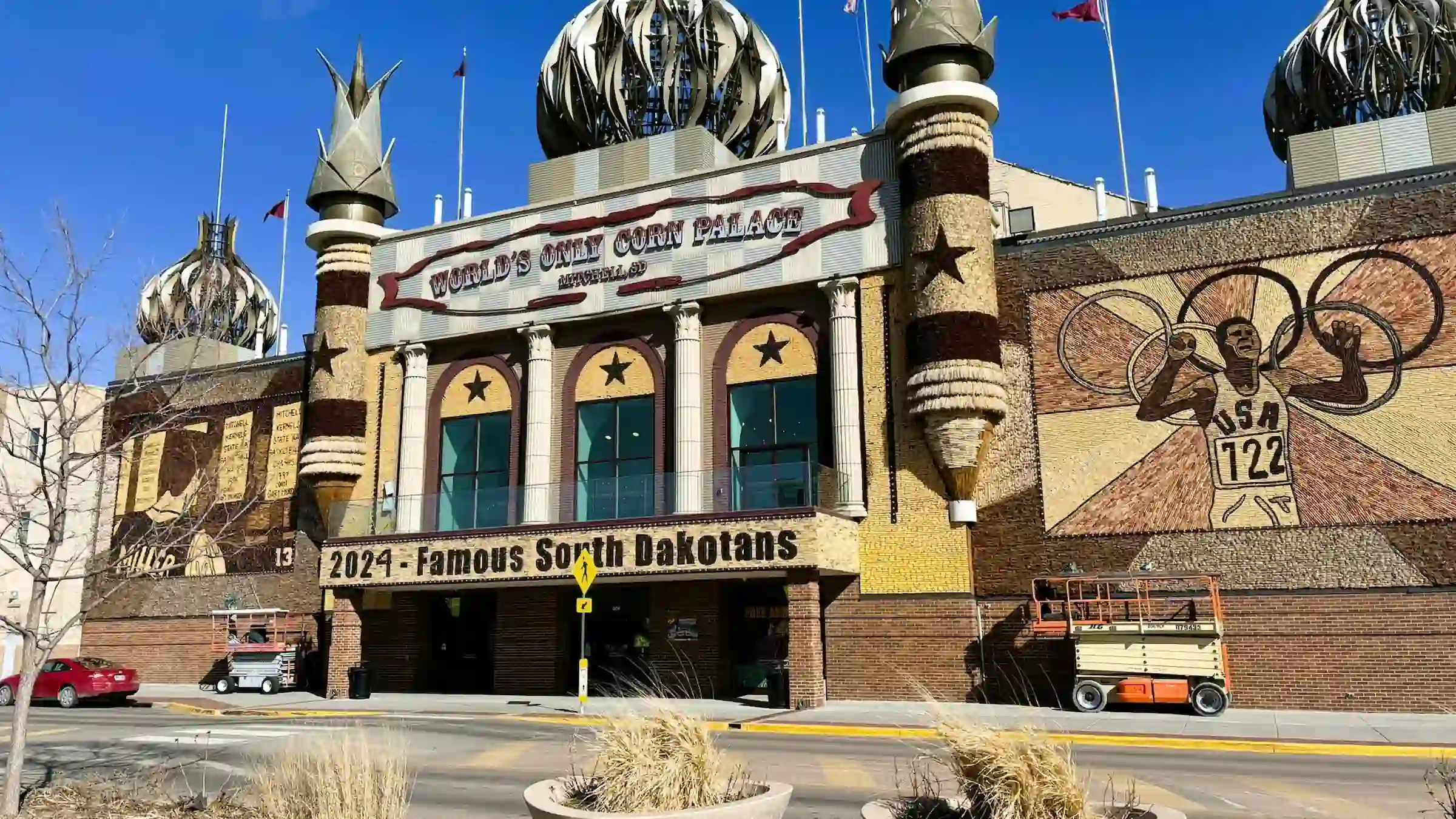
The Corn Palace dates back to the late 1800s and is one of the oldest continuously operating roadside attractions. Covered in murals made from corn and other grains, it celebrates the region’s agricultural heritage. Its design changes regularly, keeping it relevant while preserving its historic identity.

16. The Thing – Arizona
© Management-TripAdvisor

16. The Thing – Arizona

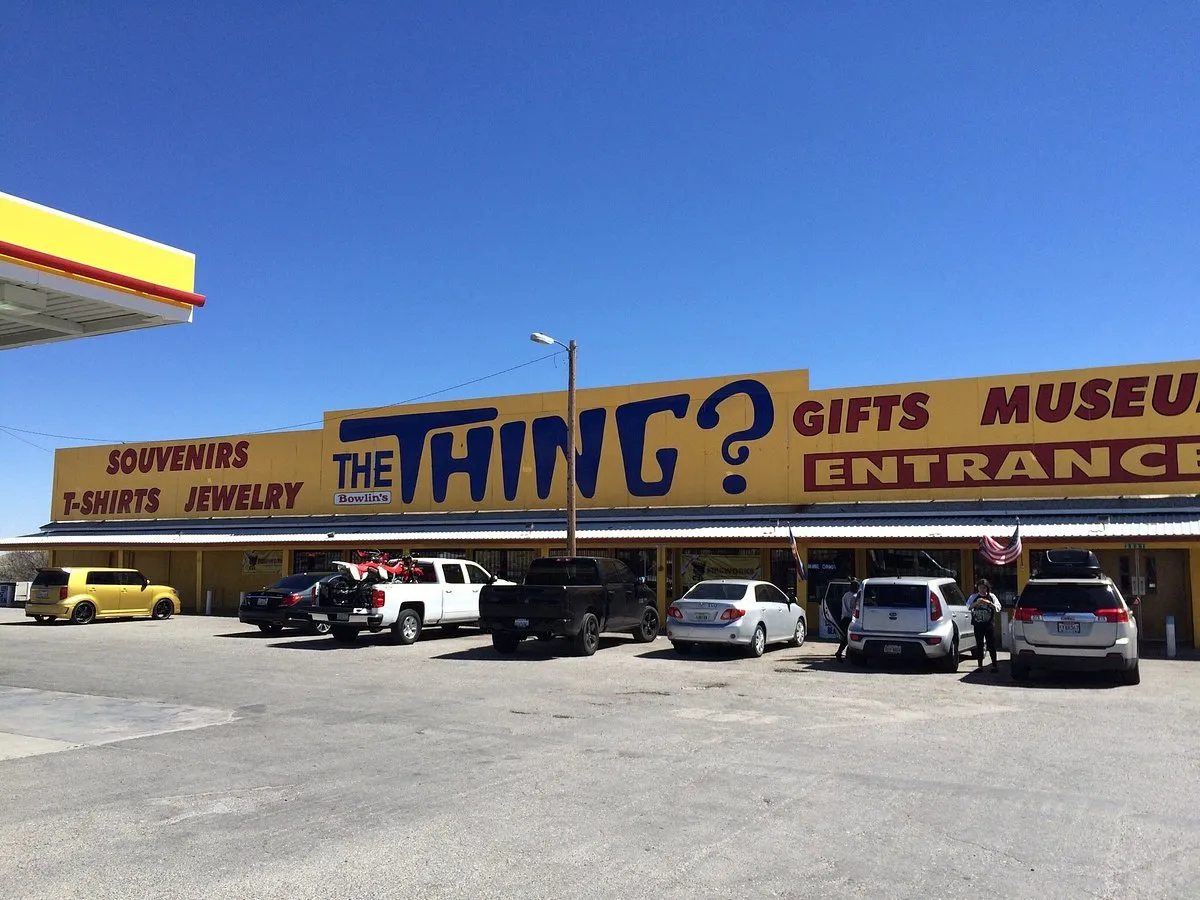
Located along Interstate 10, “The Thing” is a mysterious attraction that has drawn travelers for decades with minimal explanation. Its appeal lies in curiosity rather than clear advertising, making it one of the more unusual roadside stops.

17. Oregon Vortex – Oregon
© Shutterbug Fotos

17. Oregon Vortex – Oregon

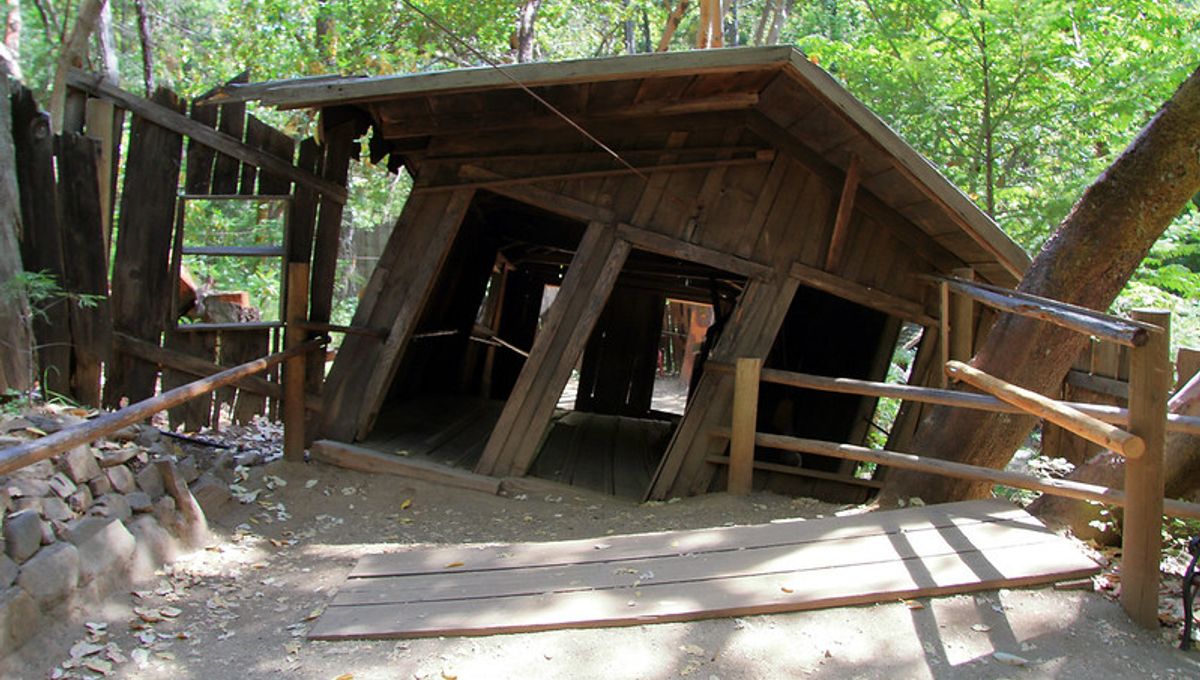
Opened in the early 20th century, the Oregon Vortex is another gravity-based attraction similar to the Mystery Spot. Visitors experience strange visual effects and tilted structures that create the illusion of altered physics.

18. Enchanted Highway – North Dakota
© wikipedia

18. Enchanted Highway – North Dakota

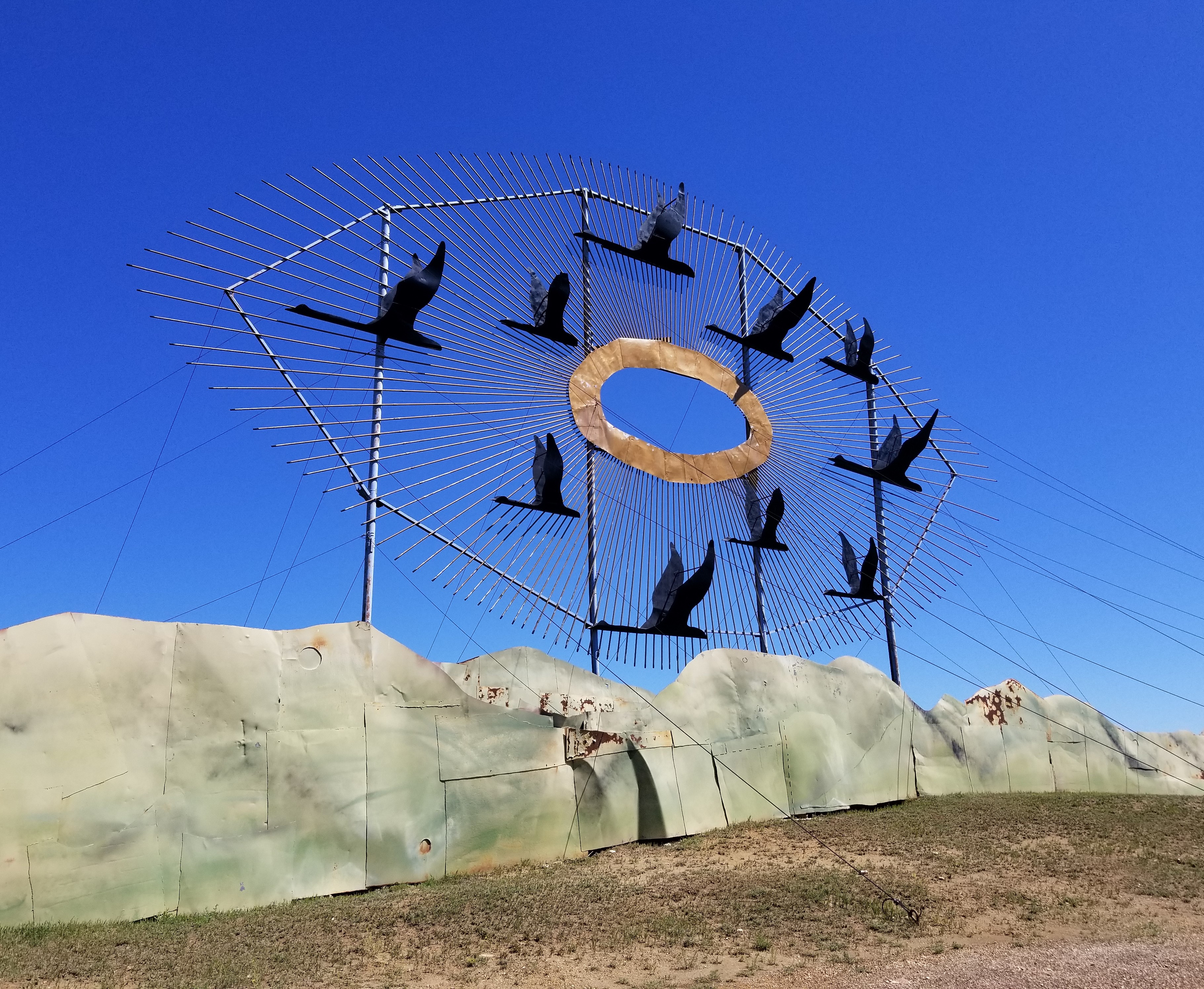
This collection of large metal sculptures stretches along a rural highway, turning an ordinary drive into an artistic experience. While newer than some attractions, it reflects the same roadside spirit of creativity and surprise.

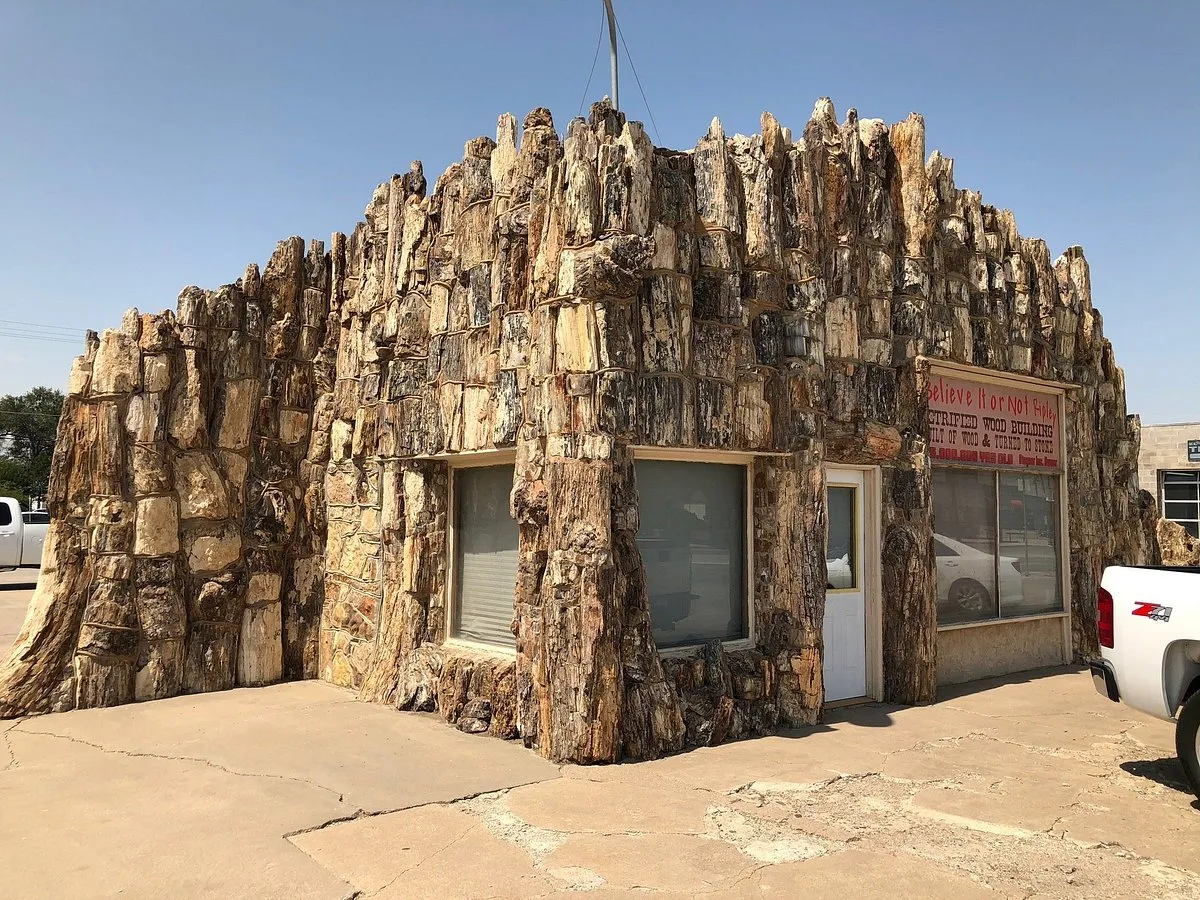
19. Petrified Wood Gas Station – Texas
© TripAdvisor_Don224

19. Petrified Wood Gas Station – Texas

Built in the early 1900s, this structure looks like it is made entirely from petrified wood. It represents an early attempt to combine architecture and attraction to draw travelers.

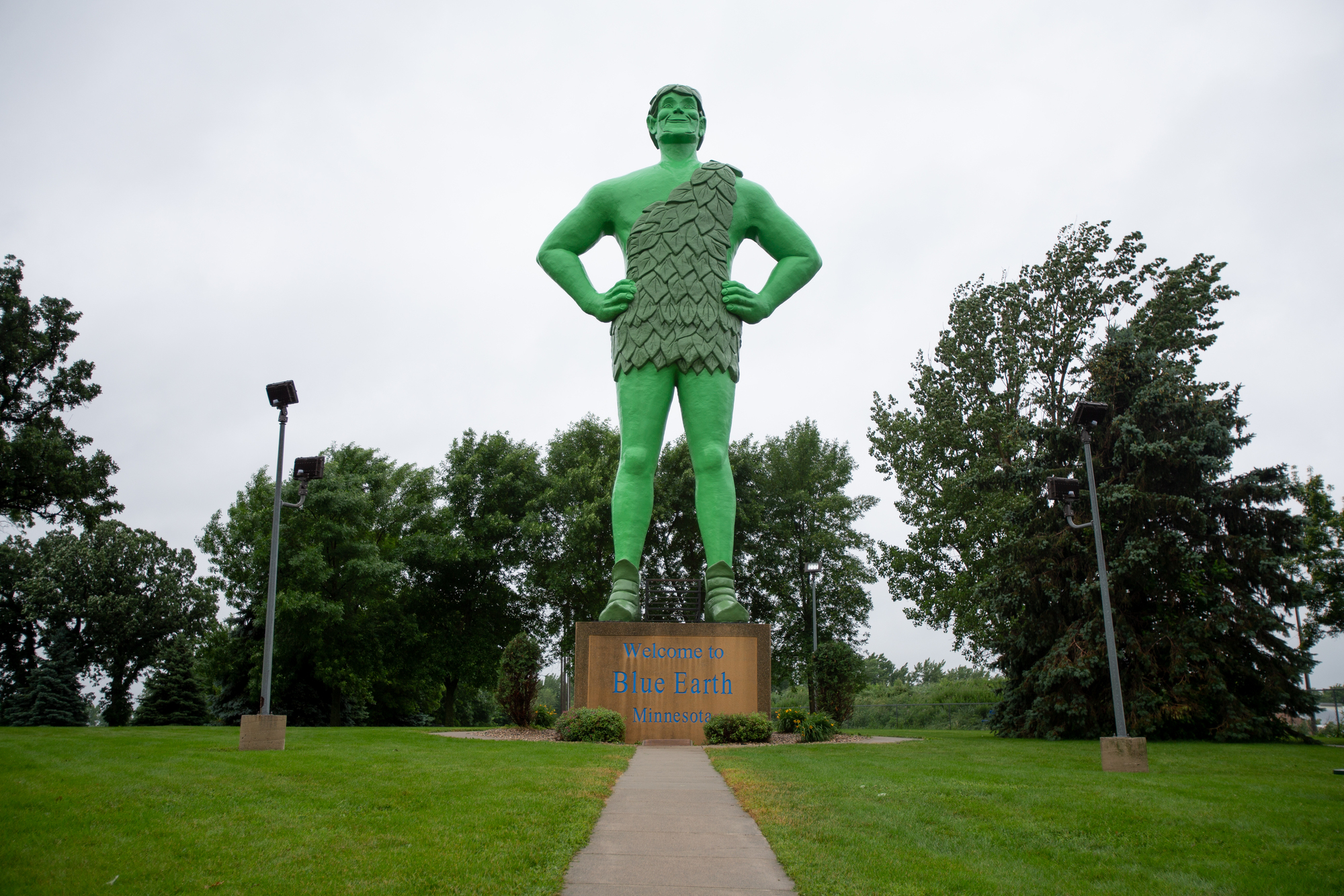
20. Jolly Green Giant Statue – Minnesota
© By Eric Dregni_Star Tribune

20. Jolly Green Giant Statue – Minnesota

Standing tall along a highway, this statue represents one of the earliest uses of branding as a roadside attraction. It combines advertising with visual spectacle.

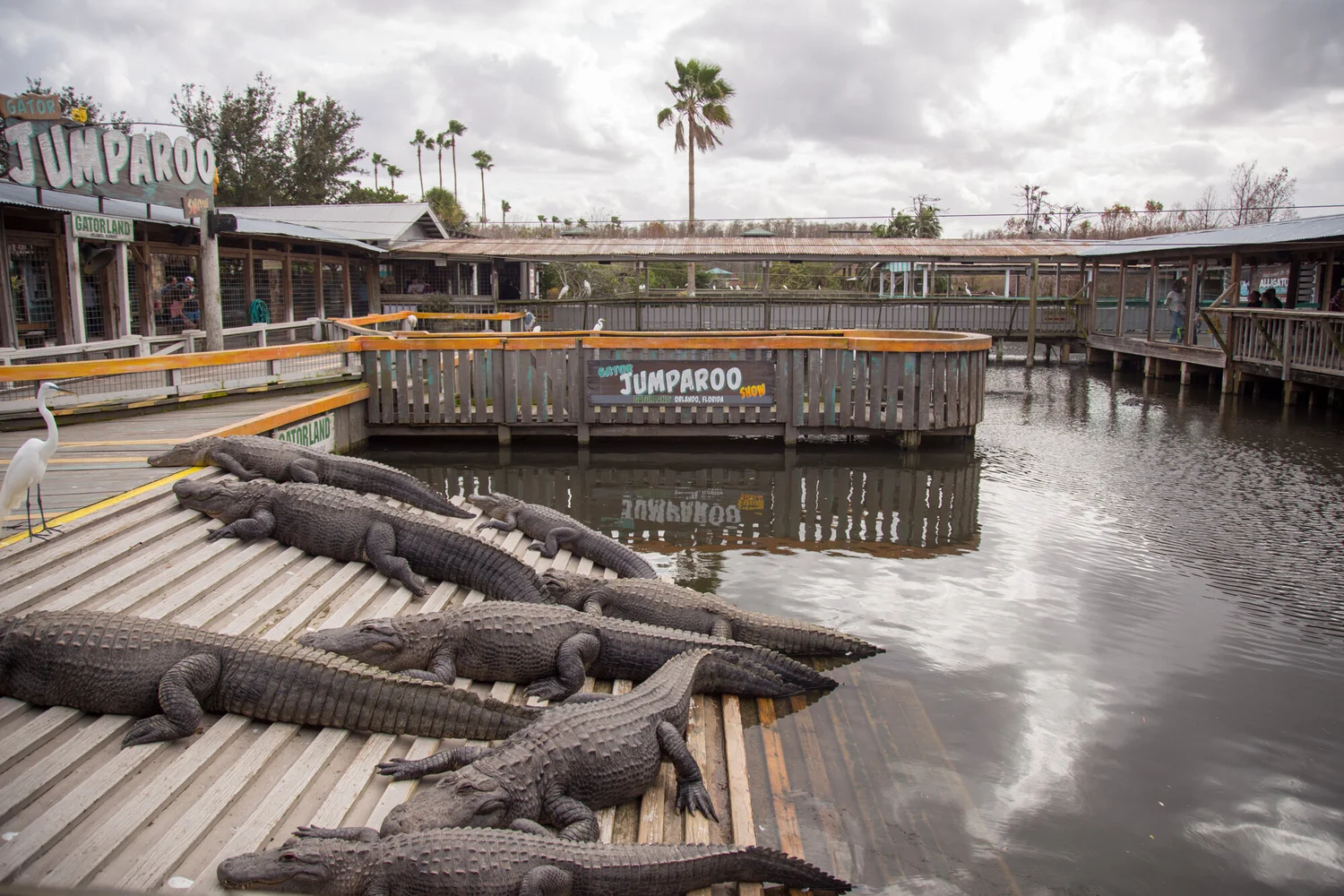
21. Gatorland – Florida
© jasondanielshaw

21. Gatorland – Florida

Opened in 1949, Gatorland began as a wildlife attraction focused on Florida’s alligator population. It remains one of the oldest continuously operating roadside animal attractions in the country.

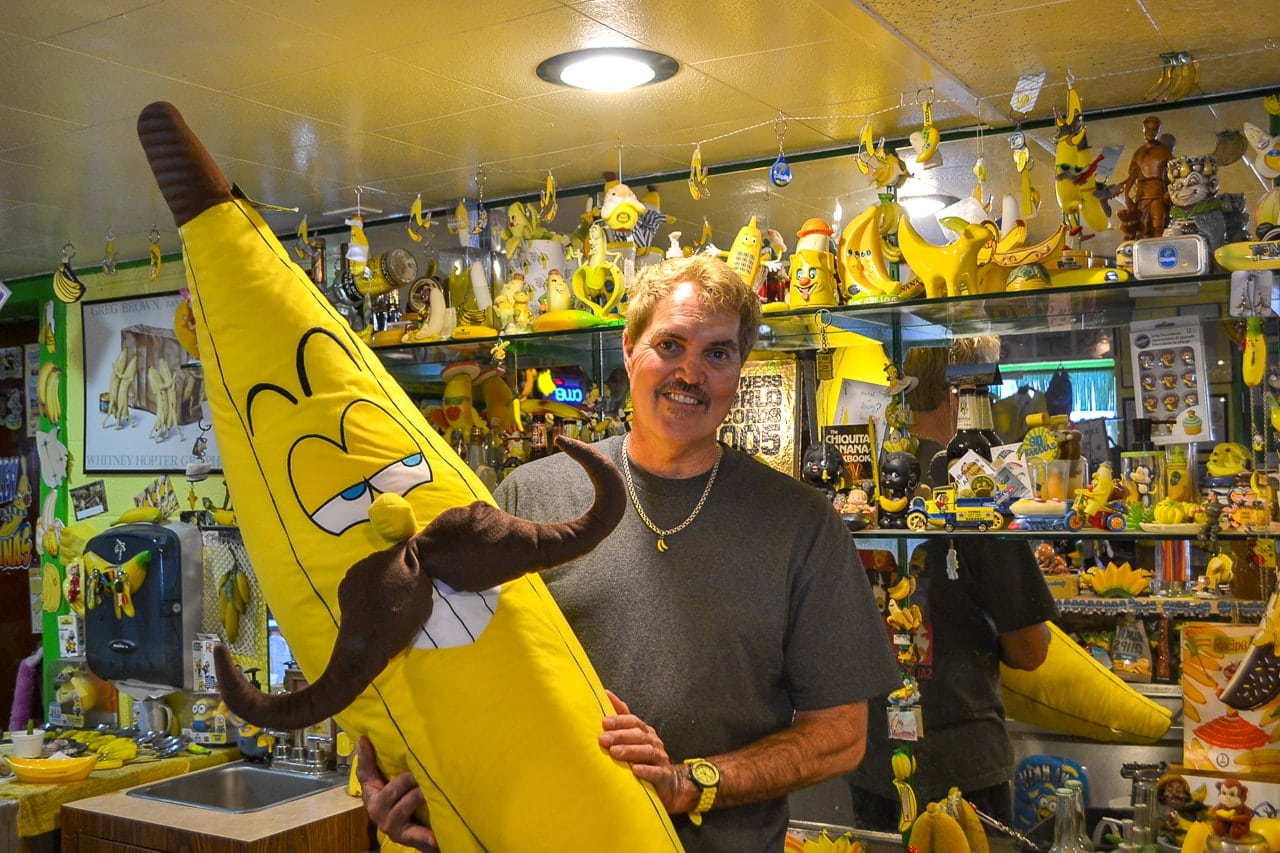
22. International Banana Museum – California
© roadtrippers

22. International Banana Museum – California

This quirky museum celebrates everything related to bananas, from souvenirs to themed displays. It reflects the playful and unexpected nature of roadside attractions.

23. Dog Bark Park Inn – Idaho
© Graystock

23. Dog Bark Park Inn – Idaho

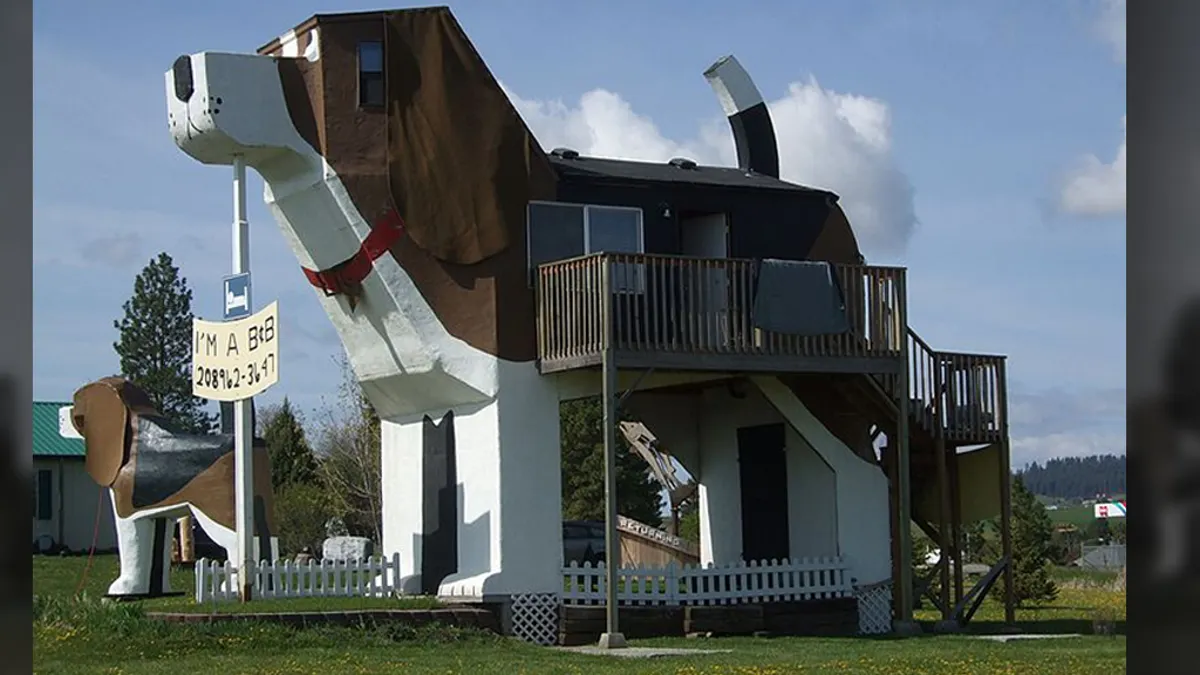
Designed to look like a giant dog, this structure functions as both a hotel and attraction. It continues the tradition of novelty architecture used to draw attention.

24. World’s Largest Catsup Bottle – Illinois
© MarkAhlvers2 - CC BY-ND

24. World’s Largest Catsup Bottle – Illinois

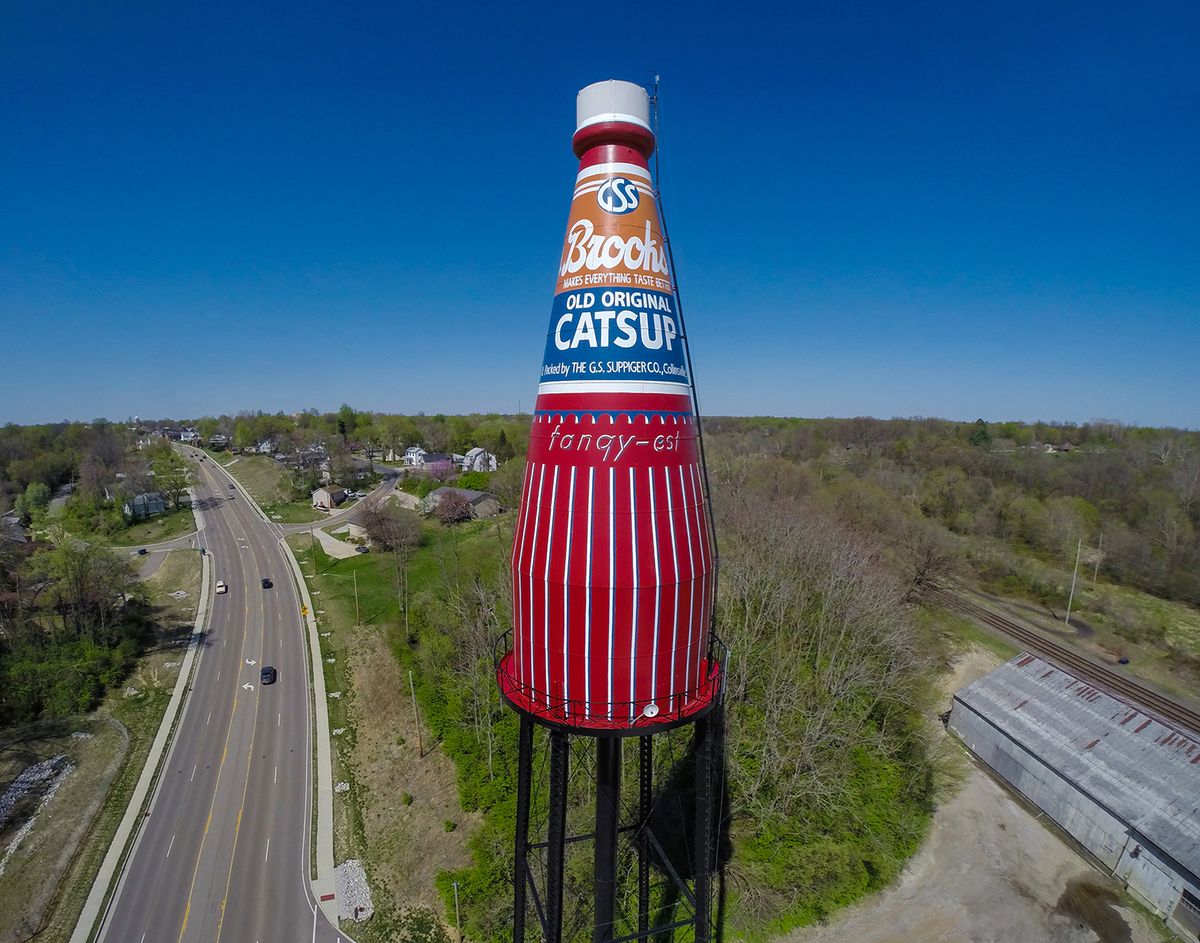
Built in the 1940s, this water tower was designed to resemble a ketchup bottle. It stands as one of the earliest examples of industrial structures doubling as roadside attractions.

25. Randy’s Donuts – California
© Kevork Djansezian_Getty Images

25. Randy’s Donuts – California

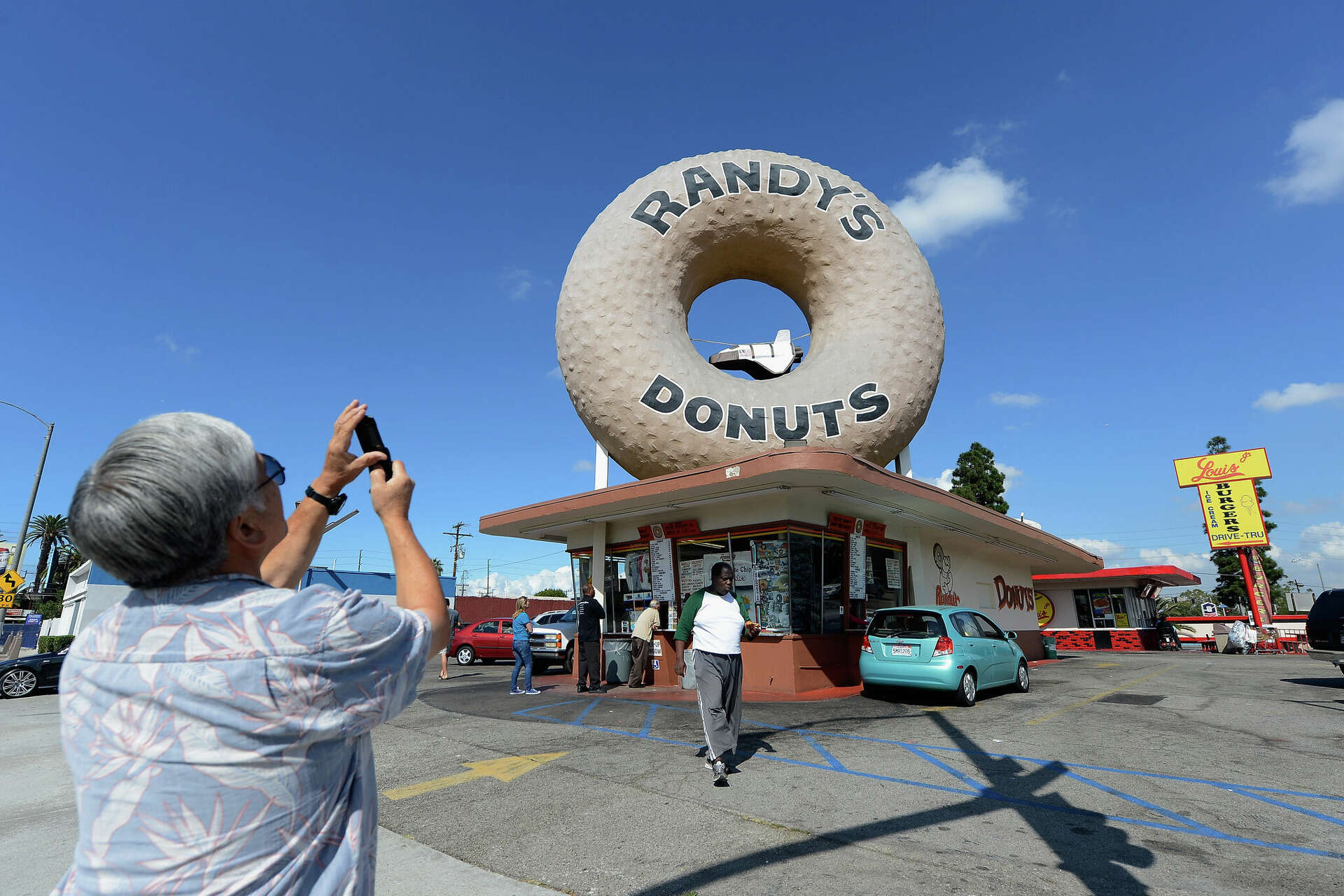
Opened in the 1950s, this shop features a giant donut on its roof, making it instantly recognizable. It reflects how businesses used oversized objects to attract drivers.

26. Salvation Mountain – California
© travelpast50

26. Salvation Mountain – California

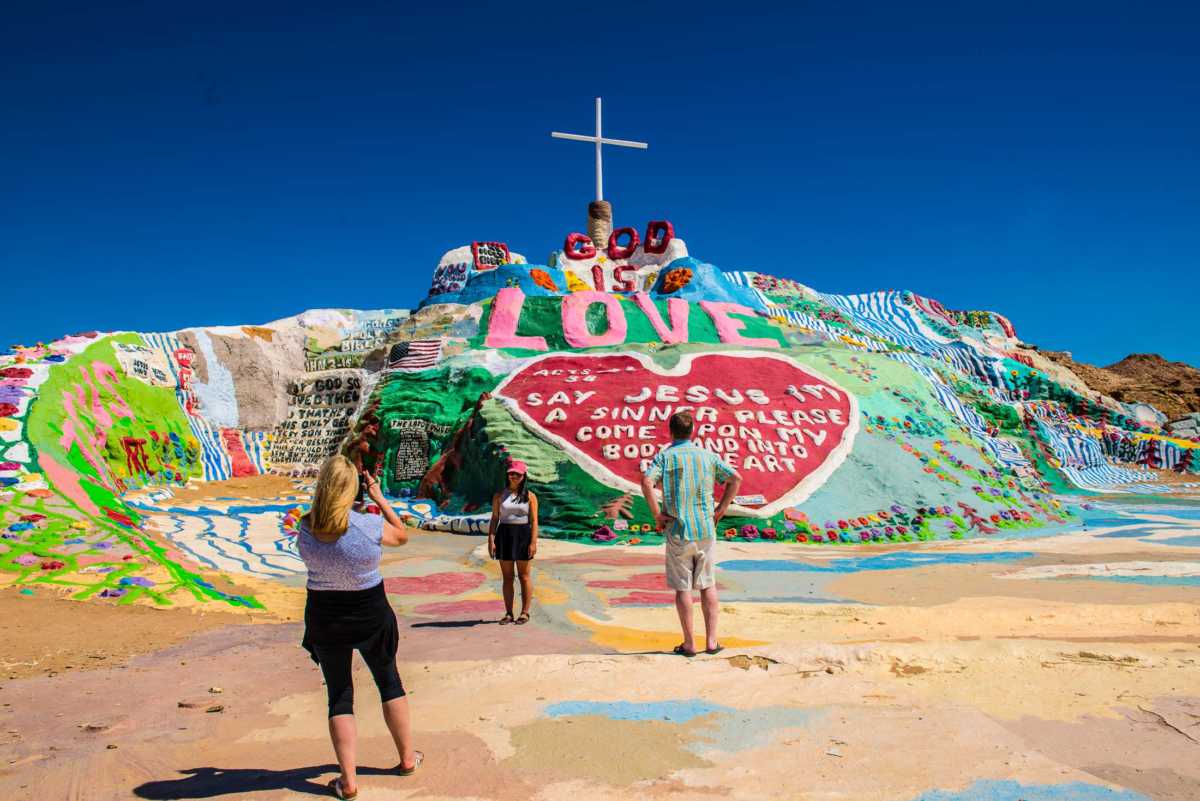
Created over decades by a single artist, this colorful desert structure has become a unique roadside landmark. It represents a more personal, artistic side of roadside attractions.

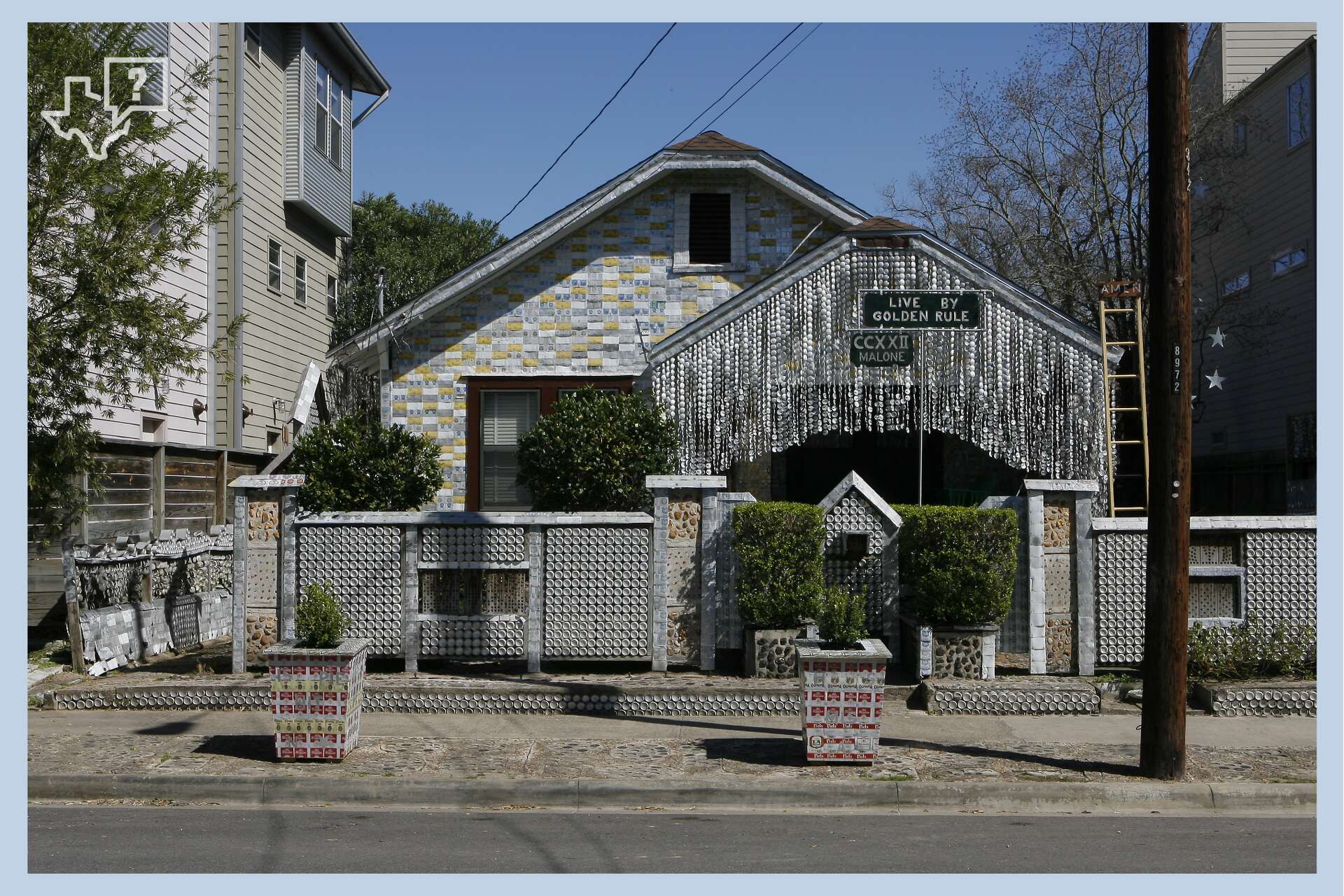
27. The Beer Can House – Texas
© James Nielsen_Houston Chronicle

27. The Beer Can House – Texas

Covered in thousands of beer cans, this house is a creative example of folk art turned roadside attraction. It highlights individual creativity rather than commercial intent.

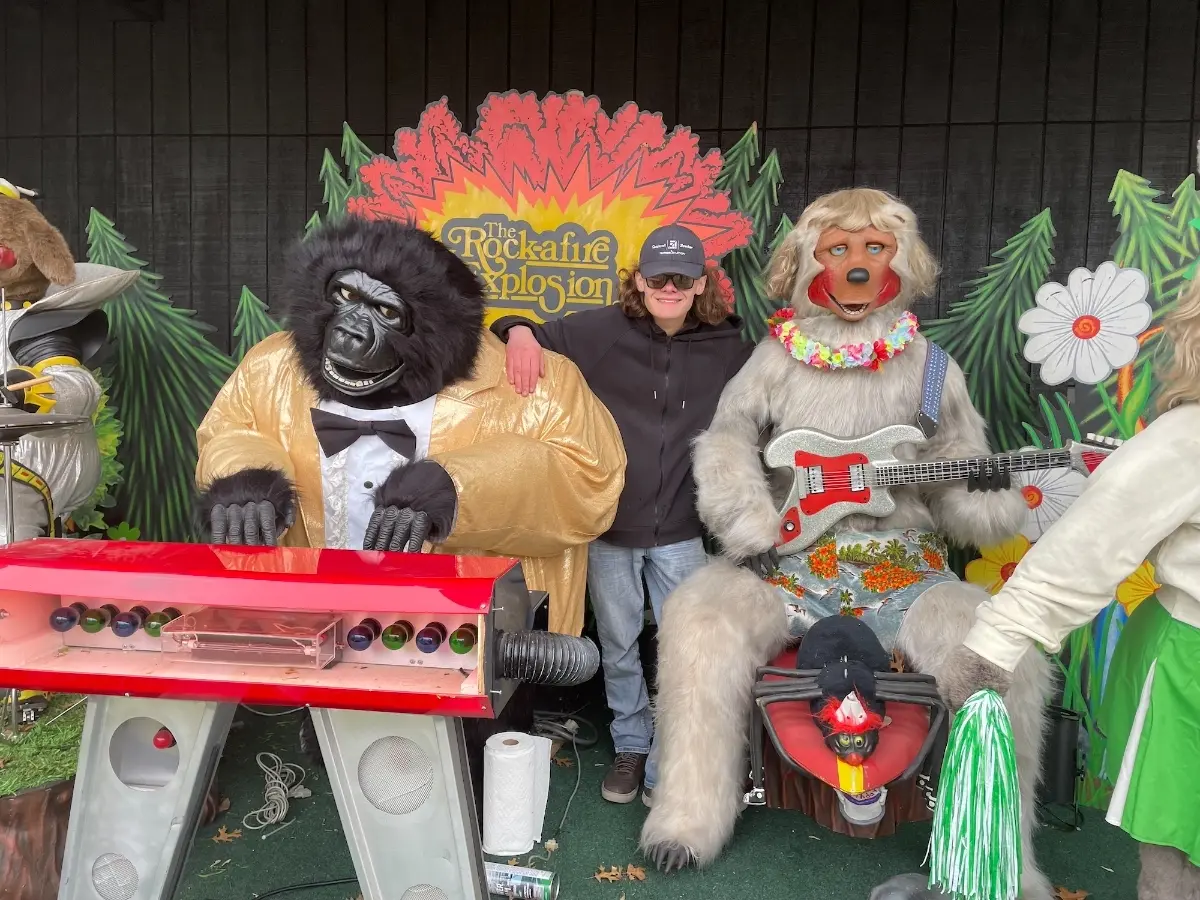
28. Rock-A-Fire Explosion Animatronics Museum – Missouri
© Cynthia Wolf_Wolf Wordsmithing

28. Rock-A-Fire Explosion Animatronics Museum – Missouri

This attraction preserves vintage animatronics from early entertainment venues, offering a glimpse into a specific era of roadside entertainment.

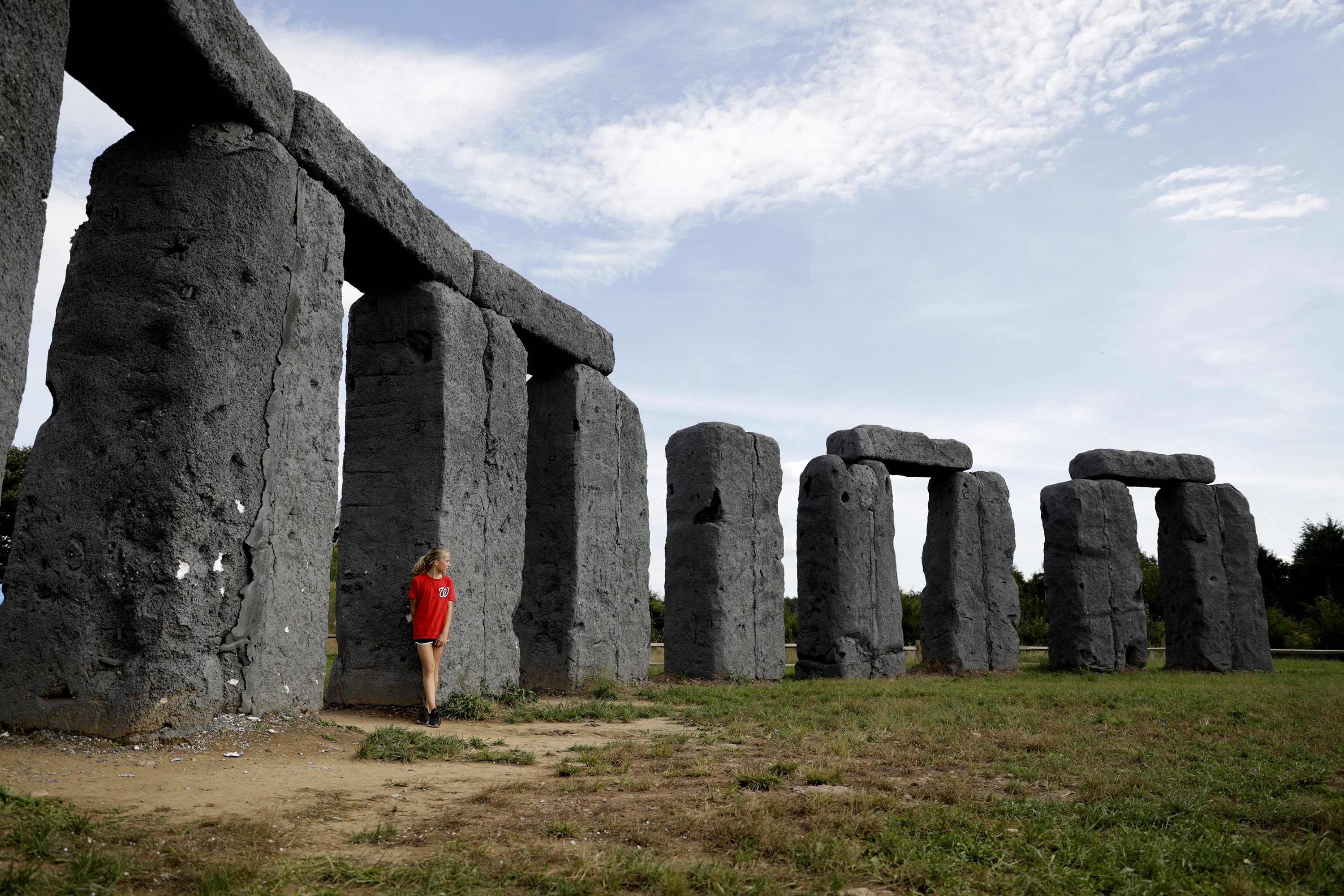
29. Foamhenge – Virginia
© Tyrone Turner_WAMU

29. Foamhenge – Virginia

A replica of Stonehenge made from foam, this attraction blends humor with historical reference. It reflects the playful spirit of American roadside creativity.

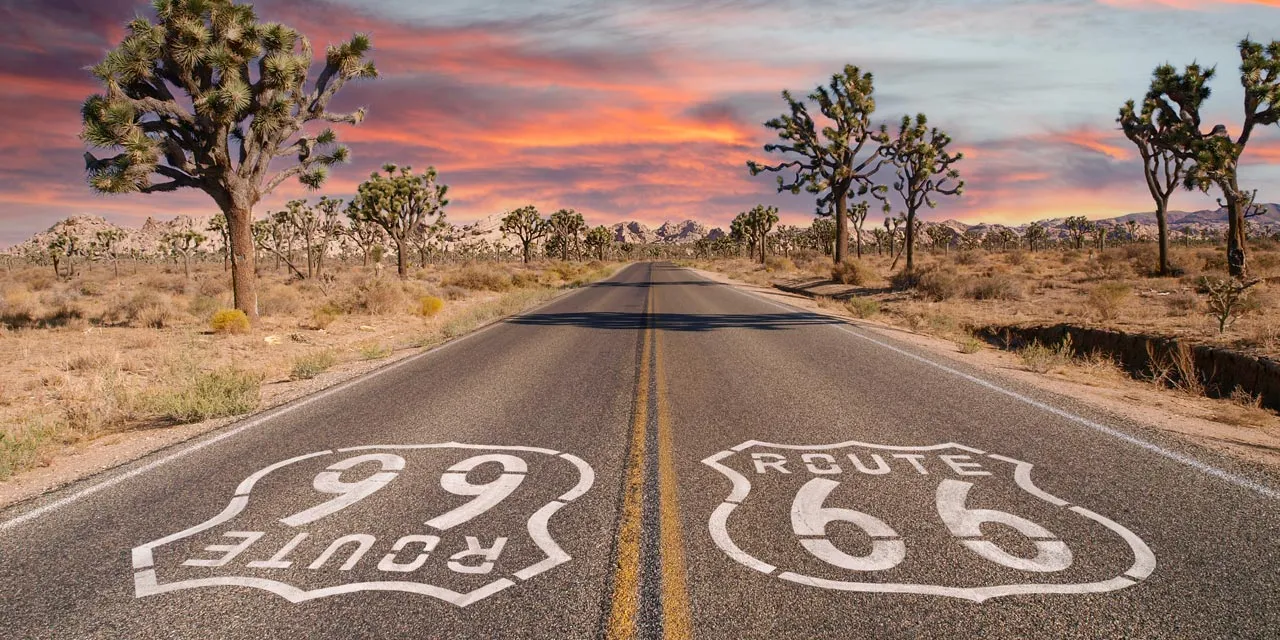
30. Route 66 Landmarks (Multiple States)
© trekandshoot_Gettyimages

30. Route 66 Landmarks (Multiple States)

Route 66 itself is not a single attraction but a collection of historic roadside stops that shaped American travel culture. Opened in the early 20th century, it connected communities and encouraged the growth of roadside businesses, many of which still exist today. (apnews.com)


Comments (0)

Leave a Reply

No comments yet. Be the first to share your thoughts!