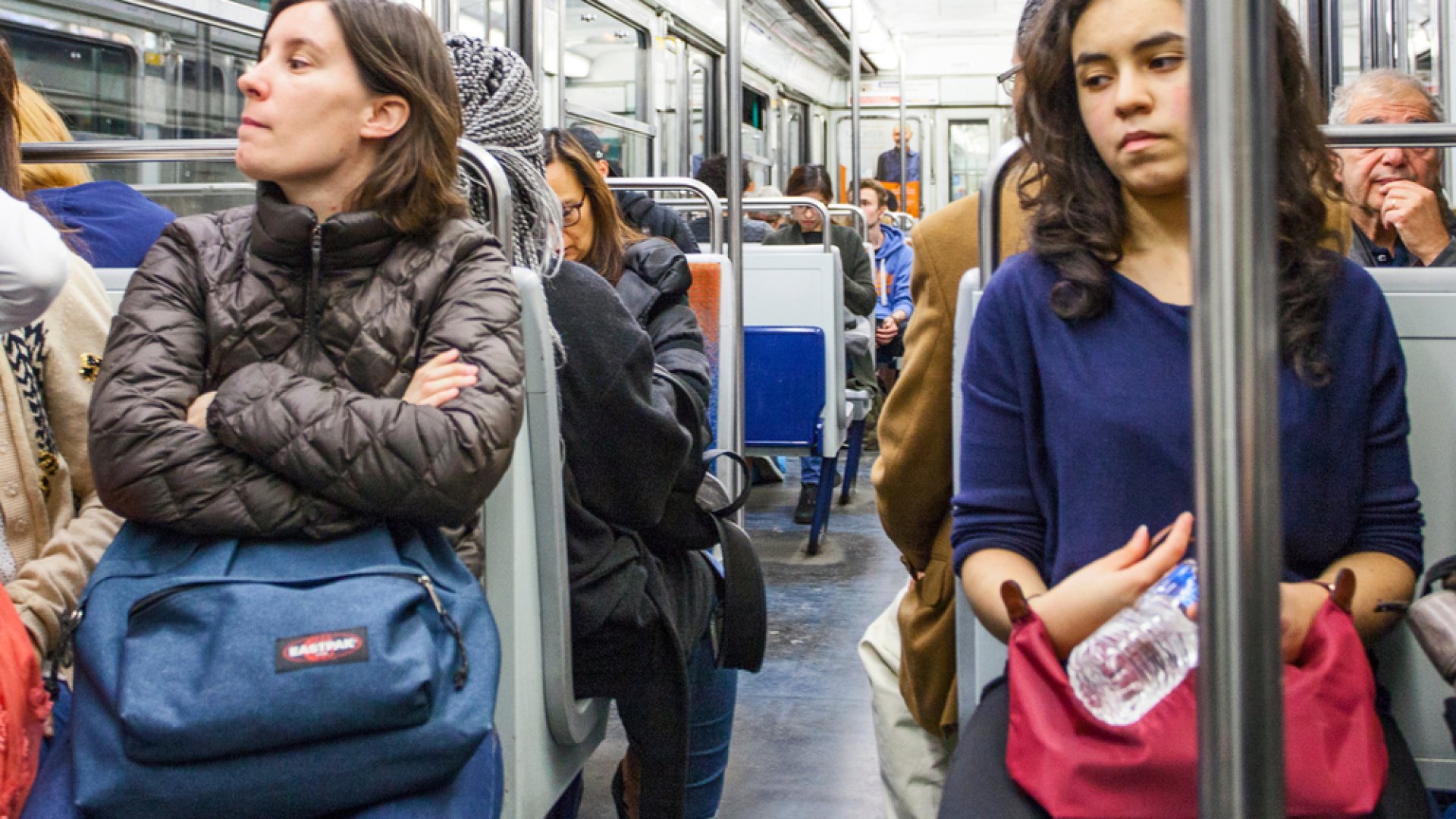
Travel Europe

8 Honest Warnings a British Traveler Has for Americans Visiting Europe

Leo Harper
4.4
April 08, 2026

Traveling across Europe can be an exciting experience for American visitors, offering a mix of history, culture, and diverse landscapes within relatively short distances. However, many first-time travelers arrive with expectations shaped by movies, social media, or past trips within the United States. While Europe is generally easy to navigate, there are noticeable differences in daily life, etiquette, and travel logistics that can catch visitors off guard.

From smaller hotel rooms and different service standards to cultural expectations around behavior, these differences are not necessarily negative but can feel surprising if you are unprepared. A British traveler, familiar with both American habits and European norms, often notices these gaps clearly. Below are eight honest and practical warnings that can help Americans adjust more easily and avoid common travel frustrations.

1. Everything Feels Smaller Than Expected
© hotel-scoop

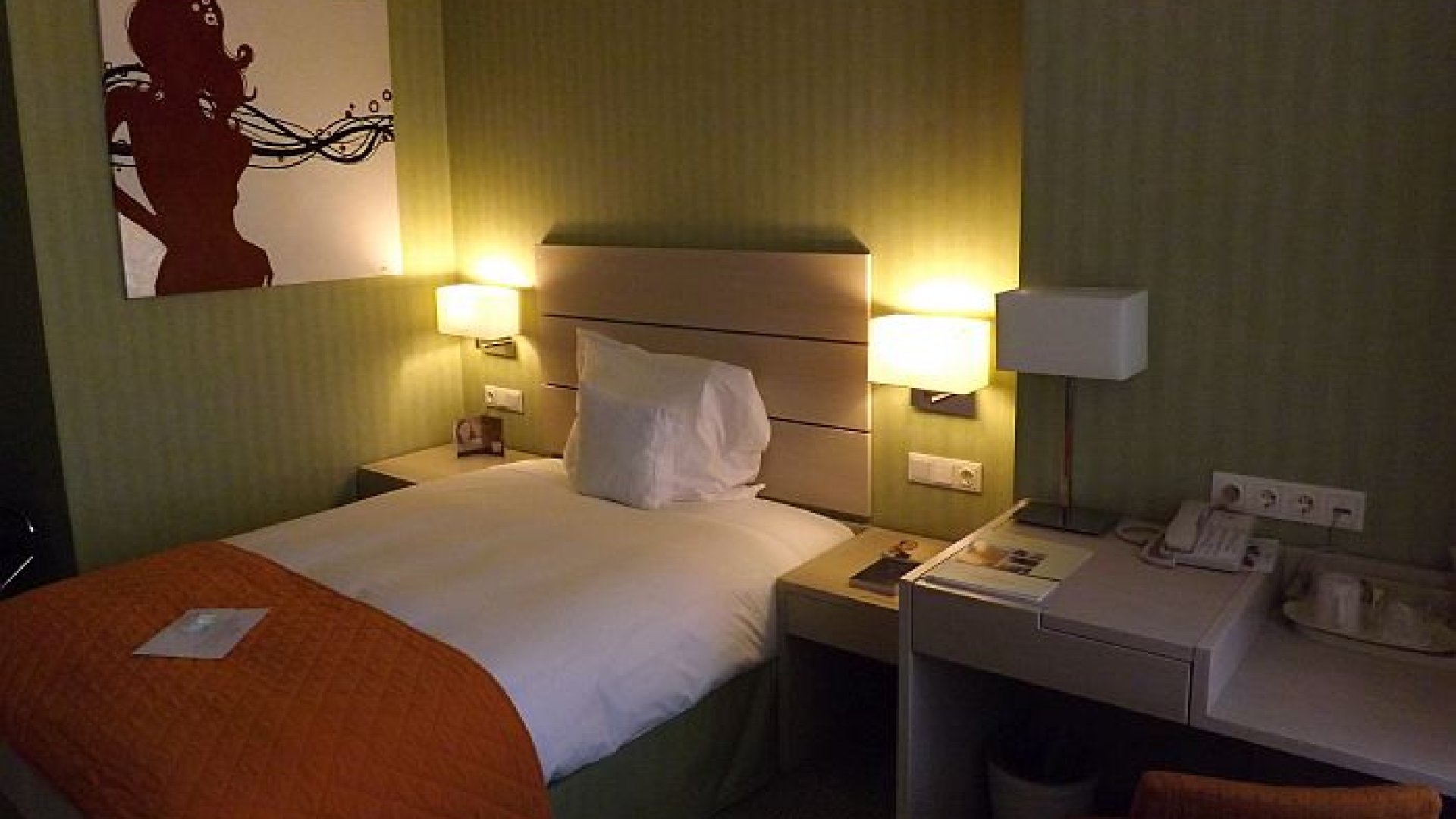
1. Everything Feels Smaller Than Expected

One of the first things American travelers notice is how much smaller things are in Europe. Hotel rooms, elevators, bathrooms, and even rental cars are often more compact than what you might be used to in the U.S. This is especially true in older cities where buildings were not designed for modern space expectations. While the size difference can feel inconvenient at first, it is part of how European cities preserve their history and layout. Adjusting expectations early can make the experience more comfortable rather than frustrating.

Where It Shows Most: Hotels and apartments

Why It Matters: Space is limited in historic areas

Traveler Tip: Pack light to manage smaller rooms

Must-Know: Larger rooms usually cost more

2. Air Conditioning Isn’t Guaranteed
© which.co.uk

2. Air Conditioning Isn’t Guaranteed

Unlike in the United States, air conditioning is not standard in many parts of Europe, especially in older buildings or cooler regions. During summer months, this can come as a surprise, particularly during heatwaves. Even when air conditioning is available, it may not be as strong as what Americans are used to. Many places rely on natural ventilation instead. Being prepared for warmer indoor temperatures can make your stay more comfortable.

Where It’s Common: Hotels and public transport

Why It Matters: Can affect sleep and comfort

Traveler Tip: Check accommodation details before booking

Must-Know: Fans are more common than AC

3. Service Style Is More Hands-Off
© travelmelodies

3. Service Style Is More Hands-Off

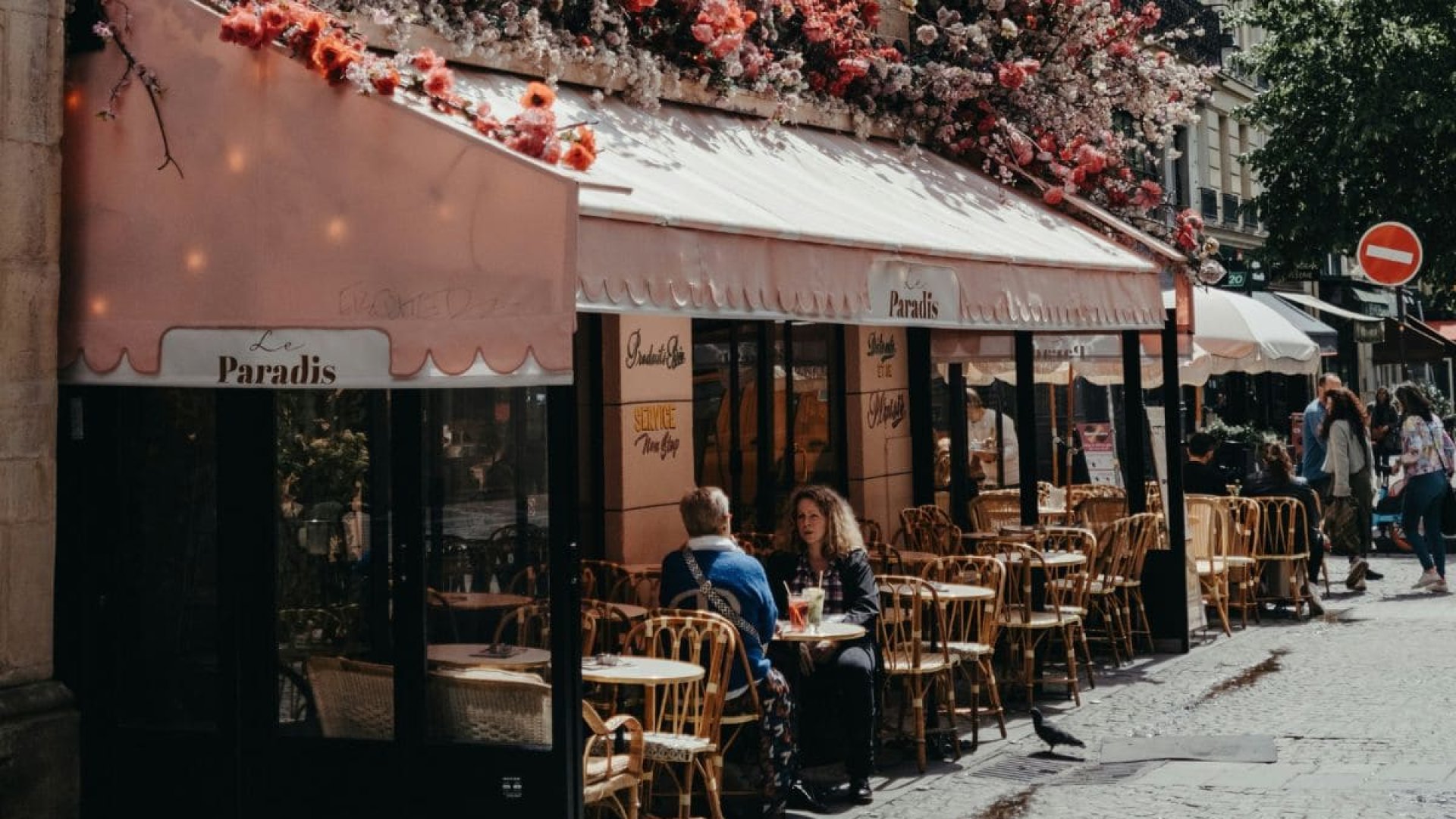
In Europe, service in restaurants is generally more relaxed and less frequent compared to the U.S. Waitstaff will not check in as often, and you may need to signal when you are ready to order or pay. This is not considered poor service but rather a cultural difference that values giving diners space. For American travelers, this can feel slow at first, but understanding the norm helps avoid confusion.

Where It Applies: Restaurants and cafés

Why It Matters: Expectations differ

Traveler Tip: Make eye contact to get attention

Must-Know: You often need to ask for the bill

4. Tipping Is Not the Same
© shutterstock_Anna Maloverjan

4. Tipping Is Not the Same

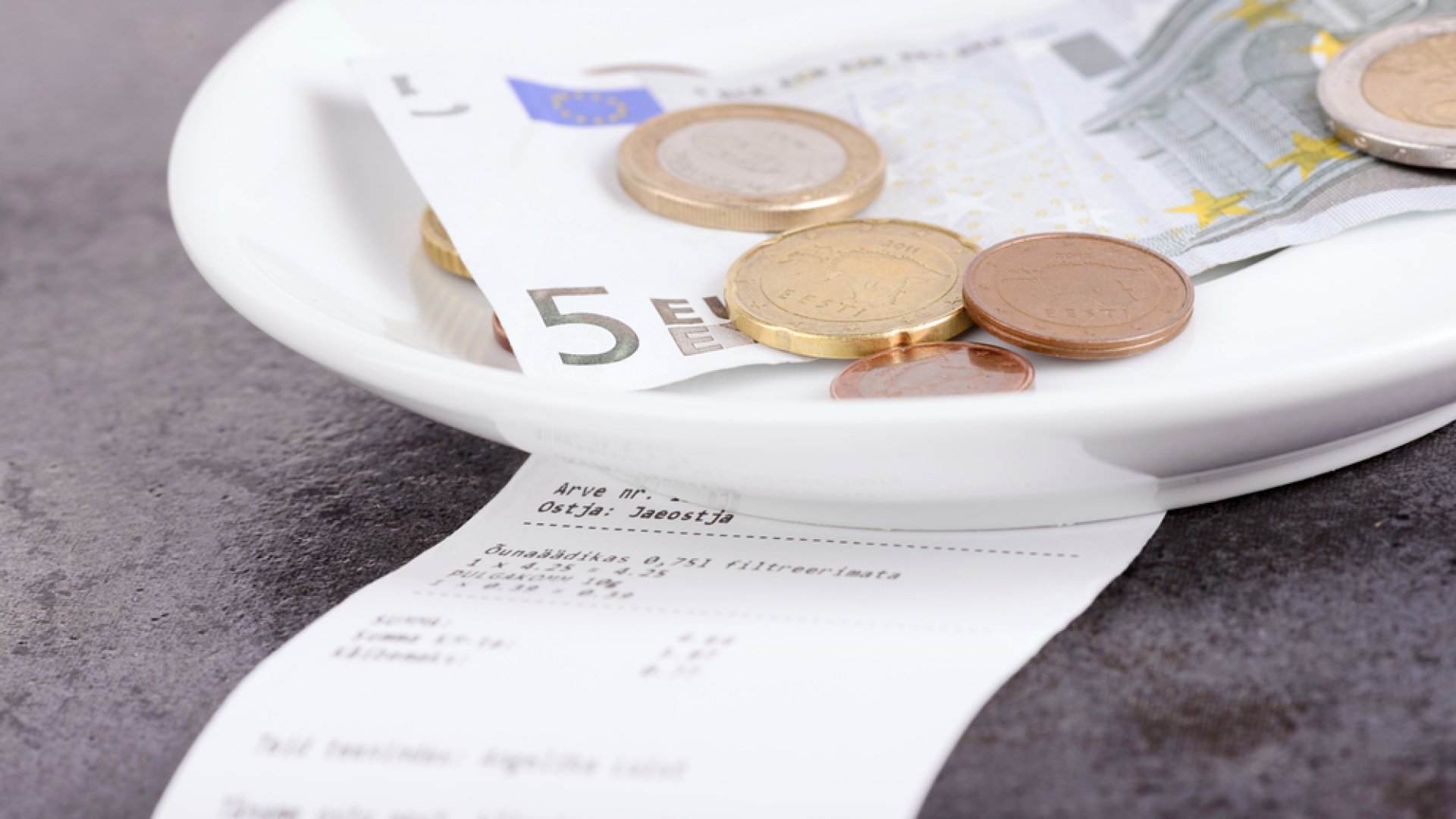
Tipping practices in Europe vary by country but are generally lower than in the United States. In many places, service charges are already included in the bill. Leaving a small tip is appreciated but not required at the same level. Over-tipping can even feel unusual in some situations. Understanding local customs helps you avoid awkward moments and unnecessary spending.

Where It Applies: Dining and taxis

Why It Matters: Cultural expectations differ

Traveler Tip: Round up or leave small amounts

Must-Know: Check if service charge is included

5. Public Transportation Is the Main Way to Get Around
© Shutterstock_Pierre Laborde

5. Public Transportation Is the Main Way to Get Around

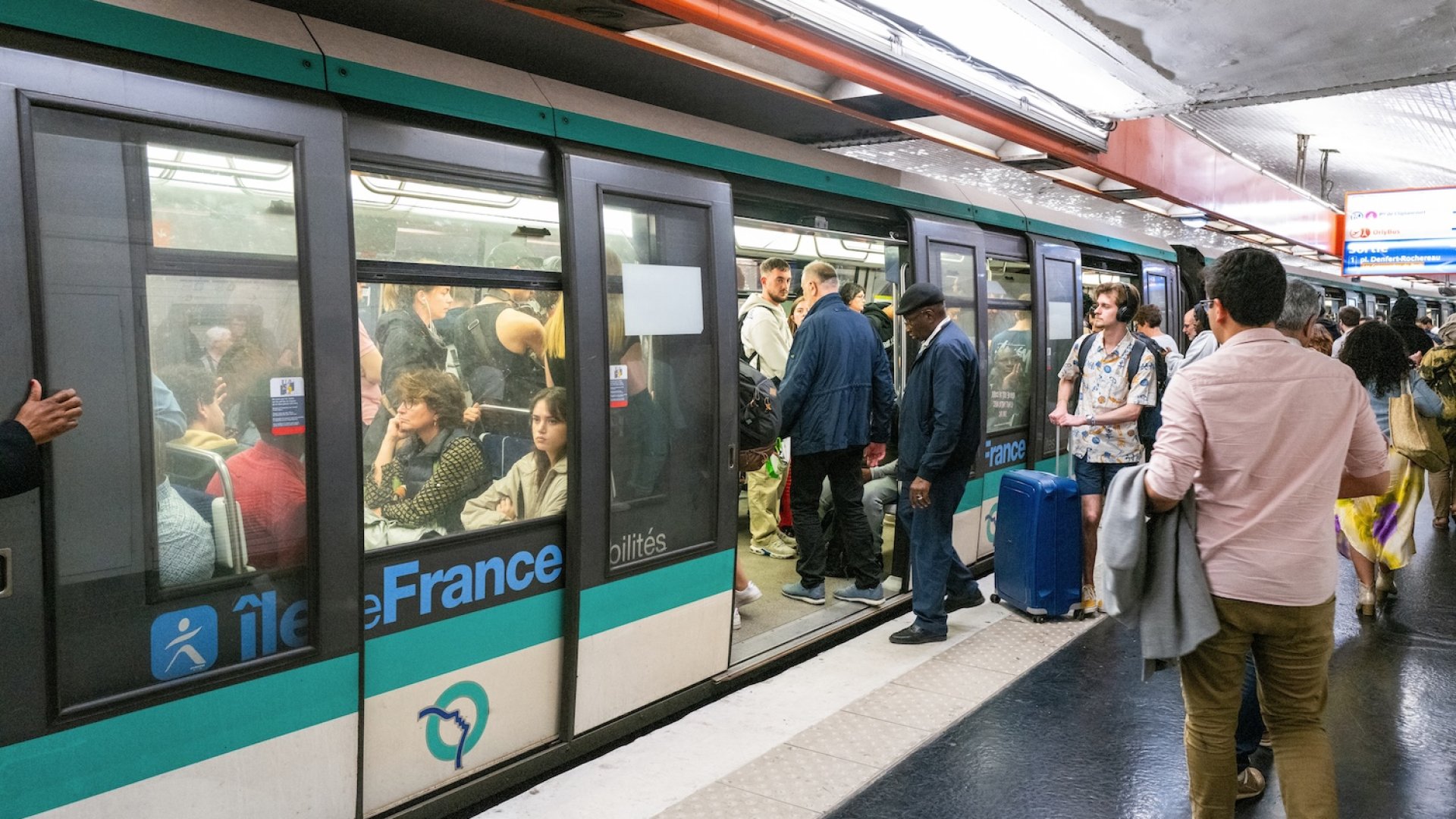
Unlike many U.S. cities, European cities rely heavily on public transportation. Trains, trams, buses, and metros are efficient and widely used. Renting a car is often unnecessary, especially in major cities where parking is limited. For American travelers used to driving, adjusting to public transport systems can take some time but usually becomes one of the easiest parts of the trip.

Where It Applies: Cities and intercity travel

Why It Matters: Driving can be difficult

Traveler Tip: Use local transport apps

Must-Know: Validate tickets where required

6. Opening Hours Can Be Limited
© shutterstock_CapturePBjpg

6. Opening Hours Can Be Limited

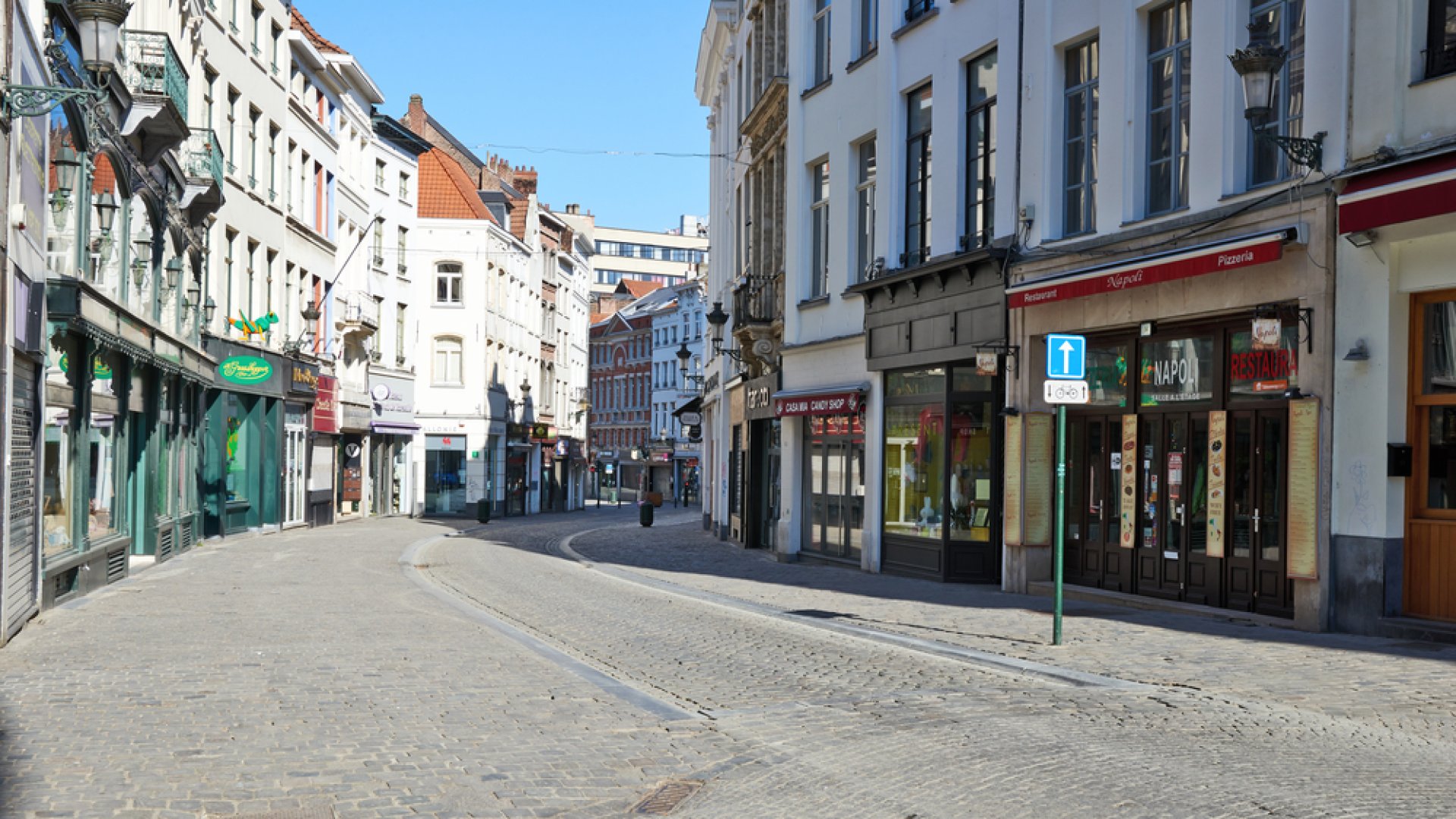
Shops, restaurants, and even attractions may have shorter or irregular opening hours compared to the U.S. Many places close earlier in the evening, and some may shut during midday breaks or on Sundays. This can affect your plans if you are not prepared. Checking hours in advance helps avoid inconvenience and ensures you do not miss key experiences.

Where It Applies: Shops and restaurants

Why It Matters: Planning is required

Traveler Tip: Confirm hours before visiting

Must-Know: Sundays are often quiet

7. Water Isn’t Always Free at Restaurants
© shutterstock_Romvyjpg

7. Water Isn’t Always Free at Restaurants

In many European countries, tap water is not automatically served at restaurants, and bottled water is often offered instead. This can be surprising for American travelers used to free refills. Even when tap water is available, you may need to request it specifically. Understanding this difference helps you avoid confusion when ordering.

Where It Applies: Restaurants

Why It Matters: Affects dining costs

Traveler Tip: Ask for tap water if preferred

Must-Know: Bottled water is standard

8. Cultural Norms Around Behavior Are Different
© shutterstock_Alexandra Landejpg

8. Cultural Norms Around Behavior Are Different

Behavior that is normal in the U.S., such as speaking loudly or being overly informal, may stand out more in certain European settings. People often value personal space and quieter public behavior. Adjusting your tone and awareness can help you blend in more comfortably. This does not mean changing your personality, but simply being mindful of local expectations.

Where It Applies: Public spaces and transport

Why It Matters: Helps avoid unwanted attention

Traveler Tip: Observe local behavior

Must-Know: Subtlety is often appreciated


Comments (0)

Leave a Reply

No comments yet. Be the first to share your thoughts!