Travel Destination

8 destinations that offer different experience depending on the season

James Porter
4.3
May 12, 2026

Some destinations do not offer just one kind of trip. They change so much with the weather, daylight, festivals, and landscapes that visiting in different seasons can feel like visiting completely separate places. A city that feels quiet and snowy in winter may become crowded and colorful in spring. A mountain region that draws skiers in January may turn into a hiking base by July. A desert that seems harsh in summer may become comfortable and beautiful in winter.

Seasonal travel is becoming more popular because travelers want timing to shape the experience, not just the location. The same destination can offer blossoms, beaches, foliage, snow, wildlife, or cultural events depending on the month. These 8 places are especially worth planning around the season because the timing can completely change what you see, do, and remember. Seasonal travel guides often point out that climate, scenery, crowds, and local activities can transform a destination’s atmosphere from one trip to the next.
1. Iceland
© shutterstock / Mumemories

1. Iceland

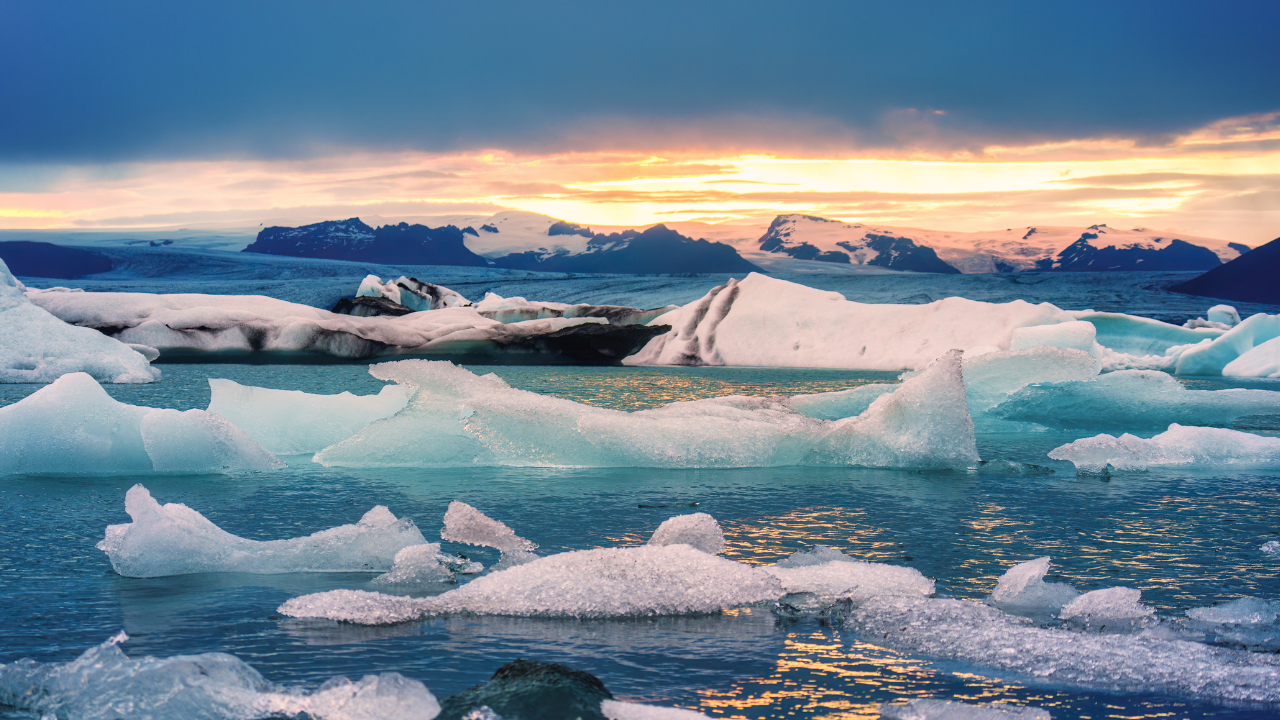
Iceland is one of the clearest examples of a place that feels entirely different depending on when you visit. In summer, the country opens up with long daylight hours, green valleys, easier road access, puffin sightings, waterfalls, and highland routes that are often closed in winter. Travelers can drive the Ring Road more comfortably, visit remote landscapes, and enjoy late-night light that makes sightseeing feel almost endless.

Winter creates a much quieter and more dramatic version of Iceland. Snow, ice caves, frozen waterfalls, darker skies, and the northern lights change the mood completely. The same waterfall that feels powerful and open in July may look sharp, silent, and frozen in February. Winter travel can be more limited because roads and weather require caution, but it also brings a raw atmosphere that summer cannot offer.

2. Kyoto, Japan
© shutterstock / Taromon

2. Kyoto, Japan

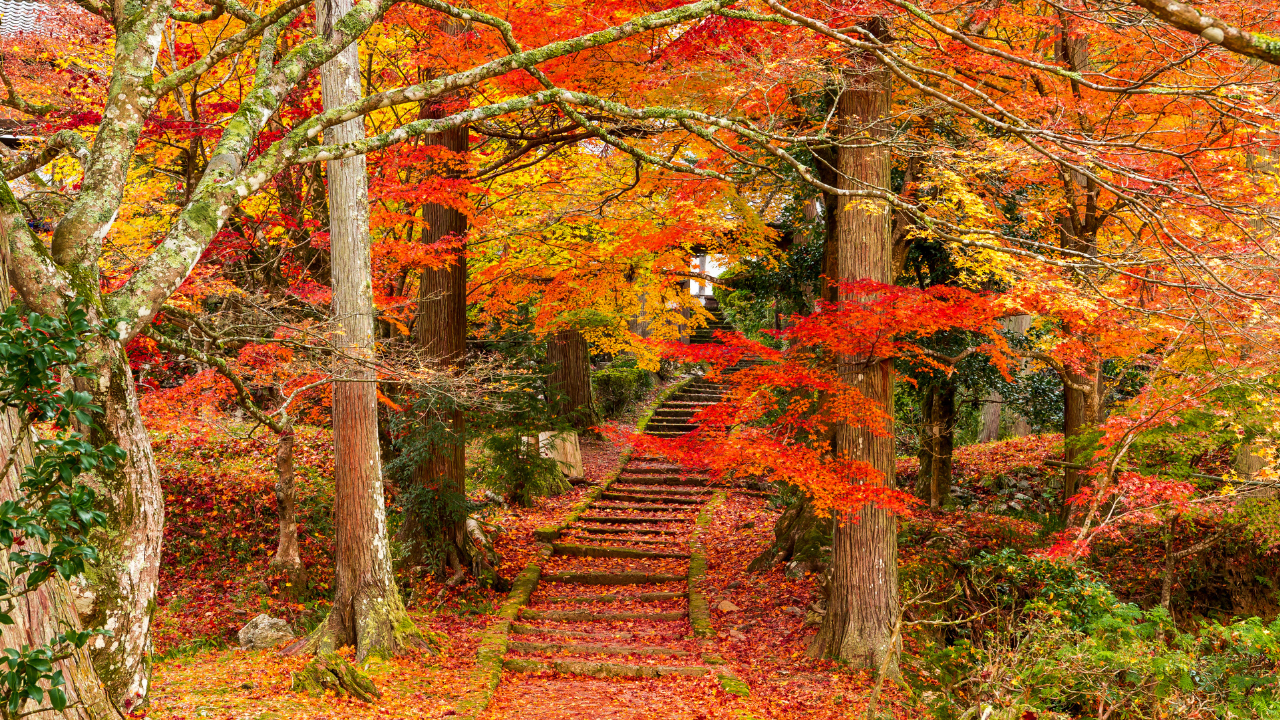
Kyoto changes with the seasons in a way that directly shapes the travel experience. In spring, cherry blossoms soften temple grounds, riverbanks, and old streets, creating one of Japan’s most famous seasonal scenes. The city feels delicate, photogenic, and busy, especially around popular sites like Maruyama Park, the Philosopher’s Path, and temple gardens.

Autumn gives Kyoto a very different personality. Maple leaves turn bright red and orange around temples, gardens, and hillside districts, creating a warmer, richer look than spring. Winter is quieter, with occasional snow adding calm to shrines and bamboo paths. Summer brings festivals, humidity, and deep green scenery. Kyoto is beautiful year-round, but timing changes everything from crowd levels to the mood of its historic neighborhoods. Seasonal travel guides regularly highlight Japan for spring blossoms and autumn foliage because these periods strongly define the destination experience.

3. Banff, Canada
© shutterstock / Kris Wiktor

3. Banff, Canada

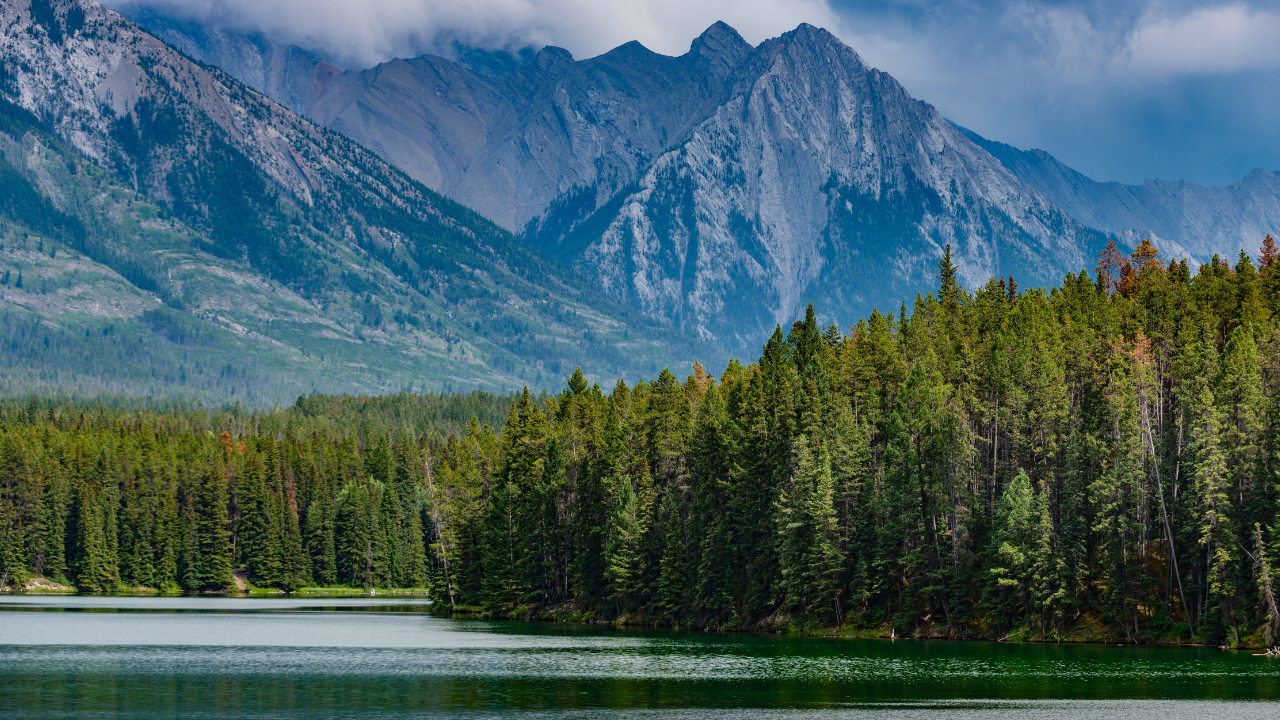
Banff feels like two different mountain destinations depending on the season. In winter, it becomes a snow-covered alpine base with skiing, frozen lakes, ice walks, hot springs, and sharp mountain views. Lake Louise and nearby slopes attract skiers, while frozen canyons and snowy trails create a quiet, rugged atmosphere.

Summer and early autumn make Banff feel open, bright, and active. Lakes turn their famous turquoise color, hiking trails become accessible, and scenic drives reveal valleys, glaciers, and wildlife. Moraine Lake, Lake Louise, and the Icefields Parkway are especially popular during warmer months. Autumn adds golden larches and cooler hiking weather. Winter feels like a ski escape, while summer feels like a classic national park adventure.

4. New England, United States
© shutterstock / Sean Pavone

4. New England, United States

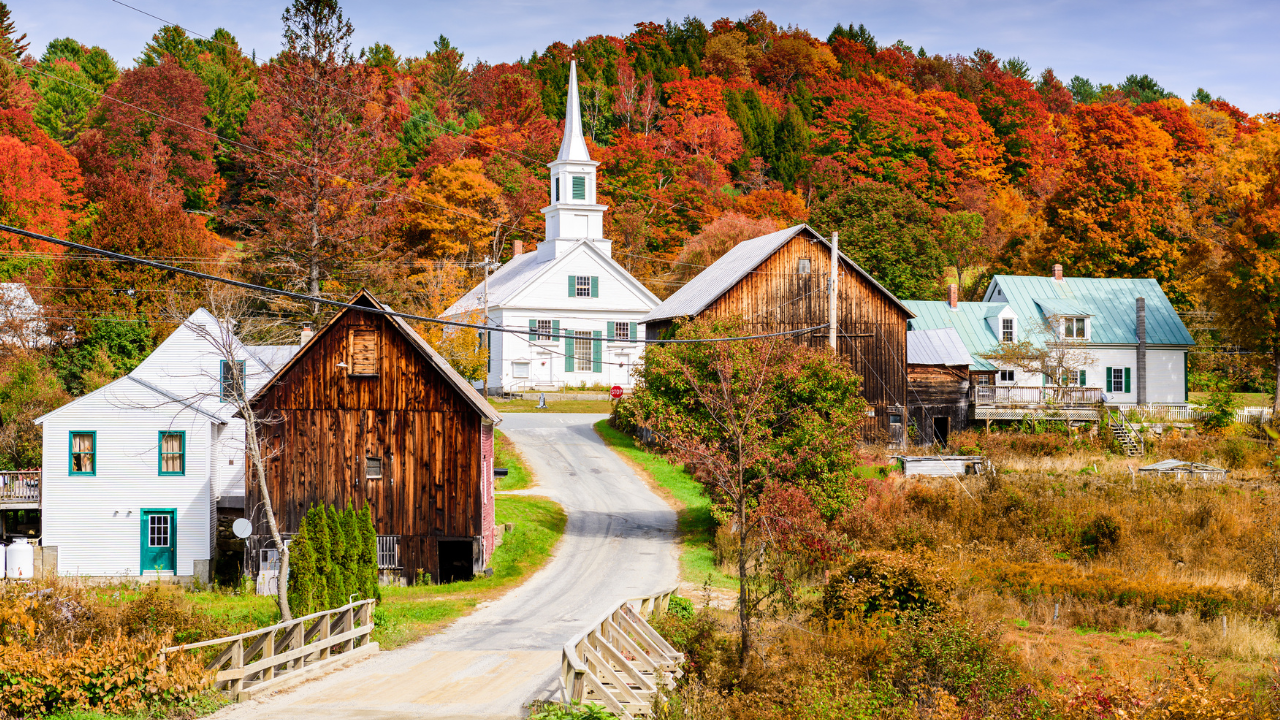
New England is strongly tied to seasonal identity. In autumn, it becomes one of the most recognizable fall destinations in the world, with red, orange, and yellow foliage across Vermont, New Hampshire, Maine, and Massachusetts. Small towns, covered bridges, apple orchards, scenic drives, and harvest events create a cozy travel atmosphere that draws visitors specifically for the season. A survey reported by the New York Post found that fall is the most popular season Americans want to travel for, with New England foliage among the most desired seasonal experiences.

Summer brings a different version of the region, focused on coastal towns, lobster shacks, beaches, sailing, lakes, and road trips. Winter changes the mood again with ski areas, snow-covered villages, and quiet countryside. Spring is softer and less crowded, with gardens, rain, and fresh greenery. The same village can feel festive, sleepy, coastal, or snowy depending on the month.

5. Morocco
© shutterstock / saiko3p

5. Morocco

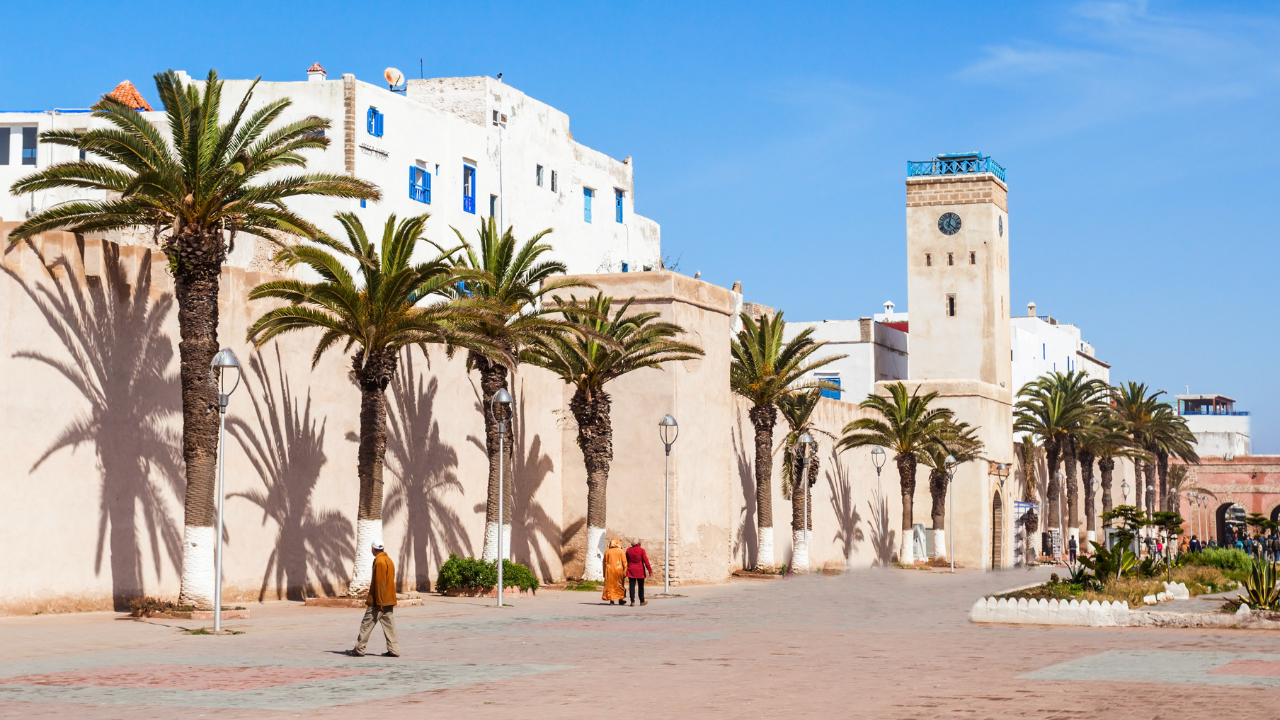
Morocco’s season can completely change how comfortable and rewarding a trip feels. In spring, the weather is mild, the Atlas Mountains are clearer, and cities like Marrakech and Fes are easier to explore on foot. Gardens bloom, desert trips are more comfortable, and rooftop evenings feel pleasant rather than overheated.

Summer creates a much more intense experience, especially inland. Marrakech, Fes, and desert areas can become very hot, pushing travelers toward coastal cities like Essaouira, Agadir, or Tangier. Autumn brings back comfortable conditions for medinas, mountains, and Sahara trips. Winter can feel surprisingly varied, with cool cities, snow in parts of the Atlas Mountains, and crisp desert nights. Morocco can be a city break, beach escape, mountain trip, or desert journey depending on when you go.

6. Patagonia, Argentina and Chile
© shutterstock / Galyna Andrushko

6. Patagonia, Argentina and Chile

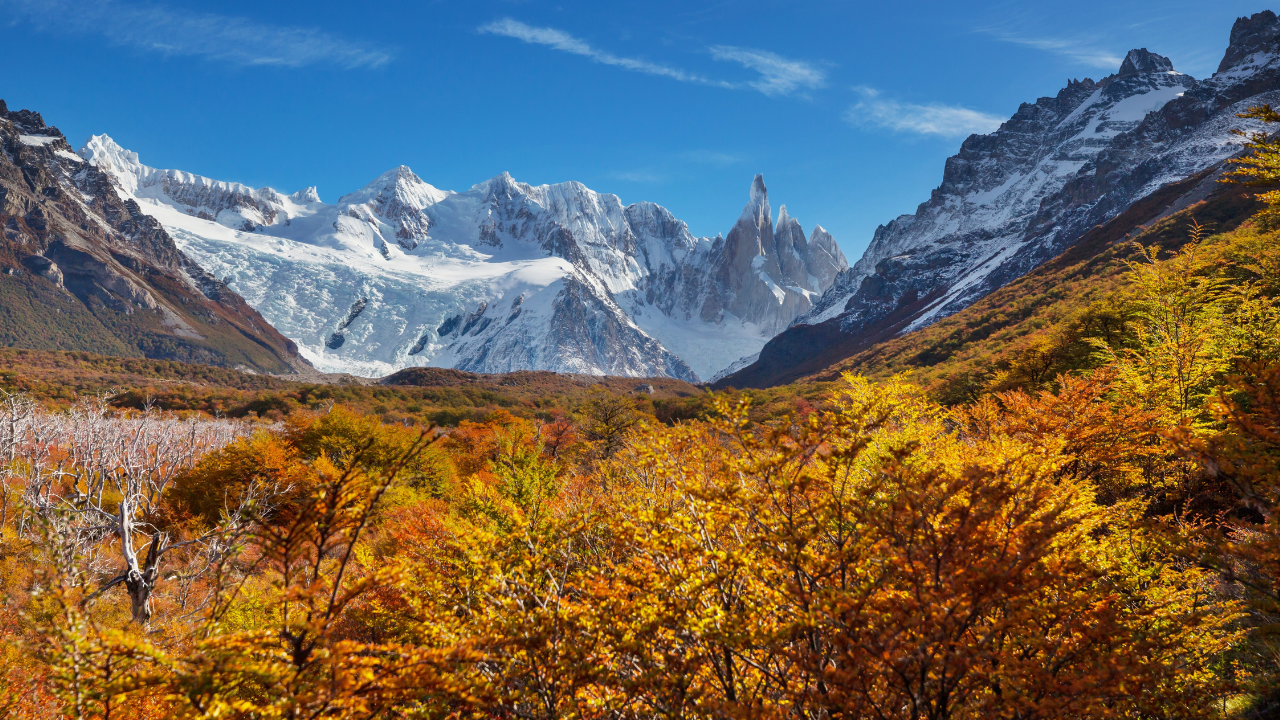
Patagonia is defined by season more than many travelers realize. Summer, from roughly December to February, is the main hiking season, with longer daylight, more open trails, and better access to places like Torres del Paine, El Chaltén, and glacier viewpoints. This is when Patagonia feels most active, with trekkers, photographers, and road trippers moving through its dramatic landscapes.

Autumn changes the region with golden forests, cooler air, and fewer crowds. The scenery feels quieter and more cinematic, though weather can become less predictable. Winter brings snow, limited access, and a more remote feeling, with some areas shifting toward skiing or low-season travel. Spring brings wildflowers, wind, and reopening trails. Patagonia’s beauty is always dramatic, but the season decides whether the trip feels adventurous, isolated, colorful, or challenging.

7. Switzerland
© shutterstock / Guitar photographer

7. Switzerland

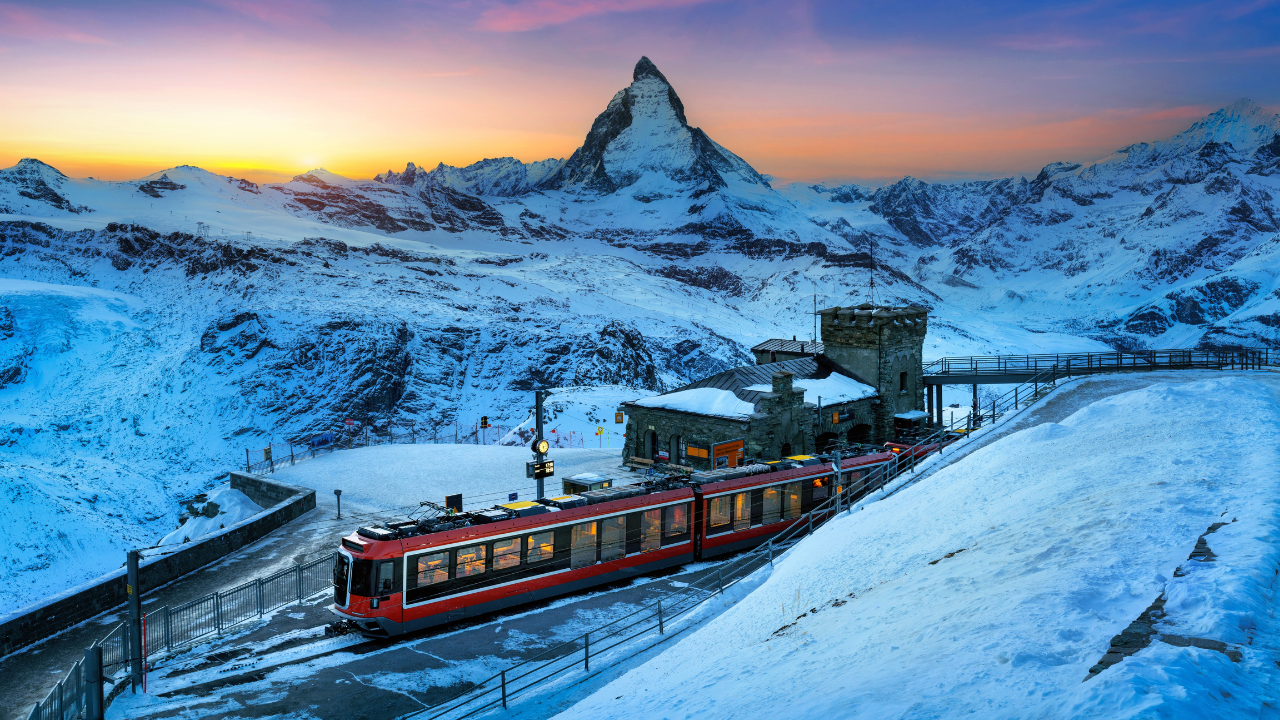
Switzerland changes sharply between winter and summer. In winter, it is a classic snow destination, with ski resorts, mountain trains, Christmas markets, frozen scenery, and villages that feel designed for cold-weather travel. Zermatt, St. Moritz, Jungfrau, and other alpine areas become focused on skiing, snowboarding, sledding, and winter views.

Summer turns the same country into a hiking, lake, and train-travel destination. Meadows bloom, cows return to high pastures, lakes become swimmable, and mountain routes open for walkers and cyclists. The Swiss Alps feel softer and greener, while cities like Lucerne, Zurich, and Geneva become easier for outdoor dining and waterfront walks. Autumn adds golden vineyards and clearer hiking days. Switzerland can feel polished and snowy in one season, then green and outdoorsy in another.

8. South Island, New Zealand
© shutterstock / Robert Harding Video

8. South Island, New Zealand

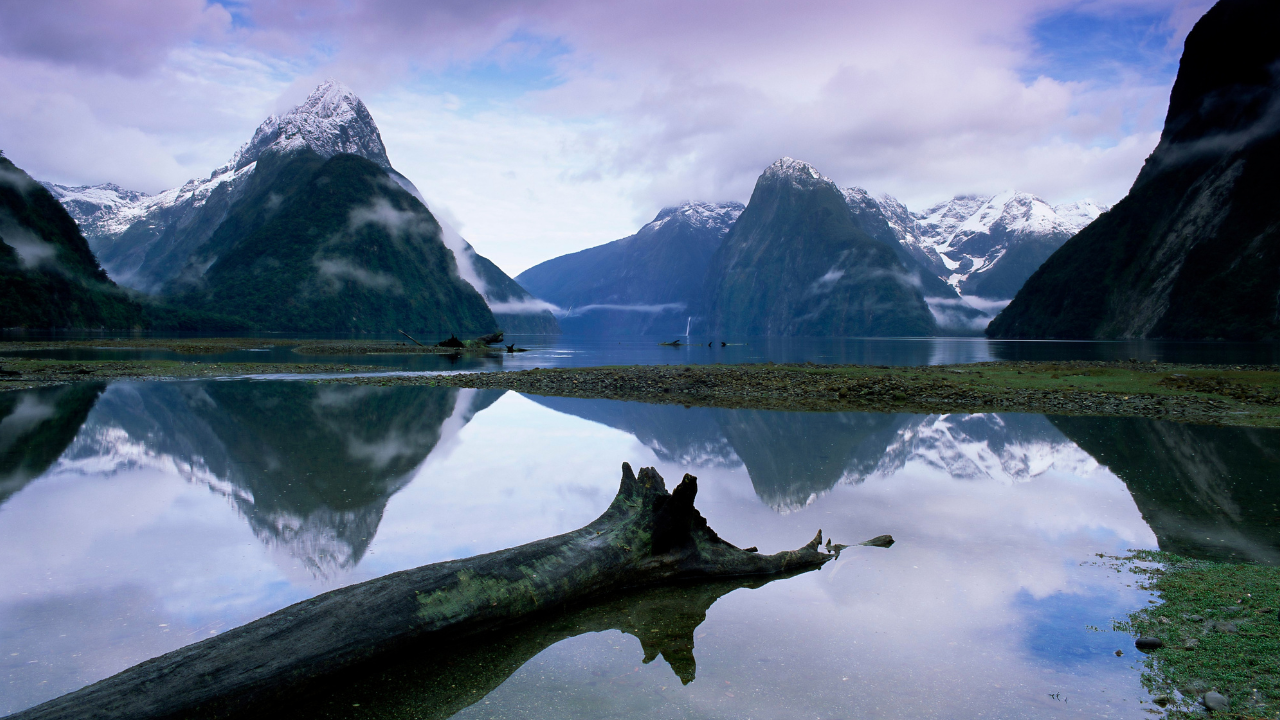
New Zealand’s South Island is a seasonal destination because its landscapes shift between alpine, coastal, and adventure-focused moods. In summer, from December to February, the island feels open and active, with hiking, kayaking, road trips, beaches, and long daylight hours. Queenstown, Wanaka, Abel Tasman, Fiordland, and Mount Cook become major bases for outdoor travel.

Winter changes the atmosphere completely. Queenstown and Wanaka turn into ski hubs, mountains are snow-covered, and lakeside towns feel colder and quieter. Autumn brings some of the island’s most beautiful scenery, especially around Arrowtown and Central Otago, where trees turn gold. Spring adds fresh snow on peaks, new greenery, and fewer crowds. The South Island is always scenic, but the season decides whether it feels like a summer road trip, a winter sports escape, or a quiet nature retreat.


Comments (0)

Leave a Reply

No comments yet. Be the first to share your thoughts!