Travel Europe

Hidden travel destinations in Germany beyond the most popular cities

Leo Harper
4.9
May 22, 2026

Germany is famous for Berlin, Munich, and Hamburg, but a growing number of travelers are discovering the appeal of lesser-known cities. These destinations offer historic charm, vibrant local culture, culinary delights, and scenic beauty without the crowds of major tourist hubs. Exploring smaller cities allows travelers to engage with local life, enjoy authentic cuisine, and discover hidden architectural treasures. In addition, these destinations often provide high-value experiences, from boutique hotels to immersive cultural activities, that feel personal and memorable.

Lesser-known German cities are redefining the concept of smart travel. Visitors can enjoy the same quality of museums, nightlife, and food as larger cities but with a more relaxed pace. Historical districts, quaint cafes, craft breweries, and seasonal markets create an authentic atmosphere that larger cities often cannot replicate. For those seeking a cultural, culinary, or historical escape, Germany’s off-the-beaten-path cities offer unique experiences that reward curiosity and exploration.
1. Freiburg im Breisgau
© shutterstock / canadastock

1. Freiburg im Breisgau

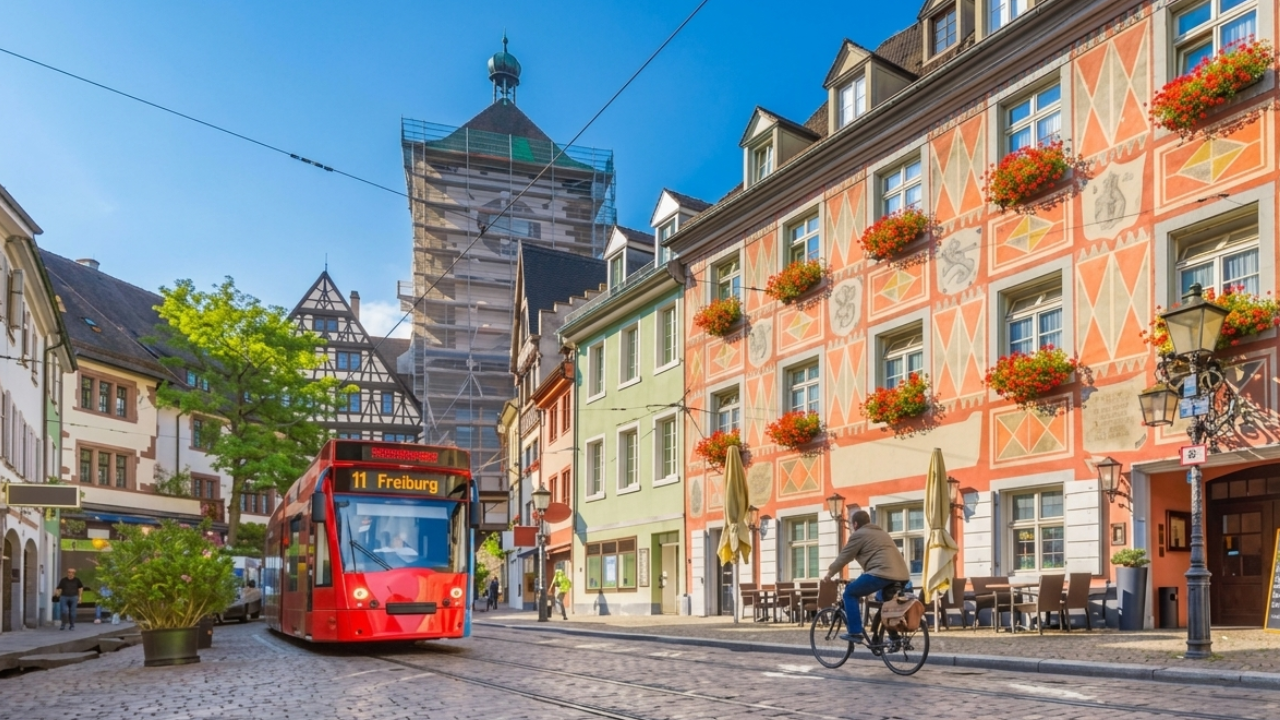
Located in the Black Forest, Freiburg is a charming university town with cobblestone streets and colorful marketplaces. Its medieval old town and Gothic cathedral invite exploration on foot, while the surrounding forest provides opportunities for hiking and cycling. Known for sustainable living, Freiburg is also a hub for eco-conscious travel and organic cuisine, offering visitors a blend of history, nature, and modern green culture.

What to do: Explore cobblestone old town and cathedral

Where to stay: Boutique hotels or guesthouses

Local highlight: Organic markets and Black Forest trails

2. Regensburg
© shutterstock / trabantos

2. Regensburg

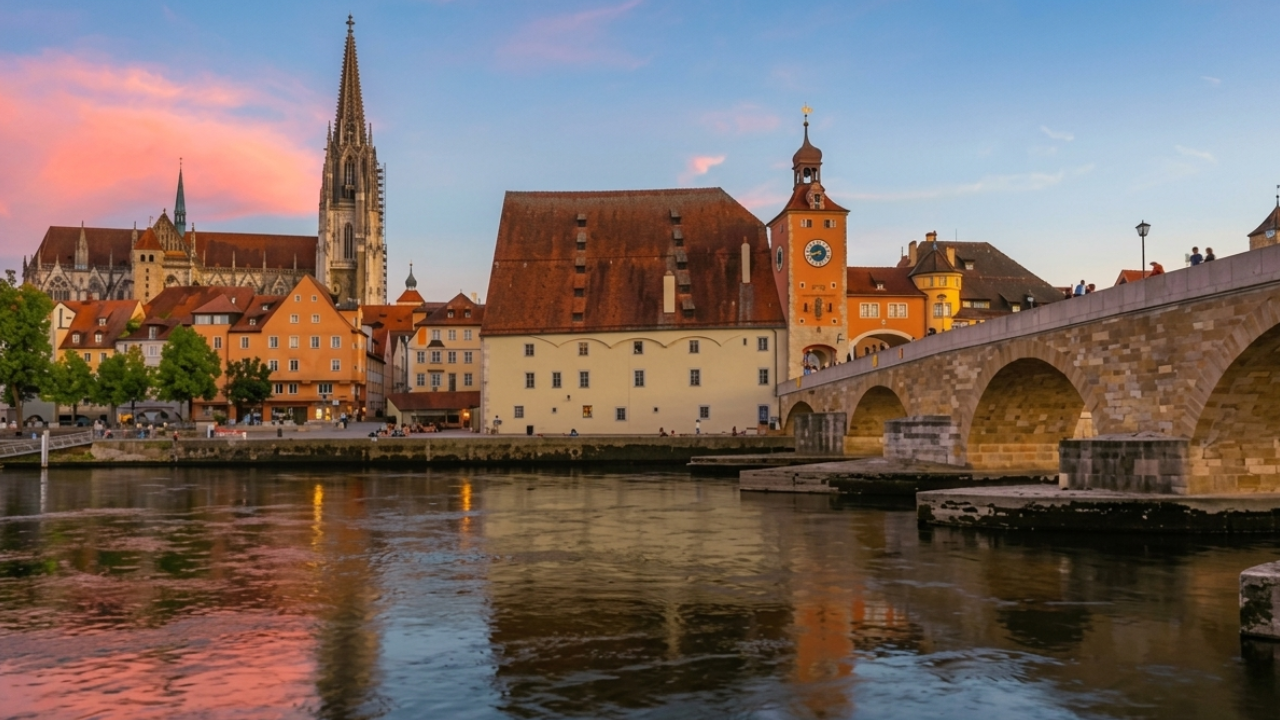
Regensburg, along the Danube River, boasts well-preserved medieval architecture and historic bridges. The city’s old town is a UNESCO World Heritage Site, offering charming streets, local breweries, and riverside walks. Its history as a Roman settlement adds depth to any visit, while its vibrant café culture provides authentic culinary experiences away from tourist crowds.

What to do: Walk historic streets and bridges

Where to stay: Riverfront hotels or town-center inns

Local highlight: Traditional Bavarian breweries

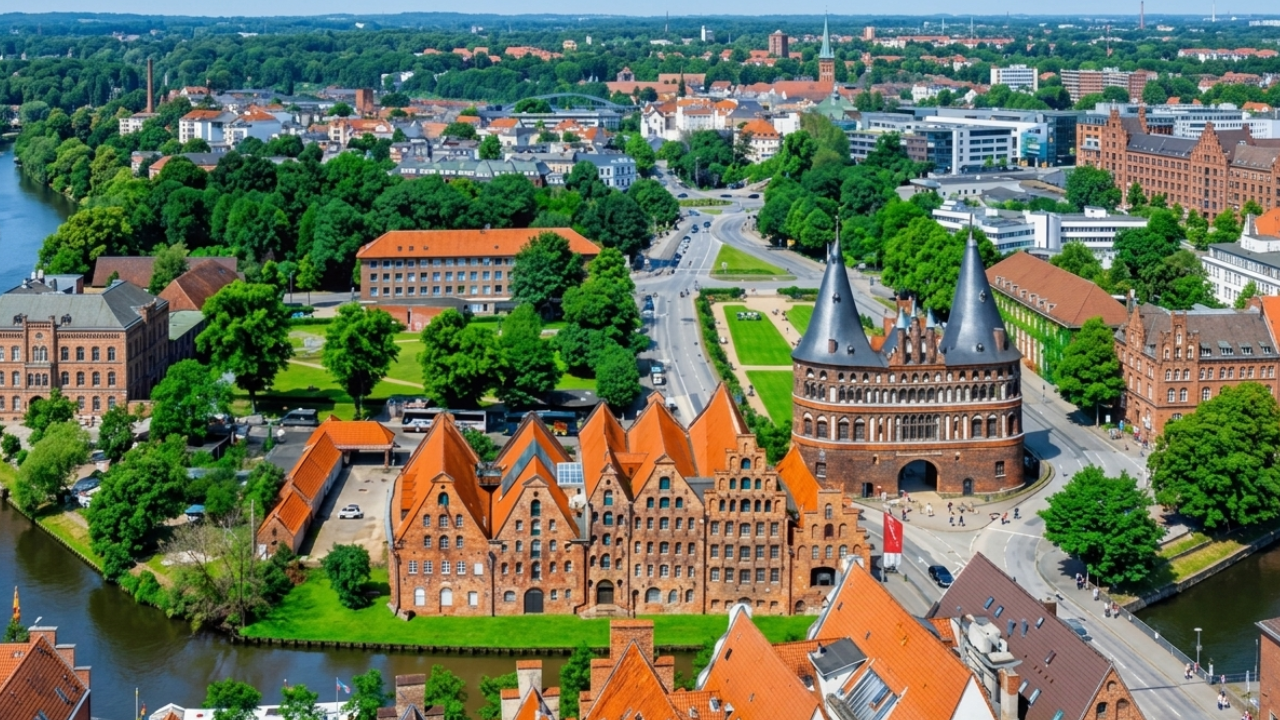
3. Lübeck
© shutterstock / laraslk

3. Lübeck

Famous for its marzipan and Brick Gothic architecture, Lübeck provides a blend of culinary and cultural history. Its old town, surrounded by waterways, offers atmospheric streets, local markets, and artisan shops. Museums and historic churches reveal the city’s Hanseatic past, while cozy restaurants highlight North German cuisine. Lübeck combines heritage charm with quieter streets compared to Hamburg.

What to do: Visit Gothic churches and museums

Where to stay: Historic inns in old town

Local highlight: Sample authentic marzipan and seafood

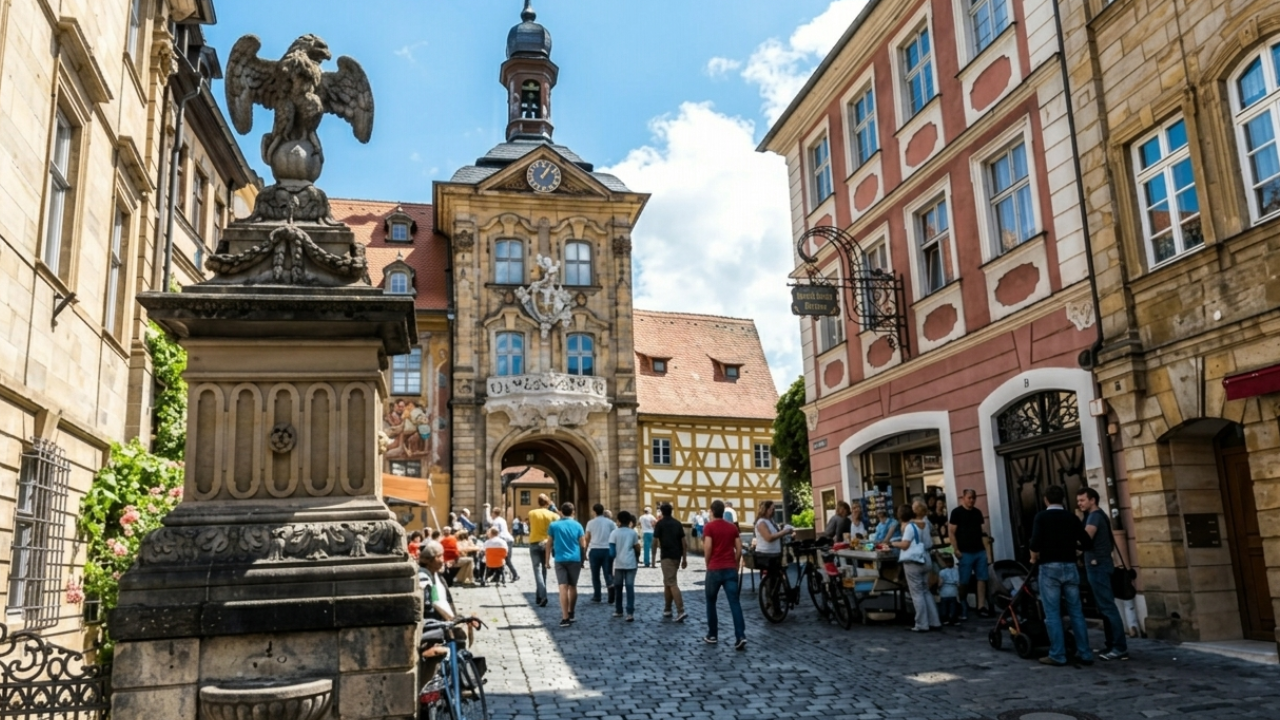
4. Bamberg
© shutterstock / Simon Dannhauer

4. Bamberg

Bamberg is a picturesque city with a unique medieval layout and seven hills reminiscent of Rome. Its old town is UNESCO-listed, featuring baroque architecture, historic breweries, and quaint canals. Beer lovers can enjoy traditional smoked beer in local taverns, while culture enthusiasts explore historic palaces, cathedrals, and riverside alleys.

What to do: Explore old town and cathedral

Where to stay: Boutique inns or riverside hotels

Local highlight: Traditional smoked beer in breweries

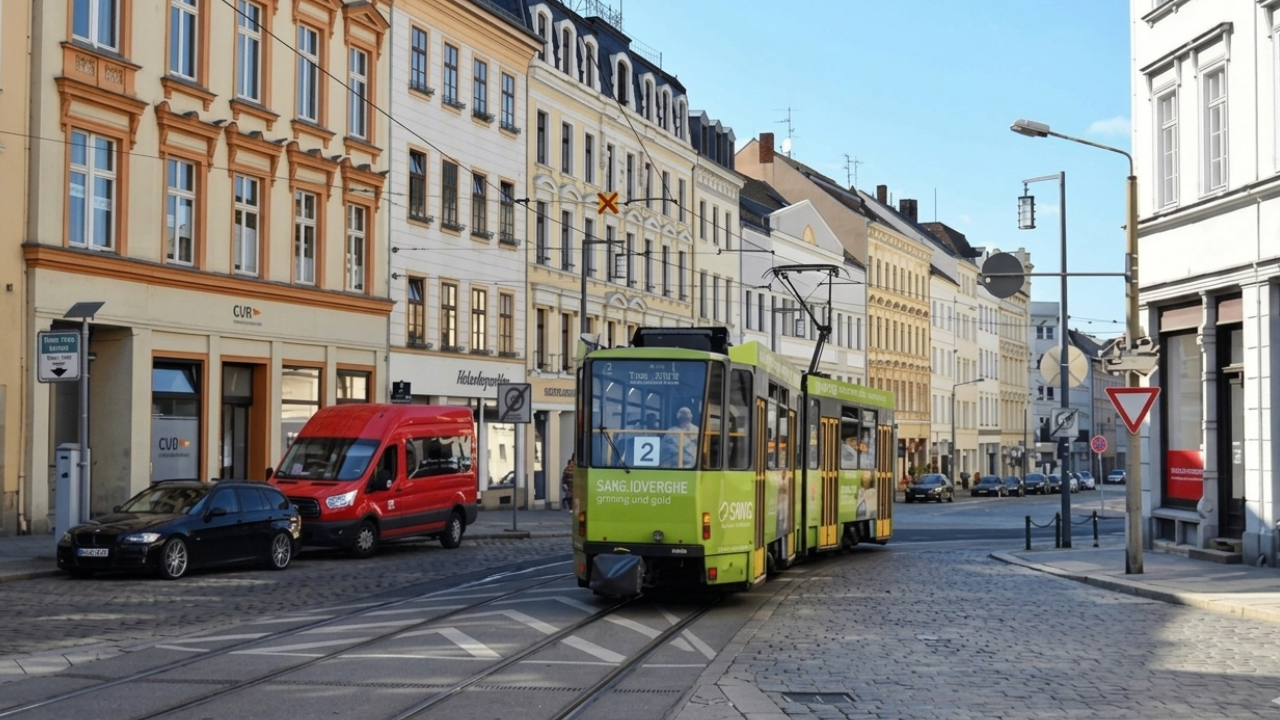
5. Görlitz
© shutterstock / Yu Xichao

5. Görlitz

Görlitz, near the Polish border, is renowned for its stunning architectural variety, from Gothic to Art Nouveau. Its old town survived World War II largely intact, creating a cinematic backdrop that attracts filmmakers. Visitors can enjoy theaters, galleries, and cafés tucked into quiet streets, along with authentic Saxon cuisine. The city combines history, artistry, and tranquility.

What to do: Discover historic architecture and galleries

Where to stay: Family-run hotels or historic guesthouses

Local highlight: Film-friendly picturesque streets

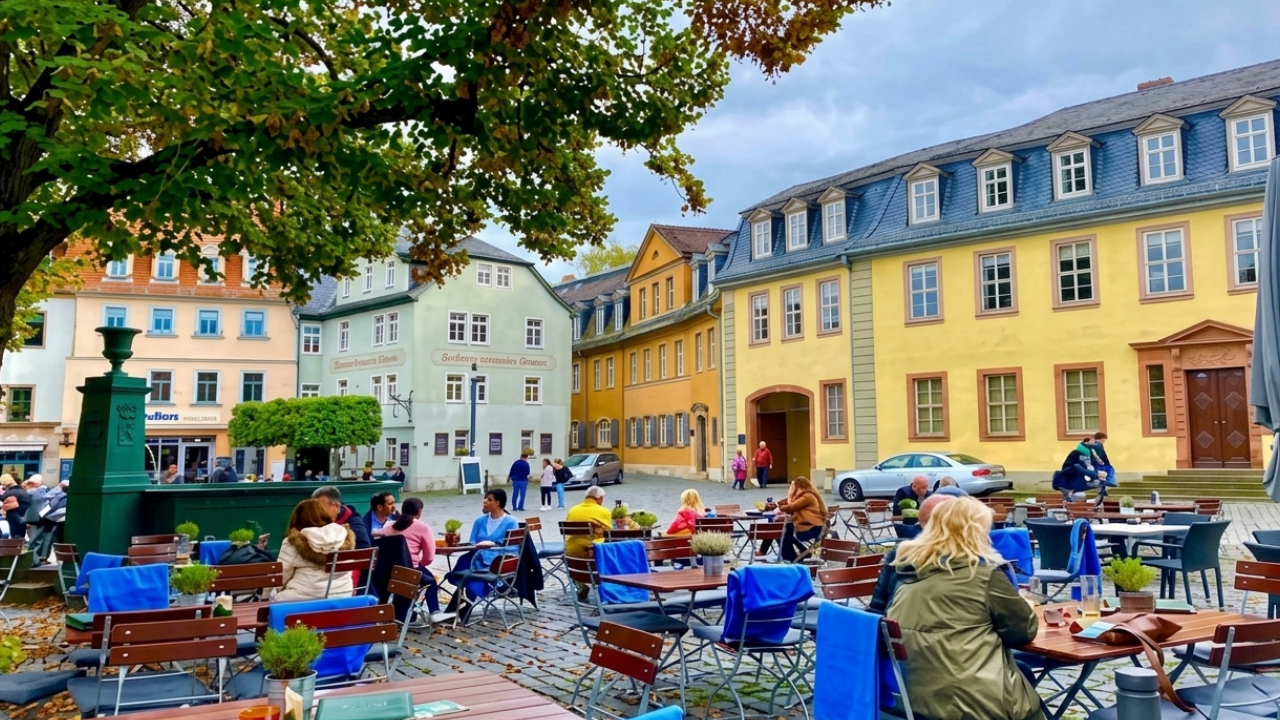
6. Weimar
© shutterstock / Elena Ska

6. Weimar

Weimar is a cultural hub, closely linked with Germany’s literary and artistic heritage. Home to Goethe and Schiller, the city offers museums, theaters, and historic homes celebrating German Enlightenment culture. Bike rides along the Ilm River and leisurely walks through parks complement the city’s intellectual atmosphere. Weimar combines history, culture, and calm, far from Berlin’s busy streets.

What to do: Visit Goethe and Schiller museums

Where to stay: Historic guesthouses or boutique hotels

Local highlight: Classical music and literature tours

7. Passau
© shutterstock / Sina Ettmer Photography

7. Passau

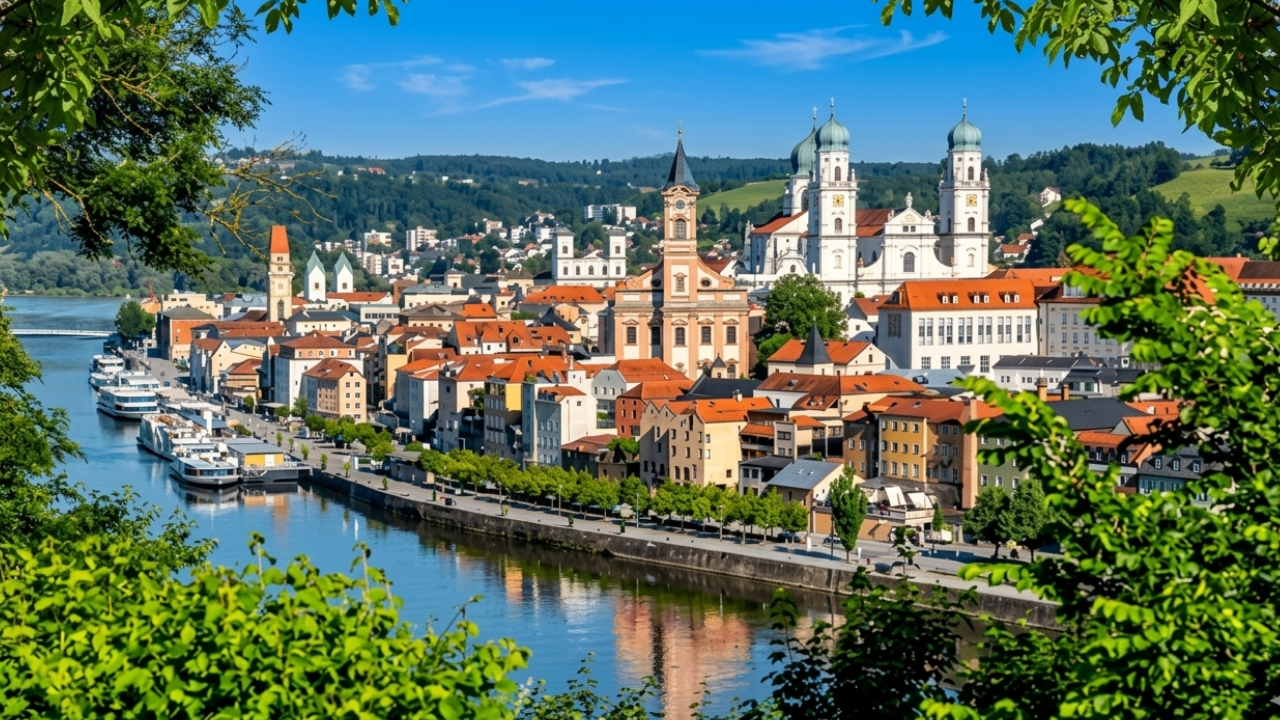
Known as the “City of Three Rivers,” Passau offers stunning riverside vistas and baroque architecture. The city’s cathedral houses Europe’s largest pipe organ, and walking tours reveal narrow streets and historic buildings. Its location at the confluence of three rivers creates scenic views and water-based activities, from river cruises to riverside dining, giving a quieter yet enriching experience than larger Bavarian cities.

What to do: Explore cathedral and river walks

Where to stay: Riverside hotels or city-center inns

Local highlight: Organ concerts in the baroque cathedral

8. Tübingen
© shutterstock / DaLiu

8. Tübingen

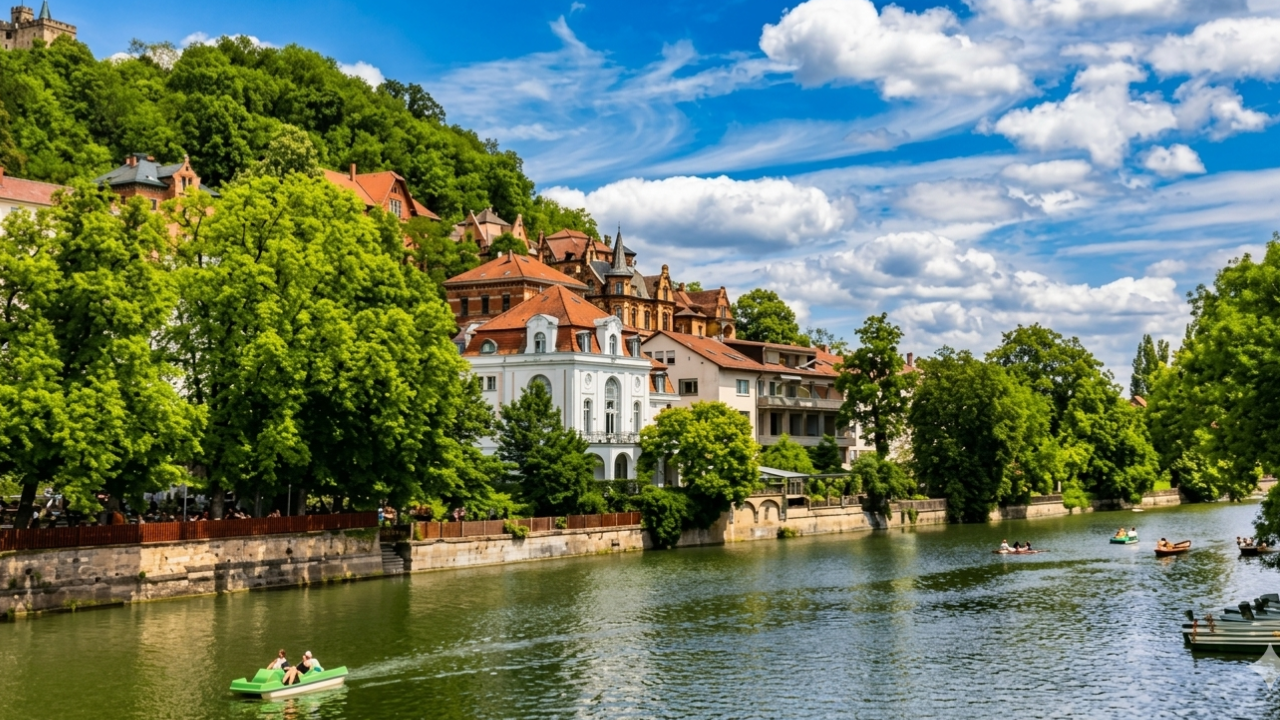
Tübingen is a charming university town along the Neckar River. Its cobblestone streets, half-timbered houses, and riverside cafés create a relaxing atmosphere. Punting on the river, visiting local markets, and enjoying student-friendly cafés combine recreation with cultural immersion. Tübingen’s lively yet low-density city life offers a high-value experience for travelers seeking a balance of relaxation and activity.

What to do: Punting on the Neckar, explore historic streets

Where to stay: Boutique hotels or riverside guesthouses

Local highlight: Cozy café culture and university ambience

9. Marburg
© shutterstock / Viola Dolas

9. Marburg

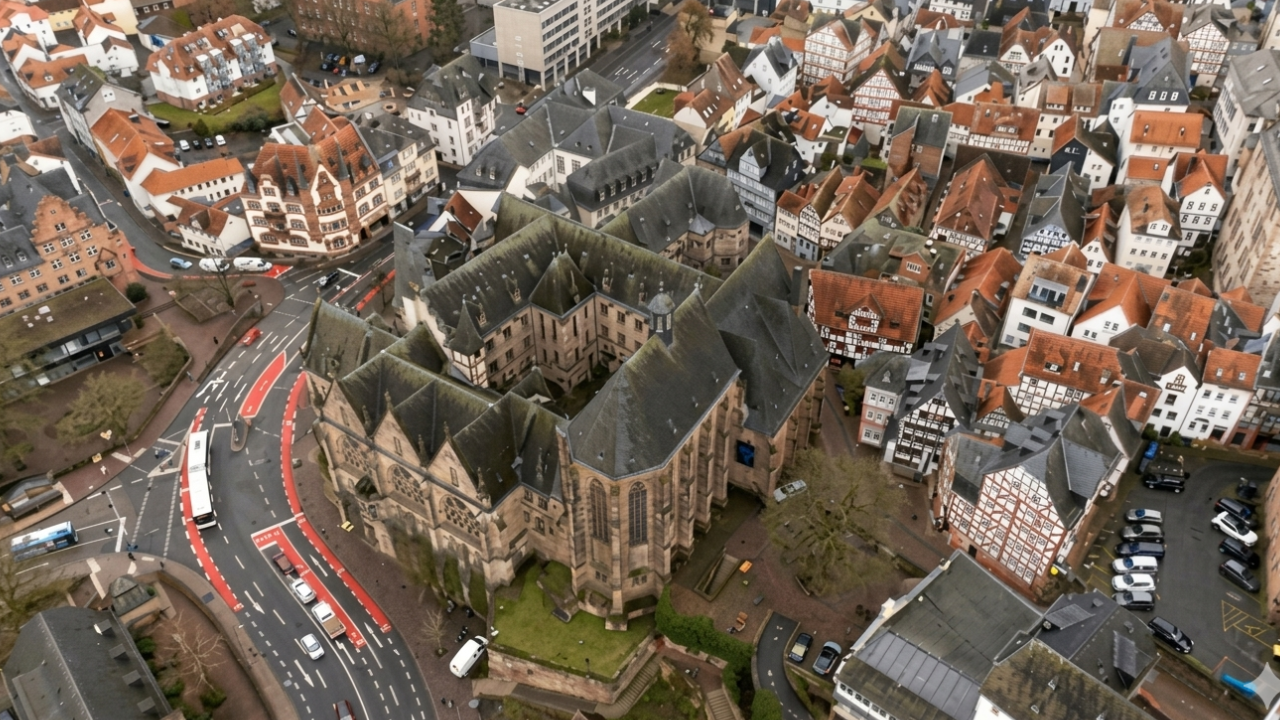
Marburg, perched on a hill along the Lahn River, is renowned for its medieval castle, narrow alleyways, and university charm. Walking tours reveal historic architecture, while local cafés and restaurants showcase Hessian cuisine. The city offers scenic views, outdoor trails, and historic ambiance, making it a quieter alternative to Frankfurt or Cologne.

What to do: Explore castle and old town alleys

Where to stay: Historic inns or boutique hotels

Local highlight: Hillside views over the Lahn

10. Quedlinburg
© shutterstock / K-FK

10. Quedlinburg

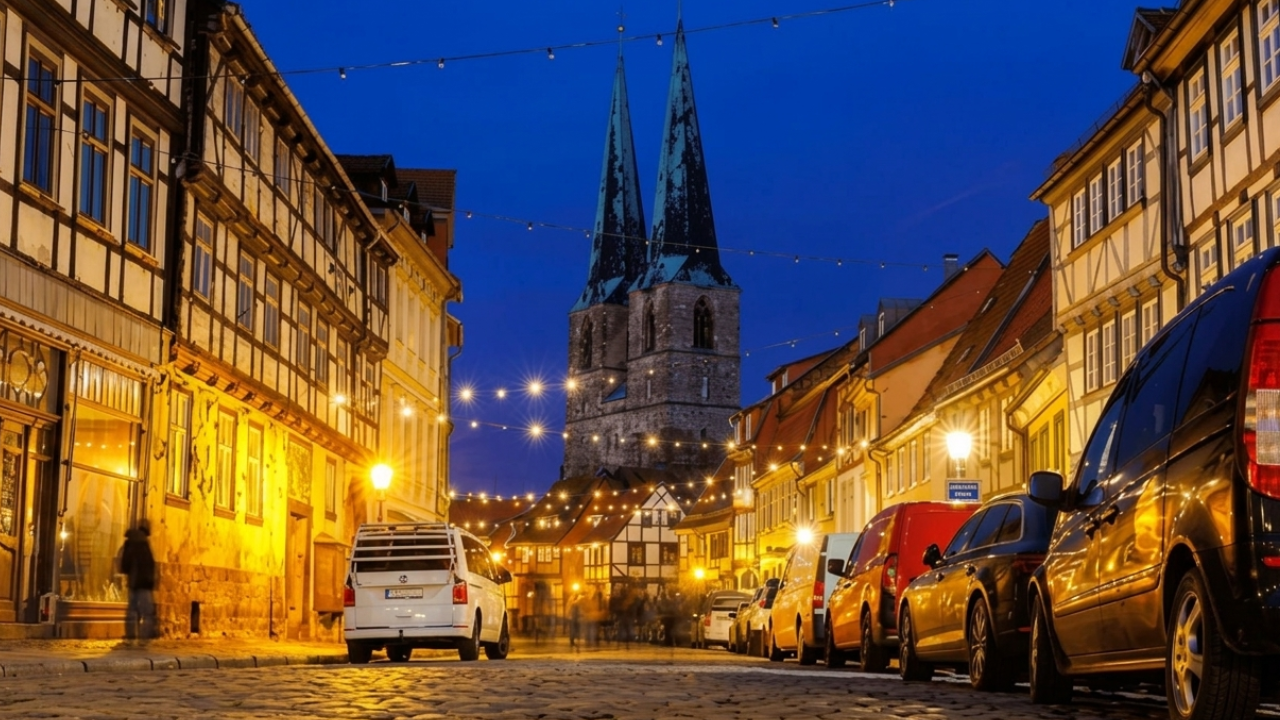
Quedlinburg’s half-timbered houses and cobblestone streets transport visitors back in time. The town is a UNESCO World Heritage site and boasts over 1,300 timber-framed buildings, historic churches, and quaint squares. Small cafés, artisanal shops, and low tourist density make it ideal for travelers seeking authentic German culture without crowds.

What to do: Stroll historic streets and museums

Where to stay: Boutique inns within the old town

Local highlight: Authentic medieval architecture

11. Speyer
© shutterstock / jan kranendonk

11. Speyer

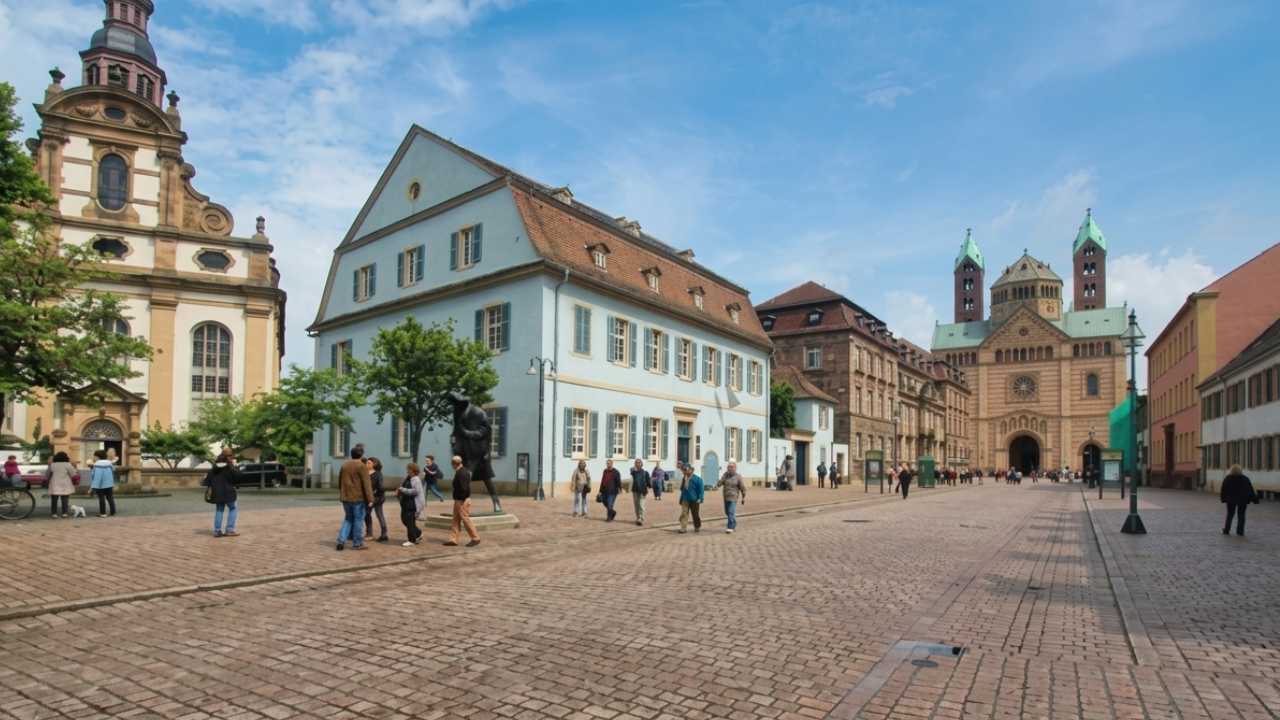
Speyer is home to one of Germany’s largest Romanesque cathedrals and a well-preserved old town. Riverfront promenades, small museums, and traditional wine taverns provide cultural experiences in a relaxed setting. Visitors can enjoy history and gastronomy without the dense tourism of nearby Heidelberg or Frankfurt.

What to do: Visit Speyer Cathedral and local museums

Where to stay: Historic guesthouses or riverfront hotels

Local highlight: Wine taverns and historic cityscape

12. Wismar
© shutterstock / FooTToo

12. Wismar

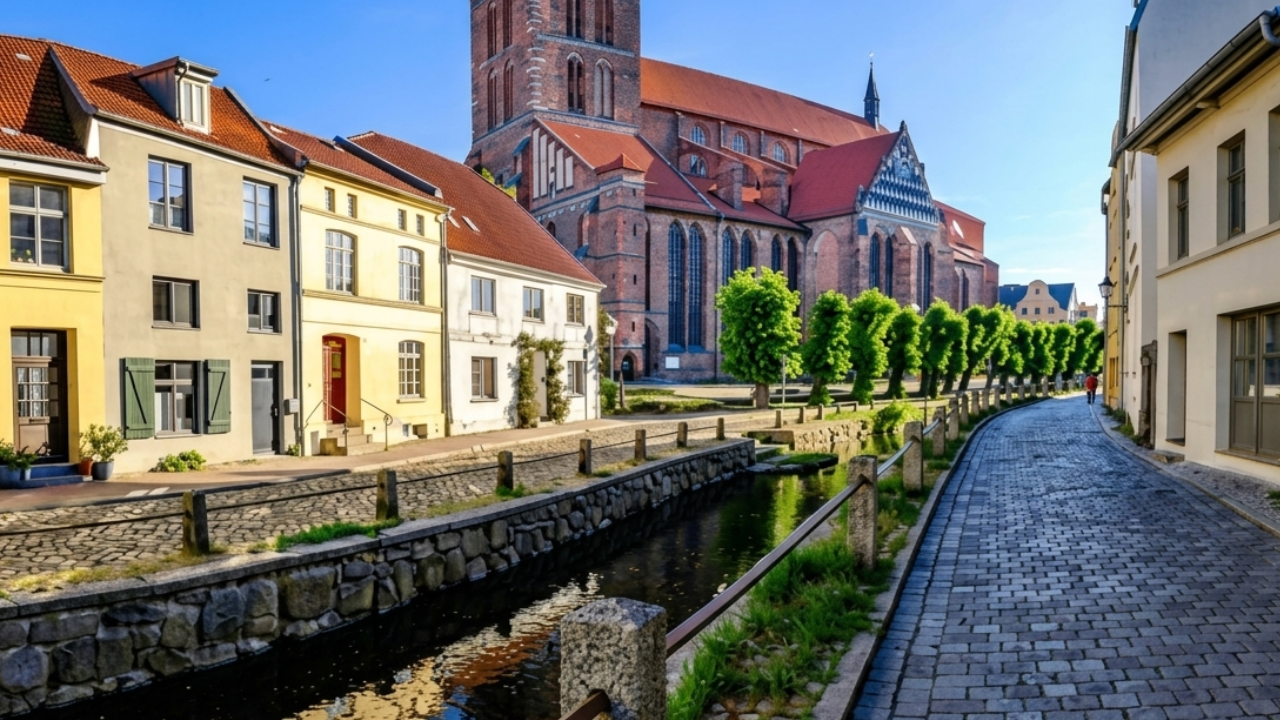
Wismar, a Baltic port town, boasts Hanseatic architecture and quiet canals. Its historic market square, churches, and UNESCO-listed waterfront create a serene exploration environment. The town offers seafood dining, local crafts, and cycling paths along the coast. Wismar provides a high-value, peaceful alternative to Lübeck or Hamburg, combining maritime charm with low tourist density.

What to do: Explore market square and canals

Where to stay: Boutique harbor hotels or historic inns

Local highlight: Hanseatic architecture and coastal dining


Comments (0)

Leave a Reply

No comments yet. Be the first to share your thoughts!