Travel Destination

How to Start Solo Traveling: 15 Tips to Embrace Traveling Alone

James Porter
3.9
April 10, 2026

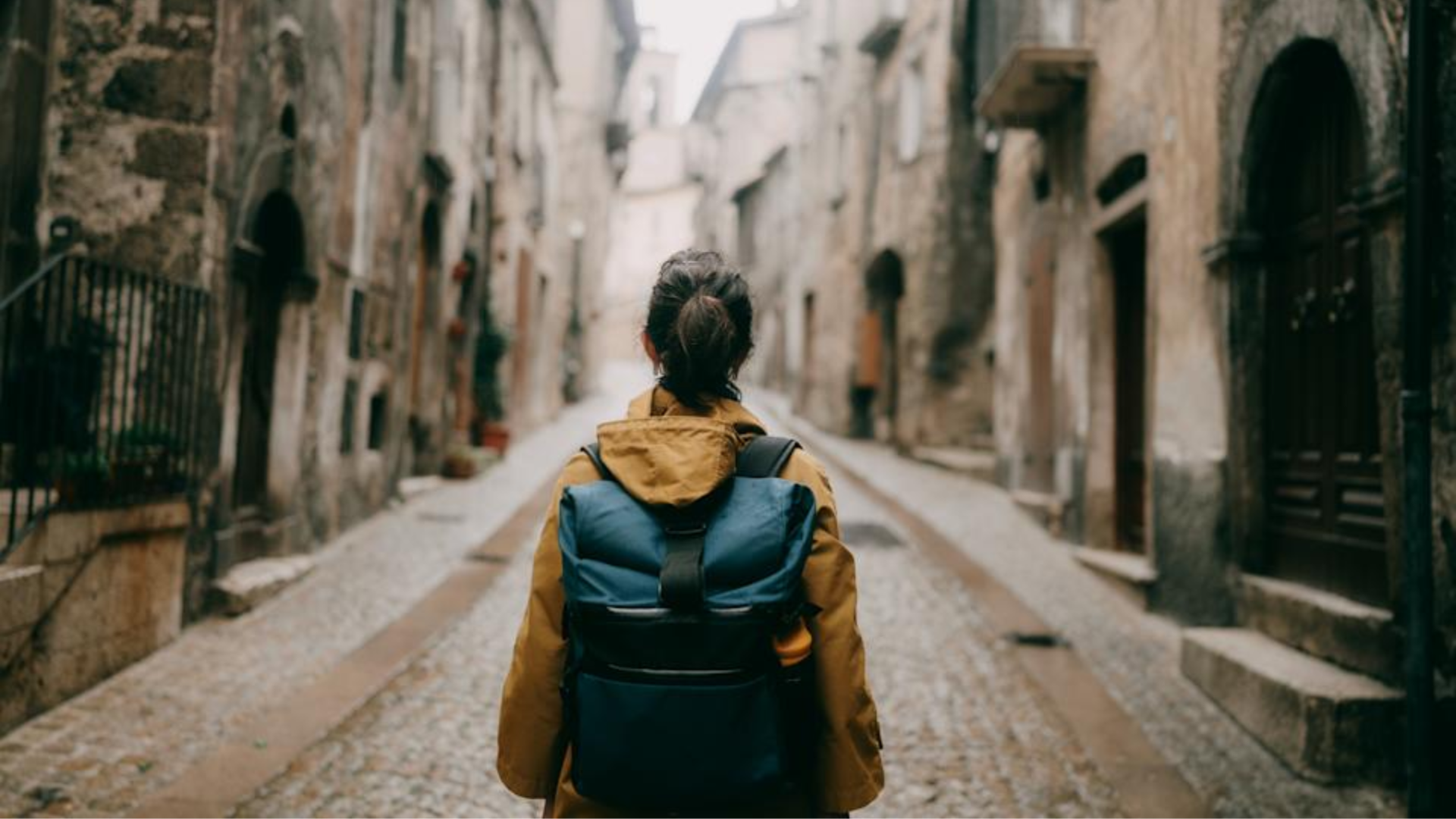
Starting your first solo trip can feel exciting and intimidating at the same time. Traveling alone means making every decision yourself, from where to go and where to stay to how you spend each day. For many people, the biggest concerns are safety, loneliness, and uncertainty about planning.

But solo travel is also one of the most rewarding ways to explore the world. It gives you complete freedom, helps build confidence, and often leads to more meaningful experiences with locals and fellow travelers. Studies and travel experts consistently highlight that preparation, awareness, and mindset are what make solo travel enjoyable rather than stressful. (jessieonajourney.com)

If you are new to traveling alone, these 15 practical tips will help you start confidently and actually enjoy the experience.
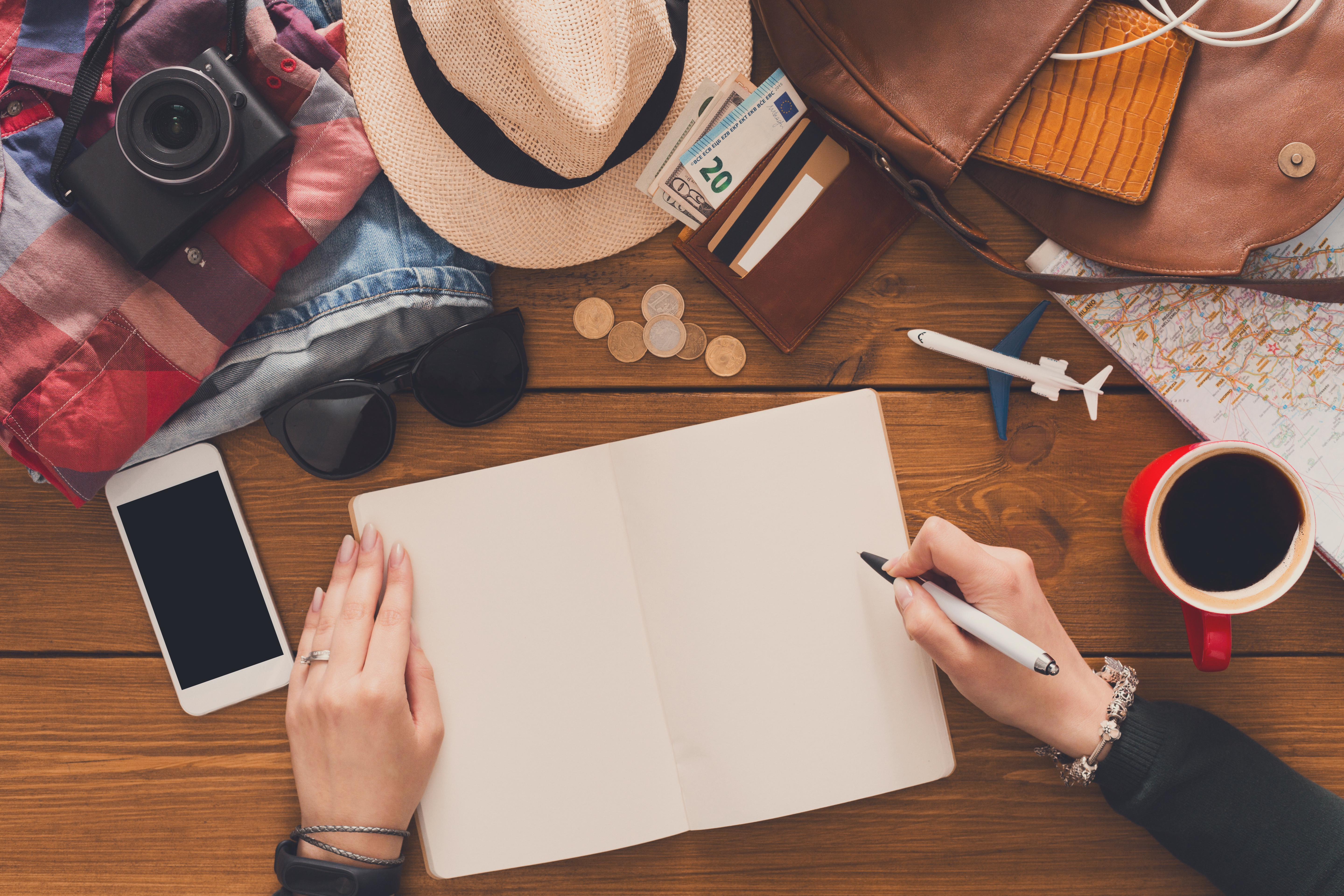
1. Start with a Destination That Feels Easy
© shutterstock_M_Agencyjpg

1. Start with a Destination That Feels Easy

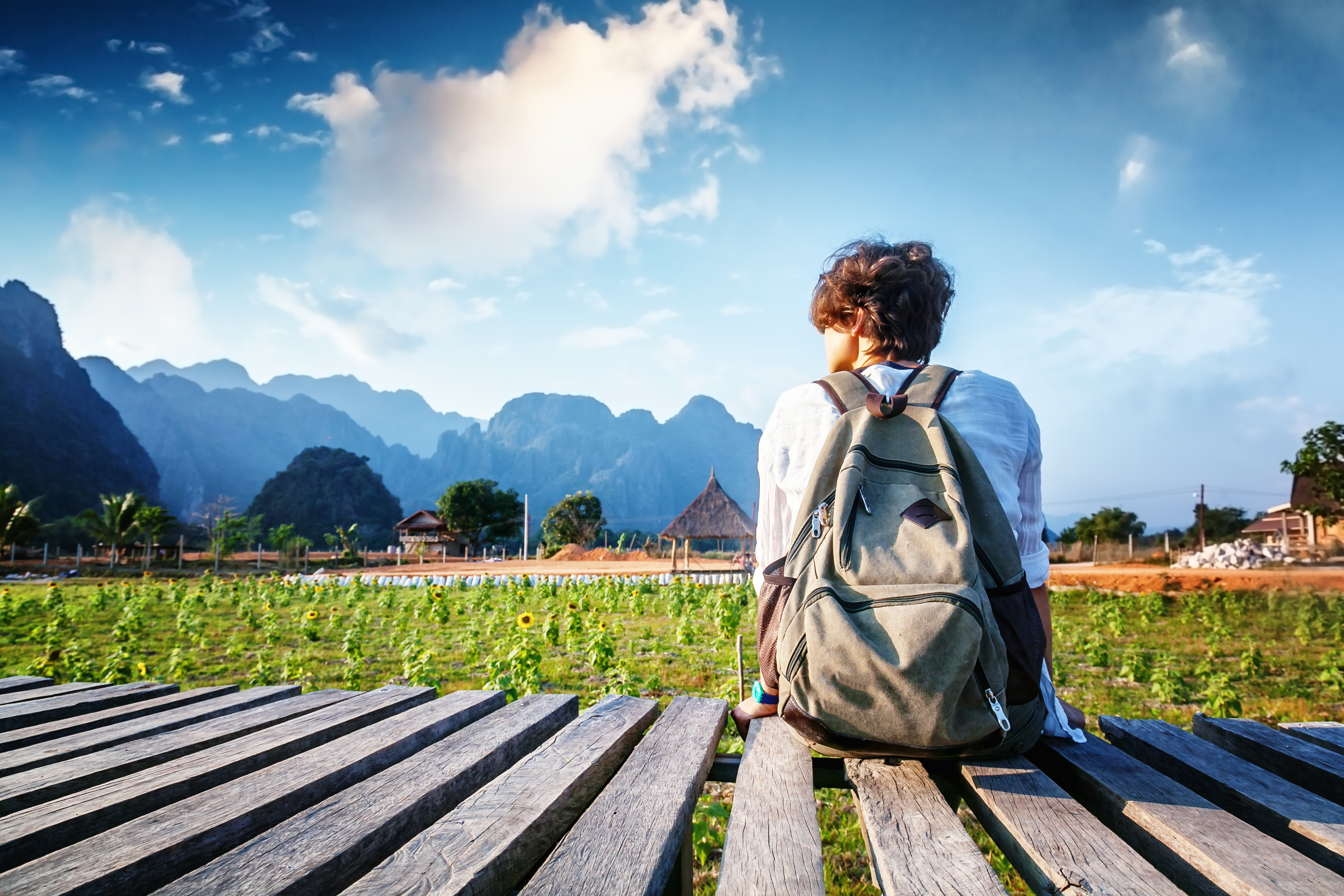
Your first solo trip does not need to be bold or far away. Choosing a destination that is known for being safe, easy to navigate, and tourist-friendly makes a big difference. Places with good transportation, clear signage, and English-speaking locals tend to reduce stress for beginners.

Starting simple helps you focus on the experience rather than worrying about logistics. Many experienced travelers recommend regions with strong tourism infrastructure for your first trip, since they are easier to navigate and more predictable. (Where The Road Forks)

Why It Matters: Reduces overwhelm

Best Approach: Choose well-connected destinations

Traveler Tip: Start with a short trip

Must-Know: Comfort builds confidence

2. Plan the Basics, Not Every Detail
© shutterstock_Prostock-studio

2. Plan the Basics, Not Every Detail

Overplanning can make solo travel feel rigid, while underplanning can create unnecessary stress. The balance is knowing your essentials, like where you will stay, how you will arrive, and what your first day looks like, without scheduling every hour.

Having a flexible plan allows you to adapt, explore, and enjoy unexpected moments. Solo travel works best when you leave space for spontaneity while still feeling prepared.

Why It Matters: Keeps trip flexible

Best Approach: Plan key logistics only

Traveler Tip: Leave open time daily

Must-Know: Flexibility improves experience

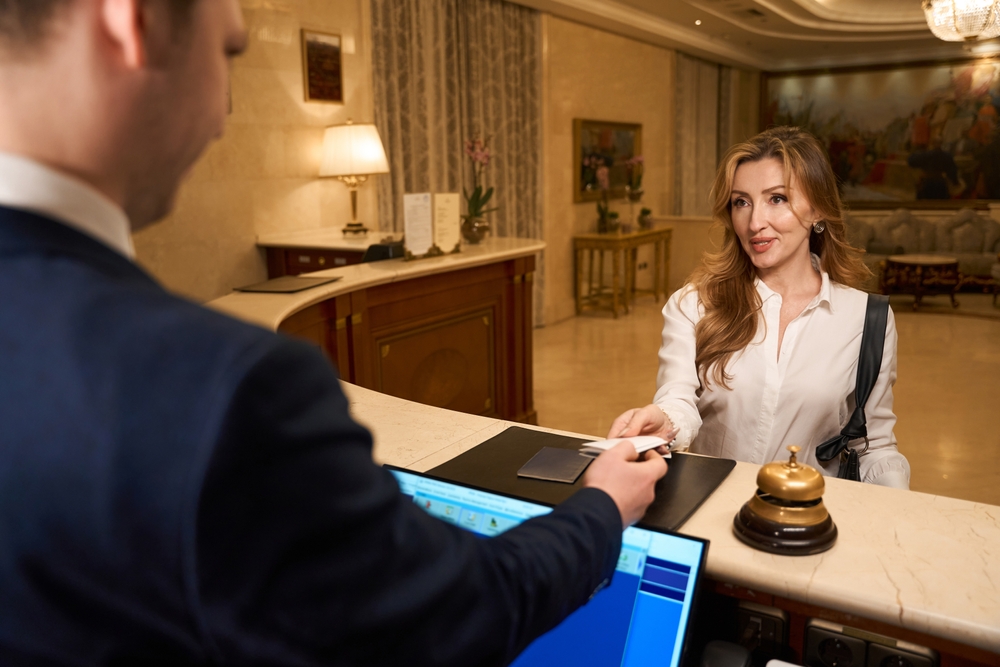
3. Book Your First Night in Advance
© shutterstock_YAKOBCHUK VIACHESLAV

3. Book Your First Night in Advance

One of the simplest ways to reduce anxiety is knowing exactly where you will stay when you arrive. Landing in a new place without accommodation can feel overwhelming, especially when you are alone.

Booking at least your first night ensures you have a safe, comfortable starting point. After that, you can decide whether to stay longer or move elsewhere.

Why It Matters: Provides immediate comfort

Best Approach: Choose central locations

Traveler Tip: Check reviews carefully

Must-Know: First impressions shape your trip

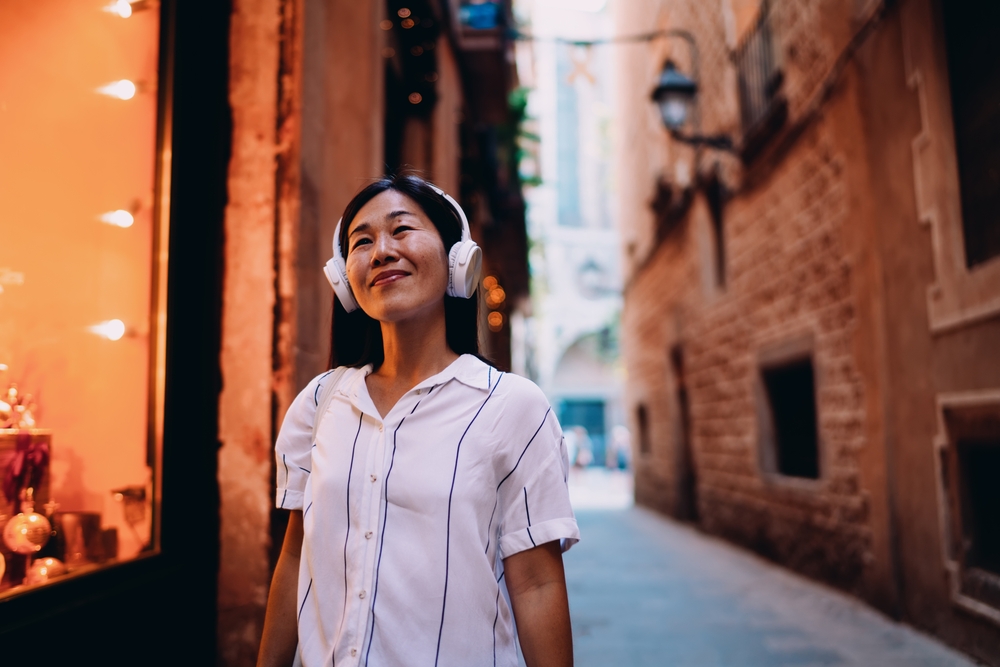
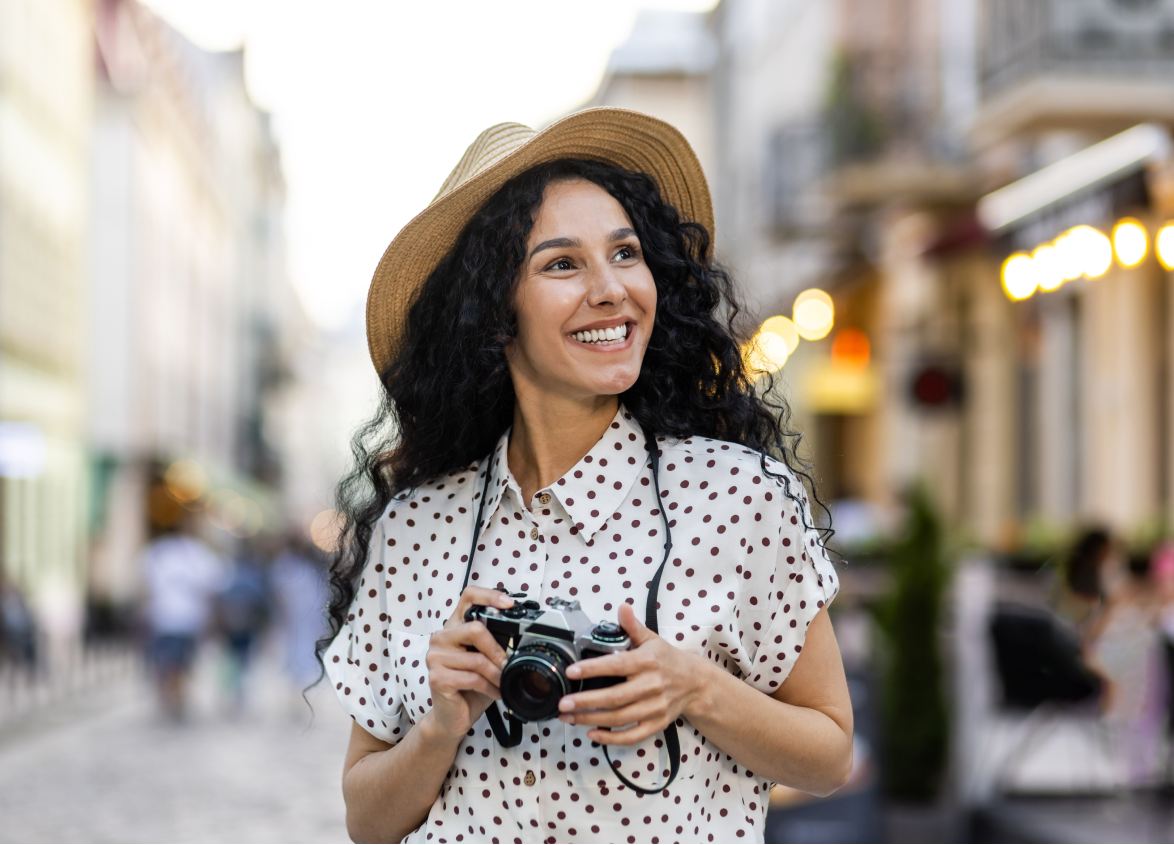
4. Learn to Enjoy Your Own Company
© shutterstock_GaudiLab

4. Learn to Enjoy Your Own Company

One of the biggest mental shifts in solo travel is becoming comfortable being alone in public spaces. Eating alone, exploring alone, and sitting quietly are all part of the experience.

What initially feels awkward often becomes freeing. Many solo travelers discover that being alone allows them to observe more, reflect more, and enjoy experiences without distraction.

Why It Matters: Builds confidence

Best Approach: Embrace quiet moments

Traveler Tip: Bring a book or journal

Must-Know: It gets easier quickly

5. Stay Connected, Even When Traveling Alone
© shutterstock_Prathankarnpap

5. Stay Connected, Even When Traveling Alone

Traveling solo does not mean being completely disconnected. Keeping in touch with friends or family adds a layer of safety and comfort.

Sharing your itinerary, checking in regularly, and having someone aware of your plans are simple but effective habits. Experts consistently recommend staying connected as a basic safety measure. (Solo Travel Tips)

Why It Matters: Adds security

Best Approach: Share your plans

Traveler Tip: Use location sharing apps

Must-Know: Communication builds confidence

6. Choose Social Accommodation Options
© shutterstock_CandyRetriever

6. Choose Social Accommodation Options

If you are worried about loneliness, where you stay matters. Hostels, guesthouses, and small boutique hotels often make it easier to meet people.

Shared spaces, group tours, and communal activities naturally create opportunities to connect with others. Solo travel does not have to mean being isolated unless you want it to be. (Budget Travel With Gabby)

Why It Matters: Reduces loneliness

Best Approach: Choose social environments

Traveler Tip: Join group activities

Must-Know: Meeting people is optional

7. Trust Your Instincts at All Times
© Dave Mani

7. Trust Your Instincts at All Times

One of the most important solo travel skills is learning to trust your instincts. If something feels off, whether it is a place, person, or situation, it is better to leave early than second-guess yourself.

Experienced travelers emphasize that intuition is often your best safety tool when navigating unfamiliar environments. (Budget Travel With Gabby)

Why It Matters: Improves personal safety

Best Approach: Act quickly when unsure

Traveler Tip: Stay in public areas if uncomfortable

Must-Know: Instincts are usually right

8. Keep Your Plans Simple on the First Trip
© Dave Mani

8. Keep Your Plans Simple on the First Trip

Trying to do too much can make solo travel stressful. A packed itinerary may work in group travel, but when you are alone, simplicity works better.

Fewer destinations, slower travel, and manageable schedules help you stay relaxed and in control. This also gives you time to adjust to being alone in a new environment.

Why It Matters: Reduces stress

Best Approach: Focus on fewer places

Traveler Tip: Avoid overbooking activities

Must-Know: Slow travel is more enjoyable

9. Prepare for Moments of Loneliness
© shutterstock_Olezzo

9. Prepare for Moments of Loneliness

Even experienced solo travelers occasionally feel lonely. This is normal and does not mean you made the wrong decision.

Understanding the difference between solitude and loneliness helps. Solitude can be positive and intentional, while loneliness is temporary and manageable. (Solo Traveler)

Why It Matters: Sets realistic expectations

Best Approach: Stay mentally prepared

Traveler Tip: Stay busy and engaged

Must-Know: Feelings pass quickly

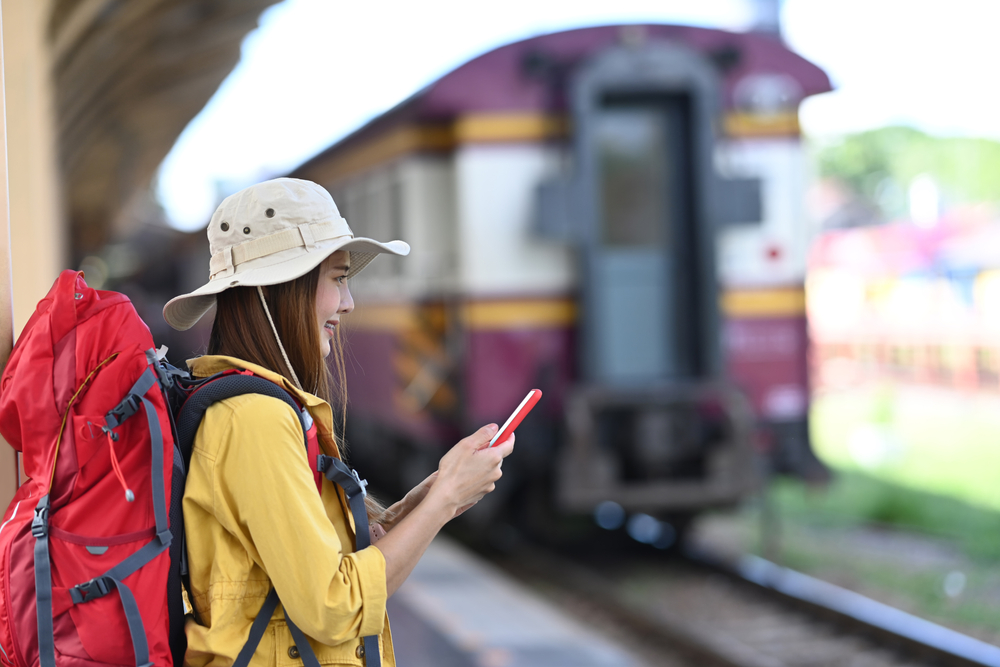
10. Use Technology to Your Advantage
© shutterstock_MyCreative

10. Use Technology to Your Advantage

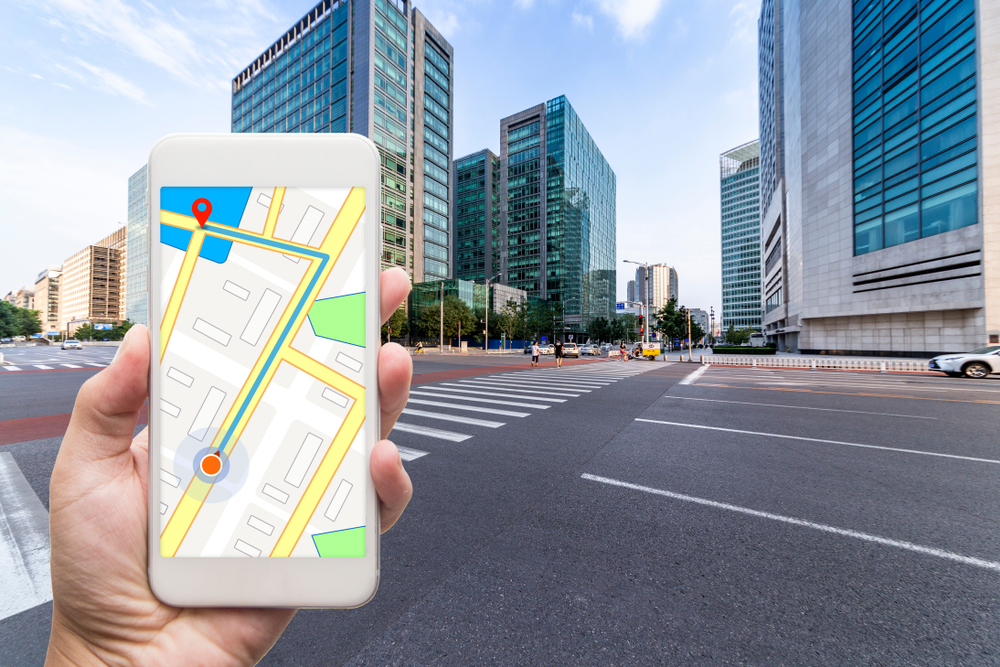
Smartphones make solo travel significantly easier. Maps, translation apps, booking platforms, and ride services reduce many of the challenges travelers once faced.

Using technology for navigation, communication, and safety adds convenience and peace of mind throughout your trip.

Why It Matters: Simplifies travel

Best Approach: Download key apps

Traveler Tip: Save offline maps

Must-Know: Battery backup is essential

11. Pack Light and Stay Mobile
© shutterstock_New Africa

11. Pack Light and Stay Mobile

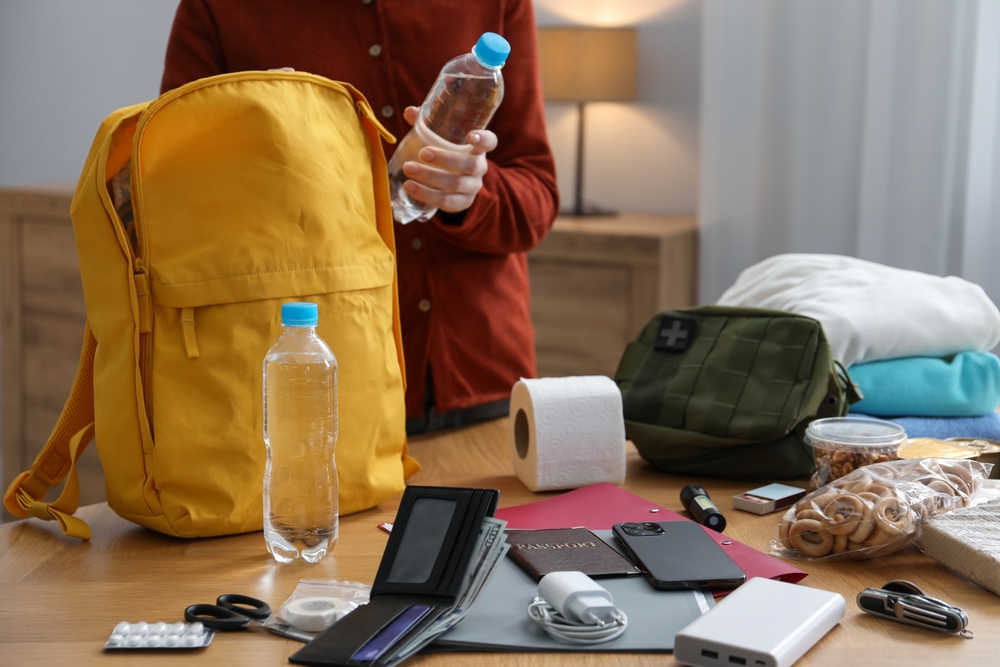
When traveling alone, you are responsible for everything you carry. Heavy luggage can quickly become a burden, especially when navigating public transport or unfamiliar streets.

Packing light gives you flexibility and reduces stress. It also makes it easier to move quickly when plans change.

Why It Matters: Improves mobility

Best Approach: Pack essentials only

Traveler Tip: Use versatile clothing

Must-Know: You carry everything yourself

12. Try New Experiences Without Waiting for Others
© shutterstock_Zoteva

12. Try New Experiences Without Waiting for Others

One of the biggest advantages of solo travel is that you do not need to compromise. You can try activities, visit places, and make decisions entirely based on your interests.

This freedom often leads to more spontaneous and meaningful experiences, something many travelers consider the best part of going solo. (Solo Travel Tips)

Why It Matters: Encourages growth

Best Approach: Say yes to new things

Traveler Tip: Step outside your comfort zone

Must-Know: You control the experience

13. Learn Basic Local Etiquette
© goaheadtours

13. Learn Basic Local Etiquette

Understanding cultural norms helps you feel more confident and avoid awkward situations. Simple things like greetings, dress expectations, and basic phrases can make a big difference.

Respecting local customs also makes interactions smoother and more positive.

Why It Matters: Improves interactions

Best Approach: Learn key basics

Traveler Tip: Observe local behavior

Must-Know: Respect builds trust

14. Keep Backup Money and Essentials
© shutterstock_Rawpixel

14. Keep Backup Money and Essentials

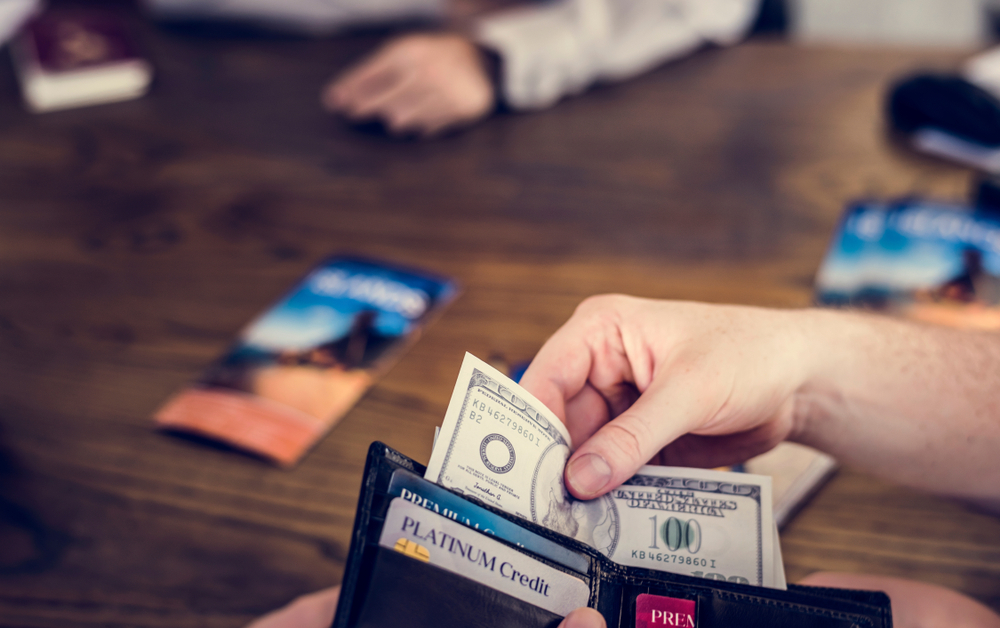
Unexpected situations can happen, from lost cards to last-minute changes. Having backup cash, extra cards, and copies of important documents provides security.

Experienced travelers often recommend separating valuables so that a single issue does not affect your entire trip. (Adventure to Every Country)

Why It Matters: Prevents major disruptions

Best Approach: Split valuables

Traveler Tip: Store copies digitally

Must-Know: Preparation reduces risk

15. Focus on the Experience, Not Perfection
© shutterstock_BongkarnGraphic

15. Focus on the Experience, Not Perfection

Solo travel does not need to be perfect to be meaningful. There may be delays, awkward moments, or unexpected changes. These are part of the experience, not failures.

Approaching your trip with a flexible and open mindset helps you enjoy it more fully. The goal is not perfection, but growth, discovery, and independence.

Why It Matters: Reduces pressure

Best Approach: Stay adaptable

Traveler Tip: Embrace unexpected moments

Must-Know: Imperfection adds value


Comments (0)

Leave a Reply

No comments yet. Be the first to share your thoughts!