Travel North America

How Nicaragua’s colonial cities and volcanoes create a unique travel experience

Adam Collins
3.5
May 21, 2026

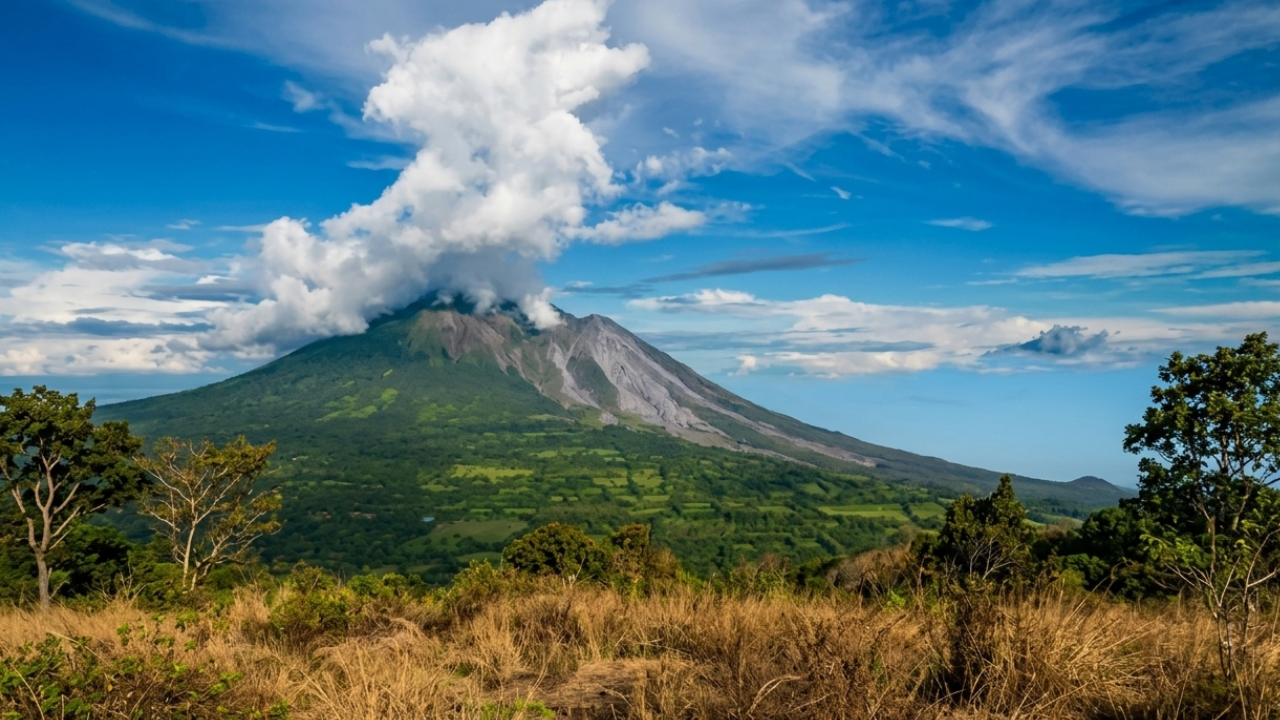
Nicaragua is often described as the land of lakes and volcanoes, and for good reason. This Central American country combines dramatic natural landscapes with rich cultural history and inviting island retreats. Volcanoes rise above verdant forests and lakes, colonial cities retain echoes of centuries past, and Caribbean islands offer tranquil ocean escapes. Whether you’re drawn to hiking up volcanic slopes, exploring cobblestone streets and historic plazas, or unwinding on white sand beaches, Nicaragua presents a mixture of environments that feel distinct yet connected by a shared heritage and tropical backdrop.

The country’s relatively compact size makes it possible to experience diverse settings in one trip. The Pacific side features colonial towns, outdoor adventure, and active volcanoes near major cities, while the large freshwater Lake Nicaragua frames island escapes like Ometepe. Further east, the Caribbean coast and its islands deliver ocean breezes, reefs, and a different cultural influence. Below are 10 of the best places that highlight Nicaragua’s volcanoes, colonial charm, and island escapes — each with its own character and reasons to visit.
1. Granada
© shutterstock / Milosz Maslanka

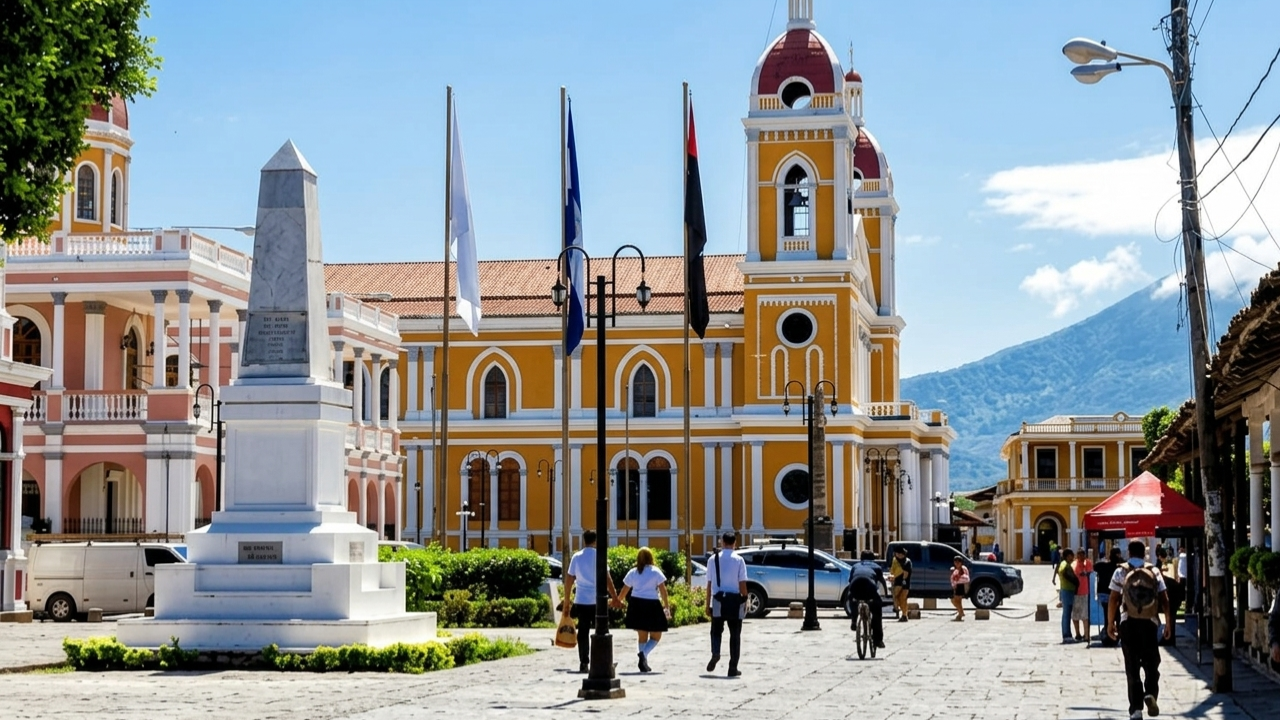
1. Granada

Granada is a picturesque colonial city with colorful facades, cobbled streets, and historic churches. Founded in 1524, it is one of the oldest cities in the Americas and a hub for culture and architecture. Visitors enjoy exploring the central plaza, the ornate cathedral, and local markets. Granada’s proximity to Lake Nicaragua allows for excursions to nearby islets formed by volcanic activity, providing opportunities for boat tours and nature exploration. Its combination of colonial charm and access to natural attractions makes it an essential stop for visitors.

Historic charm: Cobblestone streets and colonial buildings

Nearby attractions: Las Isletas boat tours on Lake Nicaragua

Local experience: Cafés, markets, and traditional cuisine

2. León
© shutterstock / Oscar Espinosa

2. León

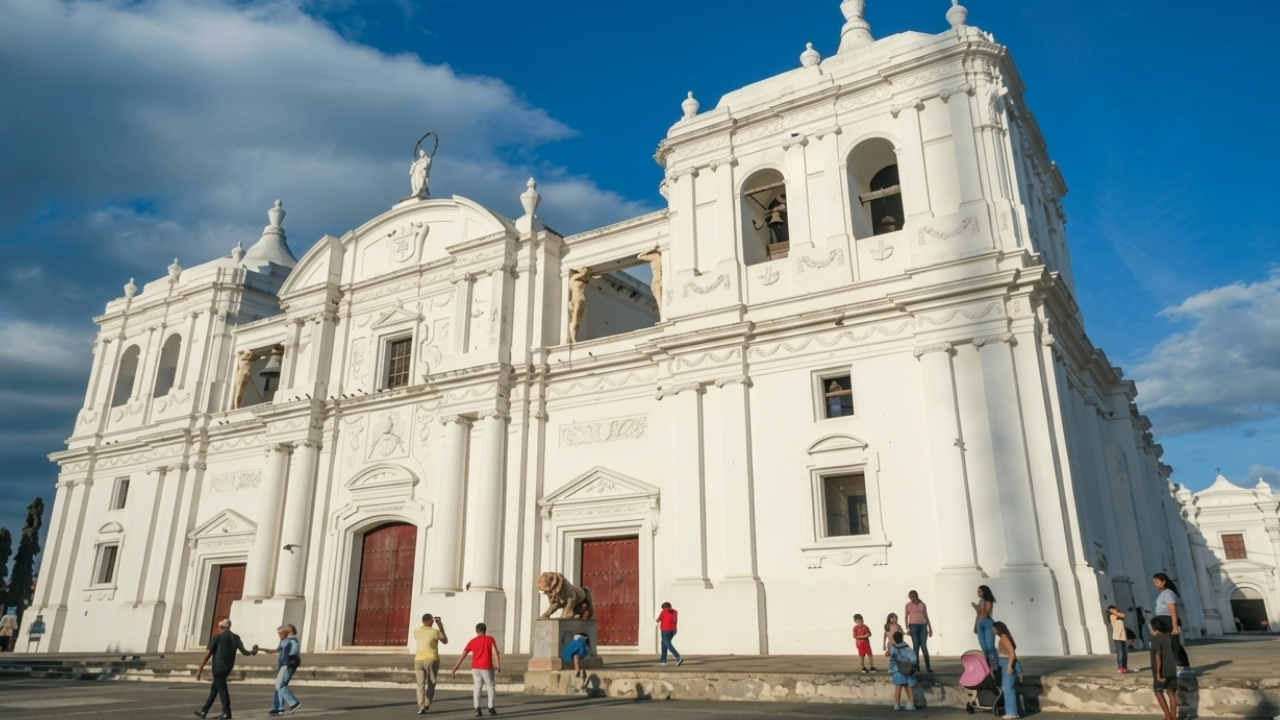
León is a vibrant city blending culture, history, and adventure. Known for its expansive plazas and impressive cathedral, León offers a glimpse into Nicaragua’s colonial past. The city has a thriving arts scene, with murals, galleries, and museums that celebrate its heritage. Outdoor enthusiasts can explore nearby volcanoes for hiking and volcano boarding. León’s energetic streets, combined with historical landmarks and cultural experiences, make it a dynamic destination for travelers.

Landmarks: León Cathedral and historic squares

Volcano access: Cerro Negro for volcano boarding

Art scene: Museums, murals, and galleries

3. Isla de Ometepe
© shutterstock / Will Ullmo

3. Isla de Ometepe

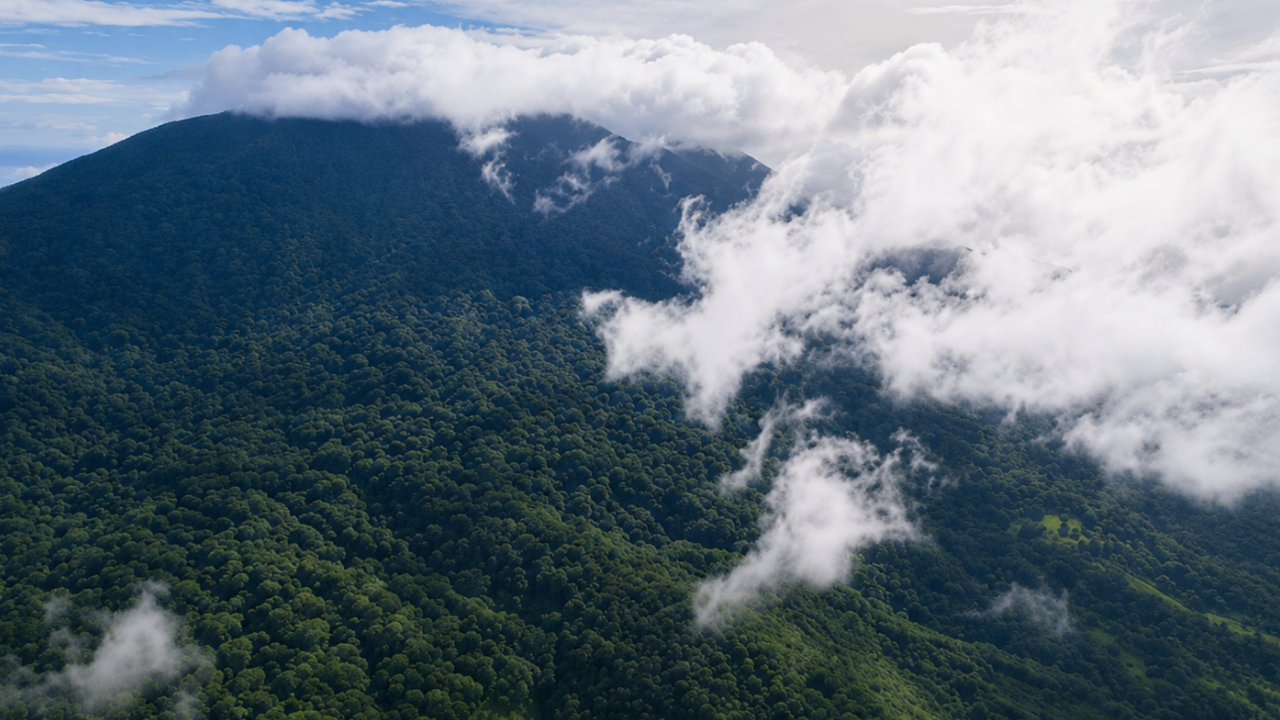
Ometepe is a volcanic island in Lake Nicaragua formed by Concepción and Maderas volcanoes. It is celebrated for its lush jungles, crater lakes, waterfalls, and hiking trails. Visitors can explore cloud forests, swim in freshwater lagoons, or tour small villages to experience local life. Archaeological petroglyphs and diverse wildlife enhance the island’s appeal. Ometepe’s unique geography and serene environment offer a mix of adventure and relaxation for nature enthusiasts.

Volcano hikes: Concepción and Maderas trails

Water activities: Lake swimming and kayaking

Cultural insight: Local villages and agricultural tours

4. Masaya Volcano National Park
© Dave Mani

4. Masaya Volcano National Park

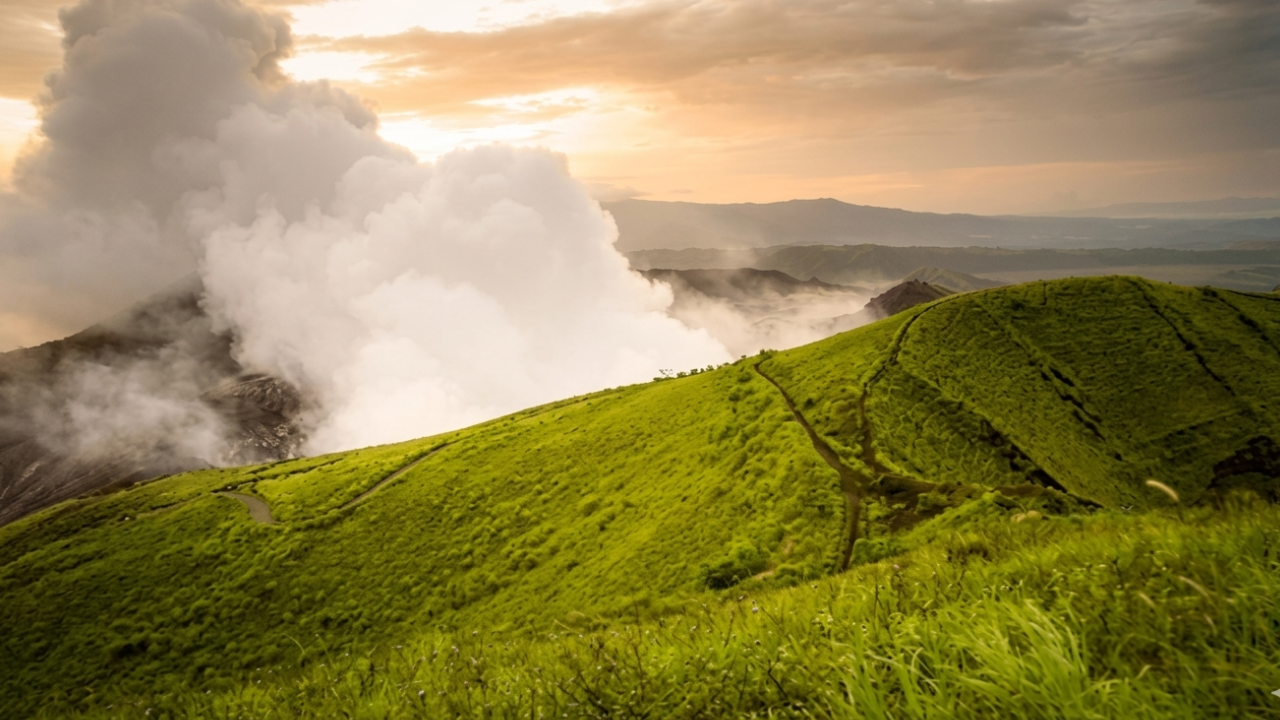
Masaya Volcano National Park features one of the country’s most accessible active volcanoes. Visitors can drive close to the crater, witnessing smoke and volcanic activity from viewing points. The park includes hiking trails and nearby attractions like Laguna de Apoyo, a water-filled volcanic crater perfect for swimming and paddling. Masaya combines geological wonder with easy access, making it suitable for those who want to experience volcanic landscapes without strenuous treks.

Volcanic features: Smoldering crater and lava fields

Nature walk: Trails around the summit

Photography: Sunset and panoramic views

5. San Juan del Sur
© shutterstock / Marek Poplawski

5. San Juan del Sur

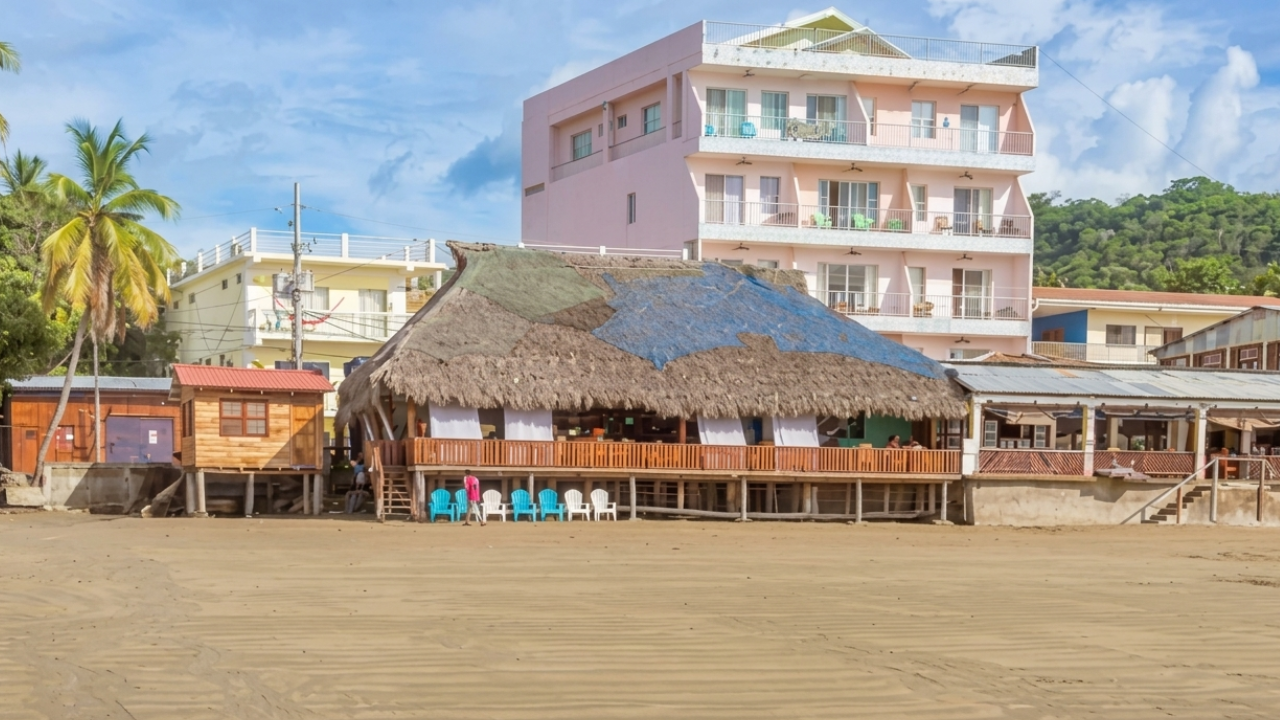
San Juan del Sur is a popular beach town on Nicaragua’s Pacific coast. Its horseshoe-shaped bay offers sandy shores and consistent surf breaks, ideal for both beginners and experienced surfers. The town features a lively boulevard lined with restaurants, bars, and shops, providing a social atmosphere. Nearby beaches, including Playa Maderas and Playa Hermosa, are favored for sunset watching and surf lessons. San Juan del Sur is a balance of coastal relaxation and vibrant town energy.

Beaches: Playa Maderas and Playa Hermosa

Surfing: Beginner and intermediate-friendly waves

Nightlife: Restaurants and bars along the bay

6. Big Corn Island
© shutterstock / Soul Free Images

6. Big Corn Island

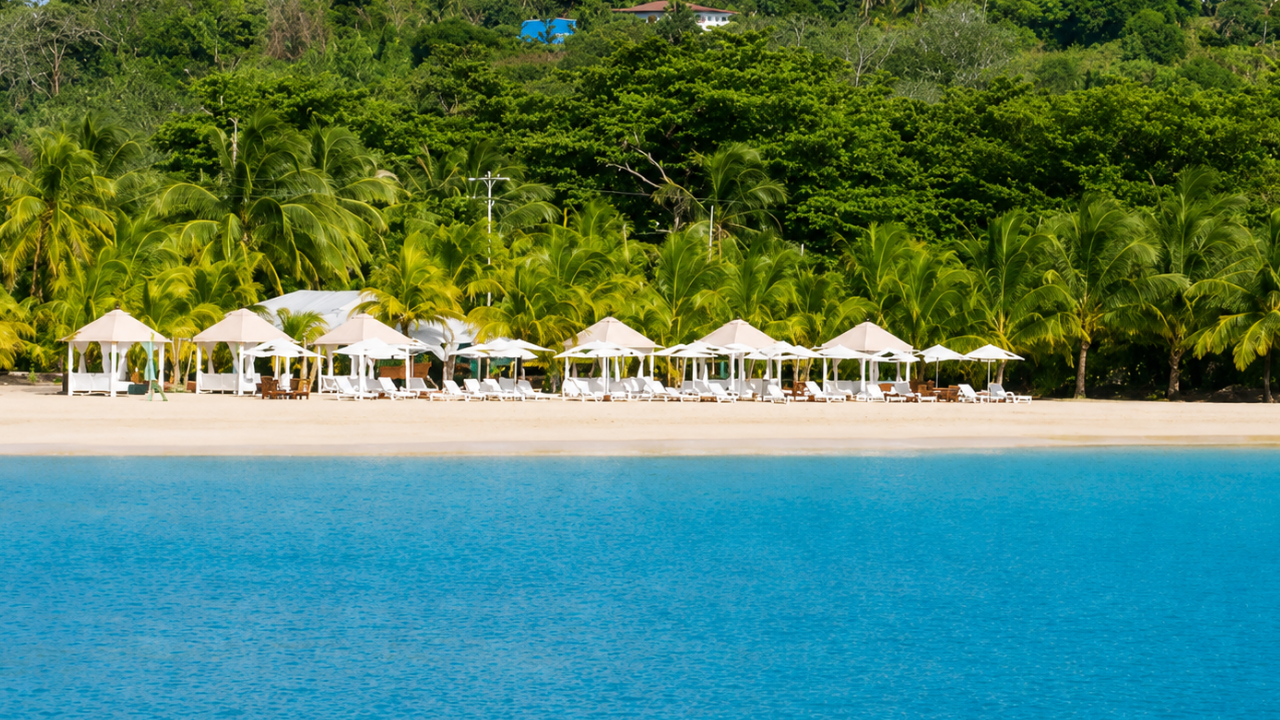
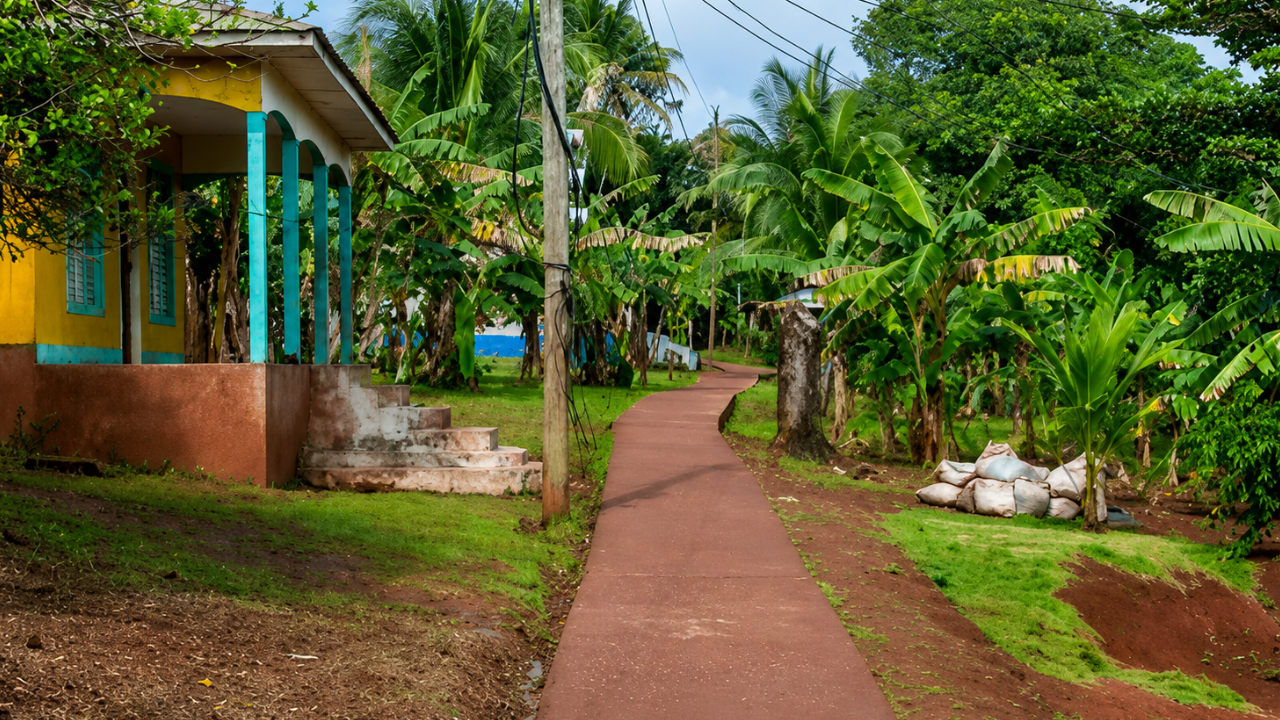
Big Corn Island lies off Nicaragua’s Caribbean coast and offers a laid-back island experience. Its beaches feature soft sand and clear waters, perfect for swimming, snorkeling, and enjoying tropical scenery. The town itself has a relaxed pace, with colorful houses, small eateries, and local markets. Big Corn Island serves as a base for visiting Little Corn Island and other nearby islets, providing a quiet escape from mainland activity.

Beach relaxation: White sand shores

Marine life: Snorkeling around reefs

Local cuisine: Seafood and tropical fruits

7. Little Corn Island
© shutterstock / Alira Vale

7. Little Corn Island

Little Corn Island is a small, car-free island near Big Corn Island, characterized by calm beaches and coral-rich waters. Visitors typically walk or bike around the sandy paths, immersing themselves in a slower pace of life. The island is popular for snorkeling and diving due to its vibrant marine ecosystems. Beachside cafés offer fresh seafood and tropical dishes. Little Corn Island is ideal for travelers seeking isolation and a peaceful Caribbean retreat.

Secluded beaches: Calm, uncrowded sand

Water activities: Diving and snorkeling

Slow pace: Walking and cycling paths

8. Mombacho Volcano
© shutterstock / PixieMe

8. Mombacho Volcano

Mombacho Volcano, near Granada, offers hiking trails through cloud forests and coffee plantations, providing diverse ecological experiences. The volcano’s lookout points afford panoramic views of Lake Nicaragua, Granada, and surrounding landscapes. Visitors can encounter rare flora and fauna, or participate in canopy tours that explore the forest canopy via zipline. Mombacho is an excellent destination for those interested in nature, adventure, and scenic photography.

Hiking trails: Forest canopy paths

Adventure: Zipline tours and guided walks

Scenery: Overlook of Lake Nicaragua and volcanic landscapes

9. León Viejo
© Shutterstock / Inspired By Maps

9. León Viejo

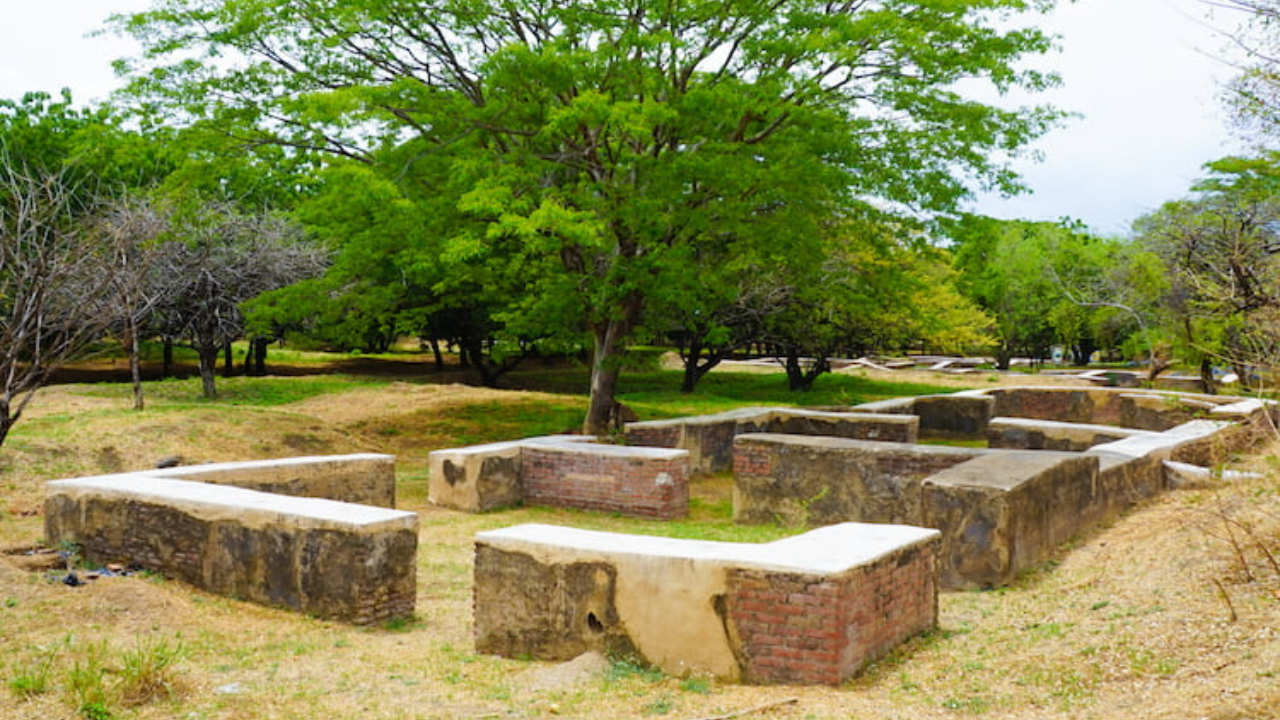
León Viejo is a UNESCO World Heritage archaeological site preserving the ruins of Nicaragua’s original León city. Earthquakes and volcanic activity led to its abandonment, leaving behind foundations, church remains, and early colonial structures. Walking among the ruins offers insight into 16th-century Spanish settlements in Central America. The site is set against distant volcanoes, giving a striking backdrop to the historical remains. León Viejo appeals to history enthusiasts and those interested in archaeological exploration.

Archaeology: Church and foundation remains

History: Spanish-era colonial settlement

Volcanic backdrop: Views of surrounding volcanoes

10. Emerald Coast
© shutterstock / Susan Natoli

10. Emerald Coast

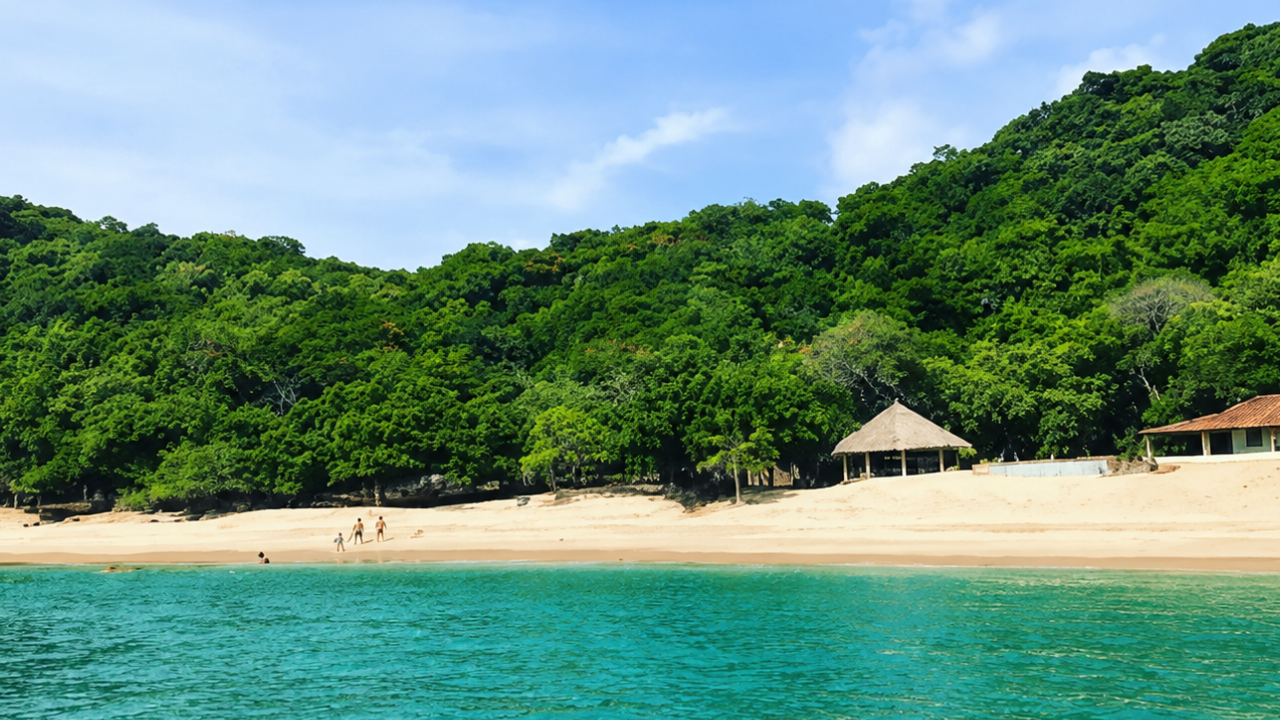
The Emerald Coast stretches along Nicaragua’s southern Pacific shoreline, encompassing remote beaches, surf breaks, and scenic natural landscapes. Less developed than central Pacific tourist areas, the region attracts surfers and travelers seeking tranquility. Coastal towns provide local seafood and simple accommodations, giving visitors a taste of authentic coastal life. The Emerald Coast is a combination of expansive beaches, open landscapes, and oceanic charm, ideal for those who prefer low-density destinations.

Surfing: Pacific waves for all skill levels

Beaches: Secluded stretches and dunes

Local dining: Seafood shacks and casual eateries


Comments (0)

Leave a Reply

No comments yet. Be the first to share your thoughts!