Destinations

Middle East destinations where ancient history and modern travel experience coexist

Leo Harper
3.8
June 02, 2026

The Middle East is often described through its ancient cities, desert routes, religious landmarks, and archaeological treasures, but many destinations in the region also offer a surprisingly modern travel experience. Visitors can move from stone carved tombs to design hotels, from traditional souks to contemporary museums, or from desert landscapes to carefully planned cultural districts in the same trip. This contrast is what makes the region especially interesting for travelers who want history without giving up comfort, access, and variety.

These destinations are not only about looking at the past. They show how ancient heritage continues to shape modern cities, tourism projects, architecture, food, and local identity. From Jordan’s sandstone ruins to Saudi Arabia’s desert heritage sites and the waterfront museums of the Gulf, each place offers a different way to experience old and new together. For travelers planning meaningful cultural trips, these Middle East destinations show how ancient history and modern travel can meet in unexpected ways.
1. Petra, Jordan
© shutterstock / Evgeniy Vasilev

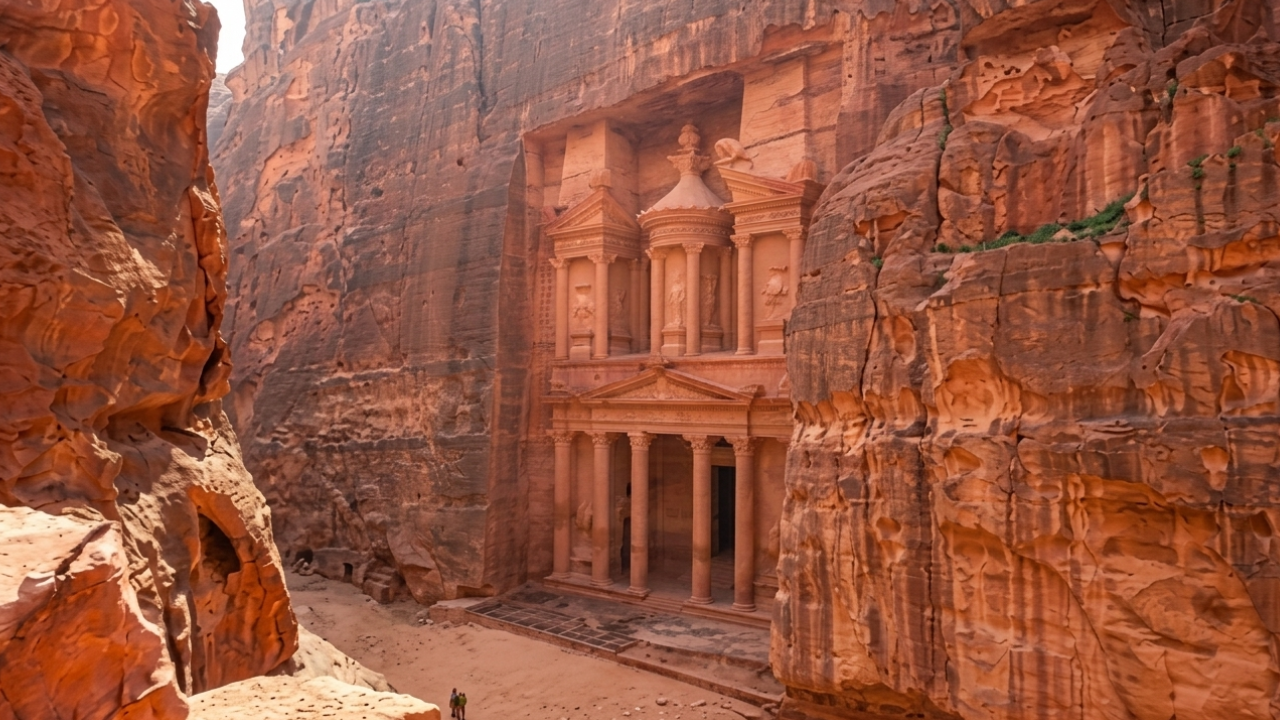
1. Petra, Jordan

Petra remains one of the most remarkable ancient sites in the Middle East, with monuments carved directly into rose colored sandstone cliffs. What makes it feel modern for travelers is the way the experience now blends archaeology with organized routes, guided walks, nearby hotels, and access from Wadi Musa. The approach through the narrow Siq still feels dramatic, but visitors can plan the trip with practical comfort, from early entry tickets to local restaurants and small boutique stays.

Modern travel angle: Guided routes and comfortable nearby stays

Ancient highlight: The Treasury and rock cut Nabataean tombs

2. AlUla, Saudi Arabia
© shutterstock / mqrenzy

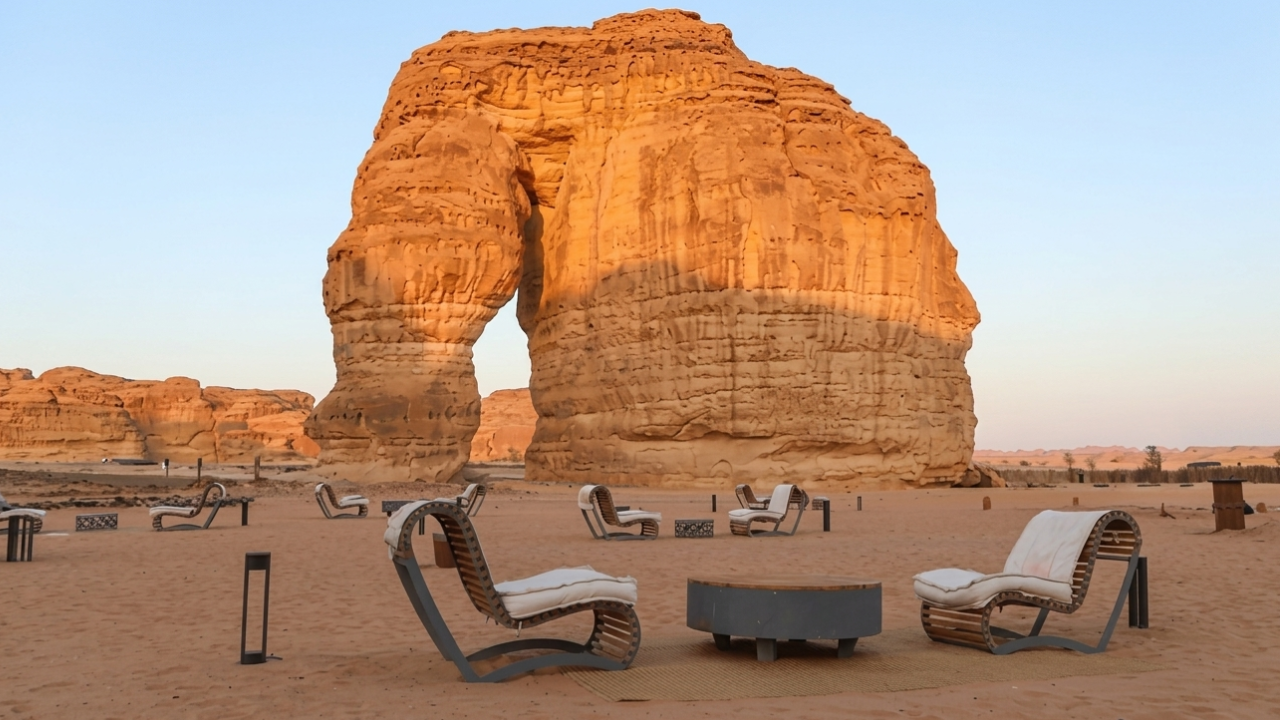
2. AlUla, Saudi Arabia

AlUla has quickly become one of the region’s most distinctive heritage destinations. Its desert valleys, sandstone formations, and ancient tombs connect visitors with thousands of years of Arabian history, while new resorts, cultural festivals, and curated tours bring a polished modern travel layer. Hegra, with its carved Nabataean tombs, is the major historical draw, but the wider area includes old town lanes, desert viewpoints, art installations, and stargazing experiences that feel carefully planned yet rooted in place.

Modern travel angle: Desert resorts, art events, and curated tours

Ancient highlight: Hegra’s carved tombs and old trade routes

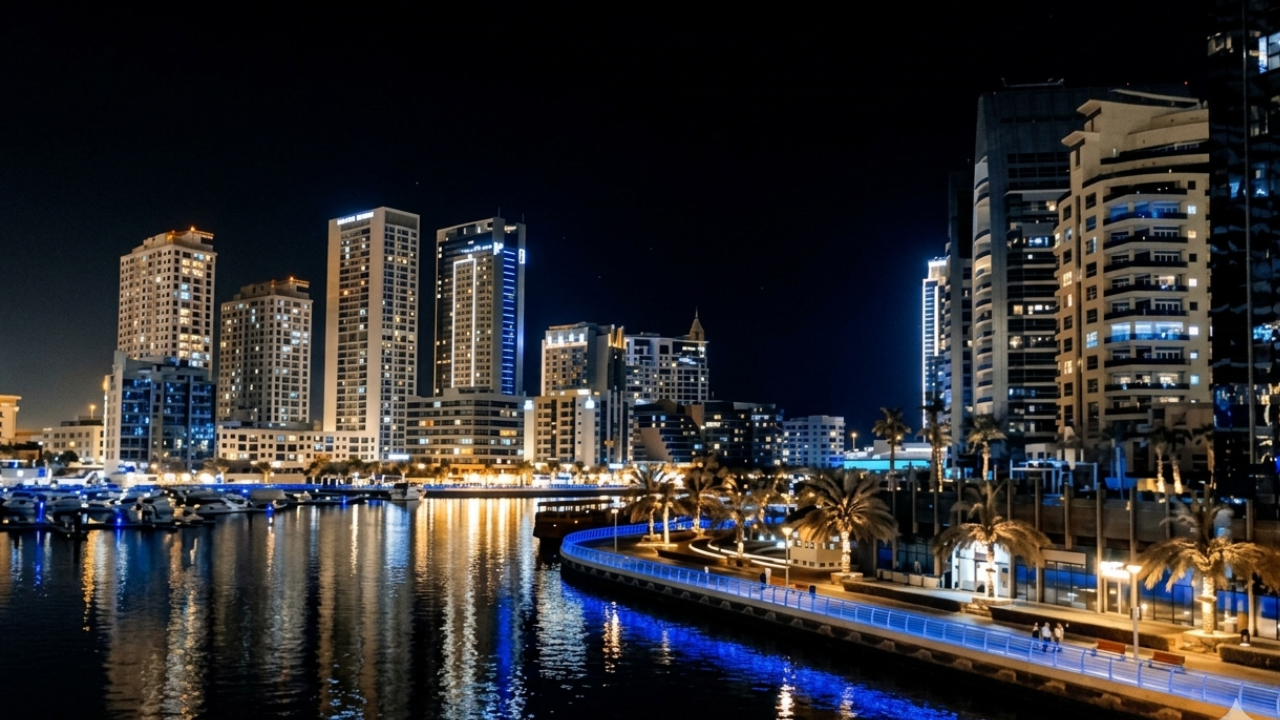
3. Dubai, United Arab Emirates
© shutterstock / lara-sh

3. Dubai, United Arab Emirates

Dubai is often associated with skyscrapers and luxury malls, but its older districts reveal a more layered story. Al Fahidi Historical Neighborhood, Dubai Creek, and the traditional souks show how trade, pearl diving, and regional migration shaped the city before its rapid modern growth. Travelers can spend the morning exploring wind tower architecture and wooden abra boats, then move to contemporary restaurants, museums, and skyline viewpoints by evening. That contrast makes Dubai more than a futuristic stopover.

Modern travel angle: Metro access, museums, and skyline dining

Ancient highlight: Creek trading heritage and restored old quarters

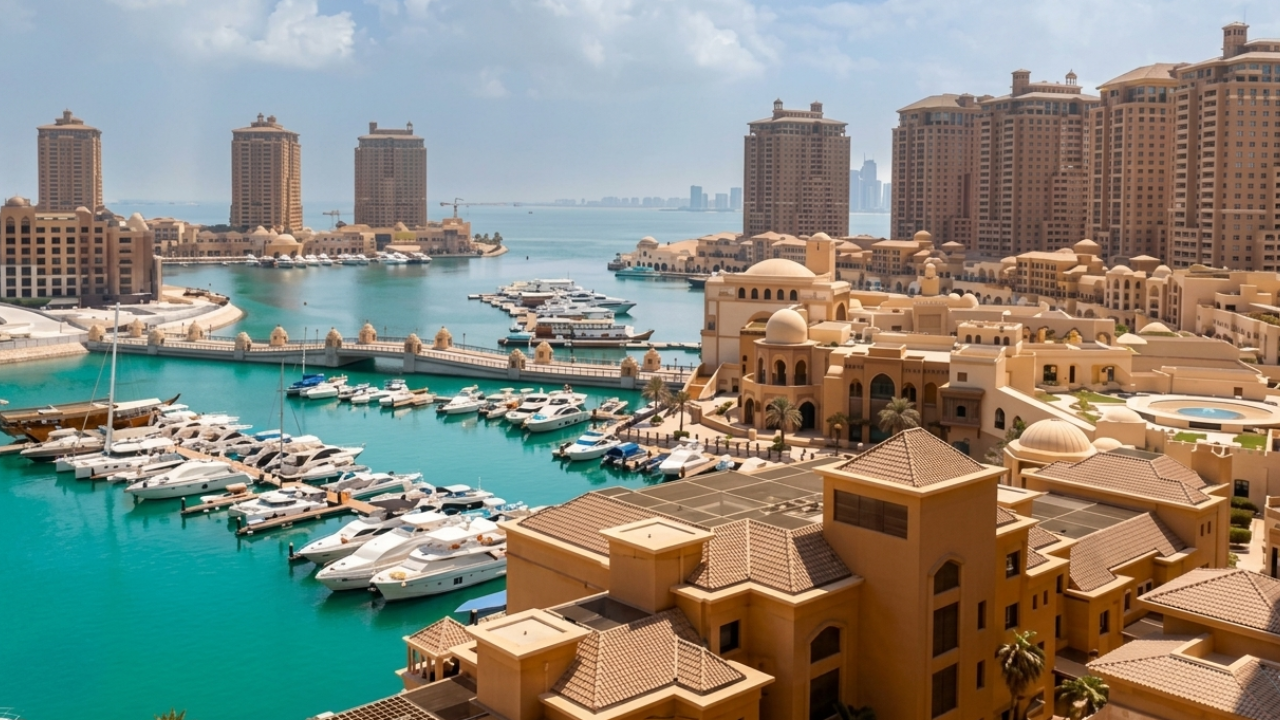
4. Doha, Qatar
© shutterstock / Q world

4. Doha, Qatar

Doha has developed into a modern cultural capital while still keeping traditional Gulf identity visible. The Museum of Islamic Art, Msheireb Downtown, and Souq Waqif show how heritage can be presented through contemporary design and urban planning. Visitors can browse spice shops and falcon stalls, then walk into sleek museums, waterfront promenades, and carefully restored neighborhoods. Doha works well for travelers who want a short cultural break that feels organized, clean, and easy to navigate.

Modern travel angle: Contemporary museums and walkable cultural districts

Ancient highlight: Islamic art, souk traditions, and regional trade history

5. Abu Dhabi, United Arab Emirates
© shutterstock / frantic00

5. Abu Dhabi, United Arab Emirates

Abu Dhabi offers a thoughtful mix of modern architecture, cultural institutions, and historical context. Qasr Al Hosn, the city’s oldest stone building, gives insight into the emirate’s early settlement and leadership history, while nearby modern museums and waterfront areas show its current global outlook. The Louvre Abu Dhabi adds an international cultural dimension, presenting history through art and design. Visitors can also experience desert excursions and traditional hospitality without moving far from polished city infrastructure.

Modern travel angle: World class museums and refined city planning

Ancient highlight: Qasr Al Hosn and desert heritage

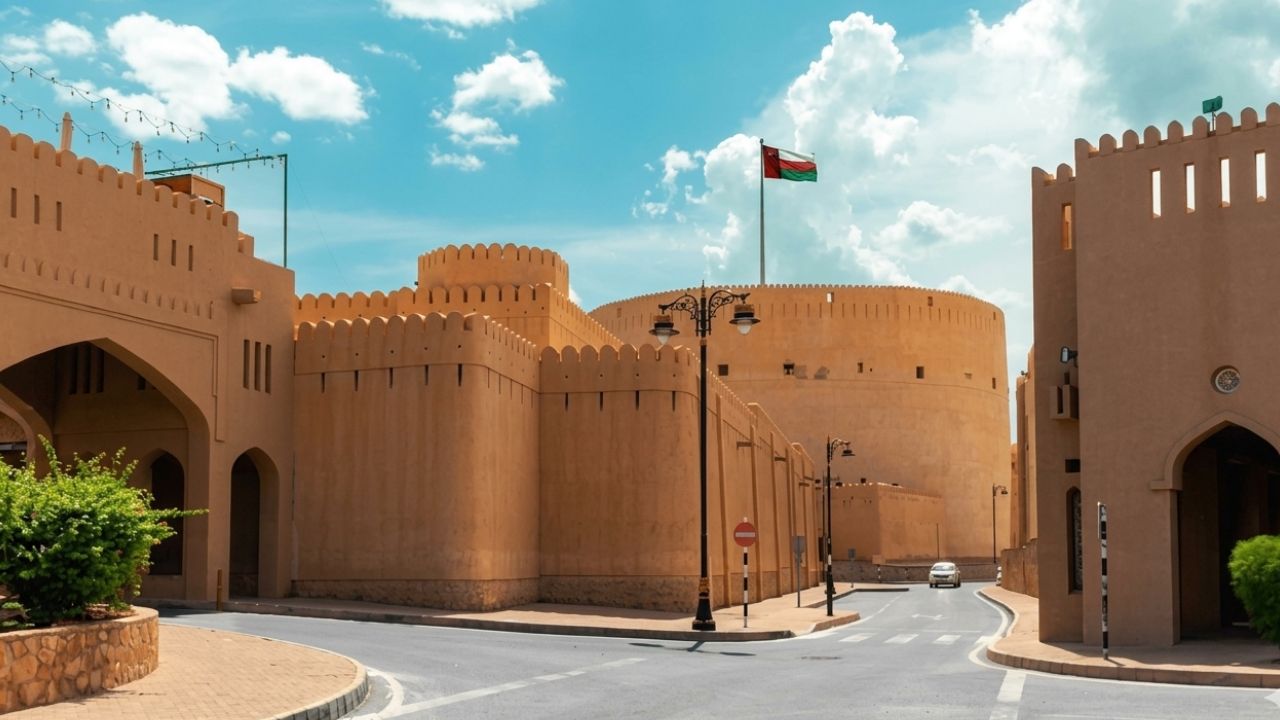
6. Muscat and Nizwa, Oman
© shutterstock / ArtEvent ET

6. Muscat and Nizwa, Oman

Oman offers one of the region’s most balanced combinations of heritage and modern travel. Muscat has clean roads, elegant hotels, and coastal scenery, while still maintaining traditional architecture and a calmer pace than many major Gulf cities. A trip inland to Nizwa adds forts, souks, date markets, and mountain routes. Travelers can explore historic defensive towers in the morning and stay in comfortable mountain resorts or desert camps later, making Oman ideal for culture and landscape focused travel.

Modern travel angle: Scenic road trips and high quality boutique stays

Ancient highlight: Nizwa Fort, souks, and old mountain villages

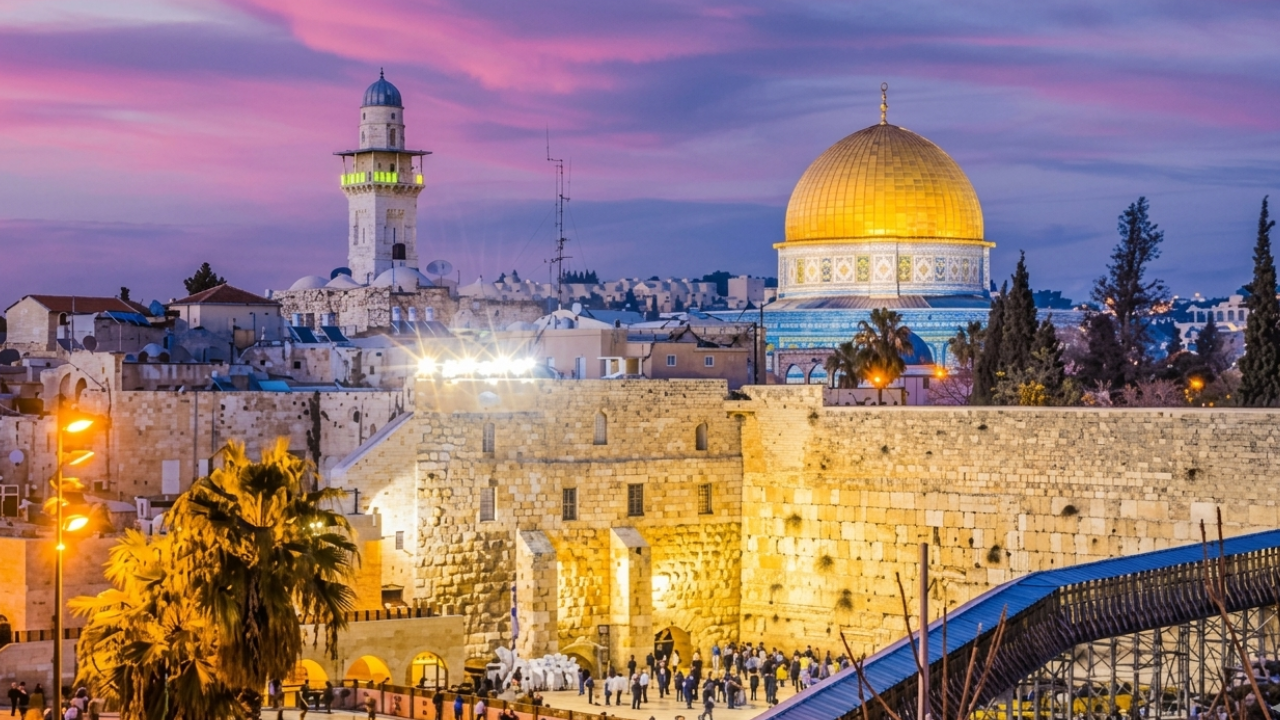
7. Jerusalem
© shutterstock / Sean Pavone

7. Jerusalem

Jerusalem is one of the world’s most historically layered cities, with sacred sites, ancient walls, markets, and neighborhoods shaped by centuries of religious and cultural history. Modern travel here comes through guided walking routes, museums, boutique hotels, food tours, and light rail connections that help visitors navigate a complex city. The Old City remains the central experience, but nearby modern neighborhoods, restaurants, and galleries add another side to the visit.

Modern travel angle: Food tours, museums, and improved urban access

Ancient highlight: Old City lanes, walls, and sacred landmarks

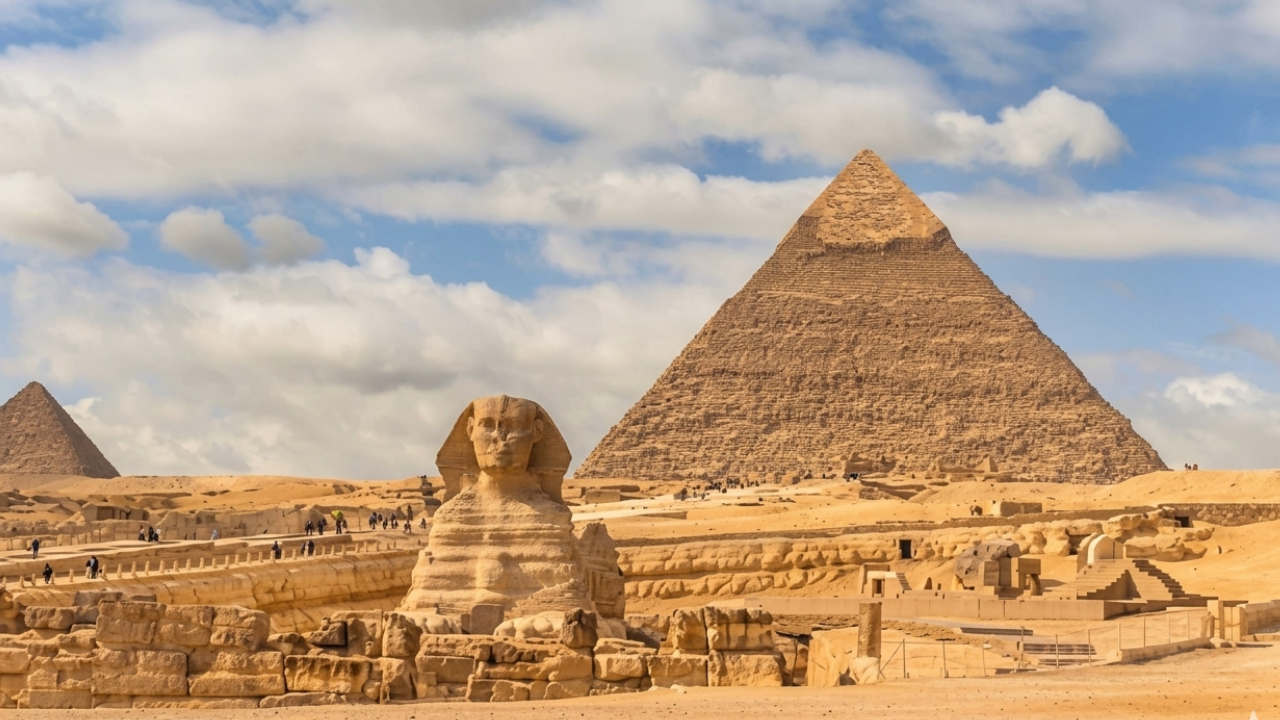
8. Cairo and Giza, Egypt
© shutterstock / Orhan Cam

8. Cairo and Giza, Egypt

Cairo and Giza bring together ancient monuments and one of the region’s busiest modern city experiences. The pyramids remain the essential historical landmark, but travelers now often pair them with museums, Nile views, contemporary hotels, and lively dining districts. The contrast between Pharaonic history and Cairo’s energetic streets can feel intense, but it is also what makes the destination memorable. A well planned visit allows travelers to experience both ancient engineering and present day Egyptian life.

Modern travel angle: Museums, Nile hotels, and guided city tours

Ancient highlight: Pyramids, temples, and archaeological collections

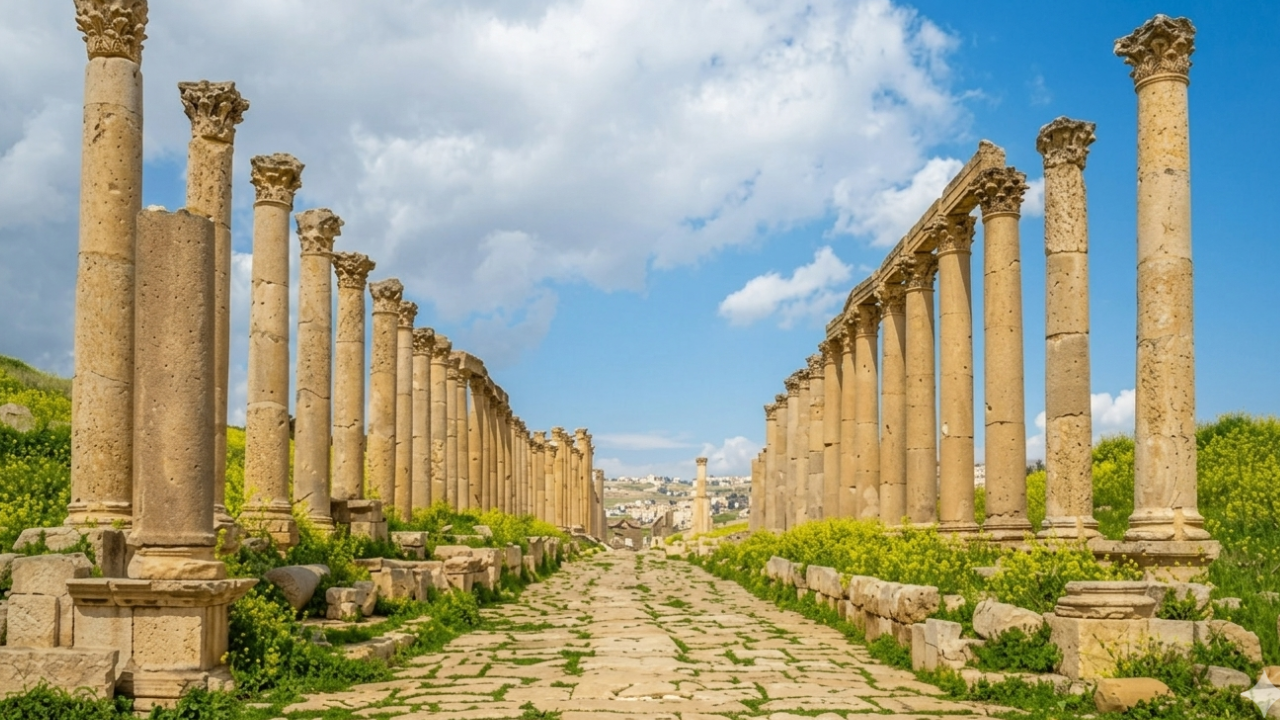
9. Jerash and Amman, Jordan
© shutterstock / Richie Chan

9. Jerash and Amman, Jordan

Jerash offers some of the best preserved Roman ruins in the region, with colonnaded streets, theaters, temples, and plazas that make the ancient city easy to imagine. Its location near Amman makes it practical for modern travelers who want a strong historical experience without a difficult journey. Amman adds restaurants, galleries, cafes, and hillside neighborhoods, giving visitors a balanced trip that combines Roman history with Jordan’s contemporary capital city life.

Modern travel angle: Easy day trip access from Amman

Ancient highlight: Roman streets, theaters, temples, and plazas


Comments (0)

Leave a Reply

No comments yet. Be the first to share your thoughts!