Travel Europe

Moldova: What Europe's Least Visited Country Has to Offer Travelers

Leo Harper
4.6
May 11, 2026

Moldova rarely appears at the top of European travel lists, and that is exactly why it feels so refreshing. Tucked between Romania and Ukraine, this small country offers a slower, quieter version of Europe, where vineyard roads, monastery villages, Soviet-era architecture, and warm family-style hospitality are still part of everyday travel. It does not have the polished tourism machine of France, Italy, or Spain, but that is part of its appeal.

For travelers who want somewhere affordable, culturally rich, and still relatively uncrowded, Moldova is one of Europe’s most underrated choices. It is a place for wine lovers, history seekers, countryside explorers, and visitors who enjoy destinations that feel real rather than heavily packaged. Here are seven reasons Moldova deserves more attention.
1. Moldova Has One of Europe’s Most Interesting Wine Cultures
© shutterstock / trabantos

1. Moldova Has One of Europe’s Most Interesting Wine Cultures

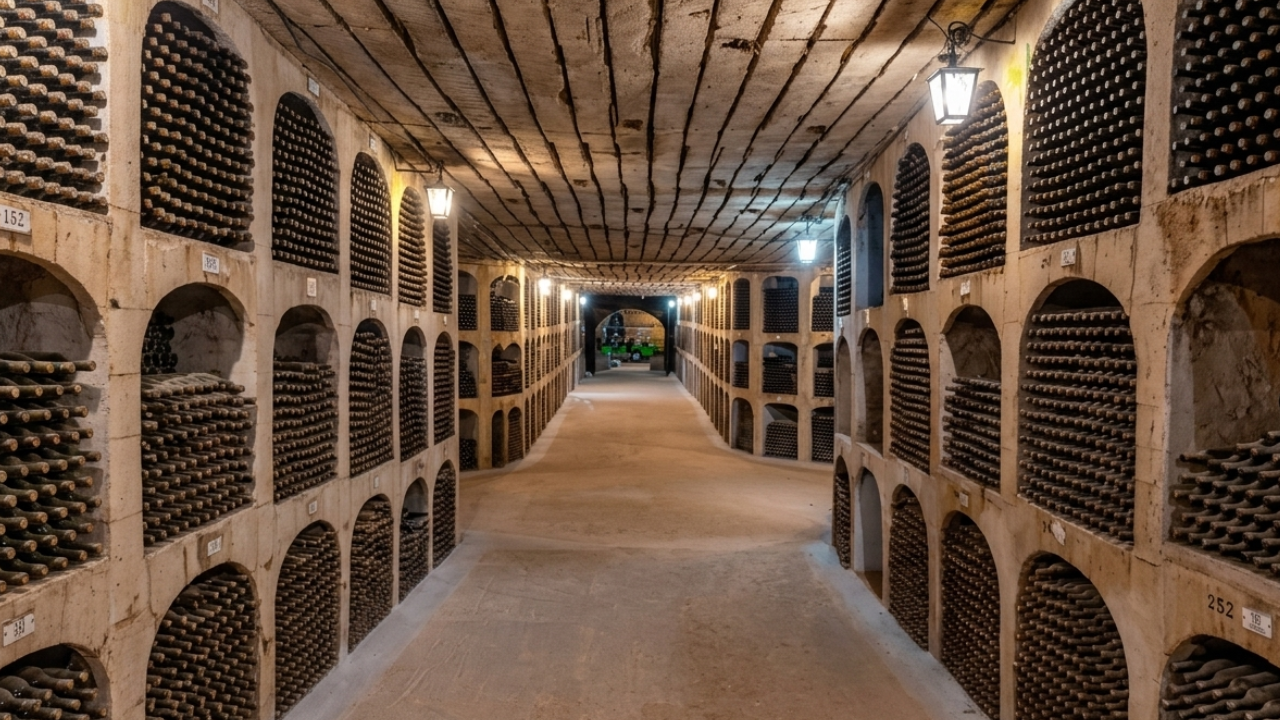
Moldova is one of Europe’s most fascinating wine destinations, even though many travelers still know little about it. Wine is deeply connected to Moldovan identity, from family cellars in villages to large underground wine complexes near Chișinău. Cricova and Mileștii Mici are two of the country’s most famous wine sites, offering long underground tunnels, guided tastings, and a look at how seriously Moldova treats winemaking.

What makes Moldova special is that wine tourism here feels personal and grounded. Visitors can tour large cellars, but they can also visit smaller family-run wineries where tastings often include homemade food, local stories, and relaxed conversations. Compared with famous wine regions in Western Europe, Moldova feels less crowded and more affordable, making it ideal for travelers who want quality without the formal atmosphere.

Best For: Wine tastings, cellar tours, vineyard lunches, and cultural food experiences.

Traveler Tip: Book Cricova or Mileștii Mici tours in advance, especially in busy seasons.

Must-Know: Many wineries are outside Chișinău, so arranged transport is helpful.

2. Orheiul Vechi Shows Moldova’s Ancient Side
© shutterstock / Sid0601

2. Orheiul Vechi Shows Moldova’s Ancient Side

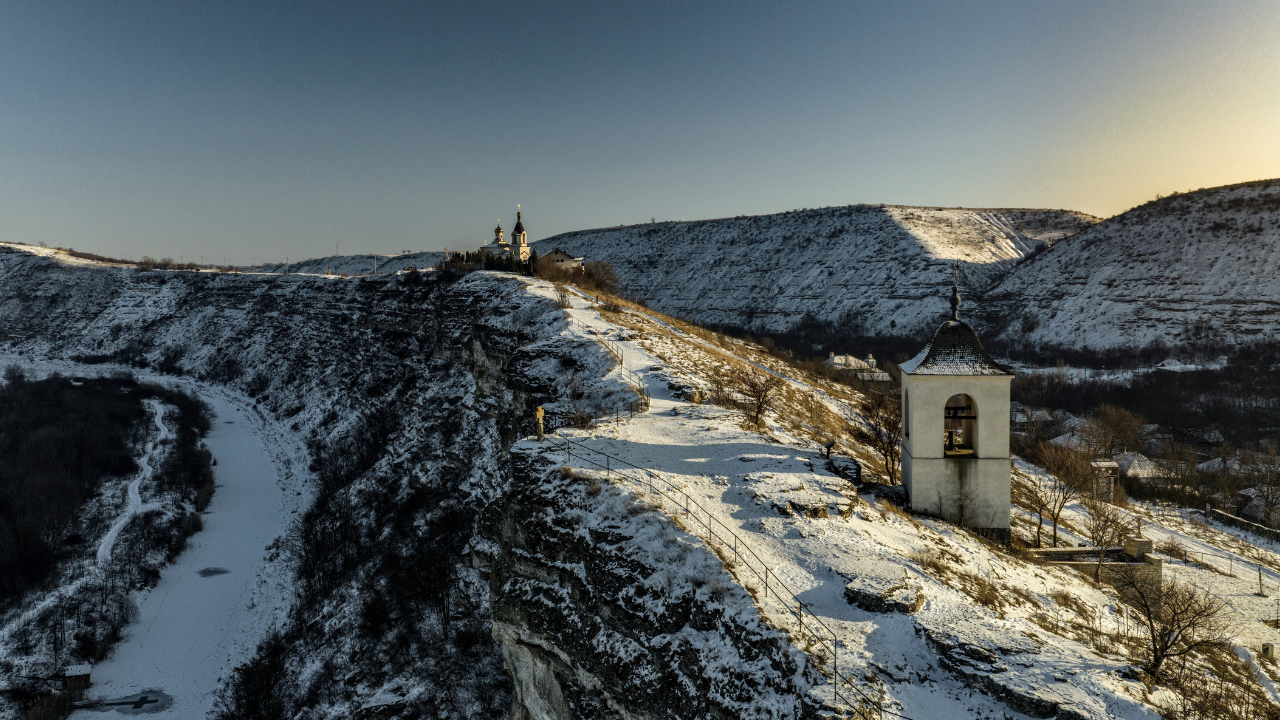
Orheiul Vechi is one of Moldova’s most memorable places and a major reason to visit the country. Set above the Răut River, this archaeological and religious complex combines limestone cliffs, cave monasteries, old village landscapes, and wide countryside views. It gives travelers a sense of Moldova’s long history in a setting that feels peaceful rather than overcrowded.

The site is especially appealing because it blends nature, spirituality, and rural life. Visitors can walk through the landscape, see the cave monastery, explore nearby villages, and enjoy traditional meals in guesthouses. Unlike some famous European heritage sites, Orheiul Vechi still feels quiet and atmospheric. It is not just a sightseeing stop, but a place where Moldova’s past and present meet naturally.

Best For: History, countryside views, monastery visits, and slow travel.

Traveler Tip: Visit with a guide if you want deeper context about the site.

Must-Know: Comfortable shoes are useful because the area involves walking.

3. Chișinău Is More Interesting Than Its Reputation Suggests
© shutterstock / Robson90

3. Chișinău Is More Interesting Than Its Reputation Suggests

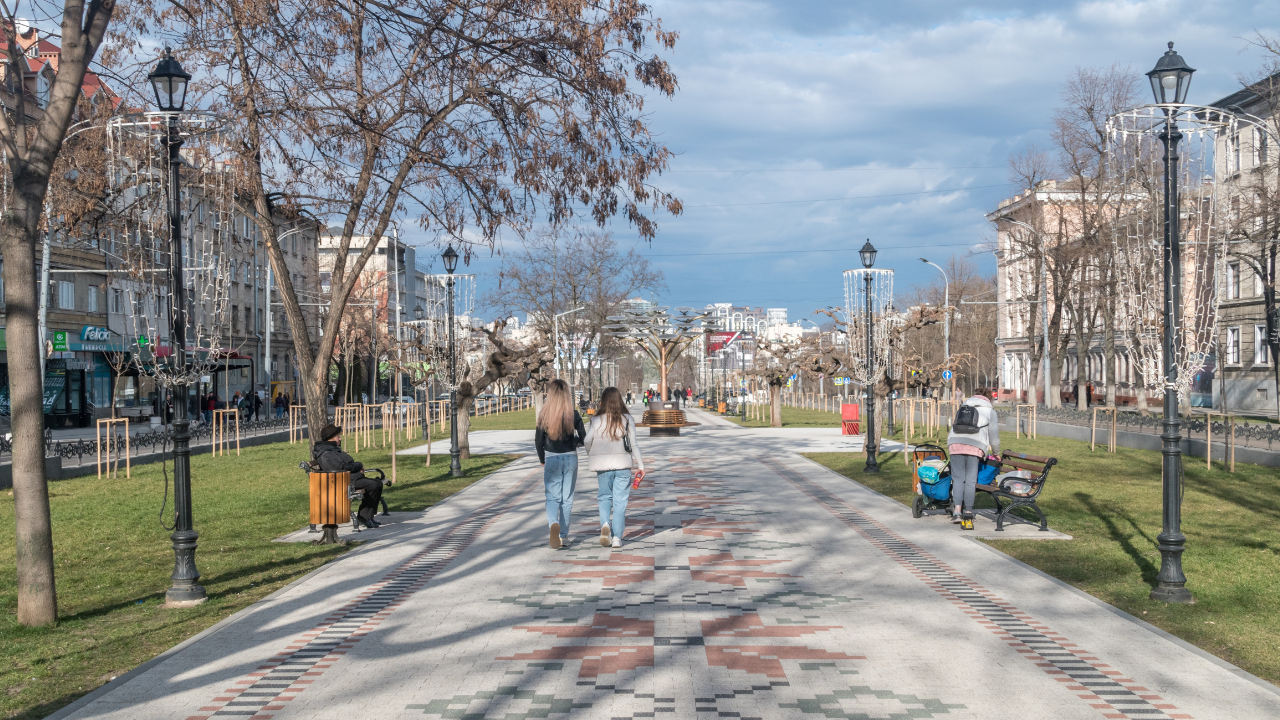
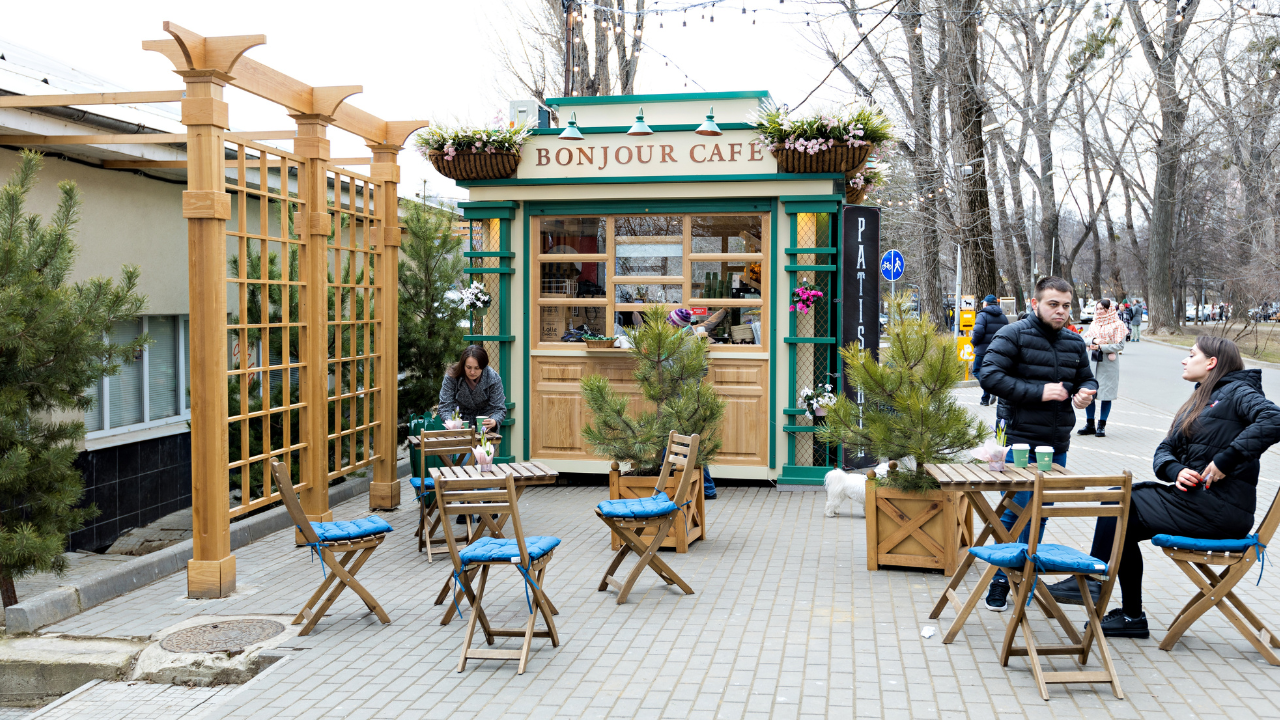
Chișinău, Moldova’s capital, is often described as plain or overlooked, but travelers who give it time usually find a city with a relaxed personality. It has leafy parks, Orthodox churches, Soviet-era buildings, markets, cafés, wine bars, and a growing creative scene. The city does not overwhelm visitors with huge landmarks, but it works well as a base for understanding modern Moldova.

The central market is one of the best places to experience local daily life, with fresh produce, cheeses, pickles, flowers, and regional goods. Meanwhile, parks such as Ștefan cel Mare Central Park offer a calmer side of the city. Chișinău is also useful for day trips to wineries, monasteries, and villages. It may not feel dramatic at first, but it becomes more rewarding when explored slowly.

Best For: Markets, cafés, parks, architecture, and easy day trips.

Traveler Tip: Use Chișinău as a base rather than treating it as a quick stop.

Must-Know: The city is walkable in parts, but taxis and ride apps are useful.

4. Moldova Offers Authentic Rural Experiences
© shutterstock / Serghei Starus

4. Moldova Offers Authentic Rural Experiences

One of Moldova’s strongest travel appeals is its countryside. Villages often feel calm, traditional, and closely connected to farming, food, and family life. Travelers can find guesthouses where meals are homemade, gardens are active, and hosts share local customs in a natural way. This makes Moldova a strong choice for people who want more than museums and city breaks.

Rural Moldova is also where visitors can experience traditional dishes such as mămăligă, placinte, stuffed cabbage rolls, local cheeses, and seasonal preserves. The pace is slower, and the experience often feels more personal than in busy European destinations. For travelers tired of crowded old towns and expensive restaurants, Moldova’s villages offer a simpler and more grounded travel experience.

Best For: Farm stays, traditional meals, village walks, and local hospitality.

Traveler Tip: Carry some cash, as smaller villages may not rely on card payments.

Must-Know: English may be limited, so translation apps can be useful.

5. It Is Still Affordable Compared With Much of Europe
© shutterstock / Skorzewiak

5. It Is Still Affordable Compared With Much of Europe

Moldova remains one of the more budget-friendly countries in Europe. Accommodation, food, transport, and guided experiences are often more affordable than in Western and Central Europe. This makes it attractive for travelers who want a meaningful European trip without the high costs of places like Switzerland, France, Italy, or Scandinavia.

The value is not only about low prices. Moldova allows travelers to spend money on experiences that feel worthwhile, such as private winery visits, countryside meals, guided cultural tours, and day trips. Visitors can enjoy a fuller itinerary without constantly worrying about expensive entrance fees or inflated tourist-zone prices. For budget-conscious travelers, this is one of Moldova’s biggest advantages.

Best For: Budget travel, longer stays, wine tours, and relaxed city breaks.

Traveler Tip: Local restaurants and markets offer better value than tourist-focused spots.

Must-Know: Public transport is cheap, but private drivers can save time on day trips.

6. Moldova Feels Uncrowded and Undiscovered
© shutterstock / Sun_Shine

6. Moldova Feels Uncrowded and Undiscovered

Many European destinations are struggling with overtourism, but Moldova still feels quiet by comparison. This makes it appealing for travelers who want space, slower movement, and fewer lines. You are unlikely to battle crowds at major sites, and even popular attractions often feel manageable outside special events or wine festivals.

This uncrowded feeling changes the way people experience the country. Instead of rushing through packed streets or booking every attraction months ahead, visitors can travel with more flexibility. Moldova is especially rewarding for people who enjoy low-pressure discovery, where small details matter: a village road, a homemade meal, a quiet monastery, or a conversation at a winery.

Best For: Slow travel, quiet sightseeing, photography, and offbeat itineraries.

Traveler Tip: Visit before Moldova becomes more widely known among European travelers.

Must-Know: Tourism infrastructure is improving, but it is still less developed than in major destinations.

7. Moldova Blends Cultures, History, and Identity
© shutterstock / PhotOleh

7. Moldova Blends Cultures, History, and Identity

Moldova’s location has shaped a layered identity influenced by Romanian, Slavic, Ottoman, Soviet, and local traditions. This mix appears in its language, food, architecture, music, religion, and regional differences. For travelers interested in history, Moldova offers a deeper experience than its small size suggests.

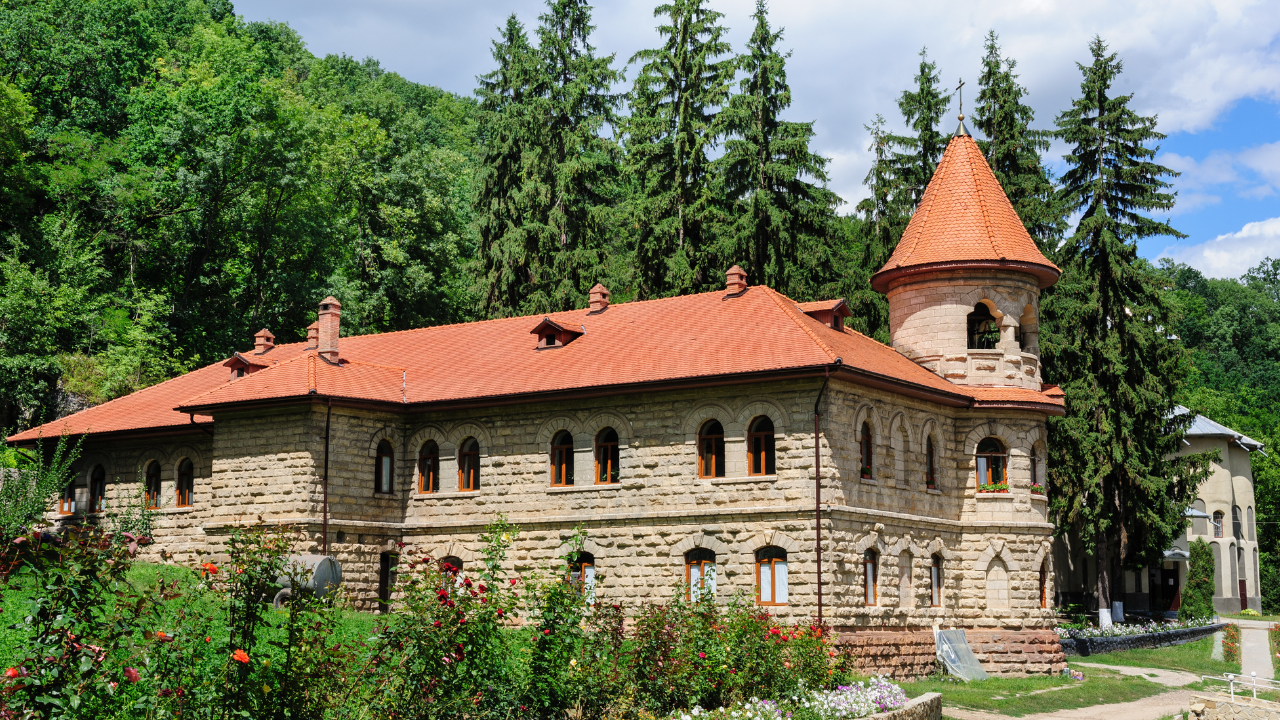
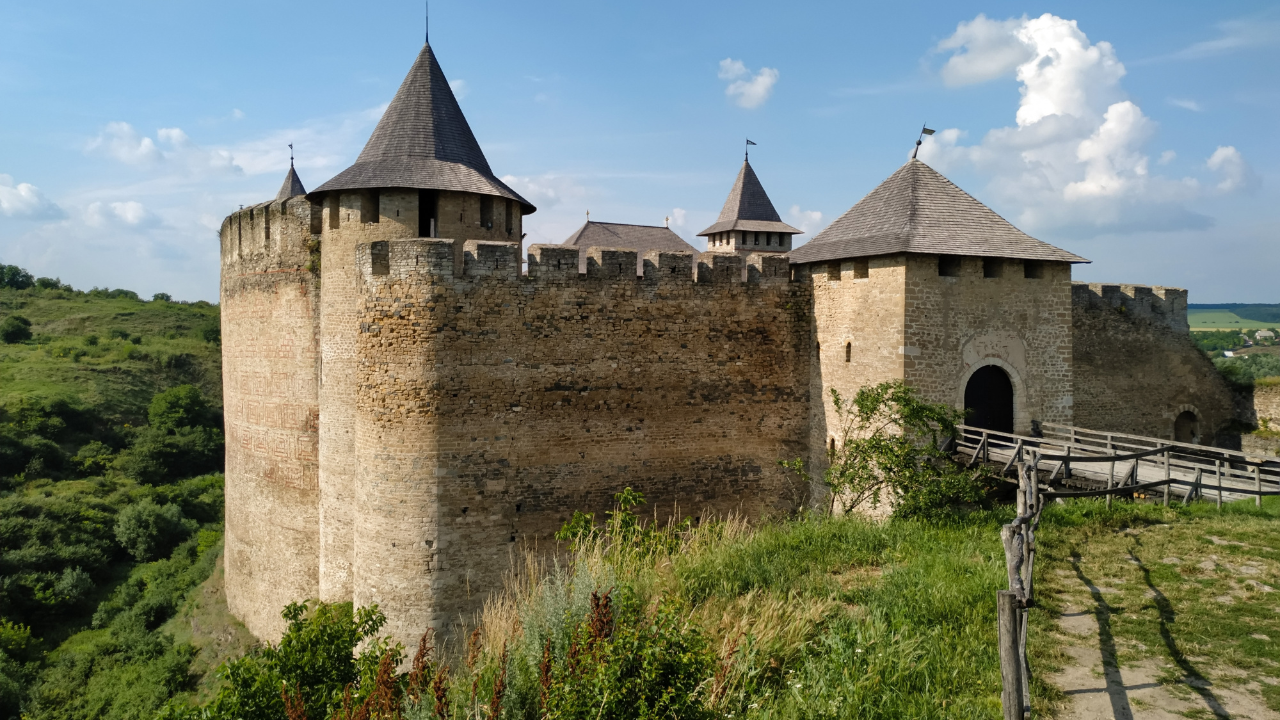
Places like Soroca Fortress, Căpriana Monastery, Gagauzia, and the villages around the country show different sides of Moldovan identity. Some travelers also visit Transnistria, though it requires extra awareness and careful planning because the political situation is complicated. The broader appeal of Moldova is that it does not feel like a copy of anywhere else in Europe. It has its own rhythm, shaped by resilience, rural traditions, wine culture, and a quiet sense of pride.

Best For: Cultural travel, history, regional identity, and meaningful local experiences.

Traveler Tip: Add monasteries, villages, and regional towns to your itinerary, not just Chișinău.

Must-Know: Check current travel advice before visiting border regions or politically sensitive areas.


Comments (0)

Leave a Reply

No comments yet. Be the first to share your thoughts!