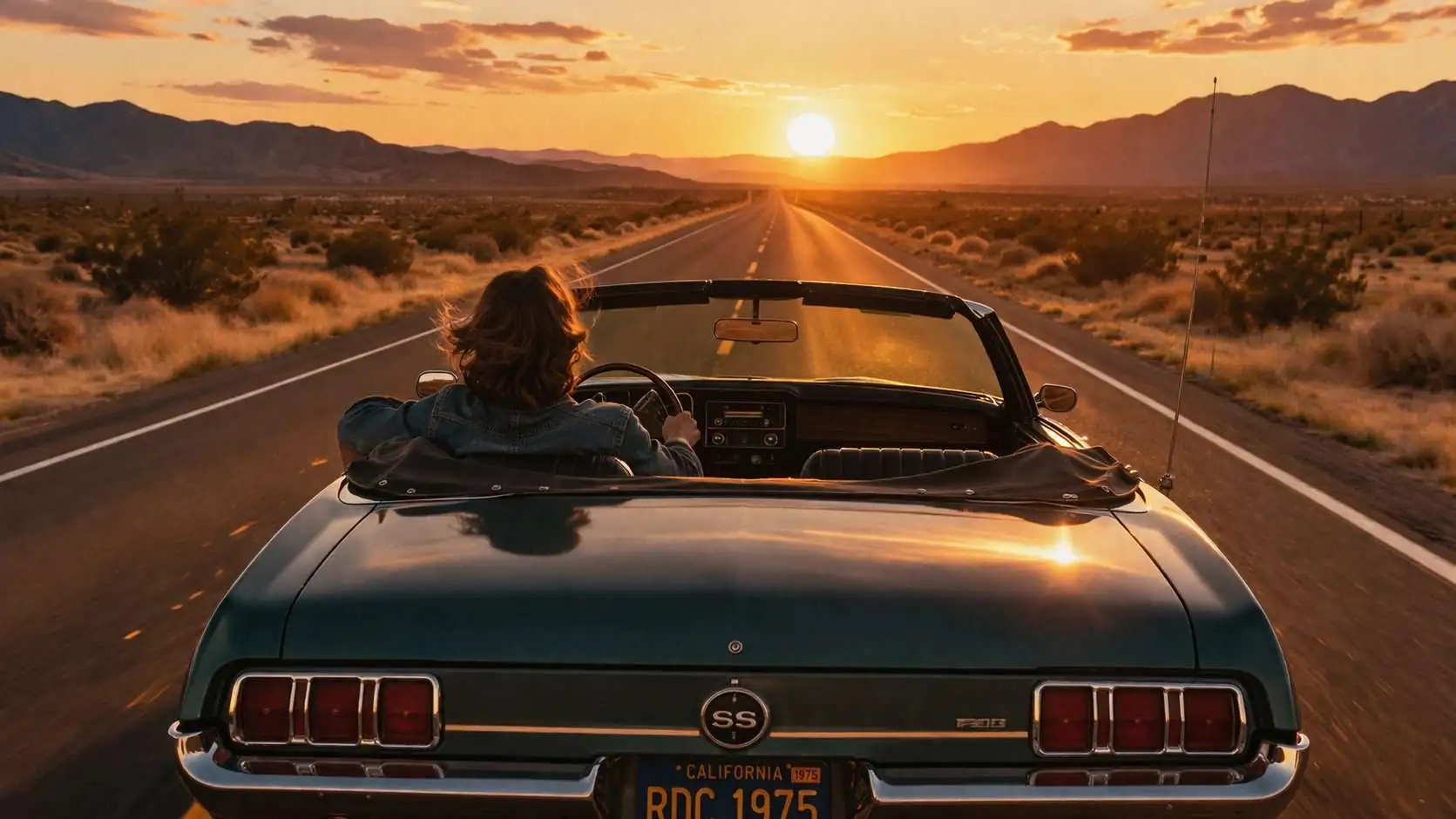
Travel Destination

Nostalgic Photos from a 1970s Gas-Fueled Road Trip That Capture Classic Americana

James Porter
4.9
April 10, 2026

Road trips in the 1970s carried a very different rhythm than they do today. Travel was slower, less digitized, and often more spontaneous. Families packed into station wagons, unfolded paper maps across dashboards, and relied on roadside signs instead of GPS. Gasoline was cheap enough to make long-distance driving accessible, and the open road felt like a defining part of American life.

The phrase “gasoline-fueled road trip” in that era meant more than just driving. It reflected a culture built around highways, diners, motels, and roadside attractions that were designed to catch the attention of travelers moving across the country. These journeys were not just about reaching a destination. They were about everything encountered along the way.

Looking back through nostalgic photos from that time reveals details that defined the experience. From the design of cars to the style of gas stations, each image captures a moment that feels both distant and familiar. Below are 15 snapshots that bring a 1970s road trip back to life.
1. The Station Wagon Packed to the Roof
© shutterstock_Gestalt Imageryjpg

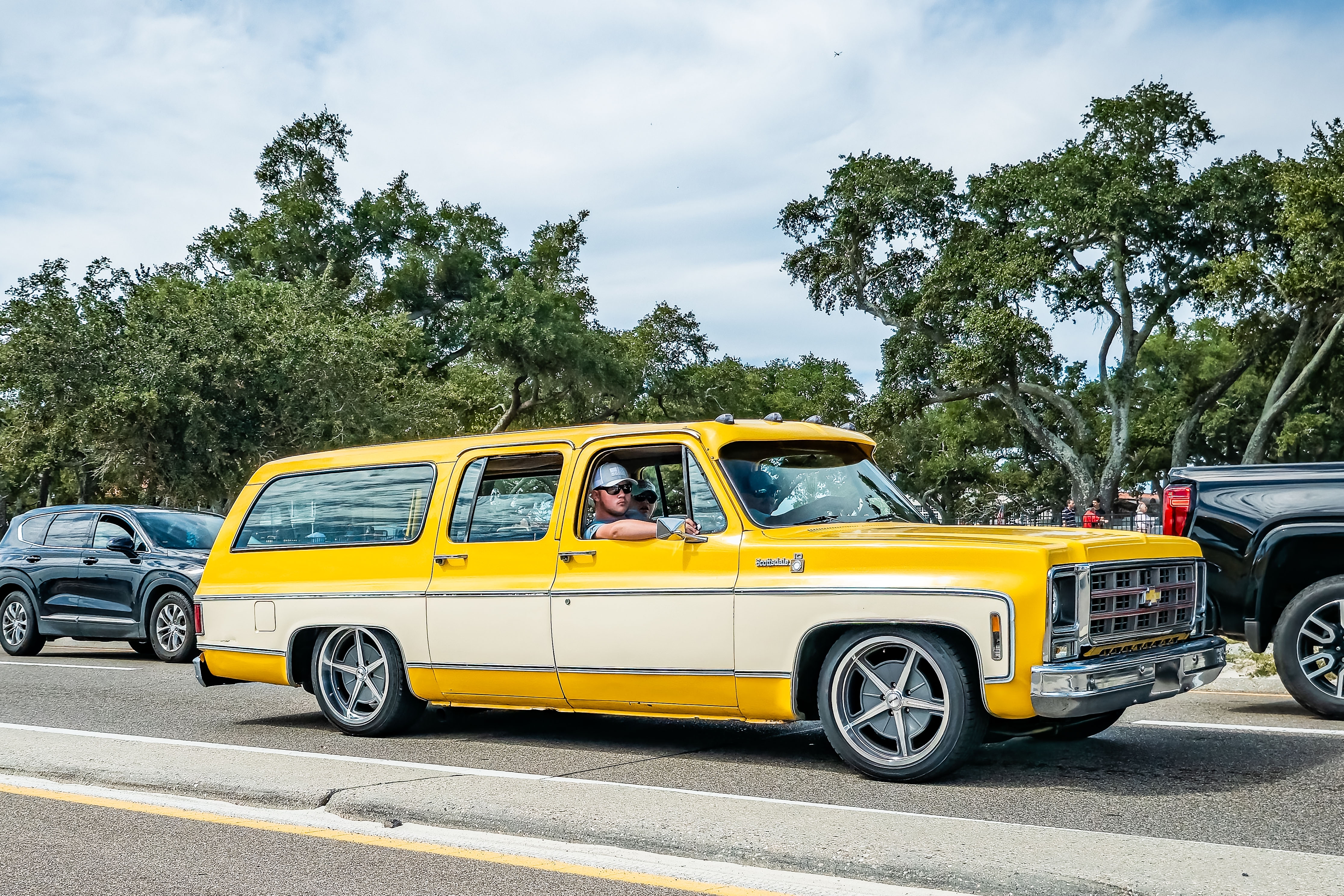
1. The Station Wagon Packed to the Roof

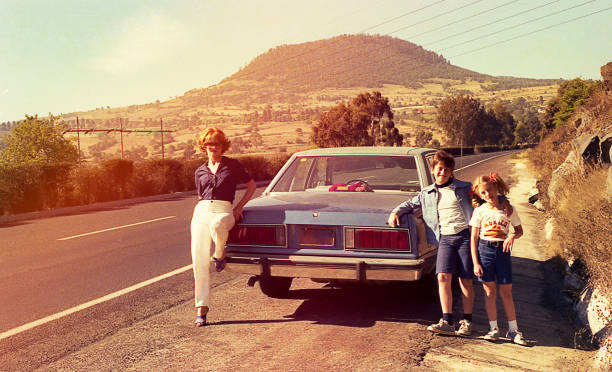
A typical road trip in the 1970s often began with a station wagon loaded with luggage, coolers, and sometimes even camping gear strapped to the roof. These vehicles were designed for family travel, with spacious interiors and rear-facing seats that became a defining feature for many kids.

Photos from this era often show cars filled beyond capacity, with suitcases stacked tightly and blankets tucked into corners. It was common to bring more than necessary, especially for longer trips, since convenience stores and travel services were less predictable than today.

The station wagon itself became a symbol of the American road trip. It was not just transportation, but part of the experience. The long hood, wood paneling, and wide body reflected a design era focused on space and comfort rather than efficiency.

2. Gas Stations with Full Service Pumps
© Darrien Eouse

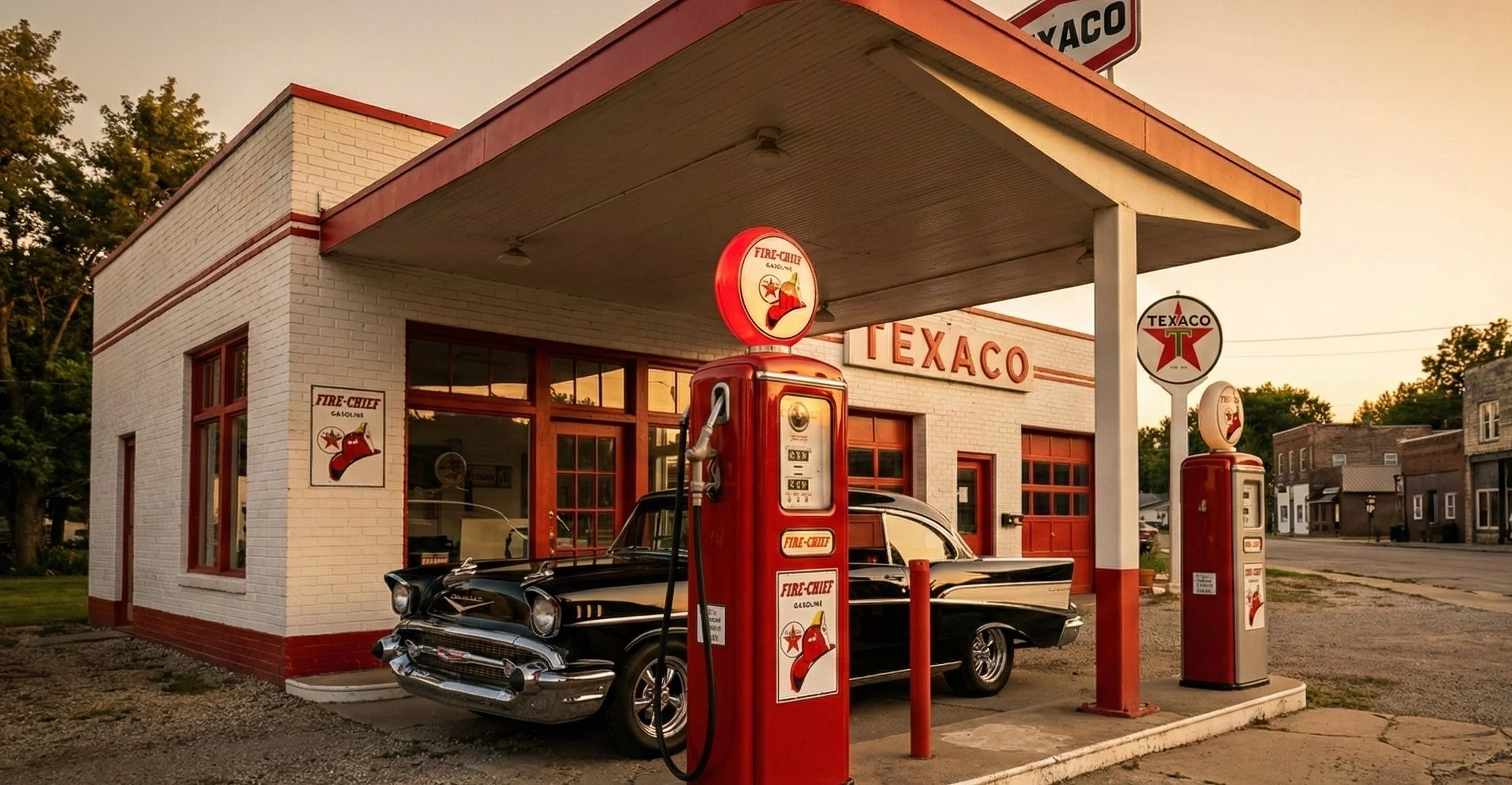
2. Gas Stations with Full Service Pumps

In the 1970s, stopping for gas meant more than just filling the tank. Many stations offered full service, where attendants would pump gas, check oil levels, and clean windshields. Photos from the time show uniformed workers moving between cars, often with signage displaying fuel prices that seem remarkably low by today’s standards.

These stops were part of the rhythm of the trip. Families would stretch their legs, grab snacks, and sometimes ask for directions. The interaction between travelers and attendants added a human element that has largely disappeared from modern travel.

The design of gas stations also reflected the era, with bold signage, bright colors, and simple layouts. They were practical but also served as recognizable landmarks along the highway.

3. Paper Maps Spread Across the Dashboard
© Forgelab

3. Paper Maps Spread Across the Dashboard

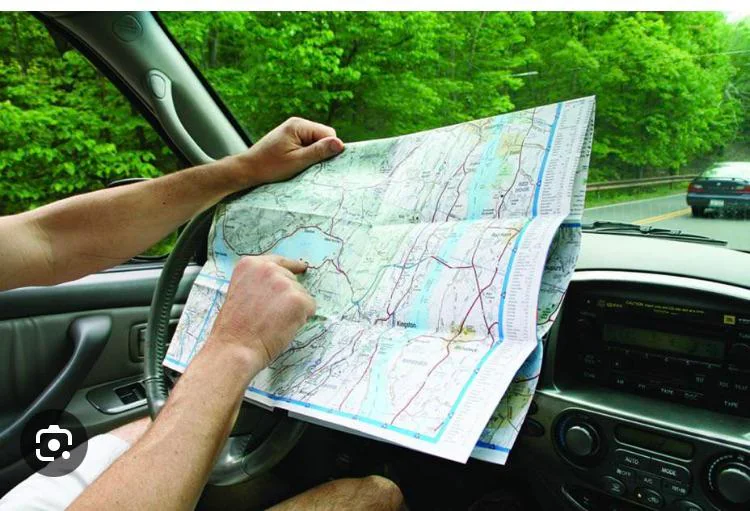
Before digital navigation, paper maps were essential. Photos often show drivers and passengers leaning over large folded maps, trying to trace routes and estimate distances. These maps were detailed but required careful reading and interpretation.

Planning a route meant more than entering a destination. Travelers had to consider highways, exits, and potential stops. Mistakes were common, and getting lost was part of the experience.

The presence of maps in these images highlights a slower, more deliberate approach to travel. It required attention, communication, and sometimes patience, especially on long drives through unfamiliar areas.

4. Roadside Diners and Neon Signs
© Chantelle Rowe

4. Roadside Diners and Neon Signs

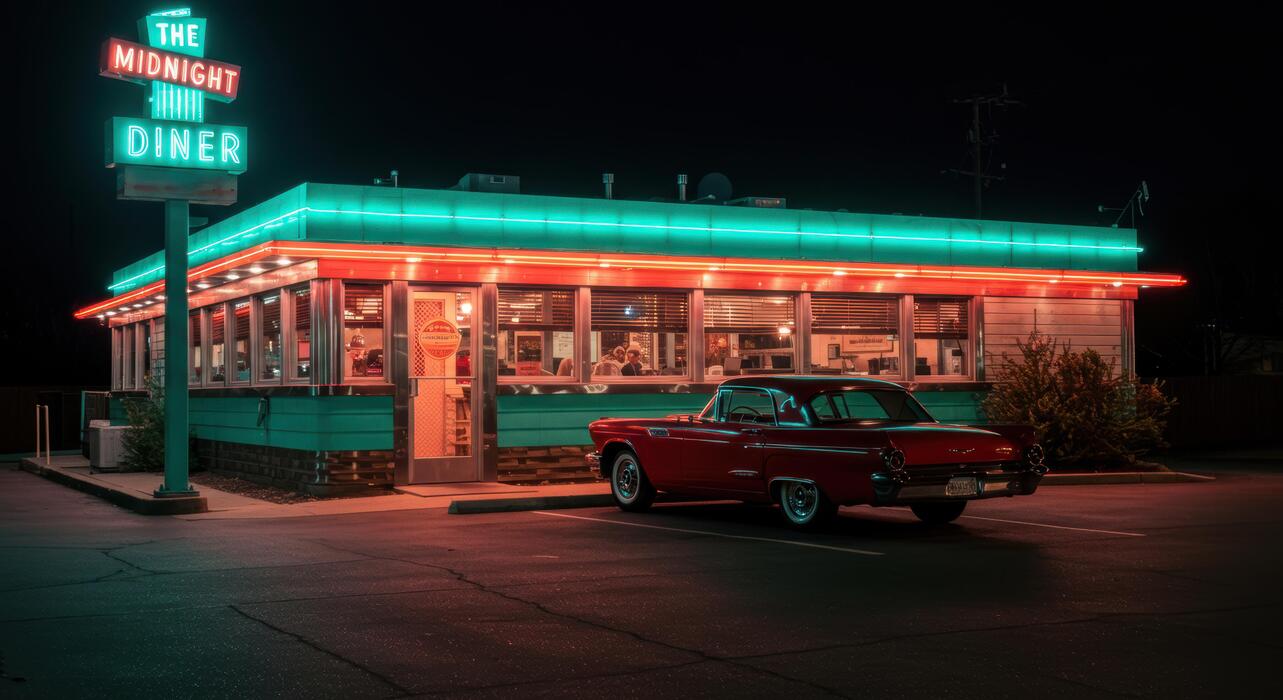
Roadside diners were a central part of the 1970s road trip experience. Photos from this era show chrome exteriors, neon signs, and simple interiors filled with booths and counters. These establishments provided reliable meals and a place to rest.

The menus were straightforward, often featuring classic American dishes like burgers, sandwiches, and milkshakes. The atmosphere was casual and welcoming, making diners a natural stop for families and travelers alike.

Neon signs played an important role in attracting attention, especially at night. They added character to highways and created a visual identity for each stop along the journey.

5. Motels with Vacancy Signs
© middelveld_istock

5. Motels with Vacancy Signs

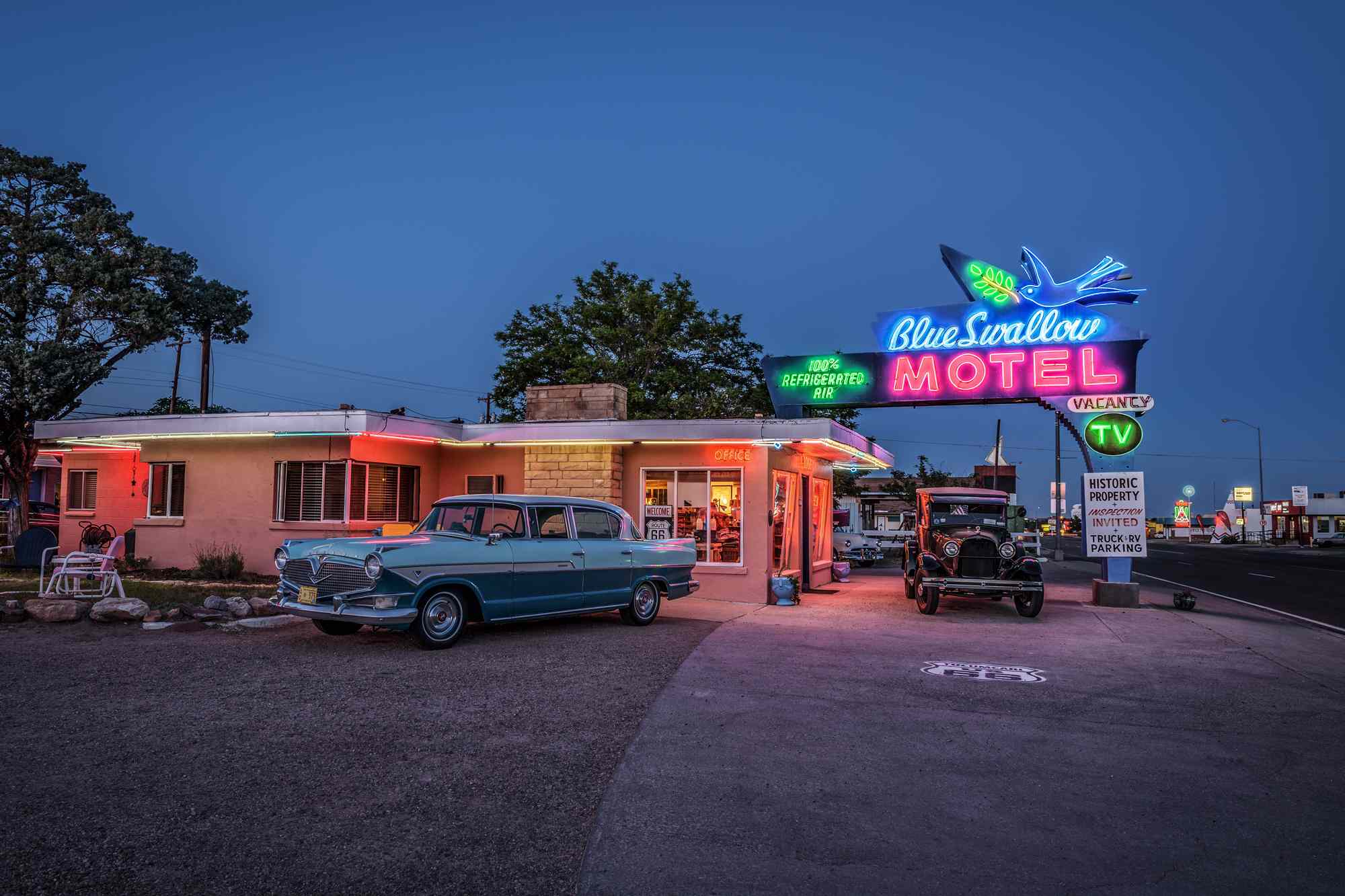
Motels were the primary accommodation for road travelers, and their design reflected convenience and accessibility. Photos often show single-story buildings with parking spaces directly outside each room.

Vacancy signs were a common sight, signaling availability to passing drivers. Unlike modern booking systems, travelers could stop spontaneously and secure a room without prior reservations.

The interiors were simple but functional, providing a place to rest after long hours on the road. Motels became an integral part of the travel experience, offering both comfort and flexibility.

6. Kids Riding Without Seatbelts
© Nick Fox_Adobe Stock

6. Kids Riding Without Seatbelts

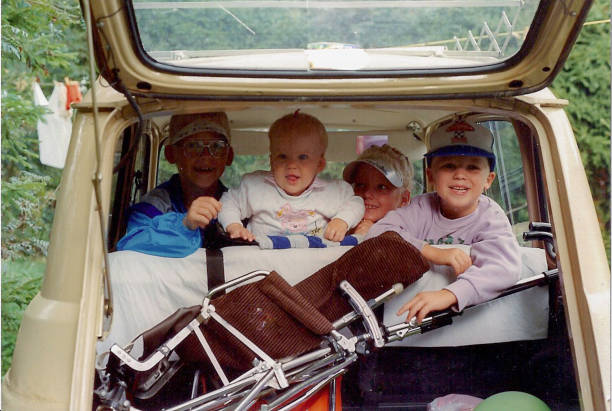
Safety standards in the 1970s were very different from today. Photos frequently show children sitting freely in the back seat or even lying down during long drives. Seatbelt use was not as widely enforced, and car interiors were designed with more open space.

For many families, this created a sense of freedom, especially for children who could move around during the journey. While modern perspectives highlight safety concerns, these images reflect a different set of norms and expectations.

The relaxed approach to travel added to the informal and unstructured nature of road trips at the time.

7. Roadside Attractions That Promised Something Unusual
© iStock

7. Roadside Attractions That Promised Something Unusual

Highways in the 1970s were lined with roadside attractions designed to capture attention. Photos often show large signs advertising unique or unusual experiences, from giant sculptures to themed museums.

These attractions were part of the journey, providing breaks from driving and adding variety to long trips. While some were simple or even quirky, they contributed to the sense of exploration that defined road travel.

The appeal of these stops was often based on curiosity rather than scale, encouraging travelers to take detours and discover something unexpected.

8. Coolers Packed with Homemade Food
© Rich Baron

8. Coolers Packed with Homemade Food

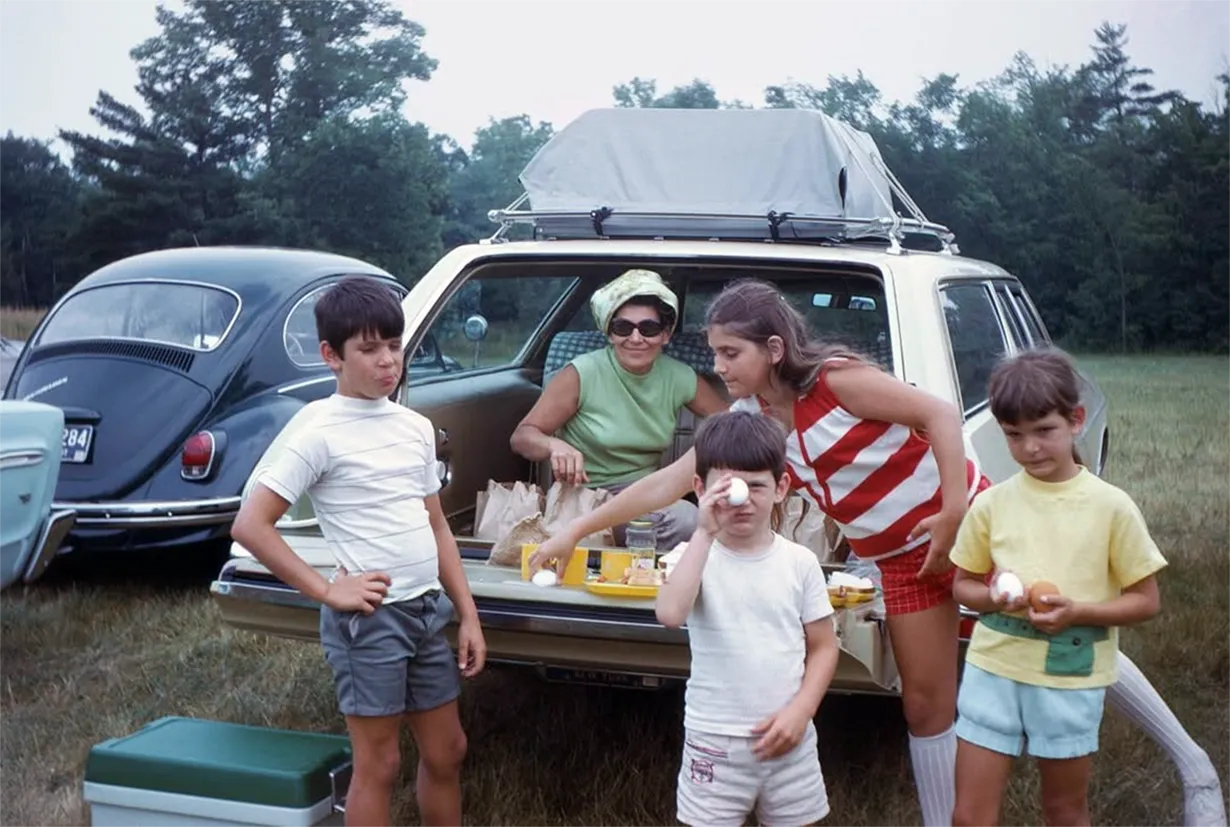
Not every meal was eaten at a diner. Many families traveled with coolers filled with sandwiches, drinks, and snacks prepared at home. Photos from the time show coolers placed in the trunk or back seat, ready for roadside picnics.

This approach helped reduce costs and allowed for more flexibility during long drives. Families could stop at rest areas or scenic spots and eat without needing to find a restaurant.

The presence of homemade food added a personal element to the trip, blending travel with everyday routines.

9. Scenic Highways Without Heavy Traffic
© Maciej Bledowski

9. Scenic Highways Without Heavy Traffic

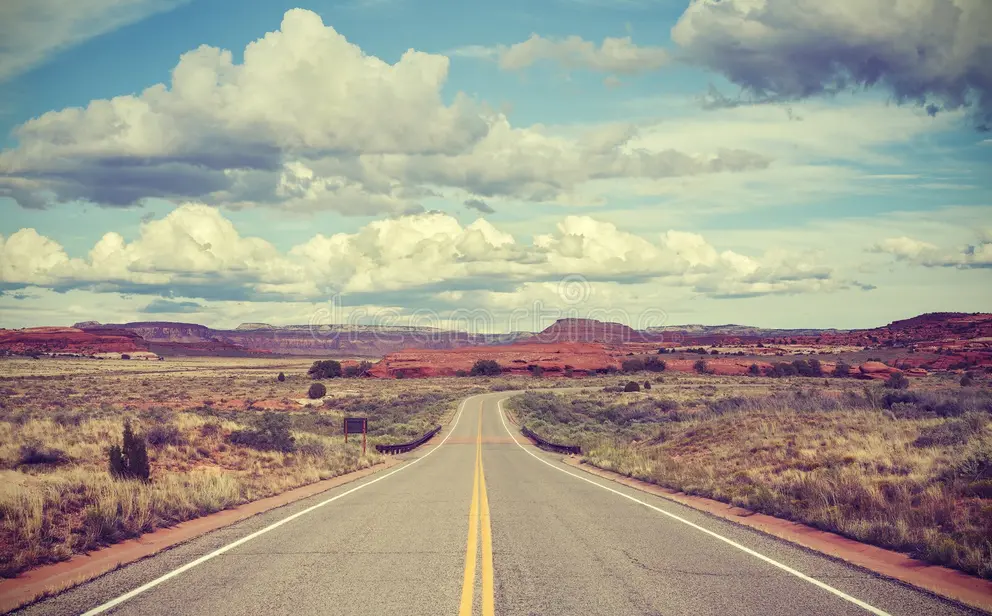
Compared to today, highways in the 1970s often appear less crowded in photographs. Long stretches of road could feel open and uninterrupted, especially in rural areas.

This created a different driving experience, where the journey itself felt more prominent. Without constant traffic, drivers could focus on the landscape and the rhythm of the road.

These images capture a sense of space and calm that is harder to find in modern travel.

10. Drive-In Theaters Along the Way
© pinterest

10. Drive-In Theaters Along the Way

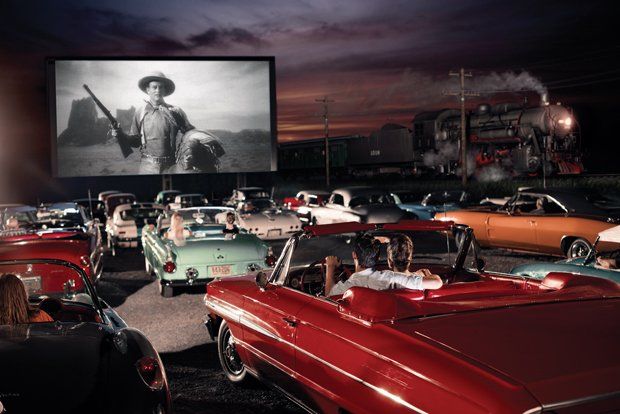
Drive-in theaters were still active in the 1970s and often appeared along major travel routes. Photos show large outdoor screens, rows of parked cars, and families settling in for evening entertainment.

For travelers, stopping at a drive-in added a unique experience to the trip. It combined rest with entertainment, allowing families to relax after a day of driving.

The format also reflected the car-centered culture of the time, where vehicles were part of both transportation and leisure.

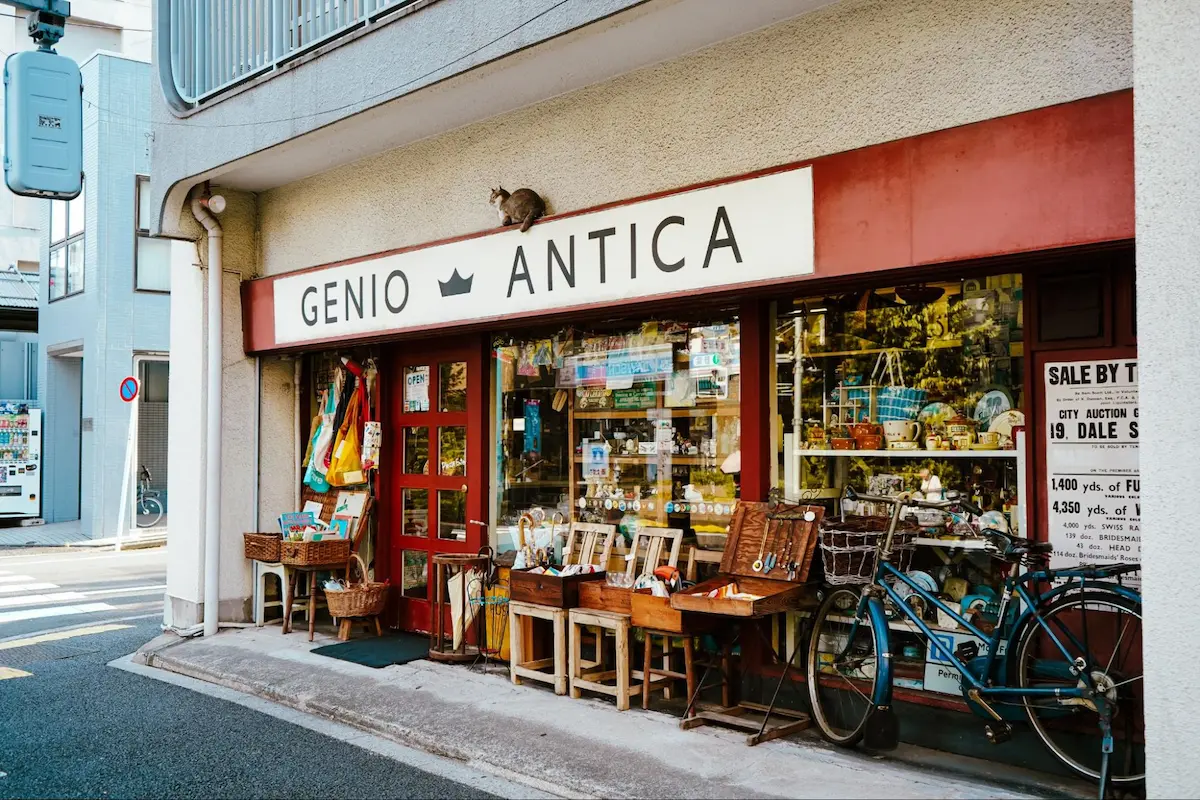
11. Souvenir Shops Filled with Regional Items
© Dave Mani

11. Souvenir Shops Filled with Regional Items

Souvenir shops were a common stop, offering items that reflected local culture and geography. Photos often show shelves filled with postcards, keychains, and regional crafts.

These shops provided a way for travelers to remember their journey and bring a piece of it home. The items were often simple, but they carried personal significance.

Stopping at these shops also added variety to the trip, breaking up long stretches of driving.

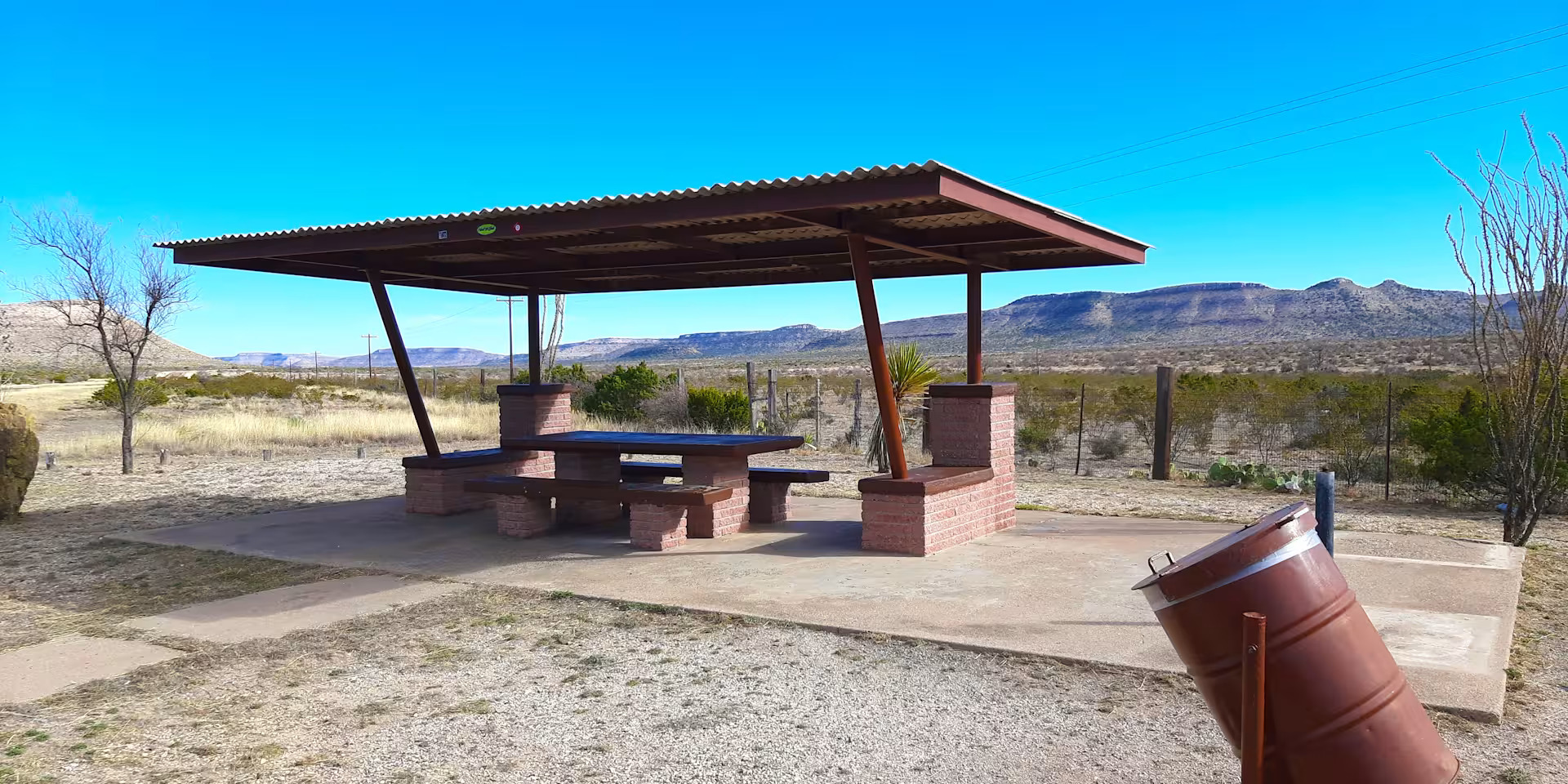
12. Rest Stops as Social Spaces
© Ann Shields

12. Rest Stops as Social Spaces

Rest stops in the 1970s were more than functional. Photos show families gathering, stretching, and interacting with other travelers.

These spaces provided a chance to pause and reset before continuing the journey. They also created opportunities for casual interactions, which added a social dimension to travel.

The simplicity of rest stops reflected the straightforward nature of road travel during the time.

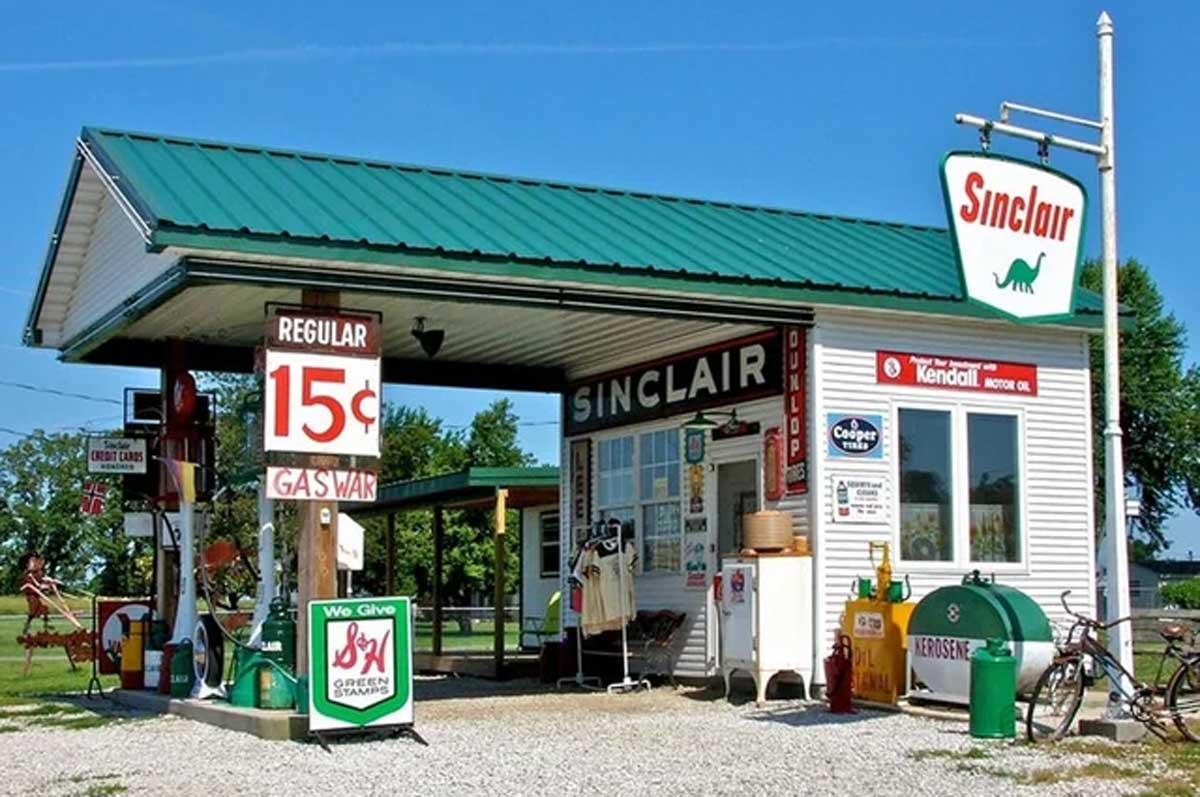
13. Gas Price Signs That Look Unreal Today
© Dave Mani

13. Gas Price Signs That Look Unreal Today

One of the most striking elements in nostalgic photos is the price of gasoline. Signs displaying low costs highlight how accessible road travel was for many families.

While the decade also experienced fuel crises, many images still reflect a time when driving long distances felt more financially manageable.

These signs serve as a reminder of how much travel economics have changed over time.

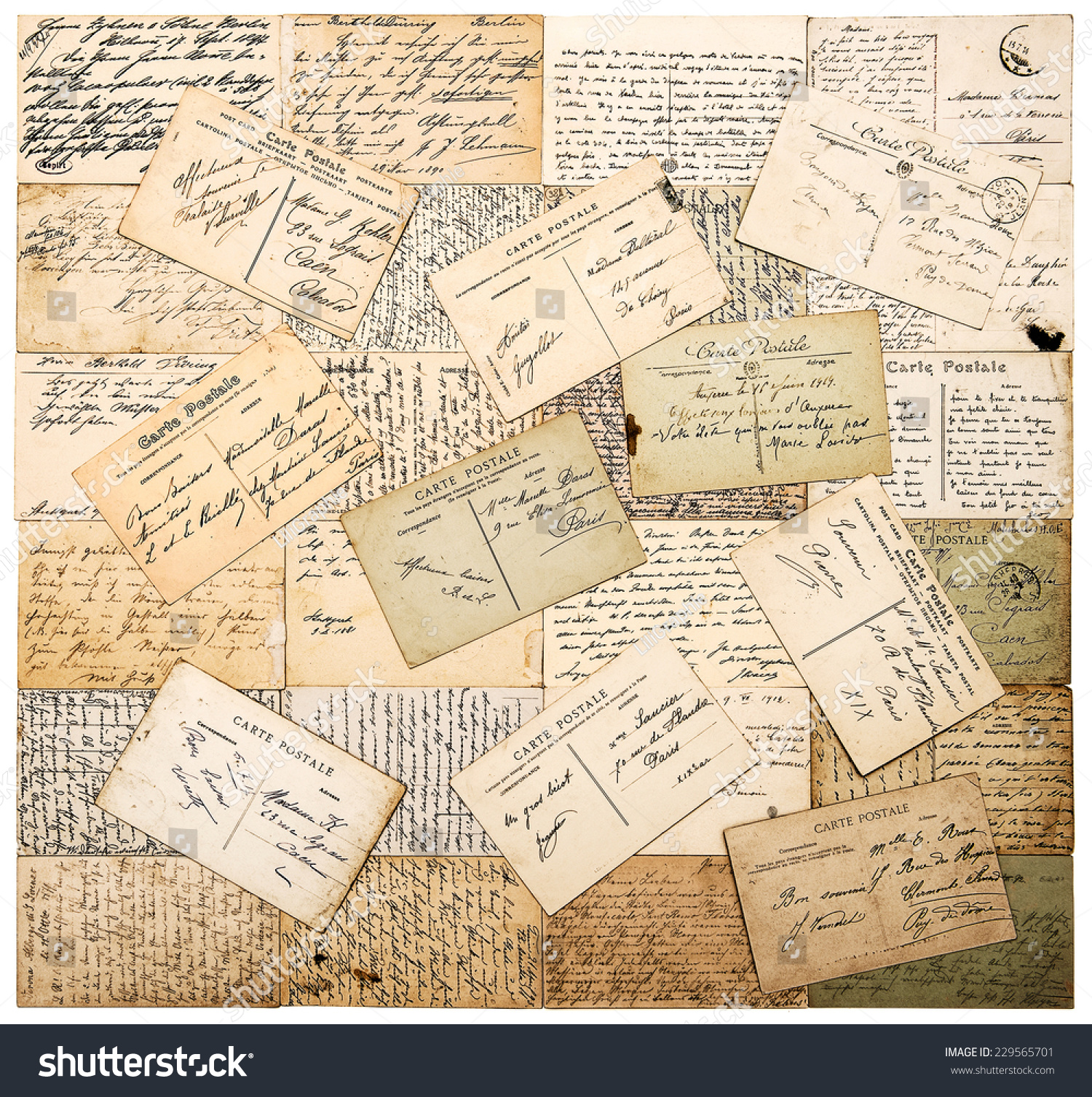
14. Handwritten Postcards Sent from the Road
© shutterstock

14. Handwritten Postcards Sent from the Road

Before instant communication, postcards were a common way to share travel experiences. Photos often show racks of postcards at stops along the way.

Travelers would write brief messages and send them home, creating a delayed but meaningful connection.

This practice added a reflective element to travel, encouraging people to document their journey in a personal way.

15. Sunsets Viewed from the Open Road
© 70smusicwisdoms

15. Sunsets Viewed from the Open Road

Many nostalgic images capture sunsets seen through car windows or from roadside stops. These moments highlight the simplicity of the road trip experience.

Watching the landscape change with the light created a sense of progression and connection to the journey.

These scenes often represent the emotional side of travel, where the destination becomes less important than the experience itself.


Comments (0)

Leave a Reply

No comments yet. Be the first to share your thoughts!