Travel Asia

Popular destinations to include in a South Korea travel itinerary

James Porter
3.9
May 19, 2026

South Korea is one of Asia’s most rewarding destinations for travelers who want a mix of modern cities, historic sites, coastal scenery, mountain landscapes, and memorable food experiences. A first trip often begins in Seoul, where royal palaces, shopping districts, markets, museums, and cafe streets sit close together. From there, high speed trains and domestic flights make it possible to reach Busan, Gyeongju, Jeonju, Jeju Island, and other regional destinations without making the itinerary too complicated.

The best places to visit in South Korea are not limited to one kind of traveler. Some destinations are ideal for history and culture, while others are better for beaches, hiking, food, photography, or slower local experiences. This guide highlights 12 places that help visitors understand the country beyond one city. Each location offers a clear reason to visit, whether it is royal architecture, coastal temples, traditional houses, volcanic scenery, or regional cuisine.
1. Seoul
© shutterstock / f11photo

1. Seoul

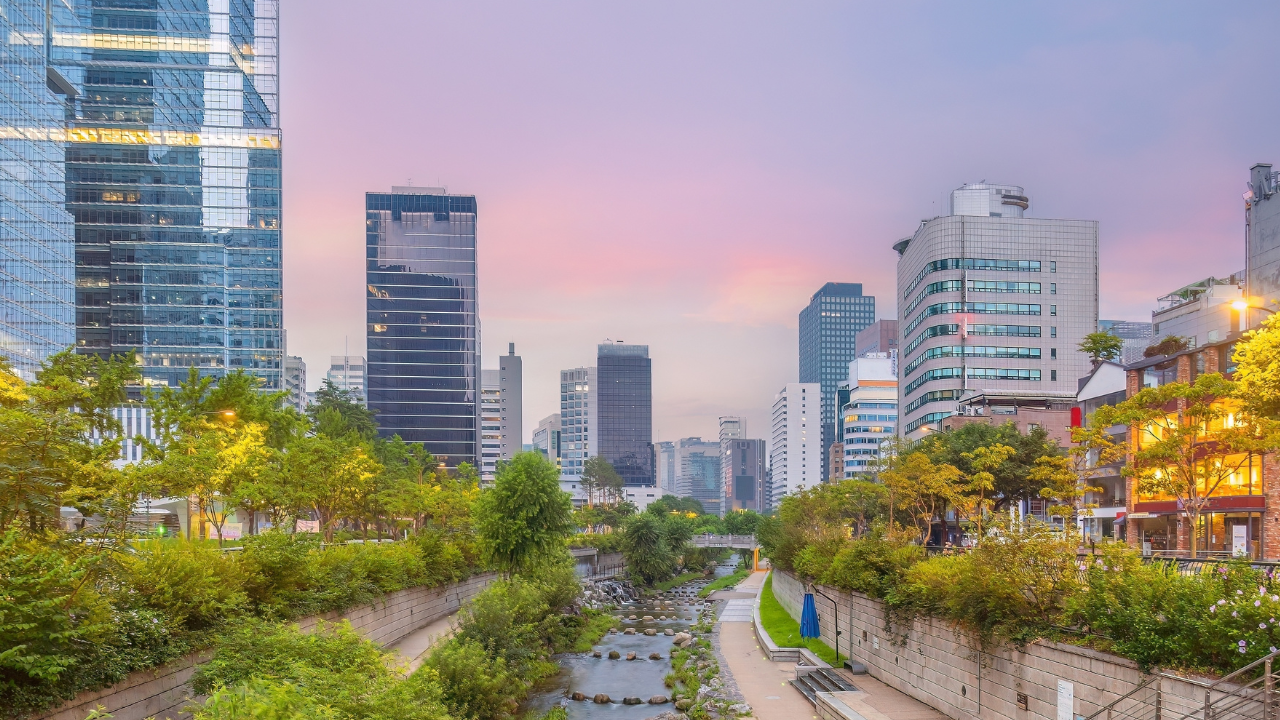
Seoul is the natural starting point for most South Korea trips because it brings together the country’s history, pop culture, food, shopping, and transport connections. Visitors can explore Gyeongbokgung Palace, Bukchon Hanok Village, Insadong, Myeongdong, Hongdae, and the Han River in a single trip. The city is large, but its subway system makes major neighborhoods easy to reach. Seoul is also one of the best places to understand modern Korea, with traditional markets, design spaces, museums, and lively cafe areas all within easy distance.

Best for: First time visitors and city culture

Main highlights: Palaces, markets, shopping, cafes

Planning tip: Stay near a subway station

2. Busan
© shutterstock / Roman Babakin

2. Busan

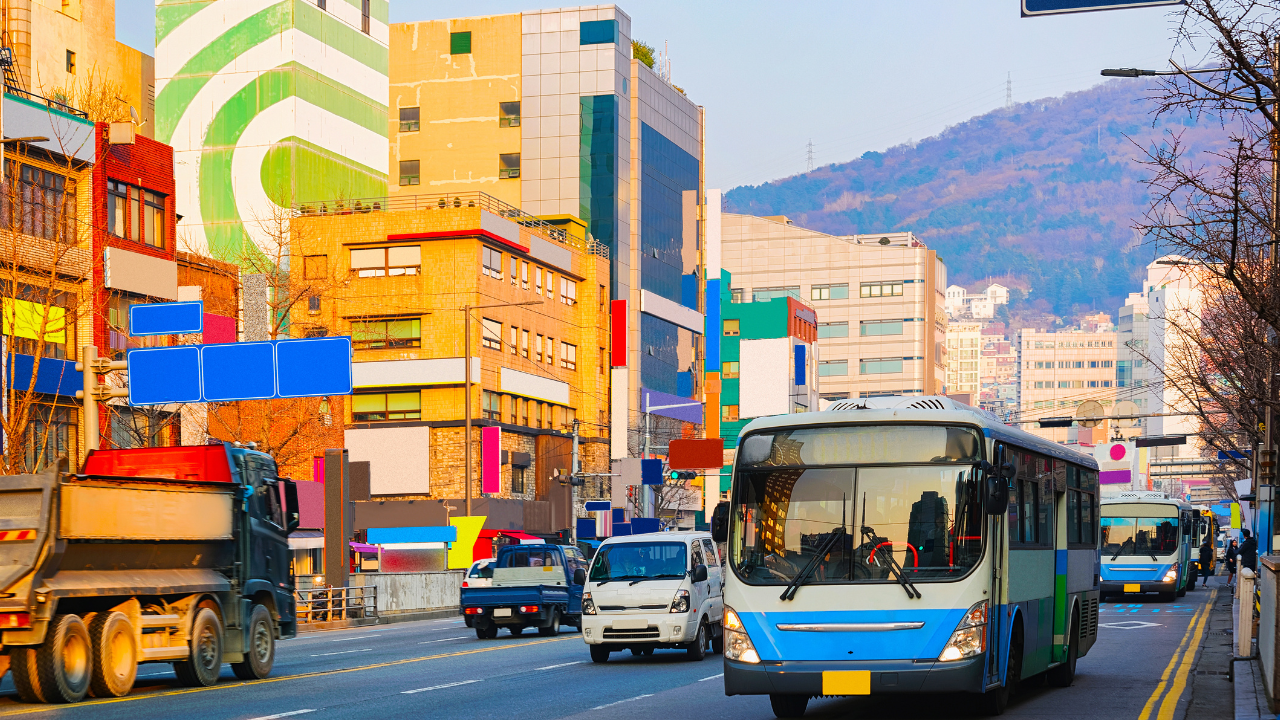
Busan offers a very different rhythm from Seoul, with beaches, seafood markets, hillside villages, and coastal views shaping the city’s appeal. Haeundae Beach and Gwangalli Beach are popular for seaside walks, while Jagalchi Market gives visitors a look at Korea’s seafood culture. Gamcheon Culture Village adds colorful streets and viewpoints, and Haedong Yonggungsa Temple is known for its dramatic coastal setting. Busan works well as a second major stop because it combines urban convenience with a relaxed port city atmosphere.

Best for: Beaches and seafood

Main highlights: Haeundae, Gwangalli, Jagalchi Market

Planning tip: Spend at least two full days

3. Jeju Island
© shutterstock / Go forward

3. Jeju Island

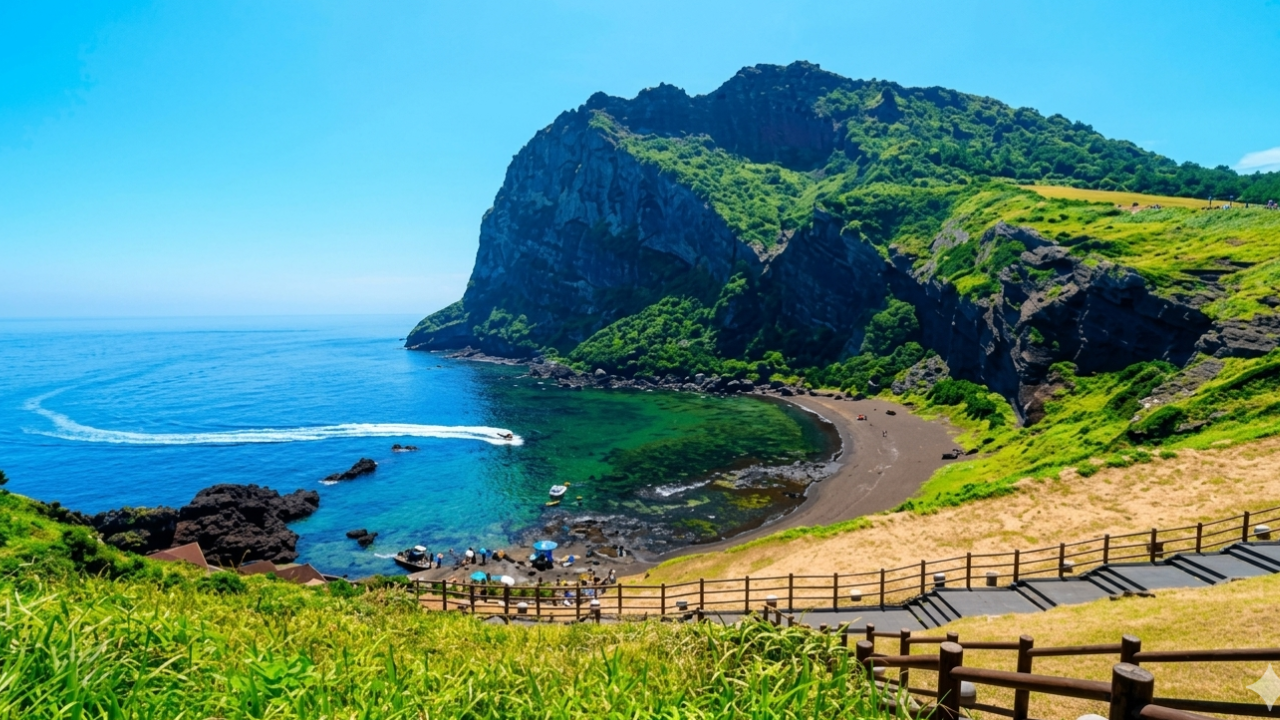
Jeju Island is one of South Korea’s most scenic destinations, known for volcanic landscapes, beaches, waterfalls, lava tubes, and coastal roads. Travelers come here for natural beauty rather than fast city sightseeing. Popular stops include Seongsan Ilchulbong, Hallasan Mountain, Manjanggul Lava Tube, Jeongbang Waterfall, and the island’s black rock coastline. Jeju is best enjoyed with a slower plan because attractions are spread out. Renting a car or using guided tours can make the trip easier, especially for visitors who want to see both the eastern and western sides.

Best for: Nature and road trips

Main highlights: Volcanoes, waterfalls, beaches

Planning tip: Allow three days if possible

4. Gyeongju
© shutterstock / nami chwang

4. Gyeongju

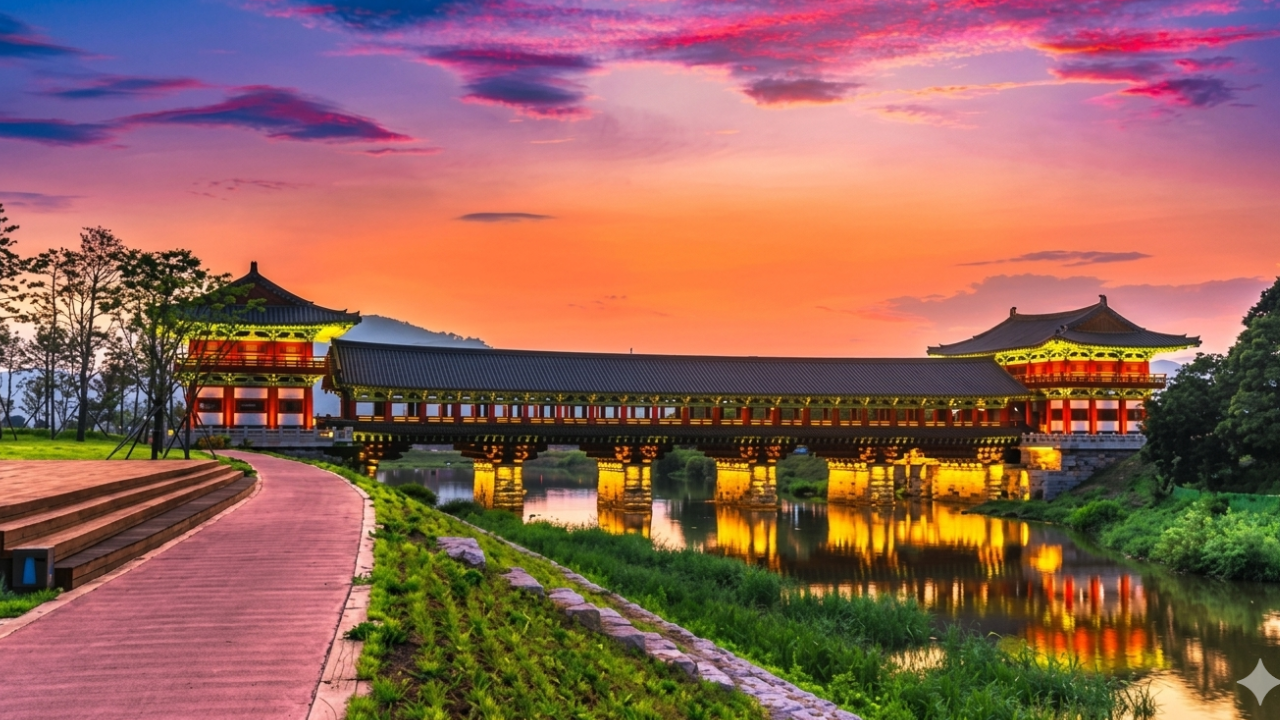
Gyeongju is often described as one of South Korea’s most important historic cities because of its deep connection to the ancient Silla kingdom. The city is filled with royal tombs, temples, traditional architecture, and archaeological sites that make it feel like an open air history museum. Bulguksa Temple, Seokguram Grotto, Cheomseongdae Observatory, and Daereungwon Tomb Complex are among its most meaningful stops. Gyeongju is especially useful for travelers who want history beyond Seoul’s palaces and prefer a quieter pace than Korea’s largest cities.

Best for: Ancient history and culture

Main highlights: Temples, tombs, heritage sites

Planning tip: Visit as an overnight stop from Busan

5. Jeonju
© shutterstock / Jimmy Tran

5. Jeonju

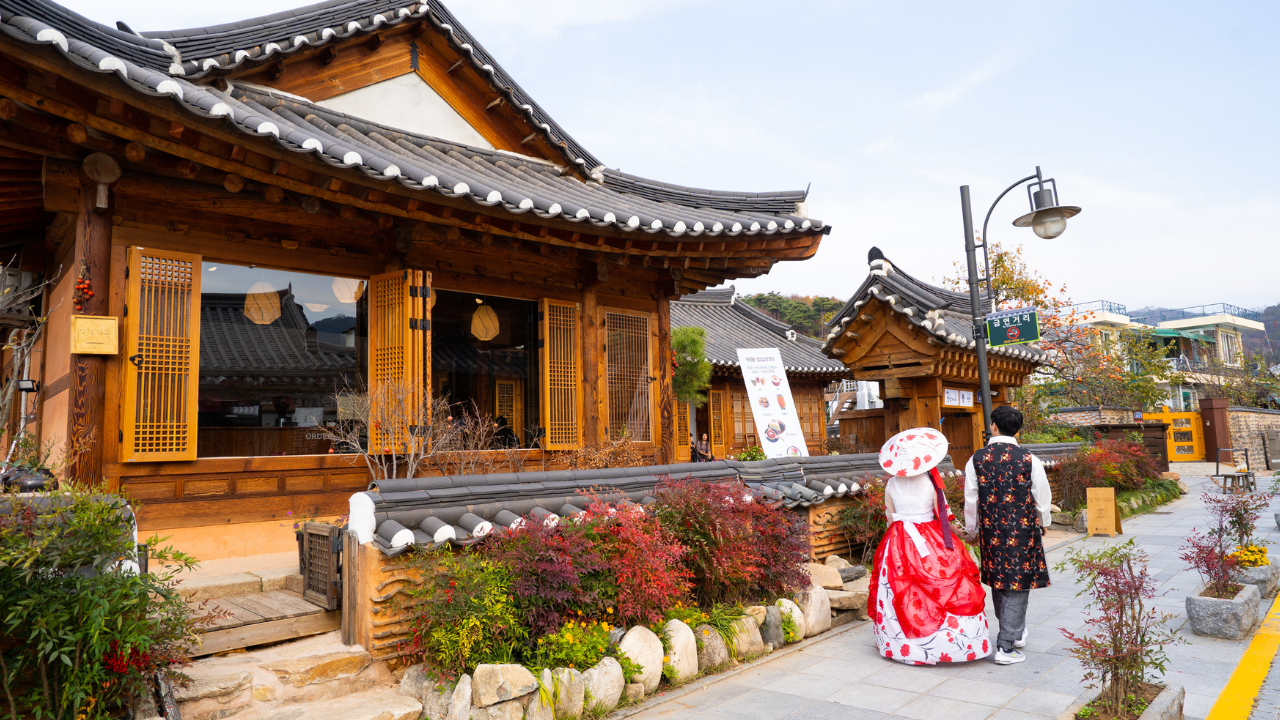
Jeonju is a strong choice for travelers interested in traditional houses, regional food, and a slower cultural atmosphere. Jeonju Hanok Village is the main attraction, with tiled roof homes, tea houses, craft shops, and small museums. The city is also closely associated with bibimbap, making food an important part of the visit. While the hanok village can get busy, early mornings and weekday visits feel calmer. Jeonju is a good addition for travelers who want a cultural stop that feels more relaxed than Seoul.

Best for: Traditional streets and food

Main highlights: Hanok Village, bibimbap, crafts

Planning tip: Stay overnight for quieter evening walks

6. Sokcho and Seoraksan National Park
© shutterstock / Alen thien

6. Sokcho and Seoraksan National Park

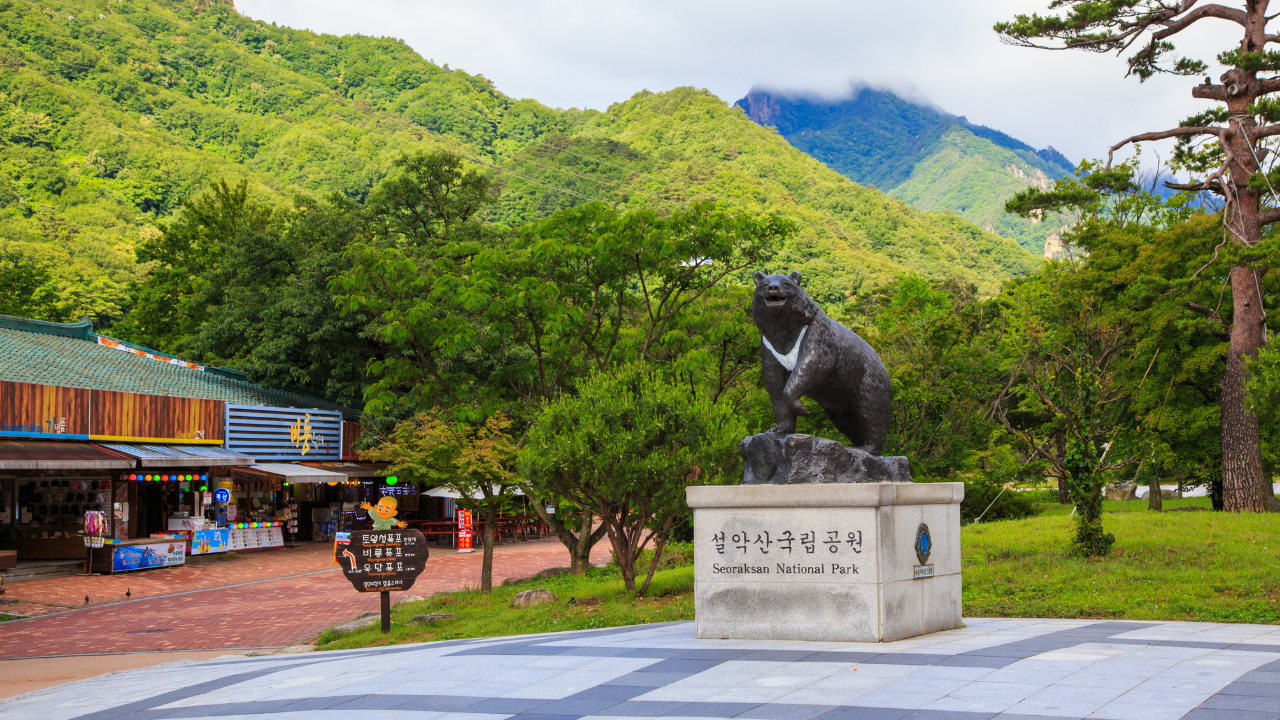
Sokcho is a practical base for visiting Seoraksan National Park, one of South Korea’s most admired mountain areas. The park is known for rocky peaks, forest trails, temples, and seasonal scenery, especially in autumn. Sokcho itself also offers coastal views, seafood, and easy access to beaches. This destination is best for travelers who want to add nature and hiking to a South Korea itinerary without going too far from Seoul. Trail difficulty varies, so visitors can choose anything from short walks to more demanding hikes.

Best for: Hiking and mountain scenery

Main highlights: Seoraksan, temples, coastal food

Planning tip: Start hikes early in peak seasons

7. Suwon
© shutterstock / CJ Nattanai

7. Suwon

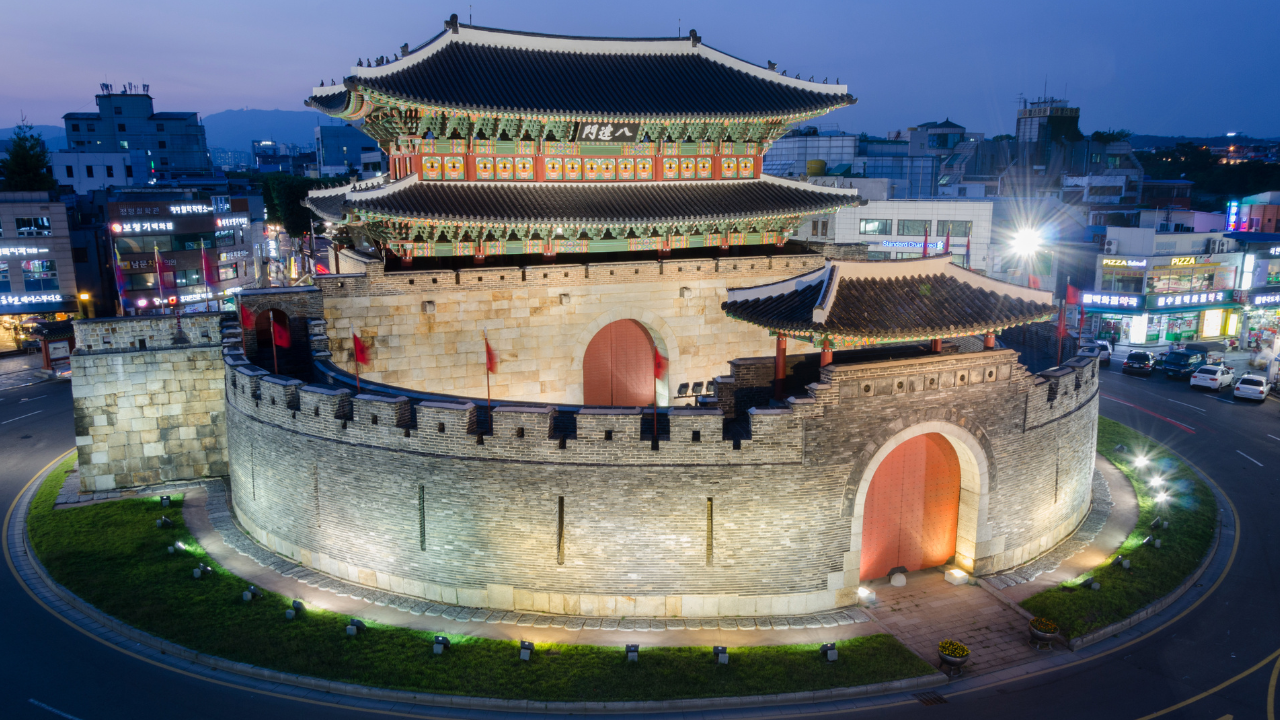
Suwon is one of the easiest cultural day trips from Seoul and is best known for Hwaseong Fortress. The fortress walls, gates, and pavilions show a different side of Korean history while remaining accessible for travelers with limited time. Visitors can walk sections of the wall, explore nearby streets, and enjoy local food before returning to Seoul in the evening. Suwon is a smart choice for travelers who want a meaningful historic experience without committing to a long distance journey.

Best for: Easy day trips from Seoul

Main highlights: Hwaseong Fortress and city walls

Planning tip: Wear comfortable walking shoes

8. Andong
© shutterstock / Travel Telly

8. Andong

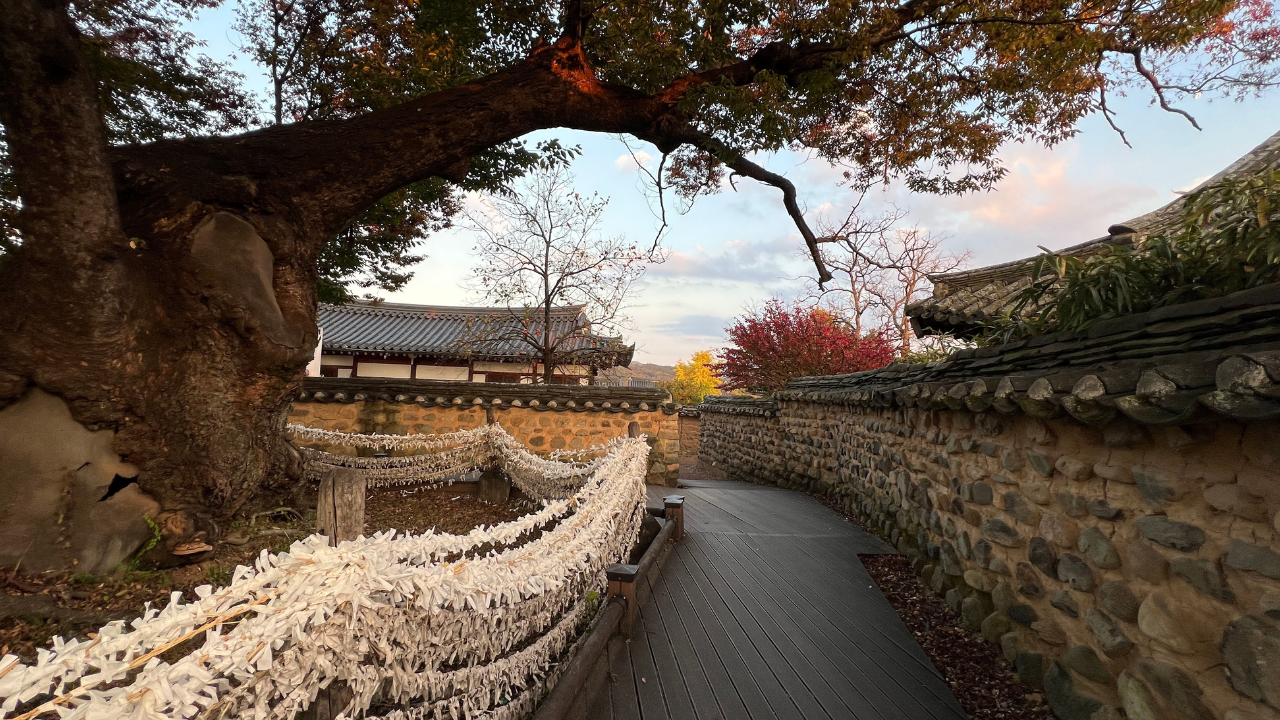
Andong is a thoughtful destination for travelers who want to understand Korea’s traditional village life and Confucian heritage. Hahoe Folk Village is the main highlight, with preserved homes, riverside scenery, and cultural performances at certain times of year. The city is quieter than Seoul or Busan, which makes it better for travelers who appreciate slower, history focused places. Andong also has local food traditions, including jjimdak, a braised chicken dish often associated with the city.

Best for: Folk culture and heritage

Main highlights: Hahoe Folk Village, local food

Planning tip: Check transport times before visiting

9. Incheon
© Dave Mani

9. Incheon

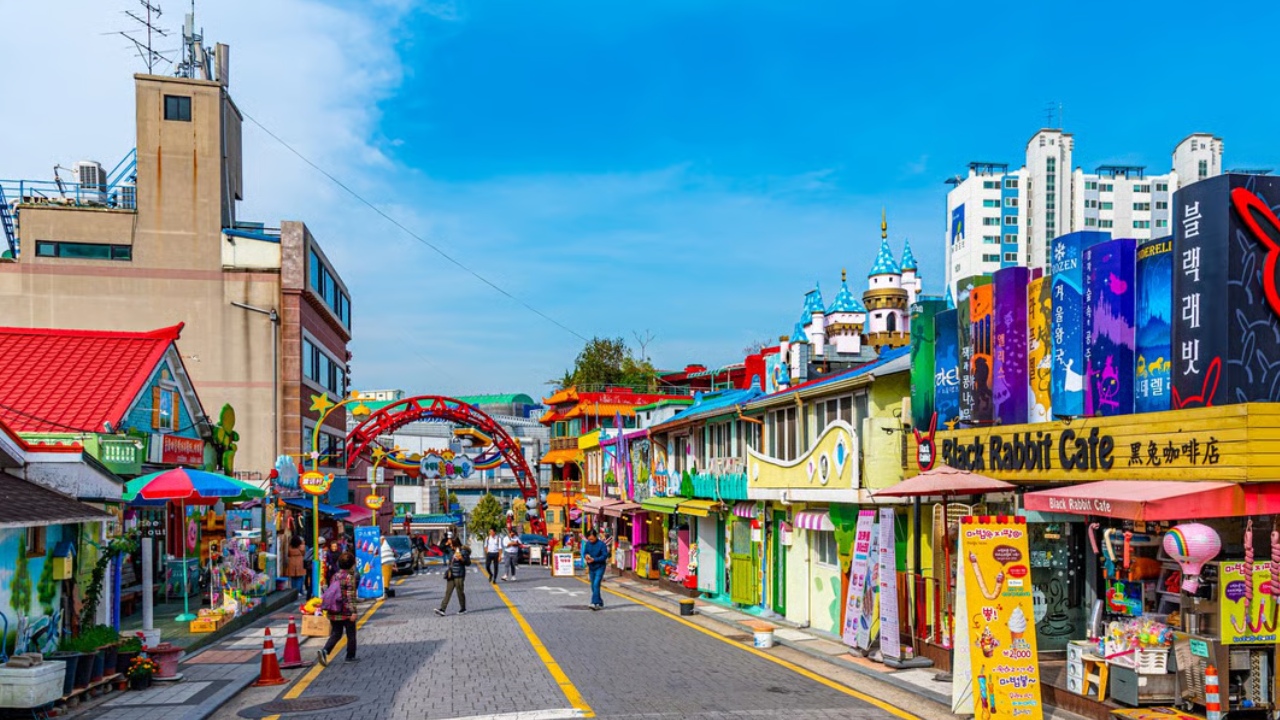
Incheon is more than just South Korea’s main international gateway. The city has coastal parks, islands, historic neighborhoods, and a well known Chinatown area. Songdo offers a planned modern cityscape with parks and waterfront views, while Wolmido and nearby island areas provide a relaxed coastal feel. Incheon is useful for travelers who have extra time before or after flights, but it can also work as a short trip from Seoul. It is especially good for those interested in mixed history, food, and urban development.

Best for: Short trips near Seoul

Main highlights: Chinatown, Songdo, coastal areas

Planning tip: Pair it with airport arrival or departure

10. Gangneung
© JP / Eisya Eloksari

10. Gangneung

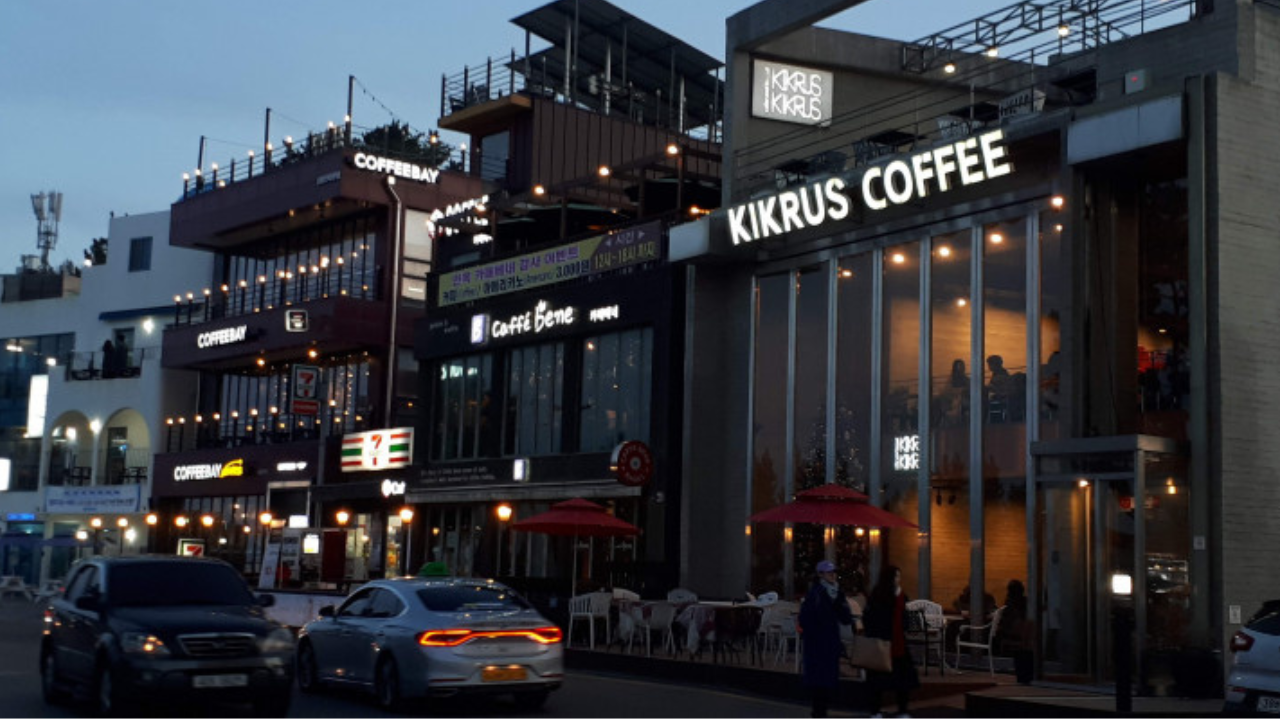
Gangneung on the east coast is known for beaches, coffee culture, lakeside scenery, and a gentler travel pace. Gyeongpo Beach and Anmok Coffee Street are popular stops, especially for travelers who want sea views without going as far as Busan or Jeju. The city also has cultural sites and traditional houses connected to Korean history. Gangneung is a good option for a relaxed coastal break from Seoul, particularly for visitors who want sunrise views, cafes, and fresh seafood.

Best for: East coast beaches and cafes

Main highlights: Gyeongpo Beach, Anmok Coffee Street

Planning tip: Visit on weekdays for a calmer feel

11. Daegu
© shutterstock / trabantos

11. Daegu

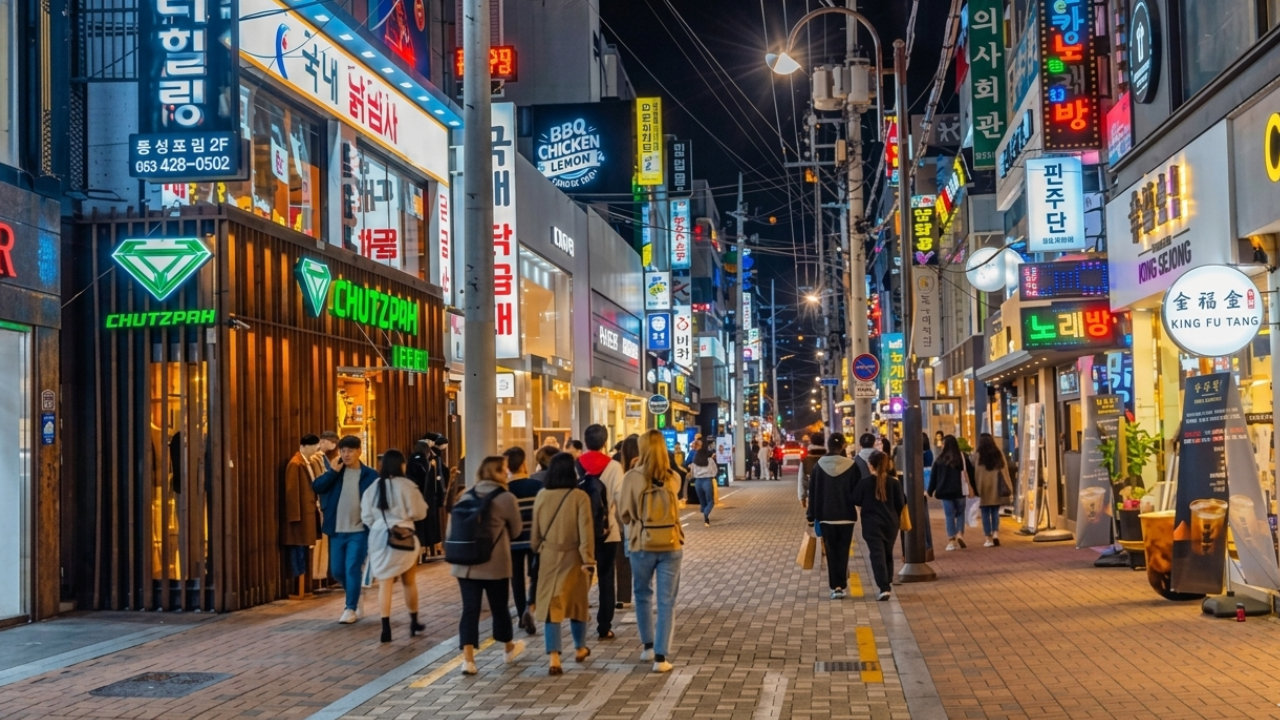
Daegu is often overlooked by first time visitors, but it offers markets, modern shopping streets, mountain access, and a strong local food scene. Seomun Market is one of the city’s best known stops for street food and traditional goods. Apsan Park provides views over the city, while nearby temples and cultural areas add variety. Daegu works well for travelers moving between Seoul, Gyeongju, and Busan, especially if they want to experience a major inland city with fewer international tourist crowds.

Best for: Food markets and local city life

Main highlights: Seomun Market, Apsan Park

Planning tip: Add it between Gyeongju and Seoul

12. Tongyeong
© shutterstock / Keith Homan

12. Tongyeong

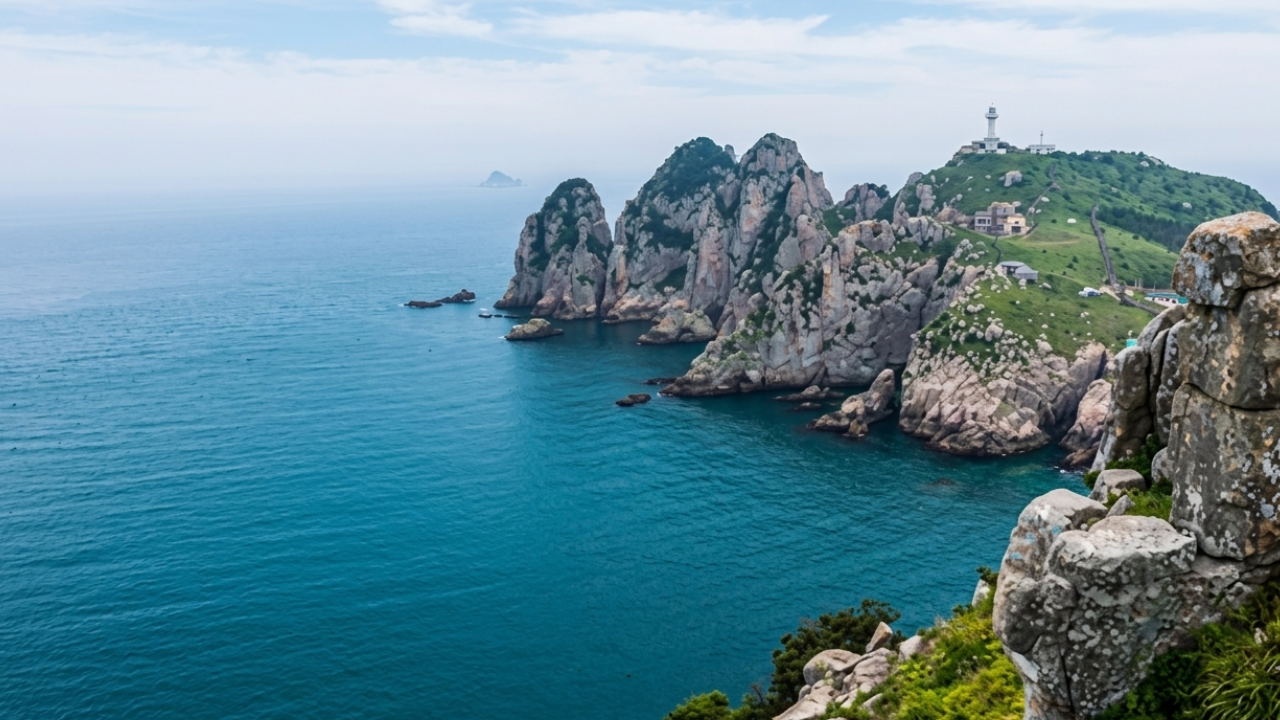
Tongyeong is a scenic southern coastal city known for islands, harbor views, seafood, and a slower maritime atmosphere. It is a strong choice for travelers who want to go beyond the usual Seoul, Busan, and Jeju route. Visitors can take cable car rides for wide coastal views, explore local markets, and use the city as a gateway to nearby islands. Tongyeong is especially appealing for travelers who enjoy photography, fresh seafood, and small city charm near the water.

Best for: Coastal scenery and island trips

Main highlights: Harbor views, seafood, cable car

Planning tip: Plan transport carefully from Busan


Comments (0)

Leave a Reply

No comments yet. Be the first to share your thoughts!