Travel Destination

Quieter destinations around the world that deliver a rewarding travel experience

Leo Harper
3.7
May 22, 2026

Many travelers seek iconic hotspots — beaches like Santorini’s Oia, cities like Paris in peak season, or natural wonders that draw crowds year‑round. But an increasing number of visitors are discovering that quieter alternatives can offer just as much value, charm, and memorable experiences without the throngs of tourists. These peaceful destinations often combine scenic beauty, cultural richness, and authentic local life, letting you enjoy your trip at a relaxed pace.

Choosing a quieter alternative doesn’t mean sacrificing quality. In many cases, it means deeper connections with the place, its people, and its food. Instead of waiting in lines or snapping selfies shoulder‑to‑shoulder, you’re exploring hidden coves, wandering historic towns, and discovering landscapes that feel genuine rather than curated. This guide highlights 12 destinations around the world that serve as meaningful substitutes for overcrowded tourist magnets — perfect for travelers who want high‑value experiences without the crowds.
1. Puglia, Italy (vs. Amalfi Coast)
© shutterstock / Nejdet Duzen

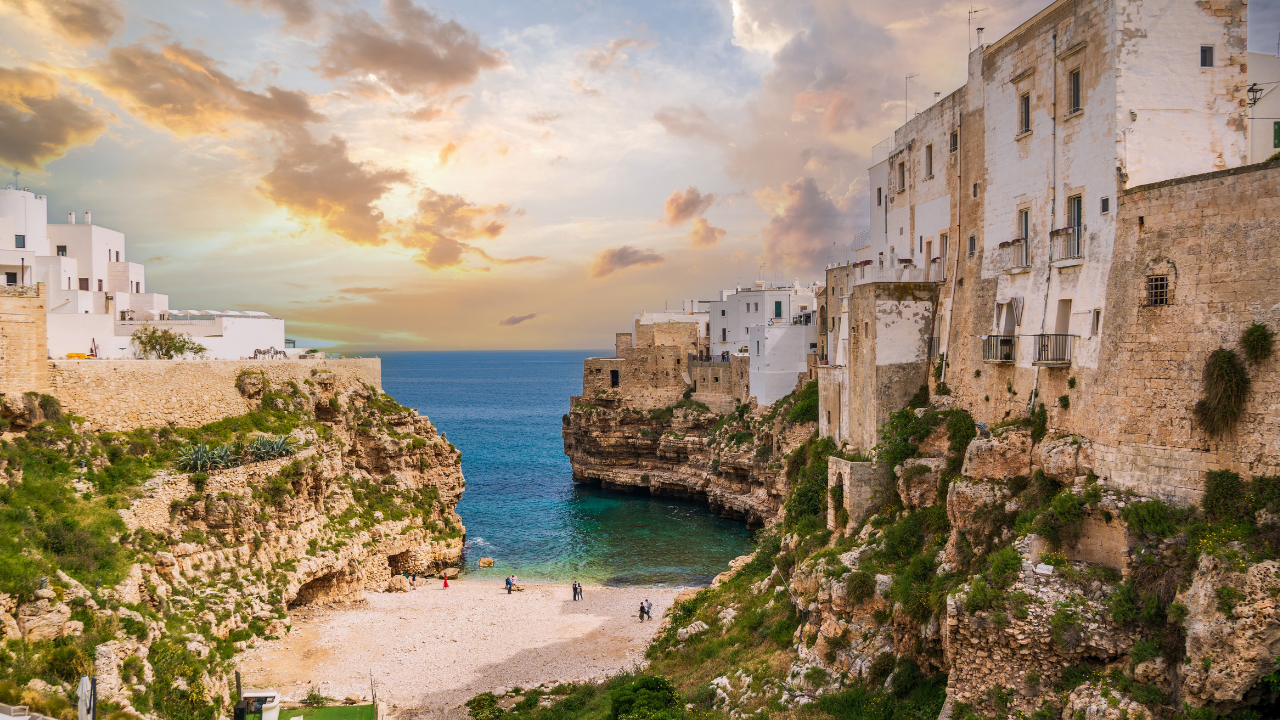
1. Puglia, Italy (vs. Amalfi Coast)

Puglia’s coastline and whitewashed towns offer the Mediterranean beauty many seek on the Amalfi Coast, but with fewer crowds and a more grounded atmosphere. Stretching along Italy’s heel, Puglia features expansive beaches, historic hilltop villages, and a culinary tradition rooted in olive oil, orecchiette pasta, and fresh seafood. Towns like Polignano a Mare and Ostuni have striking architecture and cliffside views without the traffic jams and lineups that often characterize Positano or Capri during peak season. Inland, olive groves and vineyards set the scene for evenings spent sipping local wine at family‑run masserie (farmhouses).

What to do: Explore seaside towns, olive groves, and coastal biking

Where to stay: Restored masserie or boutique agrotourism villas

Local highlight: Farm‑to‑table dinners with regional specialties

2. Azores, Portugal (vs. Iceland)
© shutterstock / KONSTANTIN_SHISHKIN

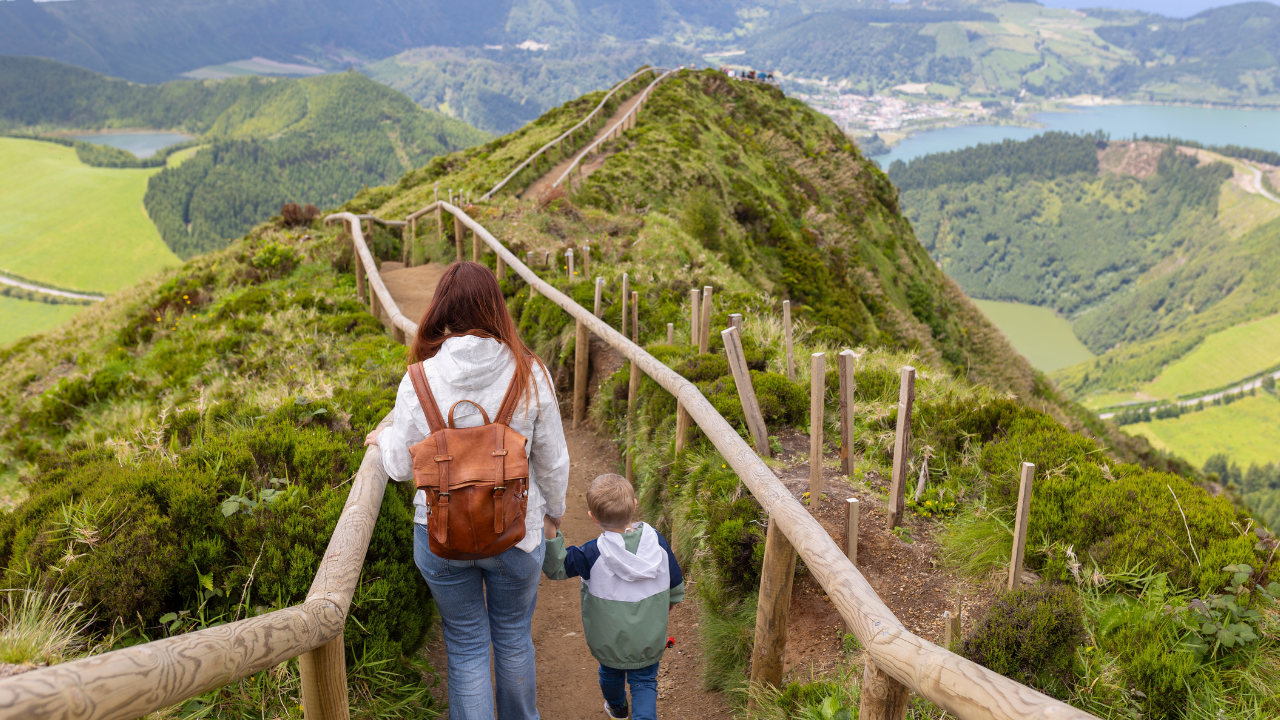
2. Azores, Portugal (vs. Iceland)

The Azores, a volcanic archipelago in the middle of the Atlantic, offers dramatic landscapes — crater lakes, waterfalls, lush valleys — similar to what many travelers seek in Iceland, but with far fewer visitors. Each island has its own character: São Miguel’s Sete Cidades caldera is breathtaking, while Pico’s vineyards and mountain trails appeal to hikers and wine lovers alike. Whale watching, thermal baths, and volcanic swimming spots make the Azores a nature‑centric destination that encourages slow exploration. Local towns are welcoming, and outdoor activities are organized around responsible, sustainable tourism.

What to do: Hike crater lakes, whale watch, hot springs

Where to stay: Eco‑lodges and farm stays with ocean views

Local highlight: Whale watching off Pico Island

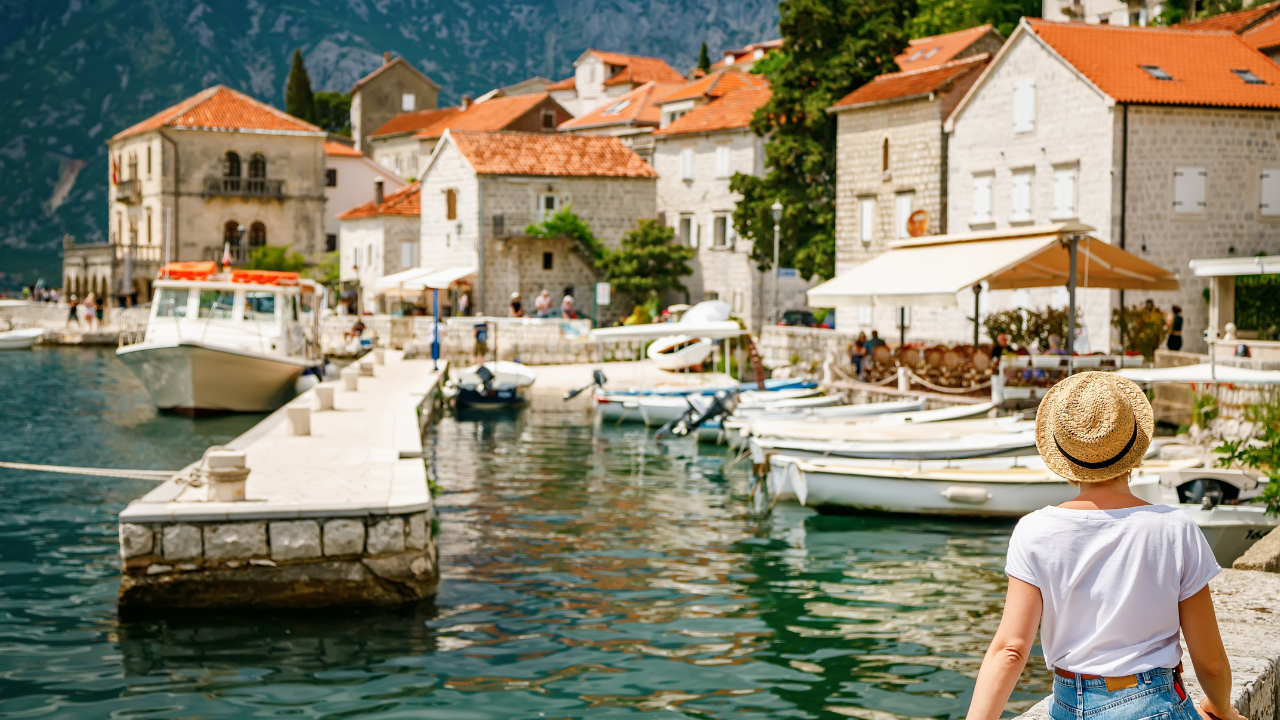
3. Kotor, Montenegro (vs. Dubrovnik, Croatia)
© shutterstock / Anna Lurye

3. Kotor, Montenegro (vs. Dubrovnik, Croatia)

Kotor Bay’s medieval charm and dramatic fjord‑like scenery rival Dubrovnik’s walls and ancient streets, but with a quieter pace and fewer shoulder‑to‑shoulder crowds. The old town’s winding alleys, fortified walls, and waterfront cafes provide ample exploration opportunities. Hiking up to the Kotor Fortress gives panoramic views over the bay without the dense foot traffic common in Dubrovnik’s Old Town. Outside peak cruise ship hours, the town feels delightfully peaceful and authentic, with local markets, seafood taverns, and hidden plazas to discover.

What to do: Walk the ancient walls, bay cruises, fortress hikes

Where to stay: Boutique inns inside the old town

Local highlight: Sunset from the Kotor Fortress

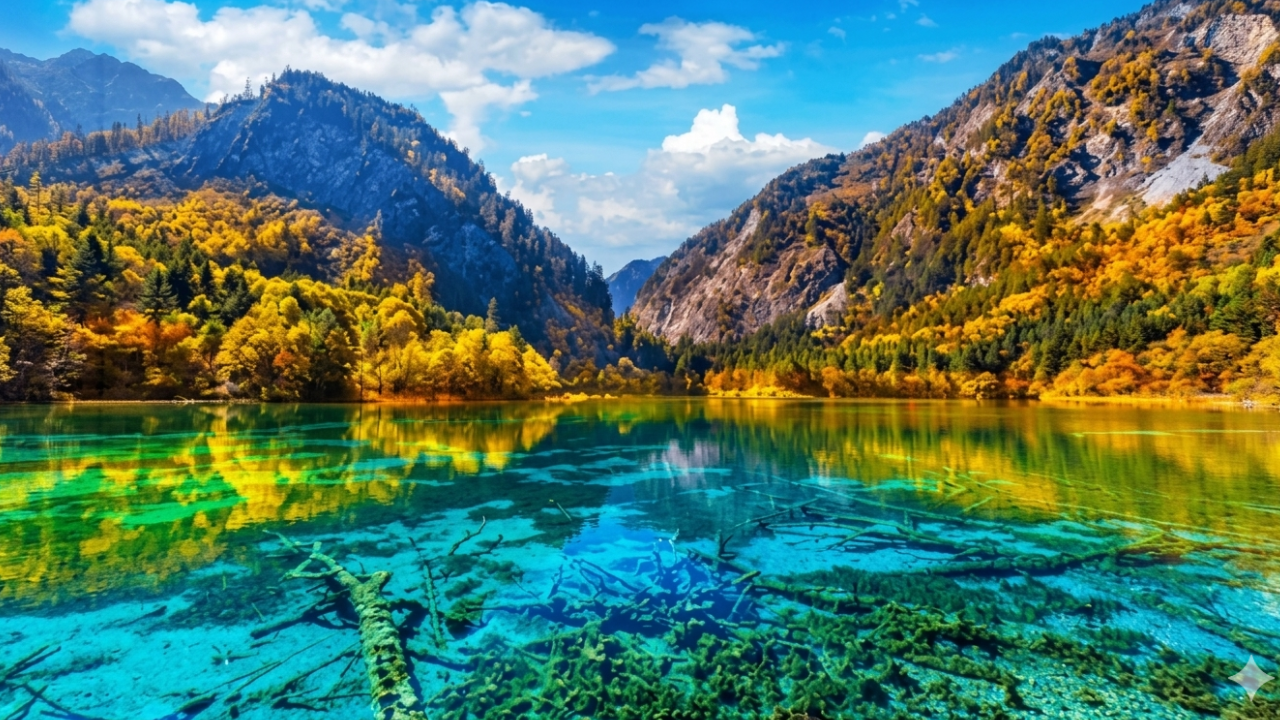
4. Jiuzhaigou Valley, China (vs. Zhangjiajie)
© shutterstock / Guitar photographer

4. Jiuzhaigou Valley, China (vs. Zhangjiajie)

China’s Jiuzhaigou Valley offers surreal landscapes of turquoise lakes, waterfalls, and mountain forests similar to snapshots popularized by media coverage of Zhangjiajie, yet remains less frequented by international tourists. Protected as a biosphere reserve, the valley’s boardwalk trails wind around pristine waters and through bamboo forests. Small Tibetan villages nearby provide cultural experiences that feel more personal and immersive than the more commercialized areas. Visits here are best enjoyed in shoulder seasons when the colors of autumn or spring enhance the natural palette.

What to do: Boardwalk hiking and waterfall viewing

Where to stay: Family‑run guesthouses near the valley gates

Local highlight: Traditional Tibetan cultural performances

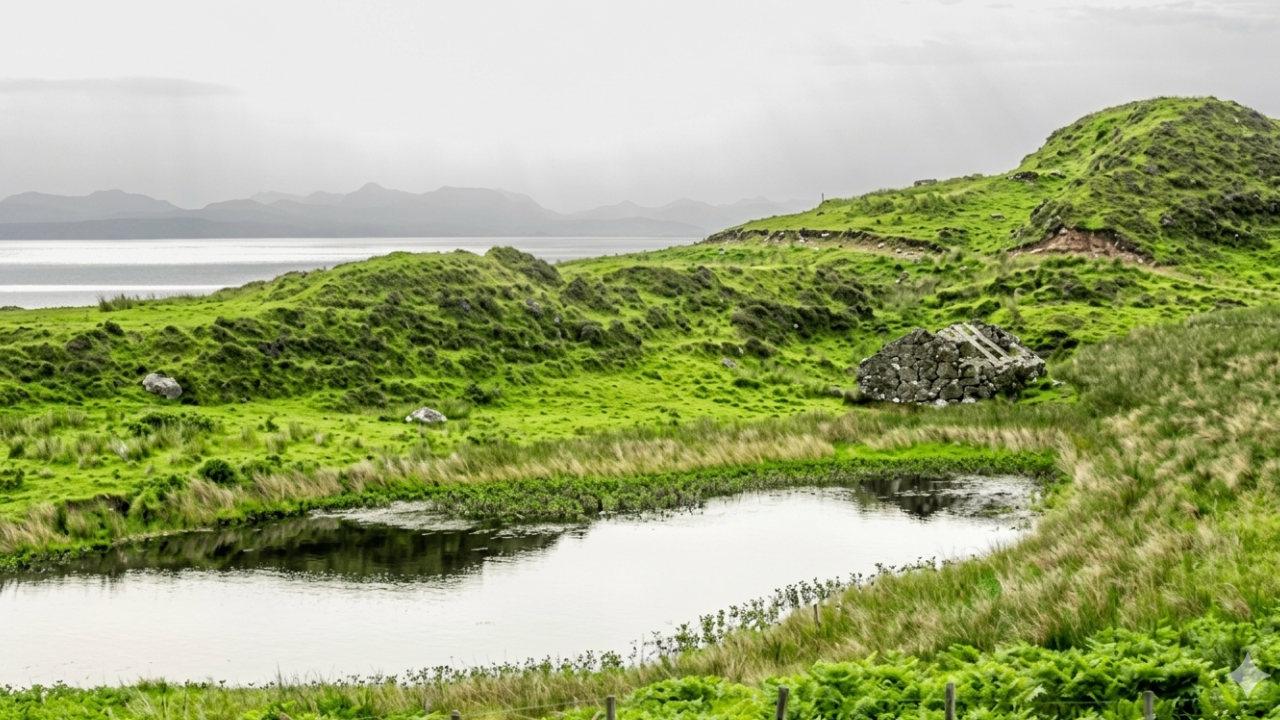
5. Isle of Skye, Scotland (vs. Lake District)
© shutterstock / Nat Nat Nat

5. Isle of Skye, Scotland (vs. Lake District)

While the Lake District draws large numbers of hikers and nature lovers, Scotland’s Isle of Skye delivers equally dramatic landscapes — sea cliffs, rocky ridges, waterfalls — with a quieter ambiance. From the Old Man of Storr and Quiraing to fairy pools and coastal trails, Skye’s topography feels wild and expansive. Small villages like Portree offer colorful harbors and seafood dinners without the congestion of more famous national parks. Weather here can shift quickly, but that’s part of the island’s untamed charm.

What to do: Coastal and mountain hikes, waterfall visits

Where to stay: B&Bs and croft stays with sea views

Local highlight: Fairy Pools for scenic photography

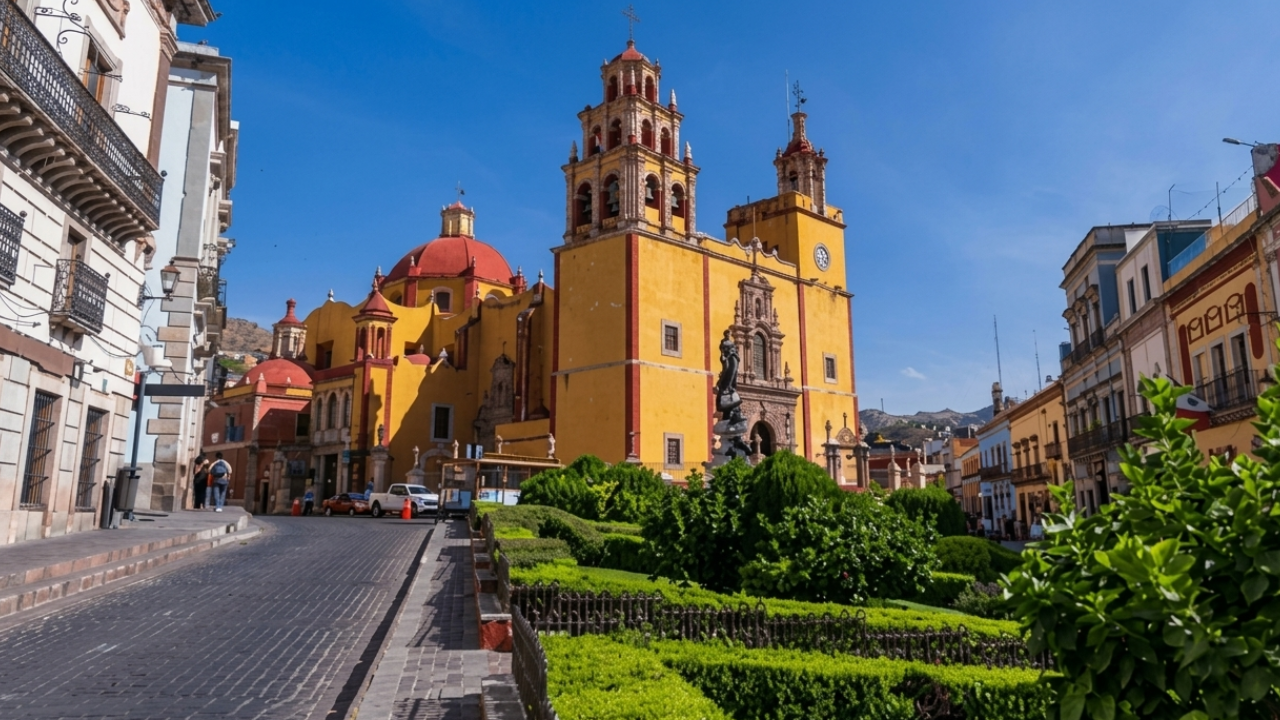
6. Guanajuato, Mexico (vs. Mexico City)
© shutterstock / Hit1912

6. Guanajuato, Mexico (vs. Mexico City)

Mexico City’s energy, museums, and food scene are world‑renowned but can feel overwhelming due to crowds and traffic. Guanajuato, a UNESCO World Heritage city, offers a historic alternative with colorful alleyways, dramatic plazas, and a vibrant arts scene rooted in Mexican culture. Callejones (narrow alleys) wind between hillside houses, while the Juárez Theatre and local markets showcase regional food and crafts. Events like the Cervantino Festival animate the city without turning it into a relentless tourist boulevard. It’s a place where rich history and daily local life intersect seamlessly.

What to do: Explore colonial streets and museums

Where to stay: Boutique hotels near Jardin de la Unión

Local highlight: Callejones and colonial architecture

7. Zakynthos’ Northern Coast, Greece (vs. Santorini)
© shutterstock / A Potonya

7. Zakynthos’ Northern Coast, Greece (vs. Santorini)

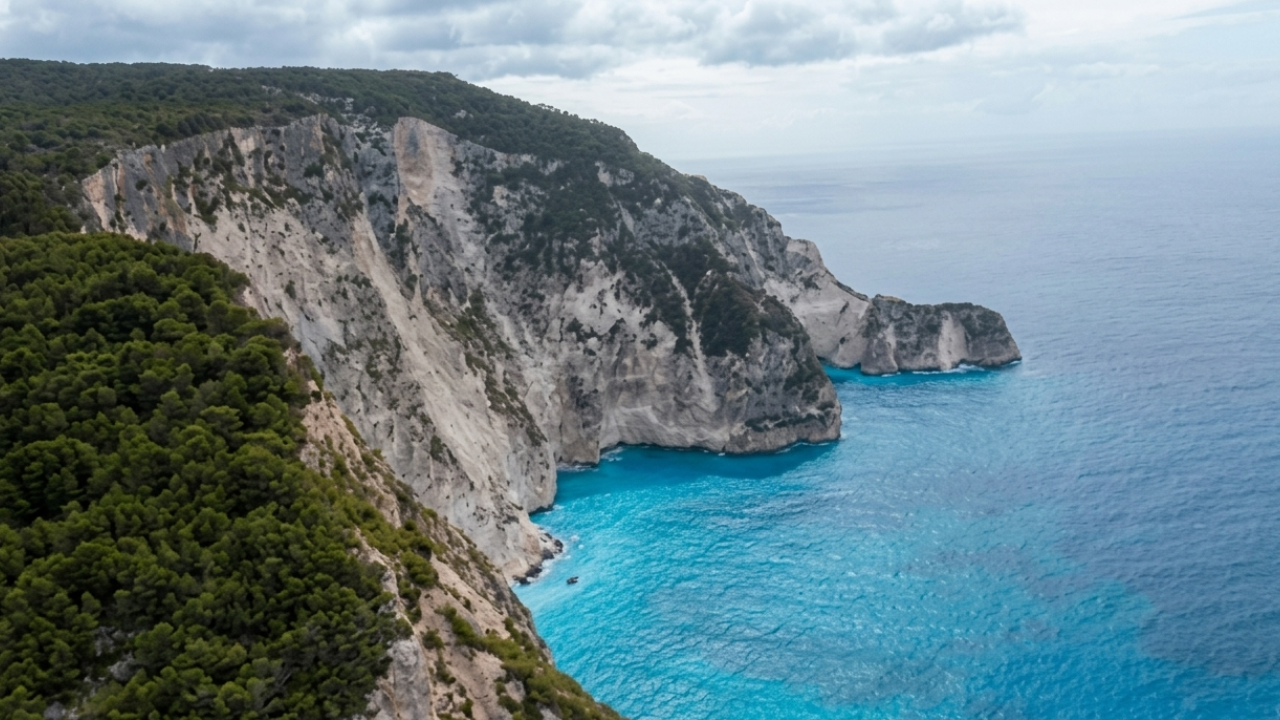
Santorini’s sunsets, caldera views, and Instagram appeal draw crowds year‑round. As a quieter alternative, the northern and central coast of Zakynthos provides serene beaches, dramatic coves, and relaxed tavernas nestled into salt‑white cliffs and pine‑fringed shorelines. Spots like Xigia Beach are known for mineral‑rich waters and a peaceful atmosphere. Boat trips can include quiet coves and snorkeling not found amid Santorini’s more packed harbors. The food here reflects Ionian traditions — olive oil, fresh fish, citrus — enjoyed with leisurely seaside views.

What to do: Beach hopping, snorkeling, seaside relaxation

Where to stay: Family‑run guesthouses near quiet coves

Local highlight: Xigia Beach and hidden snorkeling spots

8. Hoi An Countryside, Vietnam (vs. Halong Bay)
© shutterstock / Tarin C

8. Hoi An Countryside, Vietnam (vs. Halong Bay)

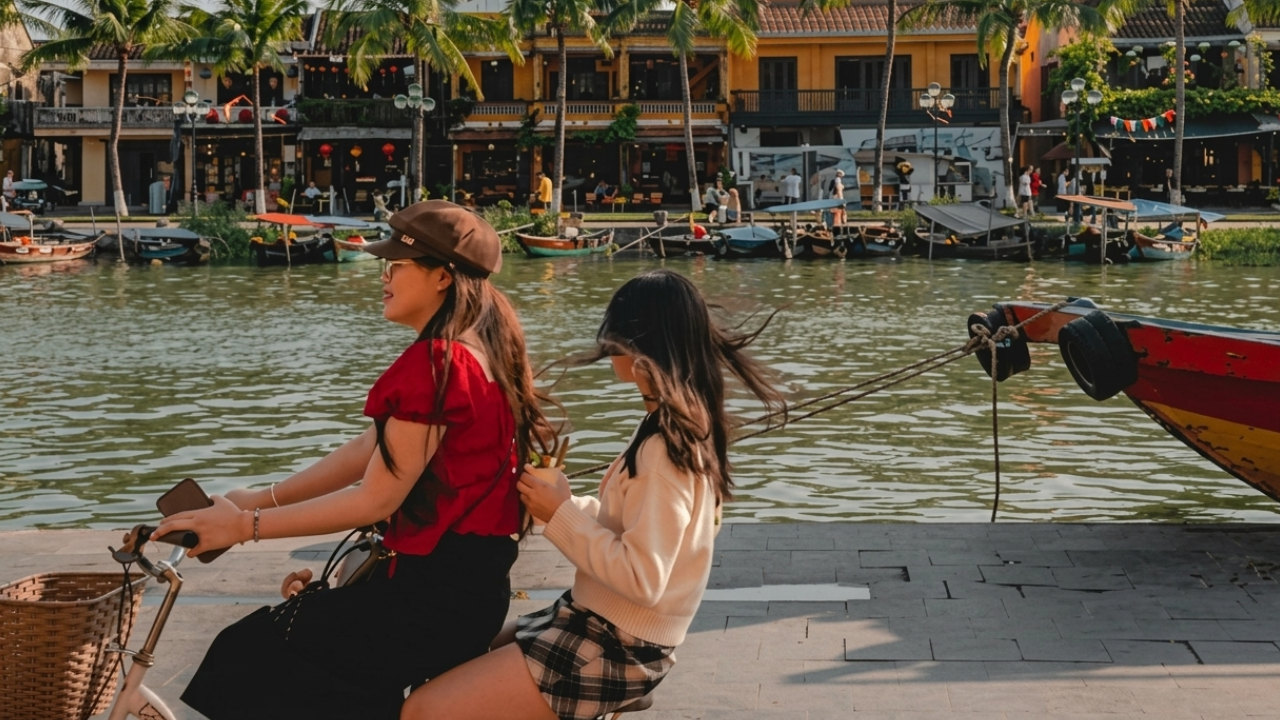
Halong Bay’s dramatic limestone karsts are iconic but can feel crowded at peak times. As a quieter alternative, Hoi An’s countryside offers peaceful rice paddies, bicycle paths, and traditional craft villages. Cyclists ride quiet paths past water buffalo and small farms, stopping for local coffee or bánh mì at neighborhood stalls. Hoi An’s ancient town still draws visitors, but excursions into the surrounding countryside — lantern workshops, cooking classes with local families, or spice markets off the beaten track — reveal a more authentic rural pace.

What to do: Cycling rice terraces, cooking classes

Where to stay: Riverside homestays and small eco resorts

Local highlight: Traditional lantern workshops

9. Baja California Sur, Mexico (vs. Cancun/Riviera Maya)
© shutterstock / Edgar BJ

9. Baja California Sur, Mexico (vs. Cancun/Riviera Maya)

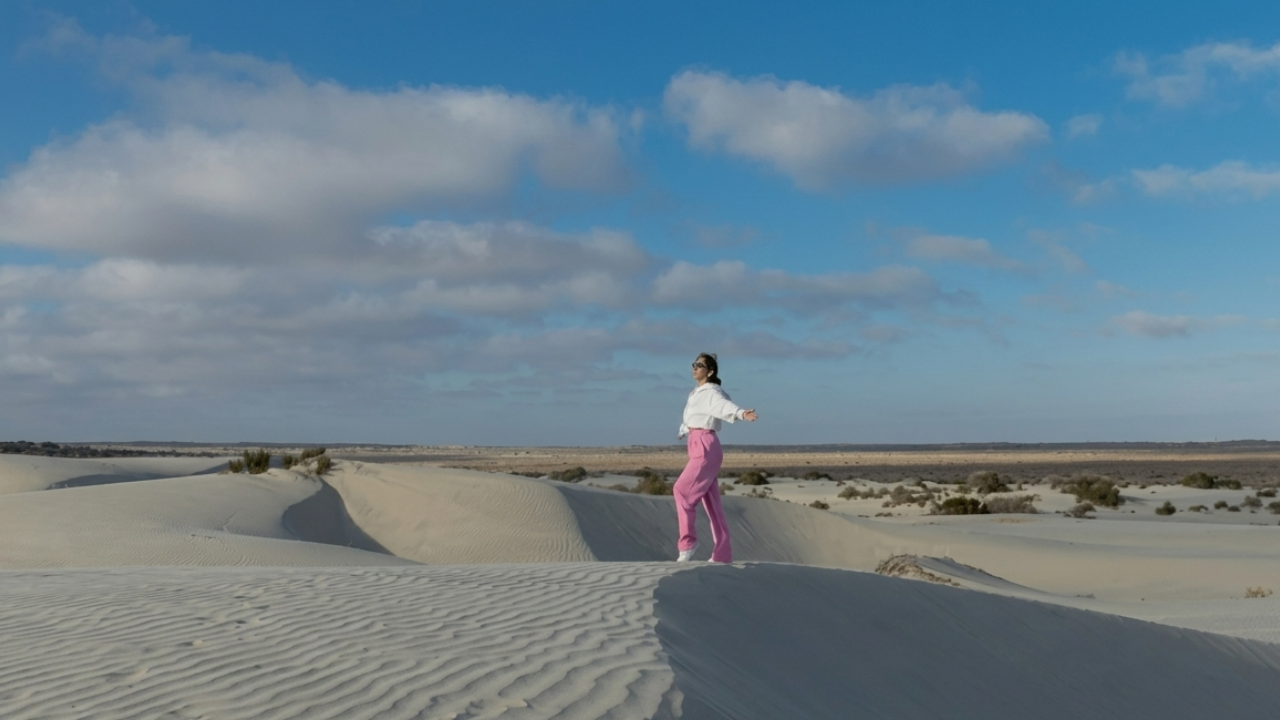
Cancun and the Riviera Maya are famous for beaches, resorts, and nightlife but are often crowded with international tourism. Baja California Sur — including La Paz and Todos Santos — presents wide Pacific and Sea of Cortez beaches with fewer people and a strong sense of place. Marine life viewing, whale watching, and kayaking allow visitors to engage in active nature pursuits. Towns are quieter, with seafood markets, farm‑to‑table eateries, and local art galleries that reflect regional creativity. The pace here is slower, yet there’s plenty to discover for foodies and outdoor enthusiasts alike.

What to do: Kayaking, whale watching, beach walks

Where to stay: Boutique coastal inns and eco retreats

Local highlight: Todos Santos’ arts and culinary scene

10. Lake Atitlán, Guatemala (vs. Lake Tahoe)
© shutterstock / tolobalaguer.com

10. Lake Atitlán, Guatemala (vs. Lake Tahoe)

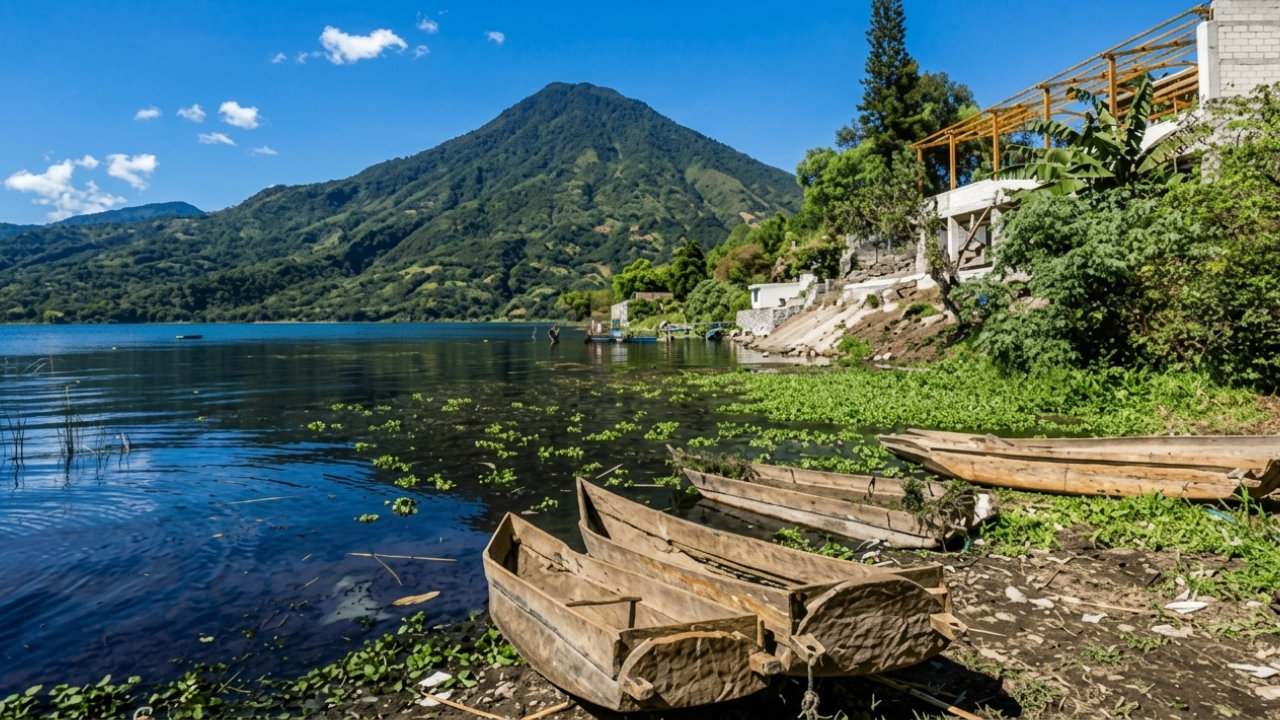
Lake Tahoe’s beauty draws travelers from across North America, particularly in summer, creating a lively but crowded lake scene. Lake Atitlán in Guatemala is a quieter, culturally rich counterpart set amid volcanoes and Mayan villages. Each lakeside village — such as San Juan or Santa Cruz — has its own arts cooperatives, weaving traditions, and local markets. Kayaks and small boats let visitors explore hidden coves, while meditation circles and yoga huts offer gentle ways to relax. The cultural depth and lakeside calm here feel immersive rather than tourist‑centric.

What to do: Kayaking, village exploration, yoga

Where to stay: Boutique lodges with lake views

Local highlight: Mayan textile workshops

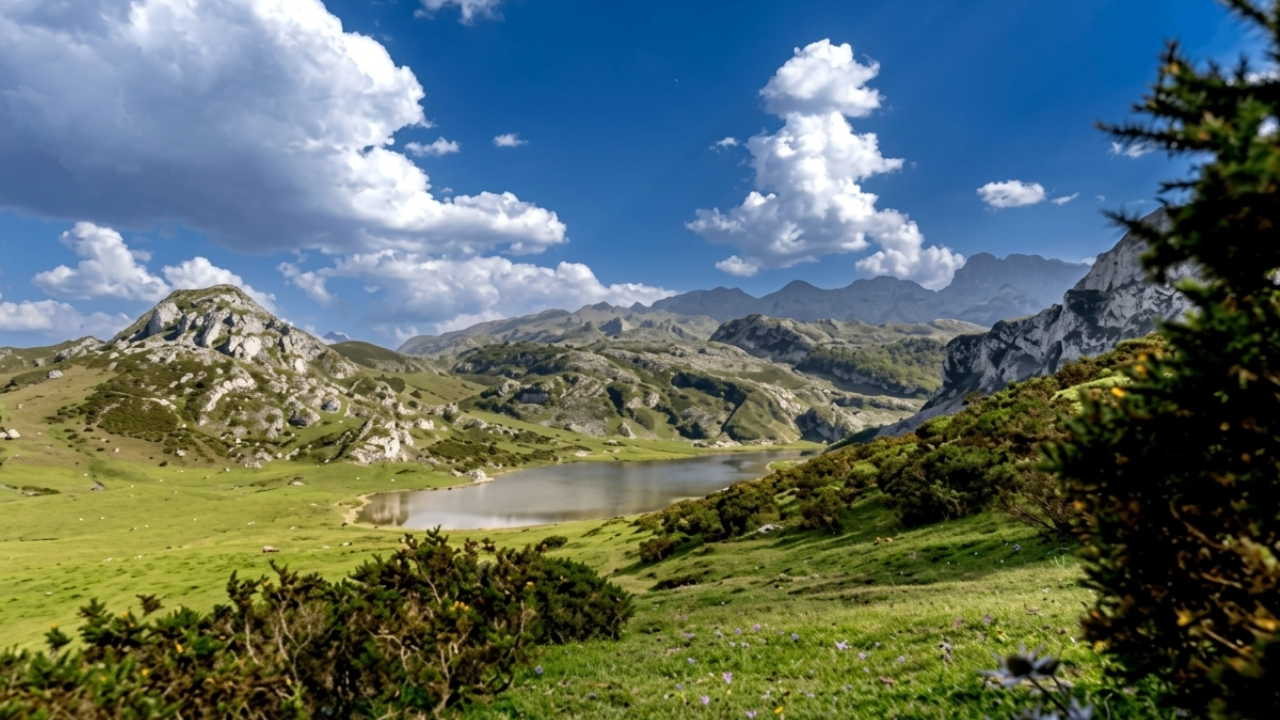
11. Picos de Europa, Spain (vs. Pyrenees)
© shutterstock / Devalro

11. Picos de Europa, Spain (vs. Pyrenees)

The Pyrenees draw hikers from Europe and beyond, but Spain’s lesser‑known Picos de Europa National Park delivers equally dramatic peaks, green valleys, and rugged trails with smaller crowds. This range invites multi‑day hikes, canyon walks, and scenic villages where regional Asturian and Cantabrian cuisine shines. From local cheeses like Cabrales to hearty stews, the food here reflects mountain traditions. Trails lead to panoramic viewpoints and waterfalls, drawing travelers who prefer unhurried exploration over busy crowd paths.

What to do: Mountain hikes and valley treks

Where to stay: Rural inns and mountain cottages

Local highlight: Traditional Asturian cuisine

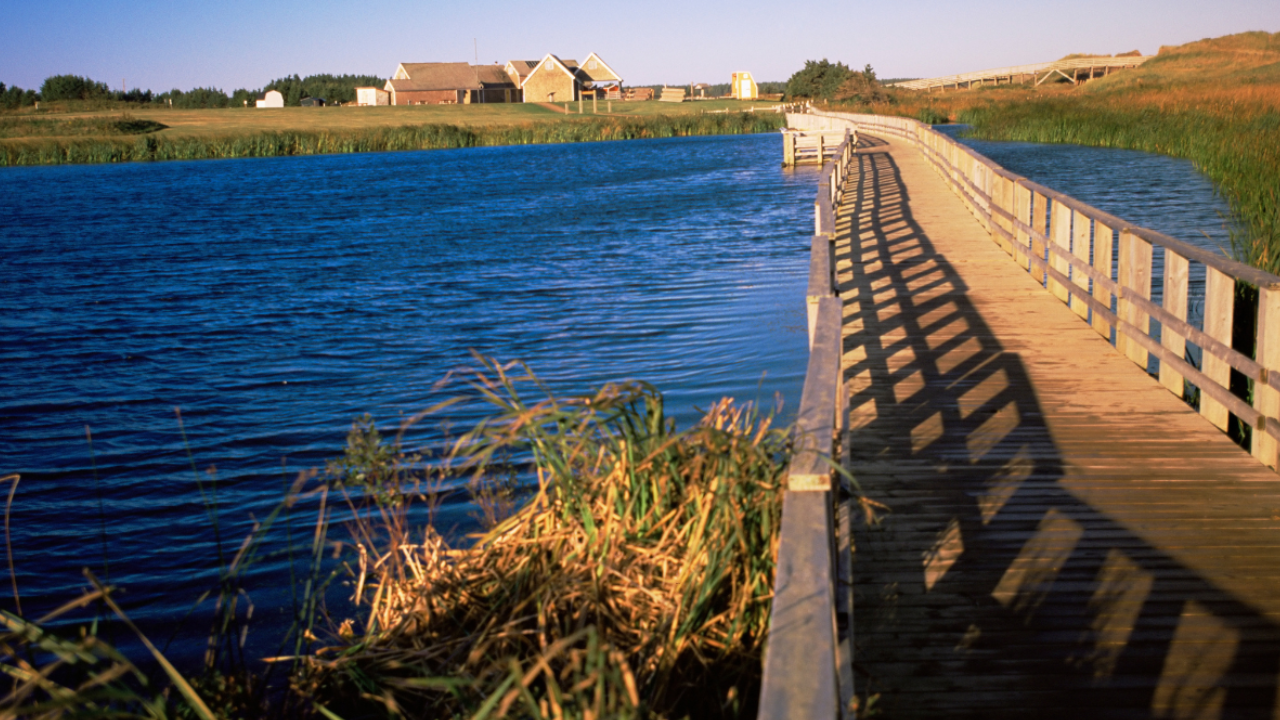
12. Prince Edward Island, Canada (vs. Cape Cod)
© shutterstock / Robert Harding Video

12. Prince Edward Island, Canada (vs. Cape Cod)

Cape Cod’s beaches, lighthouses, and maritime charm fill up quickly in summer. Prince Edward Island (PEI) offers a quieter Atlantic alternative with rolling red sand beaches, seafood shacks, and gentle coastal trails. The island’s small towns hum with local culture, including artisan bakeries, craft breweries, and markets filled with PEI mussels and potatoes. Cycling the island’s scenic routes, attending local music nights, or exploring art galleries offers depth and authenticity far from packed boardwalks.

What to do: Beach walks, cycling tours, seaside exploration

Where to stay: Bed and breakfasts and coastal inns

Local highlight: PEI seafood and small‑town charm


Comments (0)

Leave a Reply

No comments yet. Be the first to share your thoughts!