Travel Destination

Skip the car keys: The destinations that are best discovered on foot

Adam Collins
3.9
May 12, 2026

Some destinations are simply better experienced on foot. In these places, driving can feel more stressful than useful because of narrow streets, limited parking, traffic restrictions, historic centers, or excellent public transport. Walking gives travelers a closer look at everyday life, from café-lined lanes and local markets to waterfront paths, plazas, bridges, and quiet neighborhoods that are easy to miss from a car.

Walkable destinations also make travel feel more flexible. You can stop for photos, follow side streets, visit small shops, and move at a pace that suits the location. For many travelers, the best walking cities are not just compact. They also offer safe streets, interesting architecture, connected neighborhoods, and enough public transport to cover longer distances when needed.

Here are 12 destinations where walking is usually more rewarding than driving.
1. Venice, Italy
© shutterstock / Valentin Ivantsov

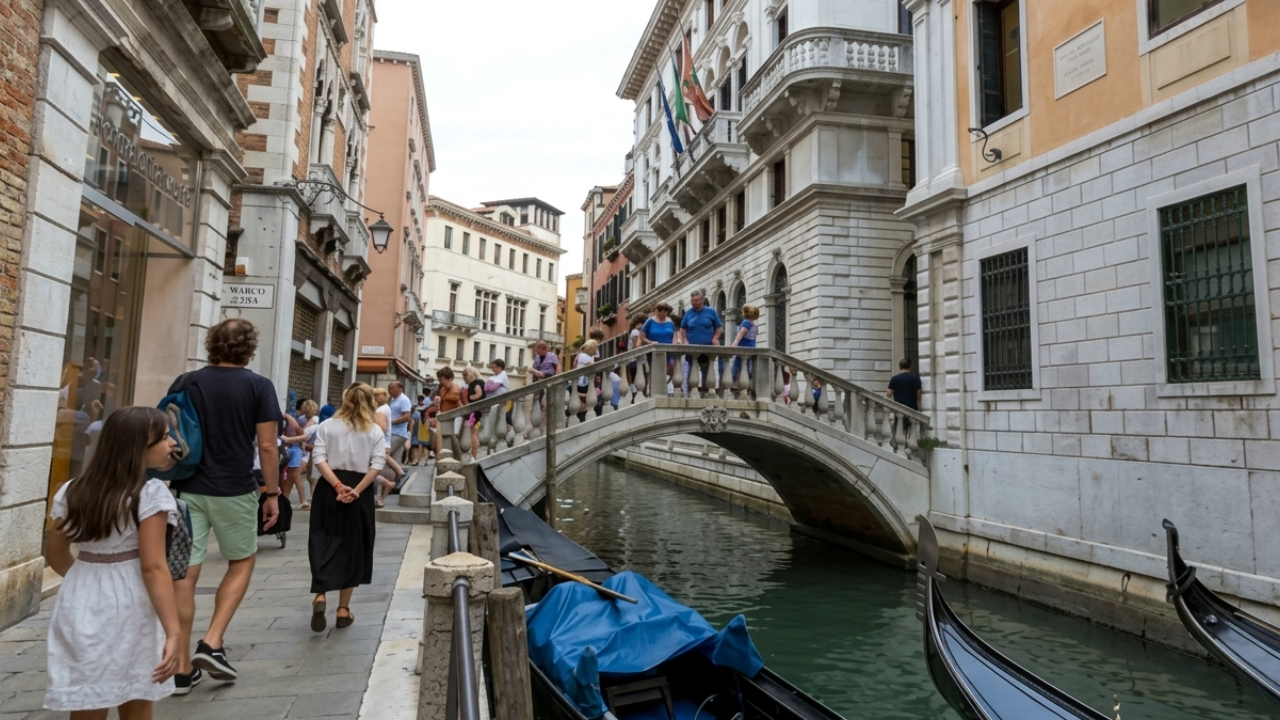
1. Venice, Italy

Venice is one of the clearest examples of a destination where walking is not just better than driving, but essential. The historic city has no regular car traffic in its central islands, so visitors move through narrow lanes, bridges, canals, and small squares on foot. This makes Venice feel slower and more atmospheric than many other famous European cities.

Walking also helps travelers understand the city’s layout beyond St. Mark’s Square and the Rialto Bridge. Quieter districts like Cannaregio, Dorsoduro, and Castello reveal local restaurants, artisan shops, churches, and canal views without needing a set route. A car would only get in the way here, while walking turns the city itself into the main experience.

Best Area to Walk: Dorsoduro, Cannaregio, and the lanes around Rialto.

Best Time to Walk: Early morning before day-trip crowds arrive.

Driving Challenge: Cars are not allowed inside the historic center.

Traveler Tip: Wear comfortable shoes because bridges and stone paths add up quickly.

2. Amsterdam, Netherlands
© shutterstock / EditorAtLarge

2. Amsterdam, Netherlands

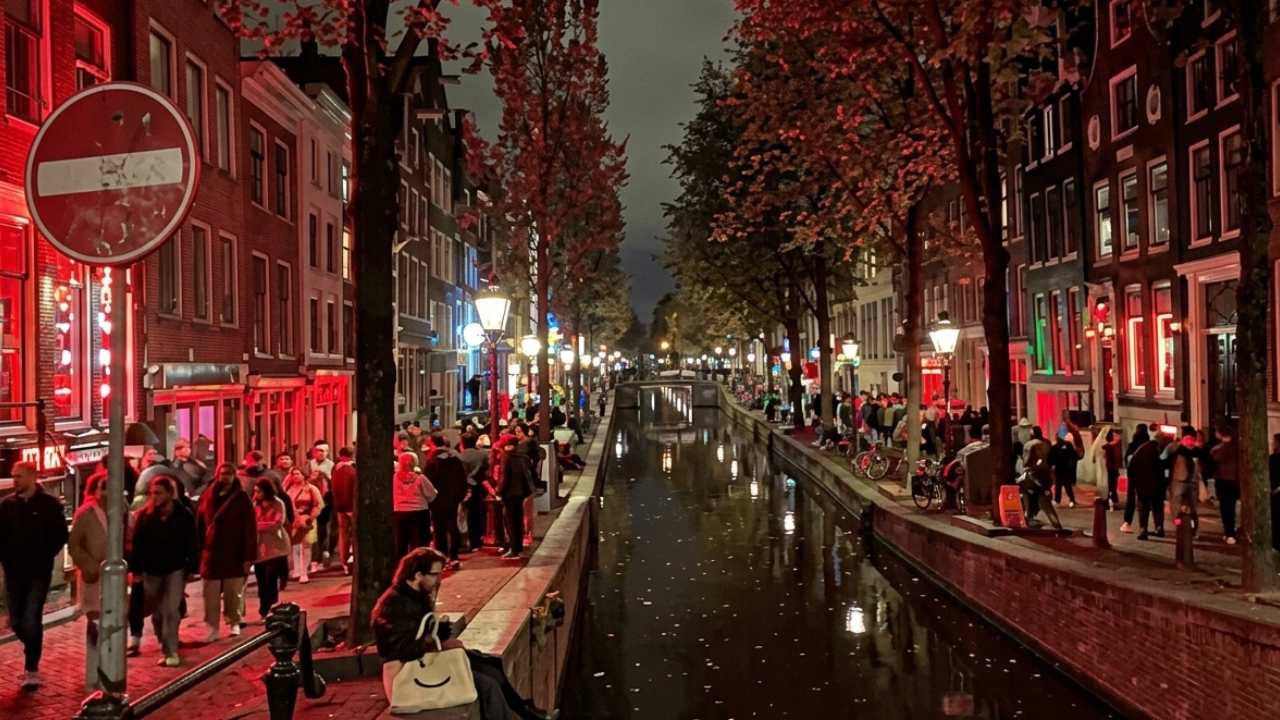
Amsterdam is highly walkable because its compact center is built around canals, bridges, museums, cafés, and historic streets. While the city is famous for cycling, walking is often easier for visitors who want to move slowly and explore without worrying about bike traffic. Many major sights, including the canal belt, Jordaan, Dam Square, and the Museum Quarter, can be linked together on foot.

Driving in Amsterdam is rarely convenient for tourists. Parking is expensive, streets are busy with bikes and trams, and many central areas are better suited to pedestrians. Walking lets travelers enjoy the details of the city, from canal houses and small courtyards to markets and waterside cafés.

Best Area to Walk: Jordaan, the canal belt, and the Museum Quarter.

Best Time to Walk: Morning or late afternoon for softer crowds.

Driving Challenge: Parking is costly and central streets can be confusing.

Traveler Tip: Watch carefully for bikes when crossing streets and cycle lanes.

3. Kyoto, Japan
© shuuterstock / Danica Chang

3. Kyoto, Japan

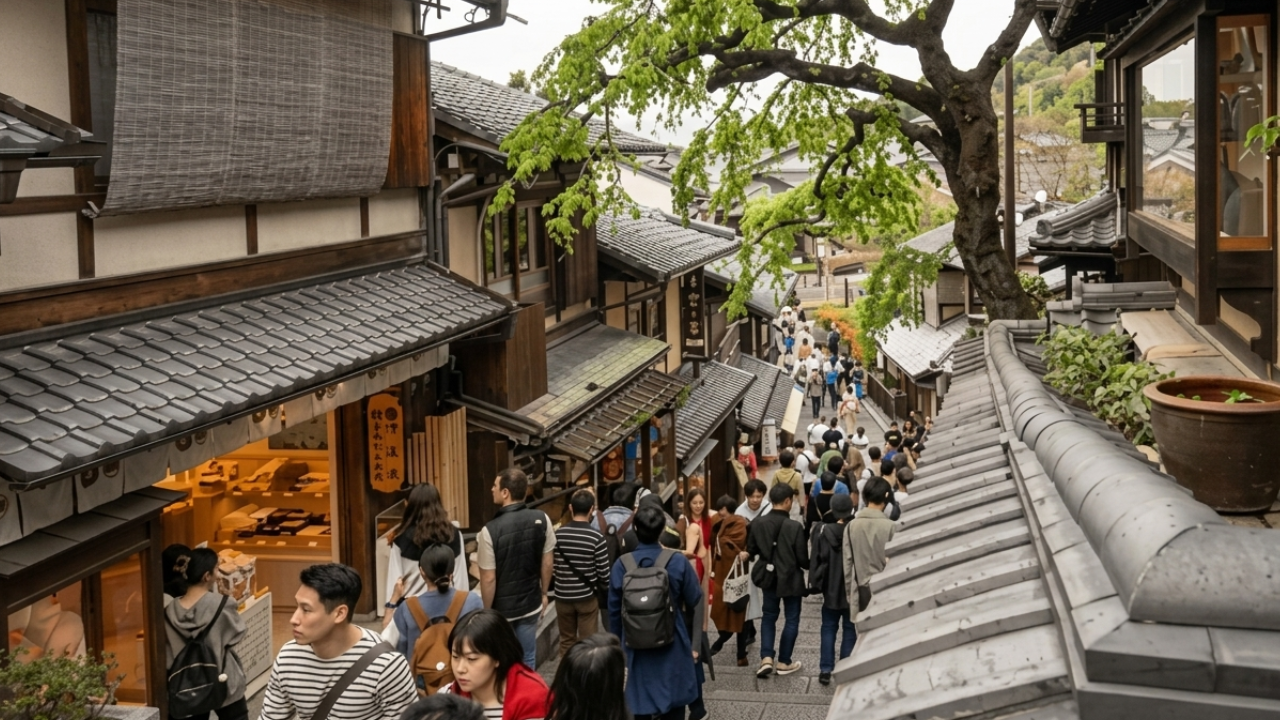
Kyoto rewards travelers who slow down and walk between temples, gardens, traditional streets, and quiet residential corners. While the city is spread out overall, many of its best districts are ideal for walking once you arrive by train, subway, or bus. Higashiyama, Gion, Arashiyama, and the Philosopher’s Path are especially suited to exploring on foot.

Driving in Kyoto can be frustrating because of traffic, limited parking, and narrow streets near popular heritage areas. Walking allows visitors to notice small shrines, wooden houses, tea shops, craft stores, and seasonal details like cherry blossoms or autumn leaves. The city’s cultural atmosphere is much easier to appreciate at a pedestrian pace.

Best Area to Walk: Higashiyama, Gion, Arashiyama, and the Philosopher’s Path.

Best Time to Walk: Early morning for temples and late afternoon for Gion.

Driving Challenge: Parking near temples is limited and traffic can slow travel.

Traveler Tip: Use public transport between districts, then explore each area on foot.

4. Florence, Italy
© shutterstock / goga18128

4. Florence, Italy

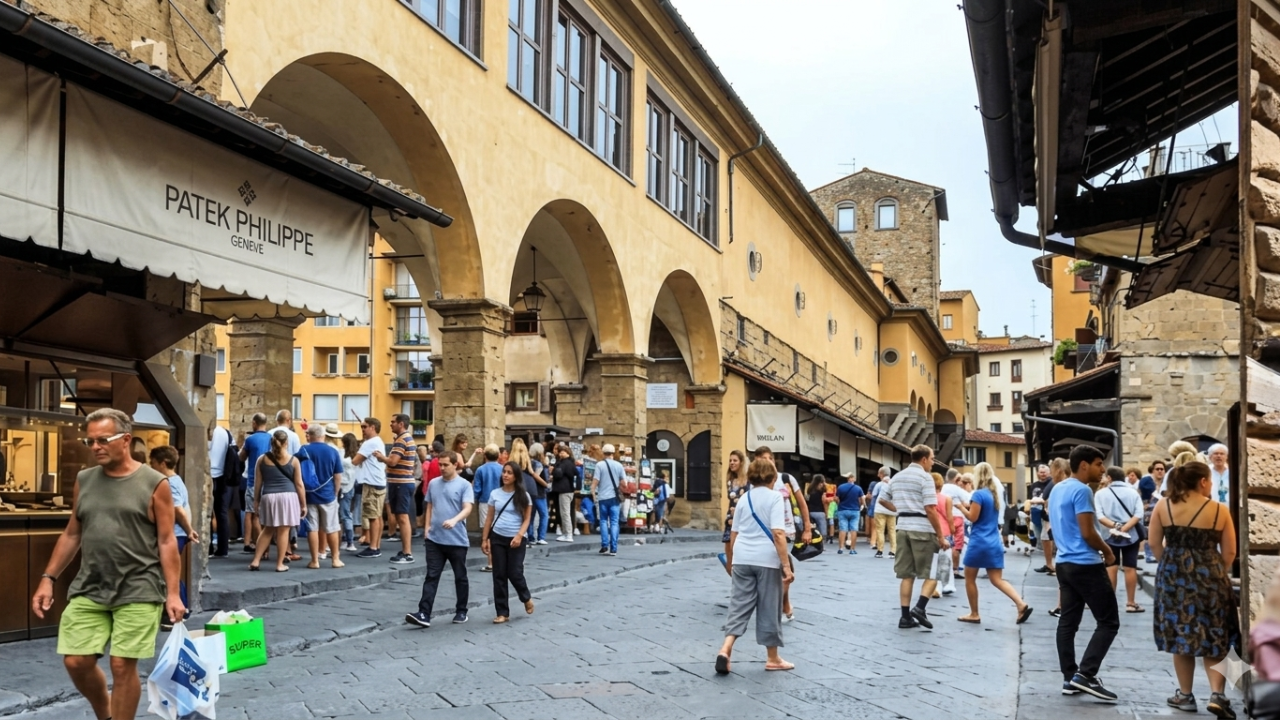
Florence is compact, historic, and packed with art, making it far better for walking than driving. The city’s main attractions, including the Duomo, Uffizi Gallery, Ponte Vecchio, Piazza della Signoria, and Santa Croce, are close enough to explore on foot. Its Renaissance streets are part of the experience, not just a way to move between landmarks.

Driving in Florence can be difficult because of restricted traffic zones, tight streets, and limited parking. Visitors who accidentally enter controlled areas may face fines. Walking avoids those problems and makes it easier to enjoy gelato stops, small churches, artisan workshops, and views from the bridges along the Arno River.

Best Area to Walk: Historic center, Oltrarno, and the Arno riverfront.

Best Time to Walk: Morning for landmarks and evening for river views.

Driving Challenge: Restricted traffic zones can lead to fines.

Traveler Tip: Cross into Oltrarno for quieter streets and local dining.

5. New York City, USA
© shutterstock / Dogora Sun

5. New York City, USA

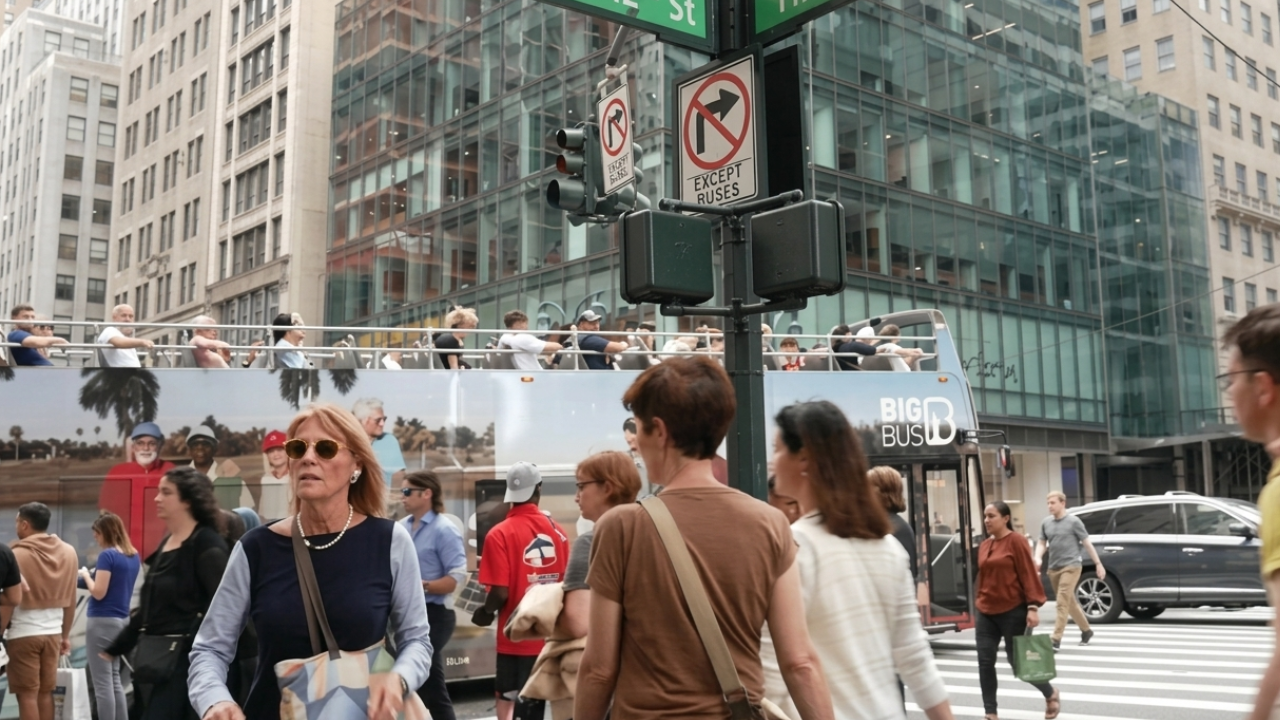
New York City may be large, but it is one of the best destinations in the United States for travelers who prefer walking over driving. Manhattan’s grid makes navigation simple, and many neighborhoods are best understood block by block. Walking through areas like Greenwich Village, SoHo, the Lower East Side, Central Park, and the Upper West Side gives visitors a stronger sense of the city than sitting in traffic.

Driving is often expensive, slow, and unnecessary. Parking costs can be high, and traffic can turn short distances into long delays. The subway fills in the gaps, making a car easy to avoid. For travelers, walking is also the best way to discover food, street life, shops, and architecture.

Best Area to Walk: Central Park, Greenwich Village, SoHo, and the High Line.

Best Time to Walk: Daytime for neighborhoods and evening for lit-up avenues.

Driving Challenge: Traffic and parking costs make cars inconvenient.

Traveler Tip: Combine walking with the subway for longer distances.

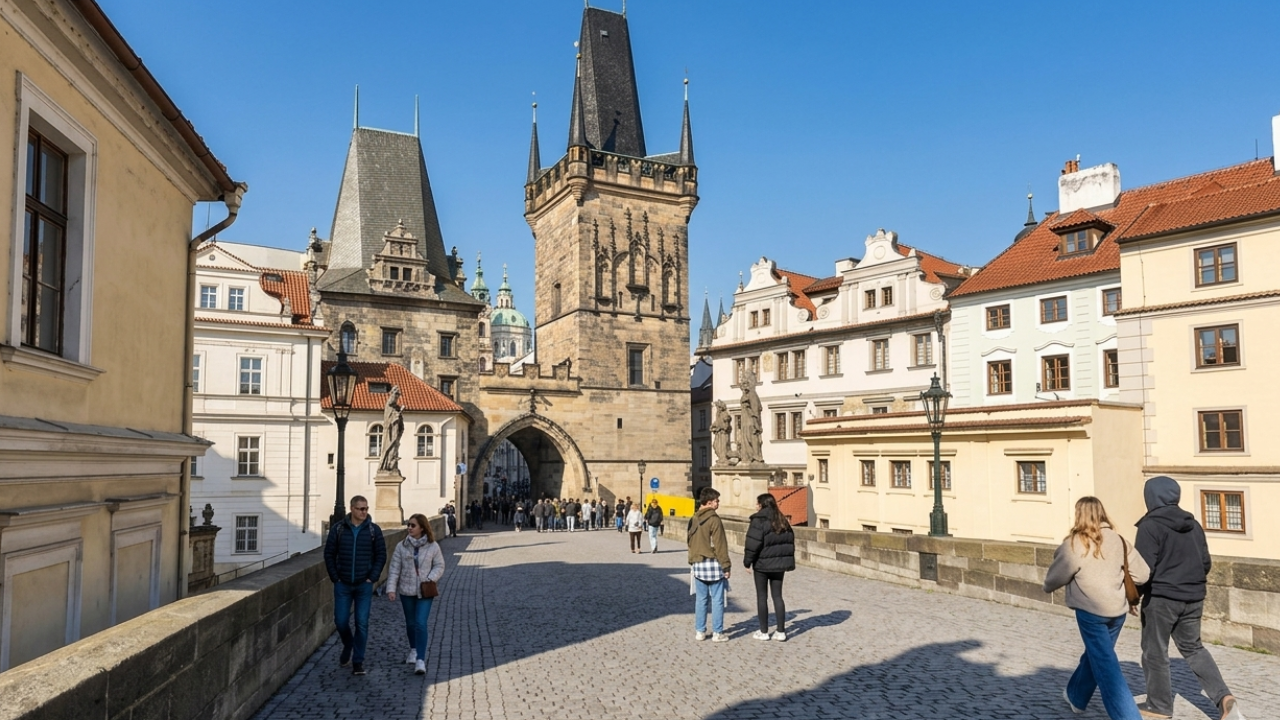
6. Prague, Czech Republic
© shutterstock / Moneynetar

6. Prague, Czech Republic

Prague’s historic center is made for walking, with cobbled lanes, bridges, squares, towers, and river views all close together. The route from Old Town Square to Charles Bridge and up toward Prague Castle is one of Europe’s classic city walks. Along the way, travelers pass Gothic churches, cafés, hidden courtyards, and viewpoints over the Vltava River.

Driving in central Prague is not ideal because streets can be narrow, parking is limited, and many attractions are in pedestrian-heavy areas. Walking gives visitors more freedom to enjoy the city’s layered architecture and atmosphere. It also makes it easier to explore beyond the busiest streets into Malá Strana, Josefov, and quieter riverside areas.

Best Area to Walk: Old Town, Charles Bridge, Malá Strana, and Castle District.

Best Time to Walk: Early morning for Charles Bridge and evening for river views.

Driving Challenge: Central parking is limited and streets can be crowded.

Traveler Tip: Wear sturdy shoes because cobblestones can be tiring.

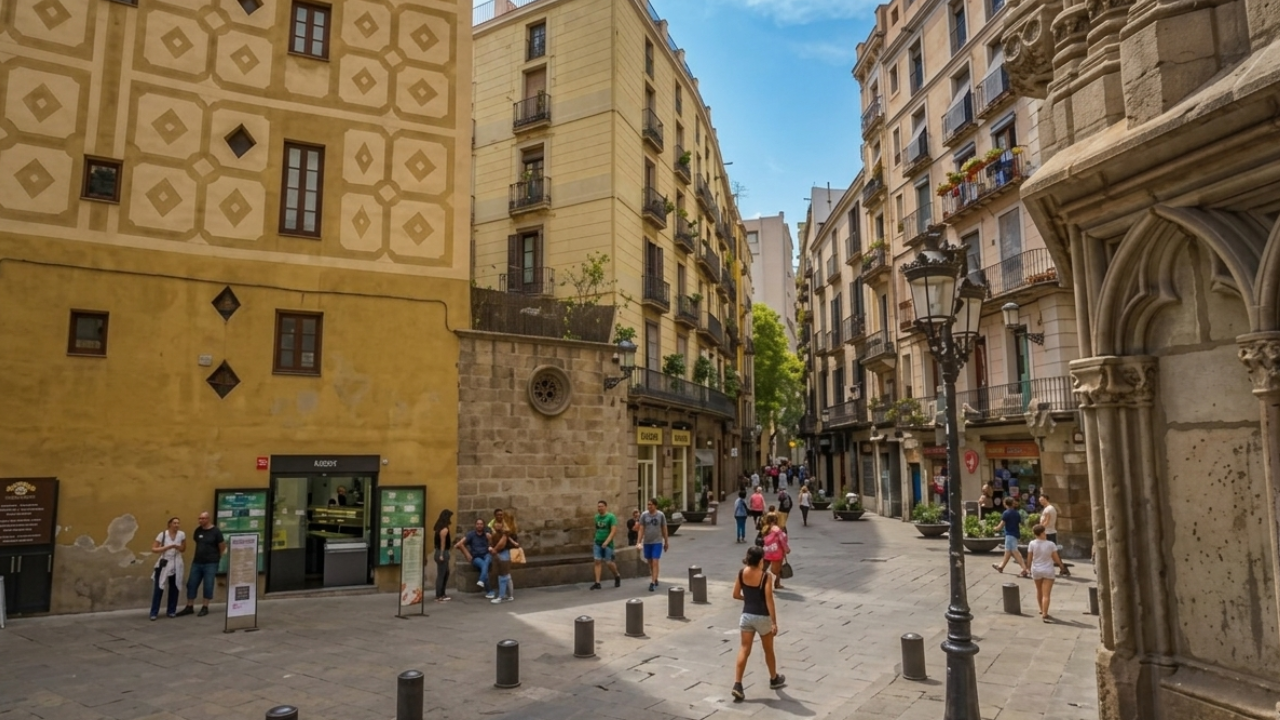
7. Barcelona, Spain
© shutterstock / Pit Stock

7. Barcelona, Spain

Barcelona is a strong walking destination because it combines beach paths, historic neighborhoods, wide avenues, markets, and architecture in a way that feels natural on foot. The Gothic Quarter, El Born, Eixample, and the waterfront each offer a different walking experience. Visitors can move from medieval lanes to modernist buildings and seaside promenades without needing a car.

Driving in Barcelona is not usually worth the stress for tourists. Traffic, parking, one-way streets, and busy central zones can make it difficult. Walking allows travelers to appreciate details in Gaudí architecture, stop at tapas bars, browse markets, and explore plazas at a relaxed pace. The metro is useful when distances become too long.

Best Area to Walk: Gothic Quarter, El Born, Eixample, and Barceloneta.

Best Time to Walk: Morning for architecture and evening for plazas.

Driving Challenge: Traffic and parking make central driving inconvenient.

Traveler Tip: Use the metro for Park Güell or Montjuïc, then walk locally.

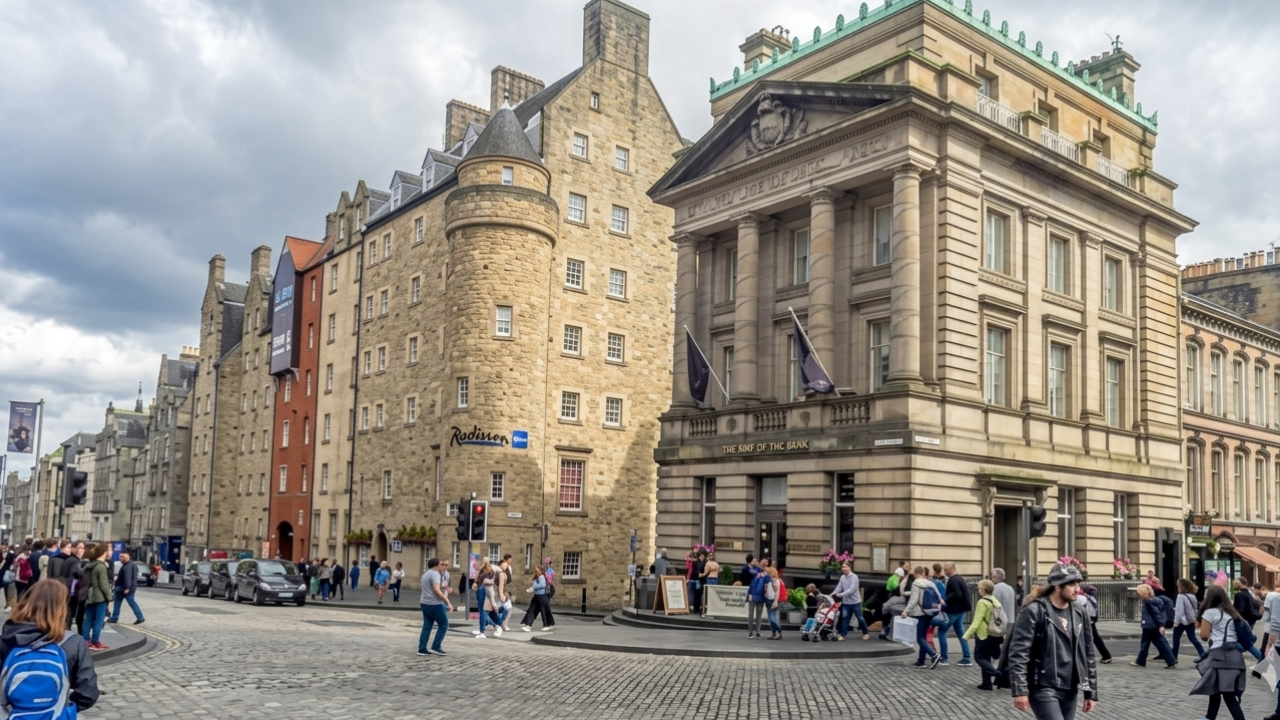
8. Edinburgh, Scotland
© shutterstock / Jeff Whyte

8. Edinburgh, Scotland

Edinburgh is a city of dramatic views, historic streets, and compact neighborhoods that are best explored on foot. The Royal Mile, Old Town closes, New Town streets, Princes Street Gardens, and Calton Hill all reward slow walking. The city’s hills and stairways can be tiring, but they also create some of its best viewpoints.

Driving in central Edinburgh can be difficult because of narrow streets, limited parking, and traffic restrictions. Walking helps visitors experience the contrast between medieval Old Town and Georgian New Town more clearly. It is also the best way to find small pubs, bookshops, museums, and hidden lanes.

Best Area to Walk: Royal Mile, Old Town, New Town, and Calton Hill.

Best Time to Walk: Morning for quieter streets and sunset for viewpoints.

Driving Challenge: Hills, restrictions, and parking make driving awkward.

Traveler Tip: Bring layers because weather can change quickly.

9. Lisbon, Portugal
© shutterstock / photoshooter2015

9. Lisbon, Portugal

Lisbon is hilly, but that is part of what makes it such a memorable walking city. Its neighborhoods are full of viewpoints, tiled buildings, stairways, trams, cafés, and narrow lanes. Alfama, Baixa, Chiado, Bairro Alto, and Príncipe Real are especially rewarding on foot, with each area offering a different rhythm.

Driving in Lisbon can be stressful due to steep streets, tight corners, limited parking, and traffic. Walking gives travelers more control, especially when paired with trams, elevators, funiculars, and the metro. The city’s best moments often happen between landmarks, such as hearing music from a side street or finding a small terrace with a river view.

Best Area to Walk: Alfama, Baixa, Chiado, Bairro Alto, and Príncipe Real.

Best Time to Walk: Morning or late afternoon to avoid midday heat.

Driving Challenge: Steep streets and parking make driving difficult.

Traveler Tip: Use trams or elevators when the hills get tiring.

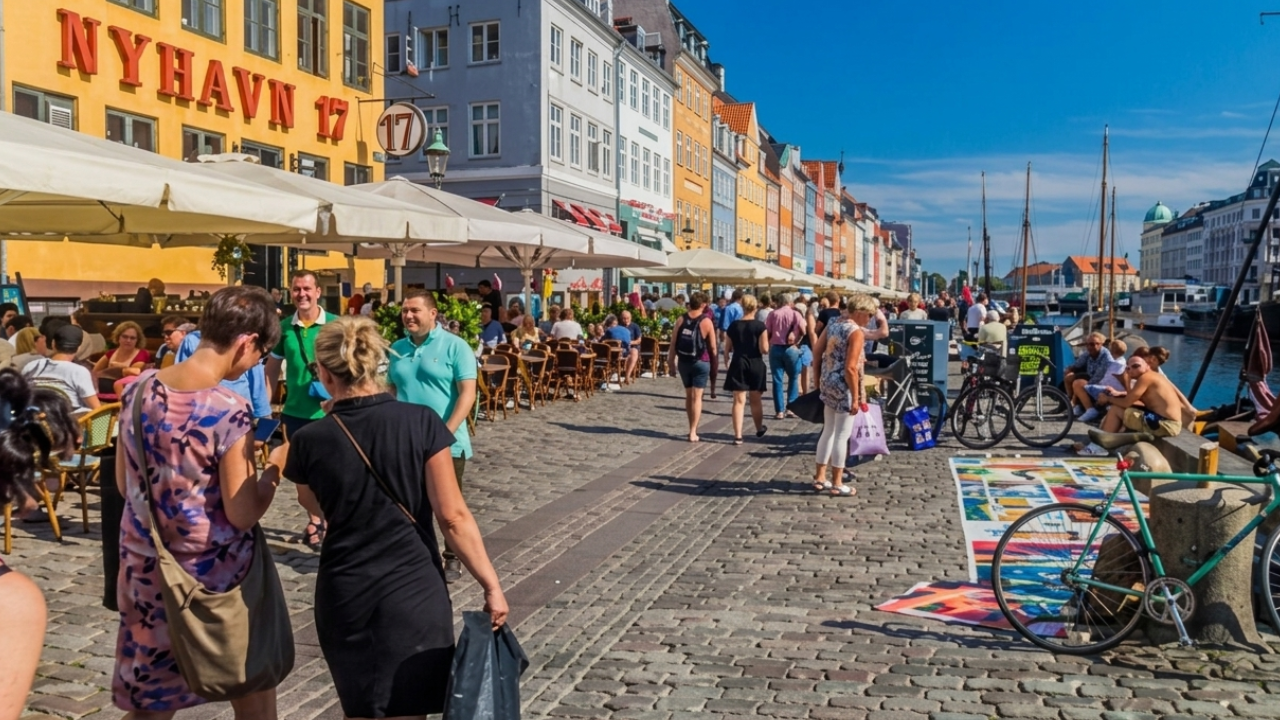
10. Copenhagen, Denmark
© shutterstock / Matyas Rehak

10. Copenhagen, Denmark

Copenhagen is designed for people more than cars, making it excellent for walking, cycling, and public transport. The city center is easy to navigate, with pedestrian streets, waterfront paths, parks, food halls, palaces, and colorful harbor areas close together. Strøget, Nyhavn, Christianshavn, and the lakes are especially pleasant for walkers.

Driving is unnecessary for most visitors because the city is compact and well connected. Walking also fits Copenhagen’s relaxed lifestyle, where design, food, and outdoor spaces are part of daily life. Travelers can move comfortably between historic areas and modern waterfront districts without dealing with parking or traffic.

Best Area to Walk: Strøget, Nyhavn, Christianshavn, and the lakes.

Best Time to Walk: Late spring to early autumn for outdoor cafés.

Driving Challenge: Central driving is unnecessary and parking can be expensive.

Traveler Tip: Combine walking with public transport or bike rentals.

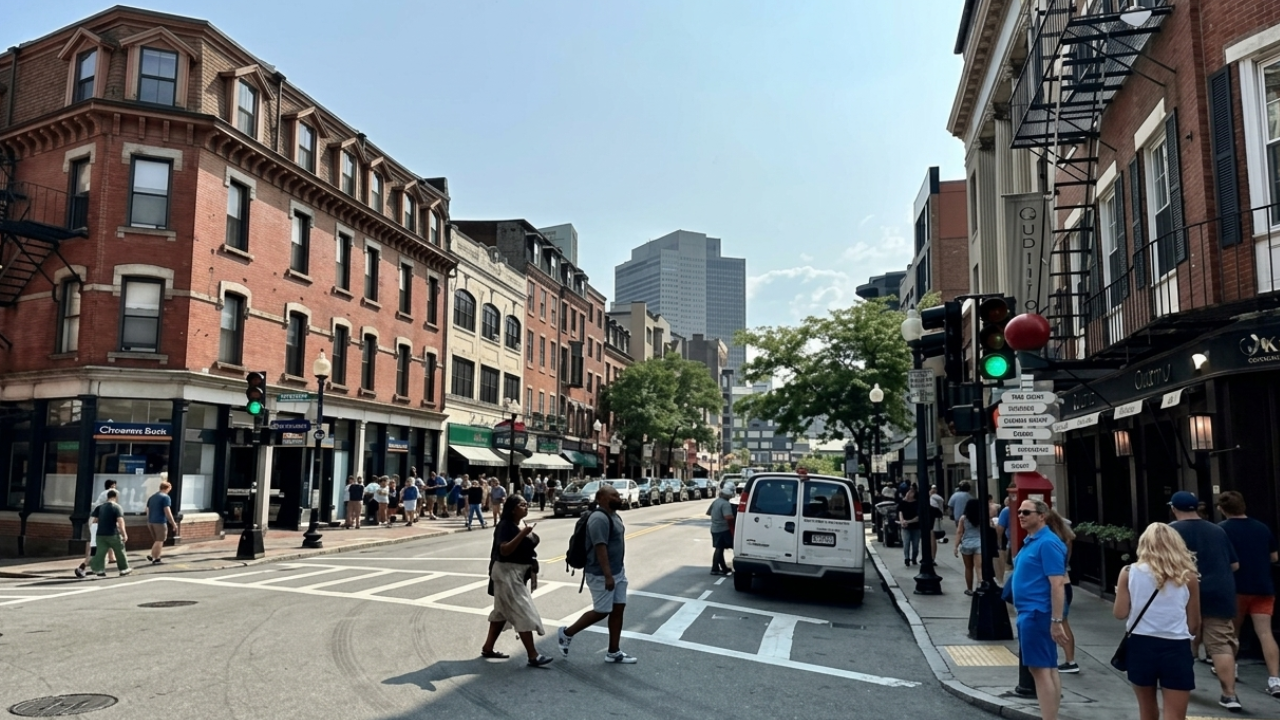
11. Boston, USA
© shutterstock / Remo Peer

11. Boston, USA

Boston is one of the easiest American cities to explore without a car, especially for travelers interested in history, neighborhoods, and waterfront walks. The Freedom Trail connects many major historic sites, while Beacon Hill, Back Bay, the North End, Boston Common, and the Charles River Esplanade are all rewarding on foot.

Driving in Boston can be confusing because of old street patterns, heavy traffic, and expensive parking. Walking gives visitors a better sense of the city’s character, from brick sidewalks and brownstones to markets, campuses, and harbor views. Public transport helps cover longer distances, but many highlights sit close enough for a full walking itinerary.

Best Area to Walk: Freedom Trail, Beacon Hill, Back Bay, and the North End.

Best Time to Walk: Spring, summer, or autumn.

Driving Challenge: Confusing roads and high parking costs.

Traveler Tip: Follow the Freedom Trail for an easy first-day route.

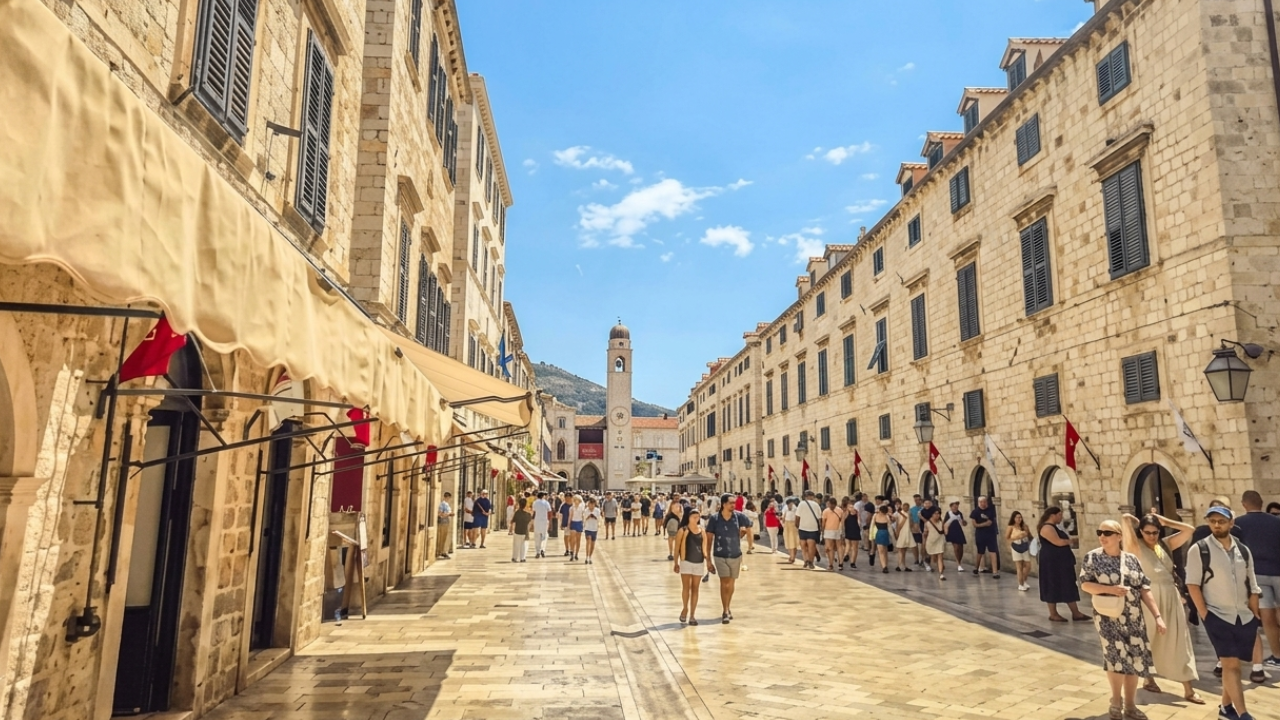
12. Dubrovnik, Croatia
© shutterstock / Travel-Fr

12. Dubrovnik, Croatia

Dubrovnik’s old town is compact, historic, and mostly experienced on foot. Inside the city walls, travelers move through stone streets, stairways, churches, squares, and alleys where cars are not part of the experience. Walking the walls gives some of the best views of the Adriatic, red roofs, and surrounding coastline.

Driving is useful only outside the old town or for day trips. Within the historic area, walking is the only practical way to explore. The main challenge is crowding, especially when cruise ships arrive, but early and late walks can feel much calmer. Dubrovnik is a reminder that some destinations are most beautiful when explored slowly.

Best Area to Walk: Old Town, city walls, Stradun, and harbor lanes.

Best Time to Walk: Early morning or late evening.

Driving Challenge: Cars cannot enter the walled old town.

Traveler Tip: Walk the walls early to avoid heat and crowds.


Comments (0)

Leave a Reply

No comments yet. Be the first to share your thoughts!