Travel Destination

South Korea's most scenic destinations for nature and cultural exploration

Adam Collins
4.0
May 19, 2026

South Korea is a destination where dramatic landscapes and rich cultural heritage sit side by side. From mist‑covered mountains and volcanic islands to ancient palaces and coastal temples, the country offers diverse scenic experiences that appeal to nature lovers, history buffs, and curious day trippers alike. Whether you’re planning a day outside Seoul, a coastal retreat, or a deeper journey into traditional culture, South Korea’s varied terrain and storied past create memorable travel moments in every season.

This guide highlights twelve of the best scenic spots that blend natural beauty, cultural significance, and accessible excursions. Each destination brings its own character — from UNESCO heritage areas and lush national parks to seaside villages and volcanic islands — and is paired with practical details to help plan your visit.
1. Seoraksan National Park
© shutterstock / Dmitry Rukhlenko

1. Seoraksan National Park

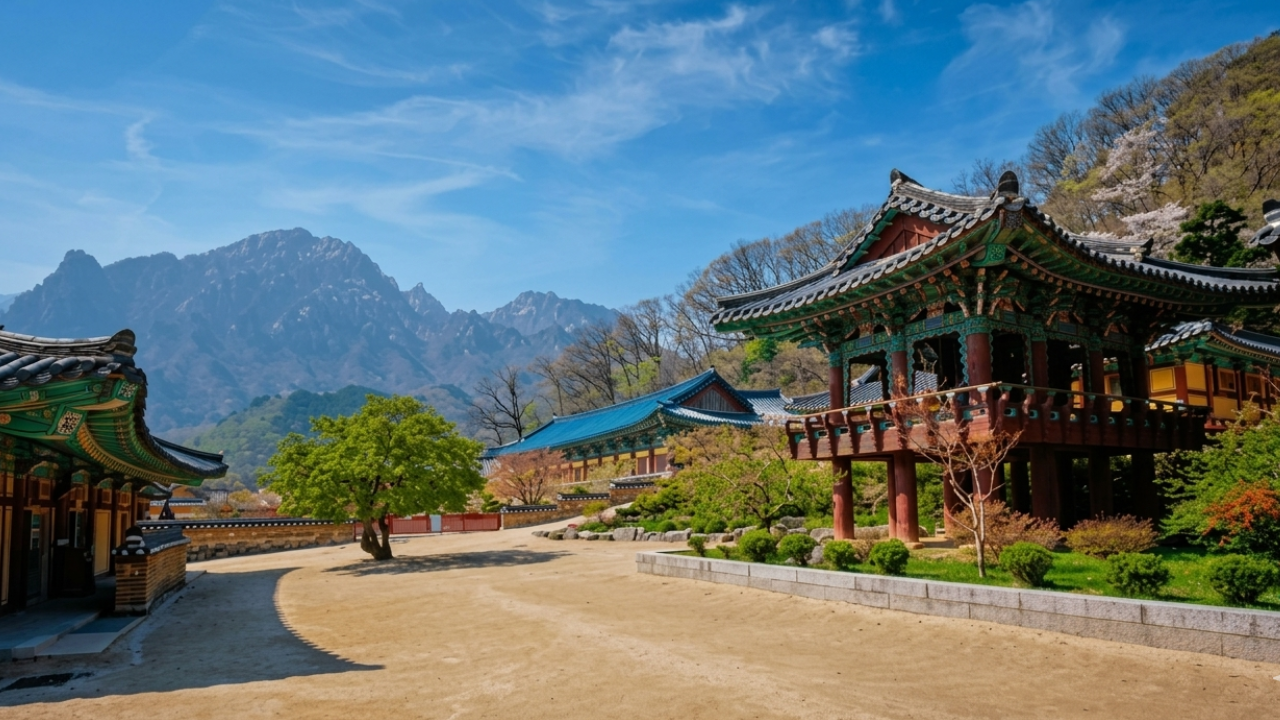
Seoraksan National Park is among South Korea’s most striking natural destinations, known for jagged granite peaks, dense forests, and waterfalls that change with the seasons. Trails range from easy walks near Sinheungsa Temple to more challenging hikes up to Ulsanbawi Rock. In autumn, the foliage paints the mountains in fiery hues, drawing both local and international visitors. From Sokcho, it’s a manageable day trip for travelers based in Seoul.

Natural highlight: Mountain views and waterfalls

Cultural note: Sinheungsa Temple and cable‑car panoramas

Best season: Autumn foliage and spring blooms

2. Jeju Island
© shutterstock / Go forward

2. Jeju Island

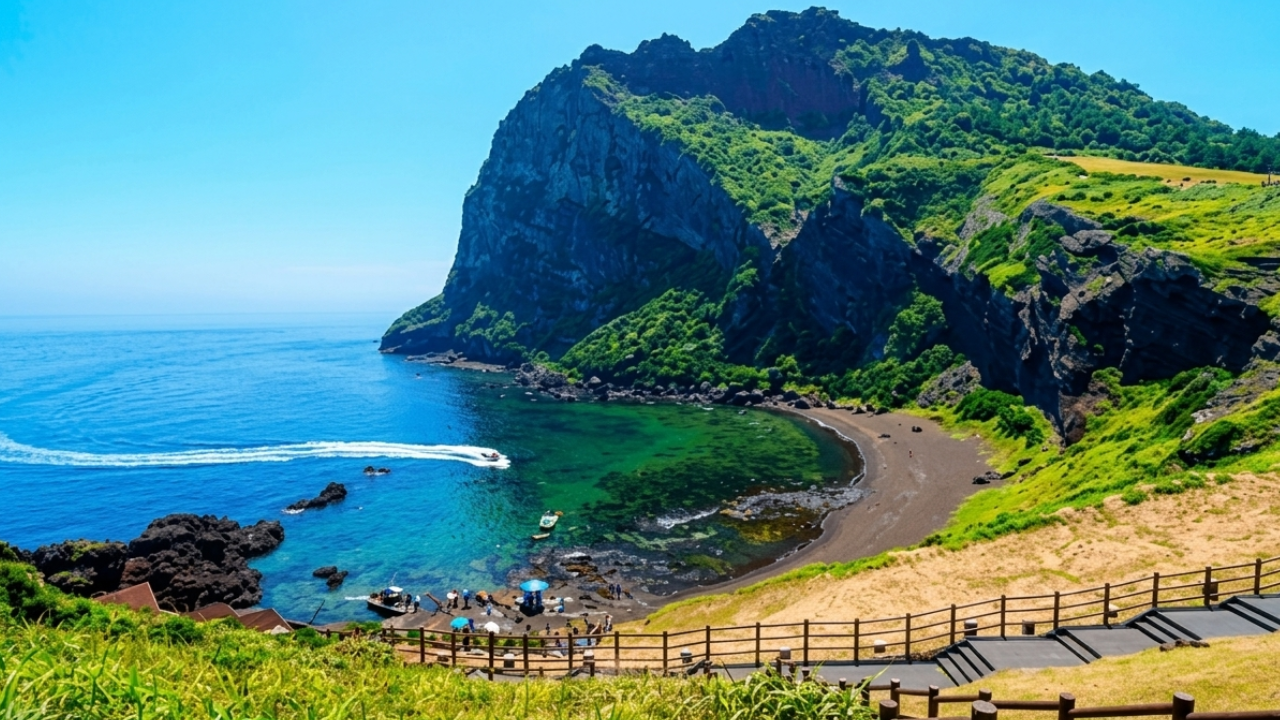
Jeju Island is South Korea’s premier natural playground, combining volcanic landscapes with beaches, waterfalls, and lush forests. Mount Hallasan, the island’s dormant volcano, rises at the centre and provides hiking options for all levels. Along the coast, volcanic formations like Jusangjeolli Cliffs and lava tubes reveal unique geology. Jeju’s local food scene — including black pork and fresh seafood — complements time outdoors.

Natural highlight: Hallasan and lava formations

Cultural note: Jeju folk traditions and fresh coastal cuisine

Best season: Spring and autumn

3. Nami Island
© shutterstock / Guitar photographer

3. Nami Island

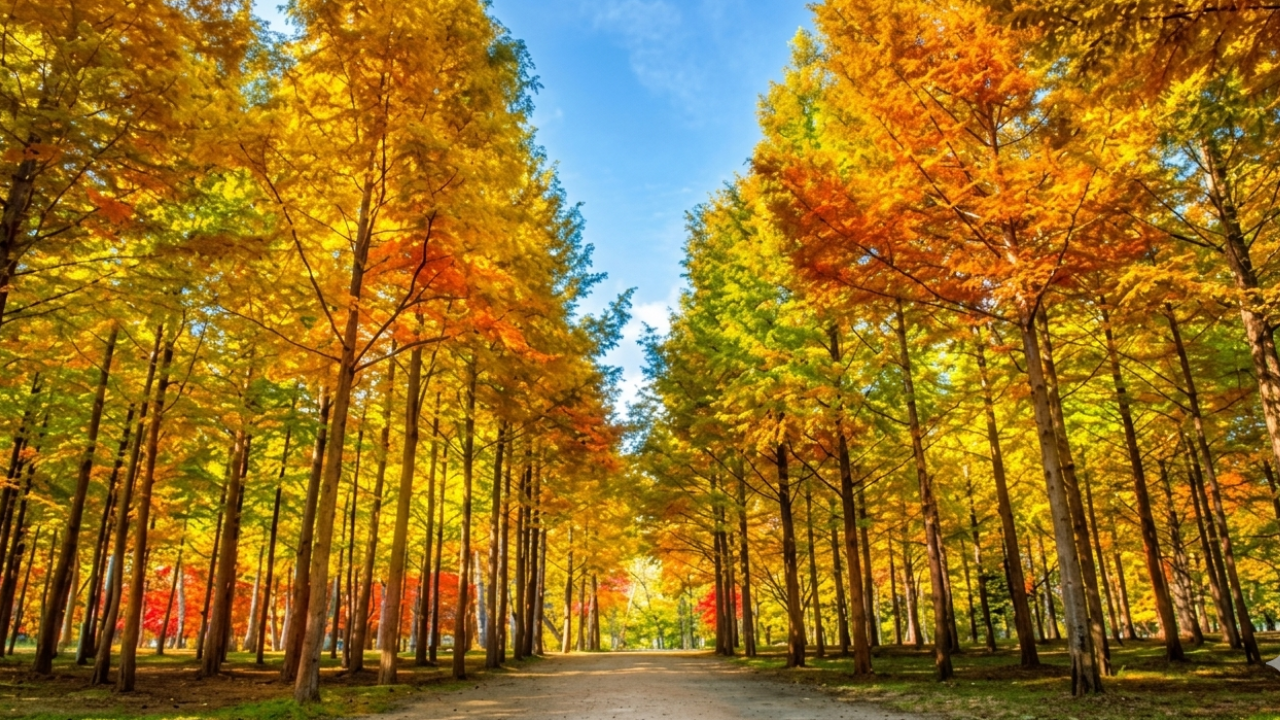
Nami Island is a scenic getaway easily reached from Seoul and famous for its tree‑lined paths that change colour with the seasons. It’s a relaxed setting for walking, cycling, or picnicking beside the water, with landscapes that reflect gentle Korean countryside charm. Many visitors also combine this stop with nearby attractions such as themed villages or botanical gardens.

Natural highlight: Seasonal tree lines and lakeside views

Cultural note: Iconic photo spots and easy day trip access

Best season: Spring blossoms and autumn foliage

4. Gyeongju
© shutterstock / OKB phuaorneer

4. Gyeongju

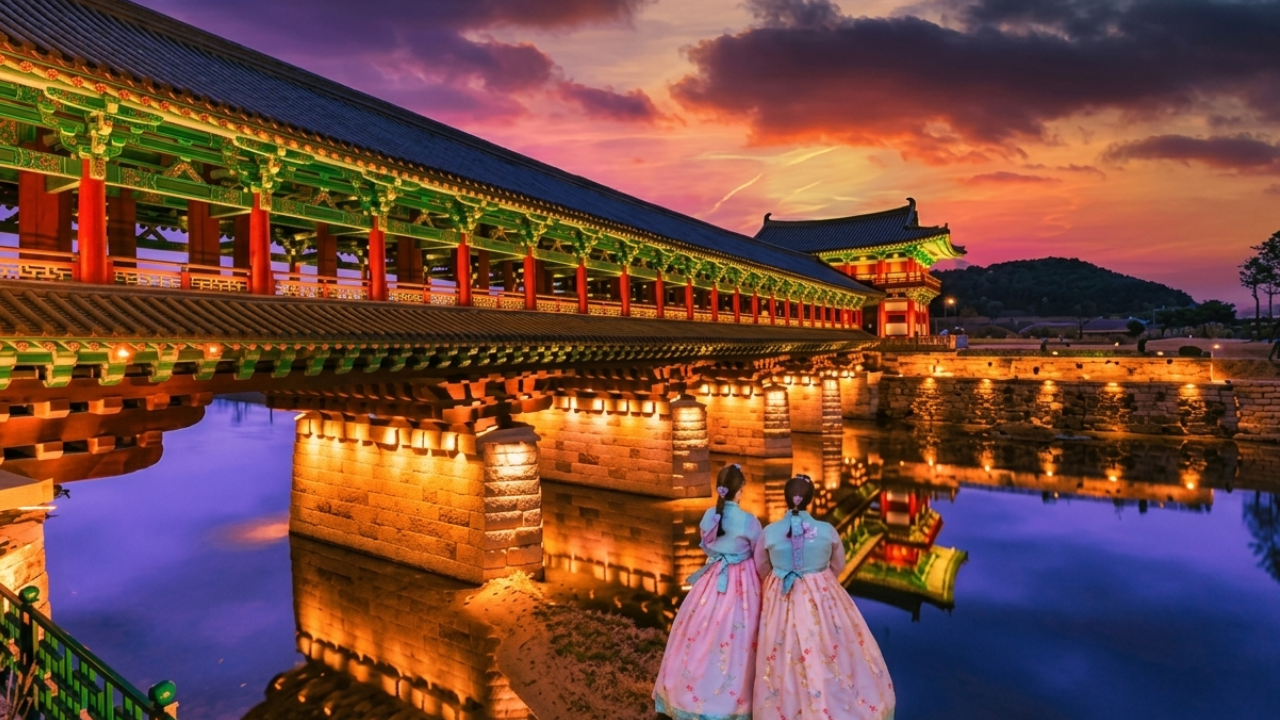
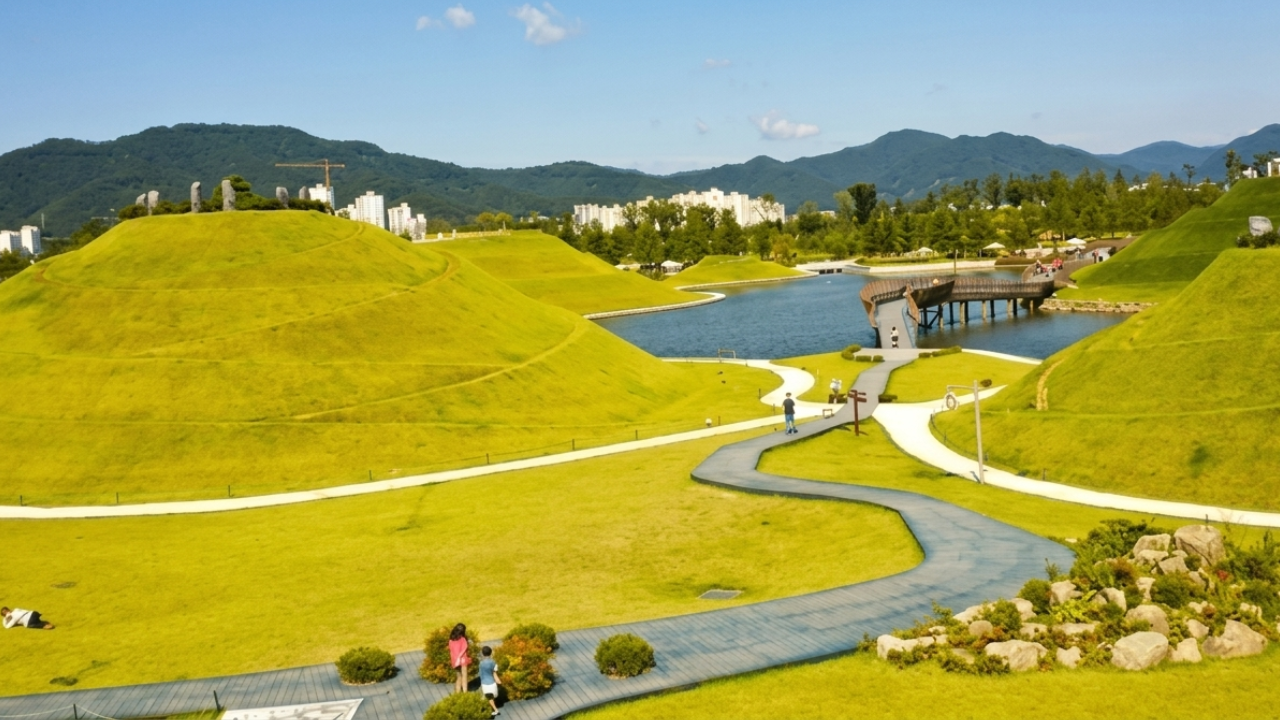
Known as Korea’s “museum without walls,” Gyeongju showcases ancient history through tombs, temples, and royal relics scattered across scenic grounds. Bulguksa Temple and the nearby Seokguram Grotto represent refined Buddhist architecture, while tumuli parks and palace ruins convey Silla dynasty heritage. Walking or cycling around Gyeongju feels like exploring a living cultural landscape.

Historical highlight: Bulguksa Temple and royal tombs

Cultural note: UNESCO heritage sites and quiet fields

Best season: Spring and autumn

5. Busan and Gamcheon Culture Village
© shutterstock / Iryna Makukha

5. Busan and Gamcheon Culture Village

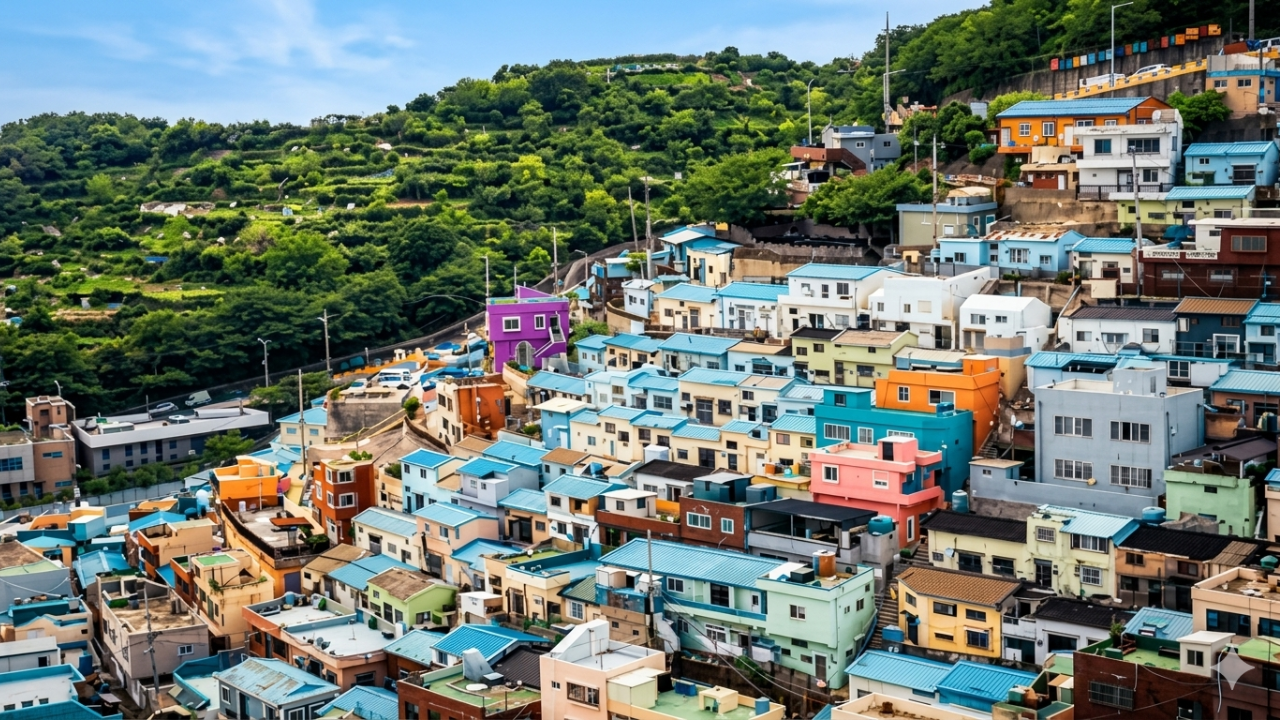
Busan combines coastal attractions with urban vibrancy. Haeundae and Gwangalli beaches offer seaside relaxation, while Haedong Yonggungsa Temple — perched on a cliff above the sea — blends spiritual heritage with dramatic ocean views. Gamcheon Culture Village’s colourful, artistic lanes provide panoramic scenes and cultural exploration. Local markets serve fresh seafood and regional dishes that reflect the city’s maritime identity.

Coastal highlight: Ocean temples and sandy beaches

Cultural note: Gamcheon’s murals and boutique cafés

Best season: Summer and autumn

6. Suwon Hwaseong Fortress
© shutterstock / Boontheang

6. Suwon Hwaseong Fortress

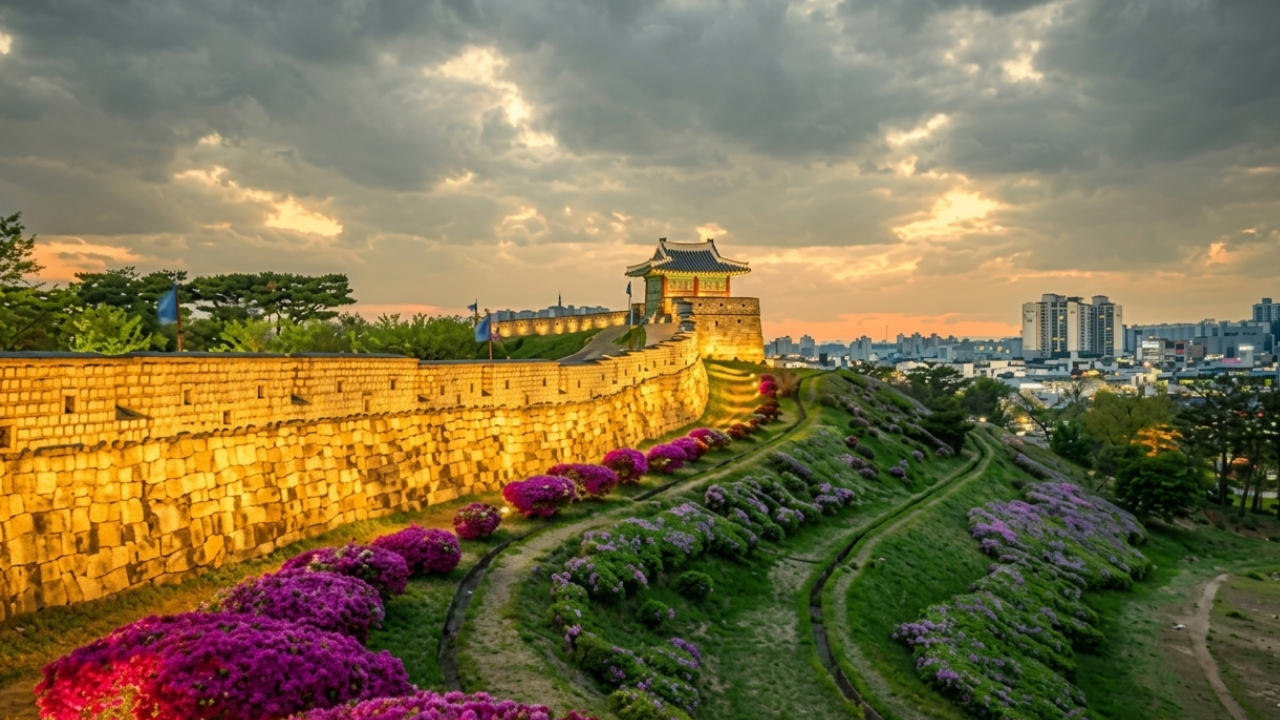
Suwon’s Hwaseong Fortress is a well‑preserved example of Joseon era military architecture, encircling a historic city with walls, gates, and watchtowers. Walking the fortress walls offers both scenic views over Suwon and a window into Korea’s past engineering and defence systems. Nearby neighbourhoods add local cuisine and markets to the experience.

Historical highlight: Fortress walls and city views

Cultural note: Traditional architecture and gateways

Best season: Spring to autumn

7. Andong Hahoe Folk Village
© shutterstock / Travel Telly

7. Andong Hahoe Folk Village

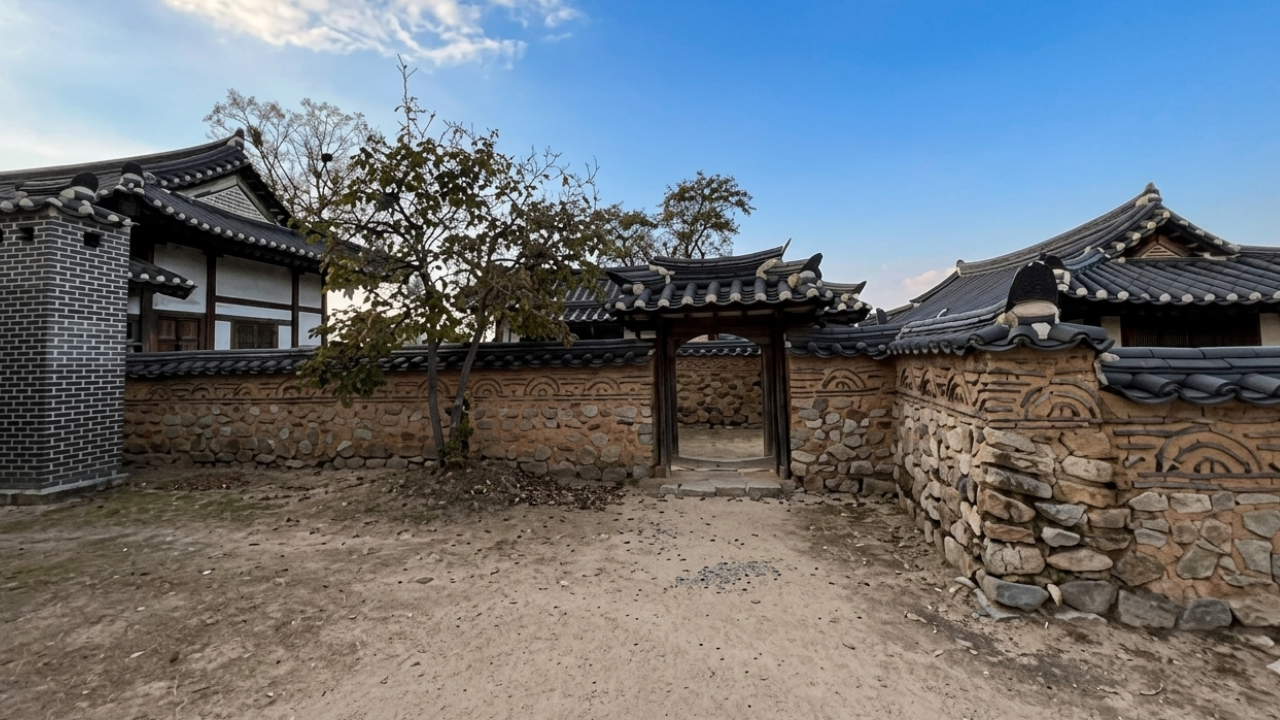
Andong’s Hahoe Folk Village preserves traditional hanok homes and Confucian customs in a tranquil riverside setting. Here, visitors can observe centuries‑old architectural styles, participate in cultural activities, and enjoy regional foods like jjimdak (braised chicken) and local snacks. Seasonal festivals bring deeper insight into Korean heritage and storytelling.

Cultural highlight: Traditional hanok community

Cultural note: Folk festivals and architecture

Best season: Year‑round heritage visits

8. Gangneung
© shutterstock / cstrike

8. Gangneung

Along Korea’s east coast, Gangneung offers ocean breezes, scenic beaches like Gyeongpo, and relaxing cafes with sea views. Nearby, cultural sites such as Ojukheon — birthplace of historic figures — add depth to the coastline’s natural calm. This region blends seaside leisure with quiet cultural spots.

Beach highlight: Coastal tranquillity and cafés

Cultural note: Historical homes and local art

Best season: Summer beach weather

9. Damyang Bamboo Forest and Scenic Trails
© shuttterstock / Korea by Bike

9. Damyang Bamboo Forest and Scenic Trails

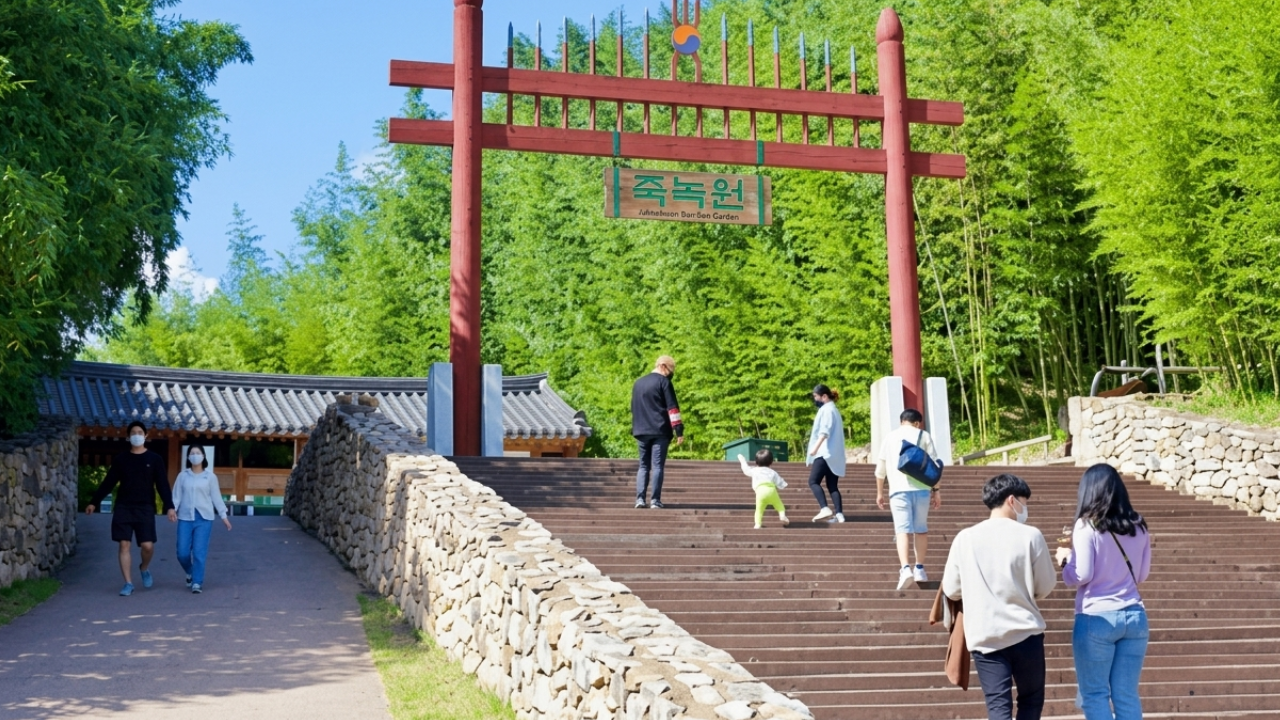
Damyang’s bamboo forests provide an unusual and peaceful natural setting, where shaded paths weave through tall groves. The surrounding countryside is dotted with traditional tea houses, gardens, and rice fields, making it a scenic contrast to urban life and a pleasant day trip from nearby cities like Gwangju.

Nature highlight: Bamboo groves and shaded paths

Cultural note: Tea culture and restful walks

Best season: Spring to autumn

10. Suncheon Bay Eco‑Park
© shutterstock / Ahn Eun sil

10. Suncheon Bay Eco‑Park

Suncheon Bay’s ecological wetlands are a haven for birdlife and marsh landscapes. Broad boardwalks carry visitors over reed fields that change colour with the seasons, and interpretive centres explain local ecosystems. This area offers both quiet nature immersion and insights into coastal preservation.

Nature highlight: Wetlands and wildlife observation

Cultural note: Eco‑park interpretation trails

Best season: Autumn for migratory birds

11. Tongyeong and Geoje Islands
© shutterstock / woori.88

11. Tongyeong and Geoje Islands

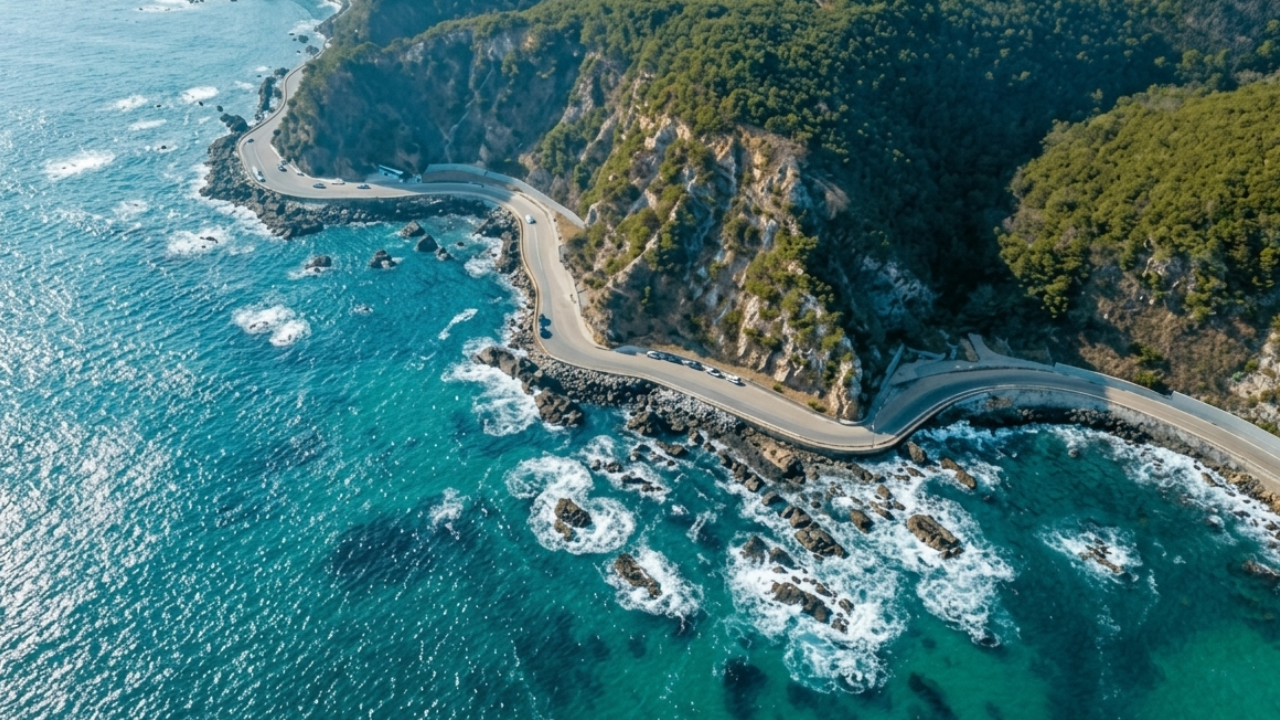
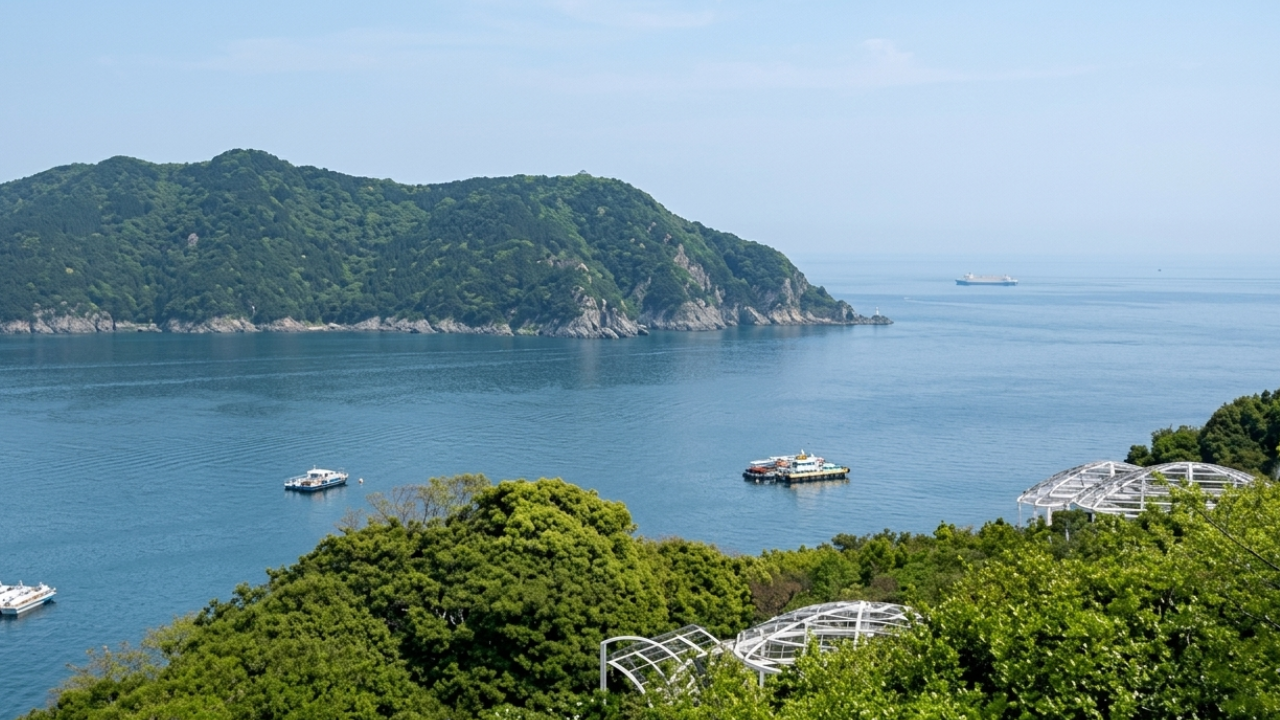
On the southern coast, Tongyeong and nearby Geoje offer rugged coastlines, island views, and quieter seascapes. Boat tours, lighthouse walks, and seafood experiences shape the travel experience here. The islands’ natural scenery attracts photographers and those seeking a coastal escape from busier city centres.

Coastal highlight: Island panoramas and lighthouses

Cultural note: Maritime towns

Best season: Spring to autumn

12. Bukhansan National Park
© shutterstock / Ozone foto

12. Bukhansan National Park

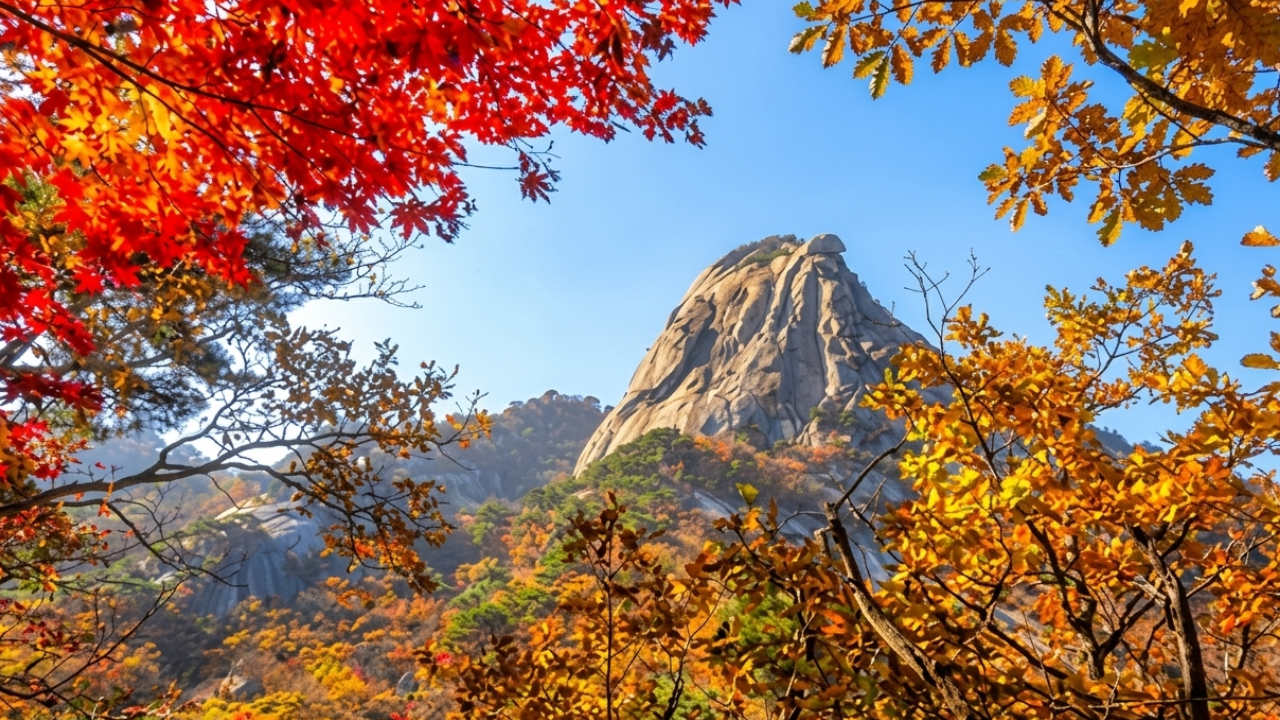
Near Seoul, Bukhansan is a popular natural retreat featuring granite peaks, forested slopes, and clear streams. Accessible by public transport, it’s one of the easiest mountain escapes for visitors staying in the capital. Trails vary from gentle valley walks to steeper climbs with city‑scape views, making it suitable for both nature and urban scenery lovers.

Nature highlight: Mountain trails with city views

Cultural note: Forest temples and urban escape

Best season: Spring and autumn


Comments (0)

Leave a Reply

No comments yet. Be the first to share your thoughts!