Adventure Travel

Travel experiences in 2026 that are worth building your entire itinerary around

admin
4.1
May 25, 2026

Travel in 2026 is moving beyond simple sightseeing. Many travelers are building entire itineraries around one meaningful experience, whether that means following a scenic rail route, attending a major cultural event, exploring remote landscapes, or choosing a destination for food, wellness, wildlife, or local heritage. Instead of trying to cover too many places in one trip, experience-led travel gives visitors a clearer reason to go and a better way to connect with a destination.

The best travel experiences worth planning around are not always the most crowded or expensive. Some are tied to natural seasons, creative communities, conservation projects, traditional food routes, or slower ways of moving through a region. These trips work well because the activity itself shapes the journey. For travelers thinking ahead, these are some of the most rewarding ideas for 2026 itineraries, especially for those who want travel to feel purposeful, memorable, and well planned.
1. A slow rail journey through Switzerland
© shutterstock / AaronChenPS2

1. A slow rail journey through Switzerland

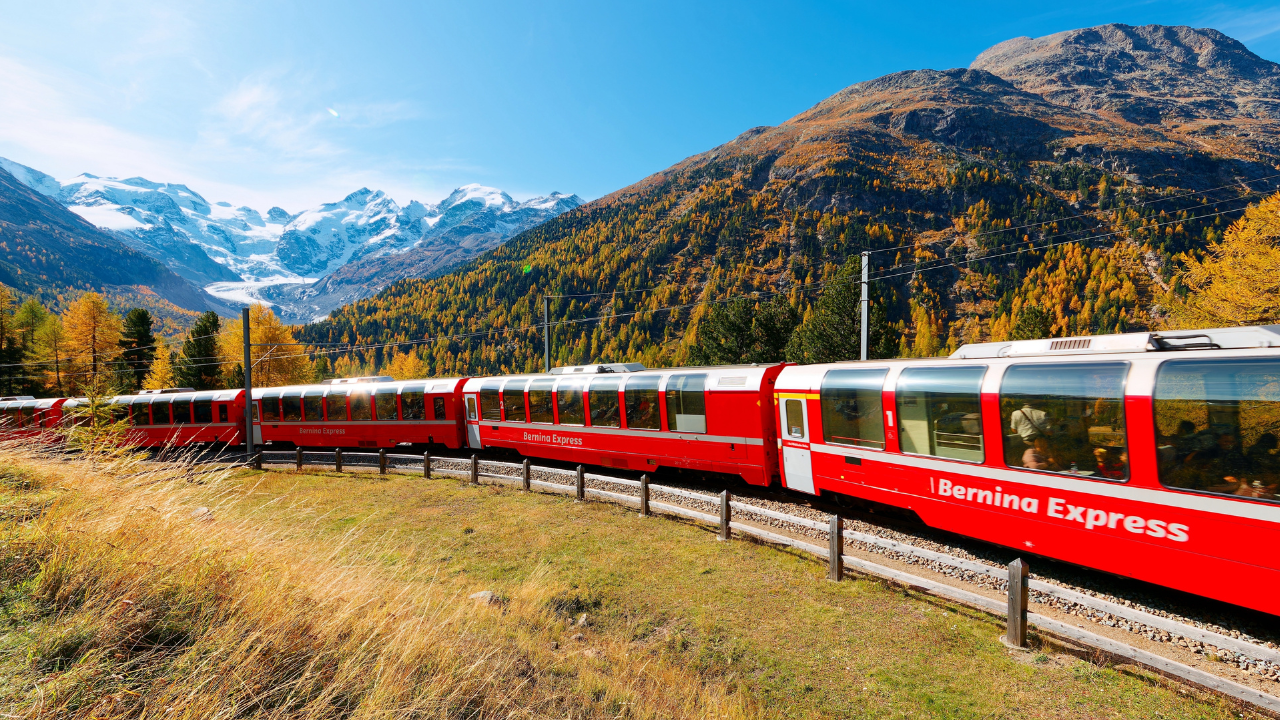
Switzerland is ideal for travelers who want the journey to be as important as the destination. Scenic rail routes pass through alpine valleys, lakeside towns, mountain tunnels, and snow-covered peaks, making train travel a central part of the experience. A 2026 itinerary can combine routes such as the Glacier Express, Bernina Express, or local mountain trains with stays in towns like Zermatt, Lucerne, St. Moritz, or Interlaken. This kind of trip works especially well for travelers who prefer comfort, scenery, and easy movement without renting a car.

Best focus: Scenic trains and alpine towns

Good season: May to October for clear views

Planning note: Reserve panoramic train seats early

2. Northern lights and winter culture in Finnish Lapland
© shutterstock / Pawel Uchorczak

2. Northern lights and winter culture in Finnish Lapland

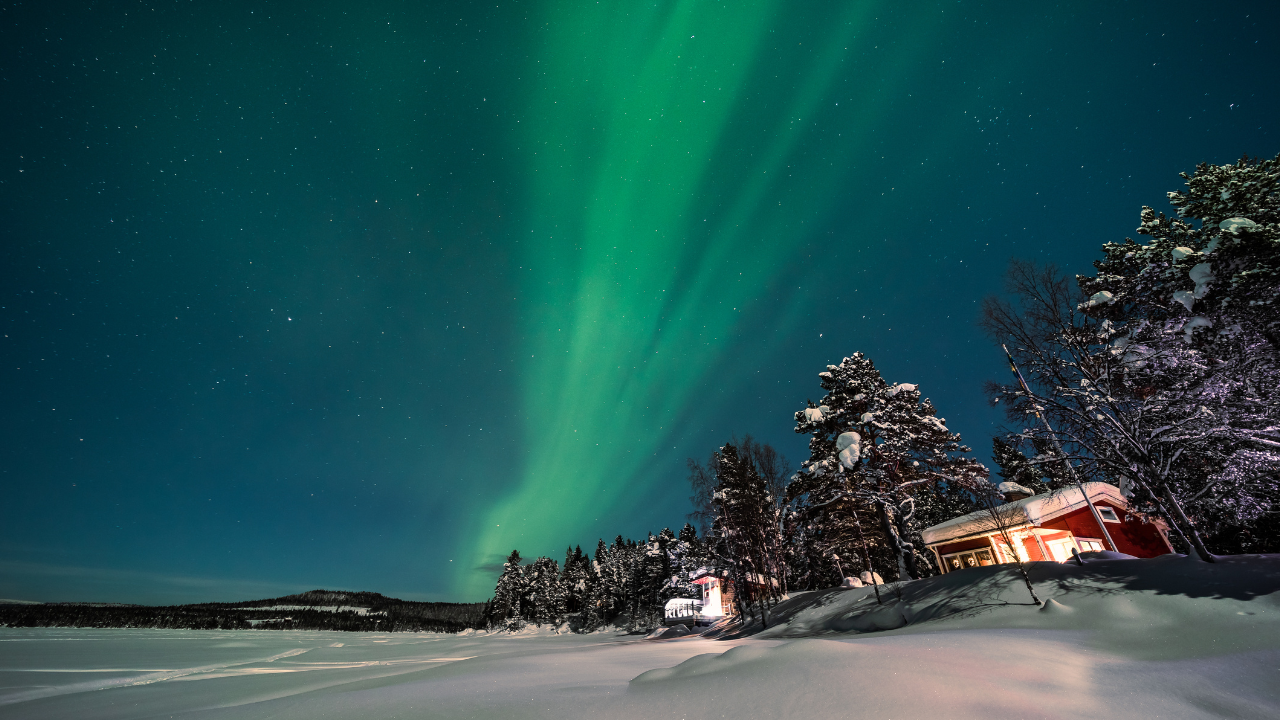
Finnish Lapland offers a winter itinerary built around the northern lights, snow-covered forests, and Arctic traditions. Travelers can plan several nights in glass-roof cabins, wilderness lodges, or small villages to increase their chances of seeing the aurora. The trip can also include reindeer farms, husky sledding, sauna rituals, and guided snowshoe walks. Rather than being only a sightseeing destination, Lapland works best as a full seasonal experience where cold weather, local culture, and quiet landscapes shape each day.

Best focus: Aurora viewing and Arctic activities

Good season: December to March

Planning note: Stay several nights for better aurora chances

3. Food and culture trails in Oaxaca, Mexico
© shutterstock / Arkadij Schell

3. Food and culture trails in Oaxaca, Mexico

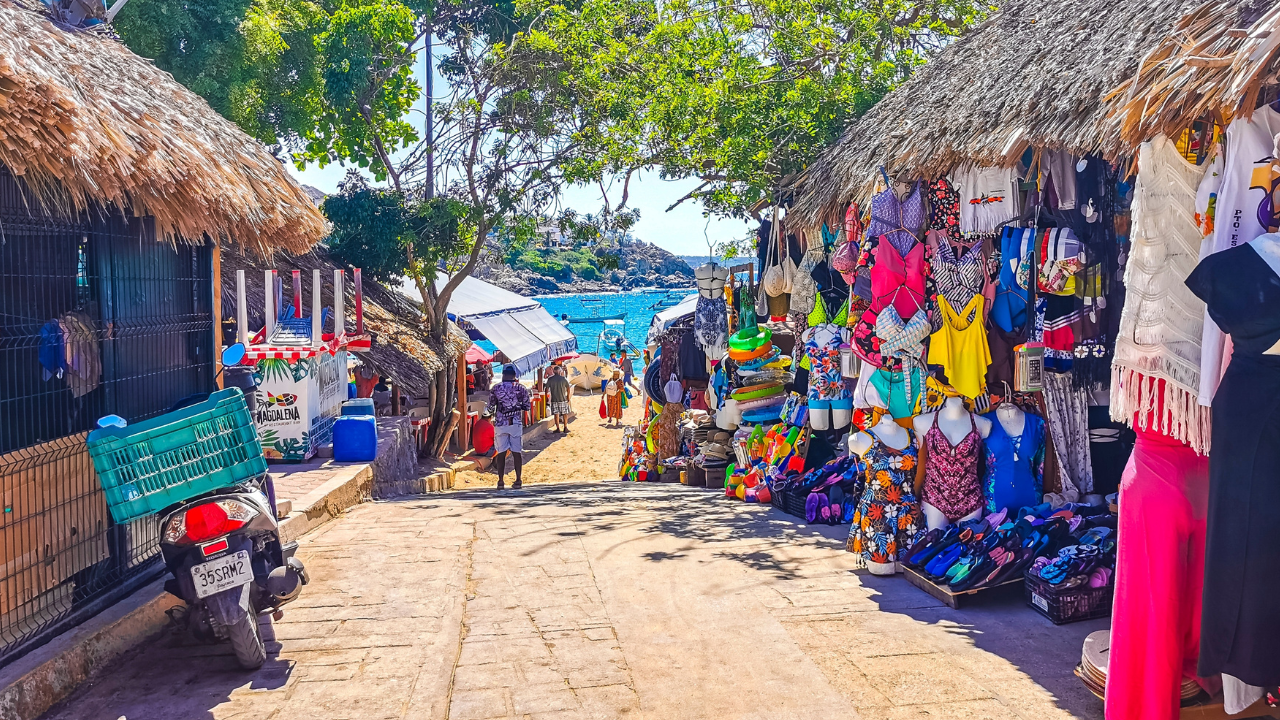
Oaxaca is a strong choice for travelers who plan around food, craft, and cultural heritage. A meaningful itinerary can include traditional markets, mole tastings, mezcal villages, cooking classes, and artisan workshops in nearby communities. The city itself offers colorful streets, historic architecture, and a slower pace than many larger destinations. Visitors can also add day trips to Hierve el Agua, Monte Albán, or weaving villages. Oaxaca is especially rewarding for travelers who want local meals, hands-on learning, and cultural depth rather than a beach-centered vacation.

Best focus: Markets, mezcal, crafts, and cuisine

Good season: October to March

Planning note: Book small-group food tours locally

4. Island hopping in Japan’s Seto Inland Sea
© shutterstock / NorthSky Films

4. Island hopping in Japan’s Seto Inland Sea

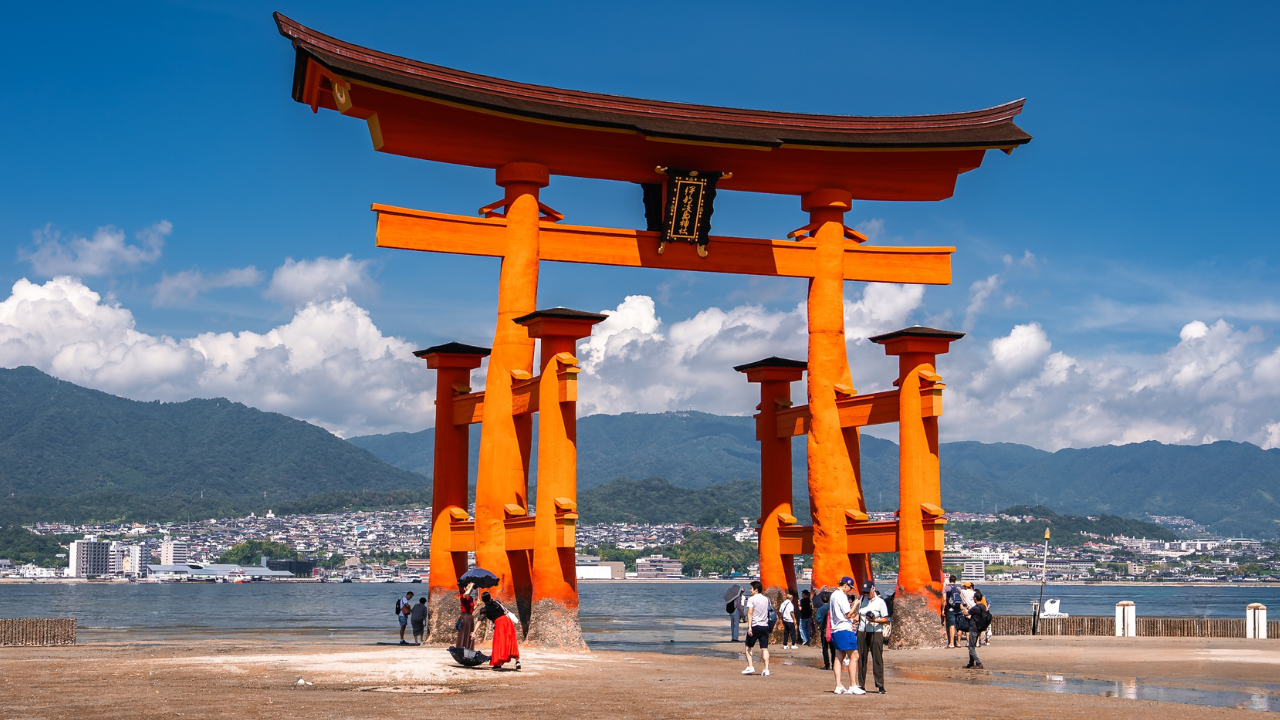
Japan’s Seto Inland Sea is worth planning around for travelers interested in art, architecture, and quiet island life. Islands such as Naoshima, Teshima, and Inujima combine contemporary museums, outdoor installations, coastal villages, and calm ferry rides. The experience feels very different from fast-paced Tokyo or Kyoto itineraries. Travelers can build several days around gallery visits, cycling routes, small cafes, and seaside walks. It is especially suitable for those who appreciate design, slow travel, and thoughtful cultural experiences in compact, scenic settings.

Best focus: Art islands and coastal design

Good season: Spring or autumn

Planning note: Check museum closing days before booking

5. Wildlife and conservation travel in Rwanda
© shutterstock / Wirestock Creators

5. Wildlife and conservation travel in Rwanda

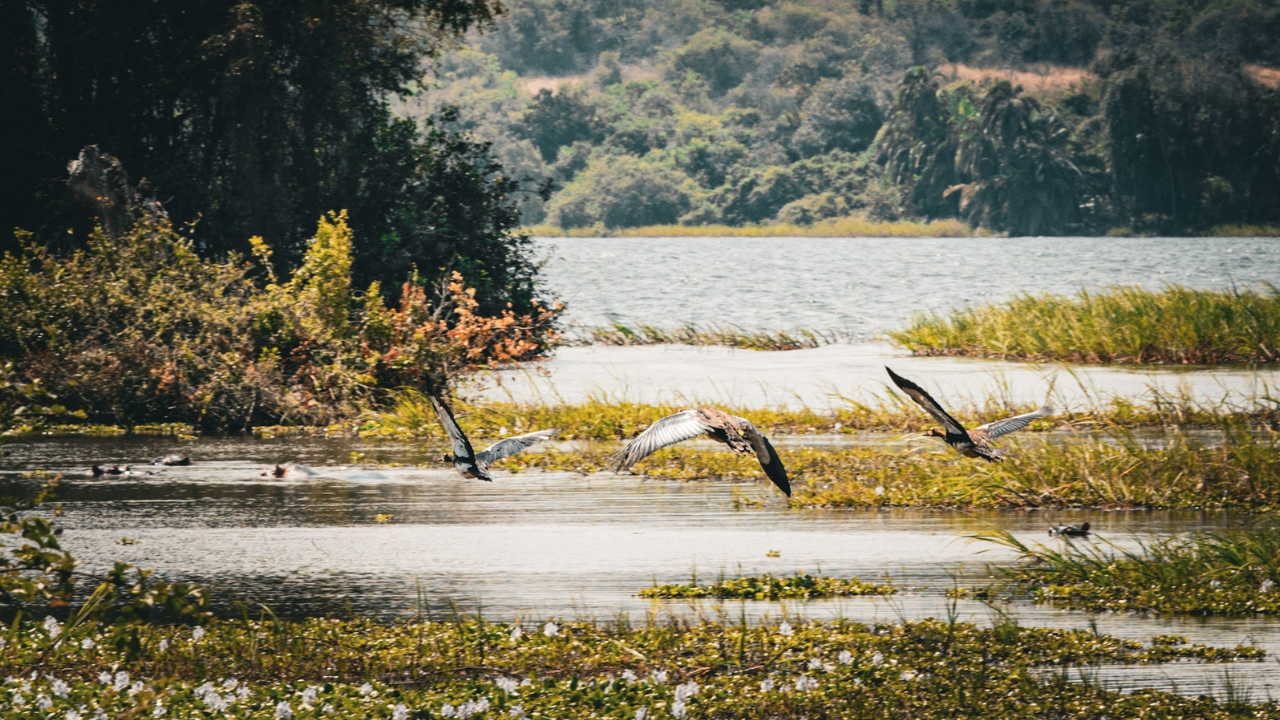
Rwanda offers one of the most meaningful wildlife-focused itineraries in Africa, especially for travelers interested in conservation. Gorilla trekking in Volcanoes National Park is the central experience, but the trip can also include golden monkey tracking, community visits, Kigali’s cultural sites, and time in Akagera National Park. Because permits and guided treks require planning, this is a destination where the experience naturally shapes the whole itinerary. Rwanda also suits travelers who want wildlife encounters paired with responsible tourism and strong local context.

Best focus: Gorilla trekking and conservation

Good season: June to September

Planning note: Secure trekking permits well ahead

6. A cultural city break in Brussels, Belgium
© shutterstock / Real_life_photo

6. A cultural city break in Brussels, Belgium

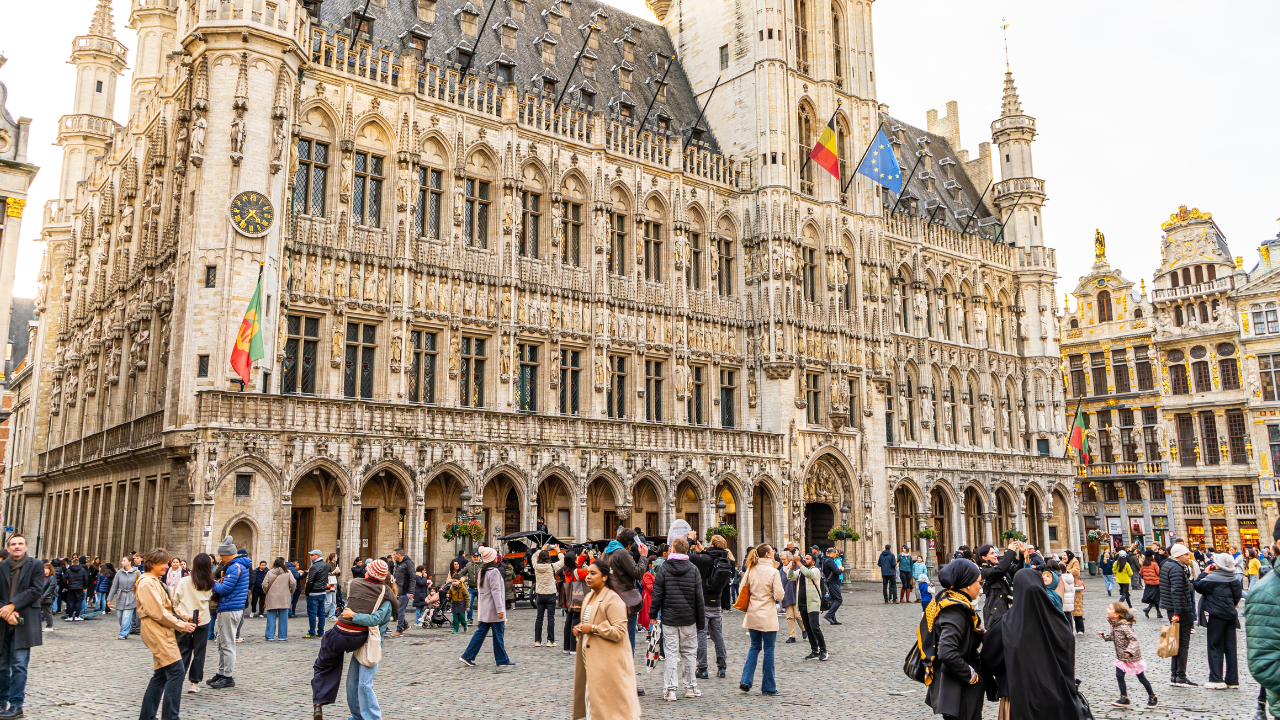
Brussels is gaining attention as a city that rewards travelers who plan around architecture, food, museums, and neighborhood exploration. It offers grand squares, Art Nouveau buildings, comic art, chocolate shops, beer culture, and easy rail access to other Belgian cities. A 2026 itinerary can focus on fewer major landmarks and more local experiences, such as design walks, market visits, and day trips to Ghent or Antwerp. Brussels works well for travelers who want European culture without building the entire trip around one overburdened capital.

Best focus: Architecture, food, and museums

Good season: April to June or September

Planning note: Use trains for easy nearby day trips

7. Desert landscapes and stargazing in northern Chile
© shutterstock / Galyna Andrushko

7. Desert landscapes and stargazing in northern Chile

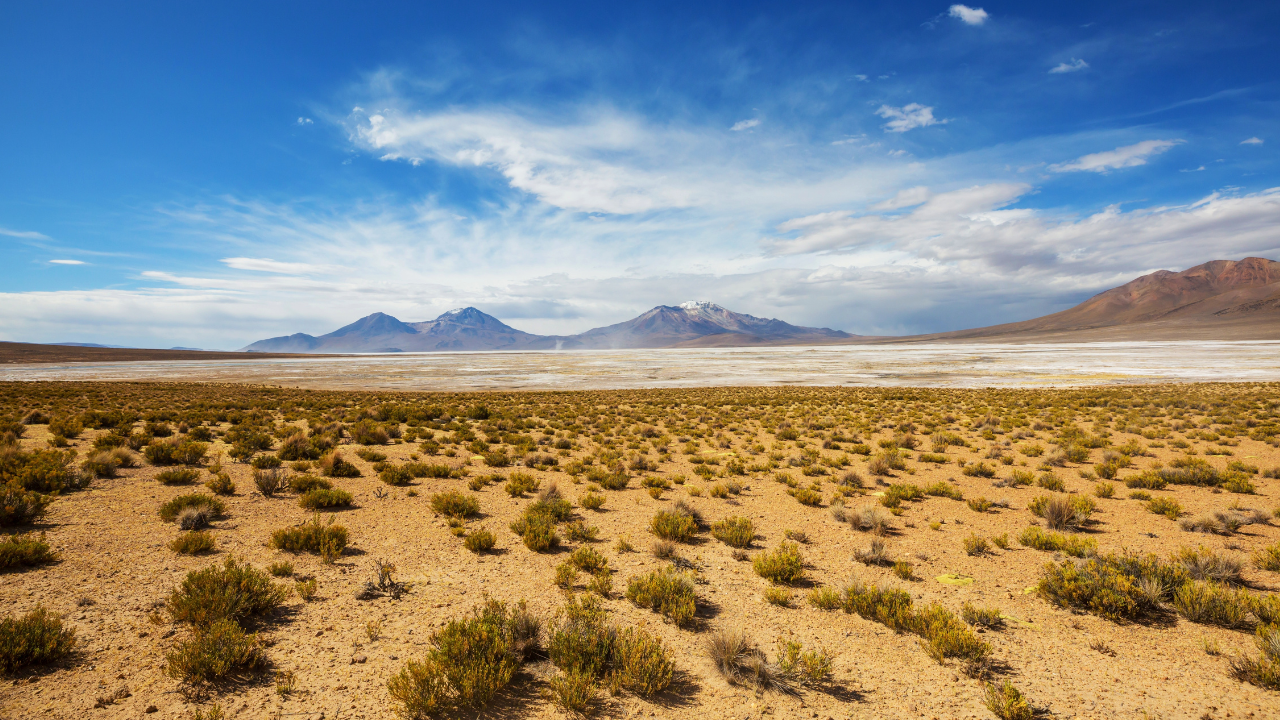
Northern Chile is a destination worth planning around for travelers drawn to desert scenery and clear night skies. The Atacama Desert offers salt flats, geysers, lagoons, volcano views, and some of the world’s most impressive stargazing conditions. A strong itinerary can include San Pedro de Atacama, guided astronomy experiences, sunrise visits to El Tatio geysers, and high-altitude lagoons. The region requires thoughtful pacing because of altitude and distances, but the reward is a landscape that feels distinct from almost anywhere else.

Best focus: Desert scenery and astronomy

Good season: March to November

Planning note: Acclimatize before high-altitude excursions

8. Wellness and forest bathing in Japan
© shutterstock / AaronChenPS2

8. Wellness and forest bathing in Japan

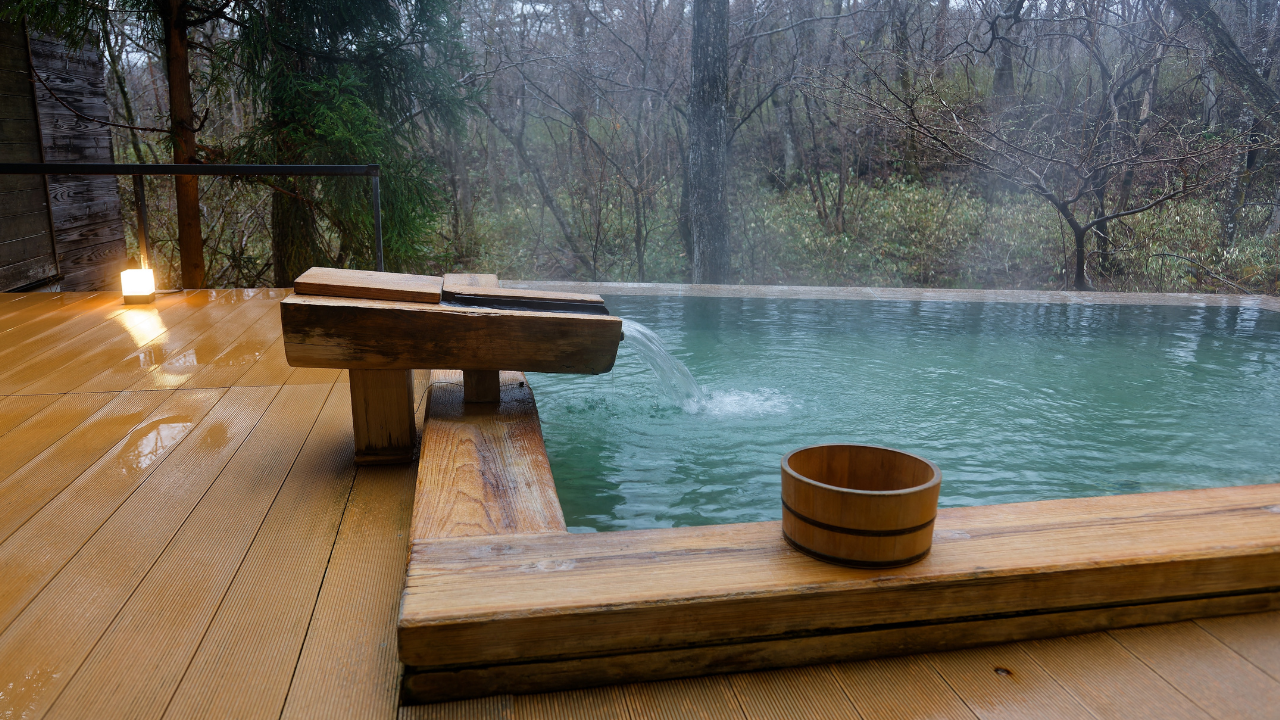
Japan is a natural fit for travelers planning a wellness-centered itinerary in 2026. Beyond major cities, regions with hot springs, cedar forests, temple stays, and walking routes offer a quieter style of travel. Experiences can include onsen stays in Hakone or Kyushu, forest bathing in wooded regions, mindful temple visits, and seasonal meals at ryokan inns. This kind of itinerary works well for travelers who want rest without losing cultural substance. It is less about packed sightseeing and more about rhythm, setting, and thoughtful recovery.

Best focus: Onsen, forests, and mindful stays

Good season: Spring or autumn

Planning note: Learn basic onsen etiquette before visiting

9. A music and food route through New Orleans, USA
© shutterstock / FiledIMAGE

9. A music and food route through New Orleans, USA

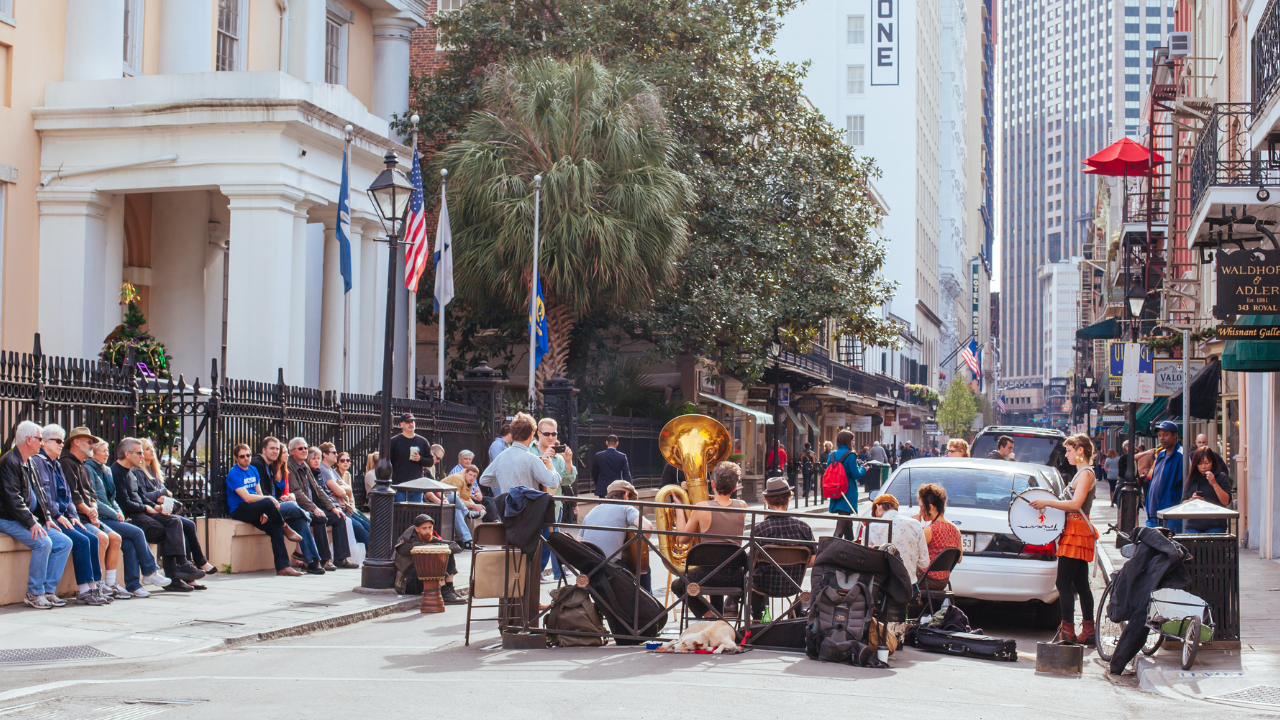
New Orleans remains one of the strongest destinations for travelers who want an itinerary shaped by music, food, and neighborhood culture. A trip can be built around live jazz, local restaurants, historic districts, second-line traditions, and Creole and Cajun flavors. Instead of rushing from attraction to attraction, visitors can focus on the French Quarter, Marigny, Bywater, Garden District, and local music venues. The city is best experienced slowly, with evenings reserved for live performances and daytime hours for food tours, museums, and architecture walks.

Best focus: Live music and regional cuisine

Good season: February to May

Planning note: Check festival dates before booking hotels

10. Coastal walking in the Algarve, Portugal
© shutterstock / UldisZile

10. Coastal walking in the Algarve, Portugal

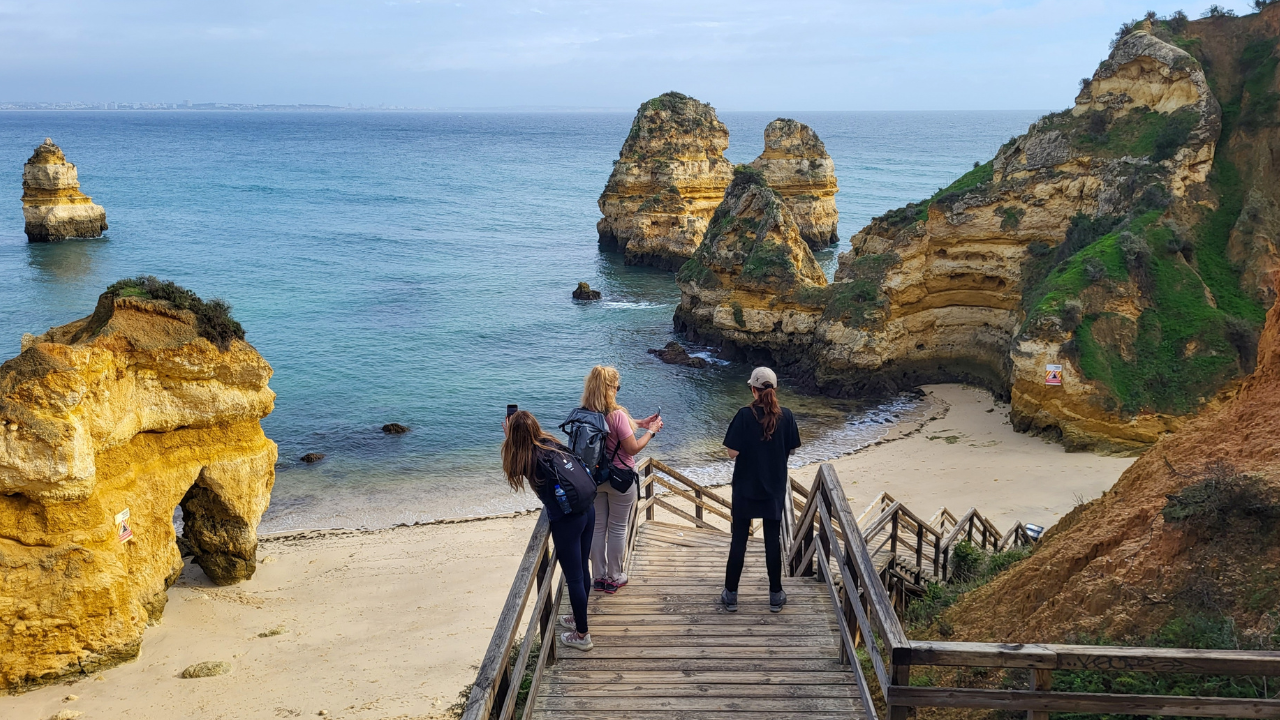
The Algarve is worth planning around for travelers who want a scenic but manageable active trip. Its coastline includes golden cliffs, sea caves, fishing towns, and walking trails with wide Atlantic views. A strong itinerary can follow parts of the Seven Hanging Valleys Trail, including small beach towns, and leave time for boat trips when sea conditions are suitable. The region offers good food, relaxed accommodations, and varied landscapes without requiring extreme fitness. It is especially useful for travelers who want a soft adventure with coastal comfort.

Best focus: Coastal trails and seaside towns

Good season: April to June or September

Planning note: Start walks early during warm months

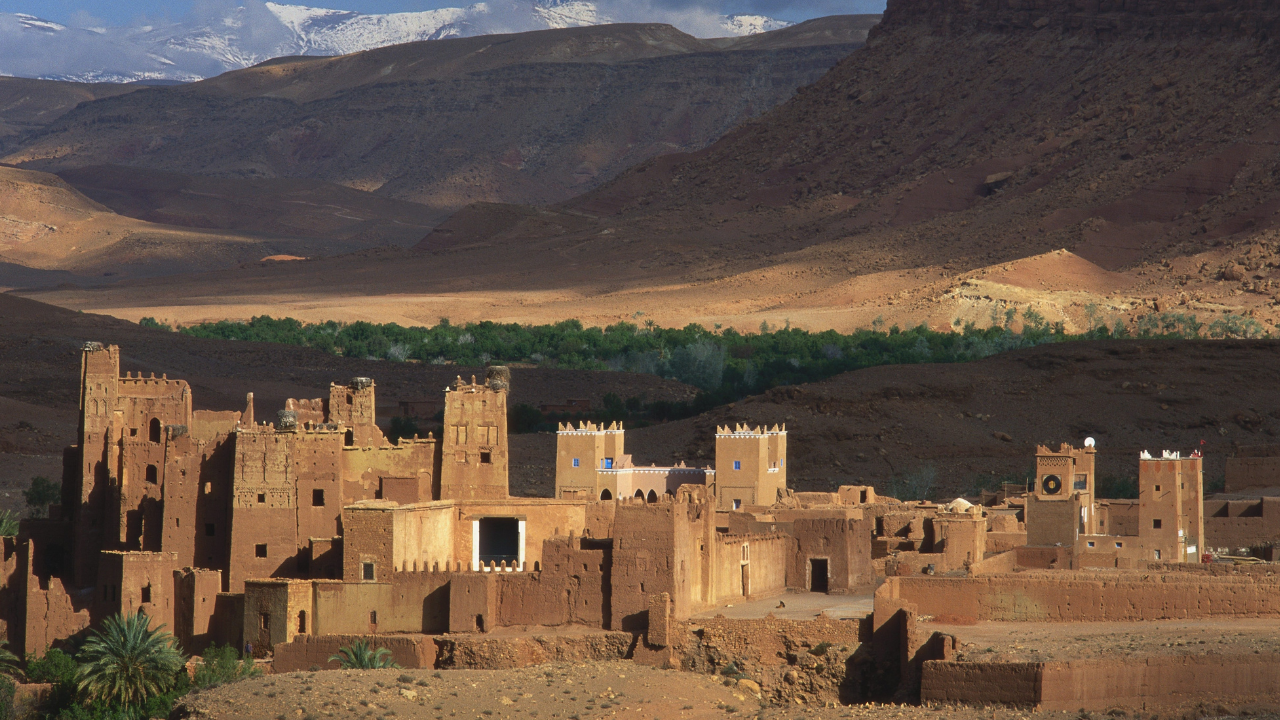
11. Cultural heritage and desert forts in Morocco
© shutterstock / Robert Harding Video

11. Cultural heritage and desert forts in Morocco

Morocco is ideal for a travel experience shaped by history, crafts, food, and desert landscapes. An itinerary can begin in cities such as Fès or Marrakech, then continue through kasbahs, oasis towns, and the edge of the Sahara. The best trips balance medinas and markets with slower rural stops, traditional guesthouses, and guided desert experiences. Morocco rewards travelers who plan carefully rather than trying to cover too much distance too quickly. It is a strong choice for those who want architecture, textiles, food, and landscape in one connected journey.

Best focus: Medinas, crafts, and desert routes

Good season: March to May or October

Planning note: Allow travel time between regions

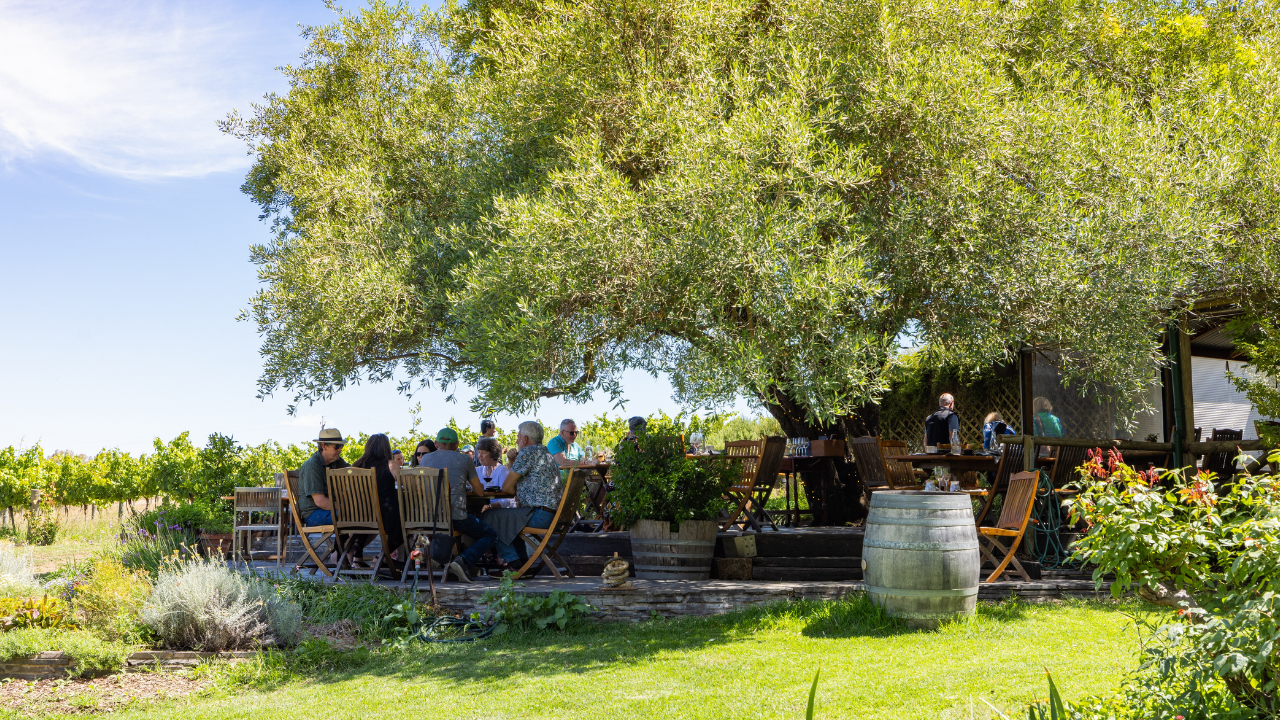
12. Wine, food, and nature in Margaret River, Australia
© shutterstock / Hyserb

12. Wine, food, and nature in Margaret River, Australia

Margaret River in Western Australia is a destination where food, wine, beaches, and nature can shape an entire itinerary. Travelers can visit wineries, farm shops, coastal trails, surf beaches, caves, and small galleries within a compact region. It feels high value because it offers many types of experiences without the intensity of a large city. A 2026 trip can focus on slow meals, vineyard stays, beach walks, and national park scenery. It is particularly suitable for travelers who enjoy relaxed luxury tied to local produce and outdoor settings.

Best focus: Wine, beaches, and regional food

Good season: September to April

Planning note: Rent a car for flexible exploring

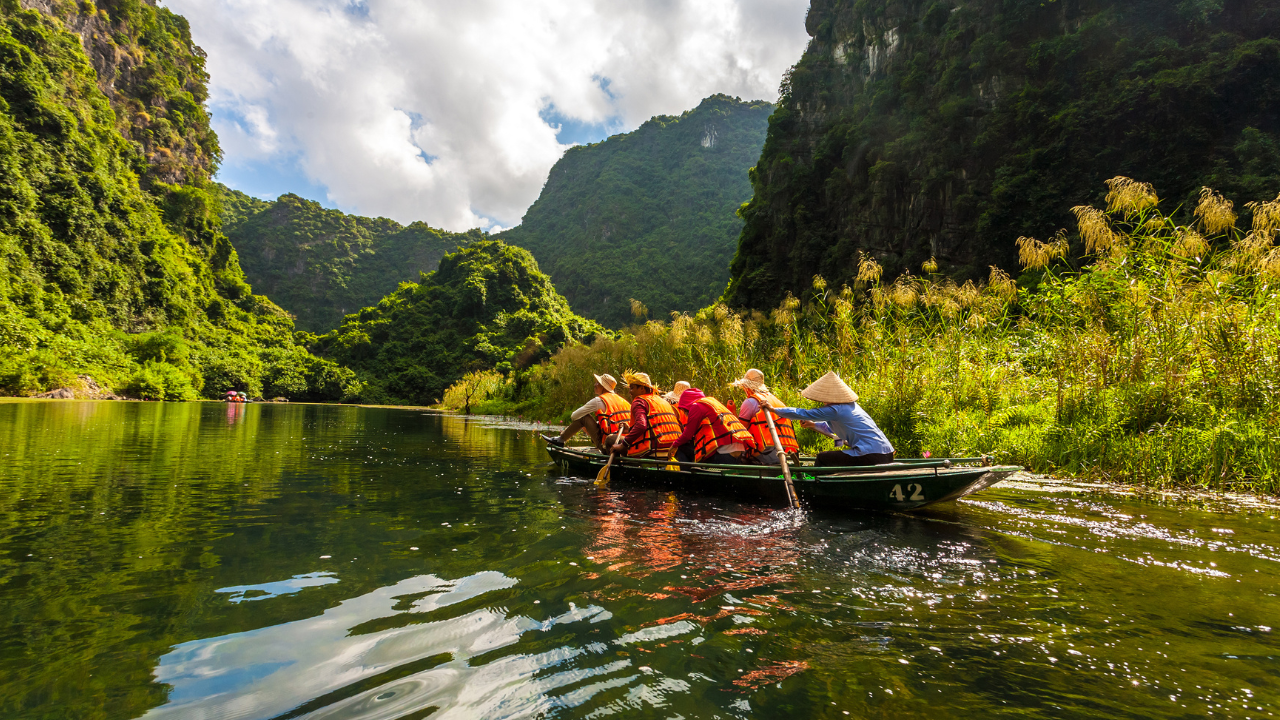
13. River, temple, and cave experiences in Trang An, Vietnam
© shutterstock / Tony Duy

13. River, temple, and cave experiences in Trang An, Vietnam

Trang An in northern Vietnam offers a memorable itinerary built around river landscapes, limestone karsts, temples, and cave routes. Boat trips move through quiet waterways surrounded by steep green cliffs, creating a peaceful contrast to busier city stops. Travelers can pair Trang An with nearby Ninh Binh, Tam Coc, Hoa Lu, and local cycling routes through rice fields. The experience is especially rewarding for travelers who want natural scenery and cultural heritage in the same region, with enough variety for several relaxed days.

Best focus: Boat routes and karst scenery

Good season: February to April or October

Planning note: Visit early for calmer waterways

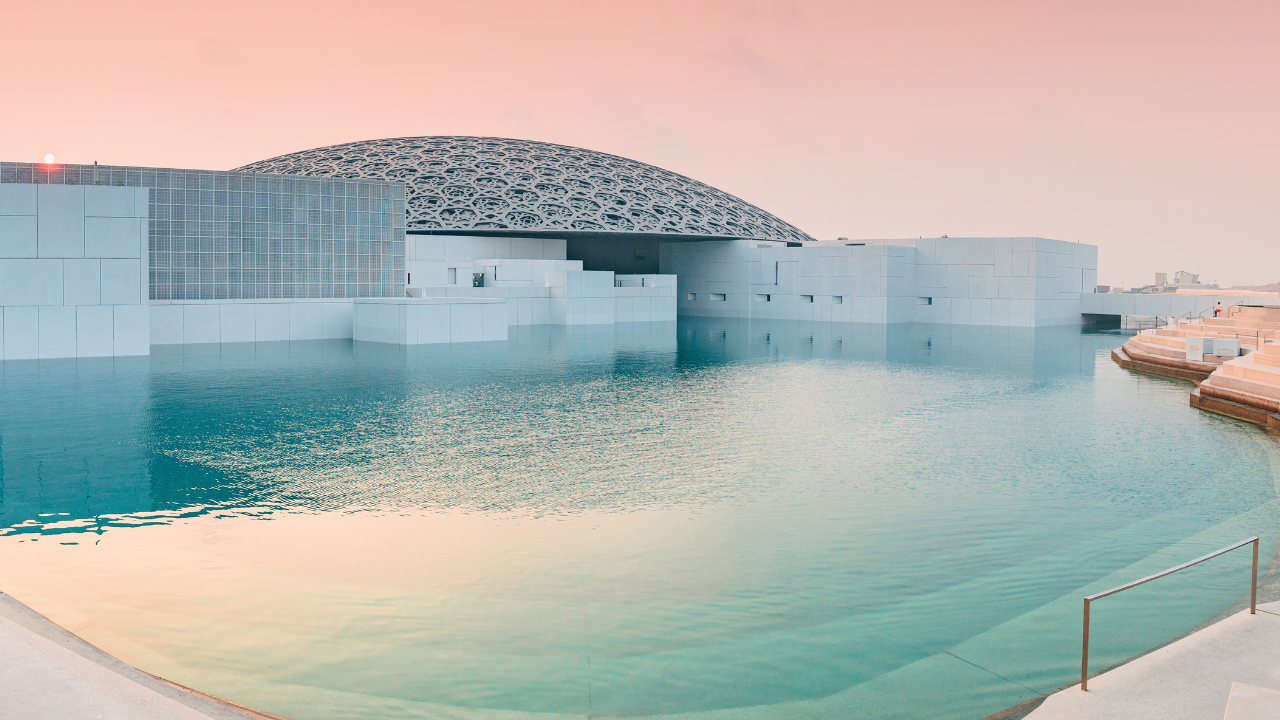
14. Art, design, and desert calm in Abu Dhabi
© shutterstock / frantic00

14. Art, design, and desert calm in Abu Dhabi

Abu Dhabi works well for travelers planning around museums, architecture, beaches, and cultural spaces. Saadiyat Island, in particular, has become a strong base for art-focused trips, with major museums, refined resorts, and calm waterfront settings. A thoughtful itinerary can include cultural landmarks, mosque visits, gallery time, desert excursions, and coastal relaxation. Compared with more nightlife-heavy Gulf itineraries, Abu Dhabi offers a slower, design-led travel experience with polished infrastructure and strong museum appeal.

Best focus: Museums, architecture, and beaches

Good season: November to March

Planning note: Dress respectfully for cultural sites

15. Patagonia hiking in Argentina and Chile
© shutterstock / Galyna Andrushko

15. Patagonia hiking in Argentina and Chile

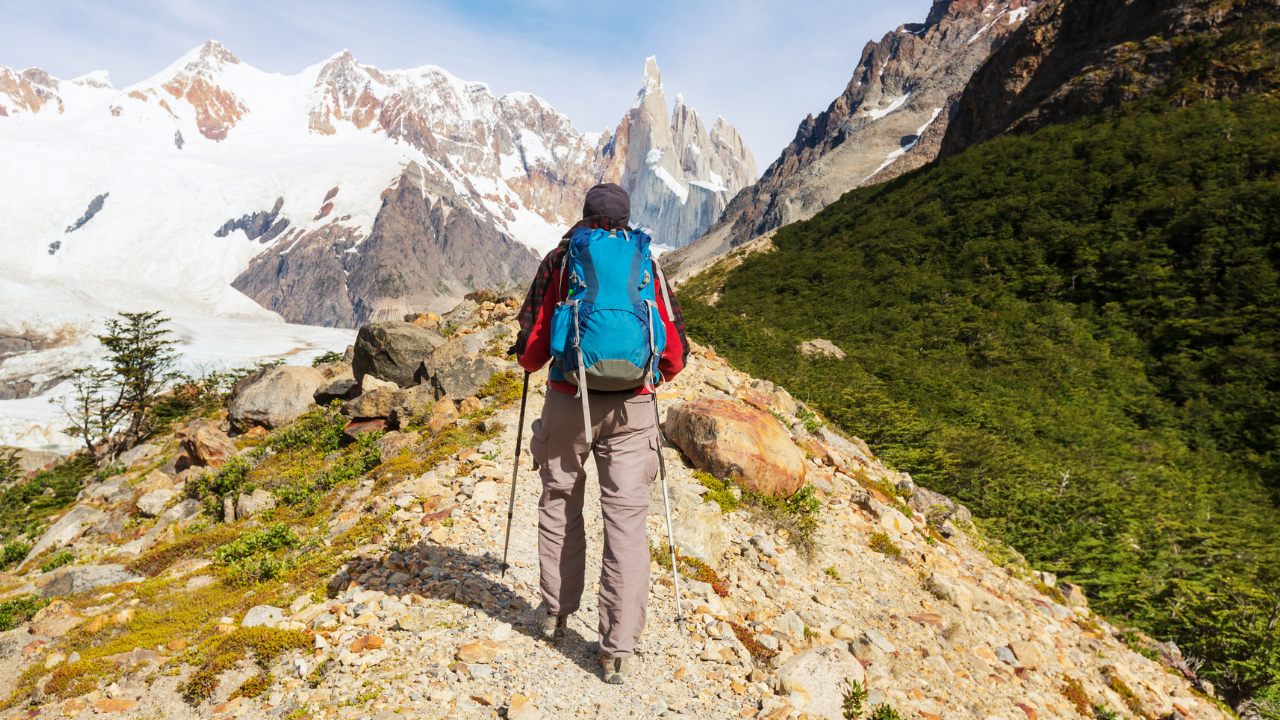
Patagonia is one of the clearest examples of a destination worth building an entire itinerary around. The region’s glaciers, mountains, lakes, and long-distance trails require time, planning, and flexibility. Travelers can choose routes in Torres del Paine, El Chaltén, or the Lake District, depending on fitness level and travel style. Weather can shift quickly, so the best itineraries include buffer days. Patagonia is not a place to rush. Its value comes from slow movement, dramatic scenery, and the feeling of being surrounded by some of the world’s most powerful natural landscapes.

Best focus: Hiking, glaciers, and mountain views

Good season: November to March

Planning note: Add buffer days for weather changes


Comments (0)

Leave a Reply

No comments yet. Be the first to share your thoughts!