Travel Europe

Why Denmark is becoming an increasingly popular slow-travel destination in 2026

Leo Harper
4.2
May 22, 2026

Denmark has always suited travelers who prefer a slower rhythm, but its 2026 experiences make that appeal feel even stronger. Instead of pushing visitors toward crowded checklists, the country invites them to spend more time walking, cycling, eating locally, watching the sky, and exploring small communities at a comfortable pace. This makes Denmark especially attractive for travelers who want culture, nature, and design without the pressure of rushing from one landmark to another.

The country’s compact size also supports slow travel. A visitor can move easily between Copenhagen, coastal towns, islands, forests, food destinations, and historic sites without long transfers. In 2026, Denmark’s mix of culinary events, cycling culture, dark sky tourism, and quieter regional escapes gives travelers more reasons to stay longer and explore more thoughtfully. These experiences show why Denmark is becoming one of Europe’s most interesting slow-travel escapes for people who value atmosphere, local connection, and meaningful time.
1. Copenhagen’s food scene is becoming a deeper cultural experience
© shutterstock / Below the Sky

1. Copenhagen’s food scene is becoming a deeper cultural experience

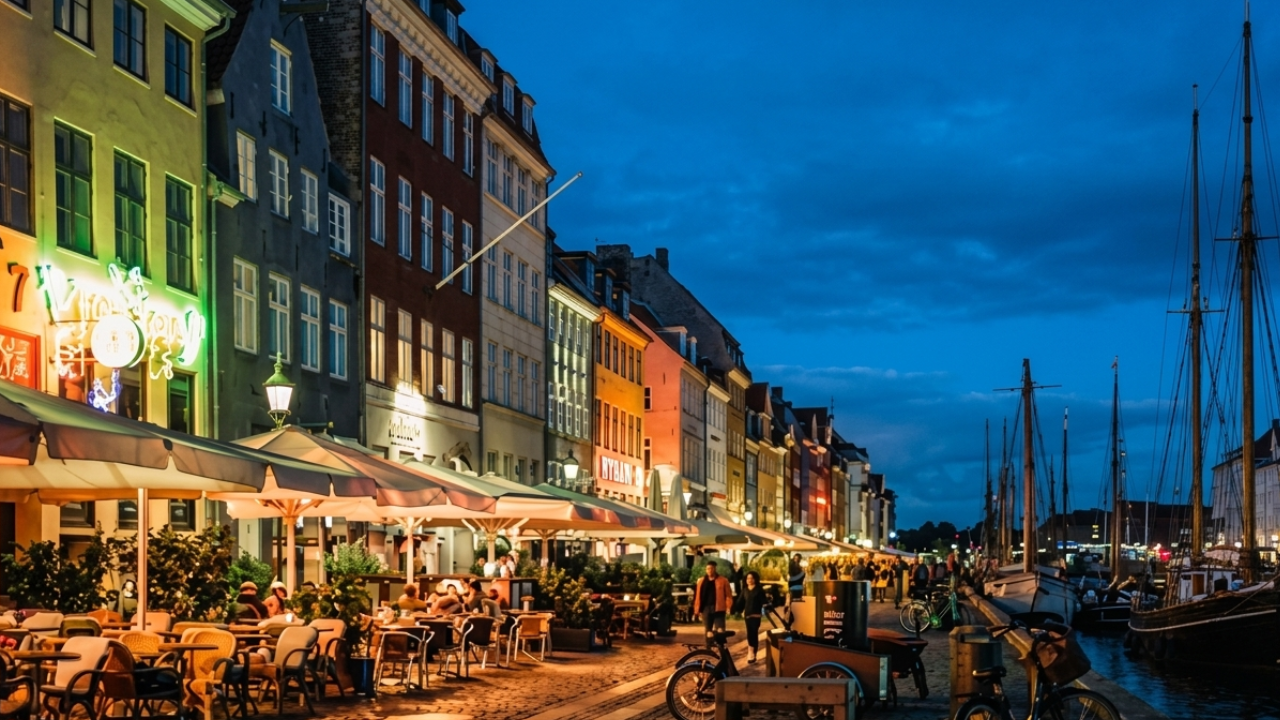
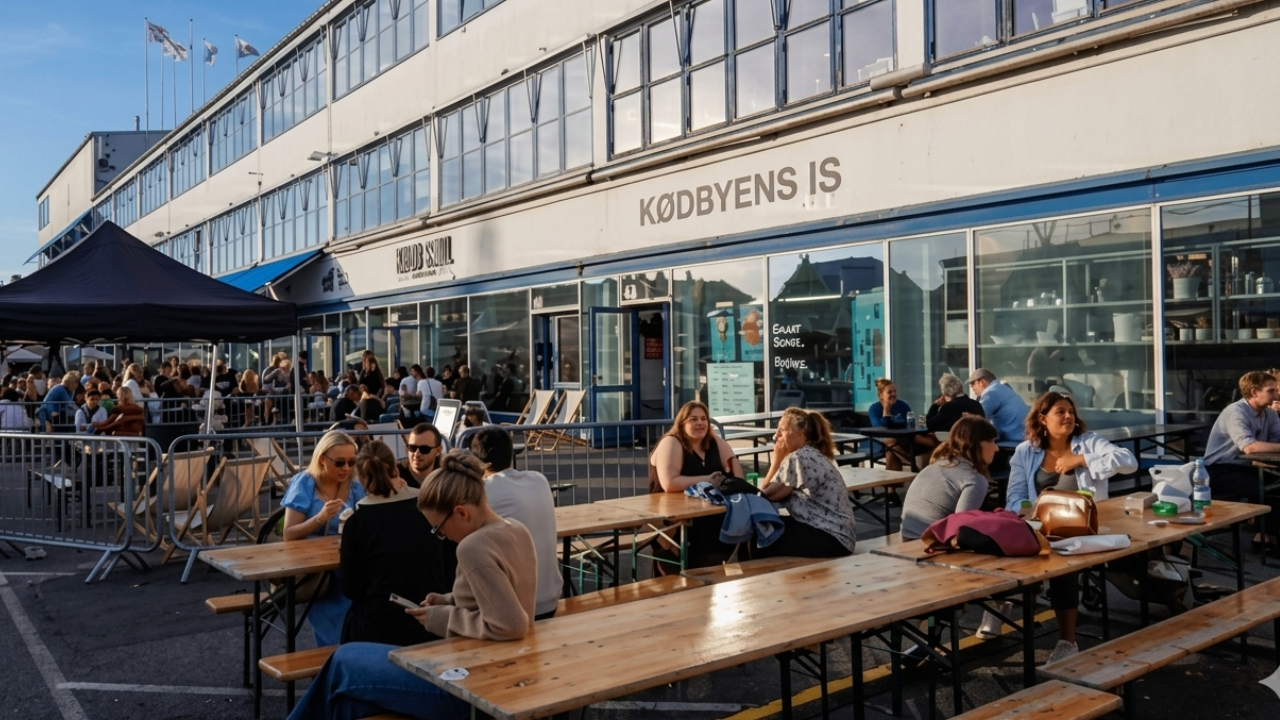
Copenhagen is already known for design, cycling, and waterfront living, but its food scene is one of the main reasons travelers are looking at Denmark in 2026. The city is not just about fine dining. It offers bakeries, food halls, neighborhood cafes, open-air markets, and restaurants that focus on seasonal ingredients. For slow travelers, this makes food part of the daily rhythm rather than a single special meal. Visitors can start with a quiet breakfast at a local bakery, spend the afternoon exploring a market, and end the day with a dinner that reflects modern Danish cooking. Copenhagen works well because the best experiences are often spread across walkable neighborhoods instead of one crowded district.

2. Tivoli Gardens adds a classic setting to Denmark’s 2026 culinary moment
© shutterstock / BAUER Alexandre

2. Tivoli Gardens adds a classic setting to Denmark’s 2026 culinary moment

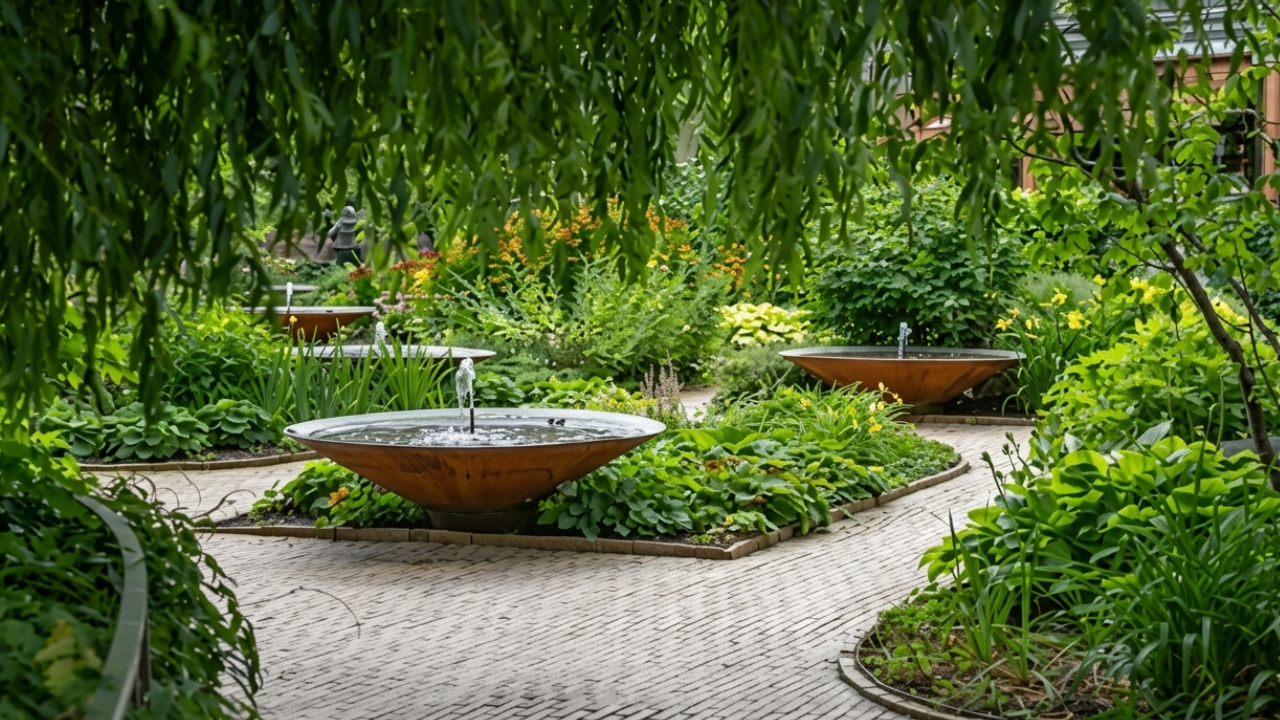
Tivoli Gardens is one of Copenhagen’s most recognizable places, but in 2026 it gains extra attention through its role in the Nordic dining calendar. For travelers, this gives the historic amusement garden a fresh cultural purpose. Tivoli is already a place where old-world charm, landscaped paths, music, restaurants, and evening lights create a relaxed city experience. Its connection to Denmark’s culinary momentum makes it even more relevant for visitors who want slow travel with atmosphere. Rather than rushing through it as a quick attraction, travelers can treat Tivoli as an evening experience, pairing a gentle walk with dinner, seasonal events, and a sense of Copenhagen’s long relationship with public leisure.

3. Dark sky parks offer a quieter reason to visit Denmark
© shutterstock / Yuliia Ushakova

3. Dark sky parks offer a quieter reason to visit Denmark

Denmark’s dark sky parks are among the most peaceful experiences shaping the country’s 2026 appeal. Places such as Møn, Nyord, Mandø, Anholt, and Bulbjerg provide low-light settings where travelers can slow down and focus on the natural world. This type of trip is different from city sightseeing because it encourages patience. Visitors may spend the day walking along cliffs, beaches, or dunes, then stay into the evening to watch the sky. Møns Klint is especially memorable because its chalk cliffs and coastal setting create a dramatic landscape even before night falls. For travelers tired of crowded viewpoints, Denmark’s dark sky areas offer a calm, reflective alternative.

4. The Copenhagen Sprint highlights Denmark’s cycling identity
© shutterstock / Reza Sastrodihardjo

4. The Copenhagen Sprint highlights Denmark’s cycling identity

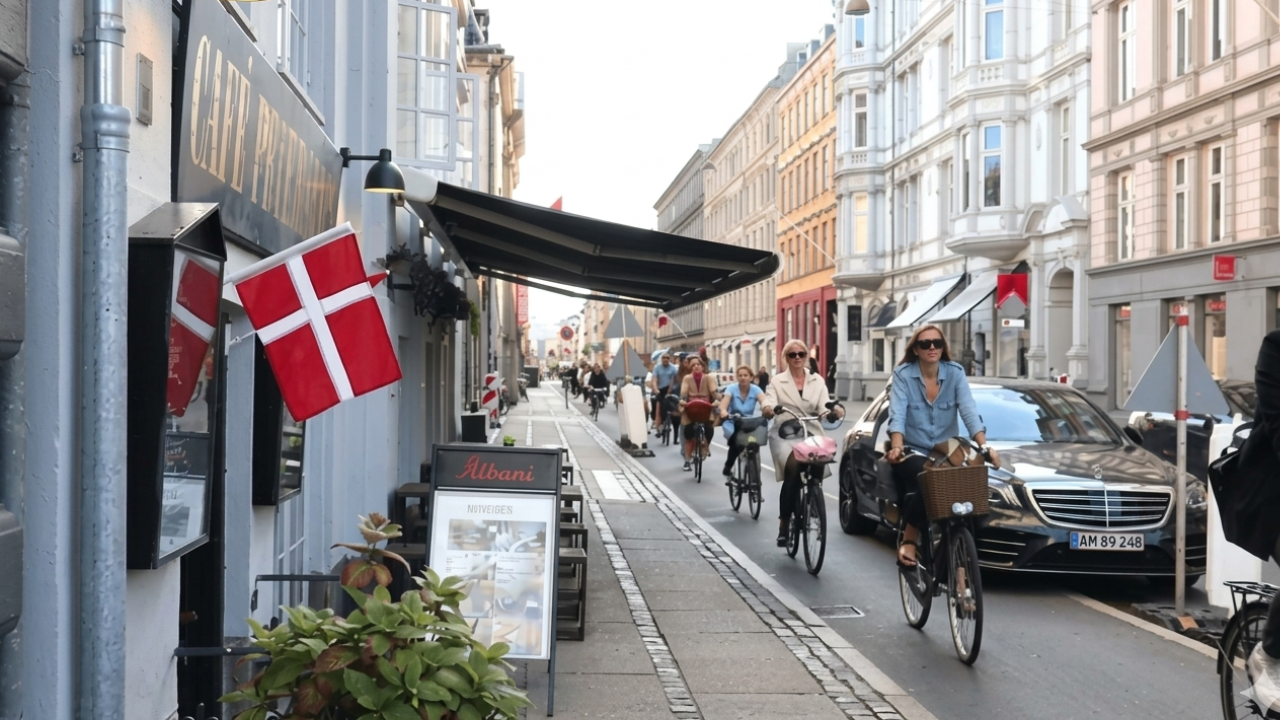
Cycling is not just a visitor activity in Denmark. It is part of daily life, especially in Copenhagen, where bike lanes and cycling habits shape the feel of the city. The Copenhagen Sprint brings international sporting energy to this identity in 2026, connecting Roskilde and Copenhagen through a race route that reflects the country’s bike-friendly culture. For slow travelers, the appeal is not only watching professional cyclists. It is also the chance to explore Denmark in the same spirit, using bikes for short city rides, waterfront routes, and countryside paths. Cycling allows visitors to move at a human pace, stop often, and notice details that are easy to miss from a car or bus.

5. Roskilde connects Viking history with easy slow travel
© shutterstock / EQRoy

5. Roskilde connects Viking history with easy slow travel

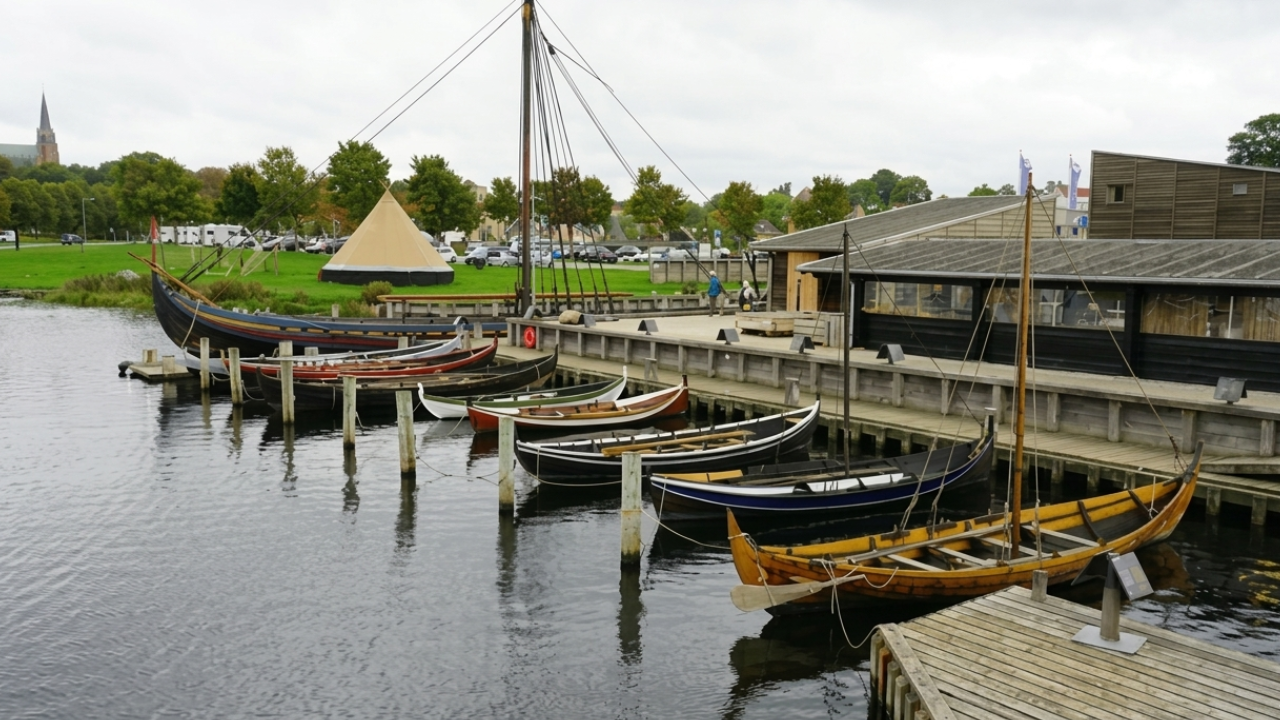
Roskilde is a strong example of why Denmark works well for travelers who want meaningful day trips rather than packed itineraries. Located within easy reach of Copenhagen, the city offers history, waterfront scenery, and a quieter pace. The Viking Ship Museum gives visitors a direct connection to Denmark’s seafaring past, while the cathedral and old streets add cultural depth. Roskilde is also linked to the Copenhagen Sprint route, giving it renewed attention in 2026. It suits travelers who want to step outside the capital without committing to a long journey. A day here can feel balanced, with time for museums, walks by the fjord, and a relaxed meal.

6. Møn shows Denmark’s natural side beyond the capital
© shutterstock / Boris Edelmann

6. Møn shows Denmark’s natural side beyond the capital

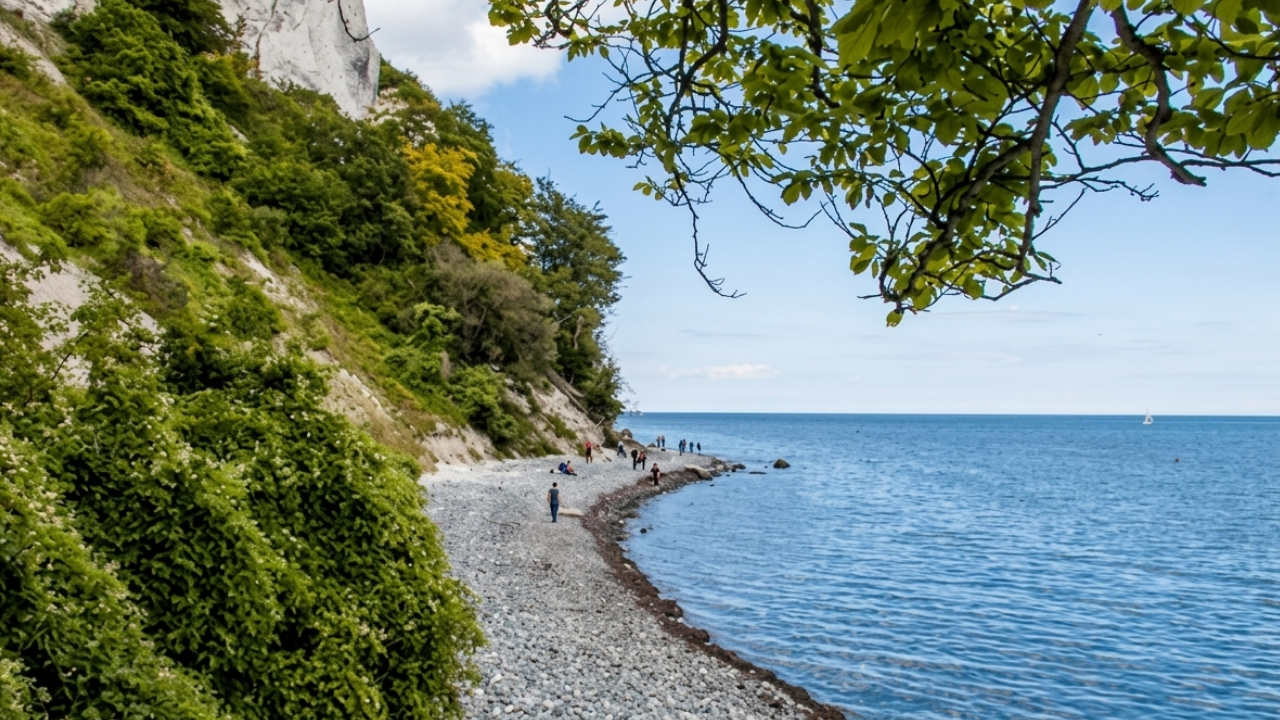
Møn is one of Denmark’s most rewarding slow-travel destinations because it combines coastal scenery, village life, and dark sky experiences. The island is best known for Møns Klint, where white chalk cliffs rise above the Baltic Sea. The area invites walking, photography, birdwatching, and quiet outdoor time rather than fast sightseeing. Travelers can explore cliff paths during the day and stay overnight to experience the island’s darker skies. Møn also gives visitors a sense of rural Denmark, with small accommodations, local food, and a slower pace than Copenhagen. It is a good choice for travelers who want nature without feeling far removed from culture.

7. Aarhus brings design, museums, and a calmer city rhythm
© shutterstock / Roberto Rizzi

7. Aarhus brings design, museums, and a calmer city rhythm

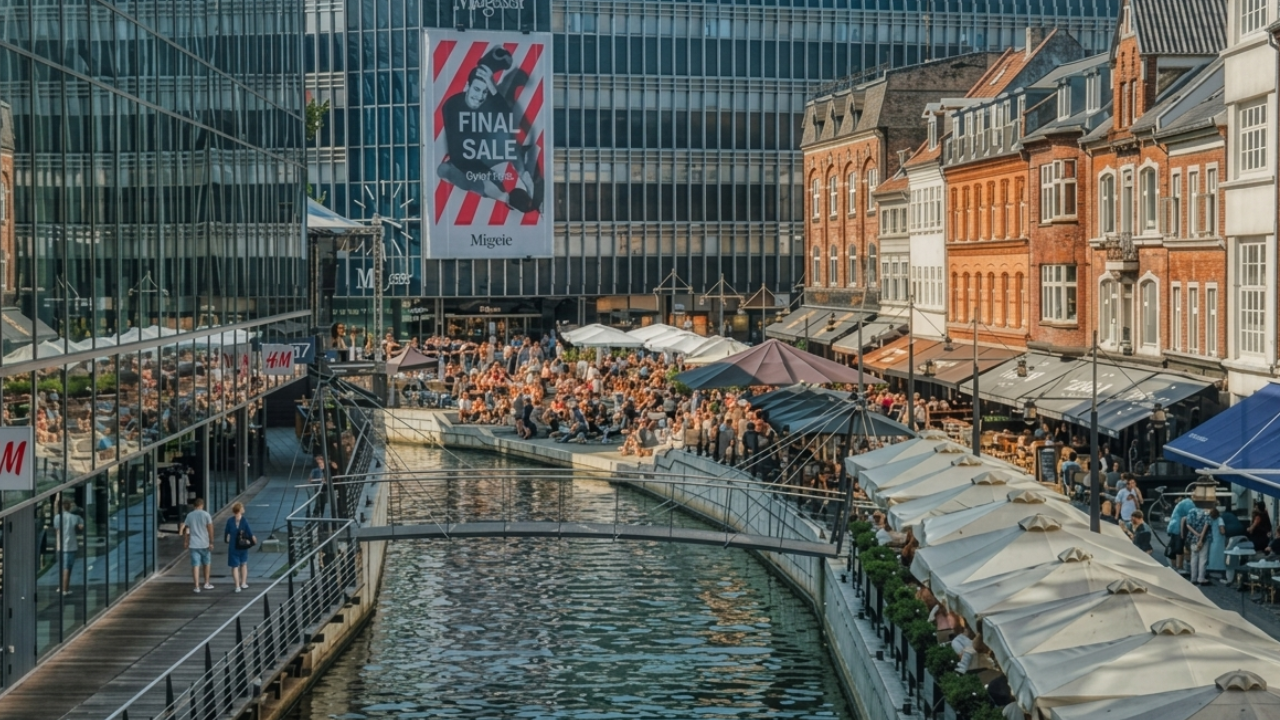
Aarhus offers a different side of Danish city travel. It has major cultural attractions, including art, architecture, and historic neighborhoods, but it often feels more relaxed than larger European capitals. For slow travelers, Aarhus is appealing because it is easy to explore over several days without rushing. Visitors can move between museums, cafes, waterfront areas, and local shops at a comfortable pace. The city’s creative energy also makes it a good place to understand Denmark’s design-minded lifestyle outside Copenhagen. Aarhus works especially well for travelers who want culture but prefer a smaller city setting where neighborhoods feel accessible and daily life remains visible.

8. Denmark’s islands make slow travel feel natural
© shutterstock / Gestur Gislason

8. Denmark’s islands make slow travel feel natural

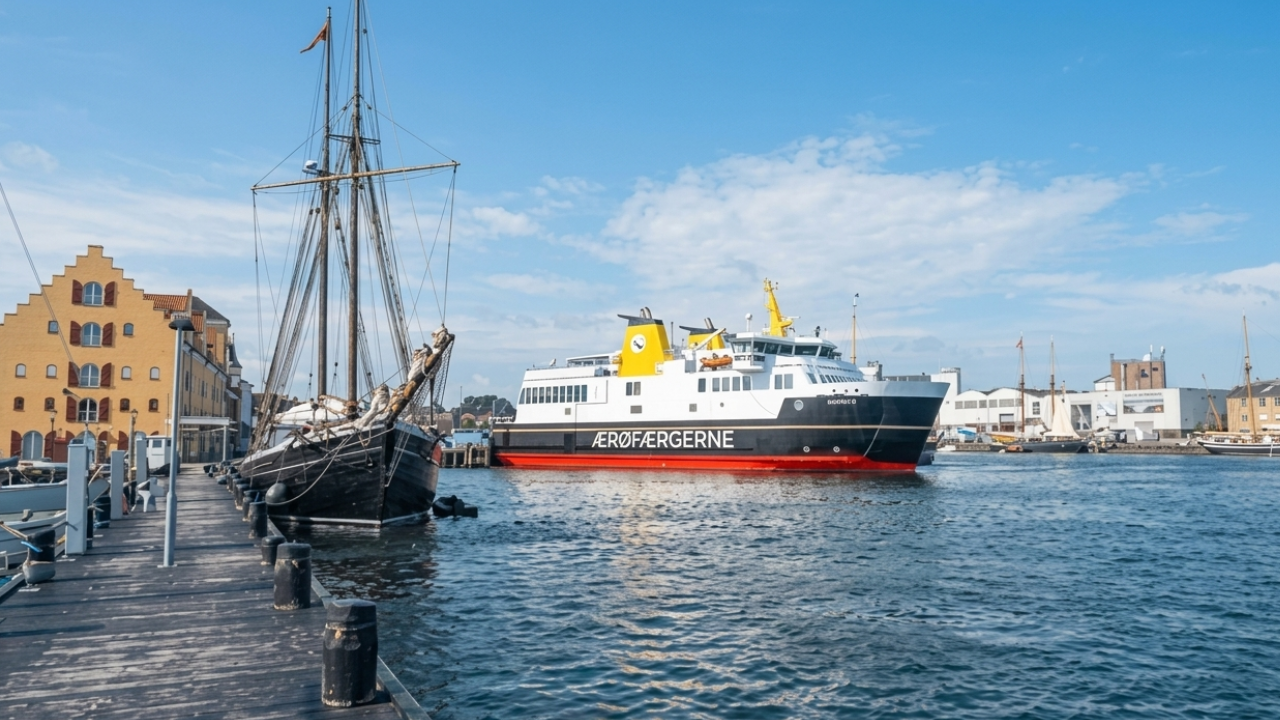
Denmark’s islands are central to its slower travel appeal. Instead of focusing only on major cities, visitors can plan trips around ferries, beaches, small harbors, cycling routes, and local food. Islands such as Bornholm, Anholt, Ærø, and Fanø each offer a distinct atmosphere, from Baltic Sea landscapes to preserved villages and craft traditions. Island travel naturally encourages a slower schedule because ferry times, coastal walks, and small-town rhythms shape the day. This can be valuable for travelers who want to disconnect from dense tourist districts. Denmark’s islands offer high-value experiences through simplicity: sea air, quiet streets, fresh food, and time spent outdoors.

9. Denmark’s slow-travel value comes from ease, not excess
© shutterstock / Tomasz Podolski

9. Denmark’s slow-travel value comes from ease, not excess

What makes Denmark especially interesting in 2026 is that its travel value comes from ease rather than spectacle. The country does not require visitors to chase extreme experiences to feel rewarded. Instead, its strongest moments often come from simple routines: biking to a bakery, taking a train to a historic town, sitting beside a harbor, watching the night sky, or spending an unhurried evening in a garden or restaurant. New 2026 events add timely reasons to visit, but the deeper appeal is Denmark’s ability to make slow travel practical. For travelers who want Europe with less pressure and more room to breathe, Denmark offers a thoughtful and well-balanced escape.


Comments (0)

Leave a Reply

No comments yet. Be the first to share your thoughts!