Travel tips

Why getting around South Korea is a manageable experience for travelers

James Porter
4.6
May 21, 2026

South Korea is often recognized for its highly organized transport systems and thoughtful city infrastructure, which together make travelling within the country straightforward, efficient, and comfortable for visitors. From ultra‑modern metropolitan subways to high‑speed long‑distance trains, the network of services is designed to connect major cities, cultural sites, neighbourhoods, and natural attractions without requiring complicated planning. Whether you’re arriving at a major airport, exploring the capital’s bustling streets, or heading to quieter regions, the country’s transport framework helps ensure your movements are smooth and predictable.

The ease of travel in South Korea begins with clear multilingual signage and widespread digital tools that support navigation in English and other languages. Rail stations, buses, and transit hubs are well labeled with language options that help foreign visitors find their routes confidently. Integrated fare systems and smart card technology further simplify payment across different modes of transport, eliminating the need to buy separate tickets for each journey.

Below are 10 ways South Korea’s transport and city infrastructure help make travel easier for tourists.
1. Extensive subway networks in major cities
© shutterstock / Tuleyhcm

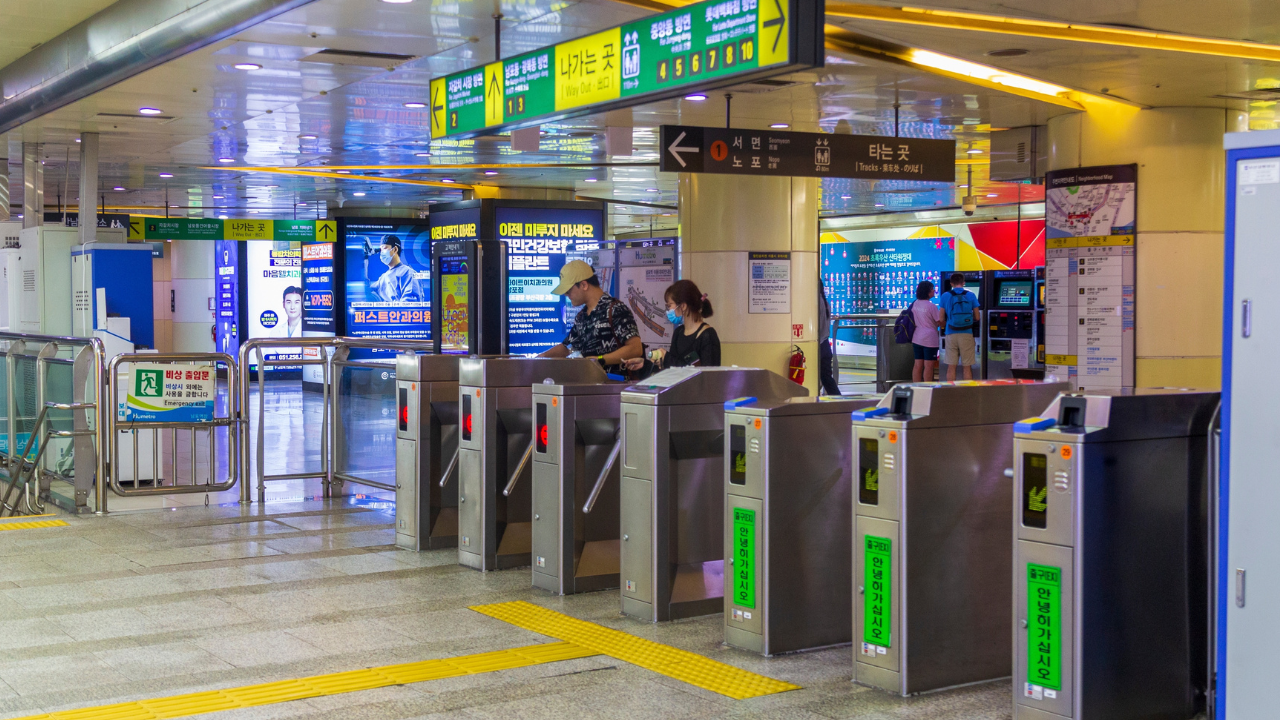
1. Extensive subway networks in major cities

South Korea’s major urban centres, including Seoul, Busan, Daegu, and Daejeon, have extensive metro systems that connect key neighbourhoods, commercial districts, and tourist attractions. These subways are known for their regular service, cleanliness, and safety, and most station signage and announcements are provided in multiple languages. The network’s breadth allows visitors to reach cultural sites, markets, parks, and entertainment districts without complex transfers.

2. High-speed trains linking cities nationwide
© shutterstock / NGCHIYUI

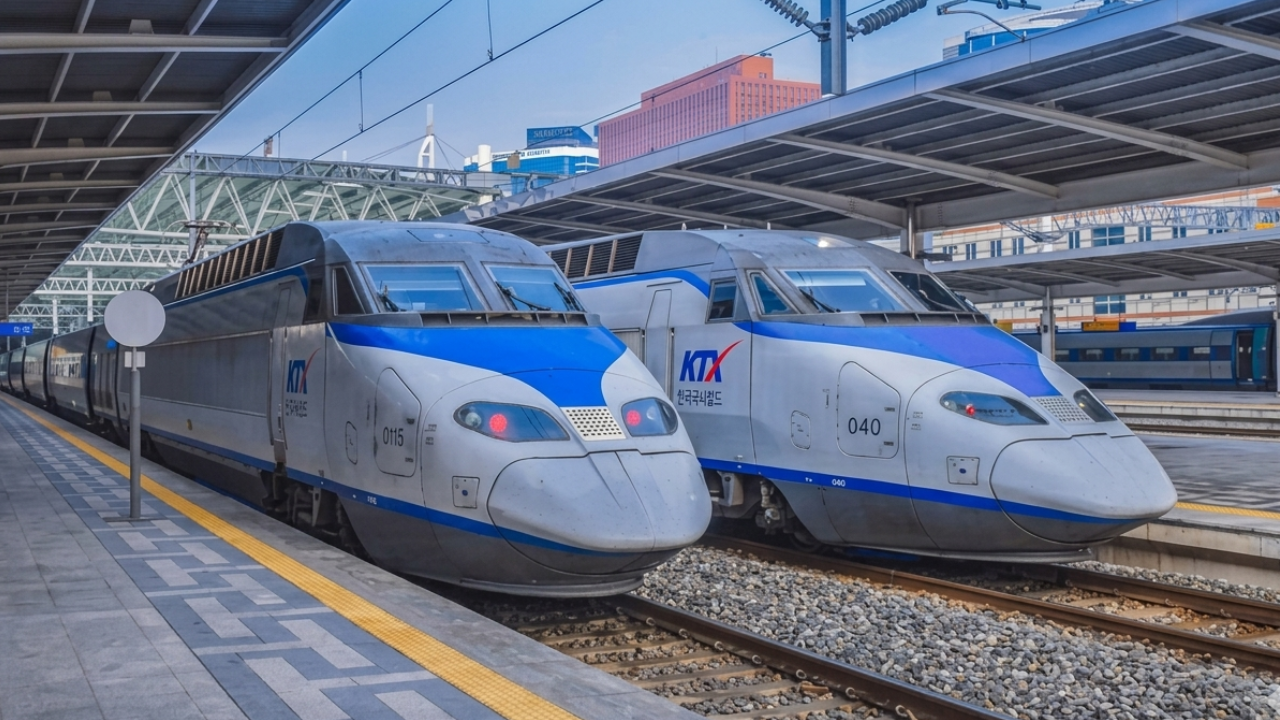
2. High-speed trains linking cities nationwide

The Korea Train Express (KTX) and similar high‑speed rail services connect distant cities such as Seoul, Busan, Gwangju, and Mokpo at speeds that dramatically reduce travel times. A trip between Seoul and Busan, for example, can be completed in about two and a half hours, making day trips or short itinerary hops practical for many visitors. These trains are known for their punctuality, comfort, and reliability, and reservations can be made in advance online with English support.

3. Unified fare cards (T‑money)
© shutterstock / MeSamong

3. Unified fare cards (T‑money)

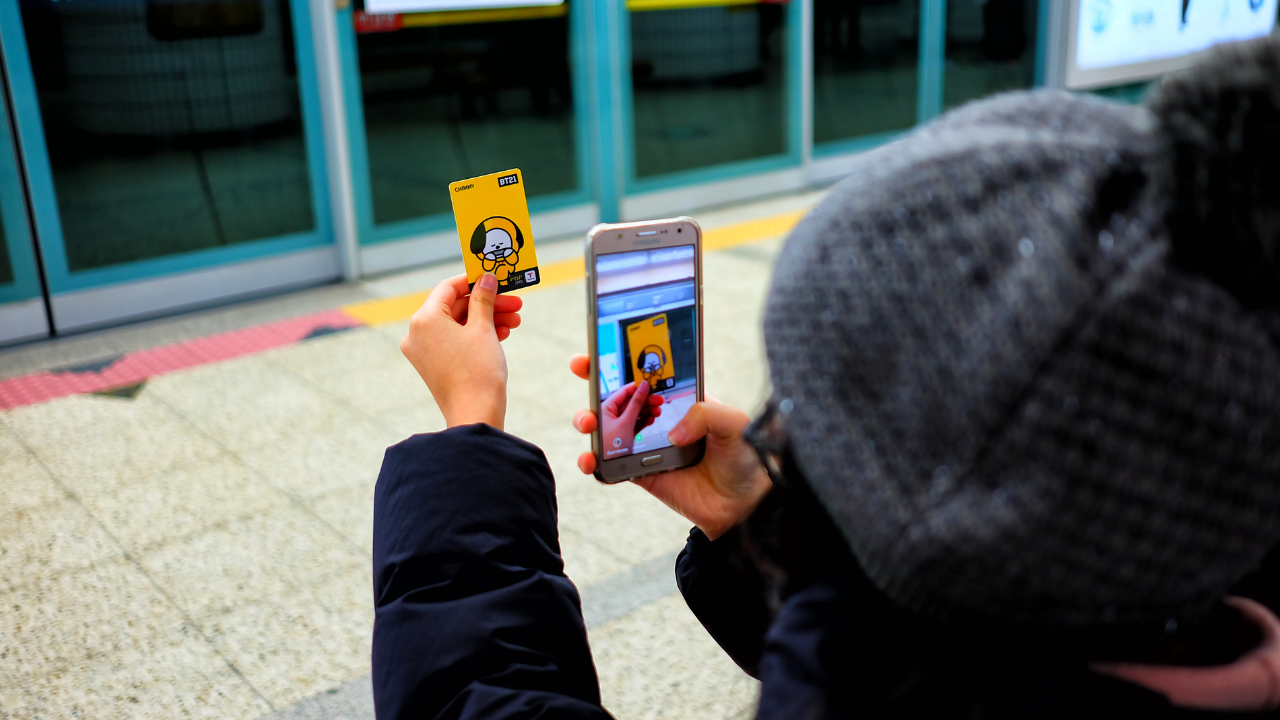
Smart fare cards like T‑money are used across subways, buses, and even some taxis, meaning tourists only need one card for most public transit needs. Cards can be purchased and topped up at convenience stores and station kiosks, and they offer transfer benefits when switching between buses and subways. This reduces queueing, simplifies budgeting, and allows passengers to move freely without purchasing individual tickets for each journey.

4. Clear multilingual signage
© shutterstock / 2p2play

4. Clear multilingual signage

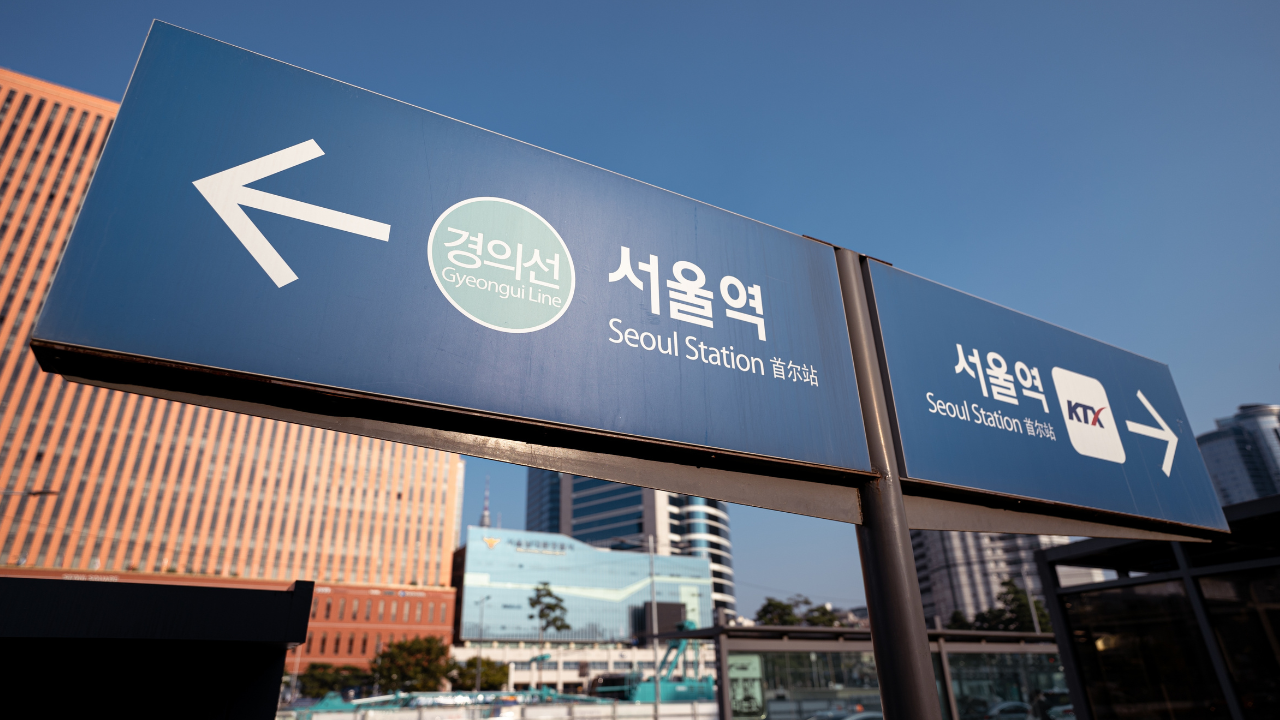
Public transportation systems are equipped with clear signage and announcements in Korean, English, and often Chinese and Japanese. This makes route planning intuitive for international travellers who may not read Korean characters. Whether navigating a subway station or transferring between services, multilingual support helps visitors avoid confusion and travel independently with confidence.

5. Integrated urban buses
© shutterstock / 2p2play

5. Integrated urban buses

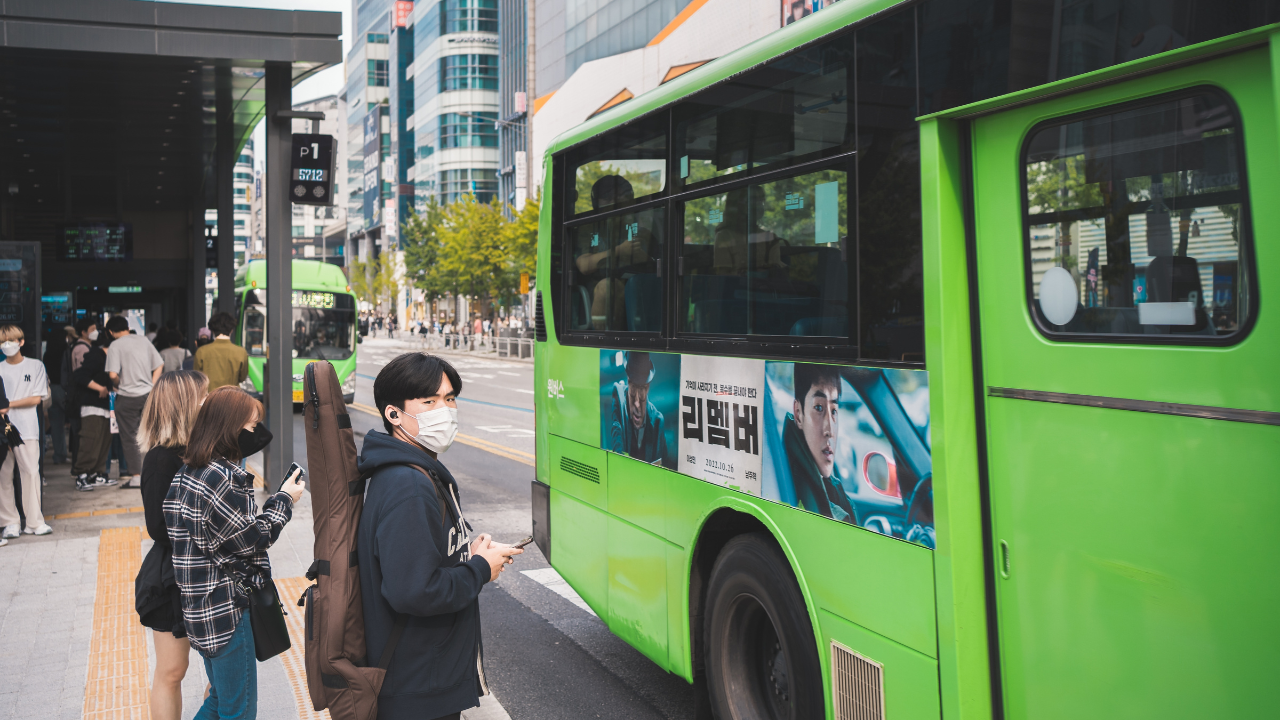
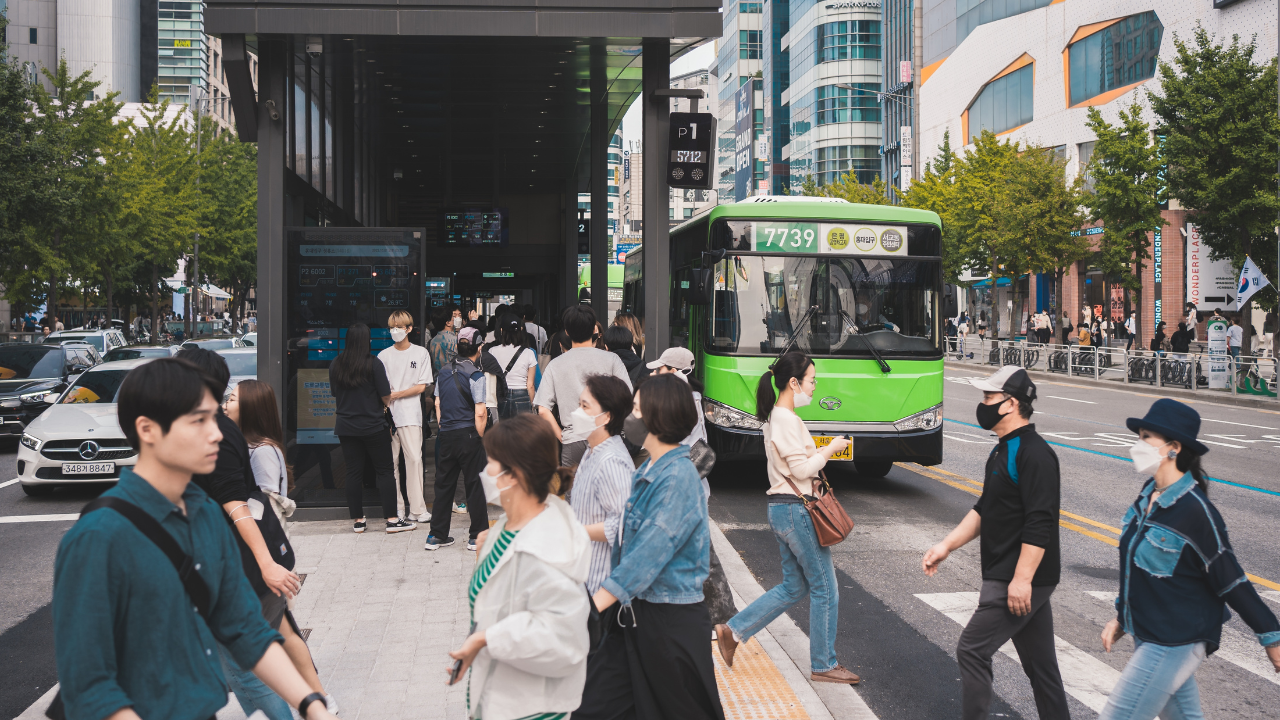
City buses in South Korea complement metro networks and reach neighbourhoods that trains don’t always serve. In cities like Seoul, buses are colour‑coded according to route type, making it easier to understand which bus to take even for first‑time visitors. Buses serve local streets, business districts, coastal attractions, and suburban areas, ensuring that covered areas are extensive and accessible.

6. Efficient airport transfers
© shutterstock / 2p2play

6. Efficient airport transfers

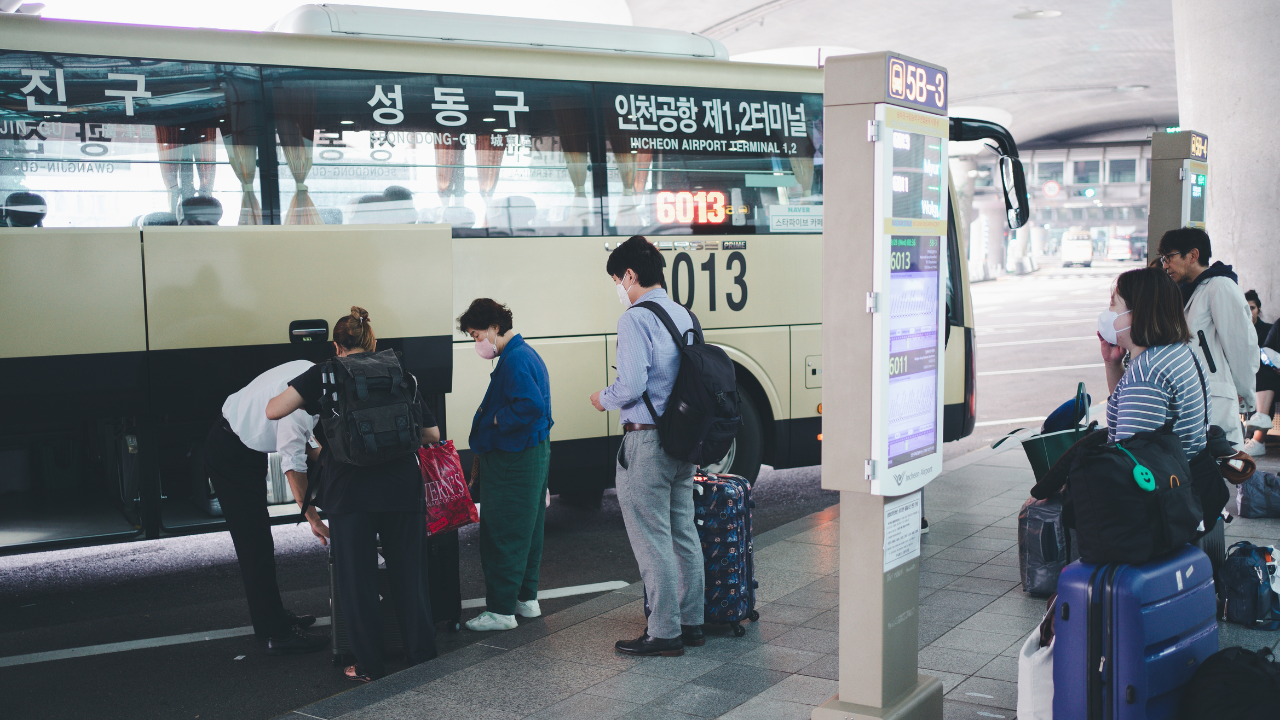
Major airports, including Incheon and Gimpo, are connected to city centres by convenient rail and bus services. Dedicated airport express trains and limousine buses offer direct, reliable rides from terminals to central stations and hotel districts, helping tourists manage their initial entry into the country without needing a private car or taxi.

7. Reliable taxis and ride‑hailing support
© shutterstock / 2p2play

7. Reliable taxis and ride‑hailing support

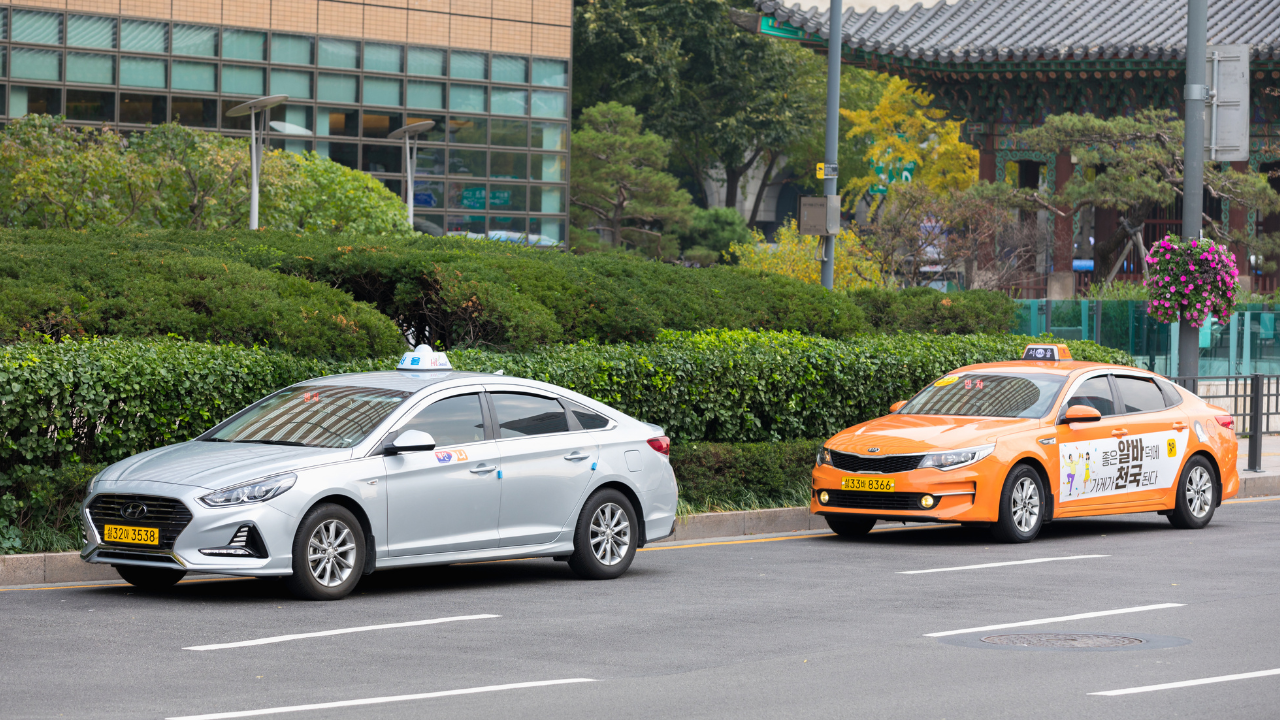
Taxis are readily available in urban areas and provide a useful alternative when public transit is limited, such as late at night or when carrying luggage. Metered fares are regulated, and ride‑hailing apps designed for the local market help tourists request rides without needing Korean language skills. This flexibility adds convenience for travellers exploring beyond subway hours or ending the day after transit has closed.

8. Navigation and local transit apps
© shutterstock / anatoliy_gleb

8. Navigation and local transit apps

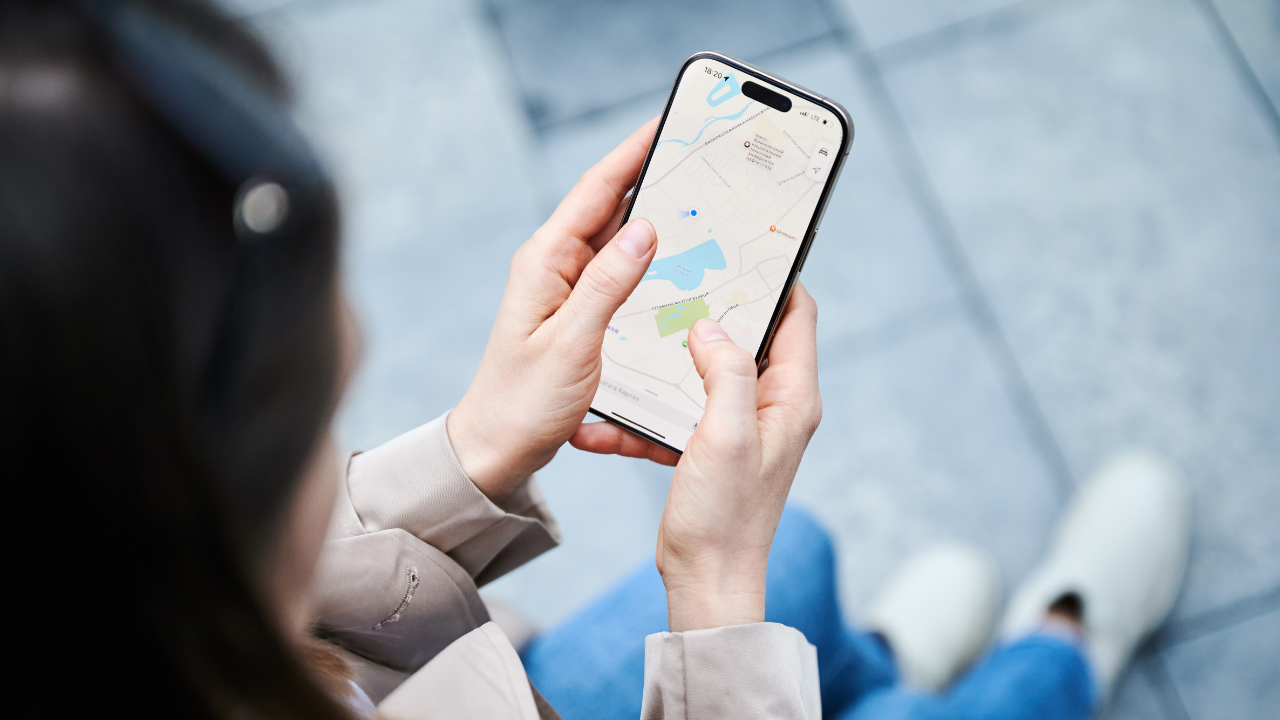
While global mapping tools have limitations in Korea, local apps offer comprehensive route planning with English support. Apps like Naver Map and KakaoMap provide real‑time transit data, bus and train schedules, walking directions, and multi‑modal route options. These tools help visitors plan trips, check transfer times, and receive up‑to‑date transit information throughout their stay.

9. Walkable city design
© shutterstock / 2p2play

9. Walkable city design

Many Korean cities are designed to be pedestrian‑friendly, with wide sidewalks, well‑marked crossings, and public spaces near transit hubs. Attractions, markets, restaurants, and parks are often within walking distance of major stations, so tourists can combine scenic strolls with efficient transport use. Pedestrian zones are common in downtown areas, further enhancing the ease of exploring on foot once you’ve arrived at a stop.

10. Consistent infrastructure maintenance and safety
© shutterstock / jamesteohart

10. Consistent infrastructure maintenance and safety

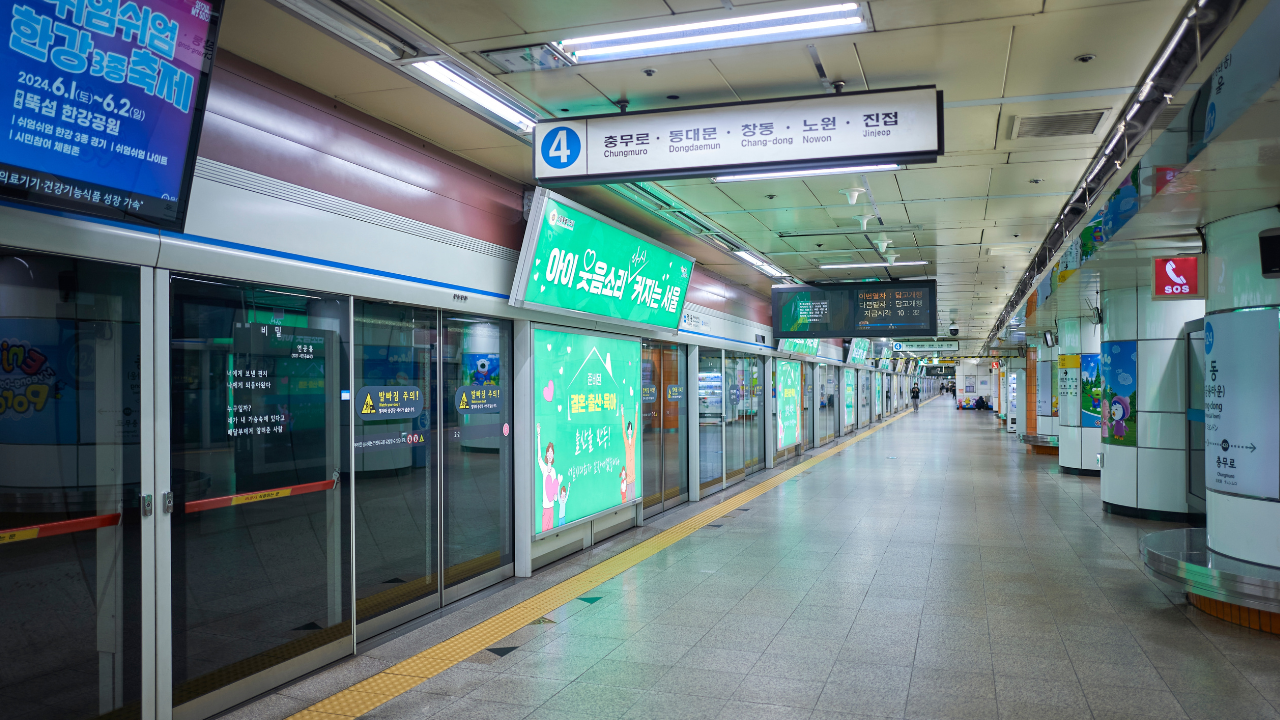
Public transport infrastructure in South Korea is maintained to high standards, with regular cleaning, safety features like platform screen doors in many subway systems, and reliable schedules that help travellers make connections confidently. The predictable nature of services — from punctual trains to frequently arriving buses — gives tourists a sense of security and reduces stress when navigating unfamiliar cities.


Comments (0)

Leave a Reply

No comments yet. Be the first to share your thoughts!