Adventure Travel

Why more travelers are prioritizing experiences over landmarks when choosing a destination

Adam Collins
4.8
May 25, 2026

Travel planning is changing. Many travelers are no longer choosing a destination only because it has a famous monument, skyline, or historic building. Instead, they are starting with the experience they want to have. A traveler may decide where to go based on hiking, cooking, cycling, wellness, surfing, photography, craft workshops, or food markets before thinking about the most recognizable landmark nearby.

This shift does not mean landmarks are losing all value. Famous places still matter, but they are no longer the only reason many people book a trip. Travelers want stories, skills, movement, and personal connections. They want to return home with more than photos in front of a popular attraction. They want to remember the meal they cooked with a local family, the trail they completed, the market they explored, or the creative class that helped them understand a culture more deeply.
1. Food is becoming a reason to choose the destination
© shutterstock / Stefano Guidi

1. Food is becoming a reason to choose the destination

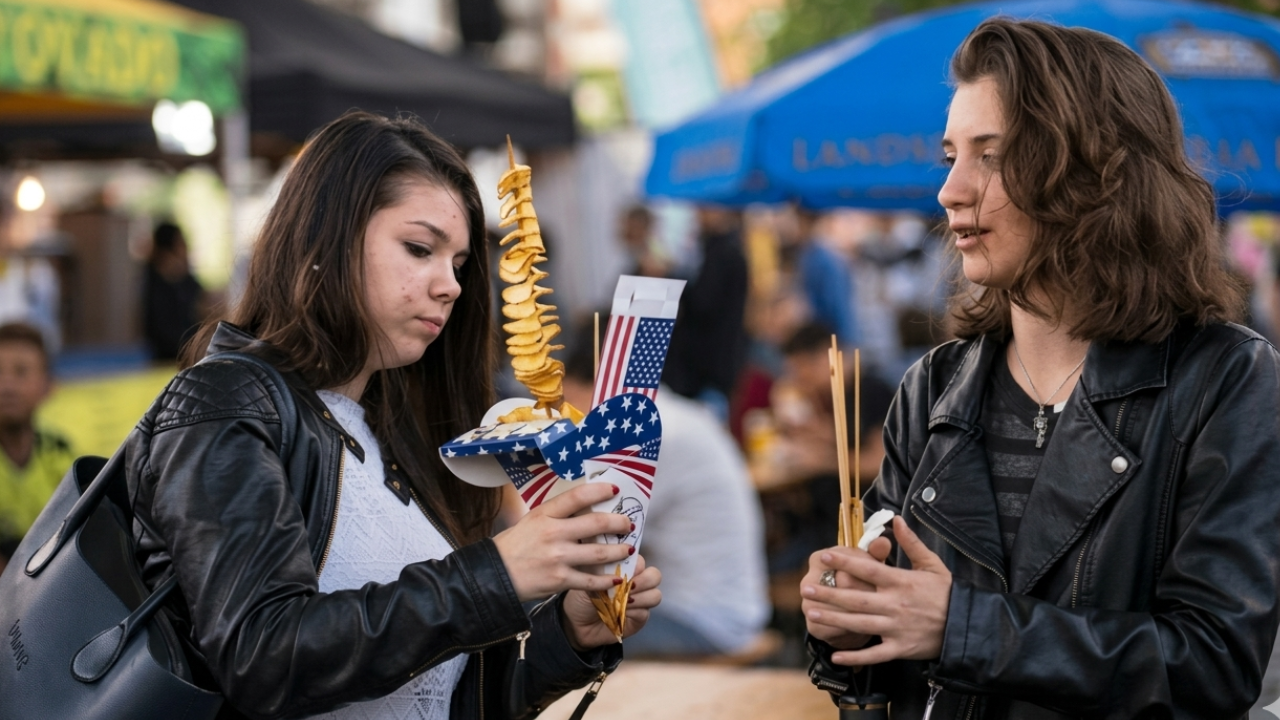
Food has become one of the clearest examples of activity based travel. Instead of visiting a city only to see its main square or cathedral, travelers are choosing places because they want to take cooking classes, join food tours, visit markets, or learn about regional ingredients. Cities such as Oaxaca, Bangkok, Bologna, and Istanbul attract travelers who want to taste culture through daily meals rather than formal sightseeing alone. This kind of travel feels practical and personal because food connects visitors with local routines. A market visit, street snack, or traditional cooking lesson often reveals more about a place than a quick stop at a crowded monument.

2. Outdoor hobbies are shaping travel decisions
© shutterstock / kudla

2. Outdoor hobbies are shaping travel decisions

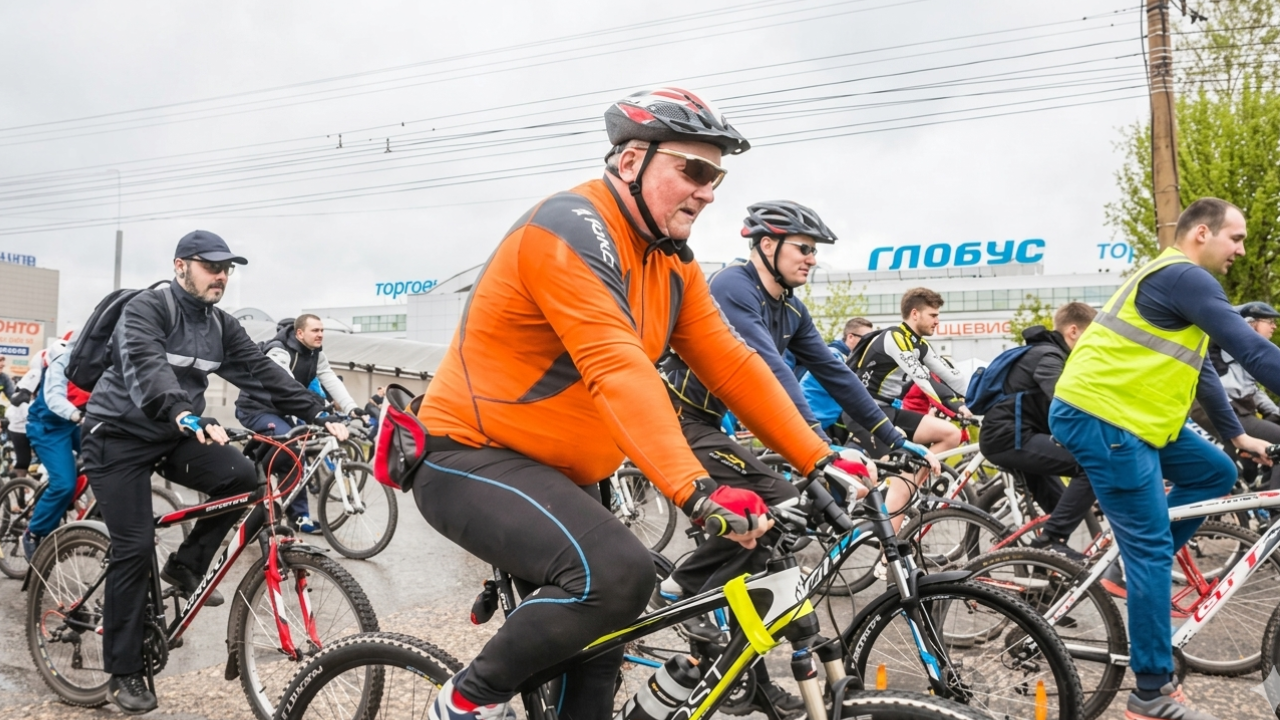
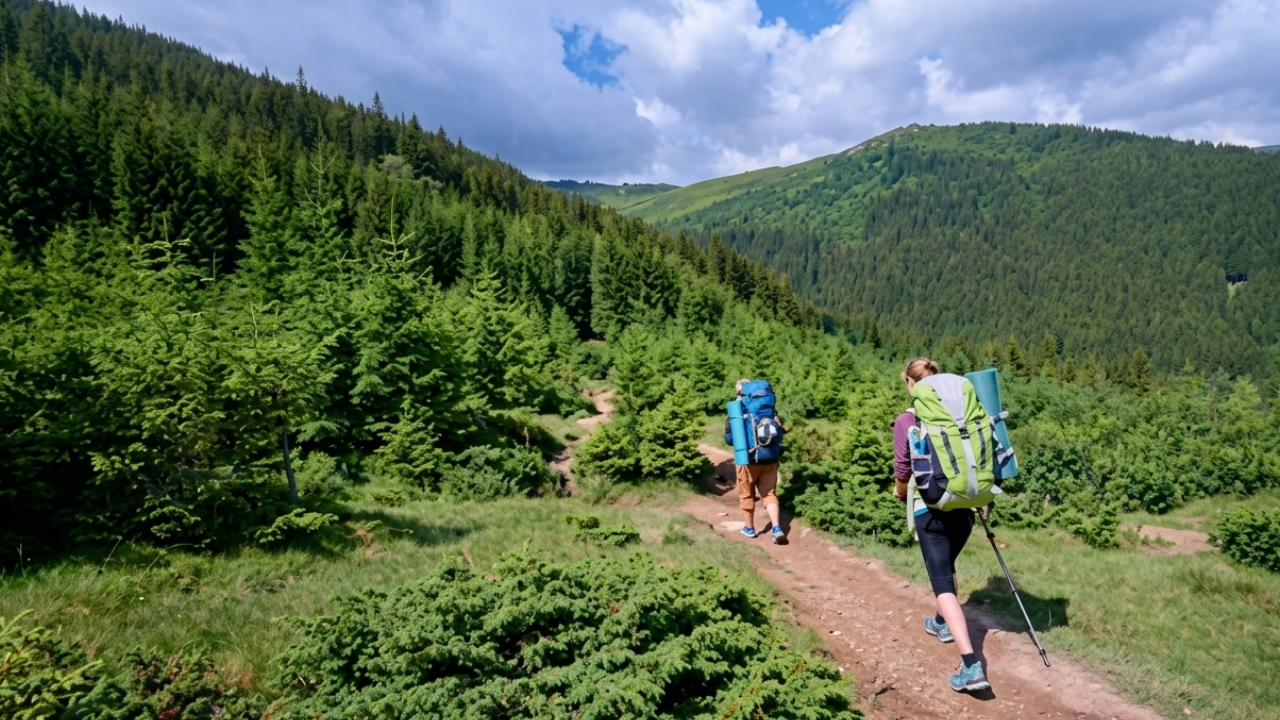
Hiking, cycling, kayaking, climbing, and skiing now influence where many travelers go. A traveler interested in walking routes may choose the Dolomites, Patagonia, or the Scottish Highlands before considering nearby landmarks. Cyclists may plan around quiet country roads in Slovenia, vineyard routes in France, or coastal trails in Portugal. These trips are built around movement and scenery rather than a fixed sightseeing list. Outdoor activity travel also lets visitors set their own pace, whether they want a gentle nature walk or a demanding mountain route. The destination becomes valuable because of what travelers can do there, not only what they can look at.

3. Wellness trips are replacing passive vacations
© shutterstock / lenina11only

3. Wellness trips are replacing passive vacations

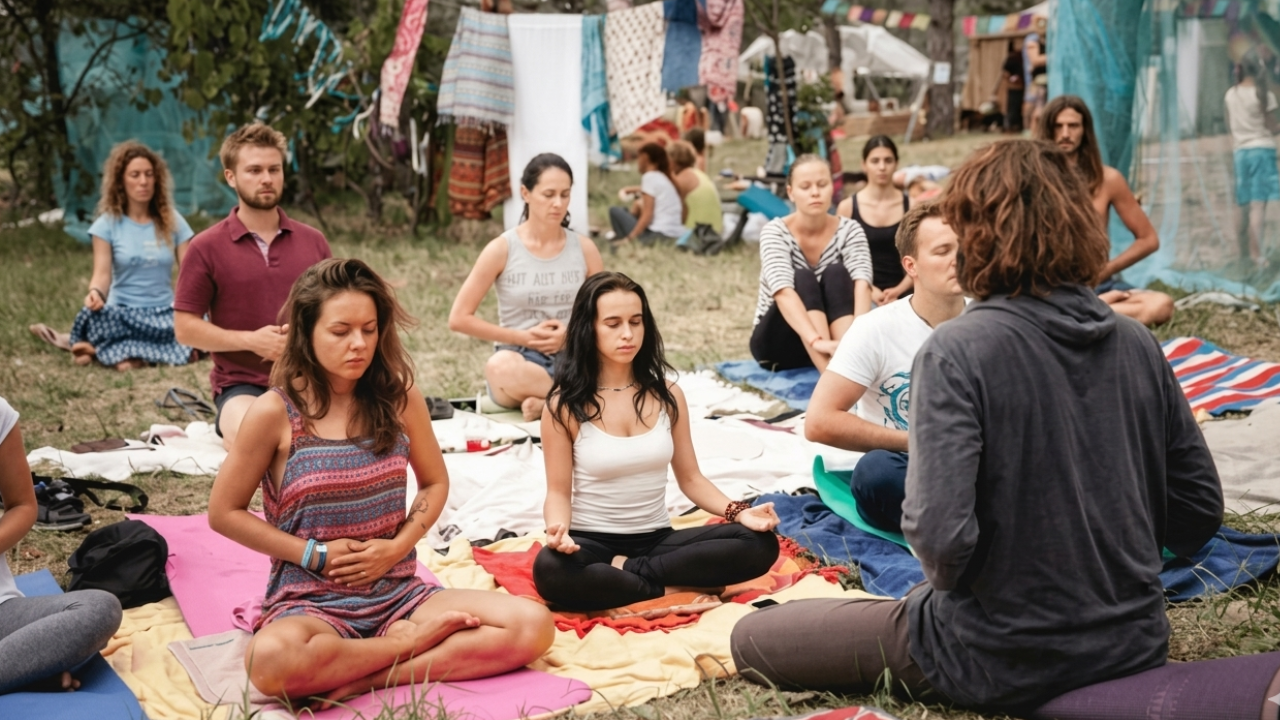
Wellness travel has grown because many people want holidays that help them rest, reset, and return feeling better. Destinations such as Bali, Costa Rica, Thailand, Sedona, and Rishikesh attract visitors with yoga retreats, meditation programs, spa rituals, and nature based healing experiences. These travelers are not simply searching for beautiful hotels. They are choosing places that support a certain state of mind. A morning yoga session, a quiet forest walk, or a guided breathing class can become the main reason for the trip. This makes the destination feel more useful and personal than a place chosen only for its postcard views.

4. Creative hobbies are giving travel more purpose
© shutterstock / nurten erdal

4. Creative hobbies are giving travel more purpose

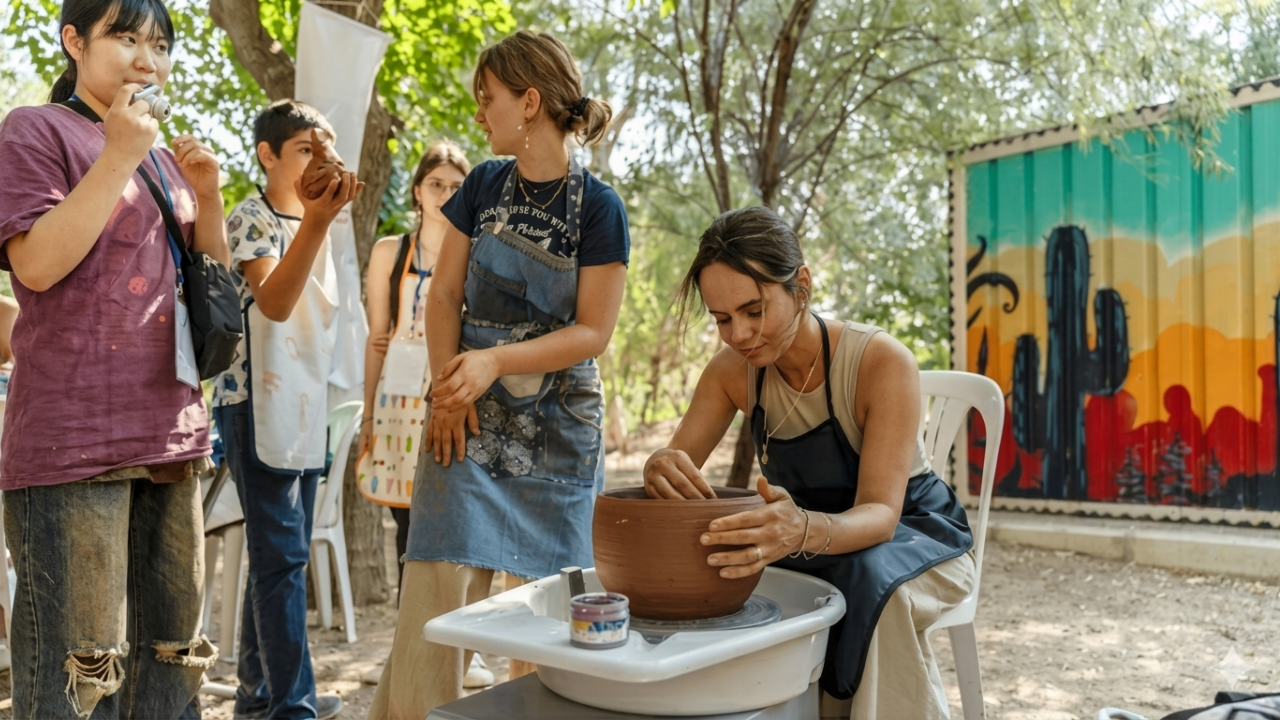
Art, photography, pottery, writing, music, and craft based trips are becoming more common among travelers who want to develop a hobby while exploring a new place. A painter may choose Provence for its light and landscapes. A photographer may visit Kyoto for gardens, temples, and seasonal color. A pottery lover may travel to Morocco, Japan, or Portugal to learn from local makers. These trips allow visitors to slow down and observe details they might miss on a landmark focused itinerary. Creativity encourages deeper attention, and that makes the journey feel more rewarding than rushing through famous stops.

5. Travelers are looking for local routines
© shutterstock / Neng etta

5. Travelers are looking for local routines

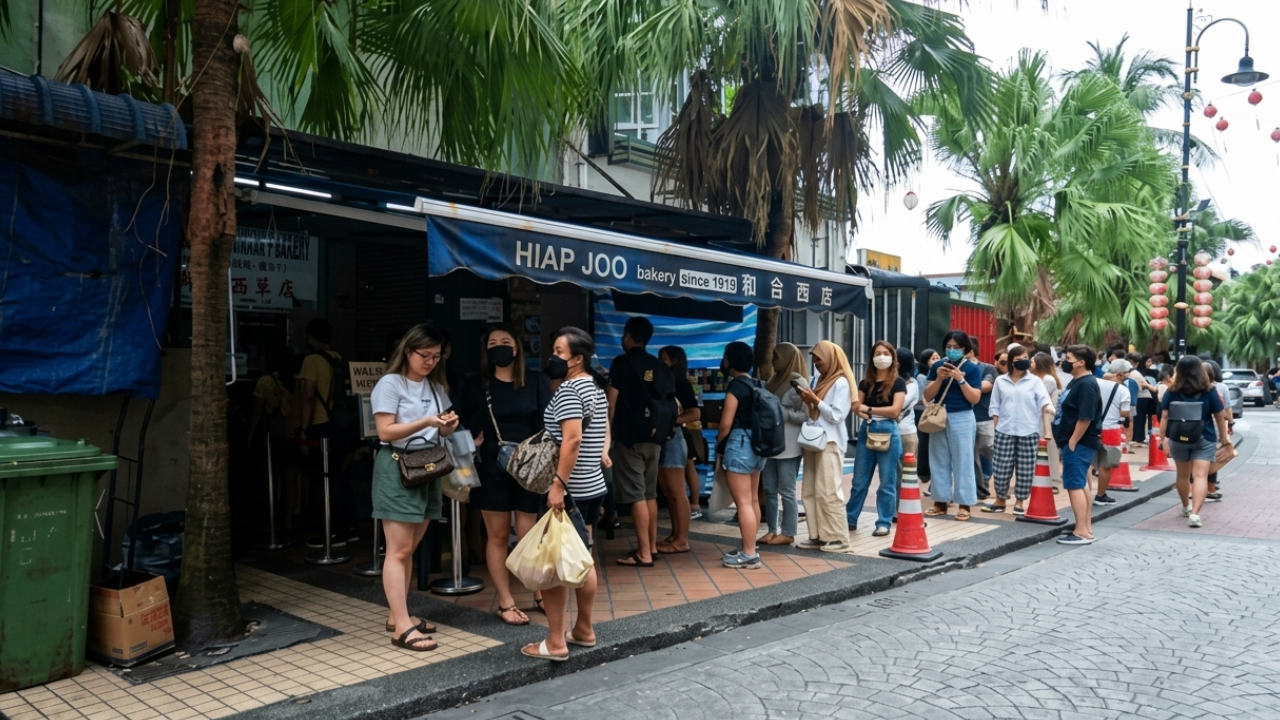
Many modern travelers want to understand how a place works in daily life. Instead of spending all their time in tourist districts, they may visit neighborhood markets, local bakeries, parks, community events, or small workshops. This approach makes even a familiar city feel fresh. In Paris, that might mean choosing a bread making class or a neighborhood food walk instead of only seeing the Eiffel Tower. In Tokyo, it could mean visiting small ramen shops, stationery stores, or craft studios. These activities help travelers feel briefly connected to the rhythm of a place rather than standing outside it as observers.

6. Learning experiences are becoming travel highlights
© shutterstock / naszalyg93

6. Learning experiences are becoming travel highlights

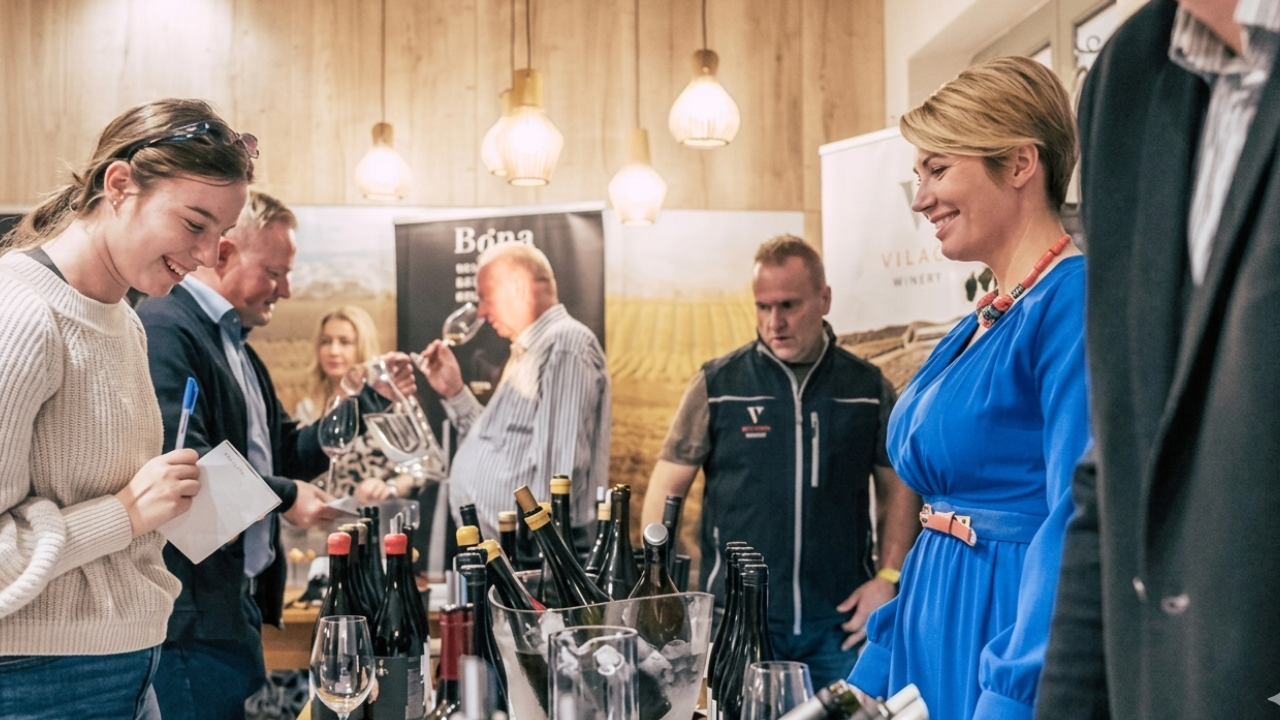
Travelers increasingly value trips that teach them something. Language classes, dance lessons, textile workshops, wine tastings, tea ceremonies, farm visits, and history walks all turn travel into active participation. This does not require a formal course or long stay. Even a short class can create a lasting memory because it asks the traveler to engage. In places such as Florence, Kyoto, Mexico City, or Seville, learning based activities can become the centerpiece of a trip. The appeal is simple: travelers leave with a better understanding of the destination and sometimes a skill they can continue using at home.

7. Nature experiences are competing with city landmarks
© shutterstock / TODD17

7. Nature experiences are competing with city landmarks

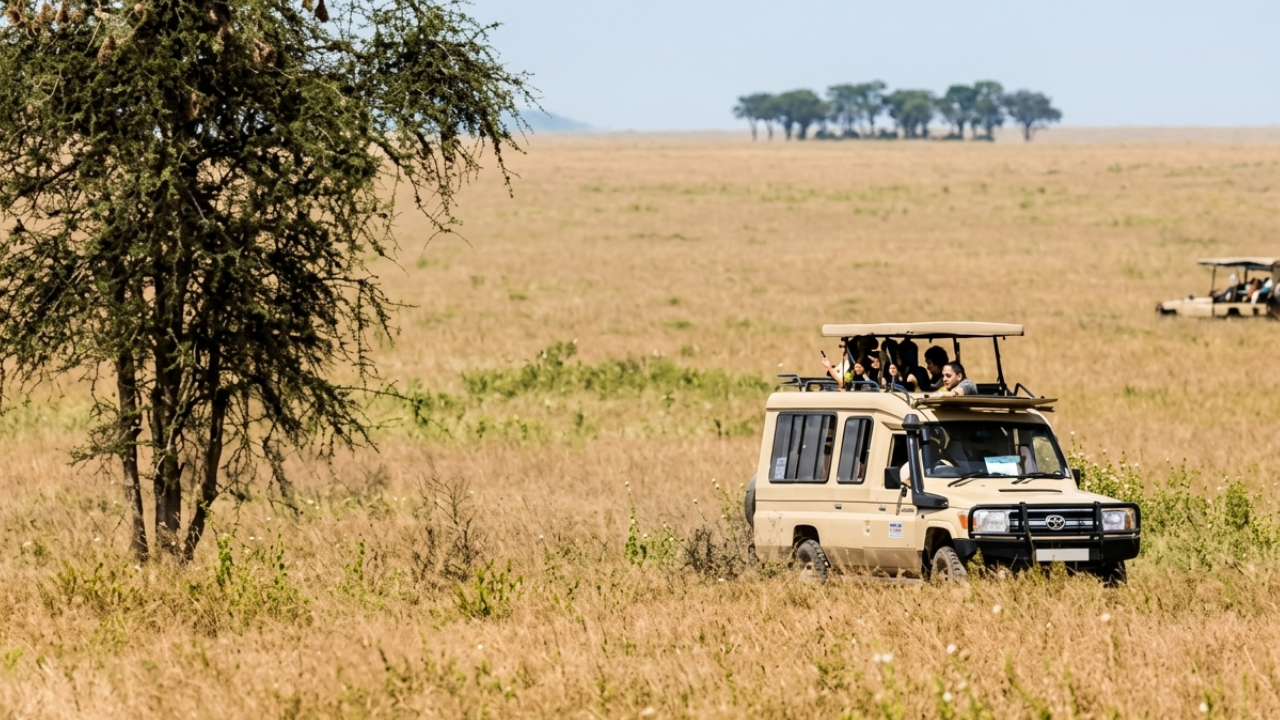
Many travelers now choose places because they want sunrise hikes, wildlife viewing, waterfalls, desert landscapes, or quiet lakes. National parks and protected areas are often selected for activities such as birdwatching, stargazing, snorkeling, or guided nature walks. This has helped destinations such as Costa Rica, New Zealand, Iceland, and South Africa attract travelers who plan around ecosystems and outdoor encounters. These trips often feel more flexible than city breaks because the main attraction is not a single building or monument. It is the chance to move through a landscape and experience its sounds, weather, light, and wildlife.

8. Sports are becoming complete travel themes
© shutterstock / KELENY

8. Sports are becoming complete travel themes

Sports travel is no longer limited to watching major events. Many travelers now build trips around playing, training, or improving at a favorite activity. Golfers may choose Scotland, Portugal, or Arizona. Surfers may look at Indonesia, Hawaii, or Costa Rica. Tennis, cycling, skiing, diving, and running trips also shape destination choices. These travelers often care about facilities, instructors, conditions, and local sports culture more than traditional sightseeing. A destination becomes attractive when it supports the hobby well. The trip may still include museums and restaurants, but the sport gives the journey its structure and purpose.

9. Festivals and events are guiding itineraries
© shutterstock / A. Aleksandravicius

9. Festivals and events are guiding itineraries

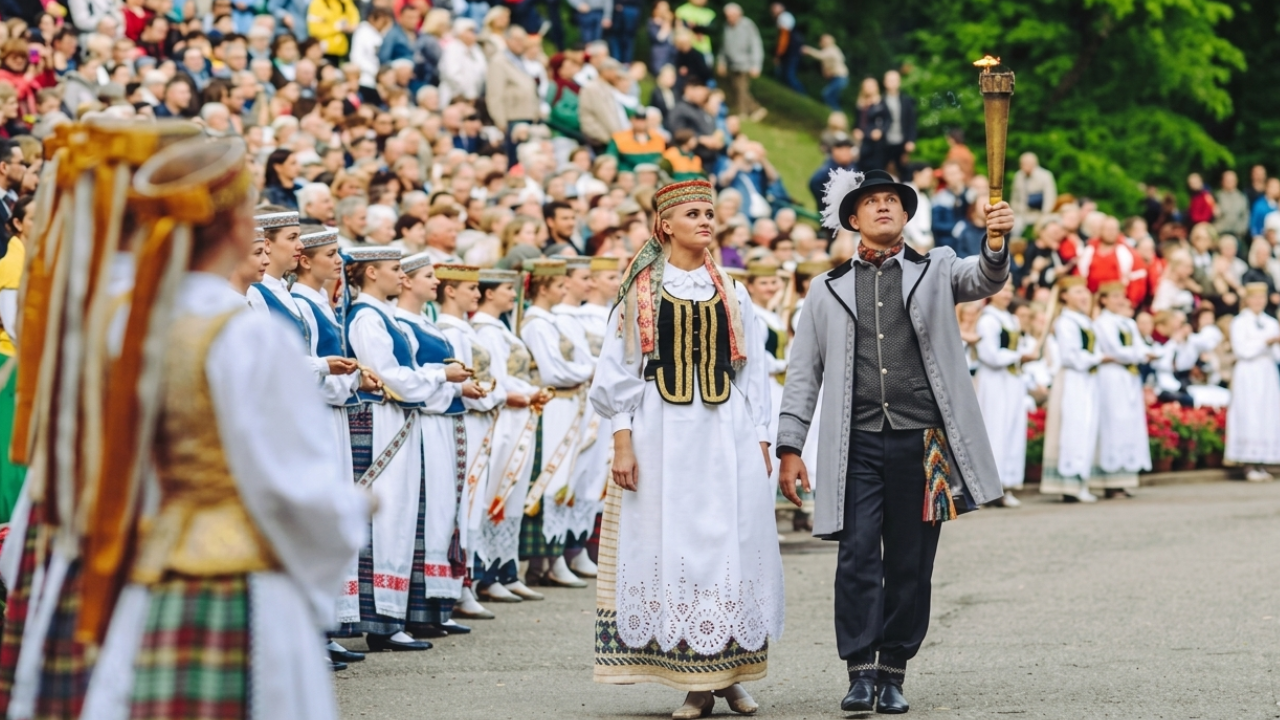
Some travelers now choose destinations based on cultural events rather than permanent attractions. Music festivals, food fairs, film events, flower festivals, craft markets, and local celebrations can make a place more appealing at a specific time of year. This approach gives travel a stronger sense of timing and atmosphere. Visiting a city during a local festival often reveals traditions, public spaces, and community energy that are not visible on ordinary days. It can also help travelers explore beyond standard sightseeing routes, especially when events take place in neighborhoods, villages, or cultural districts.

10. Slow travel supports activity based planning
© shutterstock / Tirachard Kumtanom

10. Slow travel supports activity based planning

Activity based trips often work best when travelers stay longer in one area instead of moving quickly between landmarks. Slow travel allows time for repeated experiences, such as morning walks, local classes, market visits, or relaxed meals. A traveler may spend a week in one town learning to cook, paint, surf, or practice yoga rather than trying to visit five cities. This creates a more grounded relationship with the destination. It also reduces the pressure to complete a checklist. The value comes from routine, attention, and depth rather than the number of attractions visited.

11. Social media is changing what travelers remember
© shutterstock / Powerlightss

11. Social media is changing what travelers remember

Social media once pushed many travelers toward famous photo spots, but it is also helping people discover activity based trips. Short videos of cooking classes, scenic hikes, local workshops, surf lessons, and food markets often feel more personal than standard landmark photos. Travelers may be inspired by the feeling of an experience rather than the fame of a place. A quiet pottery studio, a mountain trail, or a small neighborhood cafe can seem more meaningful than an overcrowded viewpoint. This has encouraged many people to search for trips that feel participatory, relaxed, and specific to their interests.

12. Personal identity is influencing destination choice
© shutterstock / imtmphoto

12. Personal identity is influencing destination choice

Travelers increasingly choose places that match who they are or who they want to become. A food lover may plan around markets and cooking. A wellness minded traveler may search for meditation retreats. A creative person may choose destinations with studios, galleries, and craft traditions. An active traveler may look for trails, water sports, or cycling routes. This makes travel feel more individual and less standardized. Instead of asking, “What landmarks should I see?” many travelers are asking, “What do I want to do, learn, feel, or practice while I am there?” That question is reshaping how destinations are chosen.


Comments (0)

Leave a Reply

No comments yet. Be the first to share your thoughts!